
How to Evaluate Smart Manufacturing Tools for Small and Mid-Size Plants





Choosing smart manufacturing tools is no longer a question of ambition alone. For small and mid-size plants, the real issue is whether digital investment improves throughput, traceability, and quality without adding fragile complexity.
That is why evaluation matters more than promotion. A tool may look advanced on paper, yet deliver weak returns if it does not fit process variability, operator routines, data infrastructure, or maintenance capacity.
Across assembly, metal joining, inspection, and torque control, the best decisions usually come from comparing operational fit, measurable outcomes, and long-term adaptability. In that sense, smart manufacturing tools should be judged as production assets, not technology trophies.
What smart manufacturing tools really include
The term covers more than robots or factory-wide software. In many plants, it includes connected fastening systems, digital welding controls, inline metrology devices, machine monitoring sensors, vision systems, and analytics platforms.
Some tools act at the machine level. Others shape the last mile of manufacturing, where precision assembly, measurement discipline, and operator feedback directly affect scrap, rework, and delivery performance.
A useful definition is simple: smart manufacturing tools combine physical process capability with data capture, feedback, or adaptive control. They do not just execute work. They also make work more visible and easier to improve.
Why this evaluation is more urgent now
Industrial plants are facing tighter tolerances, shorter order cycles, labor variability, and stronger compliance pressure. At the same time, energy costs, raw material swings, and export standards are influencing investment timing.
That mix changes how smart manufacturing tools should be assessed. The question is not only whether a system is innovative. The better question is whether it helps the plant respond to unstable conditions with less waste and better control.
This is especially visible in sectors linked to construction, automotive supply, aerospace maintenance, and fabricated components. Precision, repeatability, and data-backed accountability are becoming commercial requirements, not optional upgrades.
Industry intelligence platforms such as GPTWM have highlighted this shift by tracking developments in precision metrology, handheld laser welding safety, brushless tool efficiency, and IoT-based torque systems. These signals matter because they show where practical adoption is accelerating.
Start with the process, not the product brochure
Evaluation should begin with a process map. Before comparing vendors, identify where delays, defects, variation, manual reporting, or setup loss actually occur.
A plant with unstable weld quality needs a different tool strategy than one struggling with torque traceability or dimensional verification. Smart manufacturing tools create value when they target a defined production constraint.
In practical terms, four questions help anchor the review:
- Which process loss is expensive enough to justify intervention?
- Is the problem caused by skill variation, missing data, weak control, or equipment limits?
- Can the proposed tool generate action, not only information?
- Will the result be visible in cycle time, yield, uptime, or compliance records?
This approach keeps evaluation grounded. It also prevents overbuying software features that the plant will not use.
The core dimensions that deserve close review
Operational performance
The first test is whether the tool improves the physical process. For joining, fastening, or measurement systems, review repeatability, tolerance control, speed under real load, and stability across shifts.
Claims made in a demo should be checked against plant conditions. Material variation, dust, heat, fixture wear, and operator turnover can change actual performance significantly.
Data usefulness
Many smart manufacturing tools collect data. Fewer produce data that teams can trust and act on. Evaluate data accuracy, timestamp integrity, event granularity, and whether records support root-cause analysis.
Useful data answers specific questions. Which station causes drift? Which batch raised defect rates? Which torque sequence failed validation? If the system cannot clarify these points, its intelligence value is limited.
Integration readiness
A strong tool can still fail if it sits outside the production ecosystem. Check compatibility with existing PLCs, MES, ERP, quality databases, calibration routines, and cybersecurity requirements.
For smaller plants, integration effort often determines project success more than license price. A modest system that connects cleanly may outperform a broader platform that needs costly customization.
Workforce fit
Tools should reduce decision friction on the floor. Interfaces, alerts, and workflows must be understandable in fast production settings. Training time, error-proofing logic, and maintenance clarity deserve serious attention.
The most effective smart manufacturing tools often support craftsmanship rather than replace it. They help experienced operators work with more consistency, while making tacit knowledge easier to transfer.
Economics over the full lifecycle
Return on investment should include more than acquisition cost. Consider installation, downtime during rollout, software updates, calibration, consumables, support contracts, and expected obsolescence.
A lower-cost option can become expensive if it creates data silos or frequent service interruptions. A higher-cost option can still be justified if it protects quality escapes or customer audit exposure.
A practical comparison framework
When evaluating multiple options, a structured scorecard helps separate marketing language from plant value. The categories below are useful because they connect technology features to production outcomes.
This kind of matrix is especially helpful when comparing tools across different functions, such as digital welding systems, smart torque platforms, or connected metrology devices.
Where smart manufacturing tools often create the fastest value
Not every use case delivers the same speed of return. In smaller operations, the most attractive projects tend to solve a visible control problem with measurable financial impact.
- Connected fastening where torque traceability affects warranty exposure
- Inline measurement where manual inspection creates bottlenecks
- Welding process monitoring where rework and operator variation are high
- Machine condition alerts where unplanned downtime disrupts delivery
- Energy and motor monitoring where utility costs have become material
These are not abstract digitalization themes. They are operational pressure points where smart manufacturing tools can turn hidden losses into visible numbers and controlled actions.
Why precision intelligence matters in the decision process
Tool selection improves when technical review is connected to market intelligence. A plant does not operate in isolation from supply shifts, standards pressure, or technology maturity.
That is where GPTWM offers a useful lens. Its focus on industrial assembly, metal joining, and precision metrology reflects the areas where smart manufacturing tools often create decisive value in the last production mile.
Signals around handheld laser welding safety, brushless power efficiency, and IoT torque control are more than trend items. They help frame whether a tool category is proven, emerging, or still costly relative to plant readiness.
For decision planning, that broader context can reduce timing mistakes. It helps distinguish between a tool that supports scalable modernization and one that simply follows temporary market noise.
Common mistakes that weaken results
Several patterns show up repeatedly when smart manufacturing tools underperform.
- Buying for feature breadth instead of production relevance
- Ignoring data governance until after deployment
- Assuming operators will adapt without workflow redesign
- Evaluating only capital expense, not support burden
- Launching plant-wide before validating one line or one station
Usually, the better route is staged adoption. A focused pilot with clear metrics can reveal whether the tool genuinely improves process capability and whether scale-up will be manageable.
A sensible next step
The most reliable way to evaluate smart manufacturing tools is to build a short list from actual plant constraints, then test each option against process impact, data quality, integration effort, workforce fit, and lifecycle cost.
From there, compare one or two high-friction production points first. Use a pilot to measure scrap, cycle time, rework, and traceability gains. That evidence will do more than any vendor promise.
In a market where precision and adaptability increasingly move together, smart manufacturing tools should be selected with the same discipline used for any critical production asset. Clear criteria, credible intelligence, and measured rollout are still the strongest basis for a good decision.
Related News

In-House vs. Outsourced Aircraft Maintenance: Comparing Total Costs
Compare aerospace maintenance cost for in-house vs. outsourced aircraft upkeep. Discover hidden expenses, downtime impacts, and break-even factors to find the best fit for your fleet.
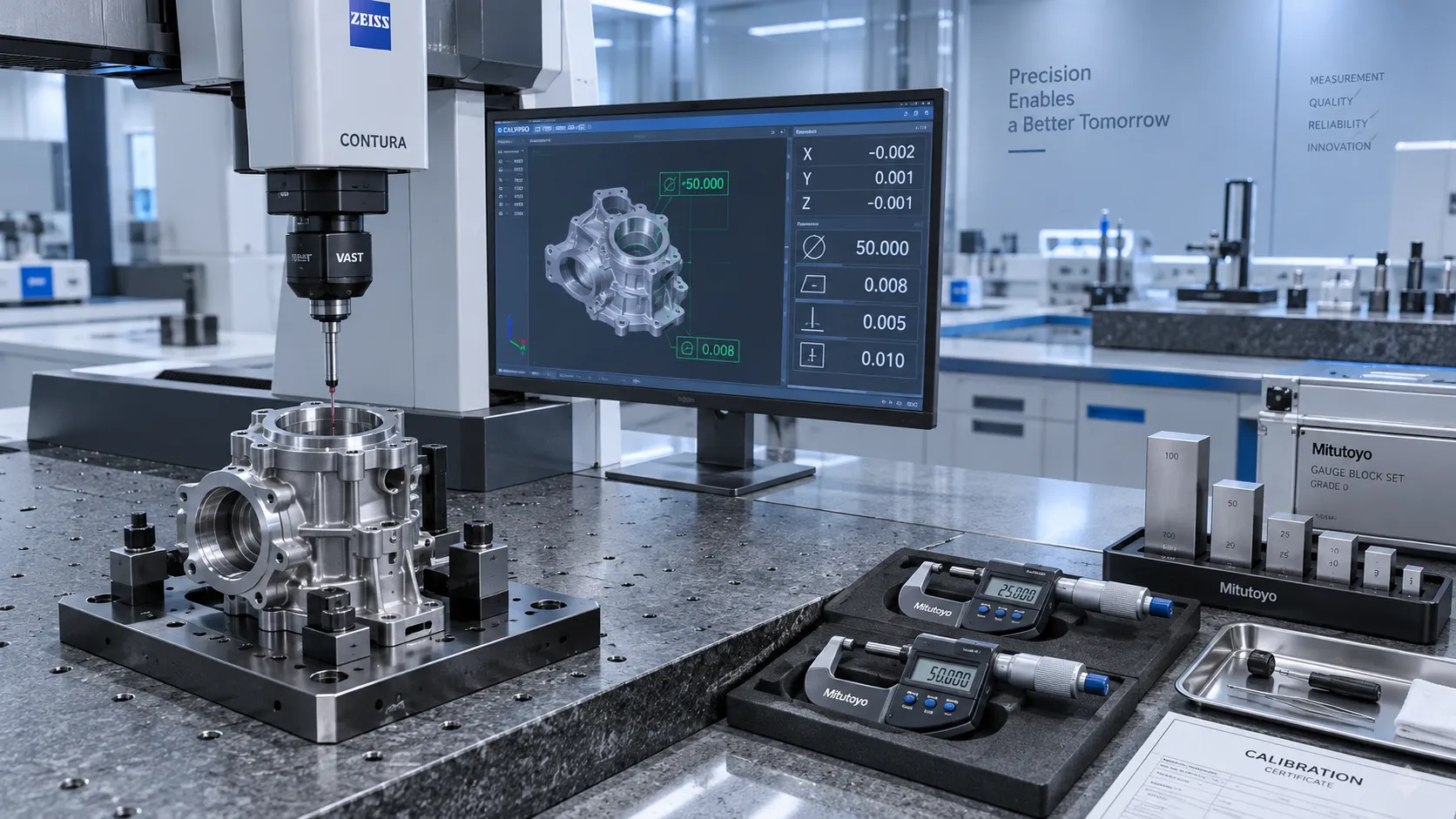
How to Select High-Precision Measuring Instruments for Tight-Tolerance Production?
High-precision measuring instruments are essential for tight-tolerance production. Learn how to evaluate accuracy, repeatability, environment, calibration, and data integration.
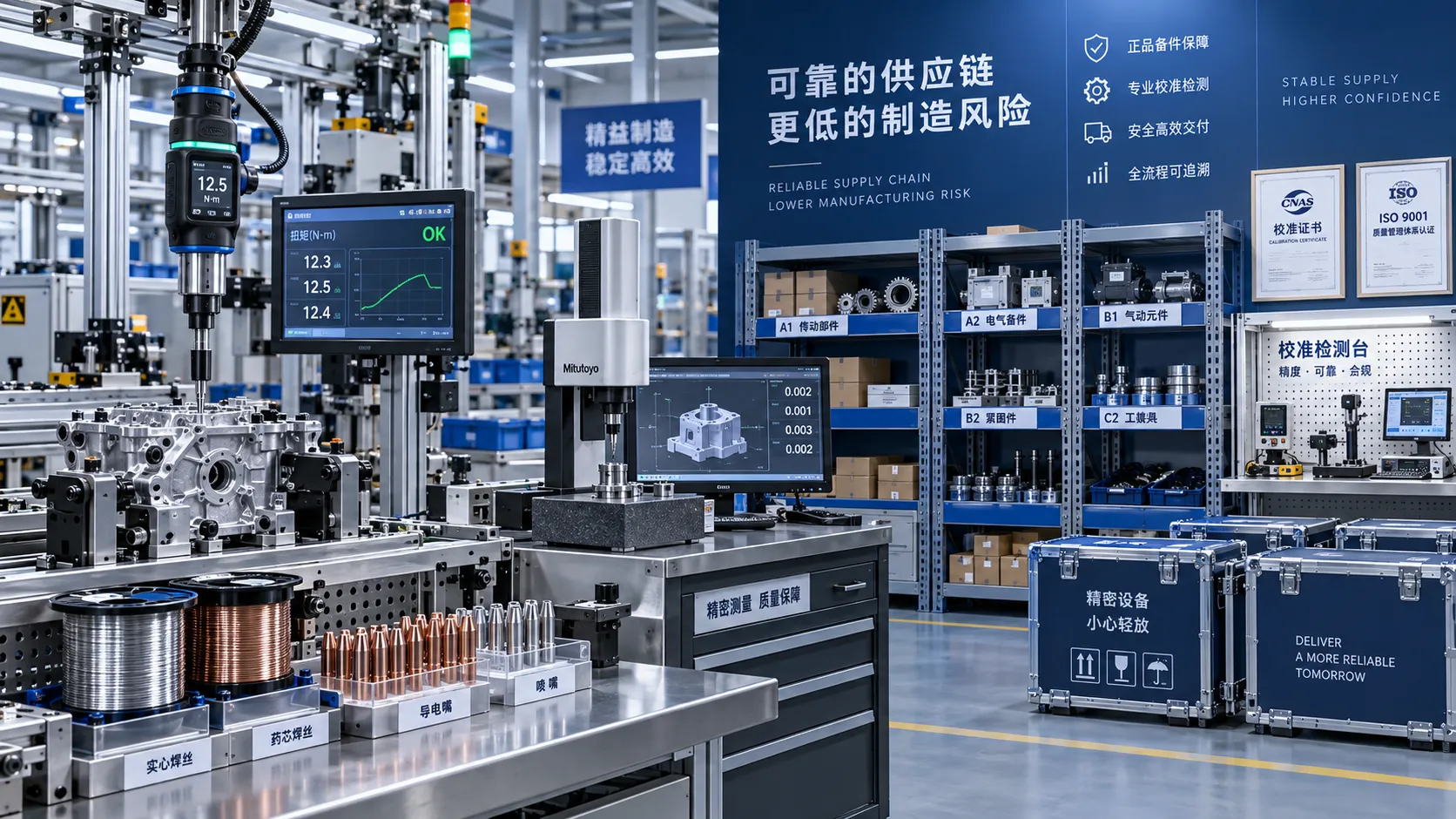
How Industrial Innovation Supplier Networks Reduce Sourcing Risk for Manufacturers
industrial innovation supplier network insights help manufacturers reduce sourcing risk, control lifecycle costs, and choose reliable tools, services, and suppliers with confidence.
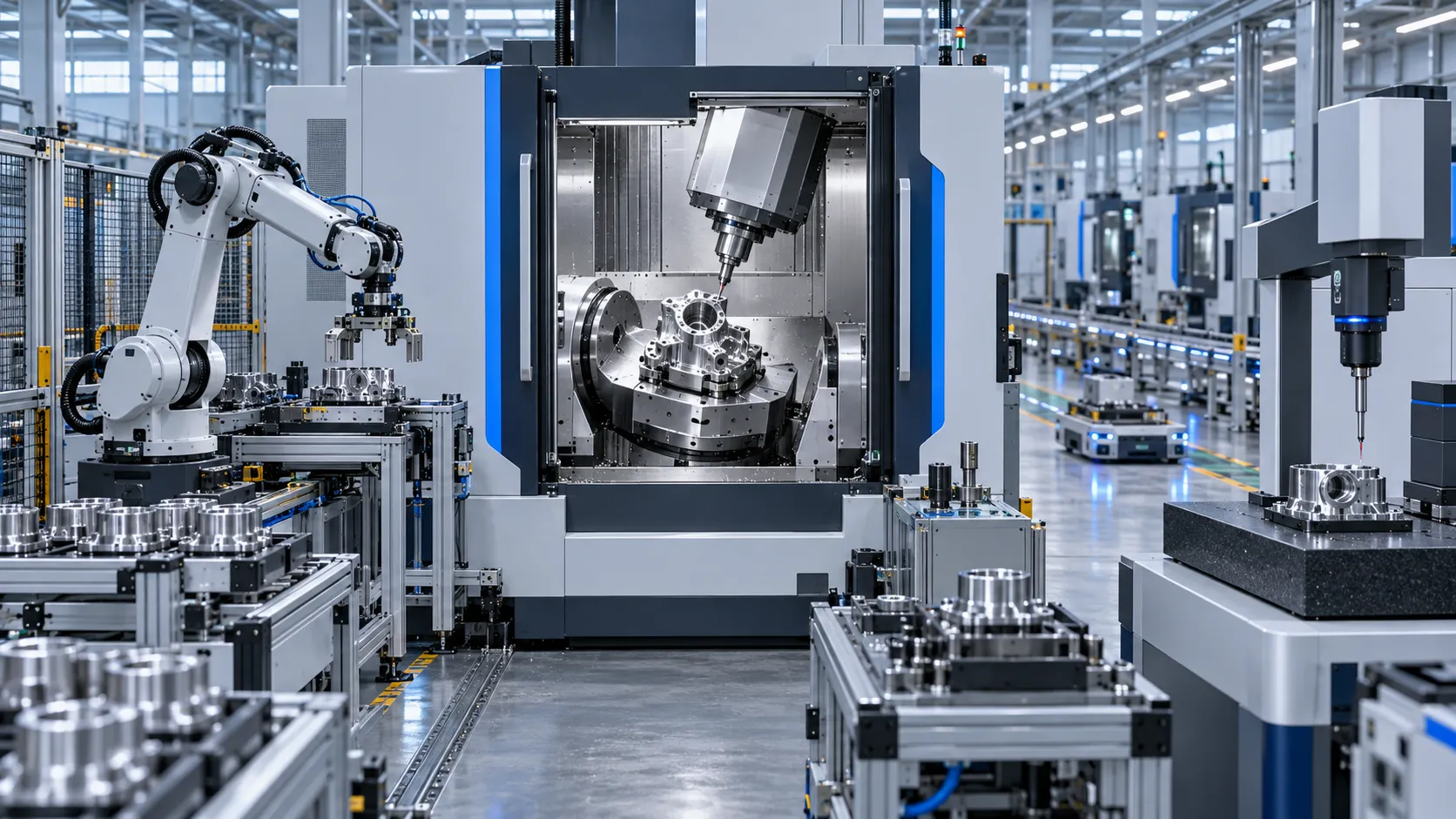
South East Asia Machine Tools Market: Demand Outlook by Manufacturing Industry
South East Asia machine tools market outlook: explore demand from automotive, electronics, fabrication, and infrastructure, plus smart sourcing priorities for manufacturers.
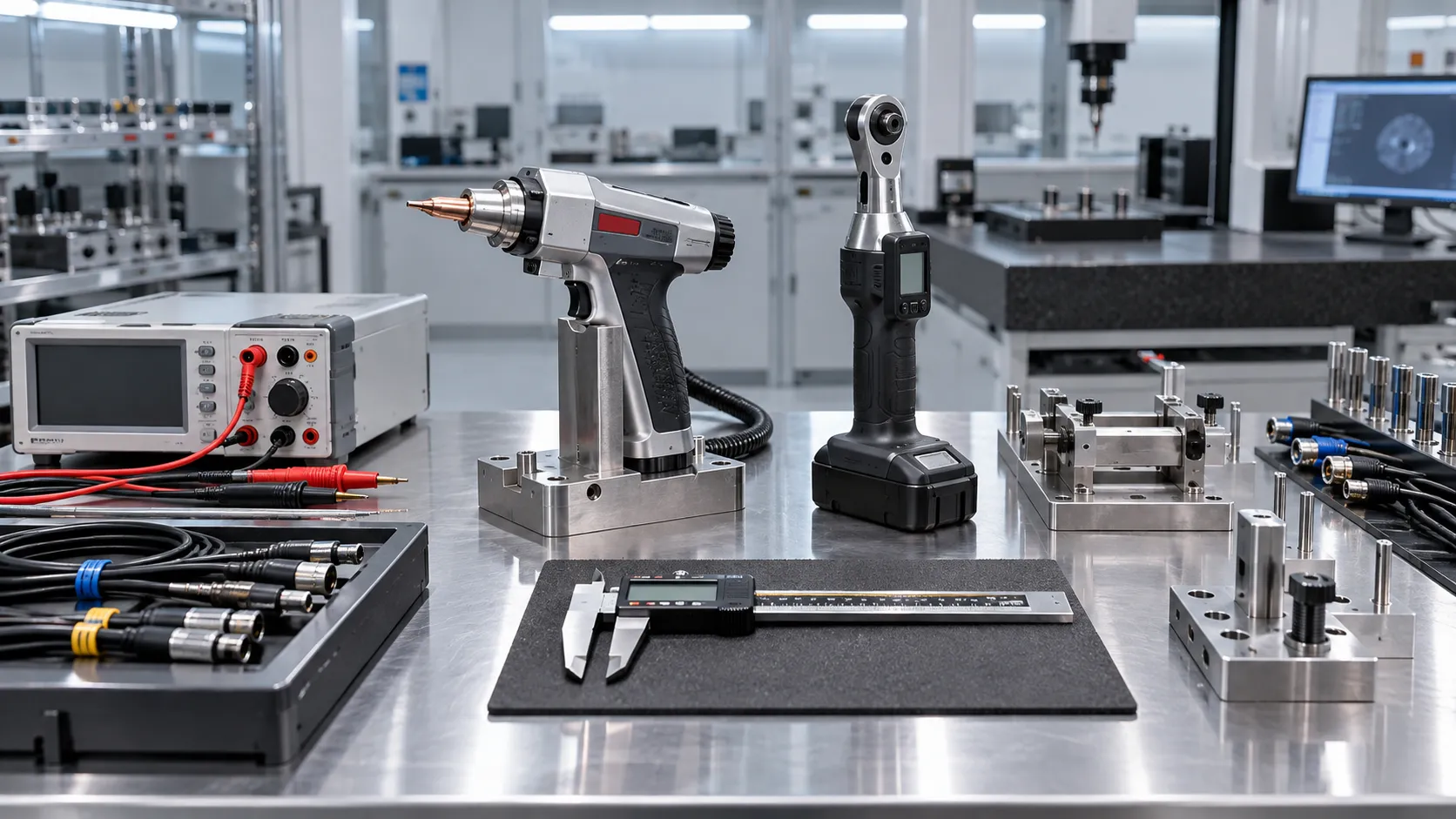
Which Industrial Standards Should Be Checked Before Export?
Which industrial standards should be checked before export? Discover essential compliance steps for industrial tools, welding equipment, laser systems, and metrology products.
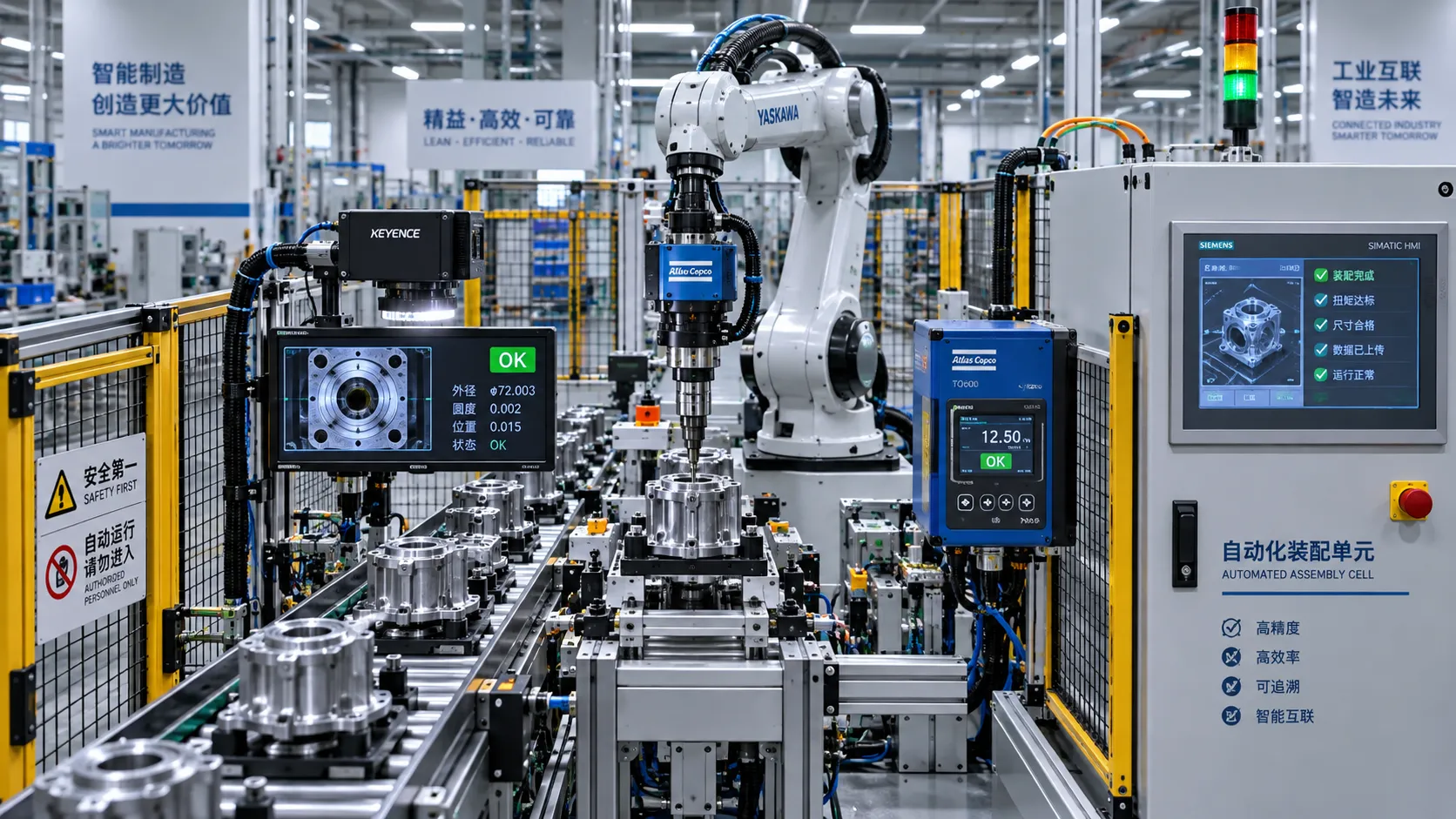
What Industrial Automation Exporters Need to Know Before Entering ASEAN Markets
Industrial automation exporter to ASEAN: learn how to navigate compliance, local service, digital readiness, pricing, and market entry for scalable growth.
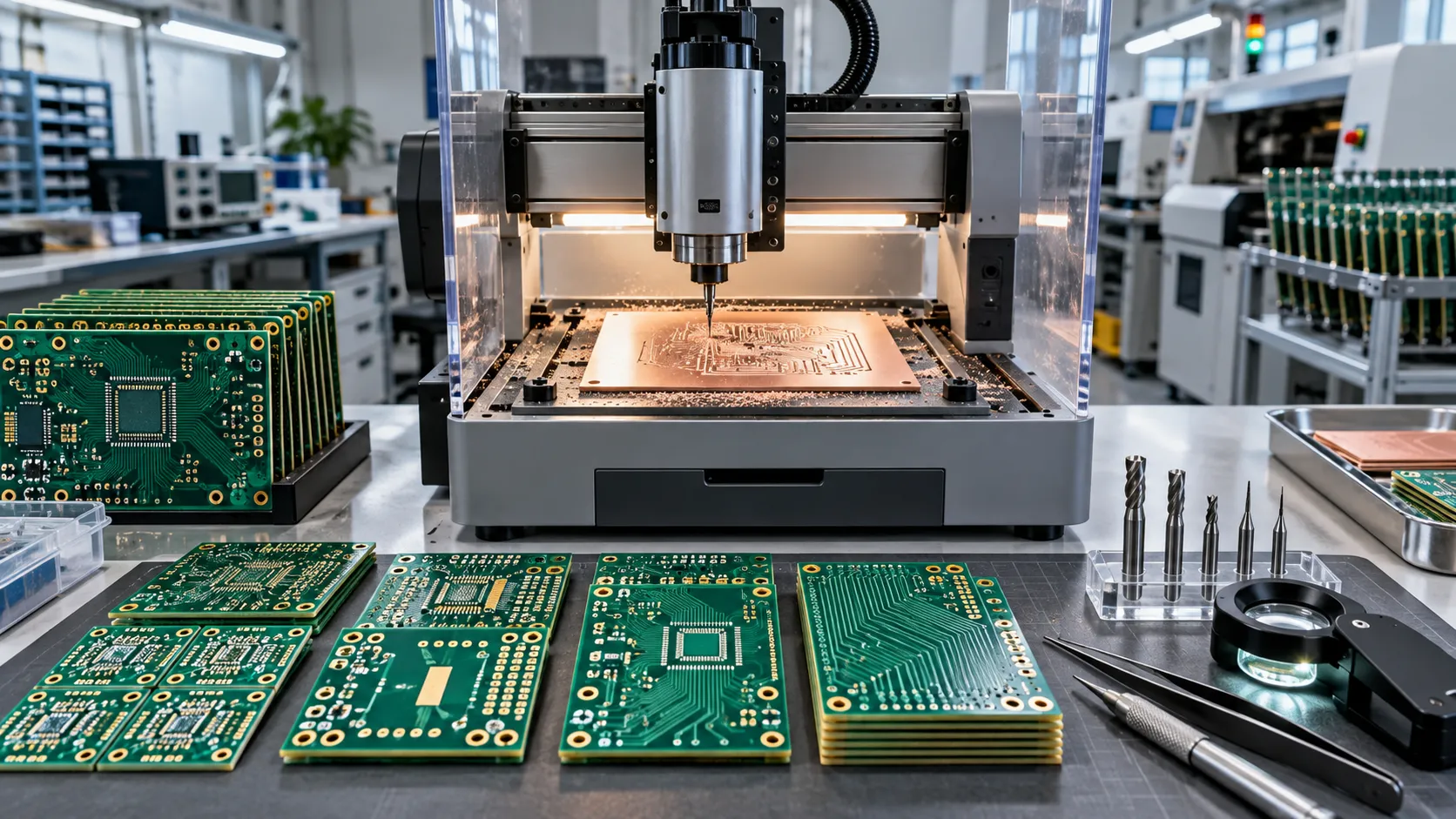
PCB Prototyping Equipment Costs: Comparing In-House Machines and Outsourced Builds
PCB prototyping equipment costs compared: discover when in-house machines speed iterations and when outsourced builds deliver better value, quality, and scalability.
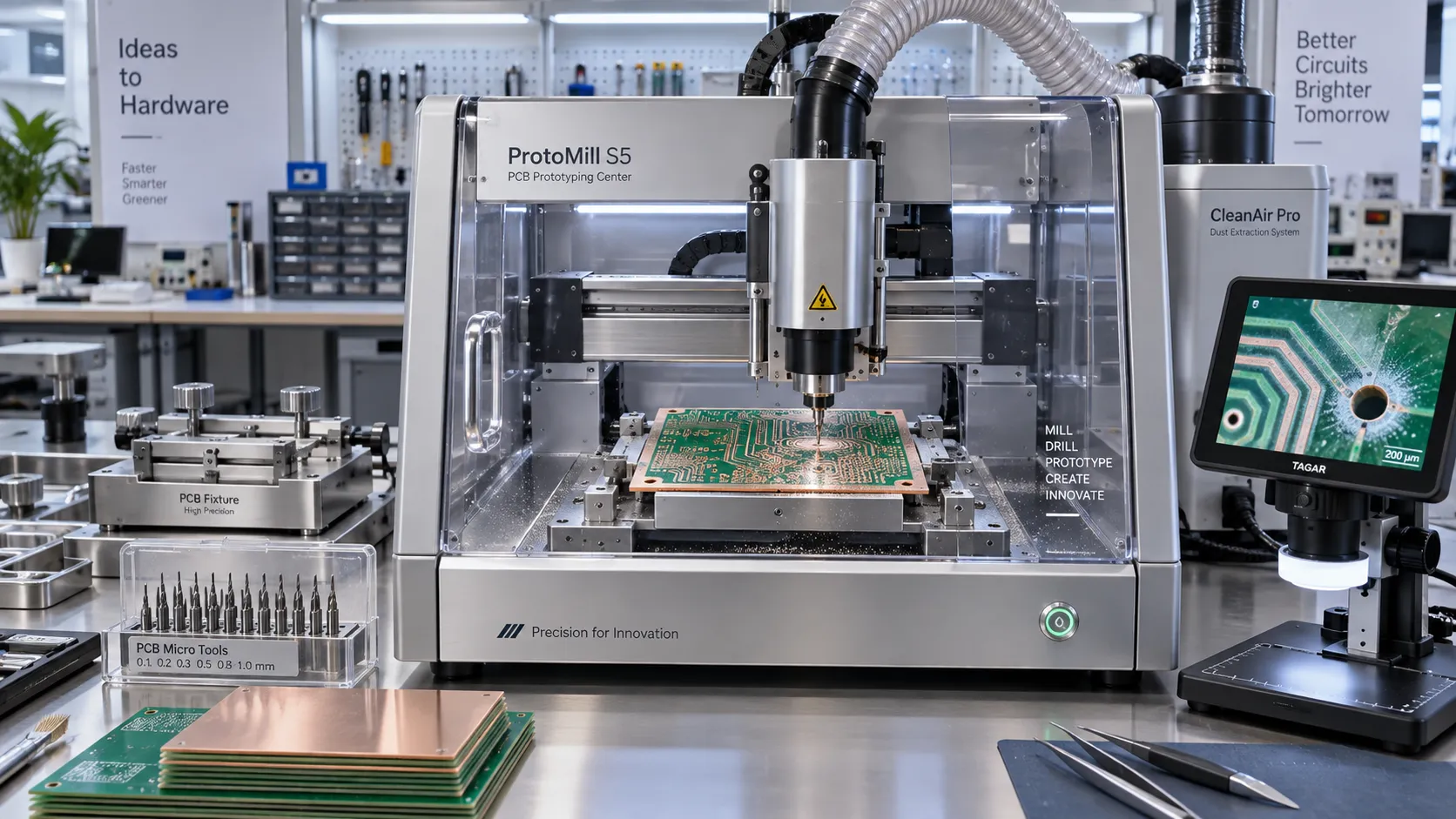
Prototype PCB Manufacturing Equipment: What Engineers Should Evaluate Before Purchase
Prototype PCB manufacturing equipment: discover the key factors engineers should evaluate—from accuracy and materials to software, safety, and ROI—before buying.
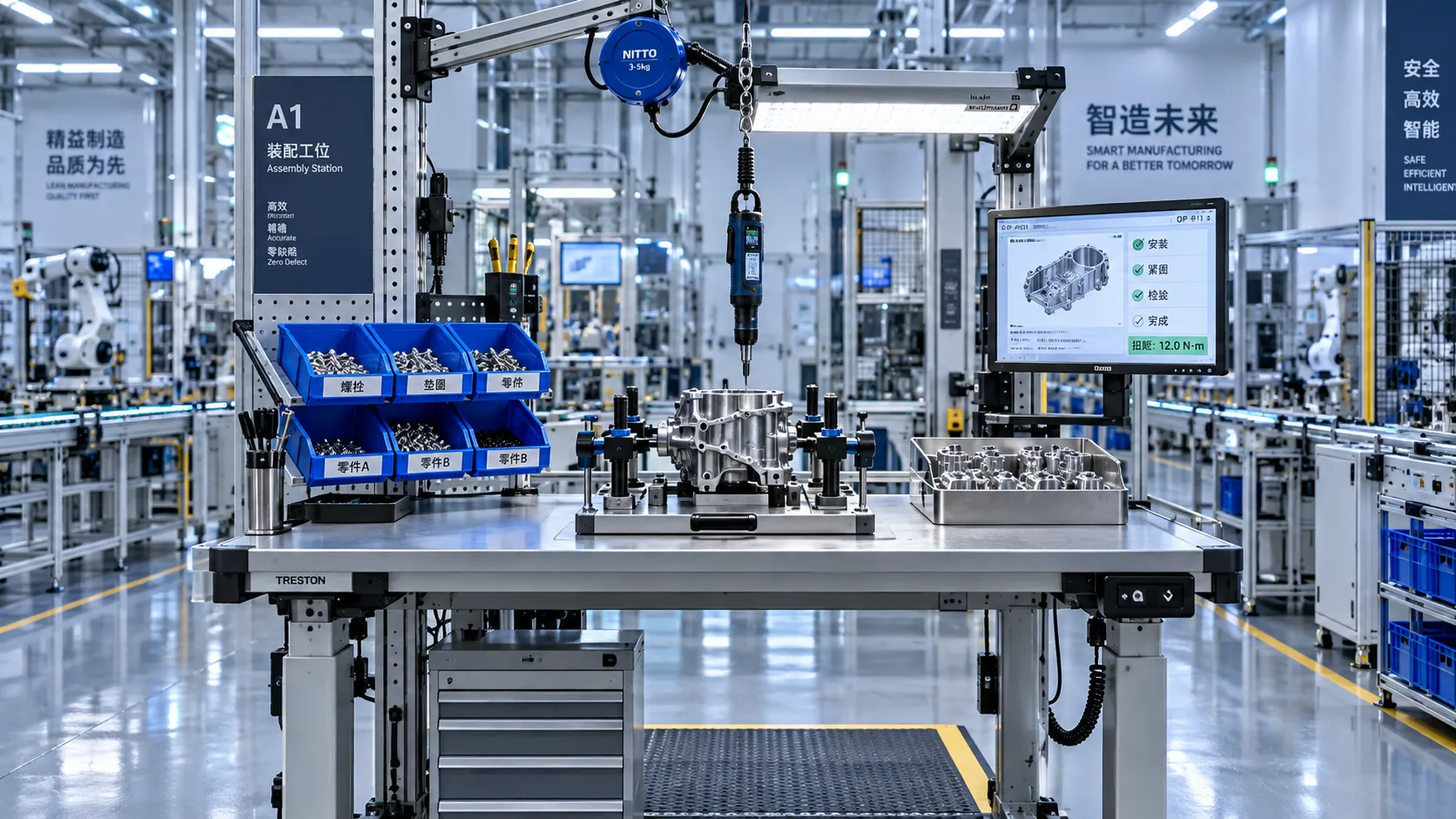
Workplace Ergonomics for Manufacturing: Reducing Repetitive-Strain Risks on Assembly Lines
Workplace ergonomics for manufacturing helps reduce repetitive-strain risks on assembly lines through smarter workstation design, tool selection, task analysis, and quality-focused improvements.
Related News
- 00
0000-00
How to Select High-Precision Measuring Instruments for Tight-Tolerance Production? - 00
0000-00
Prototype PCB Manufacturing Equipment: What Engineers Should Evaluate Before Purchase - 00
0000-00
Workplace Ergonomics for Manufacturing: Reducing Repetitive-Strain Risks on Assembly Lines - 00
0000-00
Selecting Adjustable Torque Tools for Repeatable Fastener Assembly - 00
0000-00
How to Select Aerospace Inspection Tools for Aircraft Maintenance Tasks
Prof. Marcus Chen
Weekly Insights
Stay ahead with our curated technology reports delivered every Monday.