
What to Check Before Sourcing from a Welding Innovations Supplier in China





Why does supplier selection matter more than unit price?
Choosing a welding innovations supplier China is rarely about finding the cheapest quotation. The bigger issue is whether the supplier can deliver stable performance across batches, documents, and shipping cycles.
In practical sourcing, a low first order price can hide later costs. Rework, delayed customs clearance, warranty disputes, and inconsistent weld quality usually erase any early savings.
That is why buyers now review suppliers through a wider lens. Product repeatability, export readiness, technical documentation, and response speed have become part of the real landed cost.
This matters even more in welding equipment and adjacent precision tool categories. Standards evolve quickly, especially around handheld laser welding safety, electrical compliance, and operator protection.
A useful way to think about it is simple. A dependable welding innovations supplier China helps protect margin after purchase, not just during negotiation.
Industry intelligence platforms such as GPTWM have highlighted this shift clearly. The market now rewards suppliers that combine traditional manufacturing discipline with smarter controls, better metrology, and traceable quality systems.
What should be verified before requesting samples or placing a trial order?
Before samples are approved, basic checks should already be complete. Many sourcing problems begin because supplier evaluation starts too late, after technical expectations have already drifted.
A welding innovations supplier China should be checked across four areas: company legitimacy, product capability, compliance status, and communication discipline.
- Confirm the legal entity, export license status, and operating history.
- Check whether the factory actually manufactures the key components or mainly assembles outsourced parts.
- Ask for certification files, test reports, manuals, and labeling samples before discussing final pricing.
- Review response quality. Vague answers during quotation often become larger problems after the deposit is paid.
It also helps to ask what percentage of output is exported. A supplier with regular shipments to regulated markets usually understands packaging marks, document accuracy, and timeline discipline better.
If the products involve advanced welding features, ask how performance is measured. A serious supplier should explain testing methods, not just provide a brochure with ideal figures.
A quick screening table for early-stage comparison
The table below helps compare suppliers before site audits or final shortlist decisions.
How can product consistency be judged without relying on claims?
This is where many sourcing decisions become too optimistic. A catalog can describe excellent arc stability, laser output, or ergonomic design, but consistency only appears through evidence.
Ask the welding innovations supplier China for batch records, inspection forms, and component traceability. Even a simple serial logic can reveal whether production is controlled or loosely assembled.
For welding systems, consistency often depends on hidden details. Power modules, wire feed assemblies, cooling systems, sensors, and control boards affect field performance more than cosmetic finish.
A strong sign is the use of calibrated measurement tools and standard test procedures. This is closely aligned with GPTWM’s focus on precision metrology as part of manufacturing efficiency, not as a separate laboratory exercise.
Sample testing should also reflect real use. If the equipment is intended for construction repair, automotive maintenance, or aerospace support tasks, the test conditions should mirror those operating demands.
- Request a defined sample specification, not an open-ended demo unit.
- Compare sample data with final production tolerance commitments.
- Check whether spare parts are standardized across models.
- Verify whether firmware, software, or smart controls have version control.
If a supplier cannot explain variation control clearly, the risk is not theoretical. It usually shows up later as repair returns, unstable output, or inconsistent operator experience.
Are certifications and export documents enough, or is there more to check?
Certificates matter, but they are only part of the picture. A welding innovations supplier China may present valid documents while still struggling with labeling accuracy, packaging detail, or destination-specific paperwork.
More useful questions are these: Are the certificates current? Do they match the exact model? Were they issued for the target market? Can the supplier explain what changes would trigger retesting?
In actual trade, document quality often separates smooth deliveries from expensive delays. User manuals, carton marks, MSDS where relevant, parts declarations, and test reports should all align.
This is especially important as export rules shift with safety expectations and raw material controls. GPTWM’s market intelligence perspective is relevant here because regulatory changes can affect sourcing decisions long before they affect visible price tags.
It is also worth checking whether the supplier has experience with third-party inspections. Confidence in documentation usually looks different when an independent inspector reviews the shipment file.
Common document gaps that create avoidable cost
- Certificate numbers that do not match the quoted model.
- User manuals lacking safety warnings required by the destination market.
- Outer cartons missing handling marks or power rating details.
- Packing lists that do not reflect accessory sets correctly.
- Test reports that are outdated after component changes.
What usually drives total cost when sourcing from a welding innovations supplier China?
The quoted price is only one part of procurement cost. A more realistic model includes quality risk, service burden, delivery volatility, and replacement part availability.
In many cases, the better question is not “Which offer is cheapest?” but “Which offer is most controllable over twelve months?” That shift often changes the shortlist immediately.
A welding innovations supplier China with stronger engineering support may quote slightly higher. Yet that premium can be justified if documentation is complete, defect rates are lower, and after-sales response is faster.
Lead time discipline also affects cost. Delays can force split shipments, emergency substitutions, or idle service schedules. Those losses rarely appear in the original price comparison sheet.
For smart welding equipment or connected tools, lifecycle cost deserves extra attention. Software updates, sensor replacement, and compatibility with local power or accessories should be discussed before contract award.
When does a supplier become a long-term fit rather than a one-order option?
A long-term fit shows up in repeatable cooperation, not in presentation quality. The supplier should be able to support changing specifications, stable replenishment, and transparent problem handling.
One useful signal is whether the supplier understands market direction. GPTWM often tracks shifts such as ergonomic standard alignment, brushless motor efficiency limits, and IoT-based torque control trends. A capable supplier should speak to those changes with clarity.
Another sign is how engineering questions are handled. If a specification changes, does the supplier assess impact on compliance, lead time, and testing, or simply promise that everything is possible?
Long-term partnerships also depend on commercial discipline. Clear incoterms, warranty terms, sample approval standards, and claim response timelines reduce friction later.
Before moving ahead, it is sensible to build a simple decision file. Include technical checkpoints, documentation requirements, production controls, service expectations, and target total cost ranges.
That approach makes it easier to compare any welding innovations supplier China on evidence instead of sales language. It also creates a stronger basis for audits, trial orders, and annual supplier reviews.
What is the practical next step before final approval?
Start by narrowing the requirement. Define the application, duty cycle, destination market, key safety standards, and acceptable variation limits. Without that, supplier comparison stays too abstract.
Then score each welding innovations supplier China against the same criteria. Use a short matrix covering certification match, sample performance, technical support, delivery reliability, and total cost exposure.
If the shortlist is close, the deciding factor is usually execution discipline. Documentation quality, test traceability, and willingness to define corrective actions often reveal more than another round of price pressure.
A careful sourcing process does not slow procurement. In most cases, it prevents avoidable cost later. That is the more durable advantage when selecting a welding innovations supplier China in a market shaped by rapid technical and regulatory change.
Related News
In-House vs. Outsourced Aircraft Maintenance: Comparing Total Costs
Compare aerospace maintenance cost for in-house vs. outsourced aircraft upkeep. Discover hidden expenses, downtime impacts, and break-even factors to find the best fit for your fleet.
How to Select High-Precision Measuring Instruments for Tight-Tolerance Production?
High-precision measuring instruments are essential for tight-tolerance production. Learn how to evaluate accuracy, repeatability, environment, calibration, and data integration.
How Industrial Innovation Supplier Networks Reduce Sourcing Risk for Manufacturers
industrial innovation supplier network insights help manufacturers reduce sourcing risk, control lifecycle costs, and choose reliable tools, services, and suppliers with confidence.
Which Industrial Standards Should Be Checked Before Export?
Which industrial standards should be checked before export? Discover essential compliance steps for industrial tools, welding equipment, laser systems, and metrology products.
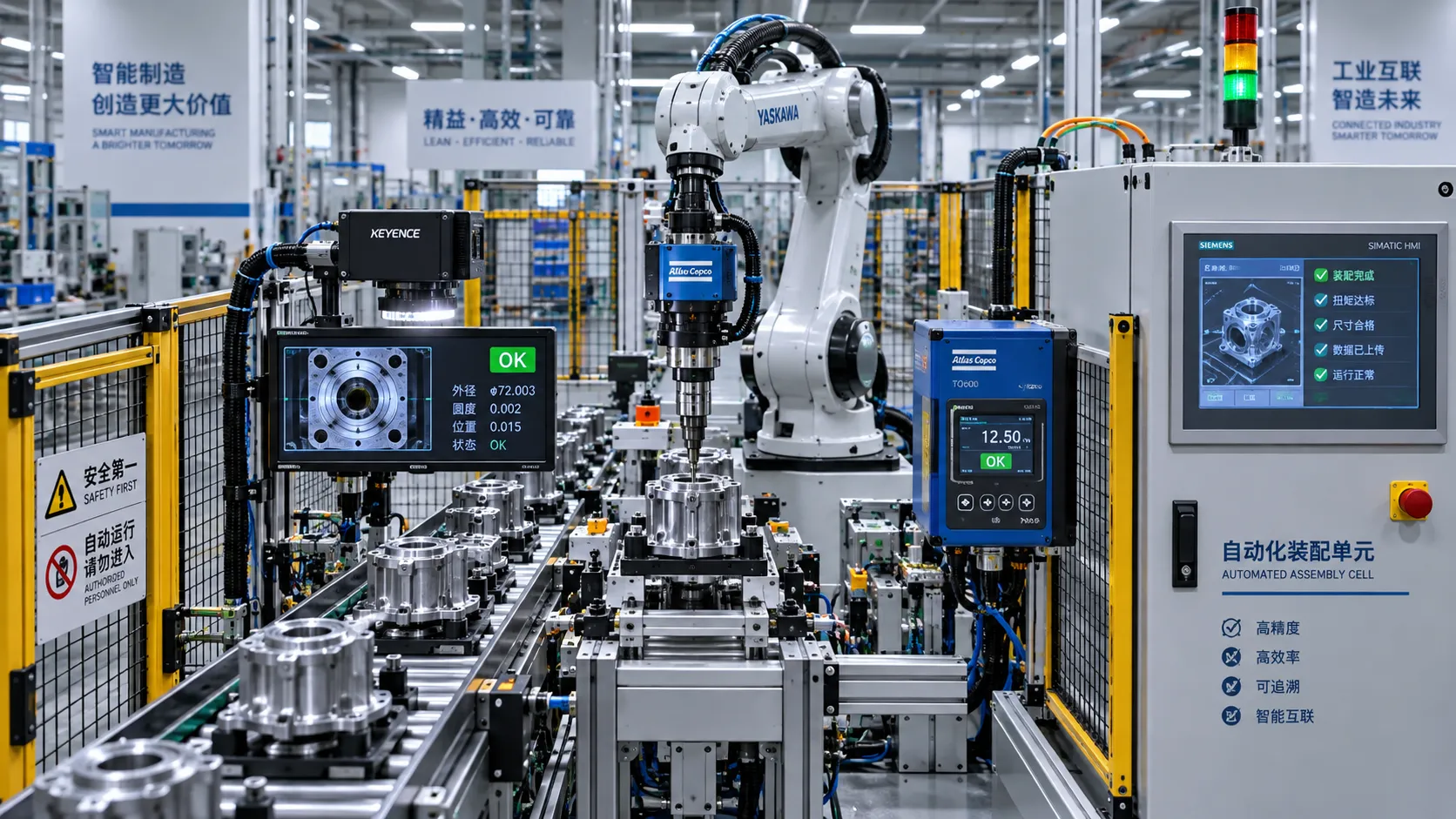
What Industrial Automation Exporters Need to Know Before Entering ASEAN Markets
Industrial automation exporter to ASEAN: learn how to navigate compliance, local service, digital readiness, pricing, and market entry for scalable growth.
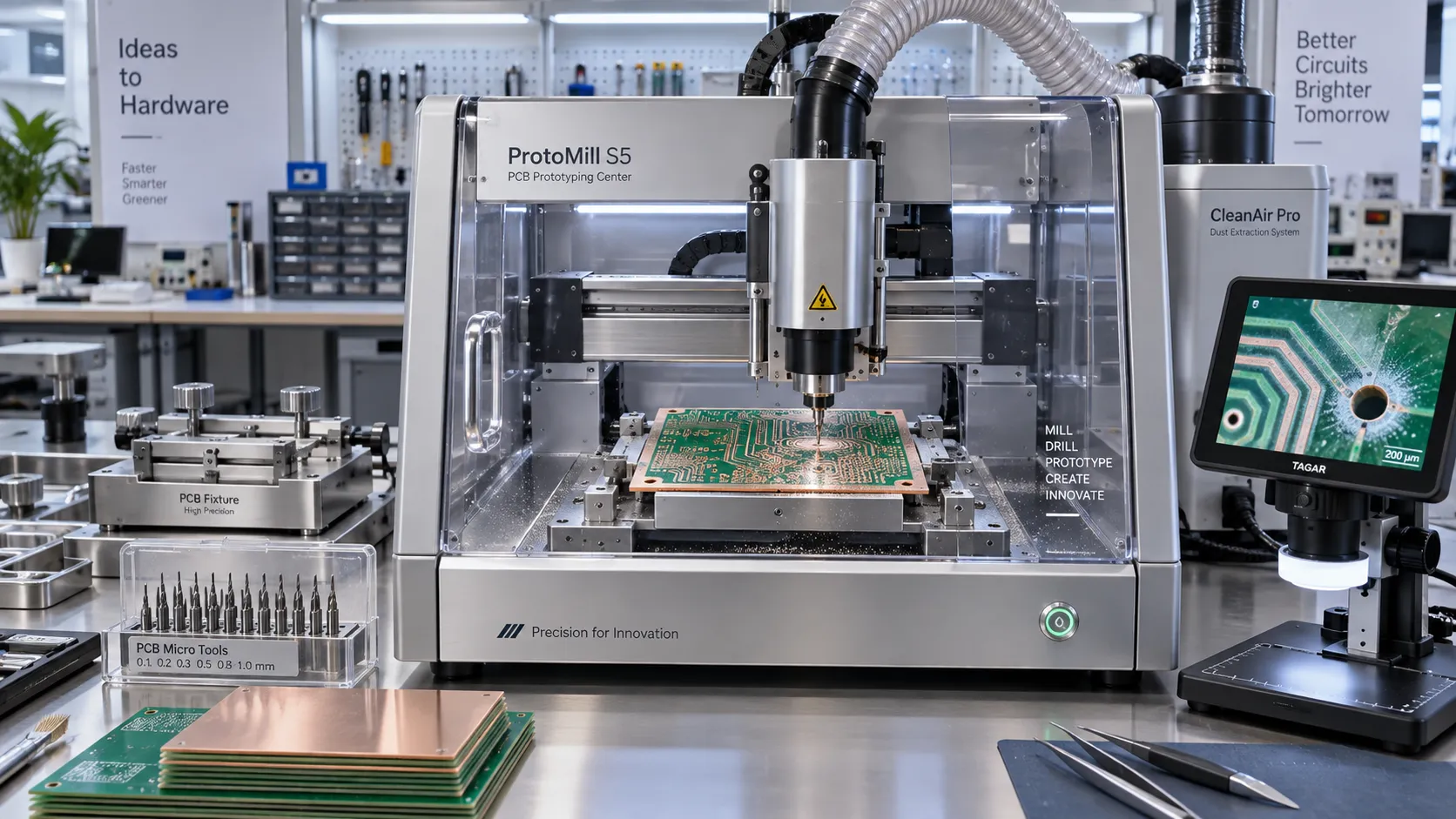
Prototype PCB Manufacturing Equipment: What Engineers Should Evaluate Before Purchase
Prototype PCB manufacturing equipment: discover the key factors engineers should evaluate—from accuracy and materials to software, safety, and ROI—before buying.
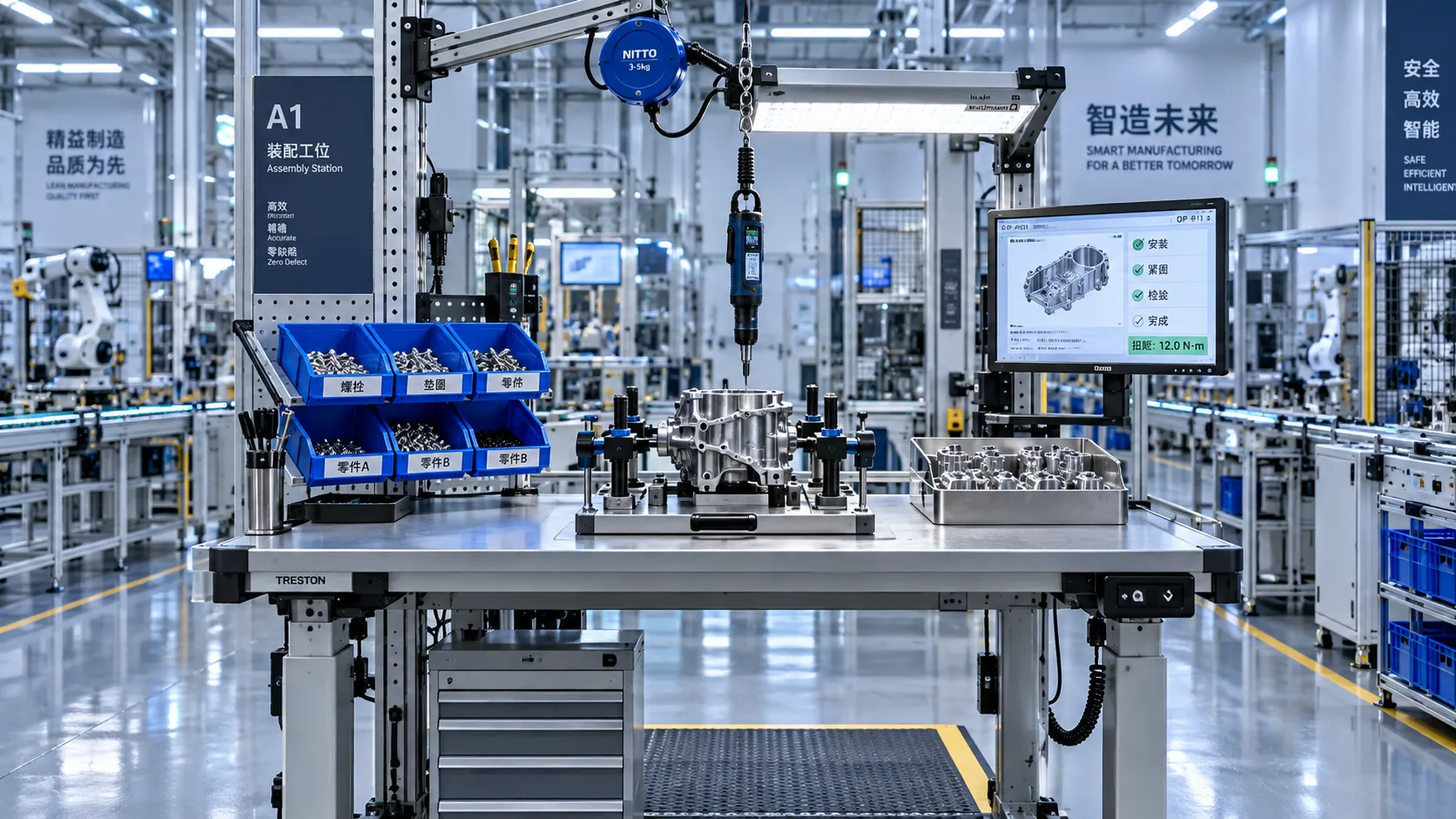
Workplace Ergonomics for Manufacturing: Reducing Repetitive-Strain Risks on Assembly Lines
Workplace ergonomics for manufacturing helps reduce repetitive-strain risks on assembly lines through smarter workstation design, tool selection, task analysis, and quality-focused improvements.
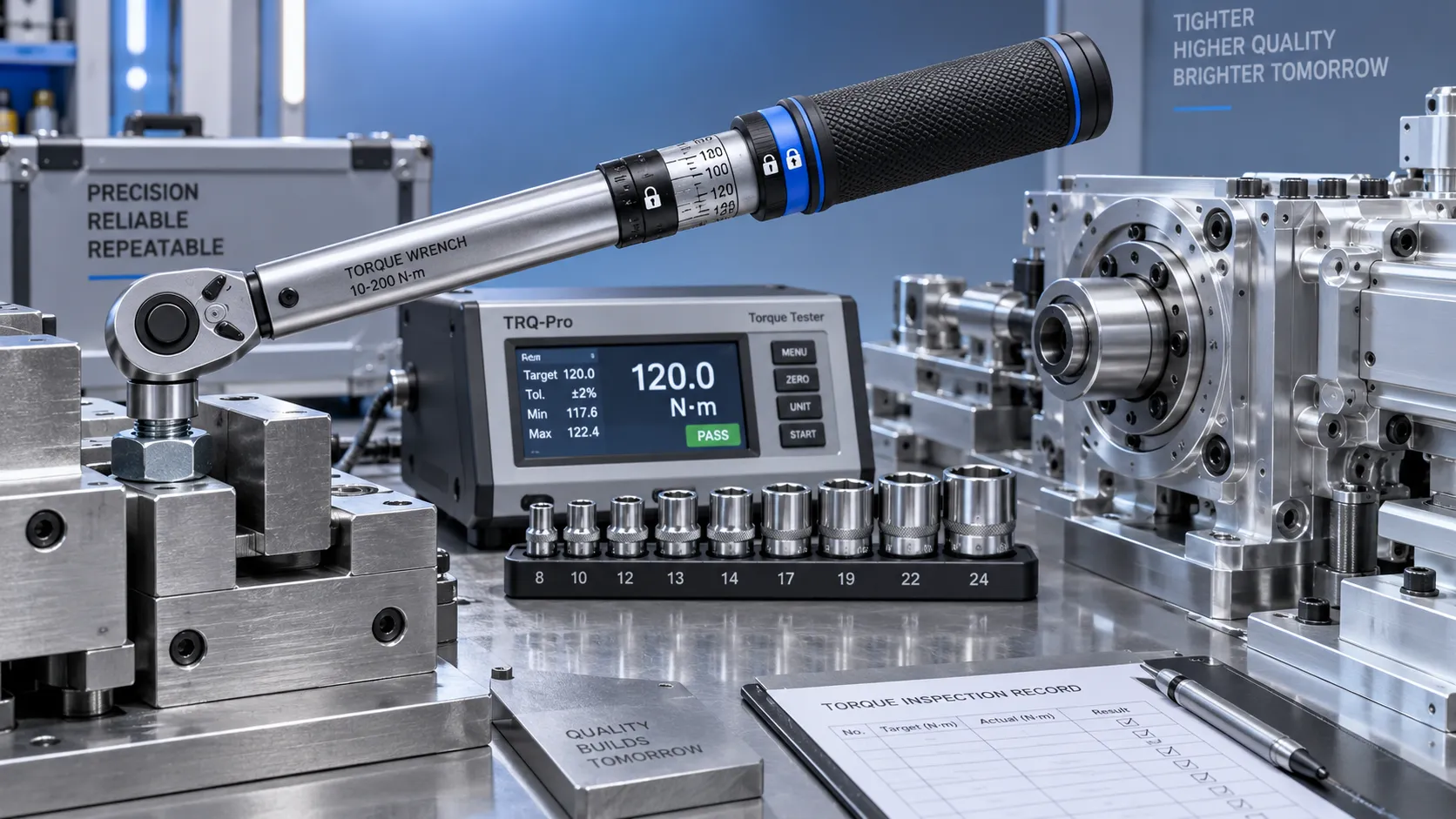
Selecting Adjustable Torque Tools for Repeatable Fastener Assembly
Adjustable torque tools: learn how to match range, accuracy, control methods, calibration, and ergonomics for repeatable, reliable fastener assembly.

How to Select Aerospace Inspection Tools for Aircraft Maintenance Tasks
Aerospace maintenance inspection tools: learn how to select reliable, traceable equipment for aircraft access, accuracy, calibration, and compliant maintenance decisions.
Related News
- 00
0000-00
In-House vs. Outsourced Aircraft Maintenance: Comparing Total Costs - 00
0000-00
How to Compare Industrial Tool Suppliers for Quality, Lead Time, and Total Cost - 00
0000-00
How to Evaluate a Technology Integration Service Provider for Complex Projects - 00
0000-00
Product Comparison Resources in Europe: How Buyers Can Verify Specs and Suppliers - 00
0000-00
How to Evaluate an Industrial Metrology Solution Manufacturer for Production Use
Dr. Alistair Vaughn
Weekly Insights
Stay ahead with our curated technology reports delivered every Monday.