
How an Industrial Applications Platform Helps Compare Processes, Tools, and Use Cases





Why does an industrial applications platform matter before any deeper evaluation?
An industrial applications platform helps turn scattered technical information into something comparable, searchable, and easier to trust.
That matters early, when the real challenge is not procurement or installation, but understanding what belongs where.
In industrial assembly, welding, and precision measurement, similar tools can serve very different process conditions.
A torque system for electronics assembly should not be judged the same way as one used in heavy vehicle maintenance.
The same is true for handheld laser welding, metrology instruments, hydraulic tools, and brushless power equipment.
An industrial applications platform creates context around those differences.
It usually brings together process descriptions, tool categories, use case signals, technical limits, and industry trend data.
Platforms shaped like GPTWM go further by connecting practical tool knowledge with strategic intelligence.
That includes raw material shifts, export standards, safety adoption, and demand patterns across construction, automotive, and aerospace maintenance.
What does an industrial applications platform actually help compare?
A useful industrial applications platform is not just a catalog. It is a comparison layer.
In practice, people use it to compare four things at once: processes, tools, application fit, and operating constraints.
- Process differences: joining, fastening, measuring, cutting, torque control, inspection, or rework.
- Tool differences: manual, electric, pneumatic, hydraulic, laser-assisted, or IoT-enabled systems.
- Use case differences: light assembly, field repair, batch production, high-mix lines, or maintenance work.
- Constraint differences: tolerance, heat impact, operator safety, mobility, compliance, and cycle time.
Without that structure, comparisons often stay too general.
For example, asking whether laser welding is better than conventional joining is usually the wrong question.
The better question is whether a specific joint geometry, throughput target, safety setup, and training level support that method.
The same logic applies to metrology.
A caliper, vision system, and portable CMM may all measure a dimension, but not under the same risk profile.
An industrial applications platform helps separate “can measure” from “fits the process reliably.”
How can you tell whether one platform is genuinely useful or just a data dump?
The easiest test is to see whether the platform supports judgment, not just browsing.
A weak platform lists tools by category and leaves interpretation to the reader.
A stronger industrial applications platform shows why a process works in one environment and struggles in another.
That usually means the content connects technical attributes with operational consequences.
The table below is a practical way to judge that difference.
This is where GPTWM’s model becomes relevant.
Its value is not only the coverage of industrial tools, but the way intelligence is stitched into practical comparison.
That makes the industrial applications platform more useful for early understanding, especially when trends affect tool selection indirectly.
Which use cases benefit most from this kind of comparison layer?
The strongest use cases are the ones where process similarity hides real technical differences.
Metal joining is a good example.
Two welding methods may both meet a basic joint requirement, yet differ sharply in heat input, training burden, shielding needs, and safety controls.
Precision measurement is another.
Measurement tools can appear interchangeable until surface finish, repeatability, calibration intervals, or reporting standards become critical.
In actual research, an industrial applications platform is especially helpful when comparing:
- Handheld versus fixed industrial equipment
- Traditional tools versus sensor-enabled systems
- Workshop use versus field maintenance use
- General-purpose tools versus high-precision specialized tools
- Short-cycle productivity gains versus long-term control and traceability
More often, the question is not “Which tool is best?”
It is “Which process-tool combination remains stable under real operating conditions?”
A solid industrial applications platform helps surface that answer faster.
What mistakes are common when comparing processes and tools this way?
One common mistake is comparing specifications without comparing use conditions.
A tool may look superior on paper and still fail in a mobile, dusty, high-variation environment.
Another mistake is isolating technical performance from commercial and regulatory reality.
Raw material volatility, export restrictions, and safety rule changes can reshape viability faster than expected.
That is why platforms with sector intelligence have an advantage.
They show not just what a tool does, but what may affect adoption timing and risk.
A third mistake is treating all digital features as operational gains.
For example, IoT torque control may improve traceability, but only if the data flow matches the process discipline.
Otherwise, complexity rises faster than insight.
A practical check before trusting any comparison is to ask:
- Was the process compared under similar duty conditions?
- Were safety and compliance assumptions stated clearly?
- Did the comparison include maintenance and training effects?
- Were application limits explained, not hidden?
- Is the information current enough for today’s market conditions?
How should someone use an industrial applications platform for a smarter first-stage review?
Start with the process, not the brand or the tool label.
Define what must happen at the application level.
That includes material type, access conditions, target accuracy, speed expectations, safety boundaries, and traceability needs.
Then use the industrial applications platform to reduce noise.
A sensible sequence often looks like this:
- Map the process need in plain terms.
- Shortlist relevant methods instead of specific models first.
- Compare tool families by fit, limits, and operating burden.
- Check trend and market signals that may affect timing.
- Carry forward only the options worth deeper technical validation.
This approach keeps early research disciplined.
It also avoids a common trap: spending time on detailed comparisons before confirming application relevance.
When the platform combines use cases with intelligence, the result is stronger first-stage judgment.
That is especially valuable in sectors where industrial craftsmanship and digital factory systems increasingly overlap.
In the end, an industrial applications platform is most useful when it helps explain not only what exists, but what fits, what changes, and what deserves closer review next.
The practical next step is simple: define the application, build a comparison checklist, and test every option against real process conditions before moving deeper.
Related News
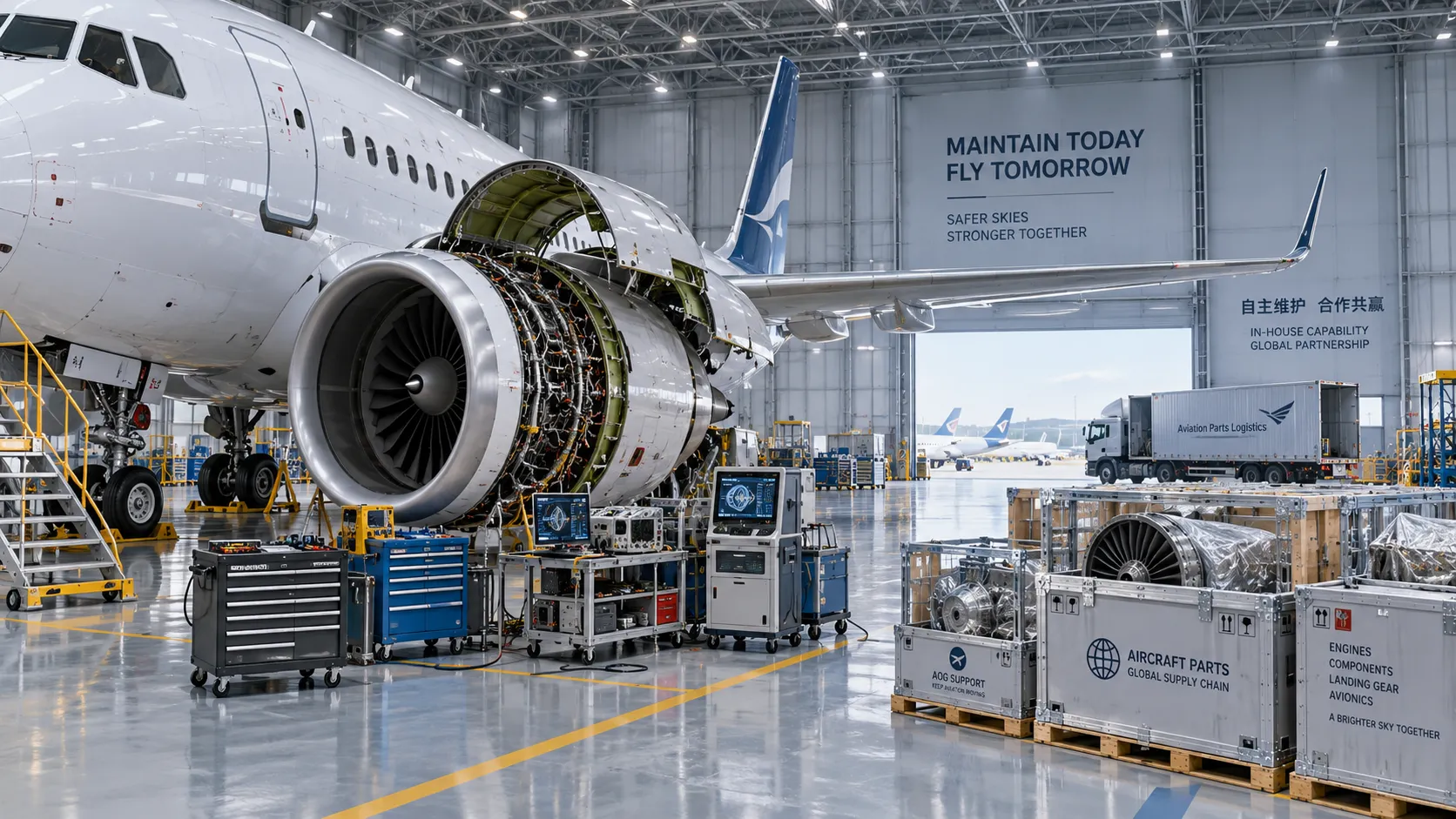
In-House vs. Outsourced Aircraft Maintenance: Comparing Total Costs
Compare aerospace maintenance cost for in-house vs. outsourced aircraft upkeep. Discover hidden expenses, downtime impacts, and break-even factors to find the best fit for your fleet.
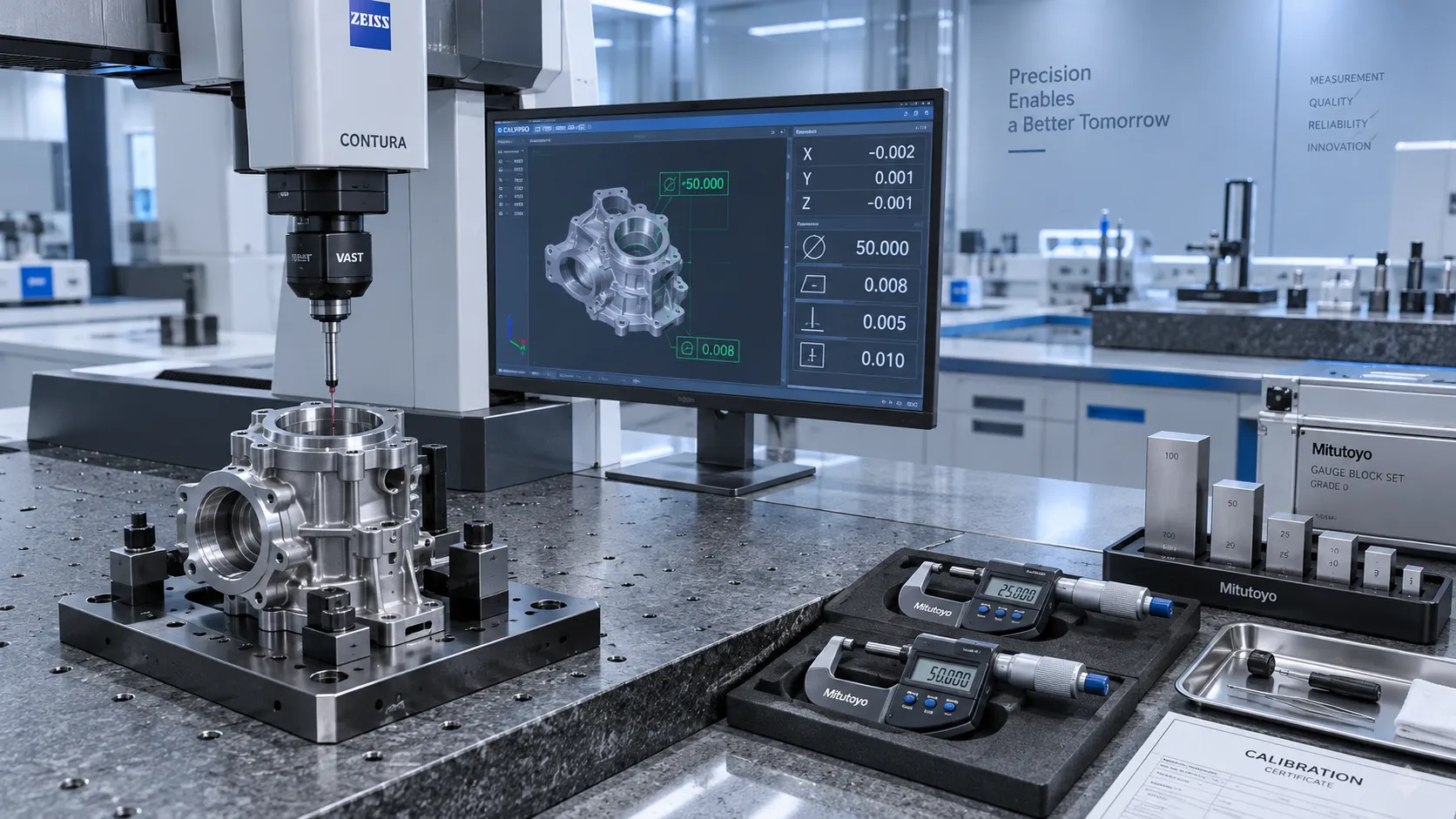
How to Select High-Precision Measuring Instruments for Tight-Tolerance Production?
High-precision measuring instruments are essential for tight-tolerance production. Learn how to evaluate accuracy, repeatability, environment, calibration, and data integration.
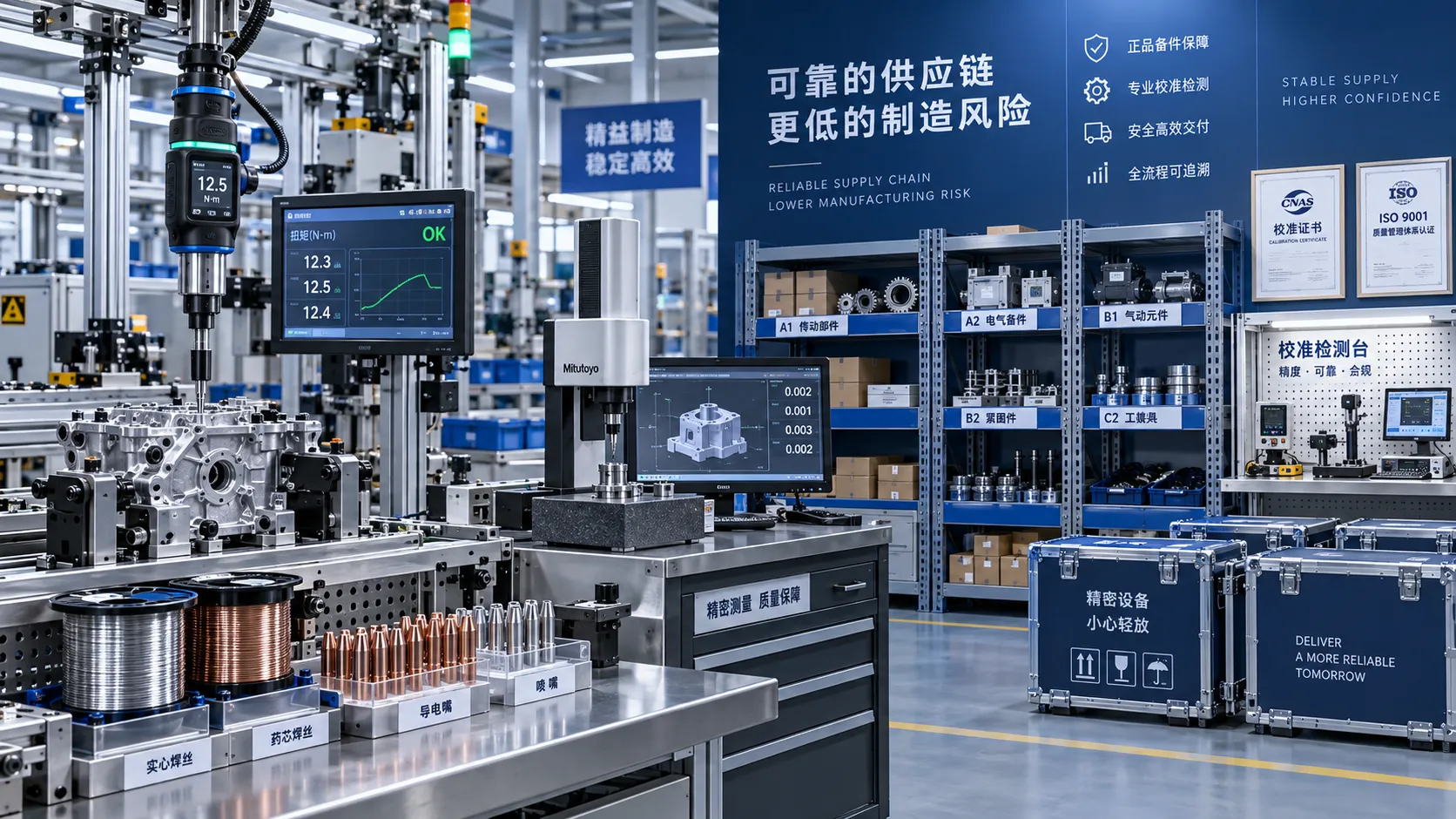
How Industrial Innovation Supplier Networks Reduce Sourcing Risk for Manufacturers
industrial innovation supplier network insights help manufacturers reduce sourcing risk, control lifecycle costs, and choose reliable tools, services, and suppliers with confidence.
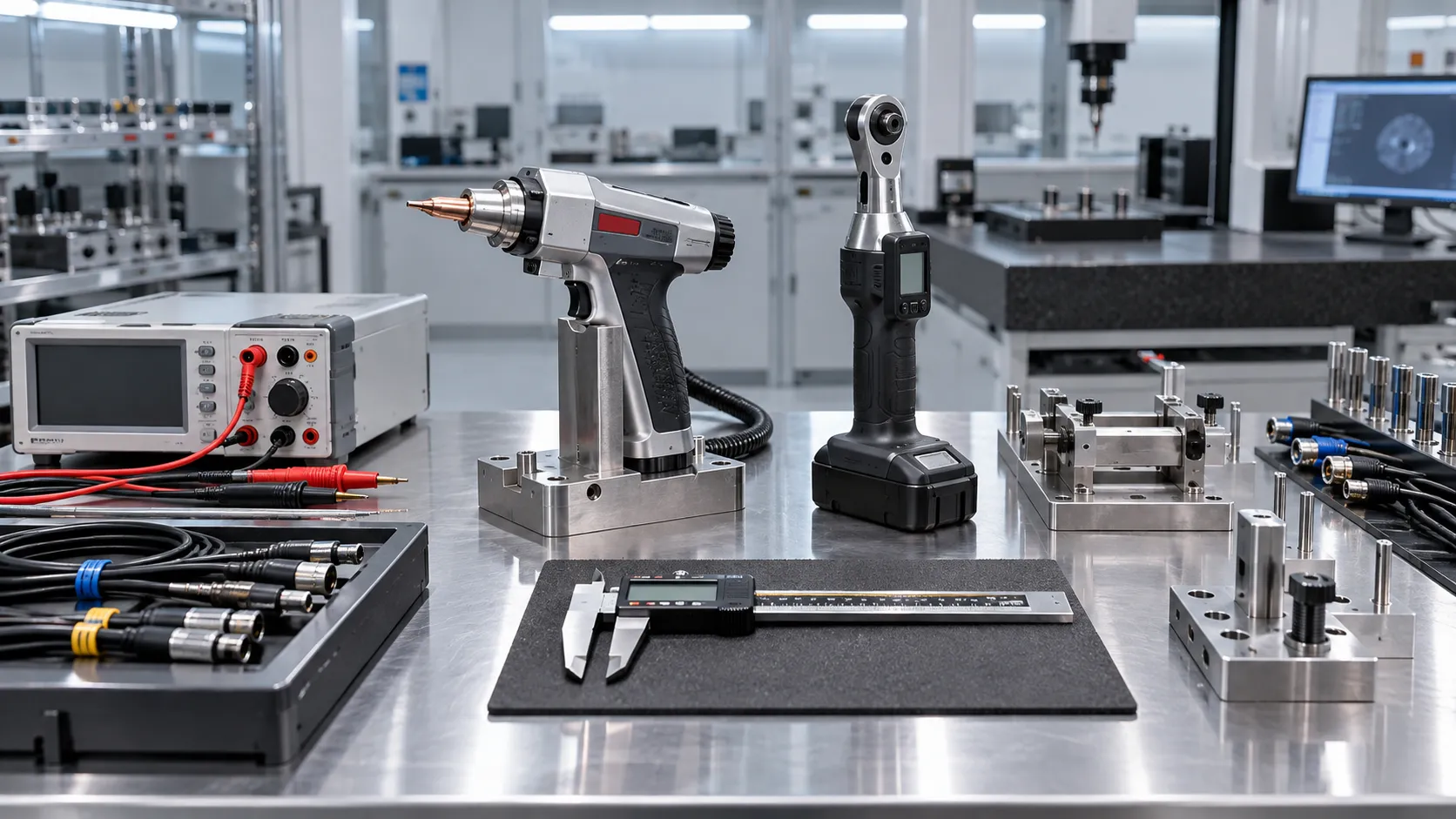
Which Industrial Standards Should Be Checked Before Export?
Which industrial standards should be checked before export? Discover essential compliance steps for industrial tools, welding equipment, laser systems, and metrology products.
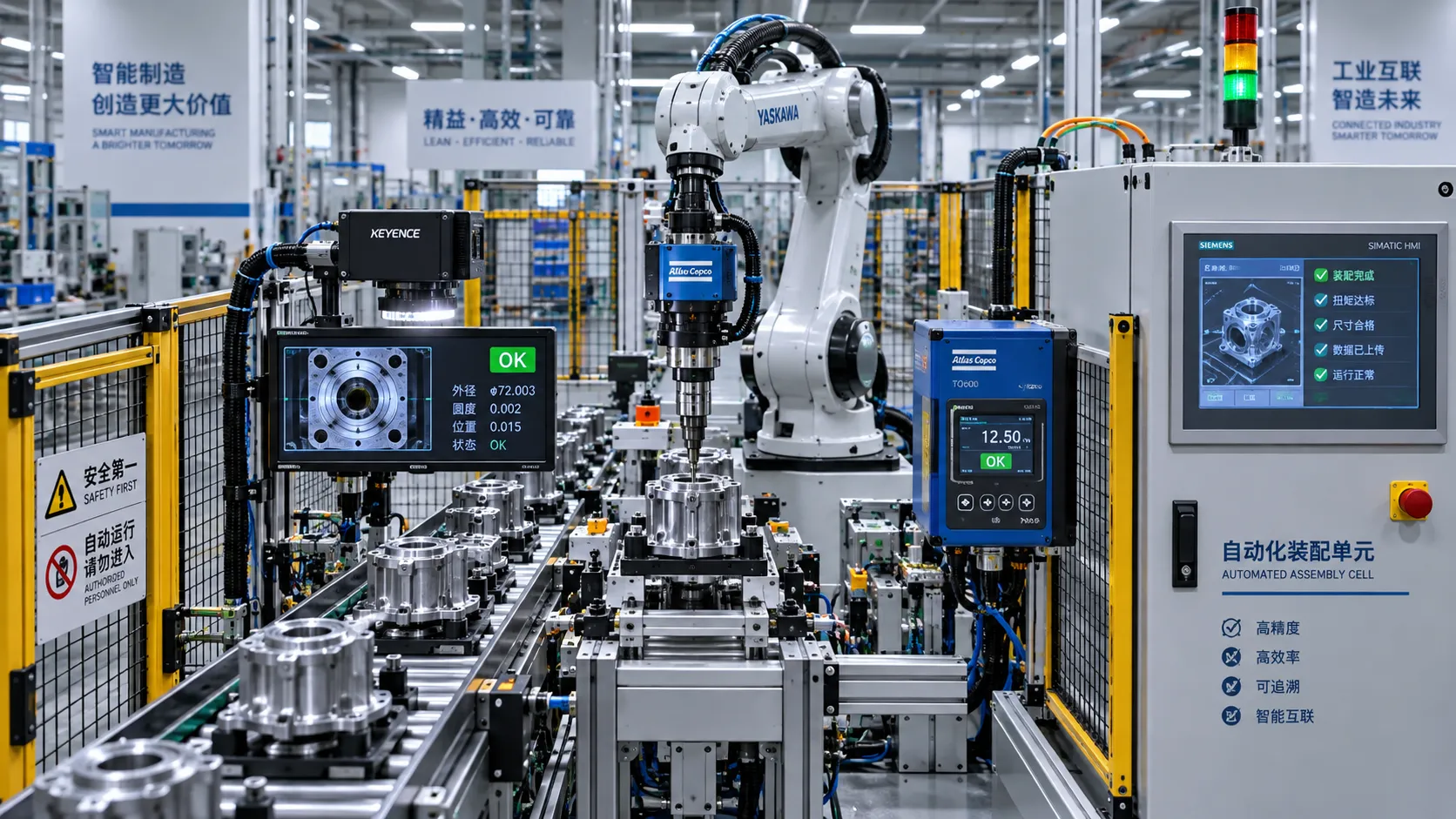
What Industrial Automation Exporters Need to Know Before Entering ASEAN Markets
Industrial automation exporter to ASEAN: learn how to navigate compliance, local service, digital readiness, pricing, and market entry for scalable growth.
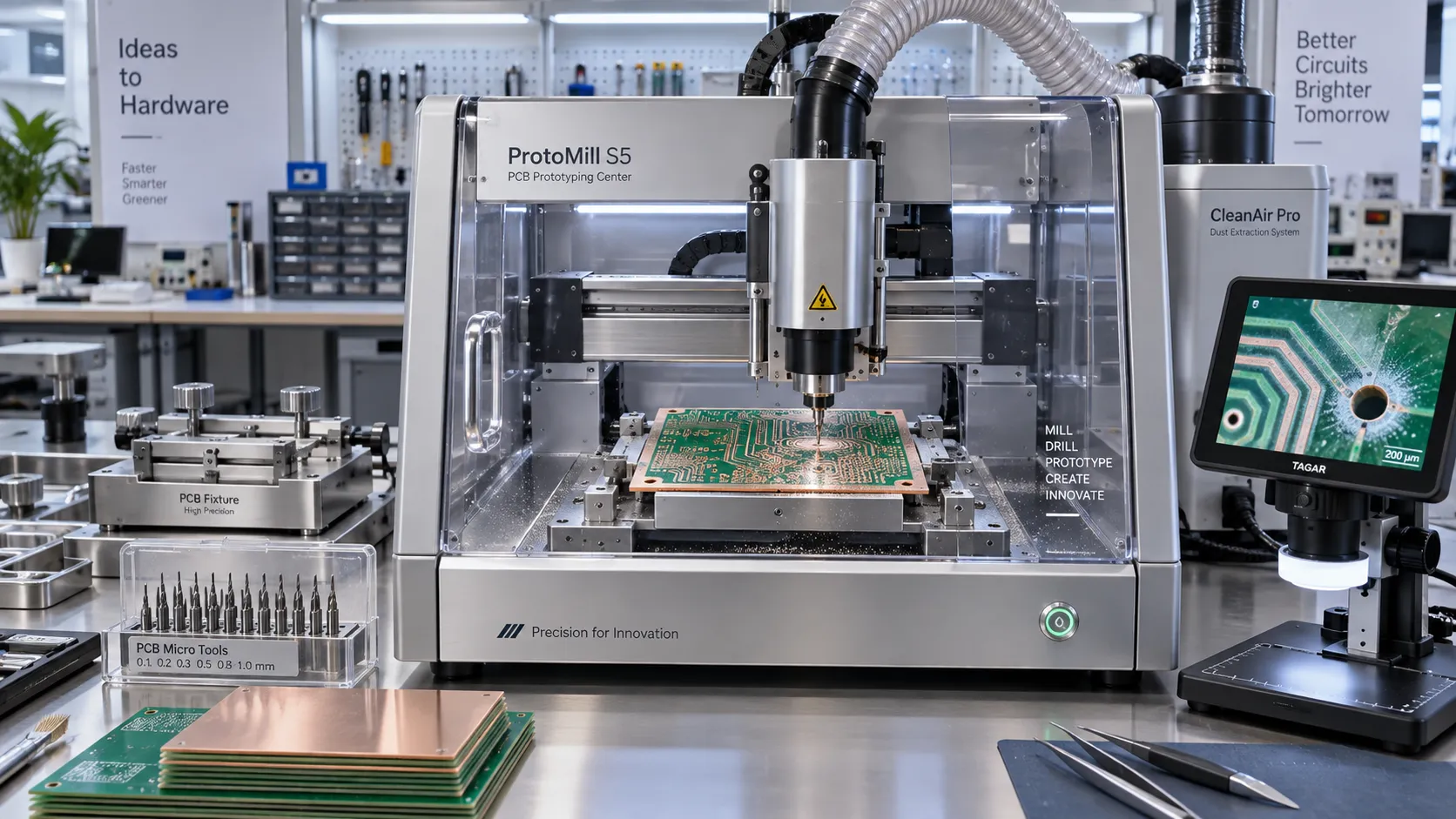
Prototype PCB Manufacturing Equipment: What Engineers Should Evaluate Before Purchase
Prototype PCB manufacturing equipment: discover the key factors engineers should evaluate—from accuracy and materials to software, safety, and ROI—before buying.
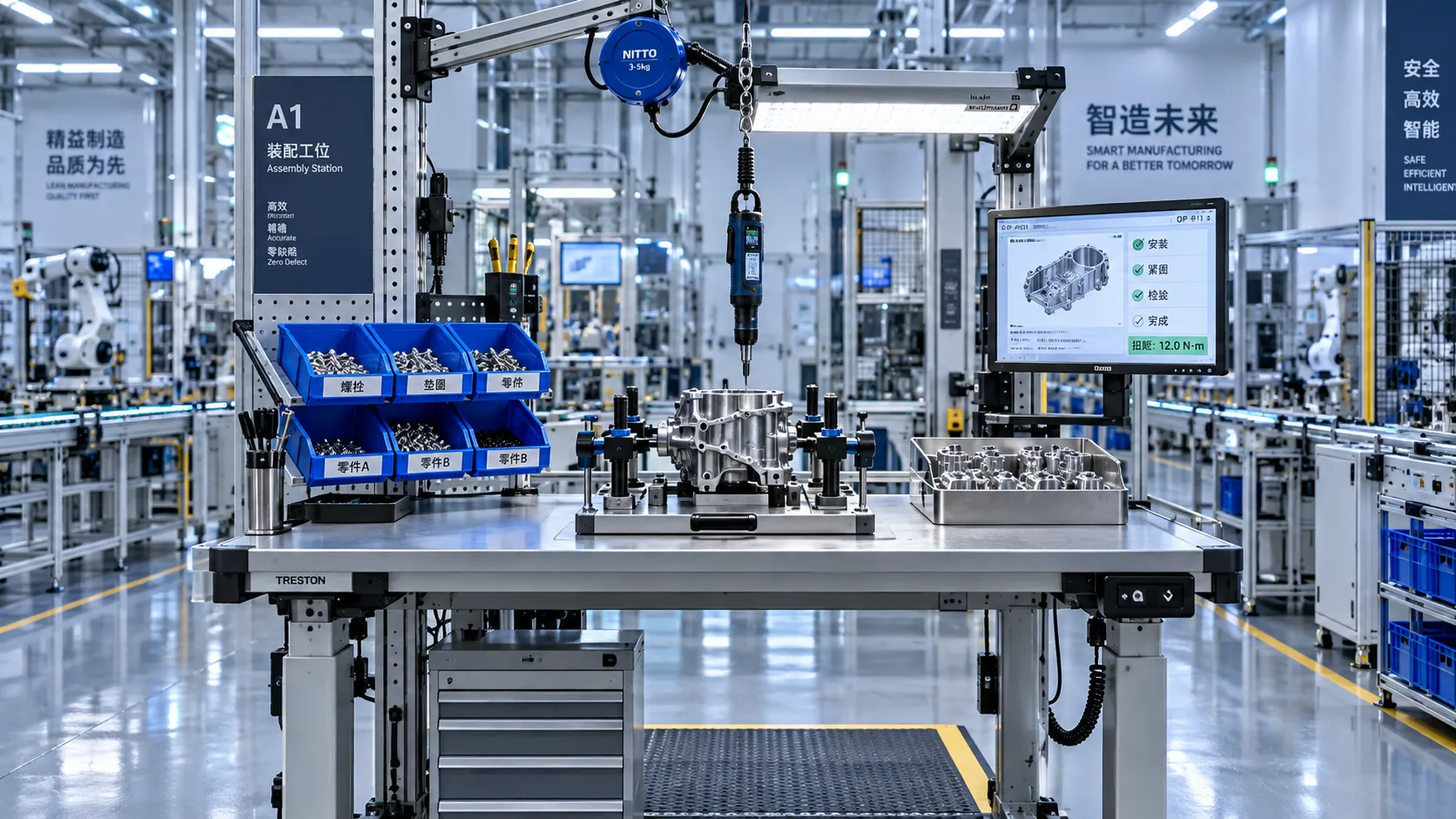
Workplace Ergonomics for Manufacturing: Reducing Repetitive-Strain Risks on Assembly Lines
Workplace ergonomics for manufacturing helps reduce repetitive-strain risks on assembly lines through smarter workstation design, tool selection, task analysis, and quality-focused improvements.
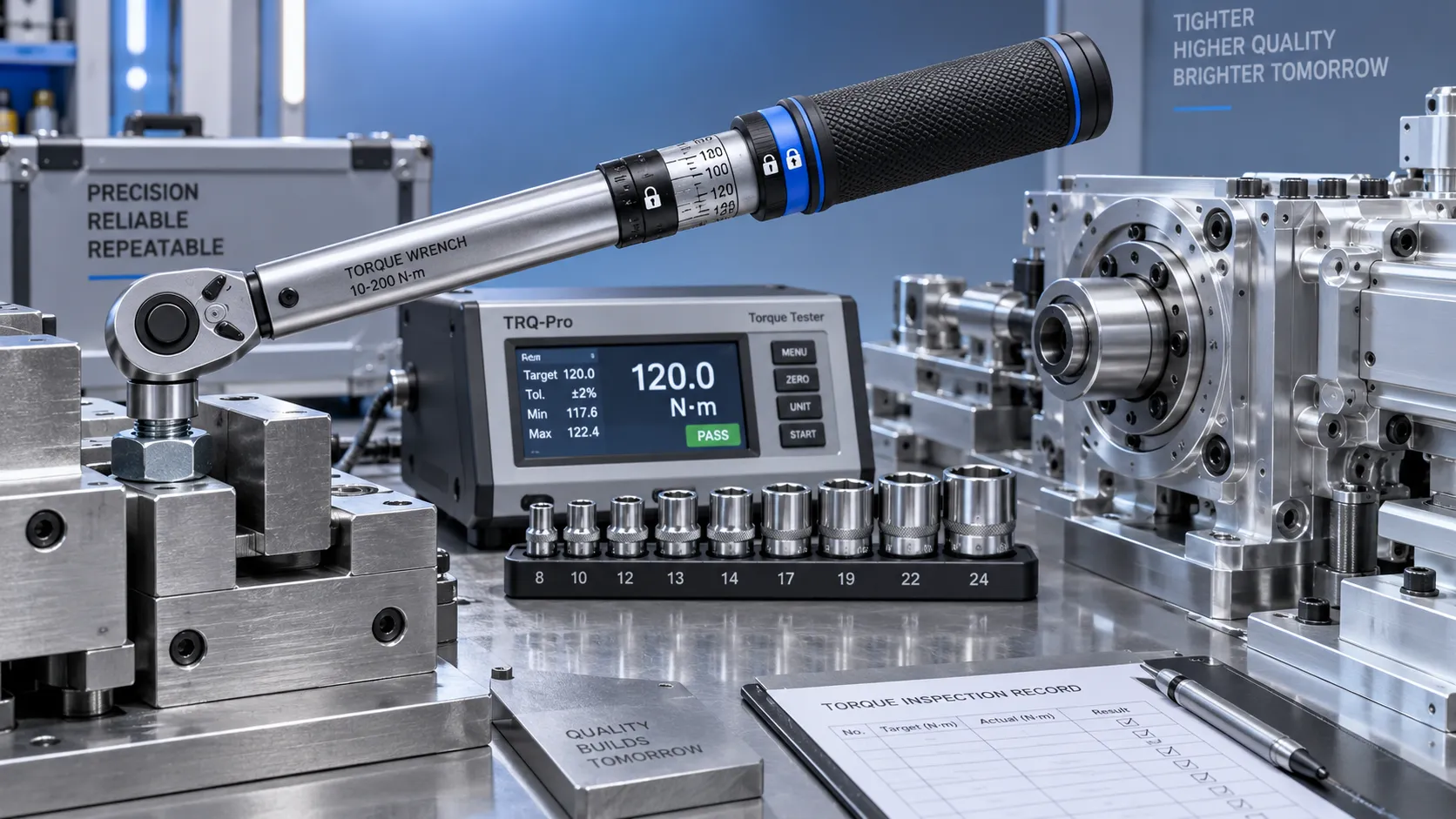
Selecting Adjustable Torque Tools for Repeatable Fastener Assembly
Adjustable torque tools: learn how to match range, accuracy, control methods, calibration, and ergonomics for repeatable, reliable fastener assembly.
How to Select Aerospace Inspection Tools for Aircraft Maintenance Tasks
Aerospace maintenance inspection tools: learn how to select reliable, traceable equipment for aircraft access, accuracy, calibration, and compliant maintenance decisions.
Related News
- 00
0000-00
How to Select High-Precision Measuring Instruments for Tight-Tolerance Production? - 00
0000-00
Prototype PCB Manufacturing Equipment: What Engineers Should Evaluate Before Purchase - 00
0000-00
Workplace Ergonomics for Manufacturing: Reducing Repetitive-Strain Risks on Assembly Lines - 00
0000-00
Selecting Adjustable Torque Tools for Repeatable Fastener Assembly - 00
0000-00
How to Select Aerospace Inspection Tools for Aircraft Maintenance Tasks
Prof. Marcus Chen
Weekly Insights
Stay ahead with our curated technology reports delivered every Monday.