
Industrial IoT Europe: What Connectivity Standards Matter for Factory Upgrades?





Industrial IoT Europe: Which Standards Actually Matter During Factory Upgrades?
Factory modernization in Europe rarely fails because of sensors alone. It usually fails when machines, software, and network rules cannot work together over time.
That is why industrial IoT Europe has become a practical reference point for upgrade planning, not just a trend term.
The real question is simple. Which connectivity standards support reliable integration, future expansion, and compliant data exchange across mixed equipment generations?
In sectors tied to assembly, welding, metrology, maintenance, and machine servicing, the answer affects uptime, traceability, and even worker safety.
Insights often become clearer when viewed through the same lens used by GPTWM. Precision tools, intelligent torque control, welding safety, and measurement data all depend on trustworthy connectivity.
Are all factory connectivity standards serving the same purpose?
Not at all. One common mistake in industrial IoT Europe projects is treating every protocol as interchangeable.
Some standards are built for machine-to-machine control. Others focus on secure data modeling, cloud exchange, or cross-vendor interoperability.
In practice, a factory upgrade usually touches four layers:
- Field communication between sensors, drives, tools, and PLCs
- Controller and machine network coordination
- Operational data exchange with MES, SCADA, or quality systems
- Northbound integration to analytics, digital twins, or enterprise platforms
When teams compare standards, they should ask where each one sits in that stack. That avoids unrealistic expectations.
For example, PROFINET and EtherCAT are often selected for deterministic control. OPC UA is more often chosen for structured, vendor-neutral data exchange.
MQTT can be valuable for lightweight telemetry, especially when remote monitoring or distributed reporting is involved.
Which standards are most relevant in industrial IoT Europe today?
The short list is fairly stable, but priorities vary by application, installed base, and upgrade depth.
A useful way to review them is by operational role rather than popularity.
This mix appears often in industrial IoT Europe assessments because factories want both control reliability and data openness.
Needle-moving upgrades usually combine them rather than betting on a single universal standard.
How do you decide between real-time control needs and data interoperability?
This is where many upgrade reviews become more grounded. The answer depends on what failure would be most costly.
If the line depends on millisecond timing, then deterministic Ethernet standards deserve priority at the machine layer.
If the bigger problem is fragmented reporting, weak genealogy, or disconnected quality records, then data interoperability standards move higher.
In actual industrial IoT Europe projects, the stronger approach is often dual-track:
- Use field and controller protocols for timing-critical behavior
- Use OPC UA or MQTT for contextualized production and maintenance data
- Map common tags early, especially alarms, cycle counts, torque values, and calibration status
That model is particularly relevant for welding cells, fastening systems, and metrology stations where process data must stay linked to part history.
GPTWM frequently highlights this last-mile issue. The value is not just connectivity. It is trustworthy process evidence.
What should be checked before choosing a standard for older equipment?
Legacy machinery changes the decision. Industrial IoT Europe upgrades often involve machines that were never designed for modern data architectures.
In that case, the protocol itself may be less urgent than the migration path around it.
A practical review should confirm these points:
- Available PLC interfaces and firmware limitations
- Whether gateway devices can expose structured data, not only raw signals
- Network segmentation and cybersecurity constraints under European compliance expectations
- Calibration, torque, or weld trace records that must remain audit-friendly
- Spare part and maintenance support for five to ten years
More common than expected is a hybrid estate: new robotic cells, older CNC equipment, standalone testers, and handheld intelligent tools.
In such environments, open data models become more important because they reduce dependence on one vendor's engineering layer.
That matters in industrial IoT Europe, where cross-border servicing, compliance review, and supply chain substitutions are now routine planning factors.
Where do upgrade projects usually go wrong?
Most problems come from assumptions, not from the standards themselves.
One assumption is that connectivity automatically creates useful information. It does not. Poor tag structure creates digital noise very quickly.
Another issue is choosing a protocol based only on supplier familiarity. That can lock future analytics or multi-site comparison into expensive custom work.
Cybersecurity is another weak point. A protocol may be powerful, yet still badly deployed if certificates, access control, and network zones are ignored.
For quick reference, these warning signs deserve attention:
When industrial IoT Europe investments disappoint, these issues are usually visible early but not treated as design criteria.
How should upgrade readiness be judged before committing?
A useful readiness check is less about trends and more about evidence.
Can the target standard support existing control logic, future reporting, and secure integration without repeated custom translation?
Can it preserve critical process data from welding parameters, torque tools, gauges, or inspection stations in a reusable structure?
Can maintenance teams diagnose issues without depending on a single installer every time the architecture changes?
That is often the decisive test in industrial IoT Europe. A standard matters when it lowers integration friction across the full equipment lifecycle.
For factories balancing craftsmanship, digital control, and measurable quality, that judgment is especially important. It fits the operating reality tracked by GPTWM across assembly, metal joining, and precision measurement environments.
The next step is straightforward. Map priority machines, identify required data objects, compare protocol roles, and test one upgrade path against security and maintenance constraints before scaling.
That approach makes industrial IoT Europe less of a buzzword and more of a defensible upgrade standard.
Related News
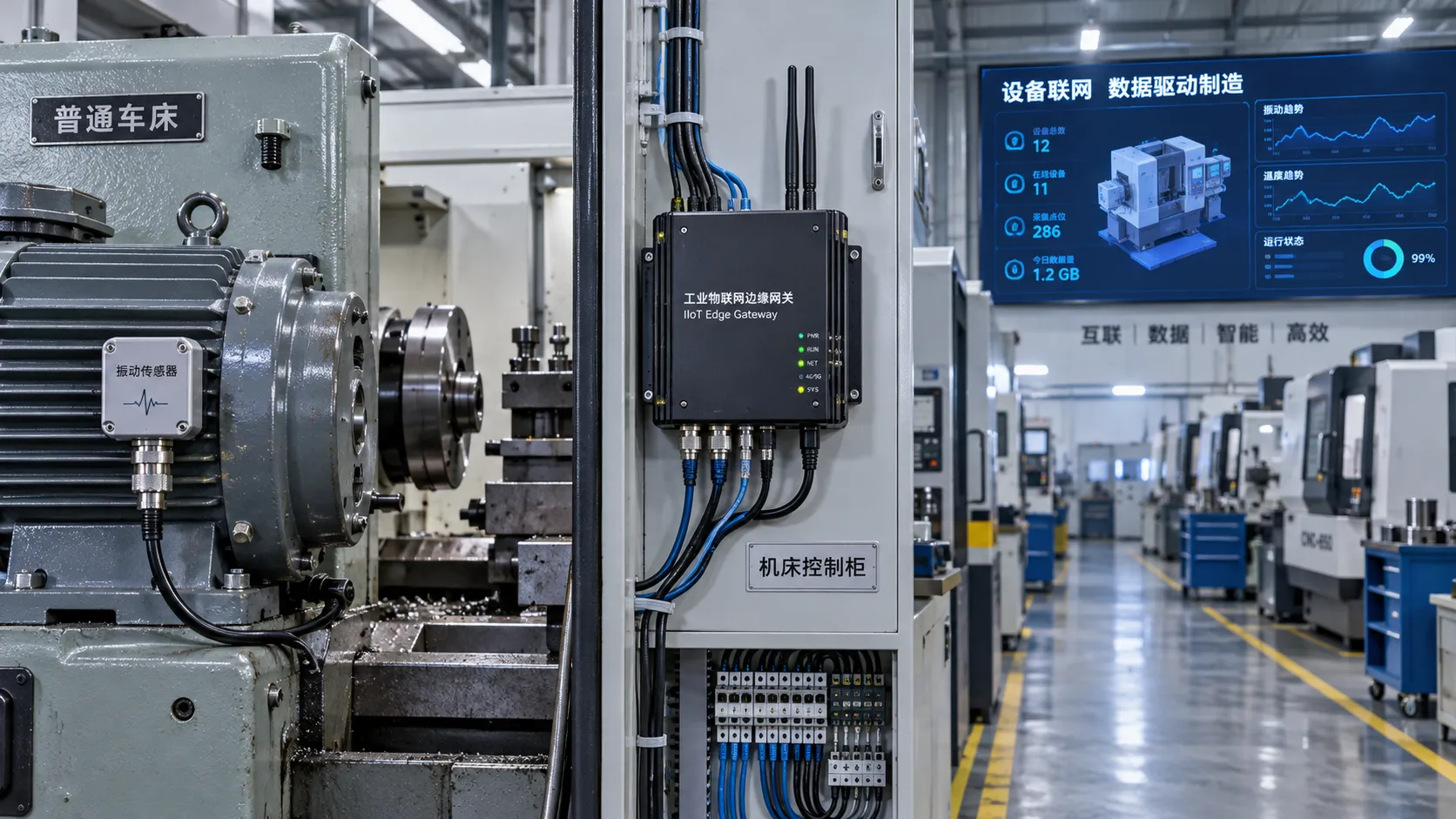
Choosing an Industrial IoT Platform: Key Criteria for Legacy Equipment
Choose an industrial IoT platform for legacy equipment with confidence. Discover key checks for connectivity, data integrity, security, and lifecycle costs before investing.

In-House vs. Outsourced Aircraft Maintenance: Comparing Total Costs
Compare aerospace maintenance cost for in-house vs. outsourced aircraft upkeep. Discover hidden expenses, downtime impacts, and break-even factors to find the best fit for your fleet.
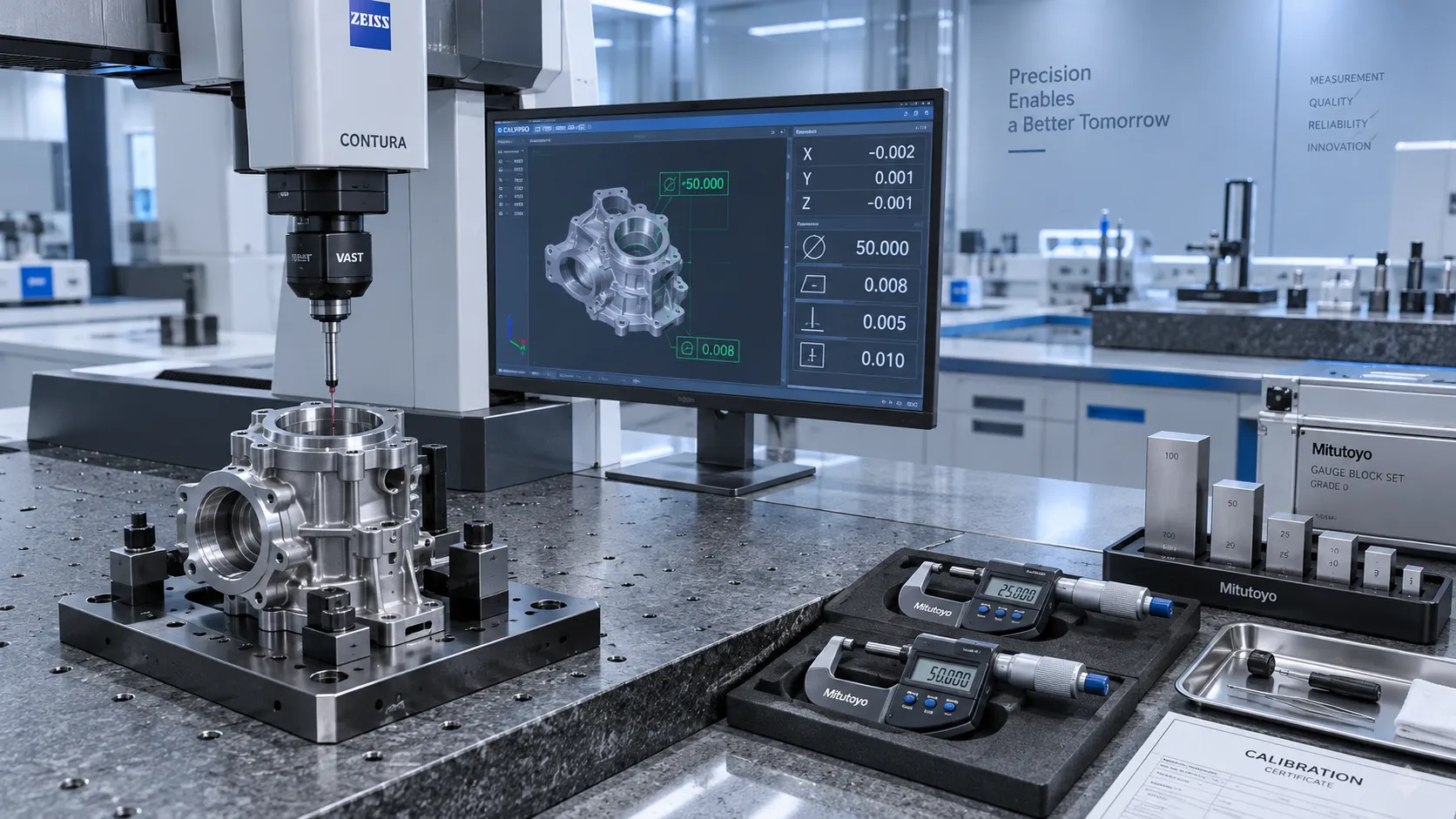
How to Select High-Precision Measuring Instruments for Tight-Tolerance Production?
High-precision measuring instruments are essential for tight-tolerance production. Learn how to evaluate accuracy, repeatability, environment, calibration, and data integration.
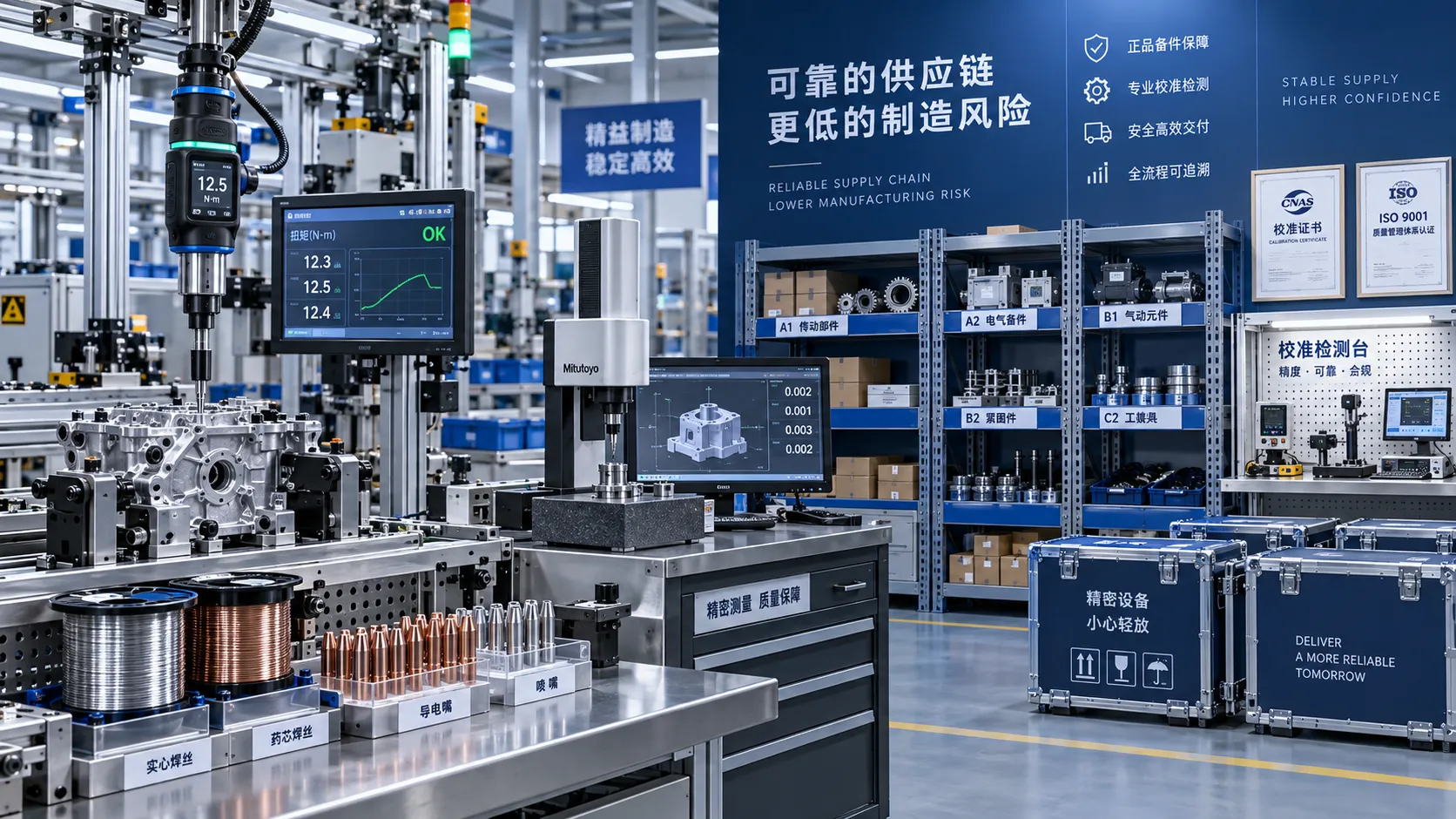
How Industrial Innovation Supplier Networks Reduce Sourcing Risk for Manufacturers
industrial innovation supplier network insights help manufacturers reduce sourcing risk, control lifecycle costs, and choose reliable tools, services, and suppliers with confidence.

How Do Advanced Manufacturing Methods Improve Batch Consistency?
How do advanced manufacturing methods improve batch consistency? Discover how precision metrology, intelligent torque control, welding automation, and traceable data reduce variation and improve quality.
South East Asia Machine Tools Market: Demand Outlook by Manufacturing Industry
South East Asia machine tools market outlook: explore demand from automotive, electronics, fabrication, and infrastructure, plus smart sourcing priorities for manufacturers.
Which Industrial Standards Should Be Checked Before Export?
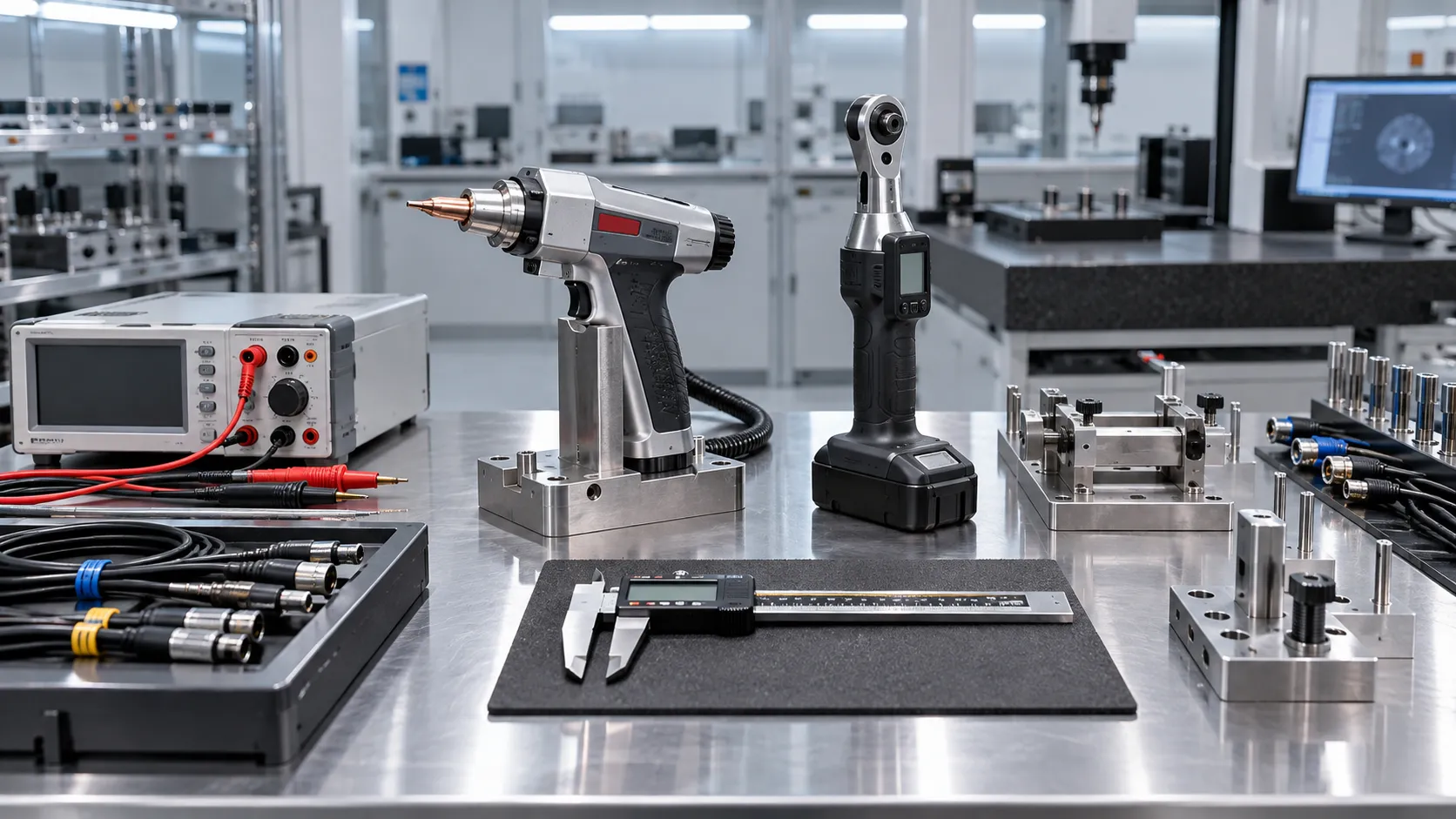
Which industrial standards should be checked before export? Discover essential compliance steps for industrial tools, welding equipment, laser systems, and metrology products.
What Industrial Automation Exporters Need to Know Before Entering ASEAN Markets
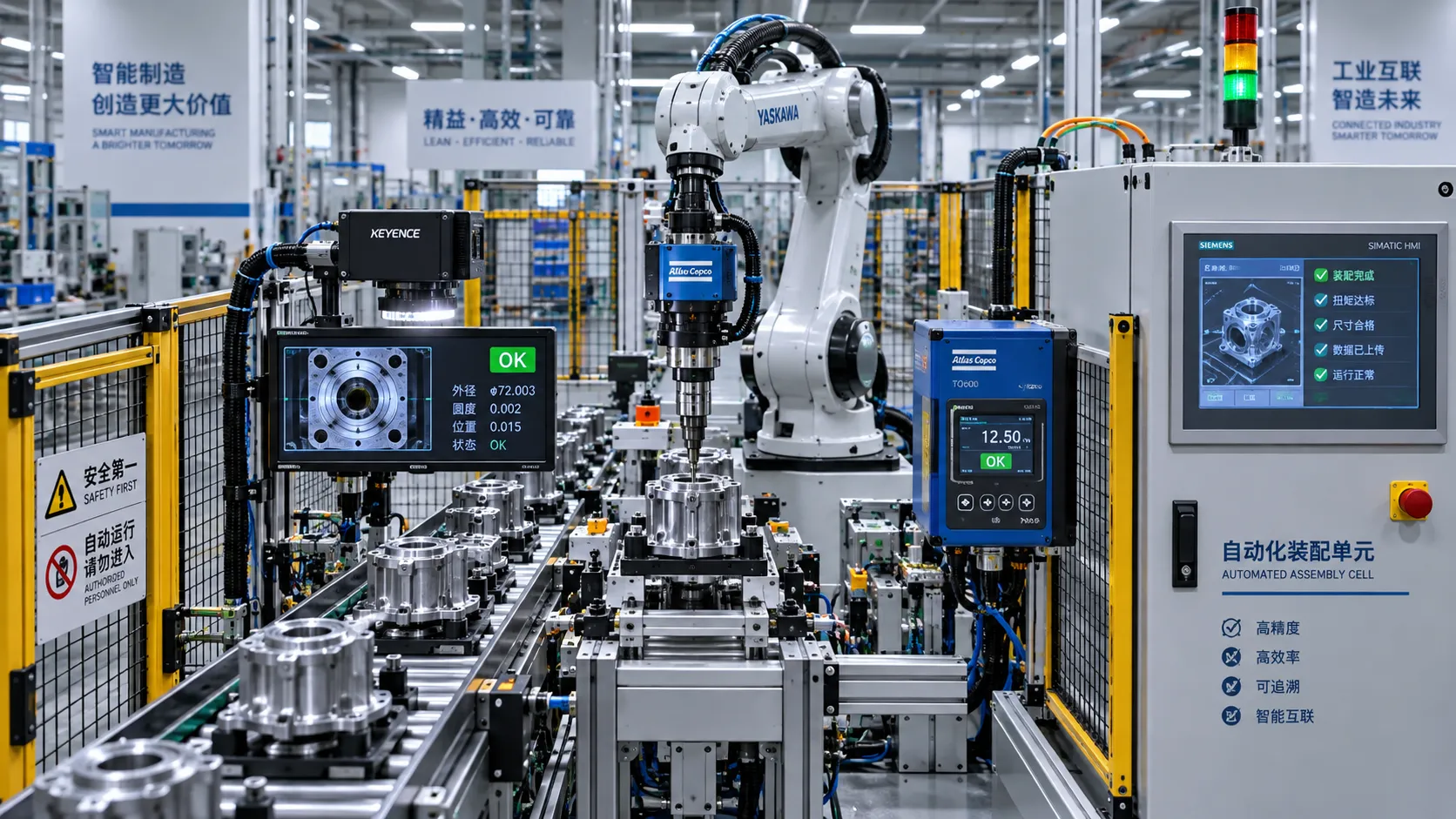
Industrial automation exporter to ASEAN: learn how to navigate compliance, local service, digital readiness, pricing, and market entry for scalable growth.
Electronics Prototyping Tools for Faster Design Validation and Small-Batch Testing
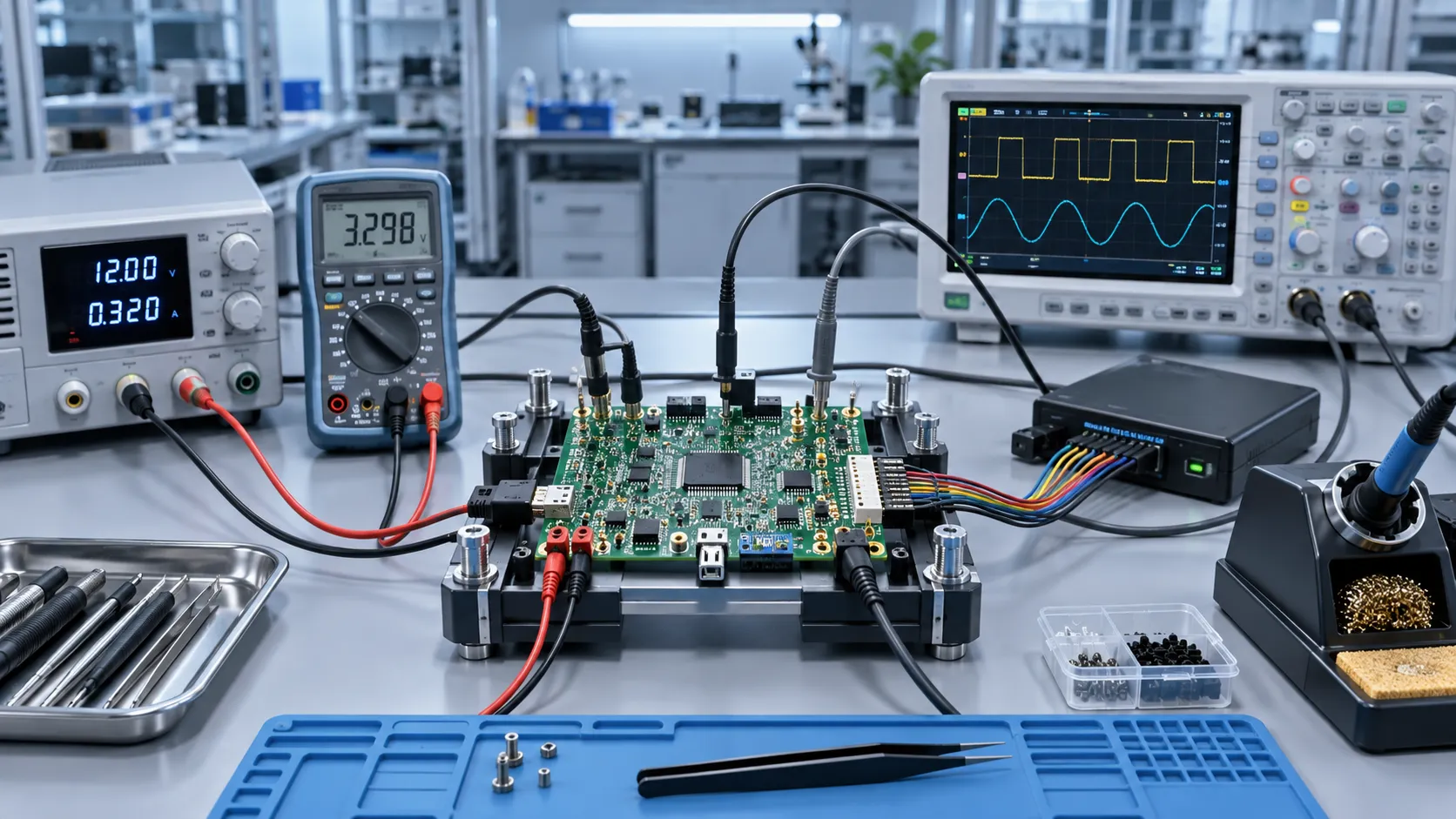
Electronics prototyping tools help teams validate designs faster with controlled power, precise measurements, repeatable assembly, and practical small-batch test fixtures.
Related News
- 00
0000-00
Choosing an Industrial IoT Platform: Key Criteria for Legacy Equipment - 00
0000-00
How to Select High-Precision Measuring Instruments for Tight-Tolerance Production? - 00
0000-00
How Do Advanced Manufacturing Methods Improve Batch Consistency? - 00
0000-00
Electronics Prototyping Tools for Faster Design Validation and Small-Batch Testing - 00
0000-00
Prototype PCB Manufacturing Equipment: What Engineers Should Evaluate Before Purchase
Prof. Marcus Chen
Weekly Insights
Stay ahead with our curated technology reports delivered every Monday.