
Industrial Metrology Solutions in the Middle East: Which Systems Fit Harsh Production Sites?





Why Site Conditions Change the Metrology Decision
Choosing industrial metrology solutions Middle East operations can rely on starts with the site, not the brochure.
In this region, measurement systems face heat spikes, abrasive dust, long transport routes, unstable utilities, and mixed production maturity.
That changes what “fit” means.
A system that performs well in a climate-controlled lab may drift, clog, or slow production on a fabrication line near foundry heat.
On remote energy or infrastructure projects, uptime often matters as much as sub-micron precision.
The stronger approach is to match industrial metrology solutions Middle East facilities need with operating reality, inspection frequency, and maintenance reach.
This is also where GPTWM’s perspective is useful.
Its intelligence focus on precision tools, joining processes, and last-mile manufacturing highlights how measurement choices affect throughput, compliance, and tool life together.
In Heavy Fabrication, Durability Usually Comes Before Maximum Resolution
Steel processing, structural fabrication, pressure vessel work, and large welded assemblies create a hard environment for sensitive equipment.
Ambient dust, weld spatter, vibration, and variable part temperatures all influence repeatability.
Here, industrial metrology solutions Middle East plants often favor include portable CMM arms, laser trackers, hardened digital gauges, and shop-floor optical systems.
The question is rarely which device has the best headline specification.
The real question is whether the device keeps accuracy after relocation, thermal shifts, and repeated operator handling.
For welded structures, alignment and dimensional verification often need mobility more than ultra-fine surface scanning.
Portable systems shorten part movement and reduce the risk of measuring components after distortion has already compounded.
A common mistake is selecting a laboratory-grade setup for a production floor that lacks isolation from heat and vibration.
That decision raises recalibration frequency and quietly increases downtime.
What usually matters most on these lines
- Thermal compensation that remains stable across long shifts.
- Ingress protection against dust and shop contamination.
- Fast setup for large parts that cannot be moved easily.
- Software that handles weldment geometry and alignment reporting.
Machining Cells Need Speed, Traceability, and Closed-Loop Feedback
In precision machining, the pressure is different.
The site may still be harsh, but the bigger issue is measurement speed inside a repeatable cycle.
For these environments, industrial metrology solutions Middle East workshops use should connect directly with machine correction, SPC, and quality records.
Bench CMMs, multisensor vision systems, in-process probing, and automated gauging stations often make better sense than broad mobile platforms.
The main judgment point is not whether a system can measure everything.
It is whether it can support high-frequency checks without creating a bottleneck.
In actual use, cycle time loss can outweigh small accuracy gains if parts queue up for inspection.
This is especially relevant where multi-machine cells produce automotive, industrial pump, or valve components under export-standard requirements.
GPTWM regularly tracks how standards shifts and material fluctuations change tolerance strategy.
That matters because metrology architecture should adapt when product mix changes, not only when a new machine arrives.
Remote Projects Often Reward Portable and Easy-to-Support Systems
Middle East production is not limited to enclosed factories.
Oil and gas modules, infrastructure works, repair yards, and desert-adjacent project sites introduce distance and service constraints.
In these cases, industrial metrology solutions Middle East teams prefer often have a smaller technical footprint.
Portable laser scanning, battery-capable instruments, rugged tablets, and cloud-synced reporting become practical advantages.
A system may be precise, but if calibration support is difficult and spare parts are slow to reach site, its real value drops quickly.
More common here is a layered approach.
Use robust portable tools for frontline verification, then escalate critical parts to a controlled environment only when necessary.
That balance reduces transport delays and keeps field decisions moving.
Checks worth making before rollout
- Can the system be verified locally without frequent factory return?
- Does reporting still work with weak connectivity?
- Are batteries, probes, targets, and lenses easy to replace regionally?
- Can operators maintain repeatability with gloves, dust, and limited bench space?
Aerospace, Energy, and Export Work Raise the Compliance Threshold
Not every harsh site accepts the same compromise.
When parts support aerospace maintenance, power generation, or regulated export supply, documentation depth becomes part of the metrology system itself.
Here, industrial metrology solutions Middle East users need must preserve traceability from calibration through final reporting.
That can favor climate-managed CMM rooms, certified fixtures, validated software, and stronger audit trails.
Even then, harsh production conditions still matter.
The smart setup is often hybrid.
Use shop-floor screening to catch drift early, then route high-risk dimensions to controlled confirmation.
This reduces expensive inspection congestion while protecting compliance.
One frequent misread is assuming similar parts share identical metrology needs.
A turbine component, welded frame, and machined manifold may look comparable in size, yet demand very different uncertainty control.
Where Selection Goes Wrong More Often Than Expected
The biggest errors are usually operational, not technical.
Industrial metrology solutions Middle East buyers review sometimes get filtered through ideal conditions that do not exist on site.
Several patterns show up repeatedly.
- Selecting by accuracy specification alone, while ignoring heat soak, dust loading, and relocation frequency.
- Comparing purchase price, but not fixture cost, software licensing, training time, and calibration downtime.
- Treating shop-floor scanning and final inspection as interchangeable tasks.
- Adding advanced software features that local teams rarely use under production pressure.
- Overlooking compatibility with ERP, SPC, CAD, and welding documentation workflows.
In practice, the best industrial metrology solutions Middle East facilities keep are usually the ones people can sustain, verify, and integrate consistently.
A Practical Way to Match Systems to Harsh Production Sites
A useful selection path starts with three layers.
First, map the physical environment: temperature variation, dust level, vibration, part size, and transport difficulty.
Next, define the inspection job: alignment, dimensional verification, surface capture, process correction, or compliance reporting.
Then check support capacity: local calibration, spare availability, software training, and data integration effort.
That framework makes industrial metrology solutions Middle East comparisons more realistic.
It also reflects GPTWM’s broader view that precision tools create value only when they fit the full production chain.
For the next step, document the harshest operating condition, not the average one.
Compare systems against that condition, confirm data compatibility, and estimate yearly maintenance burden before final selection.
That usually reveals which industrial metrology solutions Middle East sites can trust over time, not only during commissioning.
Related News

In-House vs. Outsourced Aircraft Maintenance: Comparing Total Costs
Compare aerospace maintenance cost for in-house vs. outsourced aircraft upkeep. Discover hidden expenses, downtime impacts, and break-even factors to find the best fit for your fleet.
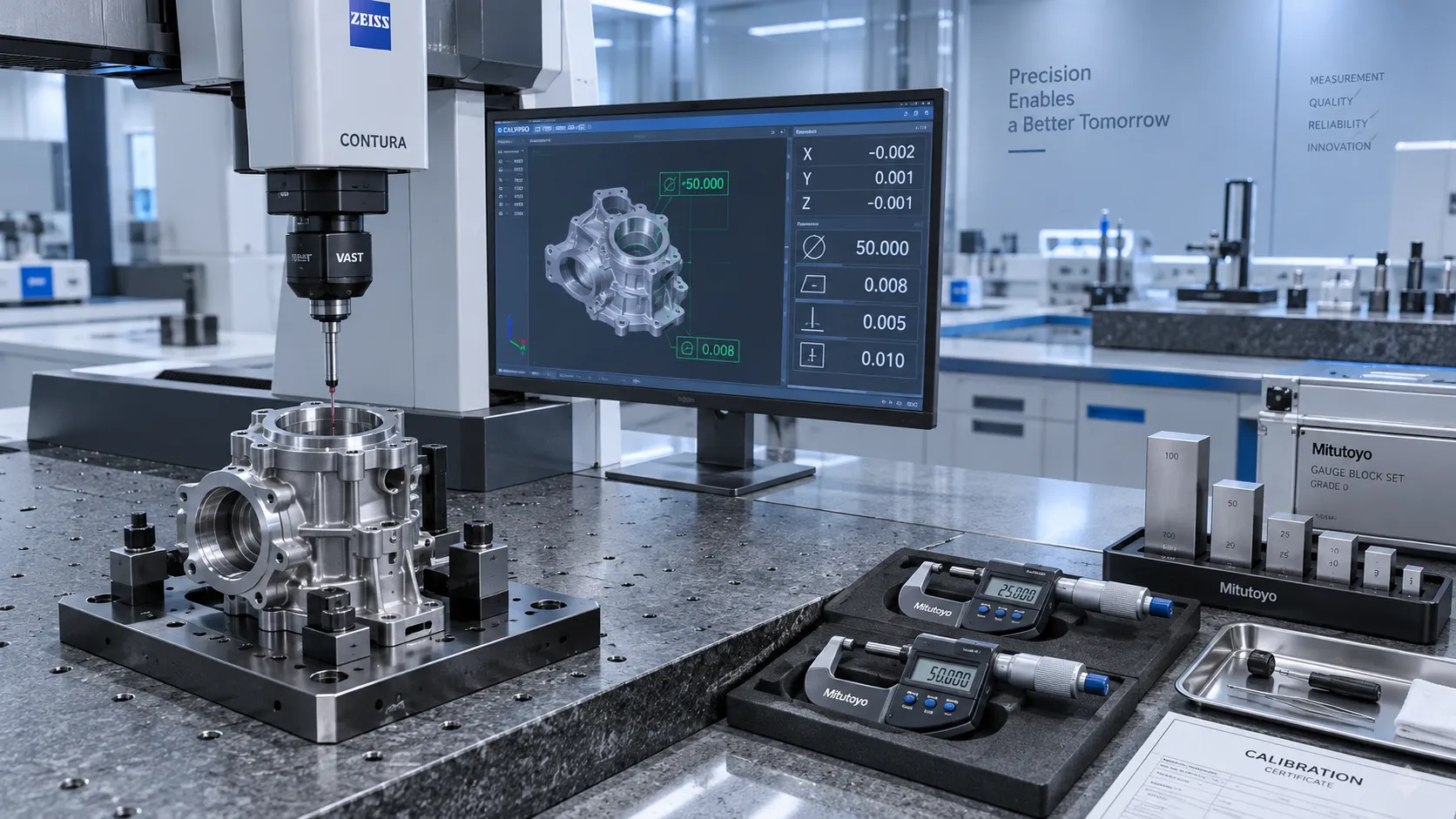
How to Select High-Precision Measuring Instruments for Tight-Tolerance Production?
High-precision measuring instruments are essential for tight-tolerance production. Learn how to evaluate accuracy, repeatability, environment, calibration, and data integration.
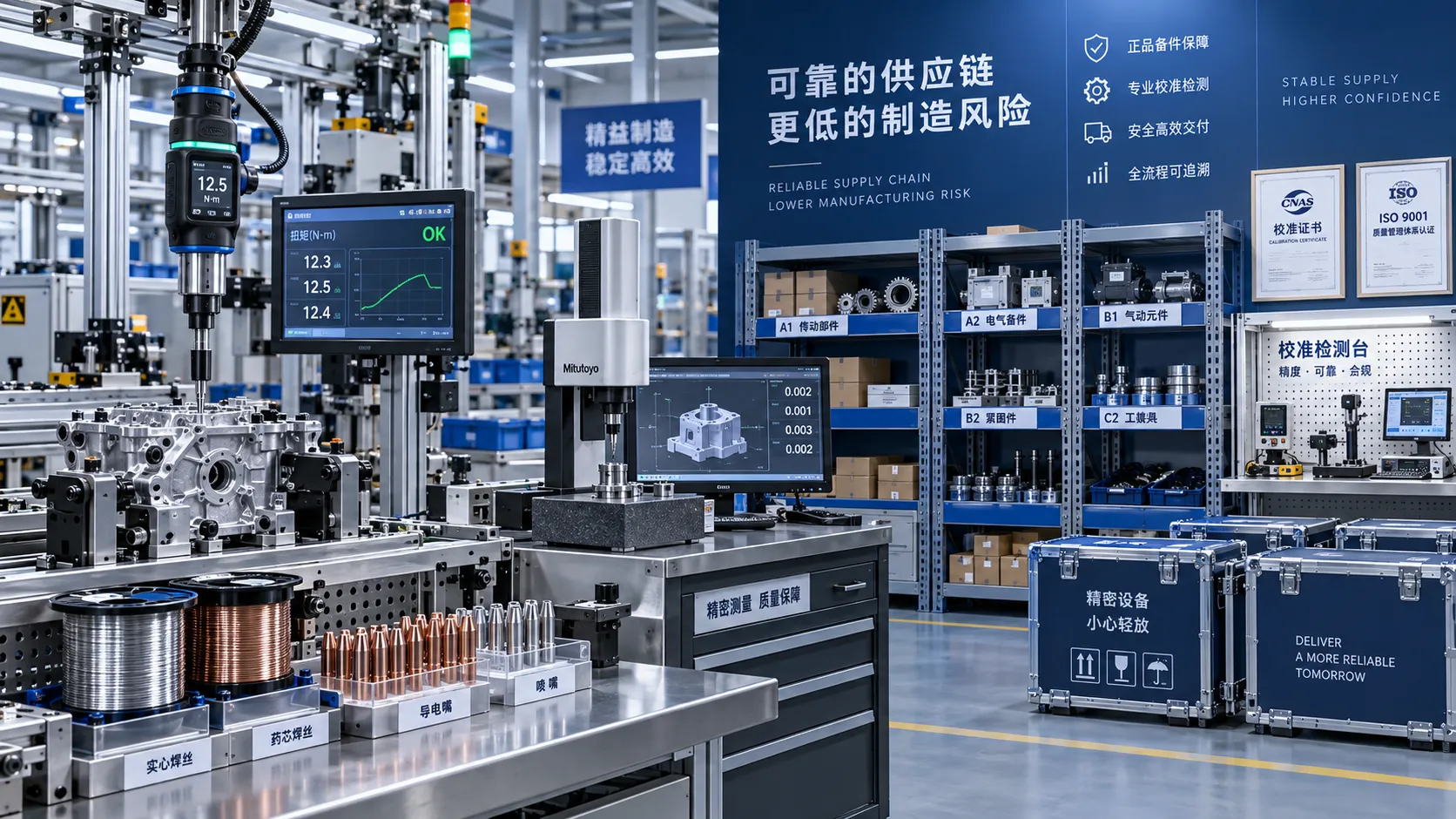
How Industrial Innovation Supplier Networks Reduce Sourcing Risk for Manufacturers
industrial innovation supplier network insights help manufacturers reduce sourcing risk, control lifecycle costs, and choose reliable tools, services, and suppliers with confidence.
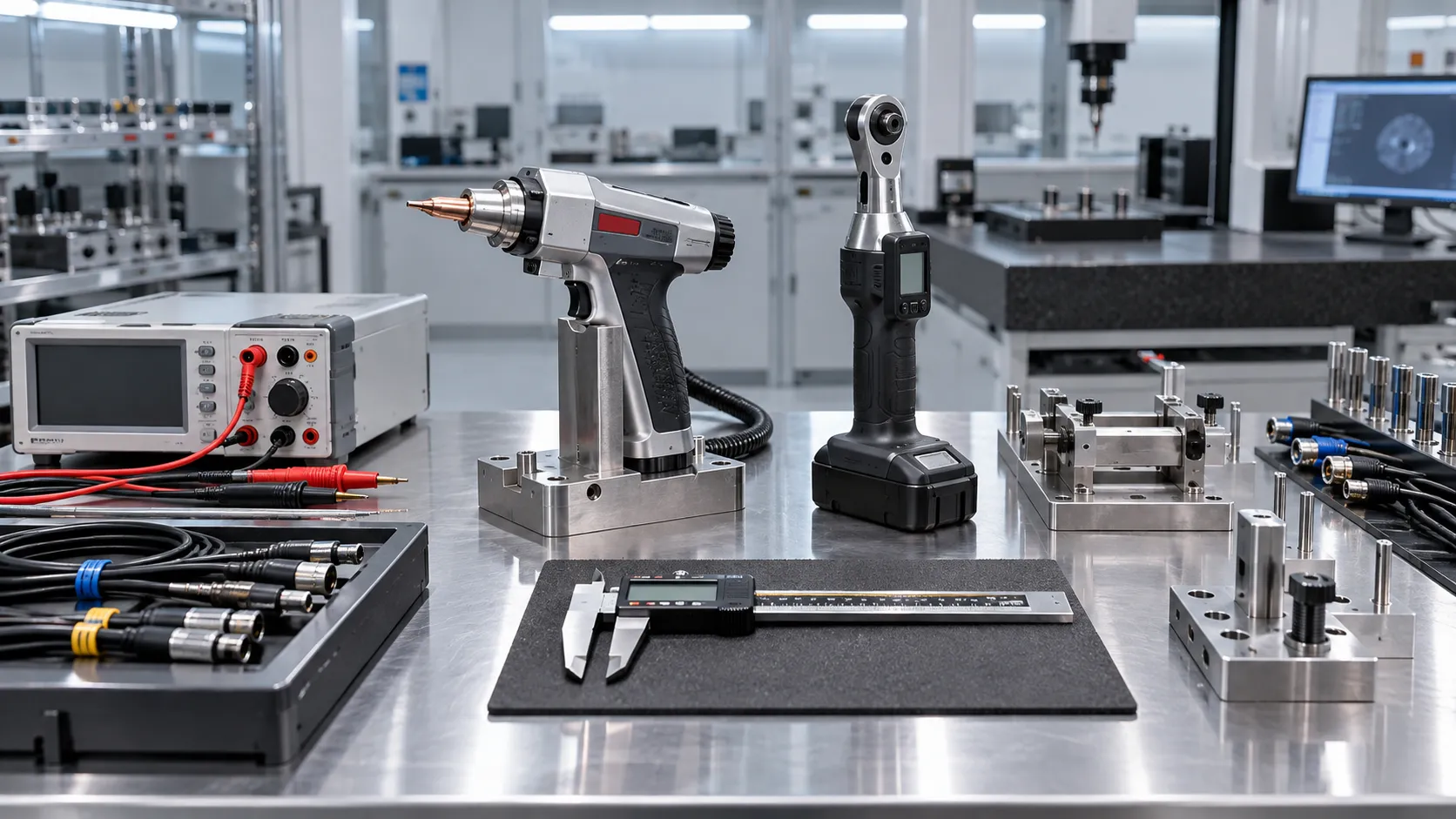
Which Industrial Standards Should Be Checked Before Export?
Which industrial standards should be checked before export? Discover essential compliance steps for industrial tools, welding equipment, laser systems, and metrology products.
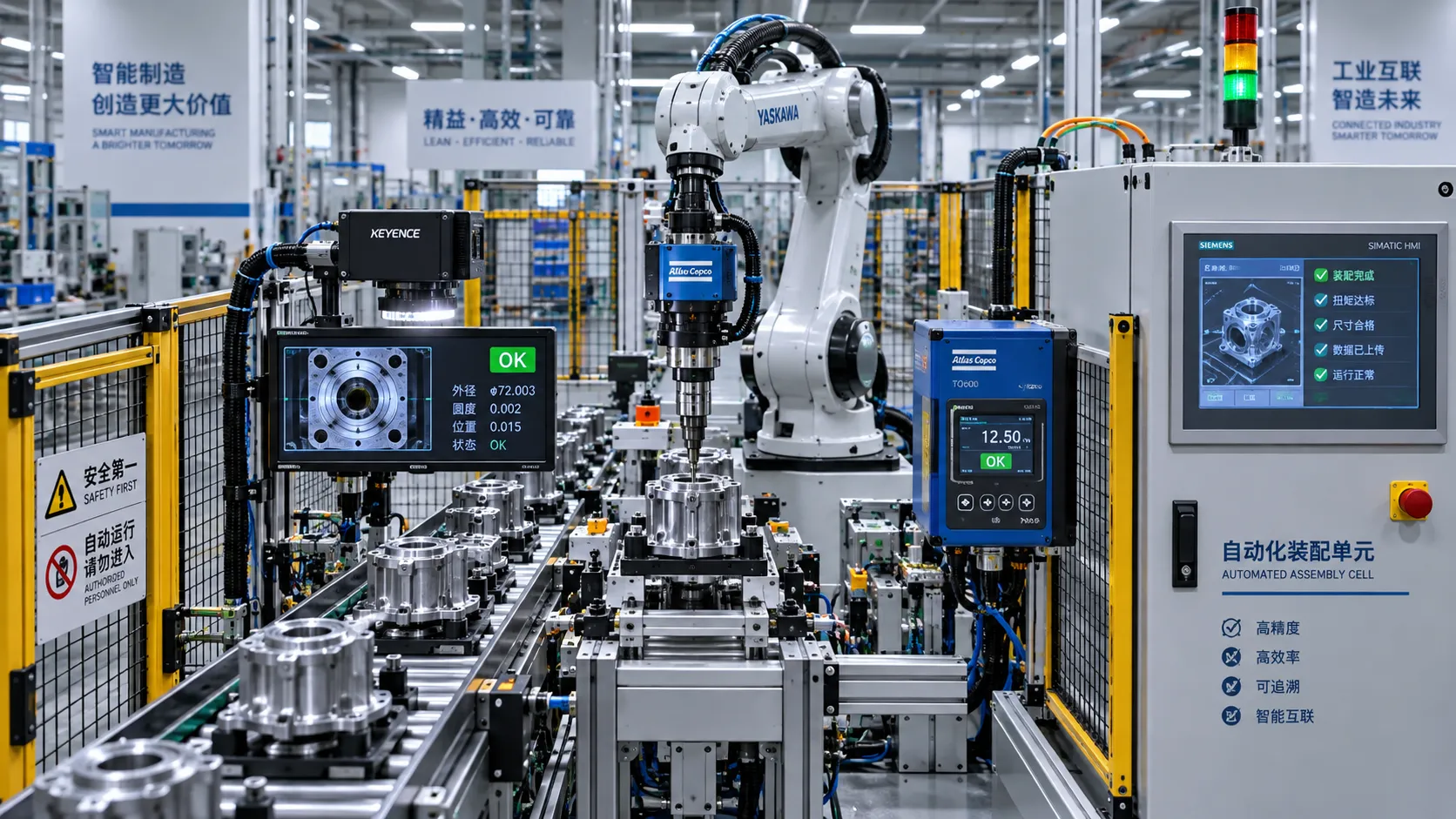
What Industrial Automation Exporters Need to Know Before Entering ASEAN Markets
Industrial automation exporter to ASEAN: learn how to navigate compliance, local service, digital readiness, pricing, and market entry for scalable growth.
Prototype PCB Manufacturing Equipment: What Engineers Should Evaluate Before Purchase
Prototype PCB manufacturing equipment: discover the key factors engineers should evaluate—from accuracy and materials to software, safety, and ROI—before buying.
Workplace Ergonomics for Manufacturing: Reducing Repetitive-Strain Risks on Assembly Lines
Workplace ergonomics for manufacturing helps reduce repetitive-strain risks on assembly lines through smarter workstation design, tool selection, task analysis, and quality-focused improvements.
Selecting Adjustable Torque Tools for Repeatable Fastener Assembly
Adjustable torque tools: learn how to match range, accuracy, control methods, calibration, and ergonomics for repeatable, reliable fastener assembly.

How to Select Aerospace Inspection Tools for Aircraft Maintenance Tasks
Aerospace maintenance inspection tools: learn how to select reliable, traceable equipment for aircraft access, accuracy, calibration, and compliant maintenance decisions.
Related News
- 00
0000-00
How to Select High-Precision Measuring Instruments for Tight-Tolerance Production? - 00
0000-00
Prototype PCB Manufacturing Equipment: What Engineers Should Evaluate Before Purchase - 00
0000-00
Workplace Ergonomics for Manufacturing: Reducing Repetitive-Strain Risks on Assembly Lines - 00
0000-00
Selecting Adjustable Torque Tools for Repeatable Fastener Assembly - 00
0000-00
How to Select Aerospace Inspection Tools for Aircraft Maintenance Tasks
Prof. Marcus Chen
Weekly Insights
Stay ahead with our curated technology reports delivered every Monday.