
Modular Design in Automation Industry Tools: Benefits, Limits, and Retrofit Fit





Modular Design in Automation Industry Tools: Benefits, Limits, and Retrofit Fit
For many industrial teams, automation industry tools modular design looks like an obvious upgrade path. It promises faster deployment, simpler maintenance, and easier scaling across lines and sites.
That promise is real, but it is not universal. In retrofit projects especially, modularity works best when technical interfaces, process stability, and lifecycle goals are already clear.
Recent manufacturing shifts make the topic more relevant. Plants want shorter shutdown windows, better tool intelligence, and lower total ownership cost without replacing entire systems.
This is where automation industry tools modular design becomes strategic. It can improve flexibility, but only when its limits are understood early and managed with discipline.
What Modular Design Means in Industrial Tooling
In practical terms, modular design breaks a tool system into replaceable functional units. These may include drives, sensors, controllers, power modules, safety layers, and communication interfaces.
Instead of rebuilding the whole system, teams upgrade or service one module at a time. That is the core appeal of automation industry tools modular design in busy production environments.
This approach appears across torque tools, robotic end effectors, laser welding packages, hydraulic power units, and precision measurement stations. The structure varies, but the logic stays consistent.
A good module is not just detachable. It must also be electrically compatible, mechanically stable, digitally identifiable, and easy to validate after installation.
Why the Benefits Are Gaining Attention
Manufacturers now face a tighter mix of labor constraints, energy pressure, and export compliance. Full equipment replacement often takes too long or costs too much.
More visible still is the demand for smart diagnostics. Plants want tools that can report torque drift, thermal load, vibration, calibration status, and component wear in real time.
Automation industry tools modular design supports that shift because digital functions can be added in steps. Teams can modernize capability without forcing a complete production redesign.
For organizations following market intelligence from platforms like GPTWM, the message is clear. Precision, serviceability, and intelligent integration now shape purchasing decisions more than headline power alone.
The Main Benefits of Automation Industry Tools Modular Design
1. Faster deployment and changeover
Modular assemblies reduce installation complexity. Pretested units arrive ready for connection, which shortens commissioning and lowers the risk of site-level wiring mistakes.
This matters in multi-line programs. If a standard module works on several stations, teams can roll out changes faster and maintain process consistency across sites.
2. Easier maintenance and lower downtime
Service teams usually care less about theory and more about recovery time. A failed module can often be swapped quickly, tested, and returned to operation with less disruption.
That improves spare parts planning as well. Instead of holding many unique components, plants can stock a smaller range of standardized modules for critical tool families.
3. Lower upgrade cost over time
When communication standards change or sensing needs grow, only the affected layer may need replacement. That makes automation industry tools modular design attractive for phased investment planning.
It also supports budget discipline. Teams can target performance bottlenecks instead of funding broad upgrades that deliver little operational value.
4. Better scalability and standardization
Standard modules simplify replication. The same drive package, safety block, or measurement interface can be used in different cells with limited engineering changes.
That is valuable in global operations where consistency affects training, validation, and quality reporting. Standardized modules often make compliance work more manageable too.
Where the Limits Start to Show
Modularity is useful, but it is not free. Every interface introduces packaging constraints, tolerance stacking, communication dependencies, and another point that must be validated.
In high-precision or high-load applications, these trade-offs become more visible. A custom integrated assembly may outperform a modular one in stiffness, response time, or thermal stability.
There is also a data problem. If vendors define module interfaces differently, the expected plug-and-play experience can quickly turn into engineering rework and software mapping delays.
This means automation industry tools modular design should not be treated as a blanket procurement rule. Its value depends on functional boundaries and operational realities.
Retrofit Fit: The Real Decision Point
Retrofit projects are where modular design gets tested hardest. Existing equipment often carries mechanical wear, undocumented edits, and legacy control logic that no longer matches drawings.
A modular upgrade fits well when the current base machine remains structurally sound. It also helps when process requirements are stable and performance gaps are concentrated in specific subsystems.
For example, adding smart torque control, replacing aging servo packs, or modernizing measurement heads can deliver strong returns without changing the full asset architecture.
The fit weakens when line geometry is inconsistent, safety standards have changed heavily, or digital connectivity is too fragmented. In those cases, modular retrofits may only postpone deeper replacement.
A retrofit decision should therefore compare three paths: keep as is, retrofit with modules, or rebuild the system. The wrong comparison often makes modularity look better than it really is.
Key Risks to Check Before Approval
- Interface mismatch between new modules and legacy PLC, fieldbus, or MES layers.
- Mechanical tolerance issues that reduce repeatability after repeated module swaps.
- Thermal, vibration, or contamination conditions beyond the module’s real operating envelope.
- Vendor lock-in caused by proprietary connectors, software licenses, or calibration tools.
- Long validation cycles when safety functions or regulated inspection steps are involved.
- Weak spare parts strategy that turns modular design into a logistics problem.
These risks do not cancel automation industry tools modular design. They simply define the conditions under which it creates measurable value.
A Practical Evaluation Framework
- Map failure points and upgrade pressure by subsystem, not by machine name alone.
- Check interface standards across mechanics, power, safety, data, and calibration workflows.
- Model downtime savings against validation time, integration labor, and spare module inventory.
- Test one representative line first, especially in mixed-age equipment environments.
- Set lifecycle rules for version control, obsolescence response, and supplier support windows.
This kind of structured review keeps decisions grounded. It also helps separate real modular value from marketing claims about flexibility.
In actual operations, the best results usually come from selective modularization. Teams standardize high-change subsystems and keep deeply integrated performance-critical elements custom.
What the Market Signal Suggests Next
The broader direction is clear. Industrial buyers increasingly want automation industry tools modular design combined with diagnostic visibility, ergonomic gains, and cleaner global standard alignment.
This aligns with GPTWM’s long-range view of industrial tooling. Precision no longer stands apart from intelligence, and serviceability is now part of product value, not an afterthought.
Still, the strongest programs avoid treating modularity as a slogan. They use it where process resilience, maintenance speed, and upgrade flexibility clearly outweigh integration overhead.
That is the practical takeaway. Automation industry tools modular design is most powerful when chosen as a targeted engineering strategy, not as a default architecture for every tool.
Before the next upgrade cycle, review your tool chain by subsystem, interface stability, and downtime economics. That simple step usually reveals whether modular design will truly pay back.
Related News

In-House vs. Outsourced Aircraft Maintenance: Comparing Total Costs
Compare aerospace maintenance cost for in-house vs. outsourced aircraft upkeep. Discover hidden expenses, downtime impacts, and break-even factors to find the best fit for your fleet.
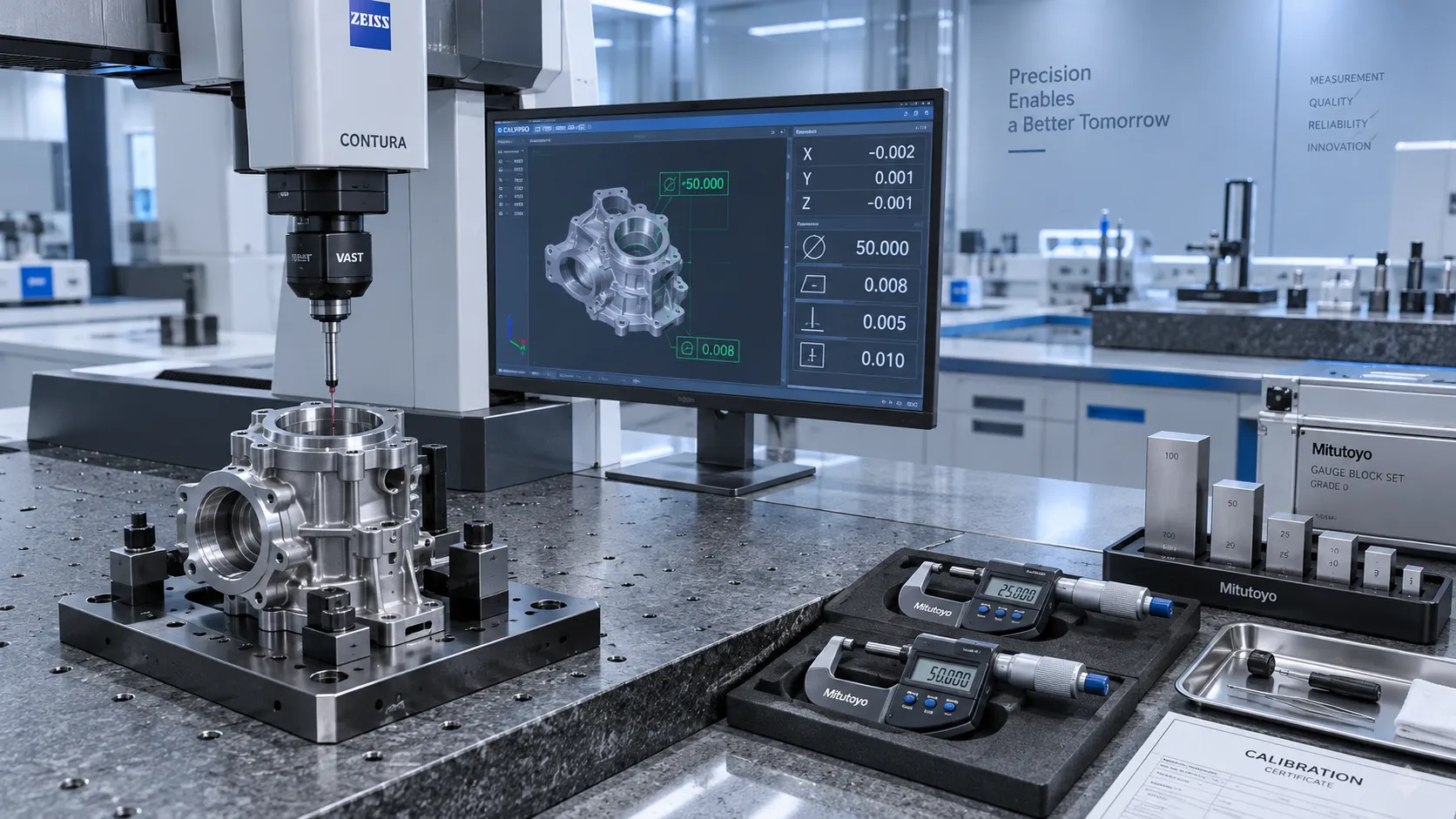
How to Select High-Precision Measuring Instruments for Tight-Tolerance Production?
High-precision measuring instruments are essential for tight-tolerance production. Learn how to evaluate accuracy, repeatability, environment, calibration, and data integration.
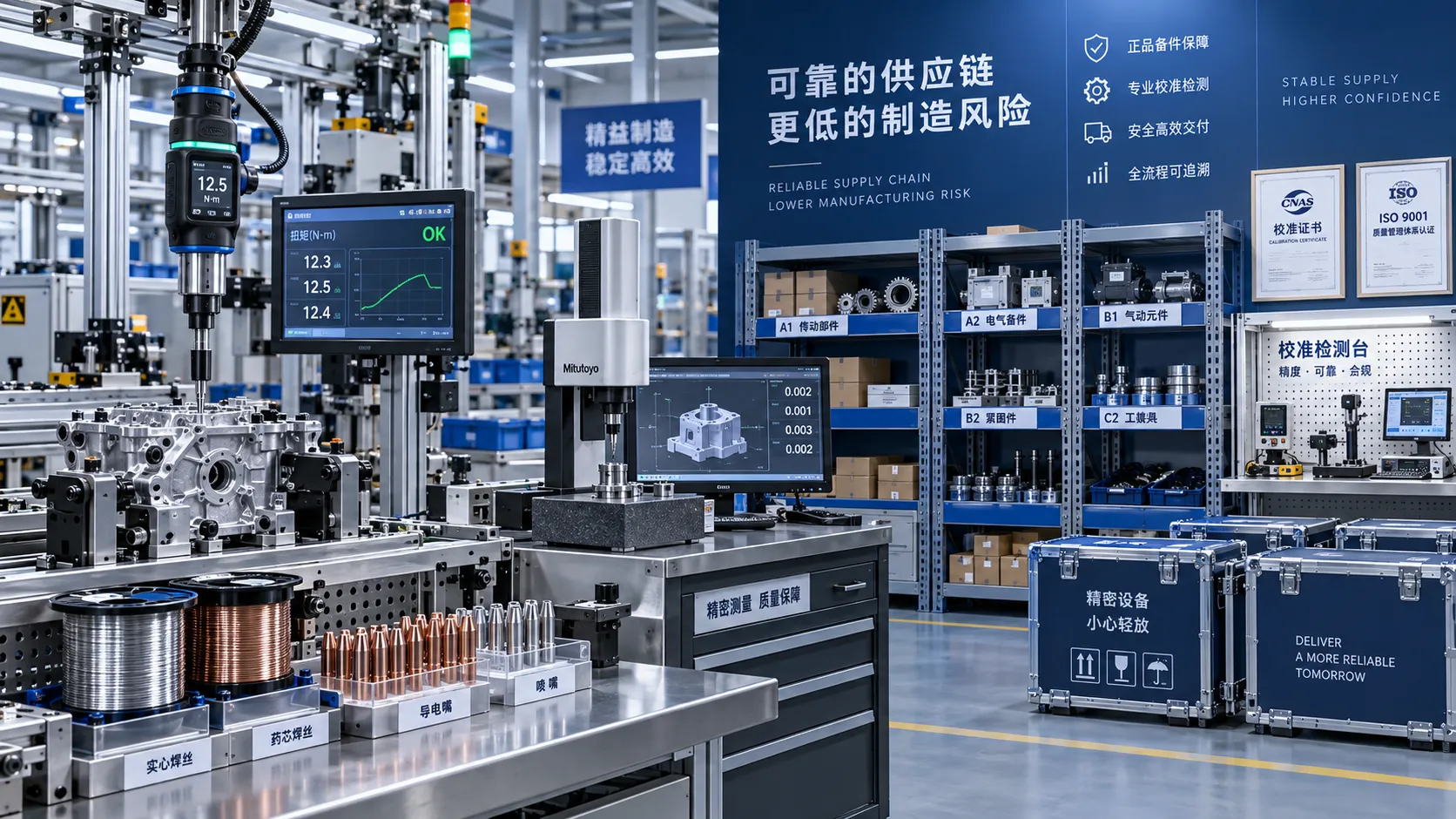
How Industrial Innovation Supplier Networks Reduce Sourcing Risk for Manufacturers
industrial innovation supplier network insights help manufacturers reduce sourcing risk, control lifecycle costs, and choose reliable tools, services, and suppliers with confidence.
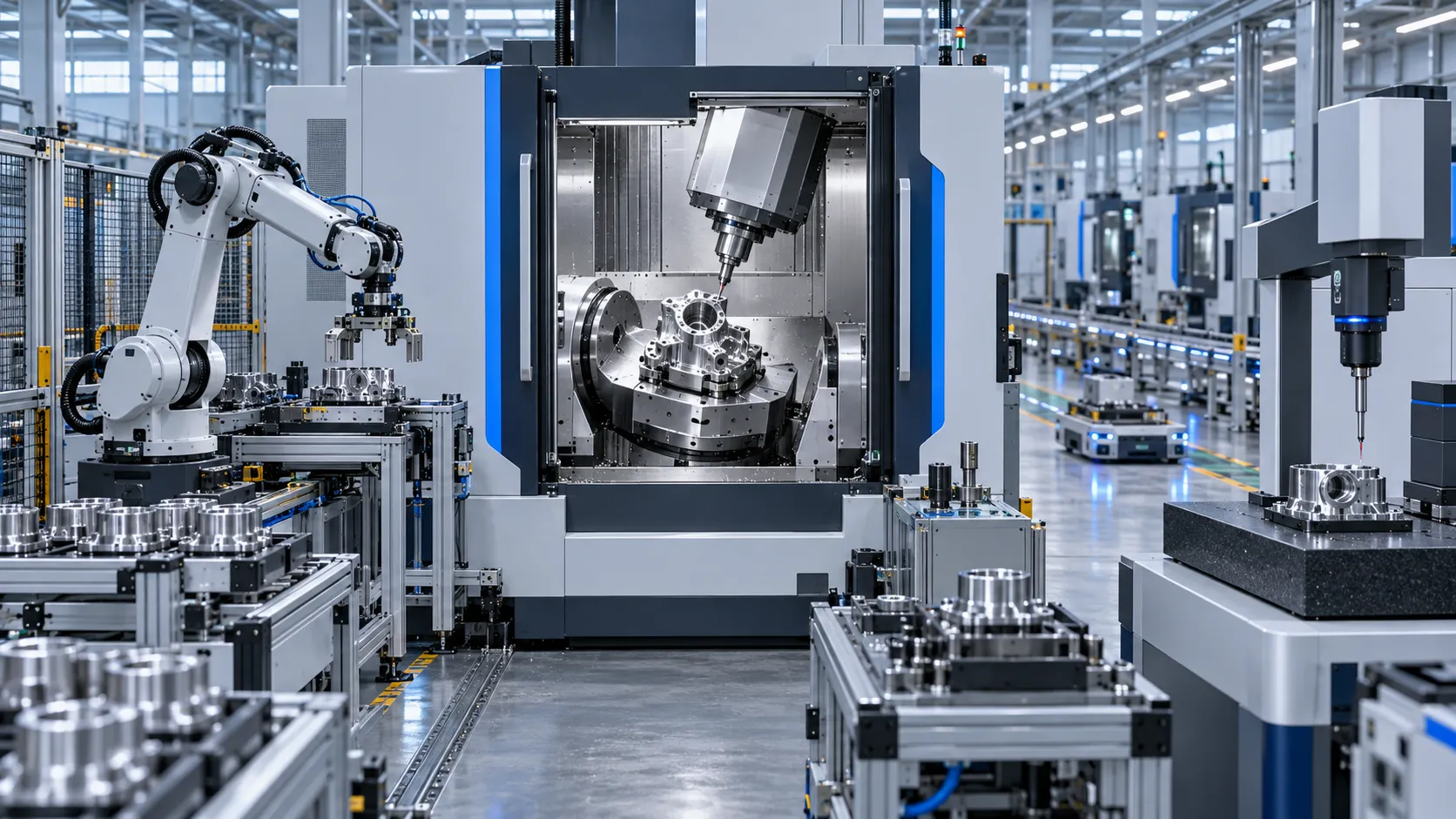
South East Asia Machine Tools Market: Demand Outlook by Manufacturing Industry
South East Asia machine tools market outlook: explore demand from automotive, electronics, fabrication, and infrastructure, plus smart sourcing priorities for manufacturers.
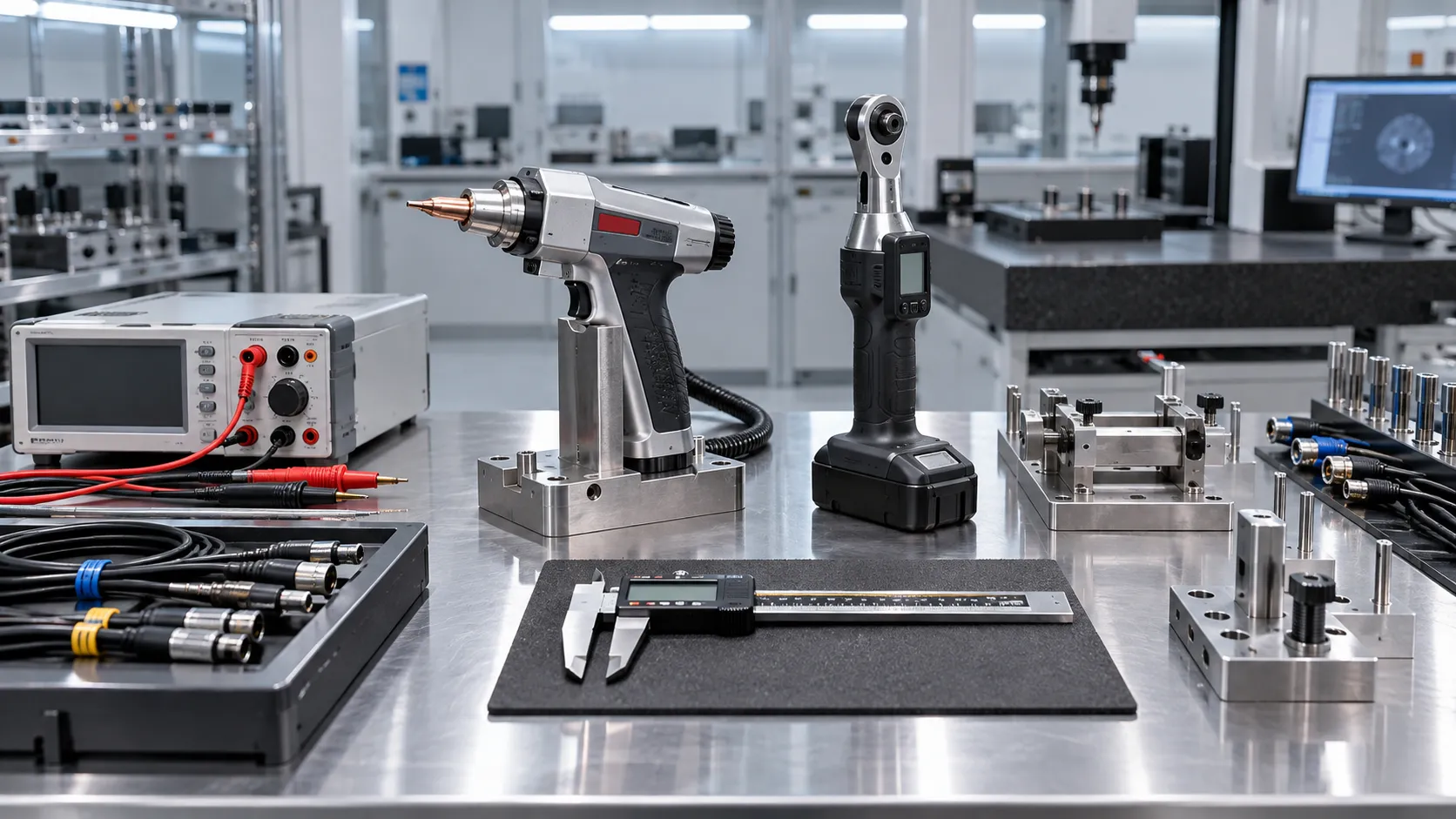
Which Industrial Standards Should Be Checked Before Export?
Which industrial standards should be checked before export? Discover essential compliance steps for industrial tools, welding equipment, laser systems, and metrology products.
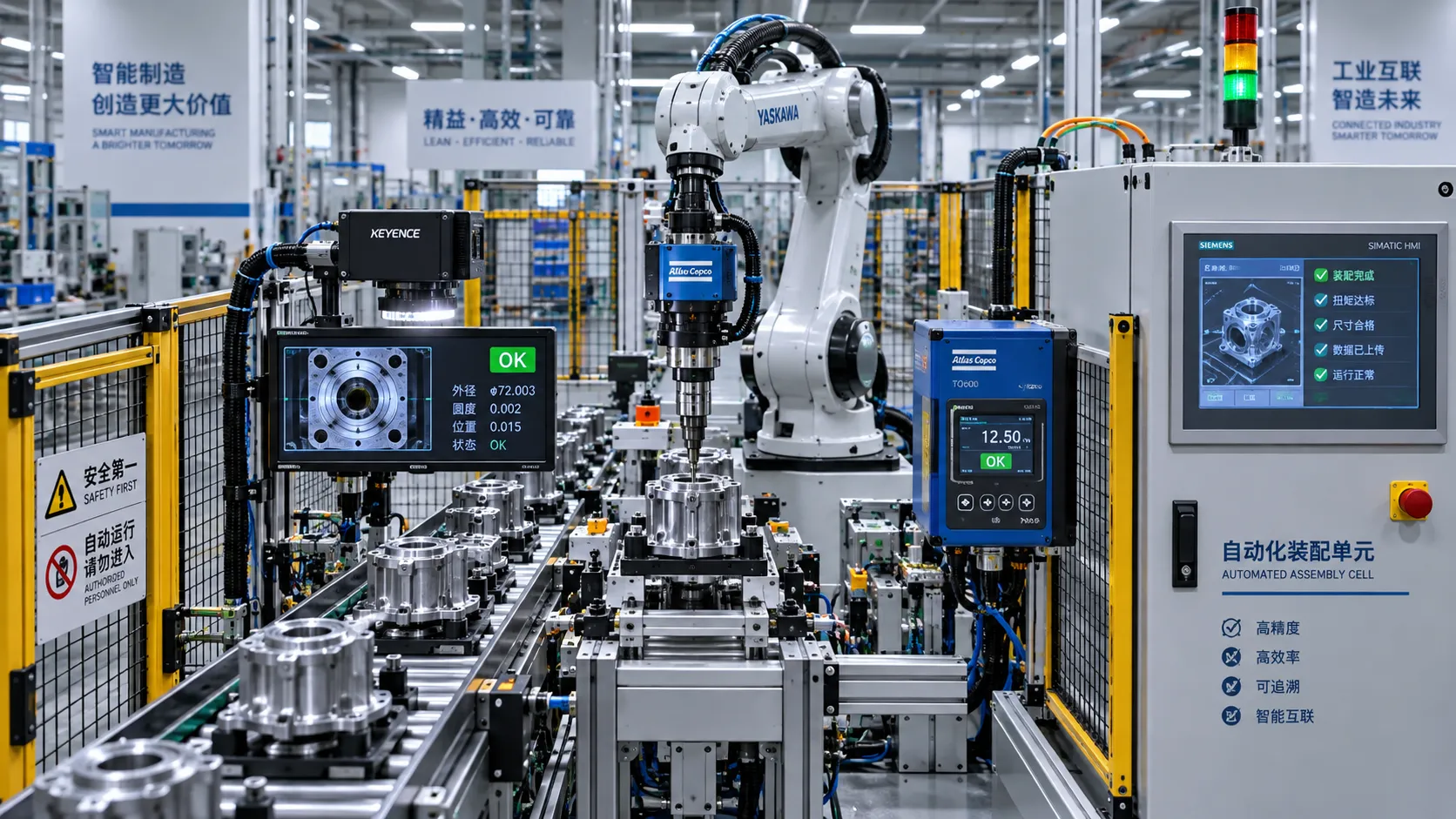
What Industrial Automation Exporters Need to Know Before Entering ASEAN Markets
Industrial automation exporter to ASEAN: learn how to navigate compliance, local service, digital readiness, pricing, and market entry for scalable growth.
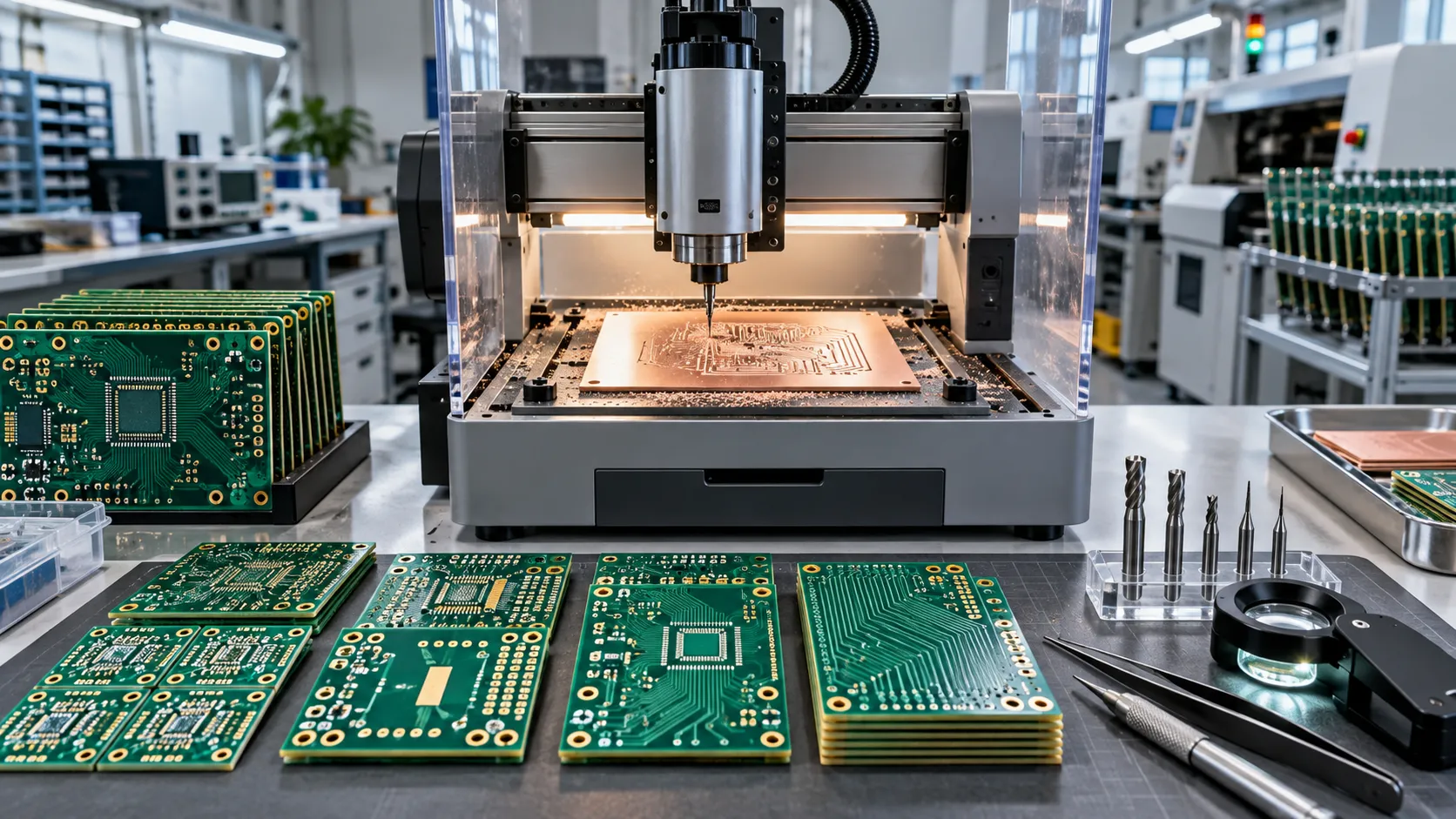
PCB Prototyping Equipment Costs: Comparing In-House Machines and Outsourced Builds
PCB prototyping equipment costs compared: discover when in-house machines speed iterations and when outsourced builds deliver better value, quality, and scalability.
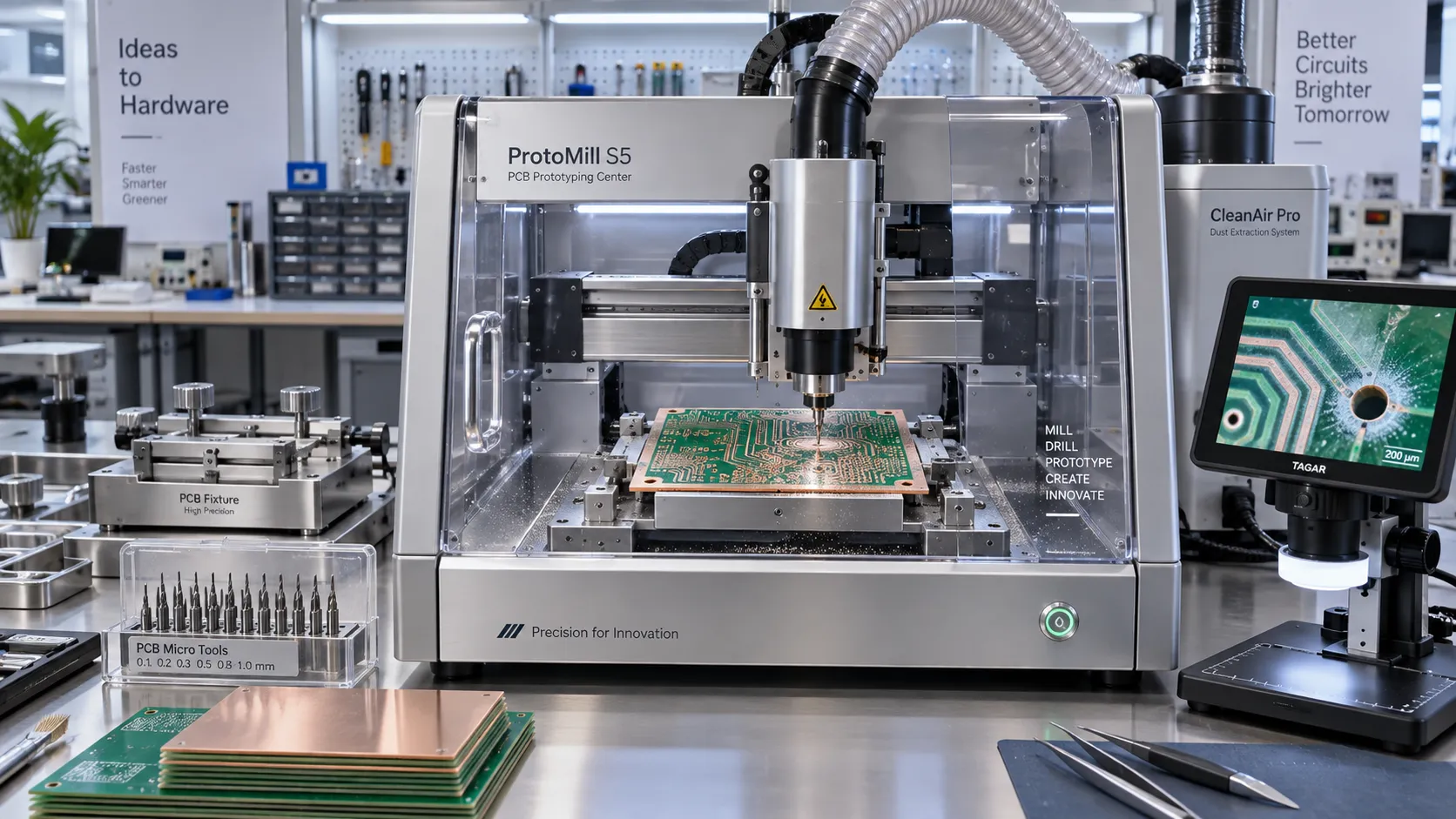
Prototype PCB Manufacturing Equipment: What Engineers Should Evaluate Before Purchase
Prototype PCB manufacturing equipment: discover the key factors engineers should evaluate—from accuracy and materials to software, safety, and ROI—before buying.
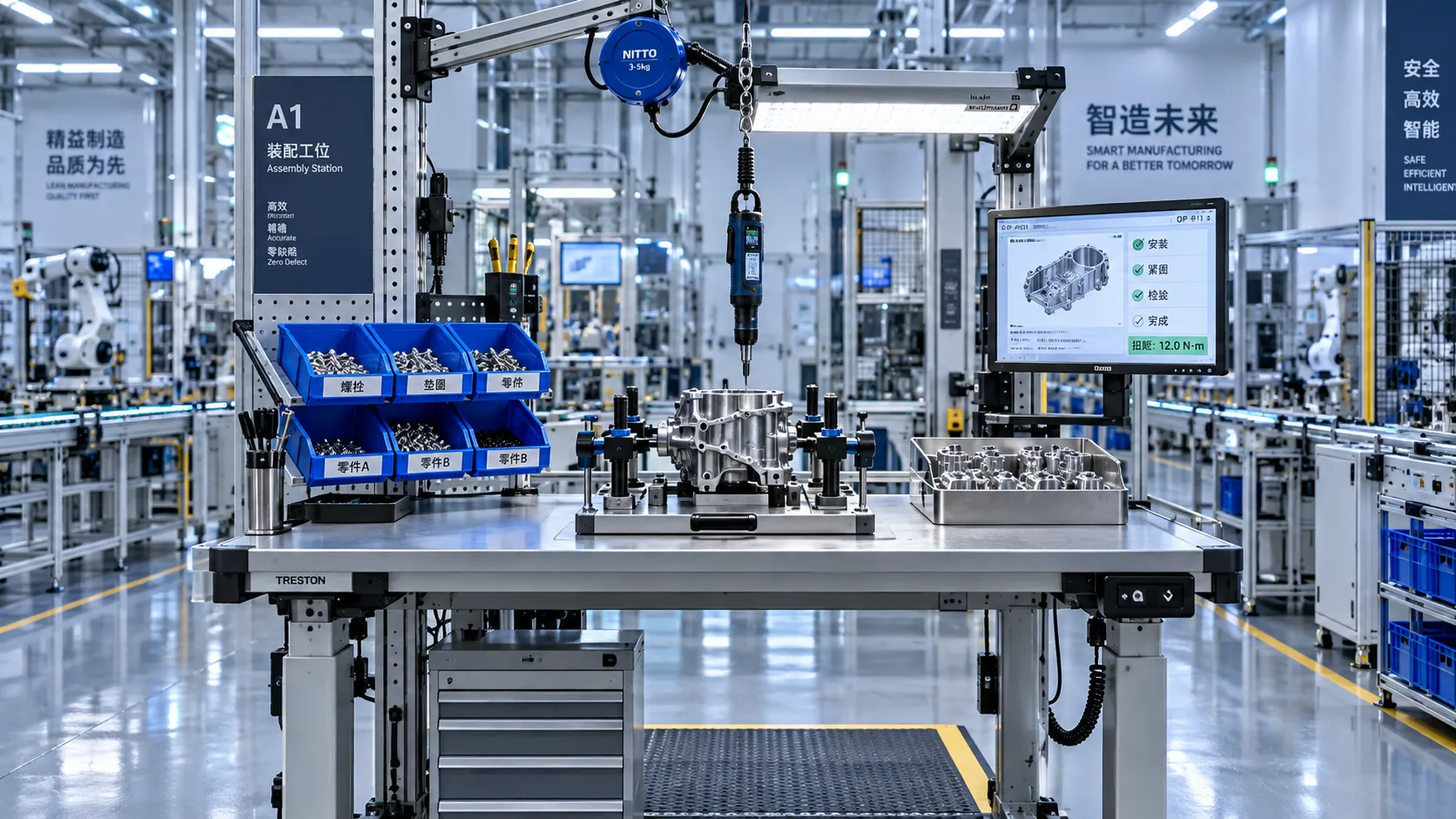
Workplace Ergonomics for Manufacturing: Reducing Repetitive-Strain Risks on Assembly Lines
Workplace ergonomics for manufacturing helps reduce repetitive-strain risks on assembly lines through smarter workstation design, tool selection, task analysis, and quality-focused improvements.
Related News
- 00
0000-00
How to Select High-Precision Measuring Instruments for Tight-Tolerance Production? - 00
0000-00
Prototype PCB Manufacturing Equipment: What Engineers Should Evaluate Before Purchase - 00
0000-00
Workplace Ergonomics for Manufacturing: Reducing Repetitive-Strain Risks on Assembly Lines - 00
0000-00
Selecting Adjustable Torque Tools for Repeatable Fastener Assembly - 00
0000-00
How to Select Aerospace Inspection Tools for Aircraft Maintenance Tasks
Prof. Marcus Chen
Weekly Insights
Stay ahead with our curated technology reports delivered every Monday.