
Metalworking tools: repair less or replace sooner?





For after-sales maintenance teams, the real question is not whether metalworking tools wear out, but when repair stops making economic and operational sense. From torque loss and welding inconsistency to calibration drift and safety risks, every decision affects uptime, cost, and customer trust. This article explores how to judge when to repair, refurbish, or replace sooner—so maintenance work stays efficient, predictable, and value-driven.
Why a checklist works better than gut feeling
For after-sales teams, decisions about metalworking tools are often made under pressure: a customer is waiting, a production line is slowing down, and spare parts may not be immediately available. In that environment, “repair if possible” sounds practical, but it can create hidden cost if the tool returns with recurring faults, lower precision, or fresh safety concerns. A checklist-based approach prevents emotional or habit-driven decisions and replaces them with repeatable standards.
This matters across industries because metalworking tools are used in fabrication, assembly, welding, maintenance, construction support, vehicle service, and precision inspection. A torque tool that slips, a grinder with rising vibration, or a caliper with calibration drift may still function, yet no longer support reliable results. For maintenance personnel, the goal is not just to restore operation, but to protect consistency, labor efficiency, and customer confidence.
A good decision framework should answer five practical questions first: what has failed, how often it fails, what repair really costs, what performance is lost after repair, and what risk remains if the tool goes back into service. When these points are documented, repair and replacement decisions become easier to justify internally and externally.
Start with this repair-or-replace checklist for metalworking tools
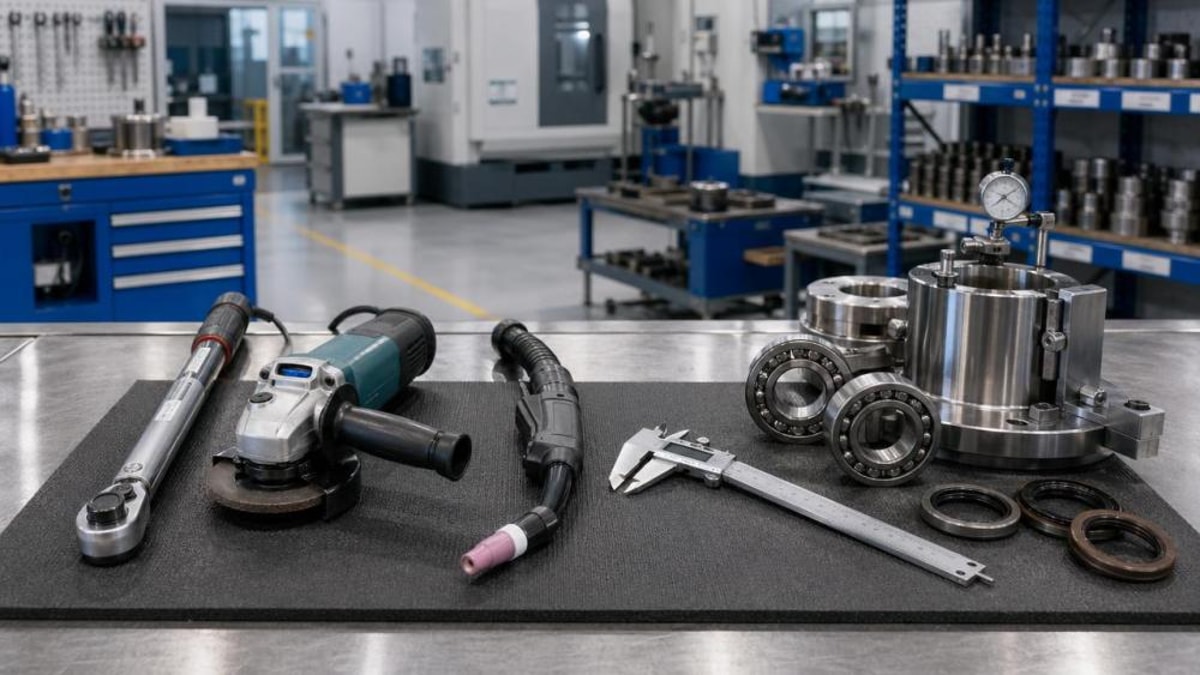
Before authorizing any work order, review the following core checks. These are the most important judgment points for common metalworking tools such as torque tools, grinders, drills, welding torches, measuring devices, cutting equipment, and hydraulic service tools.
- Failure type: Confirm whether the issue is consumable wear, a replaceable component fault, structural damage, electrical failure, or accuracy loss. Consumable wear usually supports repair; frame deformation or repeated calibration instability often points toward replacement.
- Tool age and duty cycle: Check operating hours, load history, maintenance records, and environmental exposure. Metalworking tools used in heat, dust, moisture, or heavy vibration typically degrade faster than appearance suggests.
- Repair cost ratio: Compare total repair cost with replacement cost. Include labor, parts, shipping, inspection, calibration, and downtime. If repair approaches a large share of new-tool value, replacement deserves priority review.
- Post-repair performance: Ask whether the repaired tool can meet original output, speed, repeatability, and safety requirements. A “working” tool is not the same as a tool that meets service standards.
- Safety exposure: Review insulation condition, overheating, guarding, trigger response, torque release reliability, gas leakage, and spindle stability. Safety-related uncertainty should heavily favor replacement.
- Parts availability: Determine whether original components are still available and whether substitutes affect fit, compliance, or warranty. Unsupported tools may become expensive to keep alive.
- Recurrence history: If the same metalworking tools return for similar faults within short intervals, the problem is likely systemic rather than isolated.
- Calibration and traceability needs: For measuring and torque equipment, verify whether the repaired unit can be recalibrated and documented to required standards.
Using this checklist creates a practical separation between low-risk serviceable tools and aging assets that drain time without restoring dependable performance.
Apply clear decision thresholds, not vague impressions
Maintenance teams often benefit from fixed thresholds. These do not replace engineering judgment, but they make decisions faster and more consistent across sites, technicians, and customer accounts.
Repair is usually justified when
- The fault is isolated to consumables or modular parts such as brushes, seals, bearings, hoses, triggers, nozzles, cables, or batteries.
- The tool body, alignment surfaces, motor housing, or metrology structure remain sound.
- Repair cost is clearly lower than replacement after including downtime and verification costs.
- The tool can be tested and restored to acceptable precision, output, and safety condition.
- The customer depends on continuity with the same model, accessories, or operating method.
Replacement should move up the priority list when
- Structural cracks, repeated spindle runout, frame distortion, severe overheating, or internal corrosion are present.
- The same metalworking tools have had multiple repairs over a short service period.
- Calibration cannot be held, or inspection results drift soon after service.
- Spare parts are obsolete, lead times are long, or substitute parts create quality uncertainty.
- Newer tools offer significantly better energy efficiency, ergonomics, control accuracy, or safety features that reduce ongoing operating cost.
Check the economics beyond the invoice
One of the most common mistakes in tool service is comparing only the repair invoice to the purchase price of a new unit. After-sales maintenance personnel need a wider cost view. The true decision is based on total cost of continued use.
For metalworking tools, include the following cost elements in your review: technician labor, troubleshooting time, inbound and outbound logistics, service queue delay, calibration fees, customer disruption, secondary damage risk, and the cost of emergency backup tooling. In many cases, a “cheap” repair becomes expensive when the tool fails again during a critical job.
A practical method is to score three categories: direct repair cost, expected remaining life, and impact of another failure. If the repaired unit offers short remaining life and high interruption risk, early replacement often creates lower annualized cost even if the upfront spend is higher.
Different metalworking tools require different warning signs
Power tools and rotary equipment
Watch for rising vibration, unstable RPM, overheating, bearing noise, trigger inconsistency, and visible shaft play. If repaired tools still show abnormal heat or noise under load, the root cause may be deeper than a simple part replacement. Frequent use in grinding or cutting applications accelerates hidden fatigue, making replacement safer in many cases.
Welding tools and joining equipment
For torches, feeders, connectors, and handheld welding systems, examine arc stability, cable insulation, gas flow reliability, contact wear, heat damage, and control response. Repair is common for front-end wear parts, but recurring inconsistency in output or thermal stress in critical assemblies may justify replacement sooner. In customer-facing after-sales work, weld quality complaints should never be treated as cosmetic symptoms.
Measuring and torque tools
These metalworking tools demand the strictest judgment because visible operation can hide unacceptable deviation. If a caliper, micrometer, indicator, or torque wrench cannot hold calibration or repeatedly fails verification, replacement is often the better decision. Service records must show not only that the tool was repaired, but that traceable accuracy was restored.
Hydraulic and pressure-assisted tools
Inspect seals, leakage points, hose condition, pressure holding ability, valve response, and contamination. A minor leak may be repairable, but pressure instability, repeated seal failure, or contamination damage can spread quickly through the system. Where failure can cause injury or major downtime, replacement thresholds should be stricter.
Commonly overlooked factors that distort the decision
Even experienced teams can miss factors that make old metalworking tools look more repairable than they really are. The following issues deserve specific attention during evaluation.
- Downtime is undervalued. A low-cost repair can still be the wrong choice if the delay affects delivery, field service commitments, or customer production continuity.
- Technician time is treated as free. Repeated troubleshooting of one unstable unit consumes skilled labor that could support more valuable preventive work.
- Performance loss is accepted too casually. Lower torque consistency, rougher cuts, slower cycle time, or minor measurement drift can quietly reduce quality and throughput.
- Safety confidence is assumed rather than verified. Passing a basic function check is not enough for tools exposed to heat, vibration, electrical load, or pressure.
- Customer perception is ignored. In after-sales service, tool reliability affects trust. Returning a repaired unit that fails again can cost more than replacing it once.
A practical field workflow for after-sales maintenance teams
To make decisions more consistent, use a simple field-to-shop process. First, record the symptom exactly as reported by the operator or customer. Second, inspect for visible damage, contamination, wear, and safety concerns. Third, test function under realistic load where possible. Fourth, compare repair cost and expected post-repair life against replacement options. Fifth, classify the tool into one of three paths: quick repair, controlled refurbishment, or retirement and replacement.
Controlled refurbishment is particularly useful for metalworking tools that are still structurally sound but need more than minor repair. This may include bearing replacement, rewiring, recalibration, hose renewal, connector replacement, firmware update, and full cleaning with documented verification. It is a better category than informal “patch repair” because it defines quality standards before the tool returns to service.
Also, maintain a simple red-amber-green status logic. Green means repairable with low risk and verified output. Amber means repairable but monitor closely due to age, recurrence, or duty cycle. Red means replacement is favored due to safety, structural condition, or poor economic case. This approach helps supervisors align decisions across multiple technicians and customer sites.
FAQ: fast answers about metalworking tools service decisions
How many repairs are too many?
There is no universal number, but repeated repairs for the same failure mode within a short cycle are a strong replacement signal. The issue is not count alone, but recurring instability, labor burden, and customer disruption.
Should older metalworking tools always be replaced?
No. Age matters less than condition, supportability, and verified output. Some tools remain good assets if wear is manageable and calibration or performance can still be maintained. Others become poor investments long before they look old.
Is repair still worthwhile when the customer wants the cheapest option?
Yes, but only when the lower upfront price does not create unacceptable risk. After-sales teams should explain the difference between immediate invoice cost and total operating cost, including repeat failure probability.
What documents should be kept?
Keep inspection findings, service history, replaced parts, calibration results, safety checks, failure photos, and decision rationale. Good documentation turns future repair-or-replace decisions into evidence-based judgments rather than debates.
What to prepare before discussing a repair, refurbishment, or replacement plan
If your team needs to confirm the right next step for metalworking tools, gather a focused information set first: tool model and age, application type, failure symptom, operating environment, service frequency, downtime urgency, required accuracy level, safety concerns, available spare parts, and budget range. This reduces delays and leads to better recommendations.
For organizations that rely on professional intelligence and lifecycle visibility, platforms such as GPTWM can add value by connecting maintenance observations with wider market signals, technology shifts, and serviceability trends. That is especially useful when deciding whether to keep legacy tools in rotation, standardize newer models, or build a smarter refurbishment strategy across multiple sites.
In practical terms, the best question is not “Can this tool be repaired?” but “Will this decision improve reliability, safety, and total value from here forward?” Once after-sales teams use that standard consistently, repair becomes more strategic, replacement becomes easier to justify, and metalworking tools are managed as performance assets rather than emergency problems.
Related News
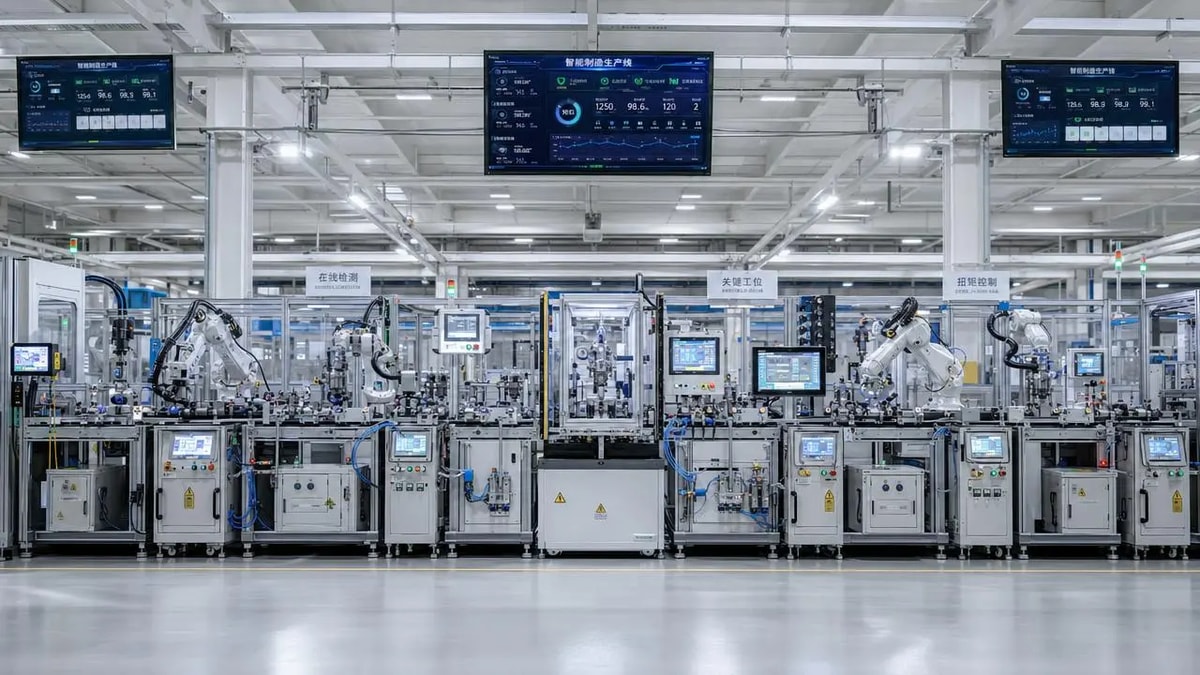
Smart manufacturing gains often stall after pilot projects
Smart manufacturing gains often stall after pilots. Learn how to assess integration, ROI, data quality, safety, and scale readiness to turn early wins into lasting factory performance.
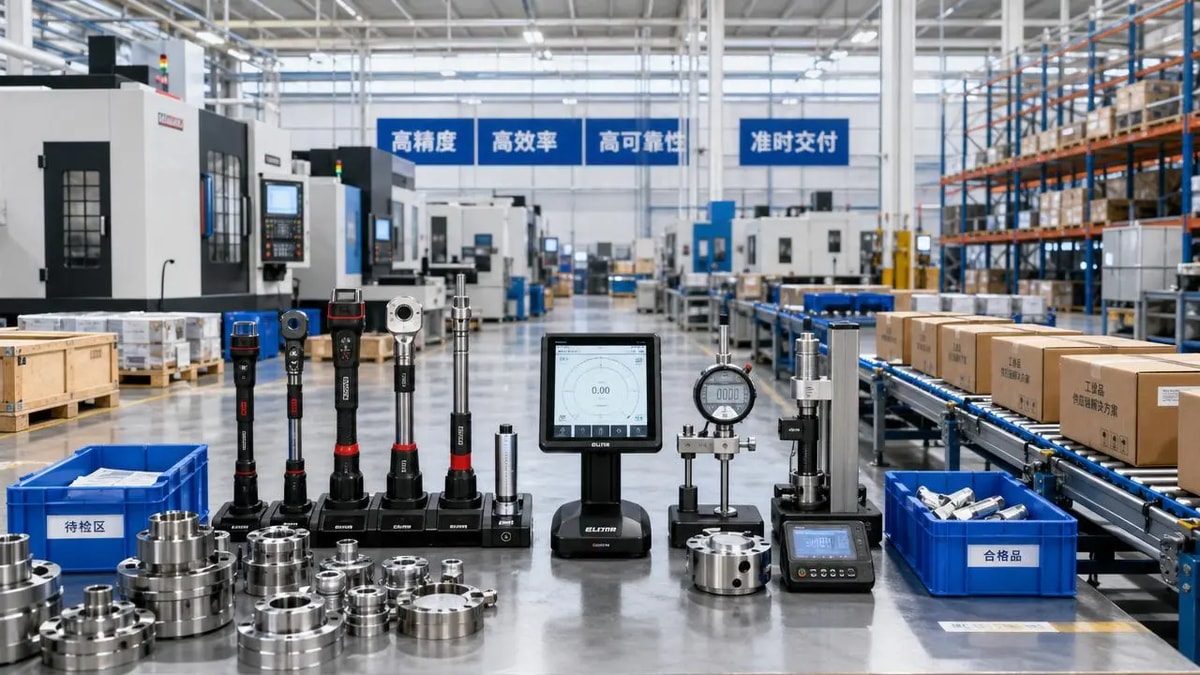
Industrial innovation is moving faster than supplier lead times
Industrial innovation is reshaping procurement faster than supplier lead times can adapt. Learn how buyers can reduce risk, secure smarter sourcing, and keep production moving.
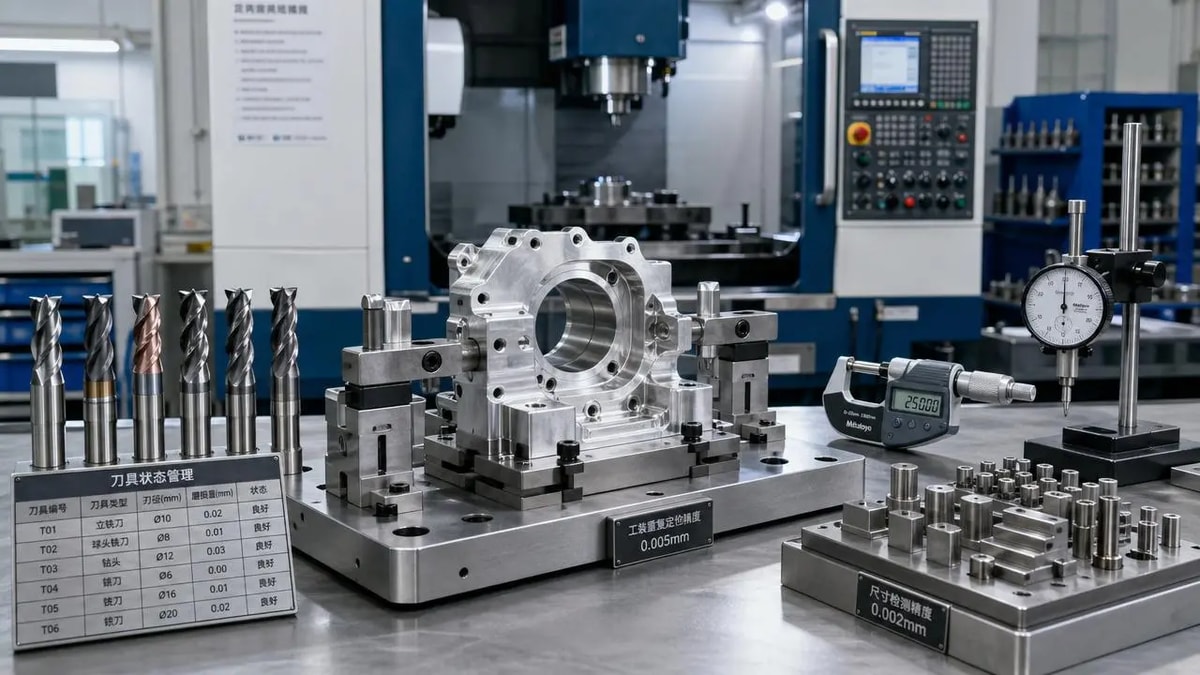
Precision engineering mistakes that lead to scrap
Precision engineering mistakes can turn quality parts into costly scrap fast. Learn the key checks operators need to reduce waste, improve yield, and keep production stable.
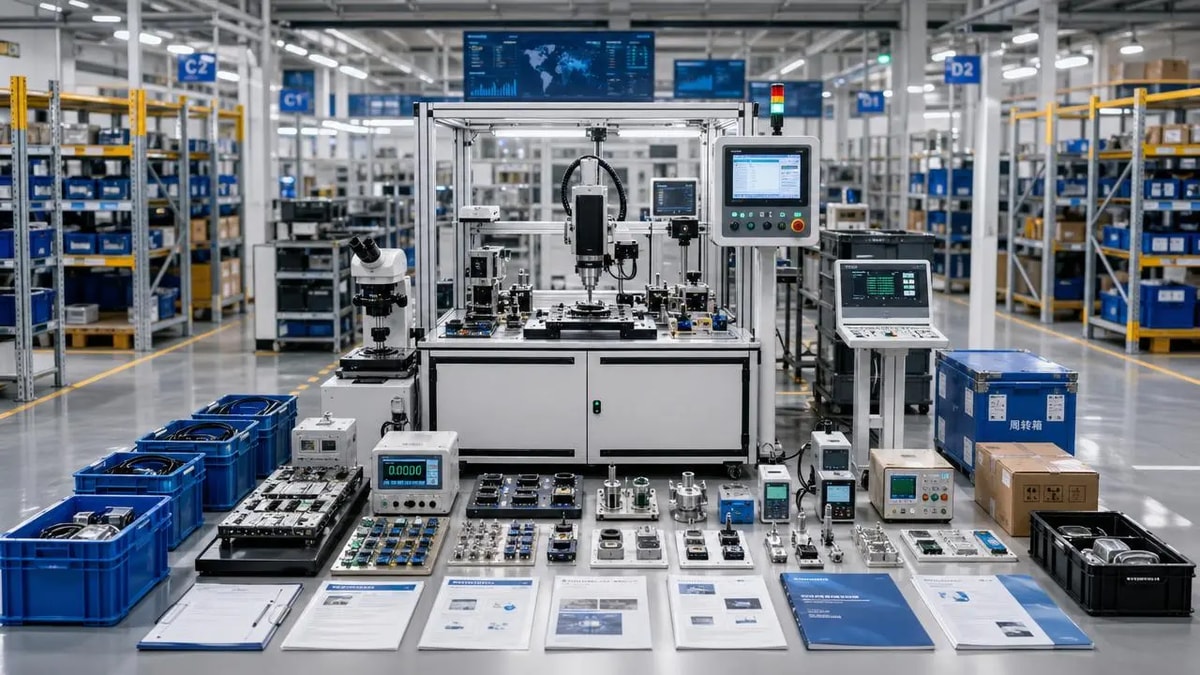
When industrial solutions create new supply chain risks
Industrial solutions can boost efficiency but also create hidden supply chain risks. Learn how to assess compliance, supplier dependency, and resilience before investing.
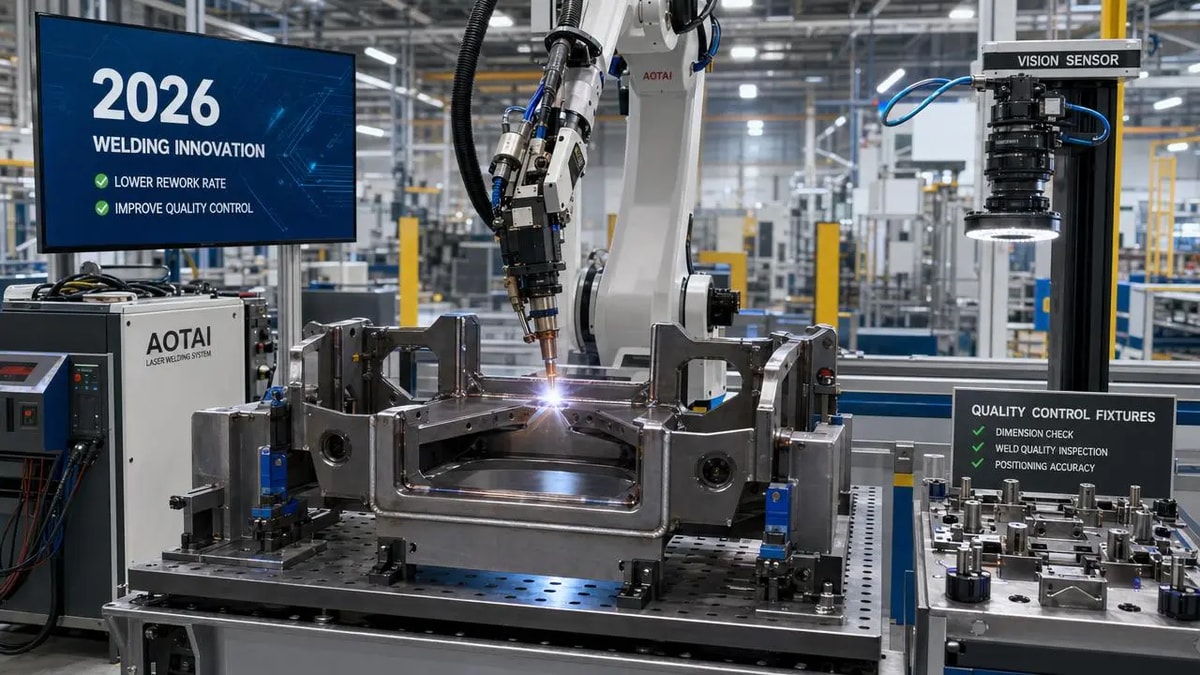
Welding innovations changing rework rates in 2026
Welding innovations in 2026 are cutting rework rates, improving safety compliance, and boosting QC traceability. Discover which smart systems deliver measurable gains.
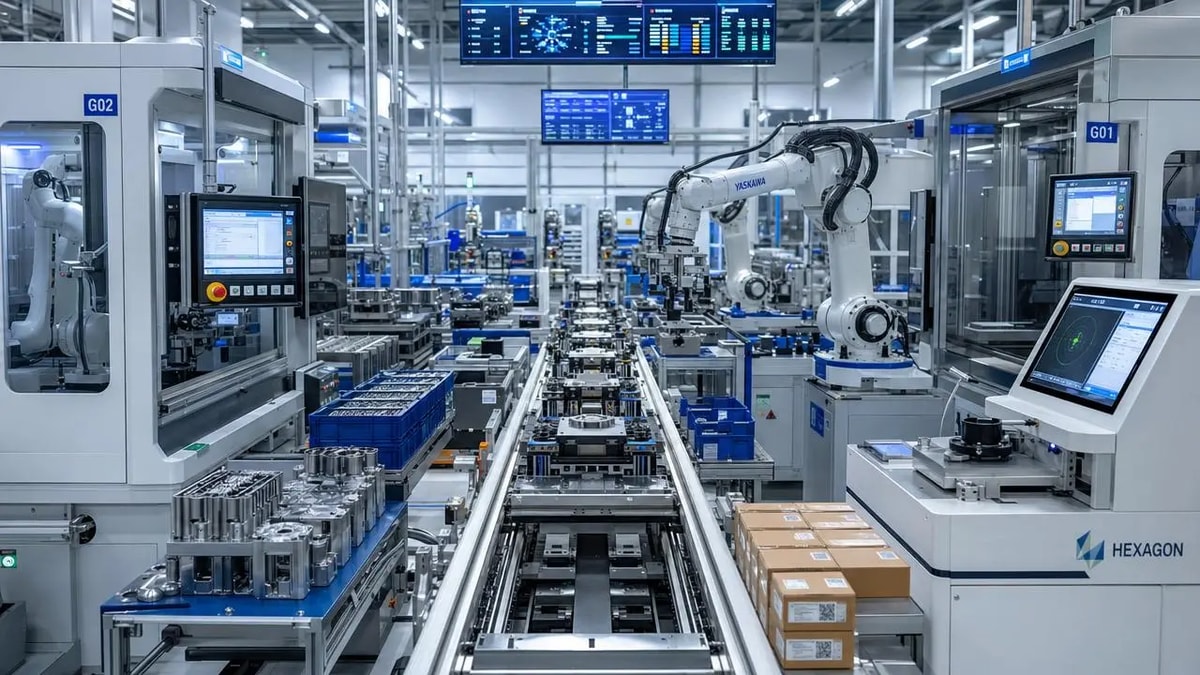
What industrial research says about shorter production runs
Industrial research reveals why shorter production runs are becoming a smart strategy for volatile demand, customization, and supply chain resilience. Discover the key trends and business impact.
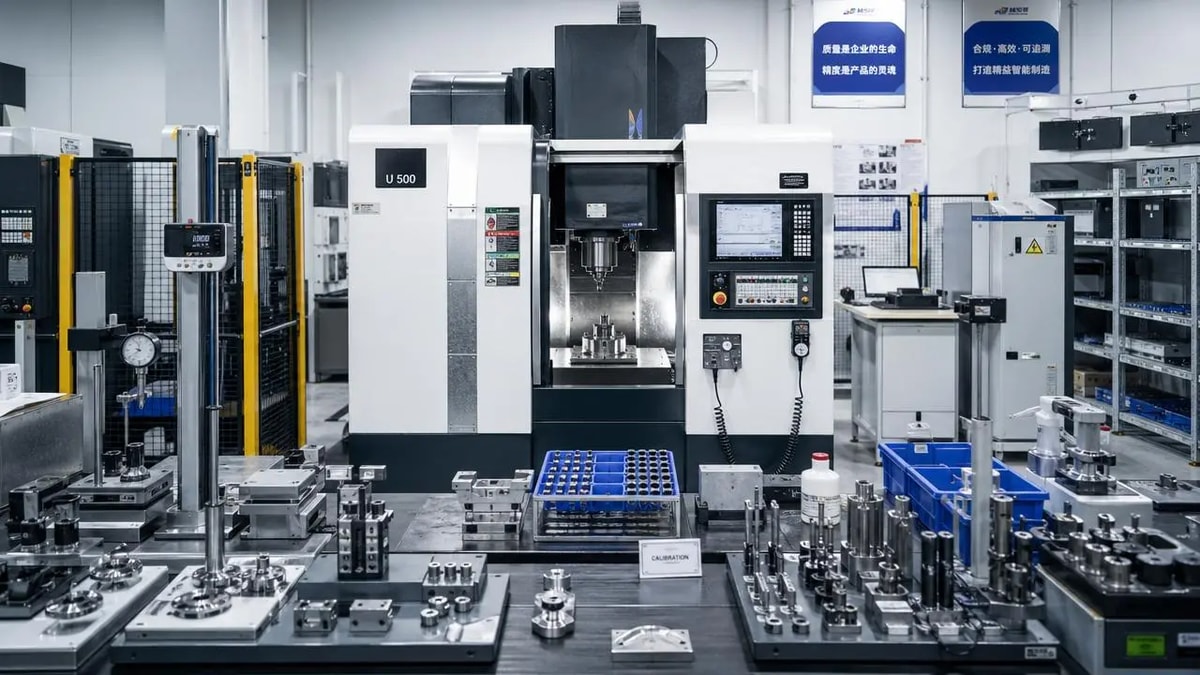
Advanced manufacturing costs that rarely show up early
Advanced manufacturing budgets often miss hidden costs like rework, calibration, compliance, and training. Learn the checklist finance teams need to cut risk and protect ROI.
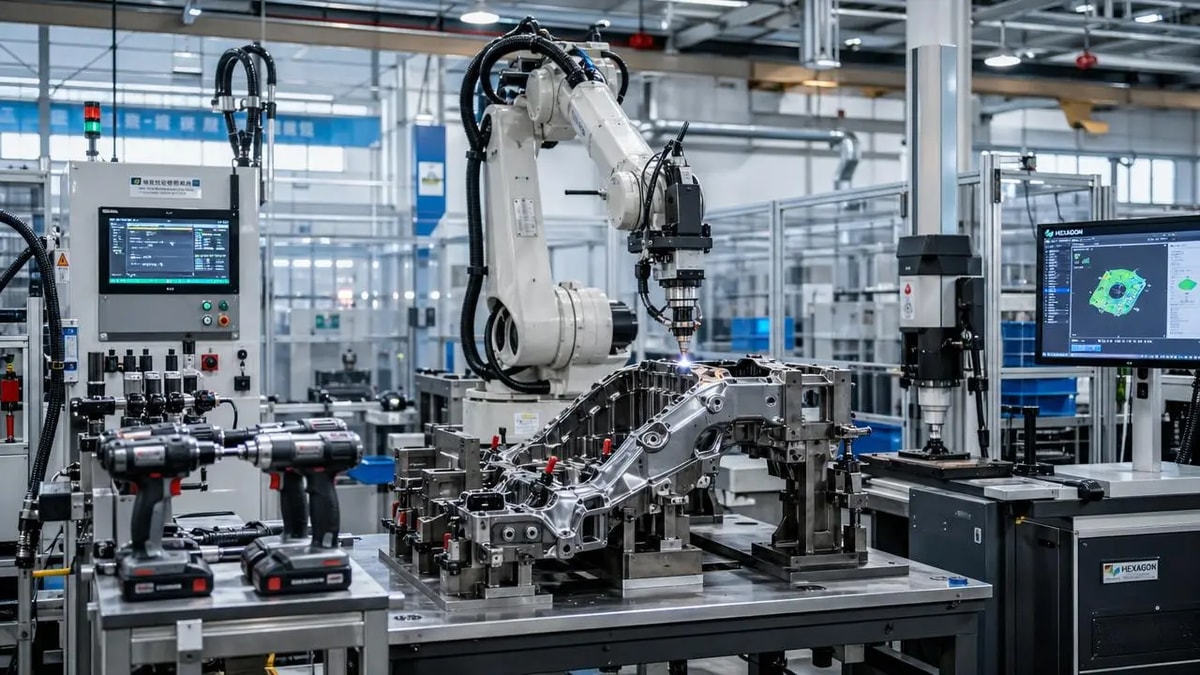
Industrial applications that still resist automation
Industrial applications that still resist automation: learn where human skill still wins, how to avoid costly automation mistakes, and how to improve ROI with smarter, selective investment.
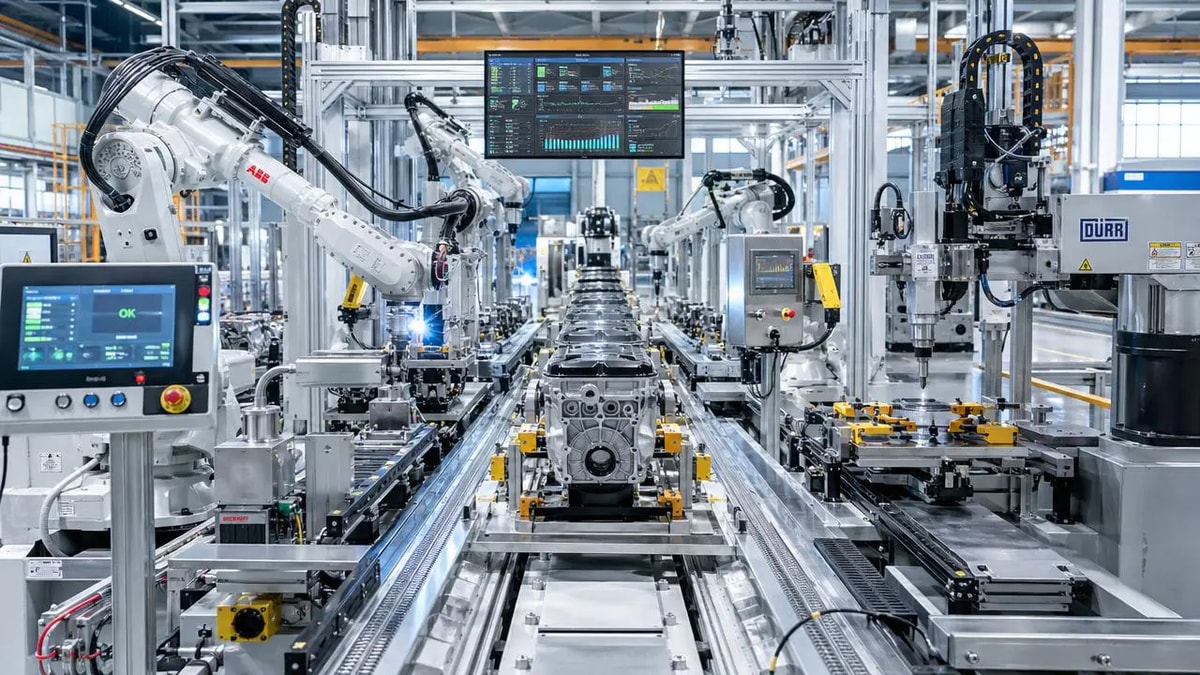
Where technology integration fails on the factory floor
Technology integration fails on the factory floor when tools, data flow, and operator needs don’t align. Learn the root causes and smart fixes that turn digital investment into real uptime, quality, and control.
Electro-Mech Tool Designer
Weekly Insights
Stay ahead with our curated technology reports delivered every Monday.