
Precision engineering mistakes that lead to scrap





In precision engineering, even small setup errors, tool wear, or measurement gaps can quickly turn quality parts into costly scrap. For operators on the shop floor, understanding where these mistakes begin is the first step toward better yield, safer workflows, and more stable production. This article explores the most common precision engineering errors and how to prevent them before they affect performance, compliance, and profitability.
A checklist approach works especially well in precision engineering because scrap rarely comes from one dramatic failure. More often, it starts with several small misses: a fixture that is slightly out of square, a worn insert that is left in service too long, a measuring routine that skips temperature effects, or a drawing interpretation that varies from one shift to another. Operators need a fast way to identify these weak points before they multiply into rejected parts, machine downtime, or customer complaints. The sections below organize the most important checks into practical decision points that can be used across machining, fabrication, welding preparation, assembly, and metrology-driven production.
Why operators should review key precision engineering checks first
In all industries, the cost of scrap is not limited to wasted material. It also includes lost spindle time, re-inspection, schedule disruption, extra handling, overtime, and reduced confidence in the process. In precision engineering, these losses grow quickly because the tolerances are tighter and downstream processes depend on dimensional stability. A small error early in the route can make every later step less reliable.
For operators, the priority is not to memorize every possible defect mode. The priority is to know what must be confirmed first, what warning signs suggest drift, and what actions should happen before another batch is run. Good precision engineering performance comes from repeatable habits: consistent setup, controlled tooling, verified measurement, and disciplined feedback between operation and inspection.
Core precision engineering scrap checklist: the first items to verify
Use this checklist at job start, after tool changes, at shift handover, and whenever dimensional results begin to spread. These are the most common precision engineering mistakes that lead directly to scrap.
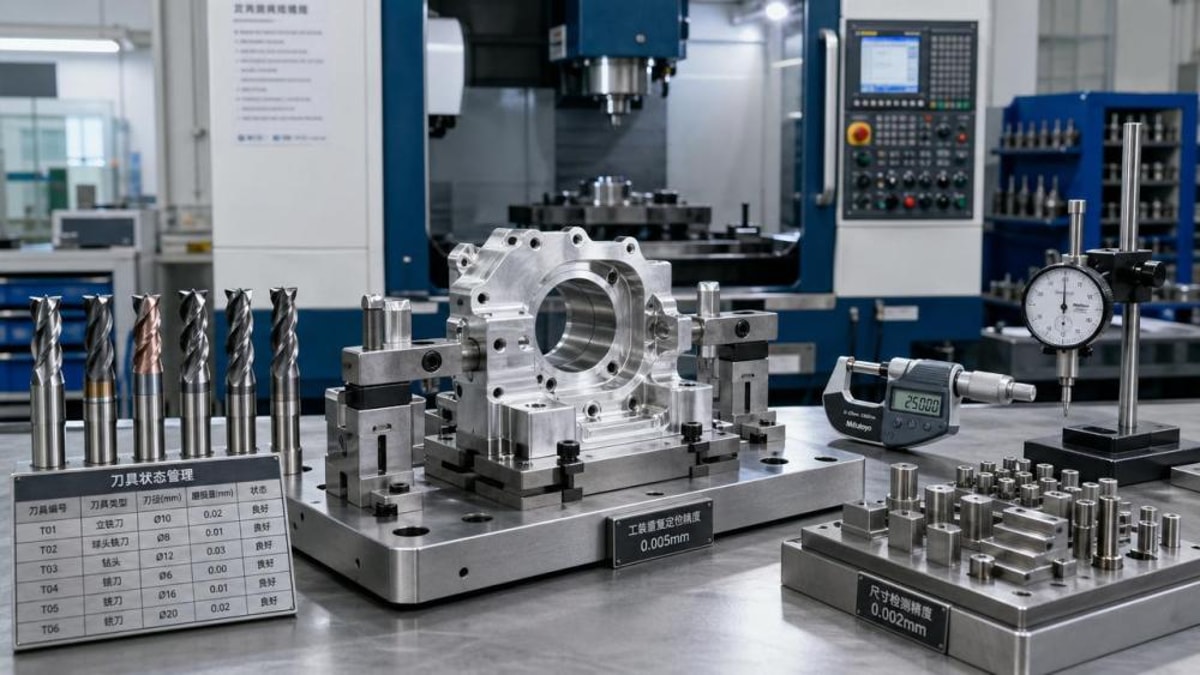
- Workholding is not fully repeatable. If the part shifts under load, sits on chips, or is clamped with uneven force, no later adjustment will fully recover accuracy. Confirm locating faces are clean, clamping sequence is consistent, and fixture wear has not changed part seating.
- Tool wear is judged too late. Operators often react after dimensions go out, not before. Track wear by part count, cut sound, surface finish, spindle load, burr formation, and measurement trend rather than waiting for a hard failure.
- Offsets are entered correctly but based on wrong references. A correct number in the wrong register still makes scrap. Verify datum logic, tool length source, probe calibration status, and program revision before cycle start.
- Thermal growth is ignored. Machines, tools, parts, and gauges all respond to temperature. Long runs, warm-up differences, coolant variation, and material heat can shift dimensions enough to create progressive rejection.
- Measurement method does not match tolerance risk. A quick caliper check may be acceptable for rough features but not for critical bores, flatness, or positional relationships. Match the gauge to the tolerance and to the real failure mode.
- Drawing details are assumed, not clarified. Surface finish symbols, geometric tolerances, revision changes, and note-specific requirements are frequent sources of avoidable scrap in precision engineering.
- First-off approval is too narrow. If only one dimension is checked, hidden process instability may remain. Verify all critical-to-function features, not just the easiest dimensions to measure.
- Chip control and contamination are underestimated. Chips trapped under parts, on fixture pads, or near probes can create false position and false measurement results that appear random.
These checks are simple, but they cover many of the real causes of scrap in precision engineering environments. Most repeat defects can be linked back to one or more of these control points.
How to judge whether the problem is setup, tooling, measurement, or material
When bad parts appear, operators need a fast sorting method. Instead of changing everything at once, identify which category is most likely responsible.
Signs the setup is the main issue
- The first part after setup is already out of tolerance.
- Dimensions vary widely after part reclamping.
- Errors appear on multiple features tied to the same datum or fixture location.
- Different operators get different results on the same machine and job.
Signs tooling is driving scrap
- Dimensions drift gradually in one direction over time.
- Surface finish degrades before dimensions fully fail.
- Burrs increase, cutting noise changes, or spindle load rises.
- A tool change temporarily restores good parts.
Signs measurement is misleading the process
- The same part reads differently on different gauges or by different people.
- Inspection rejects parts that fit and function, or accepts parts that fail assembly.
- Gauge zero shifts, probe repeatability is poor, or measuring force is inconsistent.
- Inspection takes place before parts stabilize to ambient temperature.
Signs material variation is the root cause
- One lot behaves differently even with the same setup and program.
- Distortion changes after cutting, welding preparation, or heat input.
- Hardness or coating differences accelerate tool wear.
- Flatness or straightness issues exist before machining begins.
High-risk mistakes by shop-floor scenario
Precision engineering spans multiple tasks, and each one has its own scrap triggers. Operators should adapt the checklist to the actual process rather than rely on one generic routine.
Machining operations
The biggest mistakes include poor datum transfer, incorrect tool compensation, unstable workholding, and failure to monitor thermal growth during long cycles. In close-tolerance machining, one common oversight is checking only size while ignoring roundness, taper, or positional variation. Another is restarting production after a stop without confirming that machine temperature and offsets still match the prior state.
Welding preparation and post-process finishing
Even when welding itself is not the focus, precision engineering scrap can start before joining begins. Poor edge preparation, inaccurate fit-up, contamination on mating surfaces, and distortion not accounted for in the sequence can all make later finishing impossible within tolerance. Operators should confirm fixture restraint, gap consistency, and post-weld measurement timing before releasing parts to secondary machining.
Assembly and fastening tasks
Misalignment, wrong torque application, stack-up variation, and damaged locating features are frequent causes of hidden scrap. In precision engineering assembly, a component may measure correctly alone but fail once combined with mating parts. Use controlled torque tools, verify seating surfaces, and inspect functional fit where geometry interacts.
Inspection and metrology stations
Inspection errors create both false scrap and false acceptance. Frequent issues include using the wrong datum scheme, measuring before temperature equalization, poor stylus access on complex features, and relying on a gauge that does not resolve the tolerance band adequately. Good precision engineering depends on measurement plans that are as controlled as the machining process itself.
Commonly overlooked details that quietly increase scrap rates
Some of the most expensive precision engineering mistakes are not dramatic enough to attract attention early. They sit in the background until the process becomes unstable.
- Shift-to-shift variation: Different clamping habits, cleaning routines, or offset decisions can create inconsistent output even with the same machine and program.
- Incomplete first-piece documentation: If the approved setup conditions are not recorded, later operators cannot reproduce the good state reliably.
- Program revision confusion: Running an older file or mismatched setup sheet is a classic route to avoidable scrap.
- Unverified consumables: Coolant concentration, abrasive condition, probe tips, inserts, and fastening accessories all affect consistency.
- Poor feedback loops: When inspection finds drift but operators do not receive timely trend data, correction comes too late.
A practical control table for reducing precision engineering scrap
The table below can be used as a fast reference during production meetings, line walks, or setup approval reviews.
Execution advice: what operators should do before the next batch runs
If scrap has already occurred, the best response is a controlled restart instead of a rushed correction. In precision engineering, fast but unstructured changes often create more variation.
- Stop and quarantine suspect parts by time, tool life stage, and setup condition.
- Confirm drawing revision, program version, and offset source before touching parameters.
- Check fixture contact points and remove any chip or debris influence.
- Inspect tool wear physically and compare to trend data, not just appearance.
- Re-measure the same part using the approved method or a second capable gauge.
- Run a controlled first-off and inspect every critical characteristic, including geometry and surface-related requirements.
- Document what changed so the correction becomes repeatable across shifts.
FAQ: quick answers about precision engineering scrap risks
What is the most common precision engineering mistake on the shop floor?
The most common issue is assuming the setup is stable without verifying repeatability. Many scrap problems begin with minor clamping or locating errors that are not obvious during the first cycle.
Should operators focus more on tooling or measurement?
Both matter, but measurement should confirm whether tooling decisions are still valid. In precision engineering, poor measurement can hide tool wear just as easily as worn tools can create bad measurements through burrs or distortion.
How often should checks be repeated?
Repeat checks at setup, first-off approval, tool change, shift change, after machine stops, and whenever trend data shows drift. Critical jobs may require interval-based in-process verification.
Final checklist and next-step planning
The best way to reduce scrap in precision engineering is to treat prevention as a sequence of disciplined checks, not as a final inspection problem. Operators should prioritize fixture repeatability, tool-life control, correct measurement methods, temperature awareness, and clear communication of approved setup conditions. These actions improve yield, support compliance, and protect production stability across industries.
If your team needs to improve precision engineering results further, the most useful topics to clarify first are part tolerance requirements, current scrap patterns, measurement capability, tool-life data, machine thermal behavior, fixture condition, production volume, and shift-to-shift consistency. For broader support, GPTWM helps connect operators, production teams, and industrial decision-makers with practical intelligence on metrology, tooling, joining processes, and process control strategies that strengthen the last mile of manufacturing performance.
Related News

Smart manufacturing gains often stall after pilot projects
Smart manufacturing gains often stall after pilots. Learn how to assess integration, ROI, data quality, safety, and scale readiness to turn early wins into lasting factory performance.

Industrial innovation is moving faster than supplier lead times
Industrial innovation is reshaping procurement faster than supplier lead times can adapt. Learn how buyers can reduce risk, secure smarter sourcing, and keep production moving.

When industrial solutions create new supply chain risks
Industrial solutions can boost efficiency but also create hidden supply chain risks. Learn how to assess compliance, supplier dependency, and resilience before investing.
Metalworking tools: repair less or replace sooner?
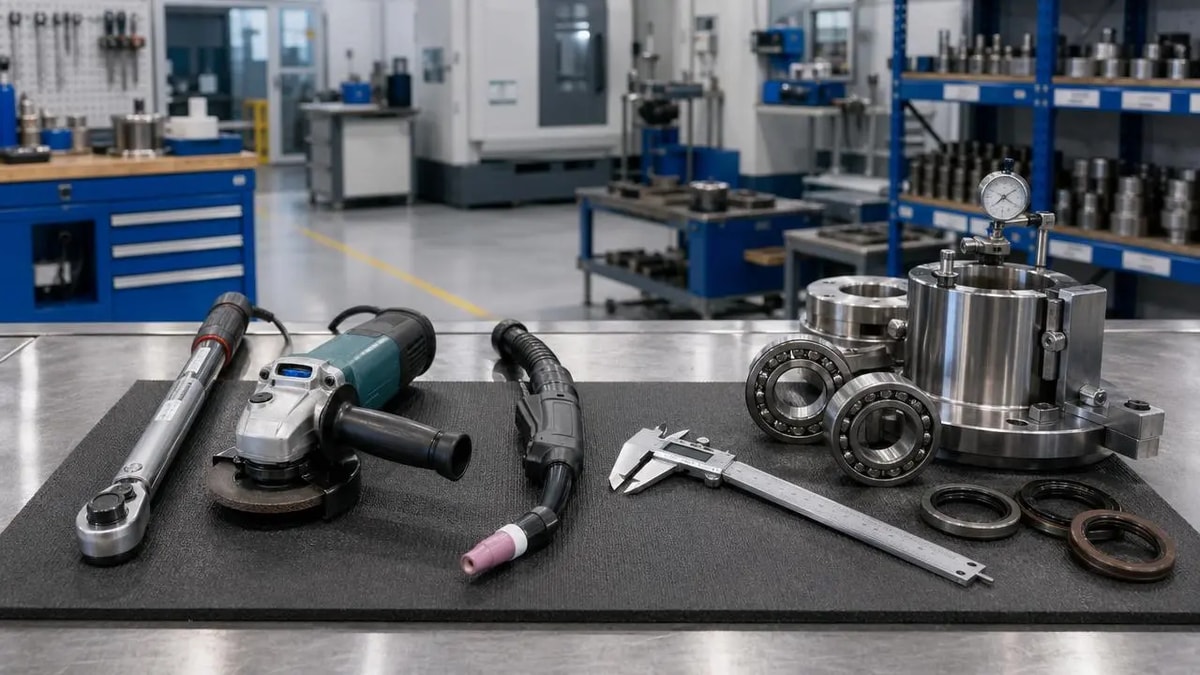
Metalworking tools: learn when repair saves money and when early replacement protects uptime, safety, and precision with a practical checklist for maintenance teams.

Welding innovations changing rework rates in 2026
Welding innovations in 2026 are cutting rework rates, improving safety compliance, and boosting QC traceability. Discover which smart systems deliver measurable gains.

What industrial research says about shorter production runs
Industrial research reveals why shorter production runs are becoming a smart strategy for volatile demand, customization, and supply chain resilience. Discover the key trends and business impact.
Advanced manufacturing costs that rarely show up early
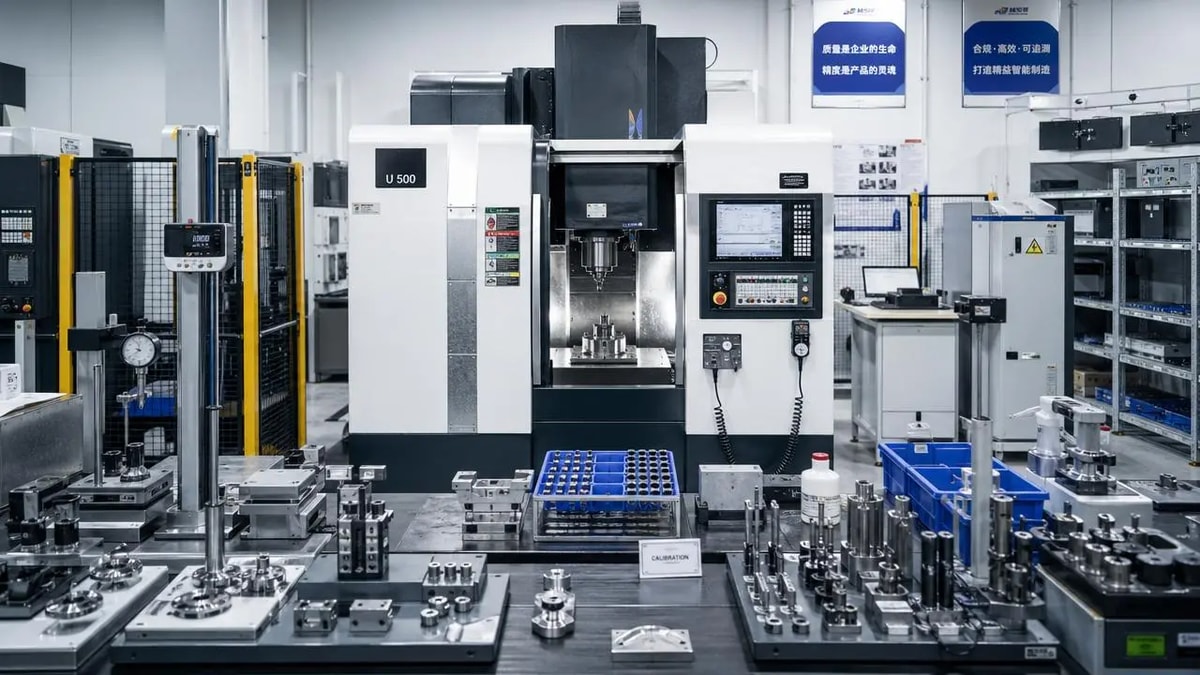
Advanced manufacturing budgets often miss hidden costs like rework, calibration, compliance, and training. Learn the checklist finance teams need to cut risk and protect ROI.

Industrial applications that still resist automation
Industrial applications that still resist automation: learn where human skill still wins, how to avoid costly automation mistakes, and how to improve ROI with smarter, selective investment.

Where technology integration fails on the factory floor
Technology integration fails on the factory floor when tools, data flow, and operator needs don’t align. Learn the root causes and smart fixes that turn digital investment into real uptime, quality, and control.
Prof. Marcus Chen
Weekly Insights
Stay ahead with our curated technology reports delivered every Monday.