
Industrial applications that still resist automation





Despite rapid progress in robotics, AI, machine vision, and connected tools, some industrial applications still resist automation for practical—not theoretical—reasons. For enterprise decision-makers, the key issue is not whether automation is advancing, but where it creates real value and where it still introduces cost, risk, or operational fragility. In many sectors, the hardest tasks remain difficult to automate because they involve unstable environments, part variation, strict safety requirements, low-volume complexity, or judgment that skilled workers apply intuitively.
This matters because capital decisions around automation are increasingly strategic. Over-automating the wrong process can lock a business into high integration costs, quality failures, and reduced flexibility. Under-automating, however, can leave productivity, traceability, and competitiveness on the table. The smartest path is not full automation at any cost. It is selective automation: understanding which industrial applications are resistant today, why they are resistant, and what forms of human-machine collaboration make the most business sense.
For leaders responsible for operations, engineering, sourcing, or manufacturing strategy, this article focuses on the practical boundary between automatable work and work that still depends heavily on human skill. It also explains how to evaluate these boundaries in a way that supports ROI, resilience, safety, and long-term competitiveness.
What decision-makers are really asking when they search for resistant industrial applications
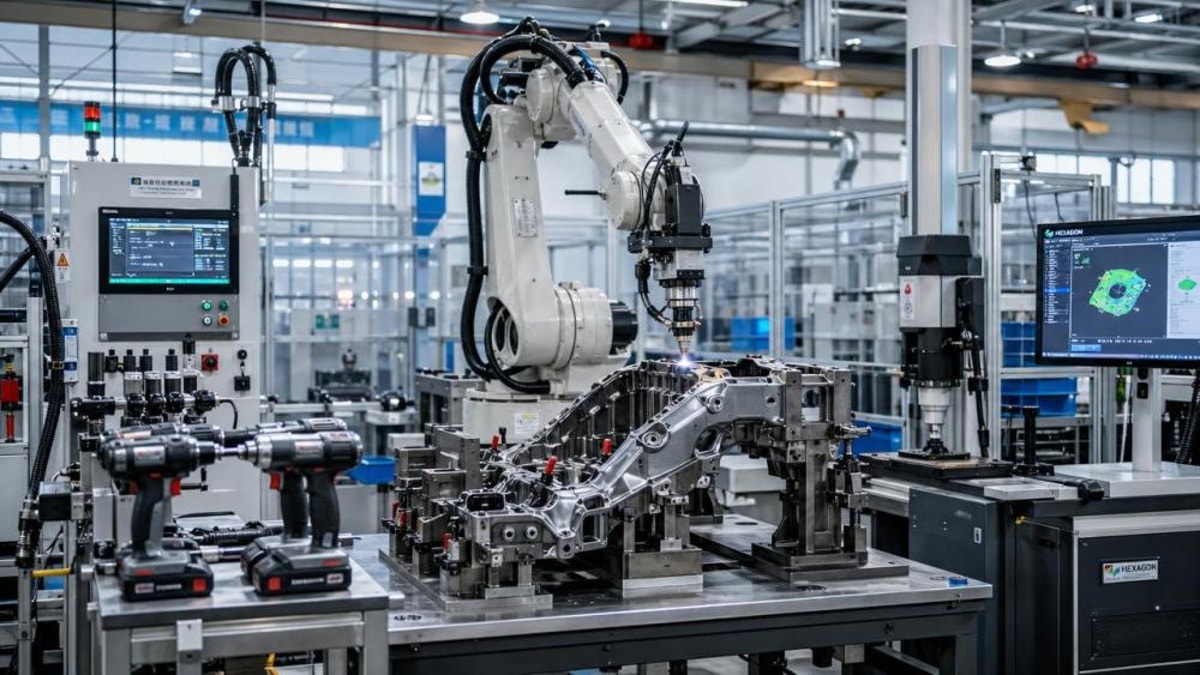
Behind this topic, the core search intent is usually commercial and strategic. Business readers are not simply asking for a list of difficult jobs. They want to know where automation is likely to disappoint, what hidden constraints raise project risk, and how to avoid investing in systems that look impressive in pilot phases but struggle in live production.
The most relevant questions are direct: Which industrial applications still need human judgment? What process characteristics make automation unreliable or uneconomical? How should companies decide between robotics, cobots, intelligent tools, and skilled manual work? And how can leaders protect quality while still moving toward digital factories?
That is why generic statements such as “automation is the future” are not enough. Decision-makers need a grounded framework that connects technical limits to financial outcomes. In practice, resistant applications are less about a lack of available technology and more about the interaction of variability, compliance, throughput demands, and changeover economics.
Why some industrial applications still resist automation
In theory, almost any task can be automated if enough money, engineering time, and process redesign are available. In reality, industrial economics impose limits. A process resists automation when the cost and complexity of making a machine handle all the exceptions outweigh the labor savings or throughput gains.
One major barrier is material and part variability. Automated systems perform best when dimensions, surface conditions, orientation, and input quality are tightly controlled. Many real-world operations do not meet that standard. Weld joints can vary. Castings can deform. Surface contamination can shift sensor readings. Fastener access can change from one product revision to the next. Skilled operators often compensate instantly for these deviations; machines usually need significant sensing, fixturing, and programming support to do the same.
A second barrier is unstructured or semi-structured work environments. Industrial automation has historically succeeded in stable cells, repeatable assembly lines, and fixed-path operations. It struggles more in maintenance sites, field repair, shipyards, heavy construction environments, and mixed-model low-volume workshops, where conditions are difficult to standardize. Dust, vibration, cramped access, lighting changes, moving obstacles, and unexpected part conditions all increase failure risk.
Third, some tasks involve tacit knowledge rather than explicit rules. Experienced technicians can feel abnormal torque, hear arc instability, detect subtle misalignment, or judge whether a surface is ready for the next operation without needing a formal dataset or decision tree. Translating that sensory judgment into reliable software logic remains difficult, especially when the consequences of error are high.
Finally, safety and compliance can slow automation even when it is technically possible. In aerospace, energy, medical device manufacturing, and critical infrastructure maintenance, proving process reliability may be more difficult than designing the automated cell itself. Validation, certification, operator retraining, and audit requirements can extend payback periods well beyond the assumptions used in early investment proposals.
The industrial applications most likely to remain human-dependent in the near term
Not all resistant tasks look the same. Some are technically complex. Others are economically irrational to automate. For business planning, it helps to group these industrial applications into categories rather than treating resistance as a single problem.
High-mix, low-volume assembly is one of the clearest examples. When product variants change frequently, fixtures, end effectors, and programs need constant updates. If changeovers are frequent and order sizes are small, manual or semi-automated assembly may remain faster and cheaper. Human operators can switch between variants with minimal setup, while fully automated systems may suffer from downtime, debugging, and limited flexibility.
Complex welding and metal joining also continues to resist complete automation in many settings. Robotic welding works extremely well in consistent, repetitive production. But field welding, repair welding, out-of-position joints, mixed-material jobs, and variable-fit assemblies still depend heavily on expert welders. Joint preparation, heat input adjustment, distortion control, and real-time correction remain hard to automate when every workpiece behaves differently.
Inspection tasks involving subtle defects are another resistant area. Machine vision has advanced rapidly, but some inspections still require nuanced interpretation. Surface finish irregularities, edge conditions, micro-deformations, cosmetic quality judgments, and complex metrology in non-ideal environments often benefit from skilled human review, especially when false positives or missed defects are costly.
Maintenance, repair, and overhaul environments are also difficult. MRO work rarely begins with perfect information. Technicians may uncover hidden wear, undocumented modifications, contamination, corrosion, or secondary damage only after disassembly. Because each asset can present a unique condition history, automation tools often need human oversight to diagnose, adapt, and determine the safest next step.
Delicate finishing and rework operations remain resistant as well. Grinding, polishing, deburring, fitting, touch-up, and manual correction often require interpretation of local geometry and quality targets that vary slightly from part to part. Where premium quality matters, a skilled operator can still outperform rigid automation in both yield and appearance.
Harsh or mobile worksite applications continue to challenge automation. Construction fabrication, ship repair, remote infrastructure work, and certain mining or energy tasks may lack the environmental stability needed for repeatable robotics. Portable power tools, intelligent torque systems, and handheld measurement devices often create more value here than full robotic replacement.
What this means for ROI, risk, and capital allocation
For executives, the most important takeaway is that resistance to automation is not a sign of technological backwardness. It is a signal that process economics must be evaluated more carefully. In these cases, the wrong automation project often fails not because the technology is weak, but because the process contains too many exceptions, too little standardization, or too much hidden variation.
A common mistake is evaluating automation through direct labor reduction alone. In resistant industrial applications, the better questions are broader: Will automation improve first-pass yield? Can it reduce rework or warranty exposure? Does it make output more traceable? Will it improve safety enough to justify the investment even if labor savings are moderate? And can the system adapt to engineering changes without expensive reconfiguration?
Another risk is underestimating integration overhead. Sensors, fixturing, software interfaces, quality validation, staff training, spare parts support, and line balancing all affect total cost of ownership. In complex applications, these indirect factors often determine success more than the robot or tool itself.
This is particularly relevant in sectors balancing craftsmanship with digital transformation. A precision joining or metrology process may benefit more from intelligent tools, in-process measurement, and guided operator workflows than from full lights-out automation. In other words, the highest-return investment may be augmentation rather than replacement.
How to identify whether an application should be automated, augmented, or kept manual
Decision-makers need a practical filter. A useful approach is to score each process against five dimensions: repeatability, variability, consequence of failure, change frequency, and labor dependency. This immediately separates attractive automation candidates from resistant ones.
If a task is highly repeatable, operates in a controlled environment, has stable part inputs, and runs at meaningful volume, automation is usually favorable. If the same task also suffers from ergonomic strain, safety exposure, or quality inconsistency, the business case becomes stronger.
By contrast, if a process changes often, includes difficult-to-sense exceptions, or relies on human judgment to manage unpredictable inputs, full automation becomes less attractive. In these cases, semi-automation may deliver better value. Examples include torque-controlled handheld tools with data capture, welding systems with parameter guidance, machine vision used for operator support rather than final authority, or metrology platforms that accelerate verification without removing expert review.
Companies should also assess whether the process can be redesigned before it is automated. Many industrial applications resist automation because they were never engineered for it. Better part tolerances, improved fixture strategy, standardized workholding, cleaner upstream processes, or clearer digital work instructions can shift the economics dramatically.
One of the most effective investment questions is simple: “Are we trying to automate skill, or are we first reducing the need for skill through process control?” The second path is often cheaper, faster, and more scalable.
Where intelligent tools and precision metrology create value before full automation does
In many factories and field operations, the transition path is not manual versus robotic. It is manual-to-intelligent. This is where connected fastening systems, precision measurement technologies, handheld welding improvements, and digital quality tools become strategically important.
For example, IoT-based torque control systems can reduce assembly errors, improve traceability, and generate actionable production data without forcing a company into a fully robotic line. Advanced metrology tools can tighten process feedback loops, helping teams detect variation earlier and stabilize upstream conditions. In welding, better monitoring, ergonomic tool design, and safety-centered process control may increase productivity faster than attempting to automate a highly variable join.
These technologies matter because they convert craftsmanship into measurable, repeatable operational intelligence. They preserve the adaptability of skilled labor while reducing defect risk and making process capability more visible to management. For decision-makers, this often provides a better near-term return than aggressive full automation in resistant industrial applications.
It also supports workforce strategy. Rather than framing automation as a replacement program, companies can use intelligent tools to elevate operator performance, reduce training curves, and retain critical know-how. In industries facing skill shortages, that can be a major competitive advantage.
A strategic roadmap for leaders evaluating resistant industrial applications
Executives do not need a binary automation philosophy. They need a portfolio approach. Start by classifying processes into three groups: automate now, augment now, and monitor for future automation. This creates discipline around capital spending and prevents isolated technology enthusiasm from driving poor decisions.
For “automate now” processes, focus on throughput, consistency, and integration speed. For “augment now” processes, prioritize intelligent tools, in-process sensing, operator guidance, and traceability. For “monitor” processes, track changes in sensor capability, AI reliability, safety standards, and product design maturity that could improve future feasibility.
Pilots should be designed around business evidence, not demonstration value. That means defining success metrics clearly: scrap reduction, cycle time stability, changeover performance, incident reduction, training time, or uptime under mixed conditions. Resistant applications should be tested under real production variability, not idealized lab conditions.
Leaders should also involve operations, quality, maintenance, and frontline experts early. The people closest to the process often know where variability enters, where rework starts, and where automation is likely to fail. Their input is essential in avoiding expensive blind spots.
Conclusion: the winners will automate selectively, not ideologically
The industrial applications that still resist automation are not edge cases to ignore. They are often some of the most quality-sensitive, skill-intensive, and strategically important operations in manufacturing and industrial service. For decision-makers, understanding these limits is essential to building realistic automation roadmaps and avoiding investments that weaken flexibility instead of improving performance.
The central conclusion is clear: the future of industry is not simply more automation. It is better-matched automation. Where processes are stable and repeatable, full automation can deliver strong returns. Where variability, safety, craftsmanship, or field conditions dominate, intelligent tools, precision metrology, and human-machine collaboration often provide more durable value.
Companies that recognize this distinction early will allocate capital more effectively, protect product quality, and build more resilient operations. In a competitive global market, that balanced judgment—not automation for its own sake—is what turns industrial technology into real strategic advantage.
Related News
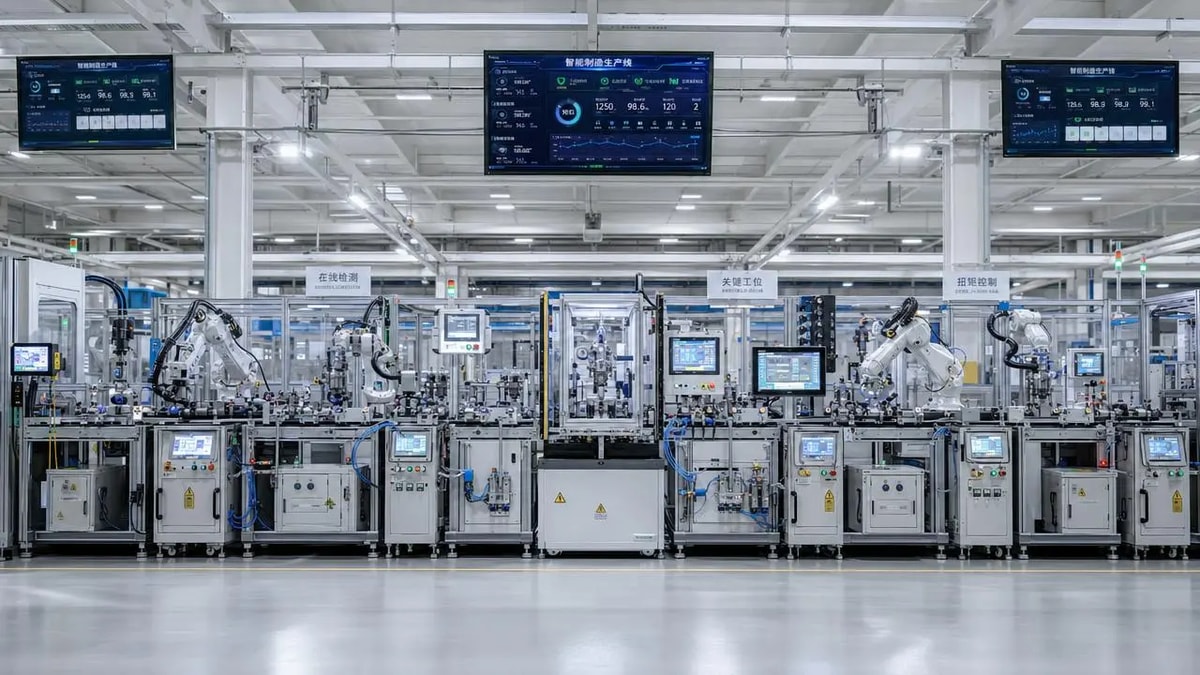
Smart manufacturing gains often stall after pilot projects
Smart manufacturing gains often stall after pilots. Learn how to assess integration, ROI, data quality, safety, and scale readiness to turn early wins into lasting factory performance.
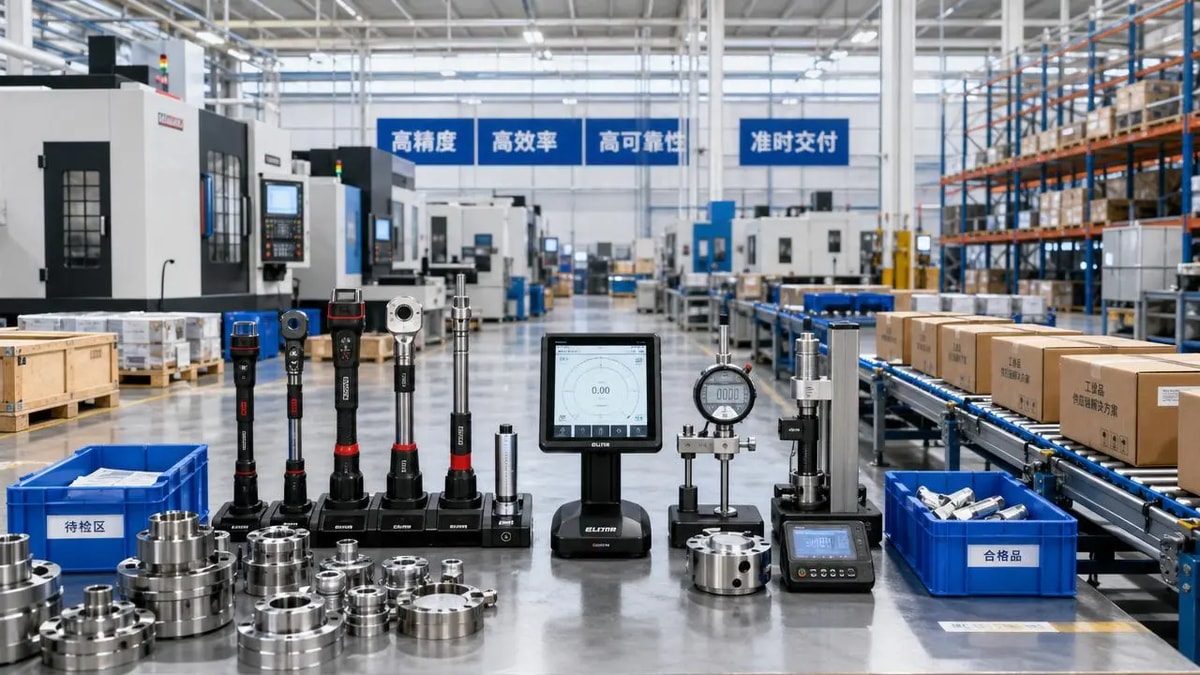
Industrial innovation is moving faster than supplier lead times
Industrial innovation is reshaping procurement faster than supplier lead times can adapt. Learn how buyers can reduce risk, secure smarter sourcing, and keep production moving.
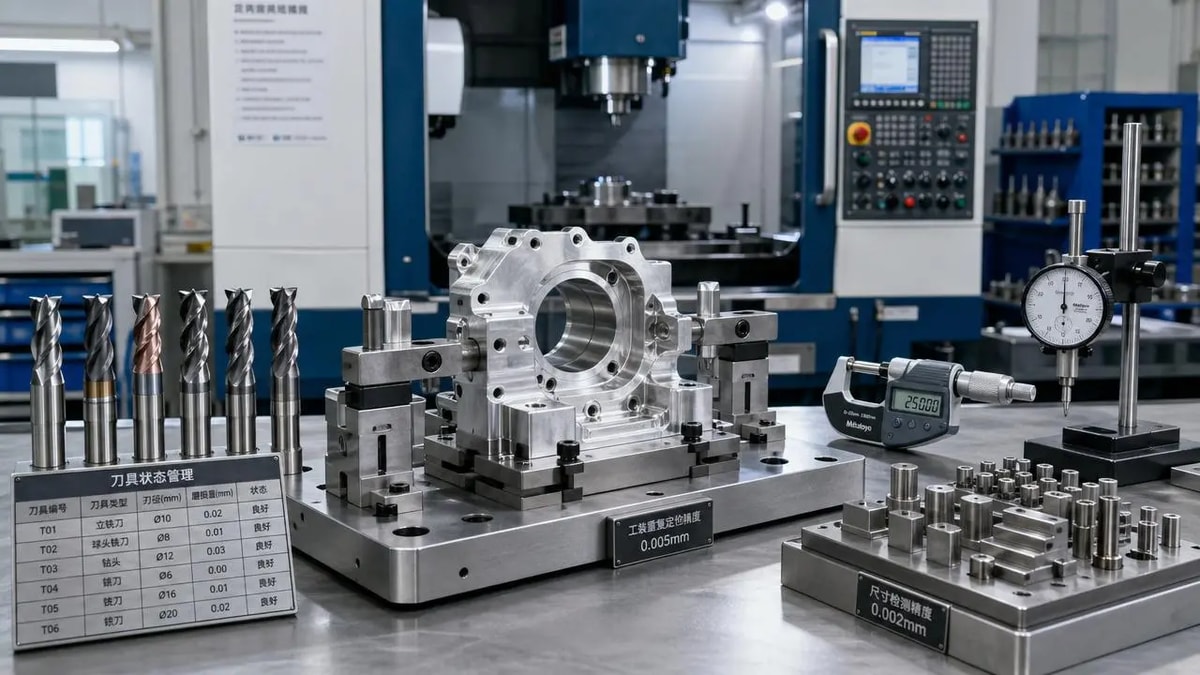
Precision engineering mistakes that lead to scrap
Precision engineering mistakes can turn quality parts into costly scrap fast. Learn the key checks operators need to reduce waste, improve yield, and keep production stable.
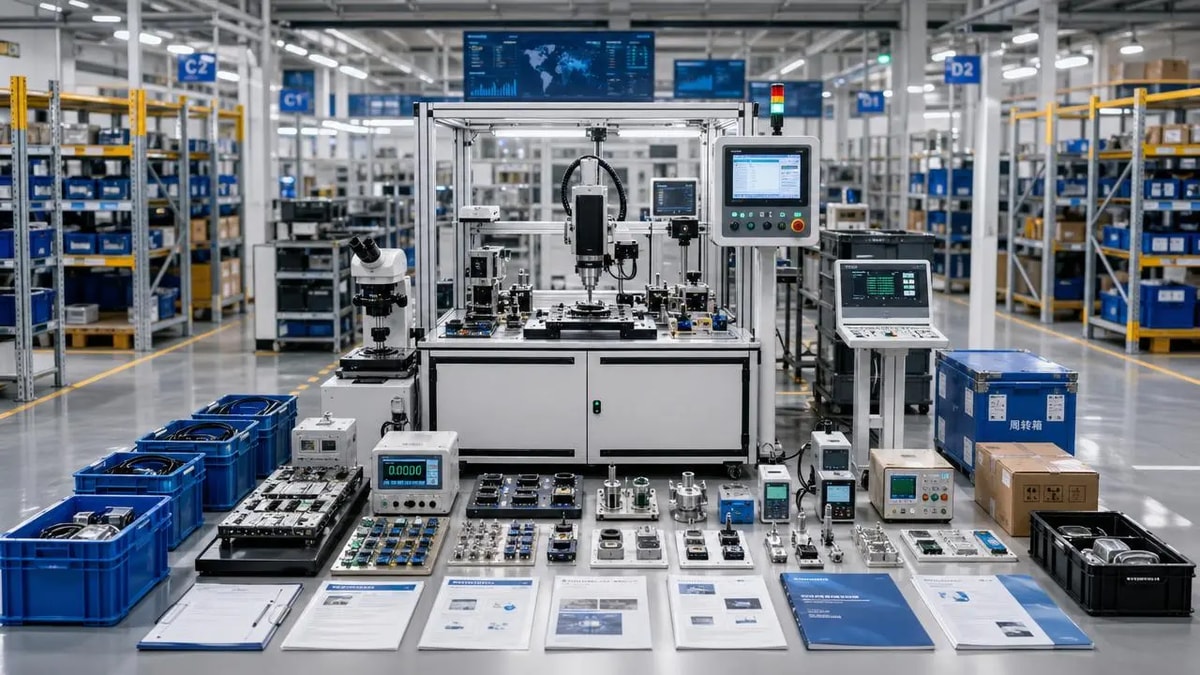
When industrial solutions create new supply chain risks
Industrial solutions can boost efficiency but also create hidden supply chain risks. Learn how to assess compliance, supplier dependency, and resilience before investing.
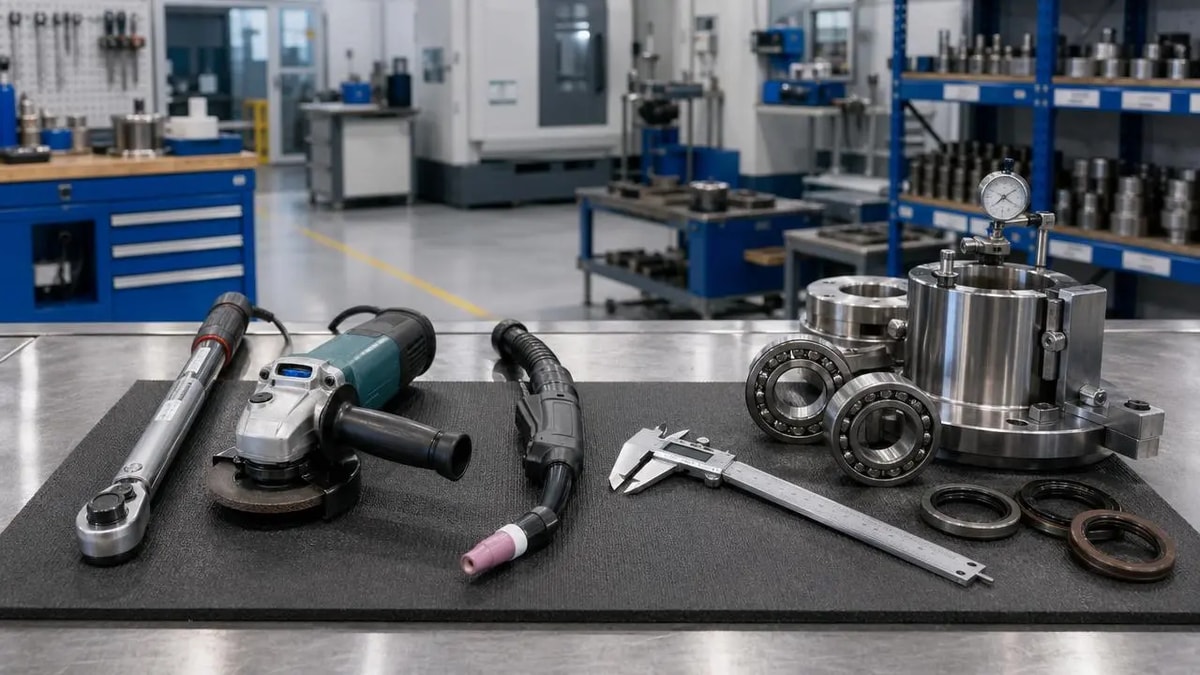
Metalworking tools: repair less or replace sooner?
Metalworking tools: learn when repair saves money and when early replacement protects uptime, safety, and precision with a practical checklist for maintenance teams.
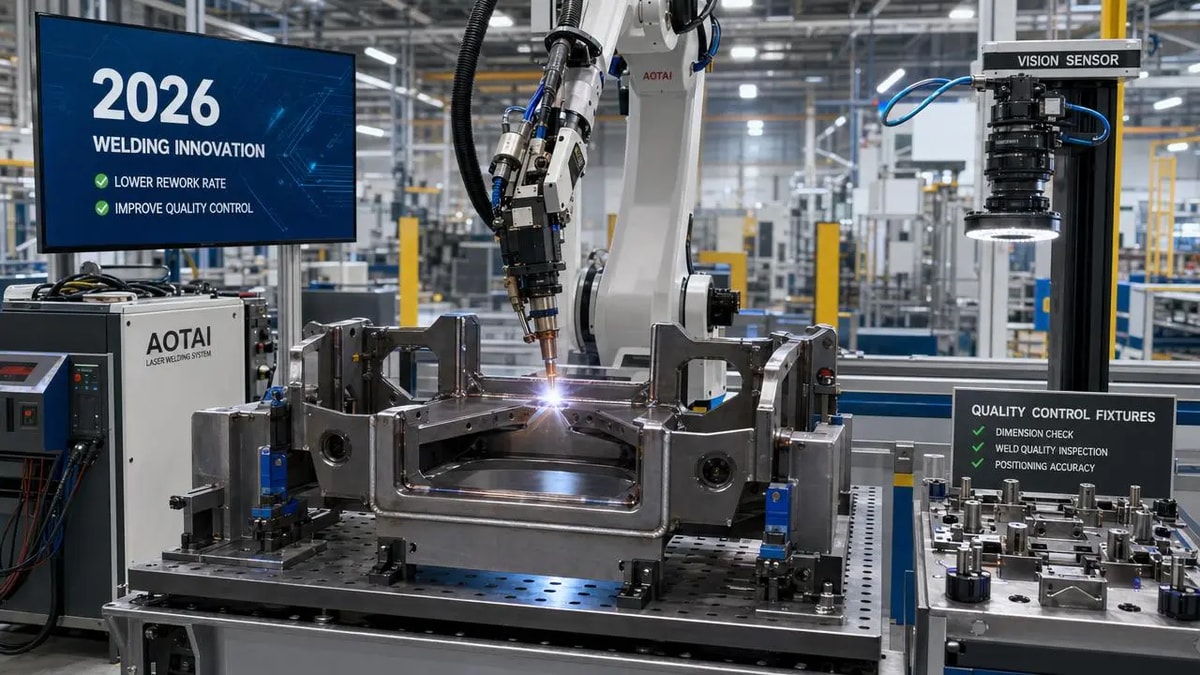
Welding innovations changing rework rates in 2026
Welding innovations in 2026 are cutting rework rates, improving safety compliance, and boosting QC traceability. Discover which smart systems deliver measurable gains.
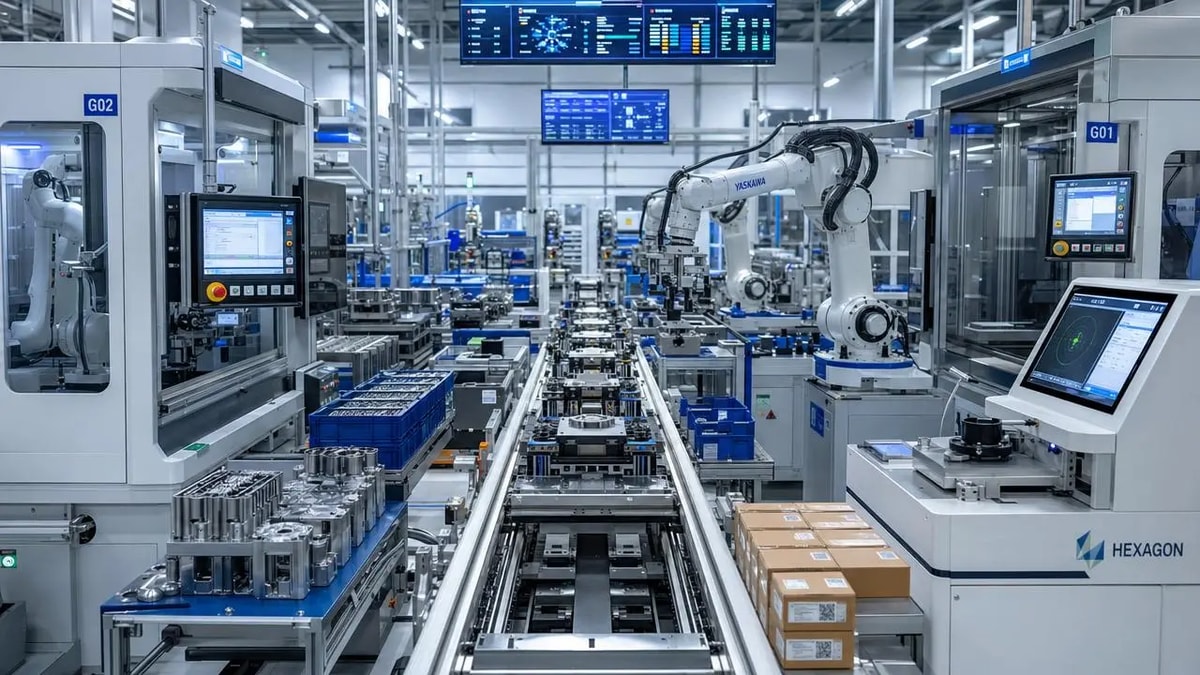
What industrial research says about shorter production runs
Industrial research reveals why shorter production runs are becoming a smart strategy for volatile demand, customization, and supply chain resilience. Discover the key trends and business impact.
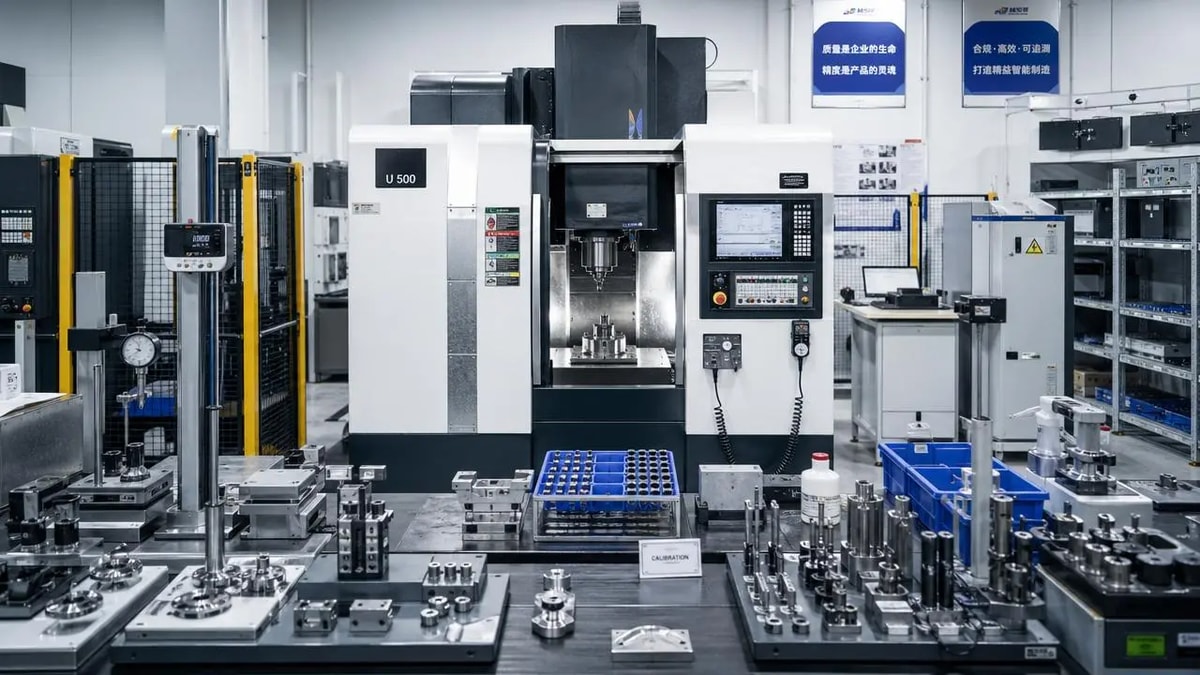
Advanced manufacturing costs that rarely show up early
Advanced manufacturing budgets often miss hidden costs like rework, calibration, compliance, and training. Learn the checklist finance teams need to cut risk and protect ROI.
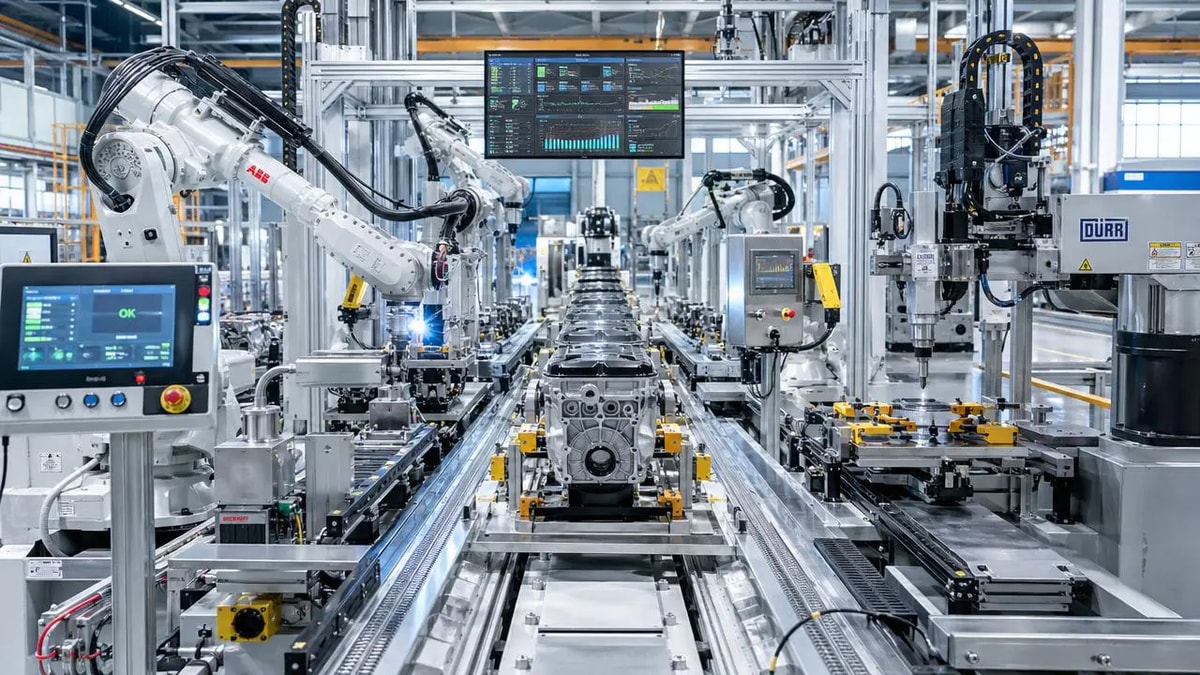
Where technology integration fails on the factory floor
Technology integration fails on the factory floor when tools, data flow, and operator needs don’t align. Learn the root causes and smart fixes that turn digital investment into real uptime, quality, and control.
Dr. Alistair Vaughn
Weekly Insights
Stay ahead with our curated technology reports delivered every Monday.