
What industrial research says about shorter production runs





Industrial research increasingly shows that shorter production runs are becoming a strategic response to volatile demand, customization pressures, and supply chain risk. For information seekers across industries, this shift is not just about producing less at a time—it reflects a broader change in how manufacturers balance efficiency, flexibility, tooling investment, and market speed in a more intelligent production landscape.
Why shorter production runs are moving from exception to mainstream
Across industrial sectors, one of the clearest signals from industrial research is that shorter production runs are no longer limited to niche, high-mix environments. They are becoming a broader operating model. From fabricated metal parts and electronics subassemblies to packaging components, maintenance tooling, and industrial equipment accessories, manufacturers are being pushed toward smaller batches by a market that changes faster than traditional planning cycles can absorb.
The old logic favored scale above all else: long runs, stable forecasts, heavy setup investment, and inventory buffers. That logic worked best when demand was predictable, product life cycles were long, and global supply flows were relatively steady. Today, industrial research points to a different reality. Demand signals move more abruptly, customer requirements fragment, compliance standards evolve, and supply disruptions can make large-volume commitments more risky than efficient.
This change matters because shorter production runs affect more than factory scheduling. They influence sourcing strategies, machine utilization, metrology requirements, joining methods, workforce skills, and the economics of automation. For information seekers, the key question is not whether shorter runs are “good” or “bad,” but under what conditions they create resilience, speed, and commercial advantage.
The strongest trend signals appearing in industrial research
Several recurring signals explain why industrial research increasingly highlights shorter production runs as a strategic topic rather than a simple operational adjustment. First, customers expect more variants, quicker revisions, and tighter delivery windows. Second, manufacturers face rising exposure to inventory obsolescence when products, standards, or end-user preferences shift. Third, digital production tools now make smaller batches more manageable than in the past.
In many industries, product portfolios are expanding while average order certainty is declining. That combination naturally reduces the appeal of large-volume production based on forecast assumptions. The growth of configurable products, region-specific compliance requirements, and service-oriented aftermarket demand all reinforce this movement.
For platforms such as GPTWM, which observe industrial assembly, metal joining, and precision metrology, these trend signals are especially relevant. Shorter production runs increase the value of precise setup verification, flexible joining technologies, intelligent torque control, and inspection systems that can support repeatable quality across frequent changeovers.
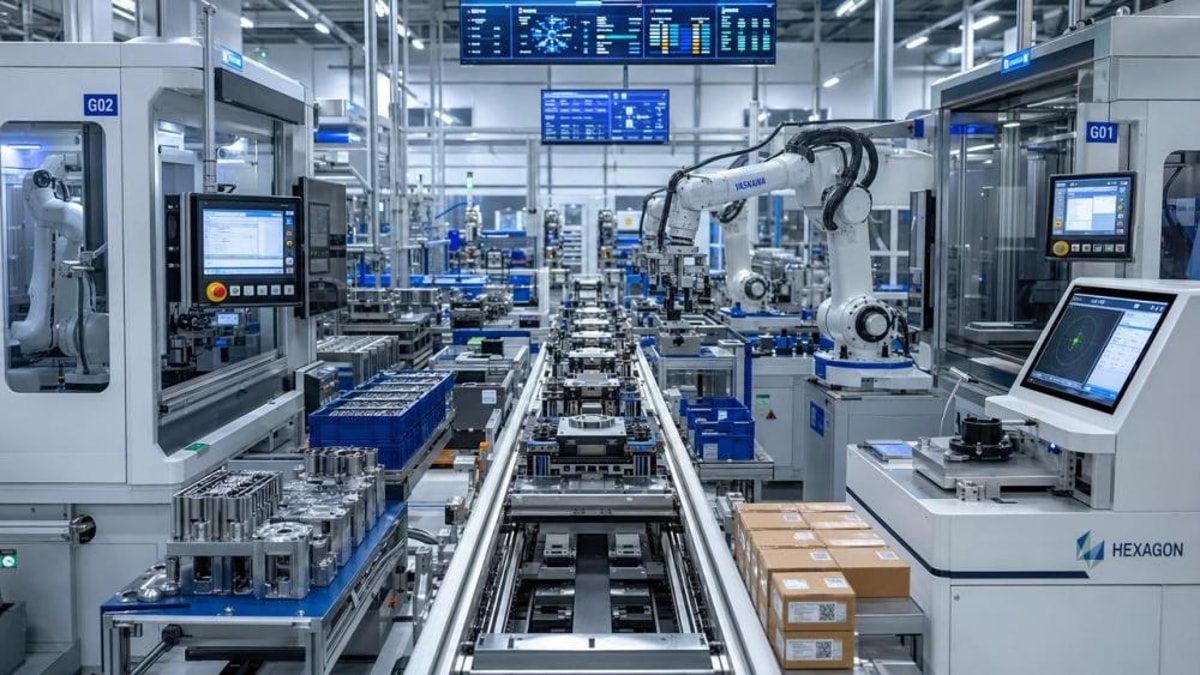
What is driving the shift toward shorter production runs
Industrial research typically links this shift to four overlapping drivers: demand volatility, customization pressure, supply chain uncertainty, and technology maturity. Each driver changes the cost-benefit equation of traditional scale.
Demand volatility changes the definition of efficiency
In unstable demand conditions, maximum output is not always maximum efficiency. A plant that produces large volumes at low unit cost may still underperform if finished goods sit idle, must be discounted, or require engineering changes before shipment. Industrial research increasingly frames efficiency as the ability to match output to real demand with less waste, not just lower cycle cost per unit.
Customization pressure expands batch complexity
More industries now compete through differentiated specifications, localized compliance, branding changes, or end-user performance options. That means production systems must support variation without collapsing under setup losses. Shorter production runs often emerge as the practical way to keep product variety aligned with market opportunity.
Supply chain risk makes smaller commitments attractive
Raw material fluctuations, logistics delays, export restrictions, and supplier concentration all increase planning risk. Industrial research has shown that when input uncertainty rises, shorter runs can help firms preserve cash, avoid overcommitting scarce materials, and revise schedules more quickly as supply realities change.
Digital tools reduce the penalty of frequent changeovers
The stronger case for shorter production runs would not exist without better software, sensors, and process intelligence. Digital work instructions, smart torque systems, machine condition monitoring, handheld measurement tools, and traceable welding parameters reduce the friction of switching from one batch to the next. Industrial research increasingly treats this technological layer as the enabler that makes flexibility commercially realistic.
Who feels the impact most across the industrial value chain
The impact of shorter production runs is not uniform. Some functions gain strategic influence, while others must rethink long-established performance metrics. Information seekers should pay close attention to where decision pressure is increasing.
This is where industrial research becomes especially useful. It helps decision-makers move beyond abstract talk about flexibility and identify which functions need new tools, new metrics, or new supplier relationships. In many factories, the true bottleneck is no longer machine capacity but the ability to maintain quality and coordination as product mix changes more often.
Why shorter production runs create both opportunity and friction
The trend is not a simple win. Industrial research repeatedly suggests that shorter production runs improve responsiveness but can expose hidden weaknesses in process discipline. Frequent batch changes may raise setup time, increase documentation demands, complicate operator training, and strain suppliers that were optimized for stable bulk orders.
At the same time, the opportunity is significant. Companies that can manage shorter runs effectively often gain faster time to market, lower inventory risk, better alignment with aftermarket demand, and a stronger ability to test emerging product variations before scaling. In a fragmented market, this responsiveness can become a source of margin protection rather than just a service feature.
For sectors connected to precision tools, welding, fastening, and metrology, the implications are practical. Flexible fixtures, smarter handheld tools, easier parameter recall, and dependable inspection routines become more valuable than systems built only for uninterrupted long-volume repetition. The market reward goes to operations that can change quickly without losing repeatability.
The next signals companies should watch closely
Industrial research does not support a one-size-fits-all conclusion. Not every business should aggressively reduce batch sizes. Instead, companies should monitor a specific set of signals to judge whether shorter production runs are becoming strategically necessary in their context.
- Order variability is increasing faster than forecasting accuracy.
- Engineering changes are reaching production more frequently.
- Inventory write-downs or obsolete stock are rising.
- Customers are requesting more variants, faster replenishment, or smaller lot deliveries.
- Current setup, inspection, or tooling systems make small batches too expensive or too error-prone.
When several of these signals appear together, industrial research would generally interpret that as a sign that the operating model needs review. The goal is not to chase short runs as a trend on its own, but to decide whether market conditions now reward flexibility more than pure scale.
A practical judgment framework for information seekers and manufacturers
A useful way to interpret industrial research on shorter production runs is to divide the decision into three layers: market reality, process readiness, and economic fit. If all three align, shorter runs can become a durable advantage.
This framework is particularly relevant for businesses evaluating intelligent assembly, welding process upgrades, measurement systems, or digitally connected tools. In these areas, the ability to maintain precision during frequent changeovers often determines whether shorter production runs are sustainable or merely disruptive.
What businesses should do next if the trend is relevant to them
If industrial research indicates that shorter production runs are becoming more important in your market, the first action is not to shrink every batch immediately. The smarter move is to identify where flexibility creates the most value and where process friction is highest. Start with high-variation product families, engineering-sensitive items, or lines most exposed to obsolete inventory risk.
Next, review whether current tooling, joining methods, and metrology workflows support repeatable changeovers. In many operations, improvements in setup verification, digital instructions, torque traceability, or handheld inspection tools deliver greater benefit than major capacity expansion. That is a key insight repeated across industrial research: flexibility is often built through better control systems, not just more machines.
Finally, align commercial promises with operational facts. Shorter production runs can strengthen responsiveness, but only if scheduling, procurement, and quality teams are equipped to execute them consistently. For information seekers assessing this trend, the most important questions are straightforward: Where is demand becoming less predictable? Which products face rising variation? What part of the process breaks first when batch frequency rises? And which technologies can reduce that friction without sacrificing precision?
For organizations tracking industrial change through GPTWM, those questions are central to better judgment. As production models evolve, the advantage will belong to companies that combine craftsmanship, data, and intelligent tools to respond faster without losing control. That is where industrial research offers real value—not as theory, but as a guide for deciding how flexibility should be designed, measured, and deployed in the next phase of manufacturing.
Related News
Smart manufacturing gains often stall after pilot projects
Smart manufacturing gains often stall after pilots. Learn how to assess integration, ROI, data quality, safety, and scale readiness to turn early wins into lasting factory performance.
Industrial innovation is moving faster than supplier lead times
Industrial innovation is reshaping procurement faster than supplier lead times can adapt. Learn how buyers can reduce risk, secure smarter sourcing, and keep production moving.
Precision engineering mistakes that lead to scrap
Precision engineering mistakes can turn quality parts into costly scrap fast. Learn the key checks operators need to reduce waste, improve yield, and keep production stable.
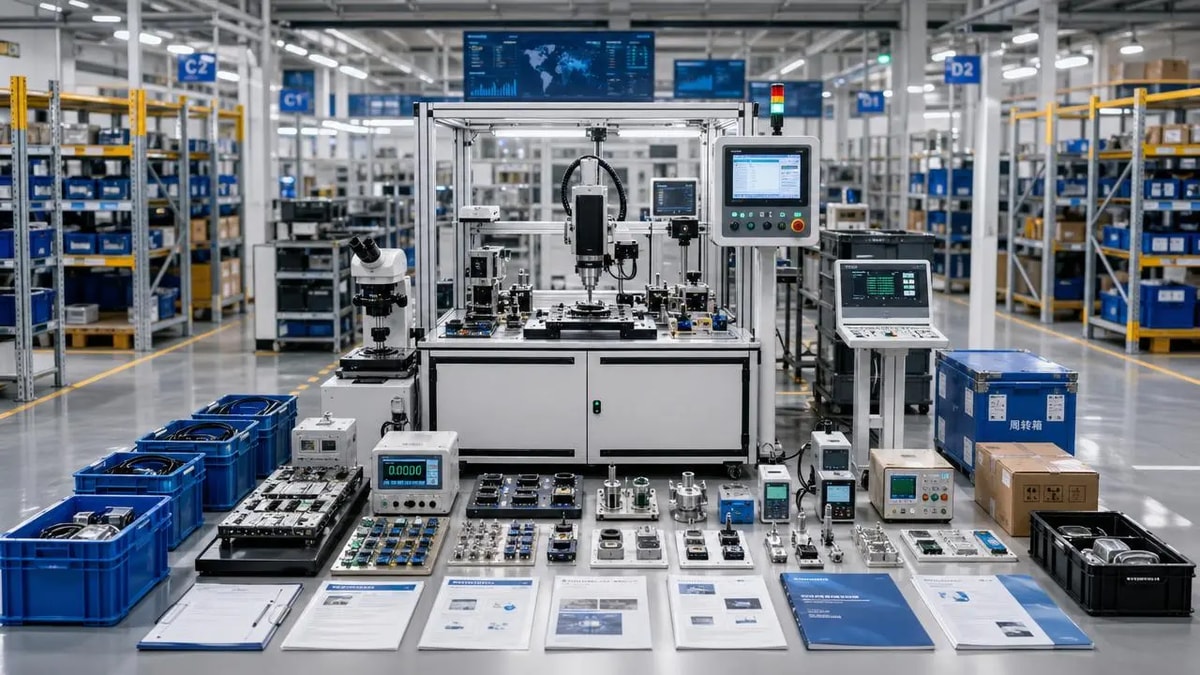
When industrial solutions create new supply chain risks
Industrial solutions can boost efficiency but also create hidden supply chain risks. Learn how to assess compliance, supplier dependency, and resilience before investing.
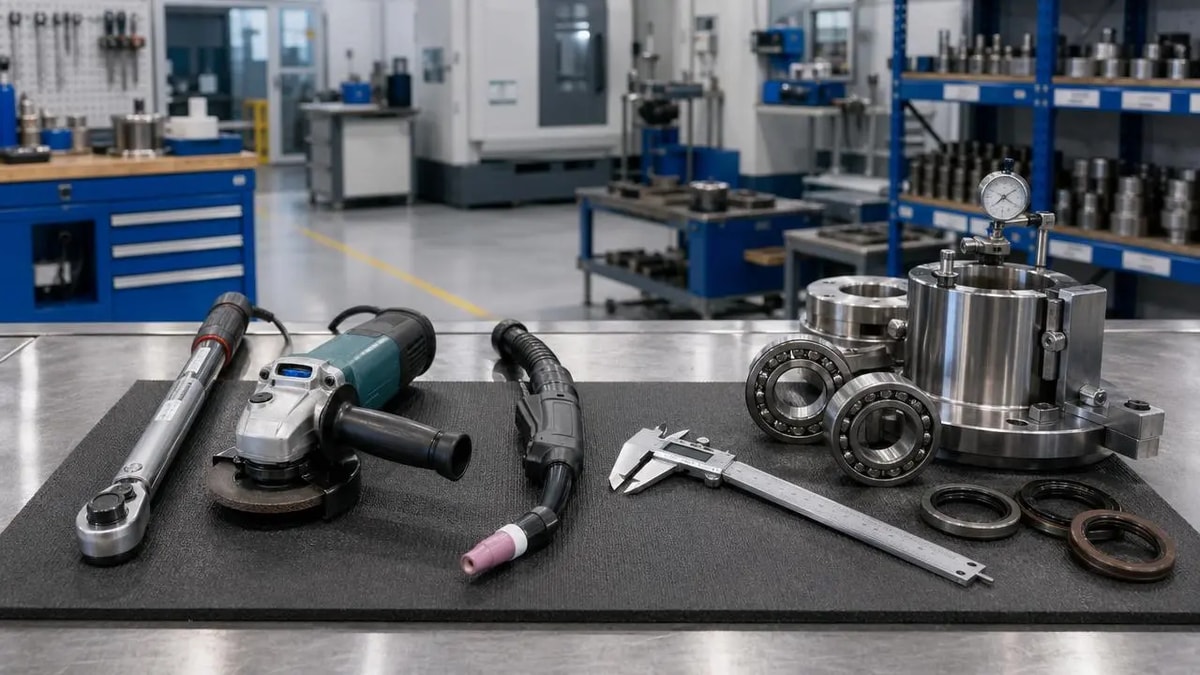
Metalworking tools: repair less or replace sooner?
Metalworking tools: learn when repair saves money and when early replacement protects uptime, safety, and precision with a practical checklist for maintenance teams.
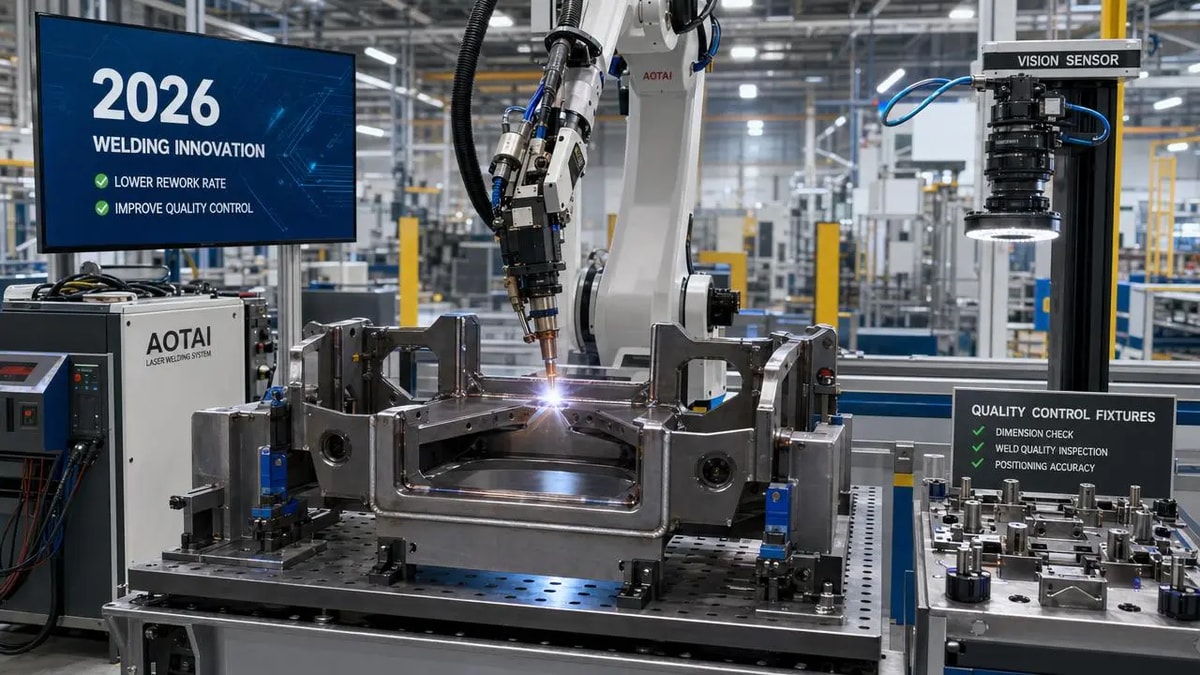
Welding innovations changing rework rates in 2026
Welding innovations in 2026 are cutting rework rates, improving safety compliance, and boosting QC traceability. Discover which smart systems deliver measurable gains.
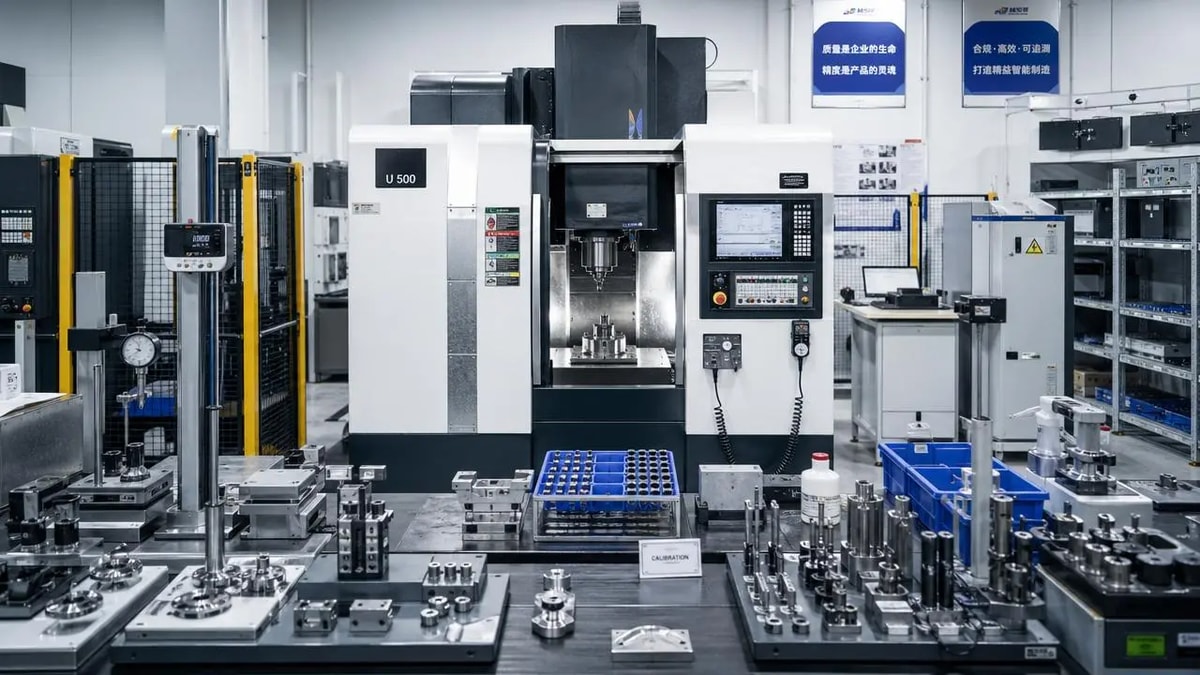
Advanced manufacturing costs that rarely show up early
Advanced manufacturing budgets often miss hidden costs like rework, calibration, compliance, and training. Learn the checklist finance teams need to cut risk and protect ROI.
Industrial applications that still resist automation
Industrial applications that still resist automation: learn where human skill still wins, how to avoid costly automation mistakes, and how to improve ROI with smarter, selective investment.
Where technology integration fails on the factory floor
Technology integration fails on the factory floor when tools, data flow, and operator needs don’t align. Learn the root causes and smart fixes that turn digital investment into real uptime, quality, and control.
Dr. Alistair Vaughn
Weekly Insights
Stay ahead with our curated technology reports delivered every Monday.