
Automotive tools: repair speed or long-term durability?





Automotive tools: repair speed or long-term durability?
In automotive repair and maintenance, selecting automotive tools is not only about finishing jobs faster. It also affects service quality, downtime, replacement cost, and long-term workshop stability.
A fast tool may improve daily throughput, yet weak durability can raise hidden costs. A durable tool may reduce failures, but poor ergonomics can slow every repair cycle.
The best decision comes from a structured comparison. This approach supports lifecycle value, safer use, and consistent output across general service, fleet maintenance, and industrial automotive environments.
Why a structured evaluation matters for automotive tools
Automotive tools operate under pressure, heat, vibration, chemicals, and repeated torque loads. These conditions quickly expose weaknesses in design, materials, calibration stability, and user comfort.
Without a clear evaluation method, decisions often favor sticker price or short-term speed. That can lead to premature wear, inconsistent repairs, tool mismatch, and avoidable safety issues.
A checklist-based review helps compare automotive tools by real working value. It connects repair efficiency with durability, maintenance intervals, reliability, and total cost over time.
Core points to review before choosing automotive tools
- Check torque consistency, cutting accuracy, or fastening precision under repeated use, not only during first operation, because stable performance drives reliable repair quality.
- Review body materials, heat treatment, corrosion resistance, and wear surfaces to confirm whether automotive tools can survive oils, impacts, and frequent workshop cleaning.
- Compare repair speed together with fatigue control, grip comfort, trigger response, and balance, since ergonomic weakness slows output across long service shifts.
- Measure total ownership cost, including maintenance, recalibration, spare parts, battery life, and replacement frequency, instead of comparing purchase price alone.
- Verify compatibility with sockets, bits, fasteners, diagnostic interfaces, and workshop systems, because integration problems can delay jobs more than tool speed improves them.
- Inspect safety controls such as overload protection, insulation, anti-slip design, spark management, and temperature handling, especially for power automotive tools.
- Ask for service records, warranty terms, calibration support, and failure response time, because dependable support protects uptime and tool investment.
- Test automotive tools in actual repair cycles, including stubborn fasteners or confined access areas, to reveal real productivity and durability differences.
How to balance speed and durability in daily decisions
Not every automotive tool should be selected by the same logic. High-frequency tools deserve stricter durability requirements because small failures multiply rapidly across many repair orders.
Low-frequency specialty tools may justify slower operation if they provide precision and service life. The key is matching the tool profile to task repetition and failure consequences.
When speed should lead
Speed matters most in repetitive mechanical work, tire service, basic inspections, and standard disassembly. In these tasks, seconds saved per vehicle create meaningful throughput gains.
However, speed should still meet minimum durability thresholds. Fast automotive tools that break, drift, or overheat usually erase their productivity advantage within months.
When durability should lead
Durability becomes critical in heavy-duty fastening, underbody work, corrosion removal, engine teardown, and high-torque applications. Failures here increase rework risk and safety exposure.
For these conditions, automotive tools need stronger metallurgy, reinforced housings, dependable calibration, and proven resistance to contaminants, impacts, and thermal stress.
Application-specific considerations for automotive tools
General repair bays
In general repair, versatility matters as much as performance. Automotive tools should cover mixed tasks without constant changeover, while maintaining stable results across brake, suspension, and engine work.
Focus on grip comfort, reliable sockets, battery runtime, and quick access in tight spaces. These factors often influence real repair speed more than peak power ratings.
Fleet maintenance
Fleet environments reward standardization and uptime. Automotive tools should be easy to maintain, easy to replace, and consistent across technicians, vehicles, and recurring preventive service routines.
Durability usually outweighs marginal speed gains here. Frequent breakdowns disrupt schedules, parts flow, and vehicle availability, creating broader operational cost beyond the tool itself.
Body, welding, and metal joining work
This area demands a closer look at heat resistance, precision, and operator safety. Automotive tools used near welding or cutting must withstand sparks, temperature shifts, and fine metal debris.
GPTWM regularly highlights the importance of ergonomic design and process intelligence in metal joining. The same principle applies when choosing automotive tools for body restoration and finishing tasks.
Electric vehicle service
EV maintenance raises the standard for insulation, torque accuracy, and diagnostic integration. Automotive tools for high-voltage systems should never be chosen mainly for speed claims.
Look for certification support, controlled torque output, insulated construction, and dependable traceability. In EV work, durability includes electrical safety over the full service lifecycle.
Commonly overlooked issues and risk alerts
Battery systems are often underestimated. Cordless automotive tools may seem productive at first, but weak charge retention or slow charging can reduce actual daily efficiency.
Calibration drift can damage quality. Torque tools that lose accuracy create hidden risks in engines, wheels, and safety-critical assemblies, even if they still appear mechanically functional.
Accessory quality affects tool life. Low-grade sockets, bits, discs, or adapters can overload good automotive tools, causing premature wear and misleading failure analysis.
Environmental exposure changes outcomes. Moisture, dust, brake cleaner, and metal particles can shorten service life when sealing and material protection are insufficient.
Training gaps reduce both speed and durability. Even premium automotive tools fail early when used with poor torque technique, wrong accessories, or improper storage routines.
Practical steps to execute a better selection process
- Group automotive tools by task frequency, criticality, and operating conditions before reviewing brands or prices.
- Define measurable criteria such as cycle time, failure rate, calibration retention, battery endurance, and user fatigue.
- Run short field trials in actual workshop conditions rather than relying only on catalog specifications.
- Score each option across speed, durability, safety, compatibility, and lifecycle cost using the same matrix.
- Standardize maintenance, inspection, and storage rules to protect the value of selected automotive tools.
FAQ about automotive tools
Are expensive automotive tools always more durable?
No. Price can reflect branding, electronics, or specialized features. Actual durability depends on material quality, testing standards, maintenance support, and fit with the intended application.
Should cordless automotive tools replace pneumatic or corded options?
Not completely. Cordless automotive tools improve mobility and setup speed, but pneumatic or corded models may still perform better in continuous heavy-duty cycles.
What is the best way to compare lifecycle value?
Track purchase price, maintenance cost, downtime, calibration frequency, accessory consumption, and replacement intervals. This reveals whether faster automotive tools truly lower long-term operating cost.
Final takeaway and next action
The debate around automotive tools is not speed versus durability in absolute terms. The smarter question is which balance supports reliable output, safe work, and stronger lifecycle return.
Use a structured evaluation, test in real conditions, and prioritize measurable performance. That method helps automotive tools deliver both repair efficiency and long-term durability where it matters most.
For organizations following industrial efficiency trends, GPTWM’s intelligence perspective reinforces a clear principle: precision, service life, and process fit create the strongest value foundation.
Related News
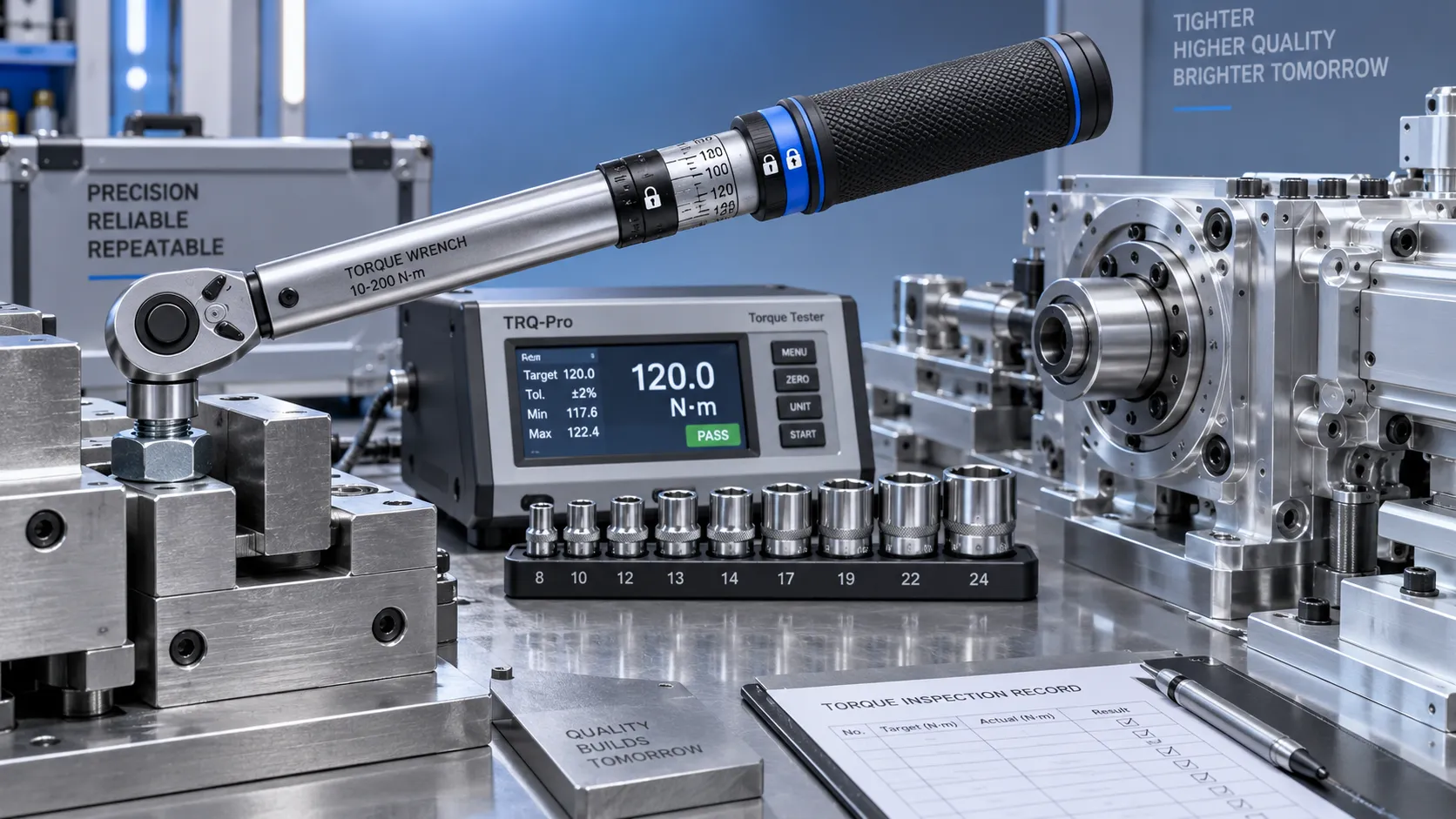
Selecting Adjustable Torque Tools for Repeatable Fastener Assembly
Adjustable torque tools: learn how to match range, accuracy, control methods, calibration, and ergonomics for repeatable, reliable fastener assembly.

How to Select Aerospace Inspection Tools for Aircraft Maintenance Tasks
Aerospace maintenance inspection tools: learn how to select reliable, traceable equipment for aircraft access, accuracy, calibration, and compliant maintenance decisions.

How to Select Wire Bonding Tools for Fine-Pitch Semiconductor Packaging
Explore semiconductor manufacturing tools for wire bonding and learn how to select precision solutions for fine-pitch packaging, reliable loops, accuracy, and yield.
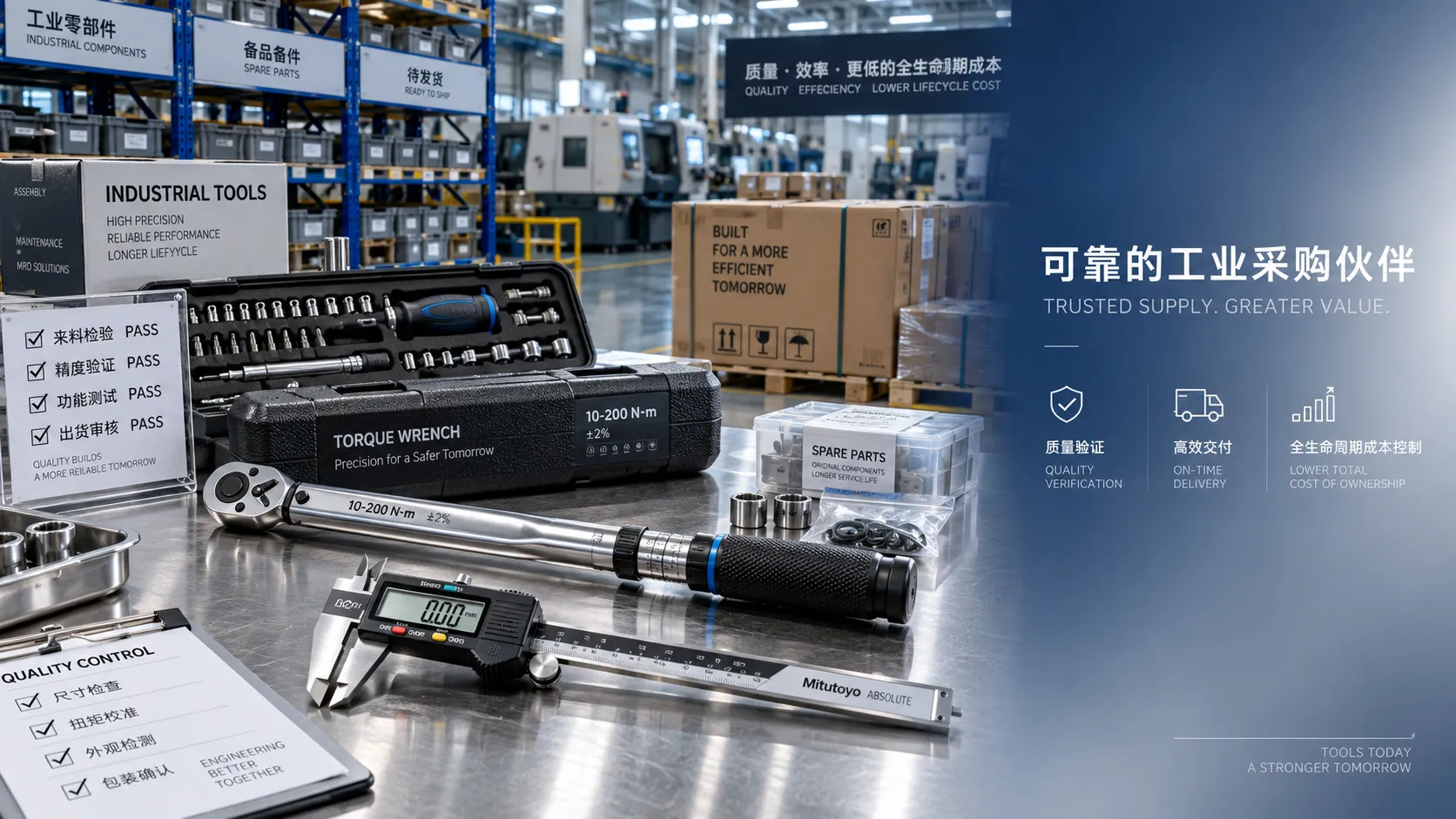
How to Compare Industrial Tool Suppliers for Quality, Lead Time, and Total Cost
Industrial tool selection supplier comparison made simple: evaluate quality, lead times, total cost, service, and supply resilience for confident sourcing decisions.
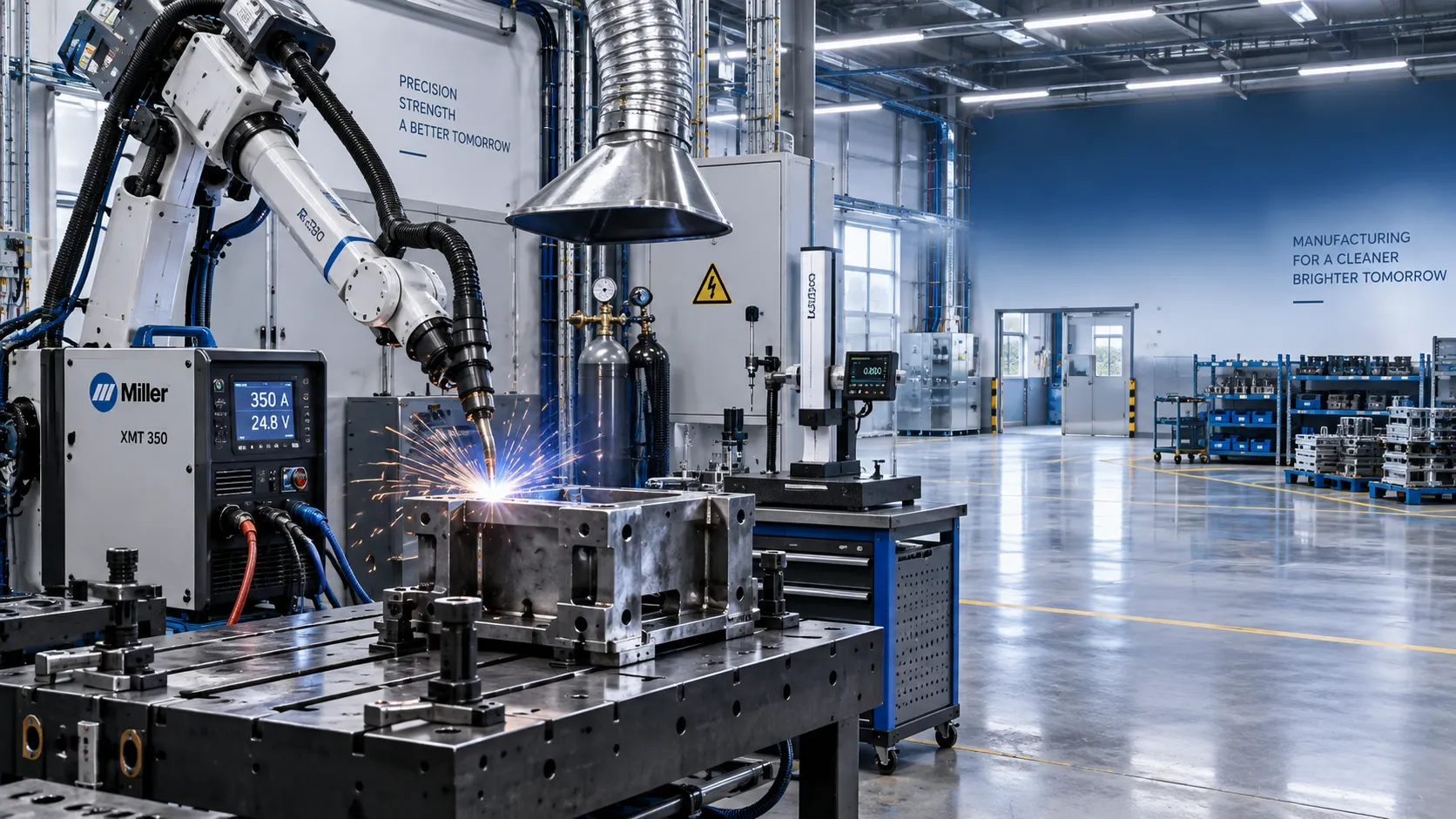
Industrial Equipment Application Guidance: Match Machines to Operating Conditions
Application guidance industrial equipment: match capacity, duty cycle, materials, site conditions, safety, and lifecycle cost to improve reliable output. Read the guide.
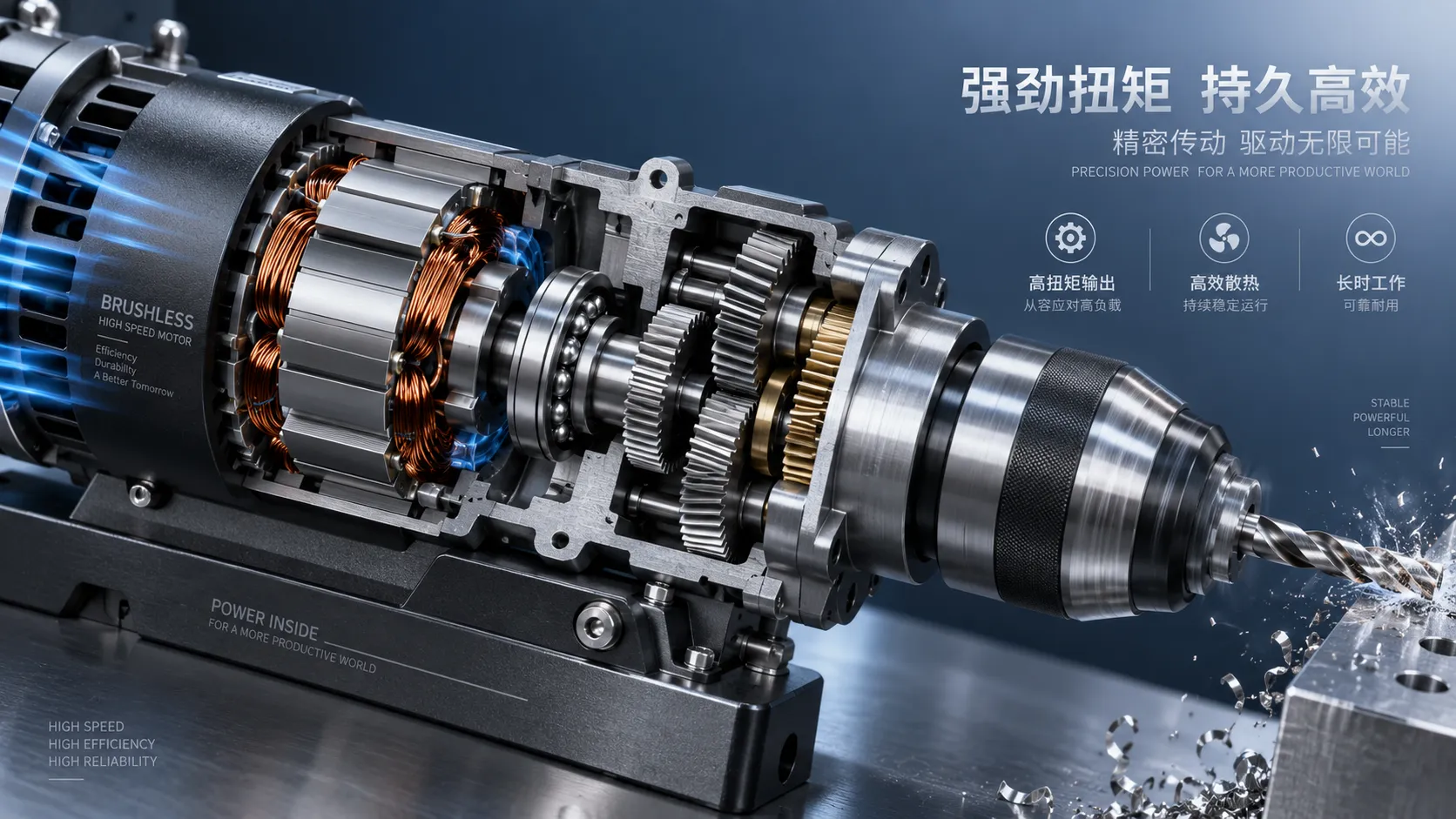
Selecting High-Speed Brushless Tool Motors for Torque, Heat, and Duty Cycle
High speed brushless tool motors: learn how to balance torque, heat, gearing, and duty cycle for reliable industrial tool performance and longer service life.
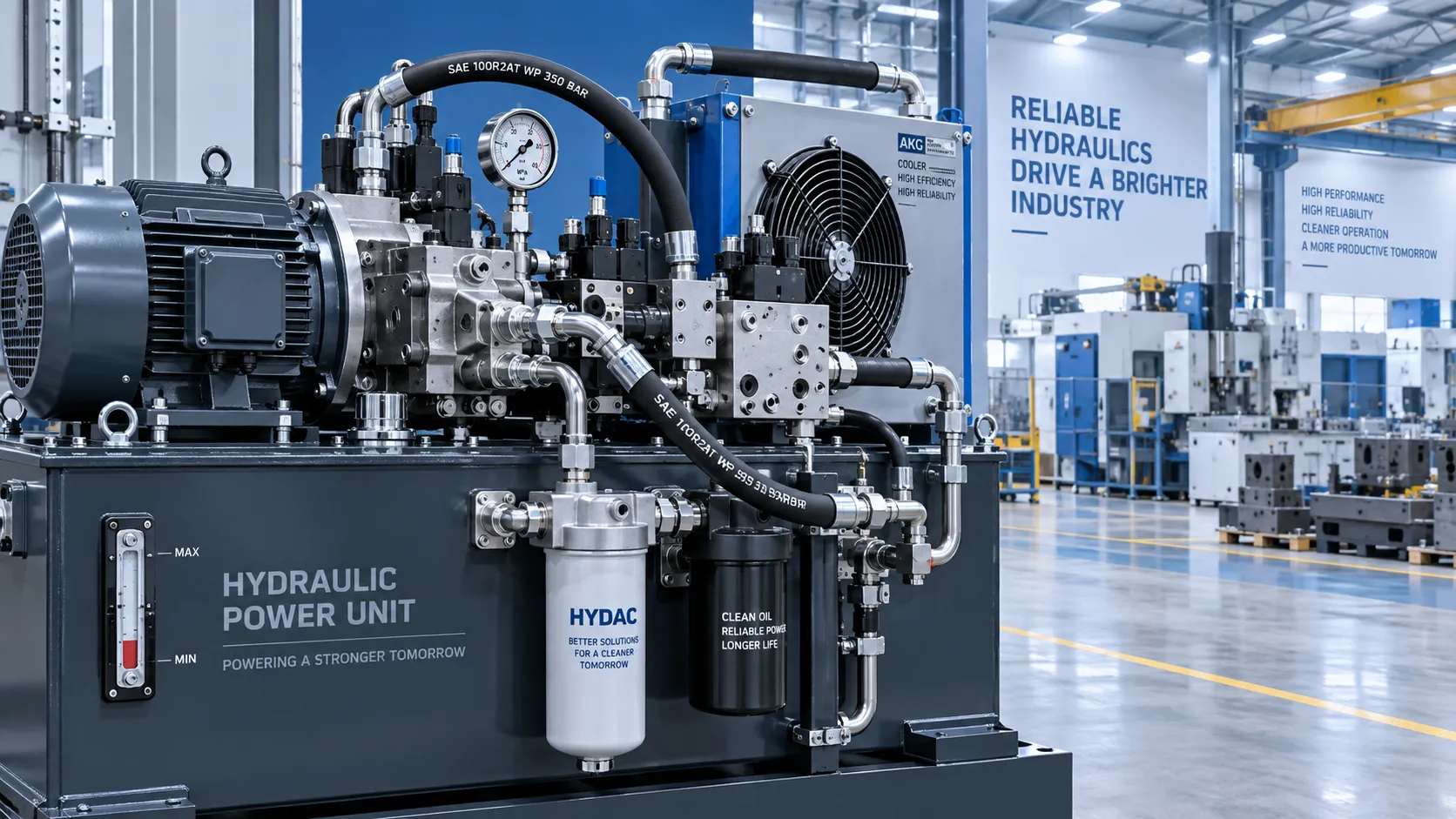
What Determines Industrial Hydraulic System Price for Heavy-Duty Equipment?
Industrial hydraulic system price depends on duty cycle, pressure, components, cooling, and integration. Compare quotes intelligently to secure reliable heavy-duty performance.
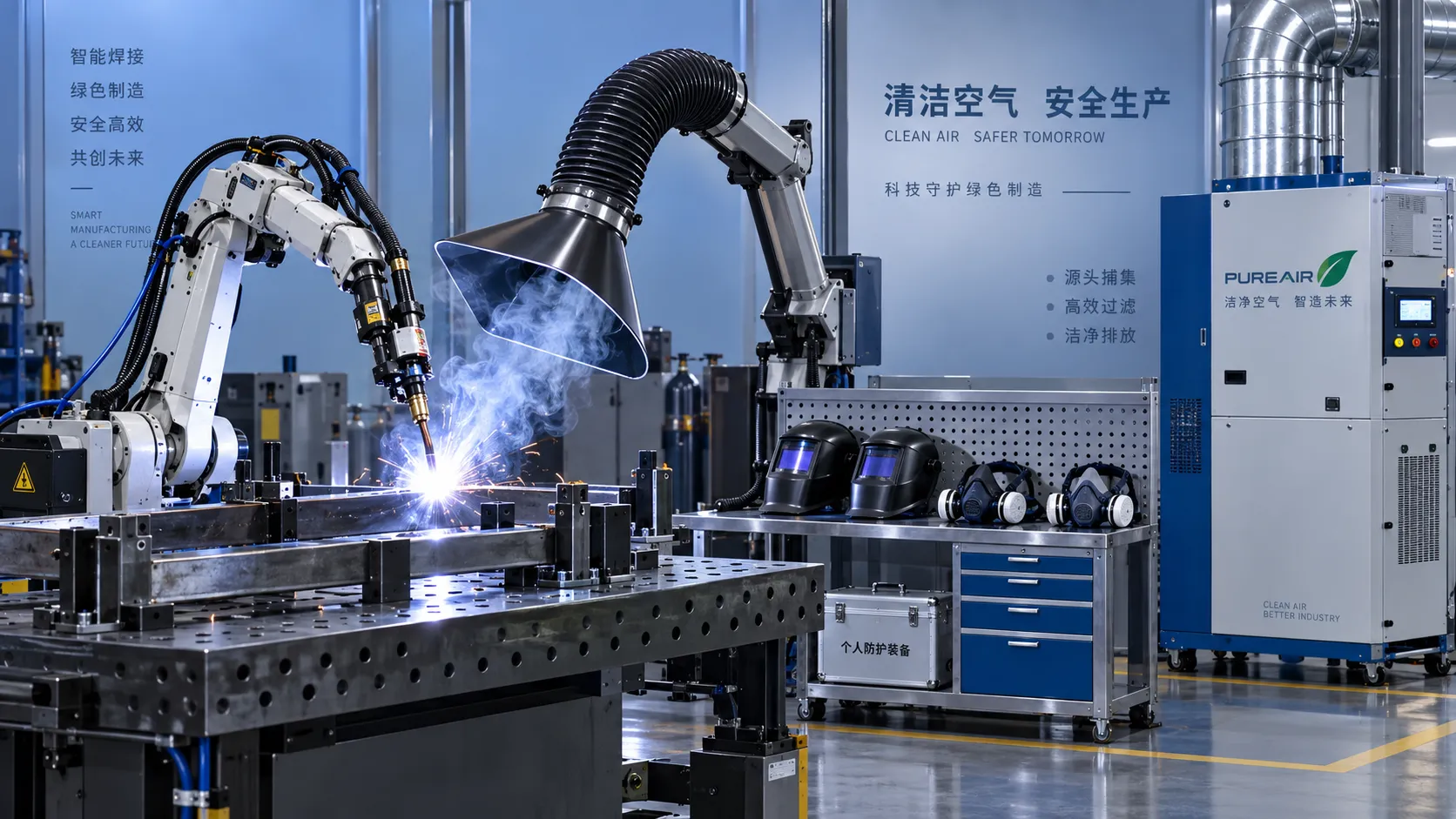
Welding Fume Extraction PPE: When Respirators Are Not Enough for Shop Safety
Welding fume extraction PPE: learn why respirators alone fall short and how source capture, ventilation, and layered controls improve shop safety.
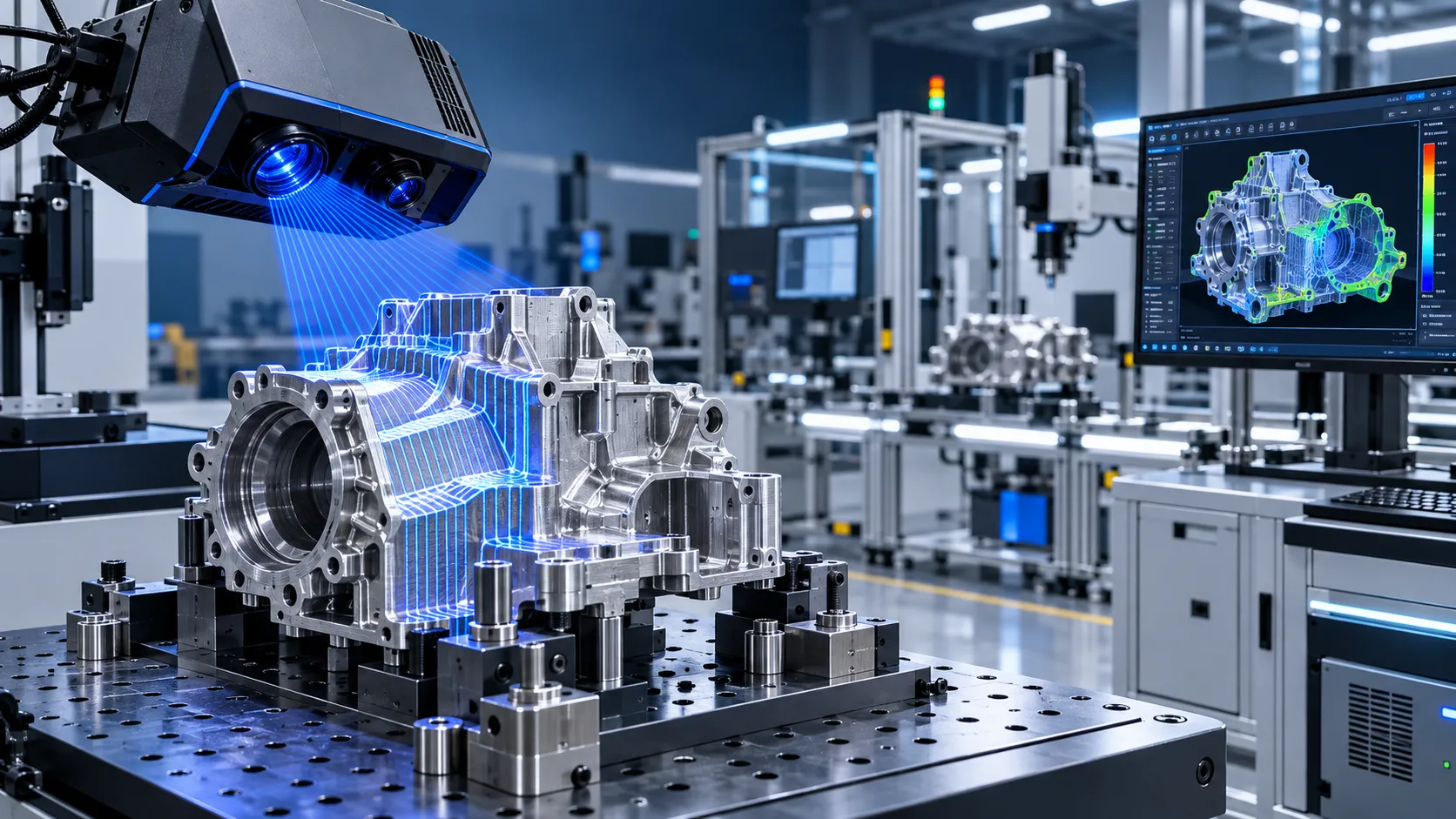
How to Select Optical Metrology Solutions for Tight-Tolerance Manufacturing
Optical industrial metrology solutions for tight-tolerance manufacturing: evaluate accuracy, surface compatibility, workflow, and traceability to select with confidence.
Related News
- 00
0000-00
Automotive Tools: How to Build a Reliable Toolkit for Routine Vehicle Service - 00
0000-00
How to Build an Automotive Hand Tool Set for Routine Vehicle Service - 00
0000-00
Construction Maintenance Tools for Site Repair: What to Pack for Concrete, Steel, and Pipe Fixes - 00
0000-00
Product Information Resources for Assembly Tools: What Specs Matter Before You Compare Models? - 00
0000-00
Industrial Applications of Torque Control Wrenches in Assembly Lines and Field Maintenance
Industrial Craft Curator
Weekly Insights
Stay ahead with our curated technology reports delivered every Monday.