
Metrology technology mistakes that skew inspection results





Even advanced metrology technology can produce misleading inspection data when setup habits, environmental factors, or operator assumptions go unchecked. For quality control and safety managers, these mistakes do more than affect measurements—they can trigger compliance risks, product failures, and costly rework. Understanding where inspection errors begin is the first step toward building a more reliable, repeatable, and decision-ready quality process.
Why metrology technology errors are more dangerous than they look
In industrial assembly, welding, machining, maintenance, and field verification, metrology technology is expected to protect quality decisions. Yet many inspection failures do not come from weak instruments alone. They come from hidden process mistakes that distort data before anyone notices.
For quality control teams, bad measurement data can approve nonconforming parts or reject good ones. For safety managers, the risk expands further. Misread dimensions, torque values, alignment conditions, weld profiles, or surface conditions can affect structural integrity, operator exposure, and downstream compliance.
This matters across a broad industrial landscape. Construction equipment, automotive maintenance, aerospace servicing, metal joining cells, and precision tool distribution all depend on consistent inspection logic. A metrology technology mistake in one station can multiply through production, warehousing, installation, and service.
- A wrong fixture position can shift repeatability and create false trends in statistical process control.
- Temperature drift can make dimensional checks look stable during one shift and unstable during another.
- Poor operator training can lead teams to trust screen output without validating method suitability.
- Unclear acceptance criteria can turn metrology technology into a reporting tool rather than a control tool.
That is why measurement strategy must be treated as part of operational risk management, not just as an isolated quality activity.
Where inspection results get skewed: the most common metrology technology mistakes
The most expensive mistakes are often routine. They do not look dramatic, but they gradually reduce trust in inspection results. The table below summarizes frequent metrology technology failures and the operational effects they create for mixed industrial environments.
The key lesson is simple: metrology technology performance is always tied to method discipline. A capable device cannot correct a weak process on its own.
Mistake 1: treating calibration as a checkbox
Many teams assume that a valid calibration label means the instrument is suitable for every job. It does not. Calibration status confirms traceability within defined conditions. It does not guarantee the right uncertainty, probing approach, surface response, or measurement span for a specific part.
This becomes critical when safety-related parts have tight tolerances or when welded assemblies distort after heat input. The correct question is not only whether a tool is calibrated, but whether the total measurement system is appropriate for the decision being made.
Mistake 2: ignoring shop-floor environment
Metrology technology often moves beyond controlled labs into busy industrial spaces. Forklift traffic, machine vibration, airborne particles, radiant heat, and unstable workbench conditions can all skew readings. Portable systems are valuable, but portability does not cancel environmental sensitivity.
Quality managers should require environment notes for critical inspections. Safety managers should ask whether hot parts, laser-adjacent stations, or weld zones are introducing thermal or visibility effects that operators are not compensating for.
Mistake 3: trusting software output without process validation
Modern metrology technology platforms can generate attractive reports, color maps, and pass-fail dashboards. But software confidence is not measurement confidence. Misconfigured datums, wrong filtering, excessive point interpolation, or incorrect tolerance templates can make poor data look precise.
A reliable workflow includes routine method verification, version control for inspection programs, and clear approval authority before report templates are used for production release.
How quality and safety teams should evaluate measurement risk
Inspection risk is not the same in every task. Measuring incoming calipers, checking a welded bracket, and validating tool torque behavior each require different control depth. The most useful metrology technology programs prioritize risk by function, tolerance, and failure consequence.
A practical risk-screening checklist
- Identify whether the feature affects safety, sealing, alignment, fatigue life, electrical clearance, or structural fit.
- Confirm whether the measurement method is contact, non-contact, inline, offline, or handheld, and review the limits of that method.
- Check if operators use stable datums, repeatable fixtures, and documented part conditioning time.
- Review whether the measurement uncertainty is small enough compared with the tolerance band.
- Decide whether the result drives containment, release, rework, or root-cause analysis, then match reporting rigor to that decision.
When this checklist is built into inspections, metrology technology becomes a prevention tool rather than a late-stage detective tool.
Which metrology technology setup fits which inspection scenario?
Selection mistakes often start before measurement begins. Teams buy a system based on headline capability, then use it in unsuitable production conditions. The comparison below helps quality control and safety managers align metrology technology choice with real industrial tasks.
The best choice is not the most advanced platform in general terms. It is the one that supports the required decision with stable, traceable, and repeatable evidence in the actual use environment.
Procurement mistakes that create inspection problems later
Procurement often focuses on price, delivery date, and feature lists. Those matter, but they do not reveal lifecycle measurement risk. A lower-cost option can become expensive if it requires heavy operator compensation, inconsistent software setup, or repeated outsourcing for verification.
What buyers should ask before selecting metrology technology
- What tolerance range and part materials will be measured most frequently, and under what temperature conditions?
- What is the expected operator skill level, and how much method standardization is available today?
- Will the system be used near welding stations, power tools, hydraulic equipment, or outdoor loading areas?
- How are calibration, maintenance, software updates, and replacement accessories managed over time?
- Can the supplier support application review, acceptance criteria discussion, and reporting integration?
For mixed-sector operations, this broader view is especially important. The same organization may inspect machined components, welded joints, hand tools, and service assemblies. A narrow purchasing decision can create fragmented data quality across departments.
Why intelligence support matters during selection
GPTWM helps decision-makers connect technical selection with practical industry context. Through its Strategic Intelligence Center, teams can track evolving demand for high-precision measuring instruments, compare fit across construction, automotive, and aerospace maintenance needs, and interpret how export restrictions or standards changes may affect sourcing plans.
That kind of support is useful when buyers must justify not only what to purchase, but why a certain metrology technology path reduces risk across the manufacturing last mile.
Standards, compliance, and documentation: what should never be skipped
Quality and safety managers are increasingly judged on documentation quality, not just inspection outcomes. Metrology technology must therefore sit inside a documented control framework. Even when regulations differ by market, several compliance principles remain widely relevant.
Depending on the business system, these controls may align with broader quality management expectations such as ISO-based documentation, gauge management discipline, and process validation requirements. The exact framework varies, but the underlying need for traceable evidence does not.
How to reduce skewed results without slowing production
A common concern is that stronger measurement control will delay throughput. In practice, the opposite is often true. Stable metrology technology workflows reduce disputes, limit rework loops, and shorten root-cause investigations.
A balanced implementation model
- Separate critical-to-safety features from routine dimensional checks so not every item receives the same level of control.
- Standardize setup photos, fixture references, and environmental notes for recurring jobs.
- Use short verification checks at shift start instead of relying only on annual calibration records.
- Train operators to recognize when a result is technically possible but process-wise suspicious.
- Review nonconformance history to identify whether the main issue is the product, the method, or the measurement environment.
This model supports speed where speed is safe and adds rigor where failure costs are high.
FAQ: practical questions about metrology technology mistakes
How do I know if the issue is the part or the metrology technology process?
Start by repeating the inspection under controlled conditions with a verified method and, if possible, a second operator or second instrument type. If the result changes significantly, the measurement system needs attention before product decisions continue. Trend instability across shifts is another strong warning sign.
Is portable metrology technology less reliable than lab-based equipment?
Not necessarily. Portable systems can be highly effective for large structures, field maintenance, and last-mile industrial checks. The risk is not portability alone. The risk comes from poor fixturing, unstable surfaces, environmental exposure, and limited operator discipline. Reliability depends on the whole inspection system.
What should safety managers focus on during measurement reviews?
Focus on features linked to load paths, weld quality, guarding clearances, torque confirmation, and thermal distortion. Also review whether the measurement activity itself creates risk, such as handling hot parts, working near laser or welding zones, or relying on awkward body positions that reduce operator control.
What are the most overlooked buying criteria?
Teams often overlook application support, software governance, accessory availability, training needs, and reporting compatibility. These factors strongly affect whether metrology technology will deliver repeatable value after installation, especially in multi-site or multi-process operations.
Why industry intelligence improves metrology decisions
Measurement choices no longer happen in isolation. Buyers and managers must consider shifting standards, cross-border supply pressure, tool ergonomics, digital factory integration, and the expanding role of smart torque and inspection systems. This is where a specialized intelligence platform brings practical value.
GPTWM focuses on the last mile of industrial manufacturing, where measurement reliability, assembly quality, welding safety, and tool performance meet real operating pressure. Its coverage of sector news, evolutionary trends, and commercial insights helps teams compare options with more than catalog logic.
For organizations balancing craftsmanship with digital inspection, that perspective helps reduce blind spots. It supports better sourcing decisions, clearer internal justification, and stronger alignment between quality objectives and operational reality.
Why choose us for metrology technology insight and next-step planning
If your team is reviewing metrology technology for quality control, welding inspection, maintenance verification, or industrial tool validation, GPTWM can help you narrow the decision with relevant intelligence instead of generic claims.
- Discuss parameter confirmation for your target features, part sizes, materials, and tolerance bands.
- Compare product selection paths for bench, portable, or application-specific metrology technology workflows.
- Review likely delivery considerations, accessory needs, and integration questions for distributed operations.
- Explore customized solution direction for mixed environments such as assembly, welding, construction equipment service, or aerospace maintenance.
- Clarify certification expectations, documentation priorities, sample evaluation logic, and quotation communication before procurement moves forward.
When inspection accuracy affects compliance, downtime, and brand reputation, better questions lead to better measurement decisions. Contact GPTWM to review your application scenario, compare solution routes, and build a more dependable metrology technology strategy for the industrial last mile.
Related News
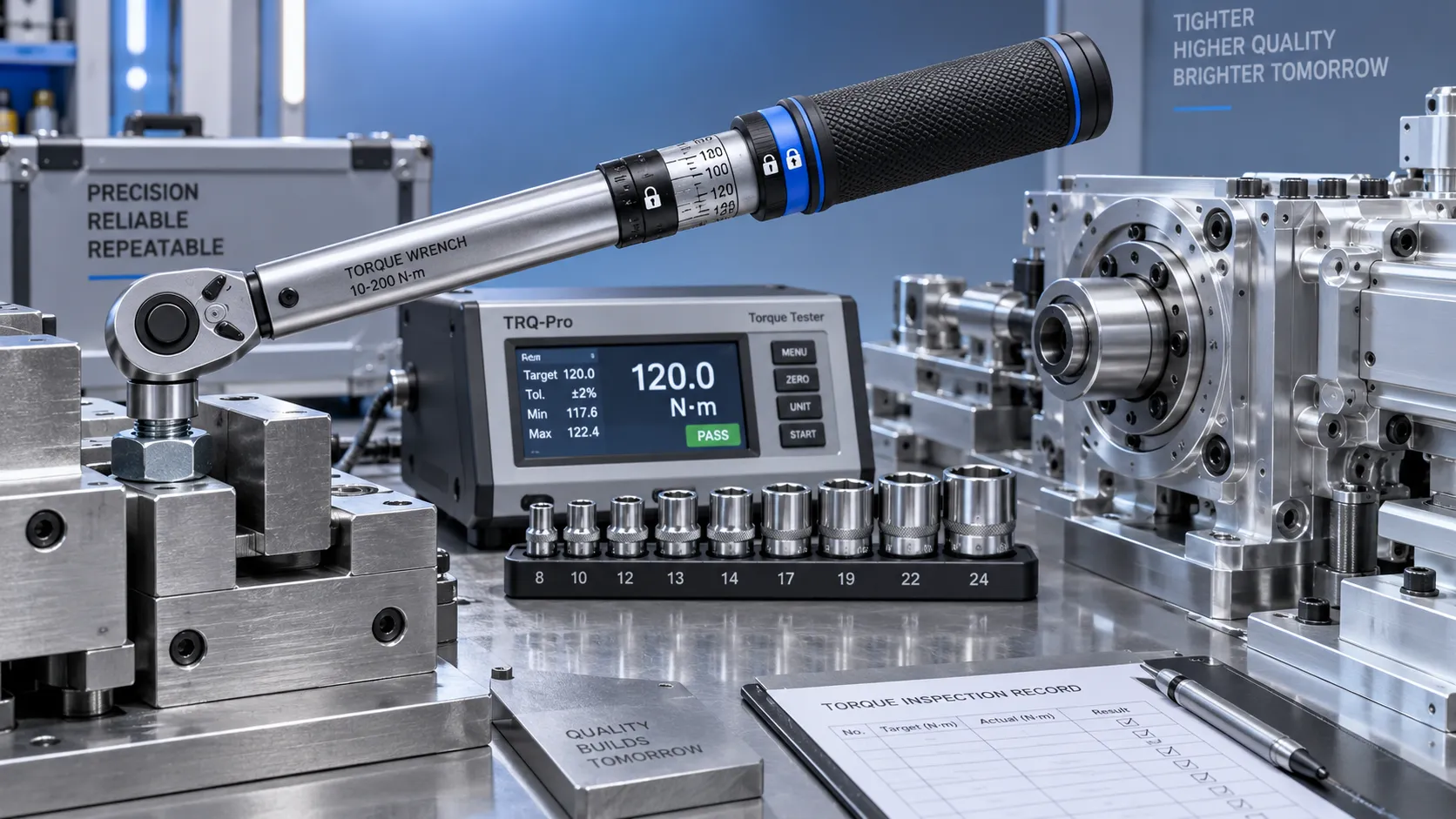
Selecting Adjustable Torque Tools for Repeatable Fastener Assembly
Adjustable torque tools: learn how to match range, accuracy, control methods, calibration, and ergonomics for repeatable, reliable fastener assembly.

How to Select Aerospace Inspection Tools for Aircraft Maintenance Tasks
Aerospace maintenance inspection tools: learn how to select reliable, traceable equipment for aircraft access, accuracy, calibration, and compliant maintenance decisions.

How to Select Wire Bonding Tools for Fine-Pitch Semiconductor Packaging
Explore semiconductor manufacturing tools for wire bonding and learn how to select precision solutions for fine-pitch packaging, reliable loops, accuracy, and yield.
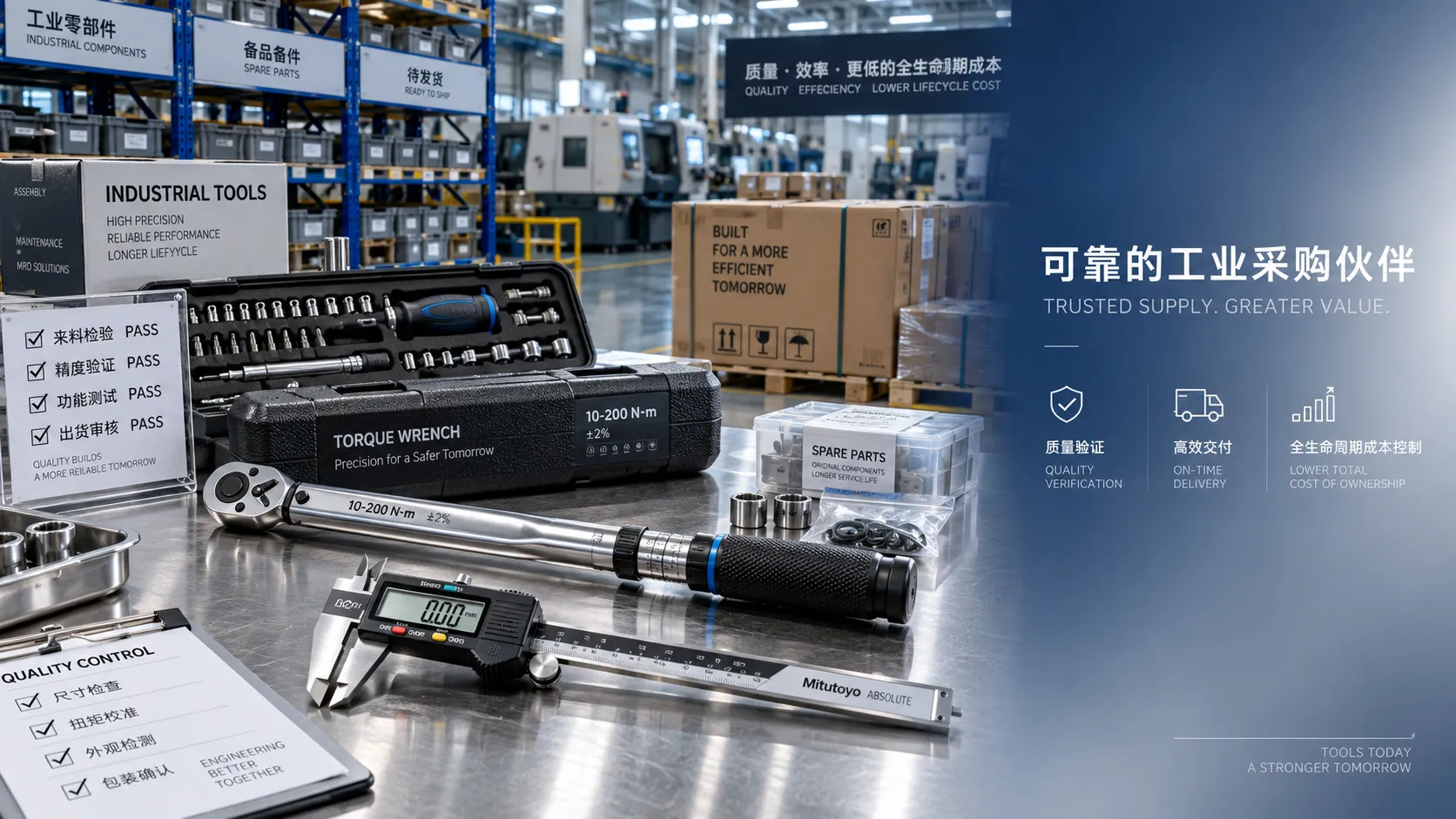
How to Compare Industrial Tool Suppliers for Quality, Lead Time, and Total Cost
Industrial tool selection supplier comparison made simple: evaluate quality, lead times, total cost, service, and supply resilience for confident sourcing decisions.
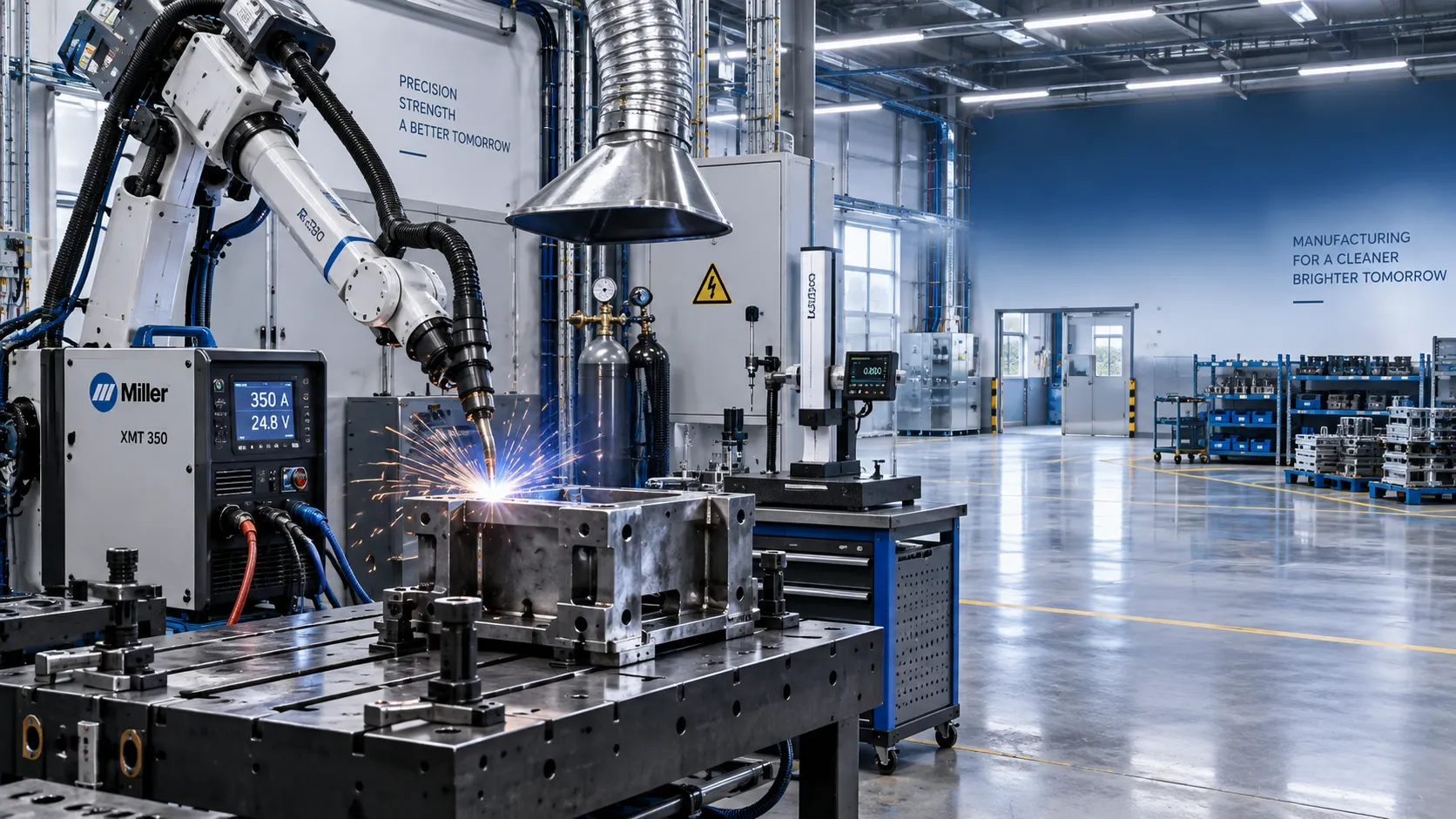
Industrial Equipment Application Guidance: Match Machines to Operating Conditions
Application guidance industrial equipment: match capacity, duty cycle, materials, site conditions, safety, and lifecycle cost to improve reliable output. Read the guide.

Selecting High-Speed Brushless Tool Motors for Torque, Heat, and Duty Cycle
High speed brushless tool motors: learn how to balance torque, heat, gearing, and duty cycle for reliable industrial tool performance and longer service life.
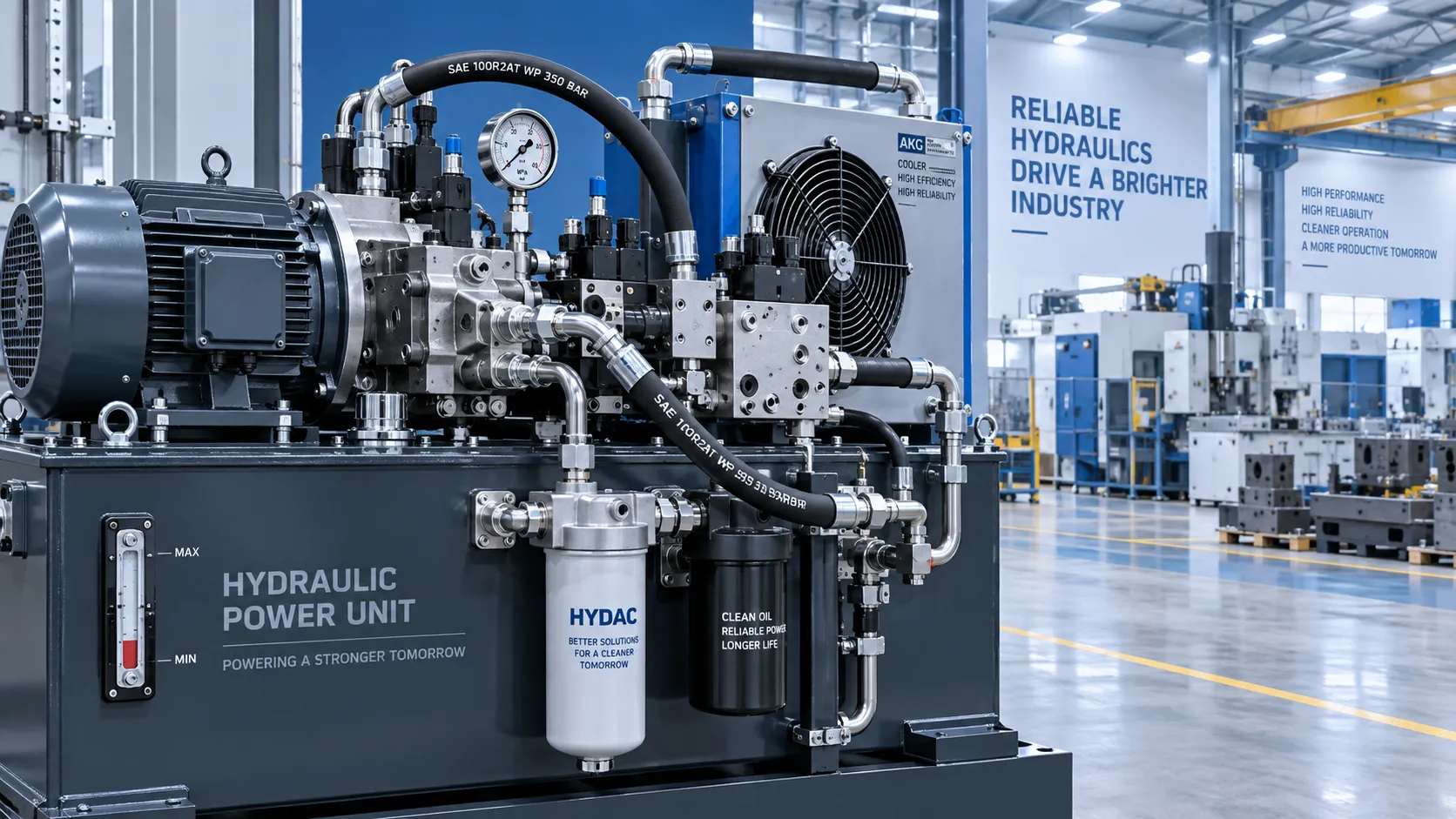
What Determines Industrial Hydraulic System Price for Heavy-Duty Equipment?
Industrial hydraulic system price depends on duty cycle, pressure, components, cooling, and integration. Compare quotes intelligently to secure reliable heavy-duty performance.
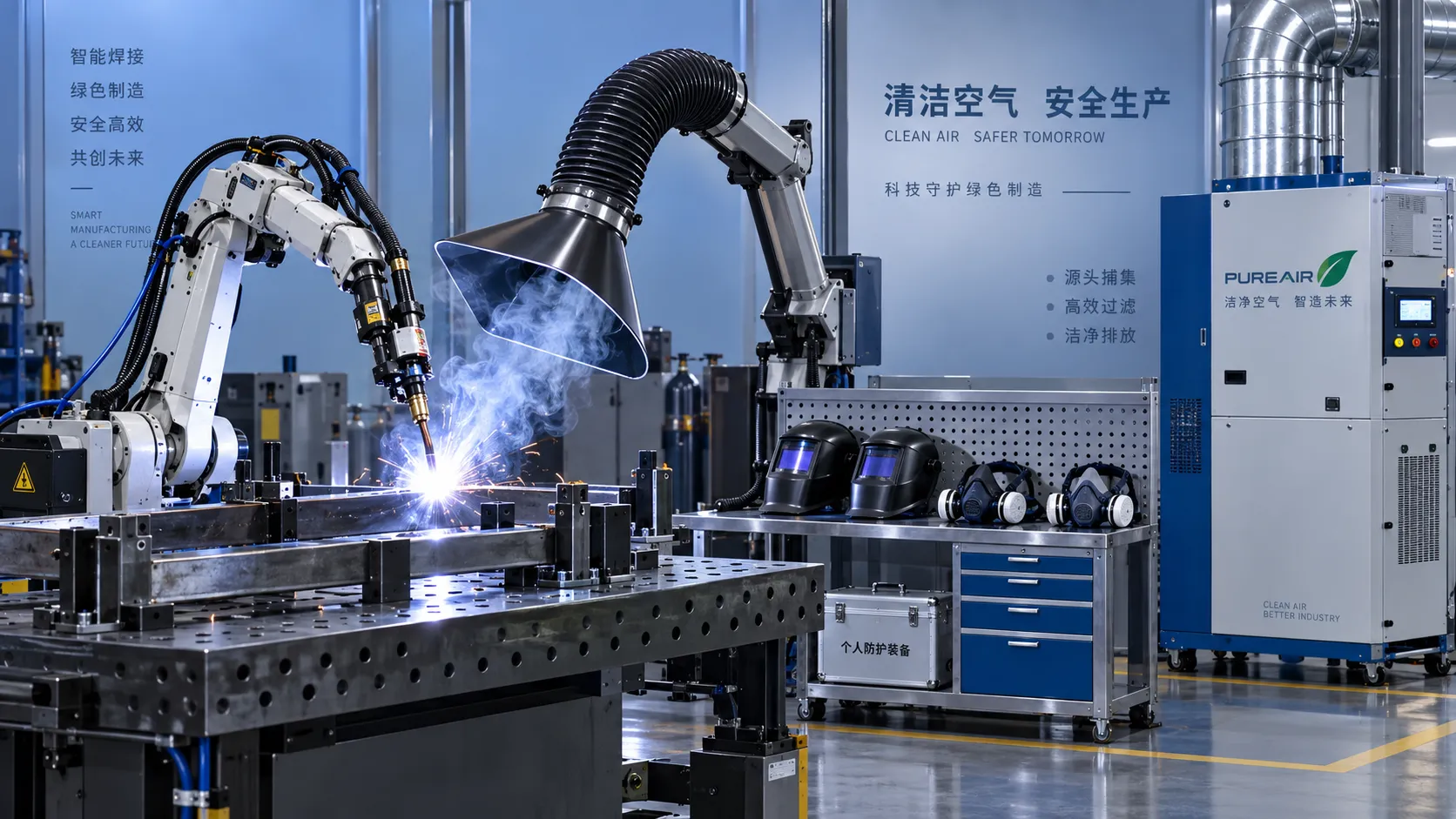
Welding Fume Extraction PPE: When Respirators Are Not Enough for Shop Safety
Welding fume extraction PPE: learn why respirators alone fall short and how source capture, ventilation, and layered controls improve shop safety.

How to Select Optical Metrology Solutions for Tight-Tolerance Manufacturing
Optical industrial metrology solutions for tight-tolerance manufacturing: evaluate accuracy, surface compatibility, workflow, and traceability to select with confidence.
Related News
- 00
0000-00
Planning Access, Material Flow, and Clearance Around a 3200mm Sliding Saw - 00
0000-00
How to Select Vernier Precision Calipers for Tight-Tolerance Machining Inspection - 00
0000-00
How to Choose Metalworking Tools for Sheet Metal by Thickness and Forming Tasks - 00
0000-00
Metrology Technology Europe: Which Systems Improve Inspection Accuracy on the Line? - 00
0000-00
How to Choose Precision Measuring Instruments in North America for Tighter Tolerance Work
Metrology Fellow
Weekly Insights
Stay ahead with our curated technology reports delivered every Monday.