
Where data-driven intelligence cuts hidden factory costs





Where data-driven intelligence cuts hidden factory costs
Hidden factory costs rarely sit in one budget line. They spread across scrap, overtime, energy drift, tool failure, compliance delays, and weak demand visibility.
That is why data-driven intelligence matters. It turns scattered losses into measurable signals, helping operations and finance connect plant activity with profit outcomes.
In broad industrial settings, this approach supports smarter sourcing, steadier quality, tighter maintenance timing, and better capital allocation across tools, welding, assembly, and metrology systems.
For platforms like GPTWM, data-driven intelligence links sector news, technology evolution, and commercial insight into practical decisions that reduce hidden cost before it grows.
Why a structured review is necessary
Factories generate thousands of daily signals, yet many cost leaks stay invisible because teams review them separately instead of as one economic system.
A structured review makes data-driven intelligence usable. It creates a repeatable way to compare process losses, supplier risk, equipment behavior, and compliance exposure.
This matters across mixed industries because welding cells, measuring tools, power tools, and hydraulic equipment all carry hidden costs beyond purchase price.
Without a checklist, decisions often rely on visible cost only. That can delay ROI, weaken productivity, and increase total cost of ownership.
Core points to review with data-driven intelligence
- Track scrap, rework, and first-pass yield together, because isolated quality reports often hide the real financial effect of recurring process variation.
- Compare machine runtime, idle time, and energy use by shift to identify whether low output comes from scheduling loss or equipment inefficiency.
- Review tool life against output quality, since cheaper consumables can raise replacement frequency, downtime, and defect rates beyond initial savings.
- Audit calibration intervals and measurement drift, because weak metrology control can create silent nonconformance long before customer complaints appear.
- Map welding parameters, operator behavior, and safety incidents together to see where process instability increases labor cost and compliance exposure.
- Examine supplier lead times with price volatility, as unstable sourcing often causes premium freight, urgent substitutions, and unplanned inventory carrying cost.
- Measure preventive maintenance completion against failure history, because reactive repairs usually multiply stoppage cost and shorten equipment service life.
- Check torque control data, fastening defects, and warranty patterns to confirm whether assembly precision is protecting downstream reliability and brand value.
- Connect export rules, safety standards, and documentation cycles, since compliance delays can freeze shipments and distort production planning.
- Benchmark capital purchases using utilization, payback period, and process impact, not vendor claims alone, to improve long-term return on investment.
How hidden costs appear across common industrial situations
Assembly and fastening operations
In assembly lines, hidden cost often comes from torque inconsistency, repeated inspection, and delayed root-cause analysis. Minor fastening errors can trigger major downstream corrections.
Data-driven intelligence helps compare fastening data, defect trends, and warranty feedback. This reveals whether the issue is tool control, training, joint design, or maintenance timing.
Welding and metal joining
Welding costs rise quietly through spatter, poor penetration, excess shielding gas, consumable waste, and rework. Safety incidents also create indirect cost through stoppages and reviews.
With data-driven intelligence, production teams can compare parameter windows, operator patterns, and material variation. That supports stable quality and safer handheld laser welding adoption.
Precision measurement and calibration
Measurement systems can create hidden costs when calibration intervals are too loose, instruments drift, or inspection data remains disconnected from process control.
A data-driven intelligence model links metrology records with production deviation. That reduces false acceptance, repeated checks, and expensive disputes over tolerance performance.
Power tools and maintenance assets
Power tools affect more than labor speed. Brushless motor efficiency, battery health, vibration exposure, and repair cycles all shape total ownership cost.
Data-driven intelligence compares uptime, energy demand, and service history. This helps justify replacement, standardization, or maintenance changes using evidence instead of habit.
Frequently overlooked cost signals
Visible savings that create invisible waste
A lower unit price can hide higher scrap, slower cycle time, and more frequent tool changes. Data-driven intelligence must test savings against full process impact.
Compliance treated as a final-stage task
When export standards, safety documentation, and technical files are reviewed too late, shipments stall and urgent corrections raise administrative and operational expense.
Energy reviewed without production context
Energy dashboards alone can mislead. High consumption may reflect idle machines, poor sequencing, air leakage, or unstable process windows rather than simple equipment age.
Maintenance measured by activity, not outcome
Completing service tasks does not guarantee reliability. The better question is whether maintenance reduces failure frequency, quality loss, and emergency intervention cost.
Market signals ignored in plant decisions
Raw material swings, regional demand shifts, and changing standards influence production economics. GPTWM-style industrial intelligence helps align internal planning with external reality.
Practical steps to put data-driven intelligence to work
- Define five to seven hidden-cost categories, including rework, downtime, energy drift, compliance delay, tool loss, inventory distortion, and warranty exposure.
- Build one reporting rhythm that joins production, quality, maintenance, sourcing, and market intelligence instead of reviewing each source independently.
- Prioritize processes where precision tools, welding quality, or metrology failures can create high-value scrap or customer-facing performance risk.
- Use trend comparisons over time, across shifts, and between sites to separate isolated events from structural cost patterns.
- Test small corrective actions first, such as calibration changes, parameter optimization, or supplier substitution, then measure impact before scaling.
- Add external intelligence on materials, regulation, and technology adoption to strengthen internal decisions with broader industrial context.
FAQ on data-driven intelligence in factory cost control
Is data-driven intelligence only useful for large factories?
No. Smaller operations often feel hidden costs faster. A focused review of scrap, downtime, calibration, and sourcing can produce visible gains without complex systems.
Which data should be connected first?
Start with quality loss, machine availability, maintenance history, and purchasing volatility. These usually reveal the fastest path to cost recovery.
How does GPTWM support this approach?
GPTWM adds sector news, evolutionary trends, and commercial insights around tools, welding, metrology, and industrial equipment. That improves decision accuracy beyond internal data alone.
Conclusion and next action
Data-driven intelligence is most valuable where factory costs are least visible. It exposes the small process failures that quietly erode margins and slow competitiveness.
The most effective next step is simple. Review one process family, connect operational and financial signals, and validate where hidden cost repeats.
From there, expand with disciplined tracking, stronger metrology, smarter tool decisions, and market-aware planning. That is where precision insight becomes practical profit protection.
Related News
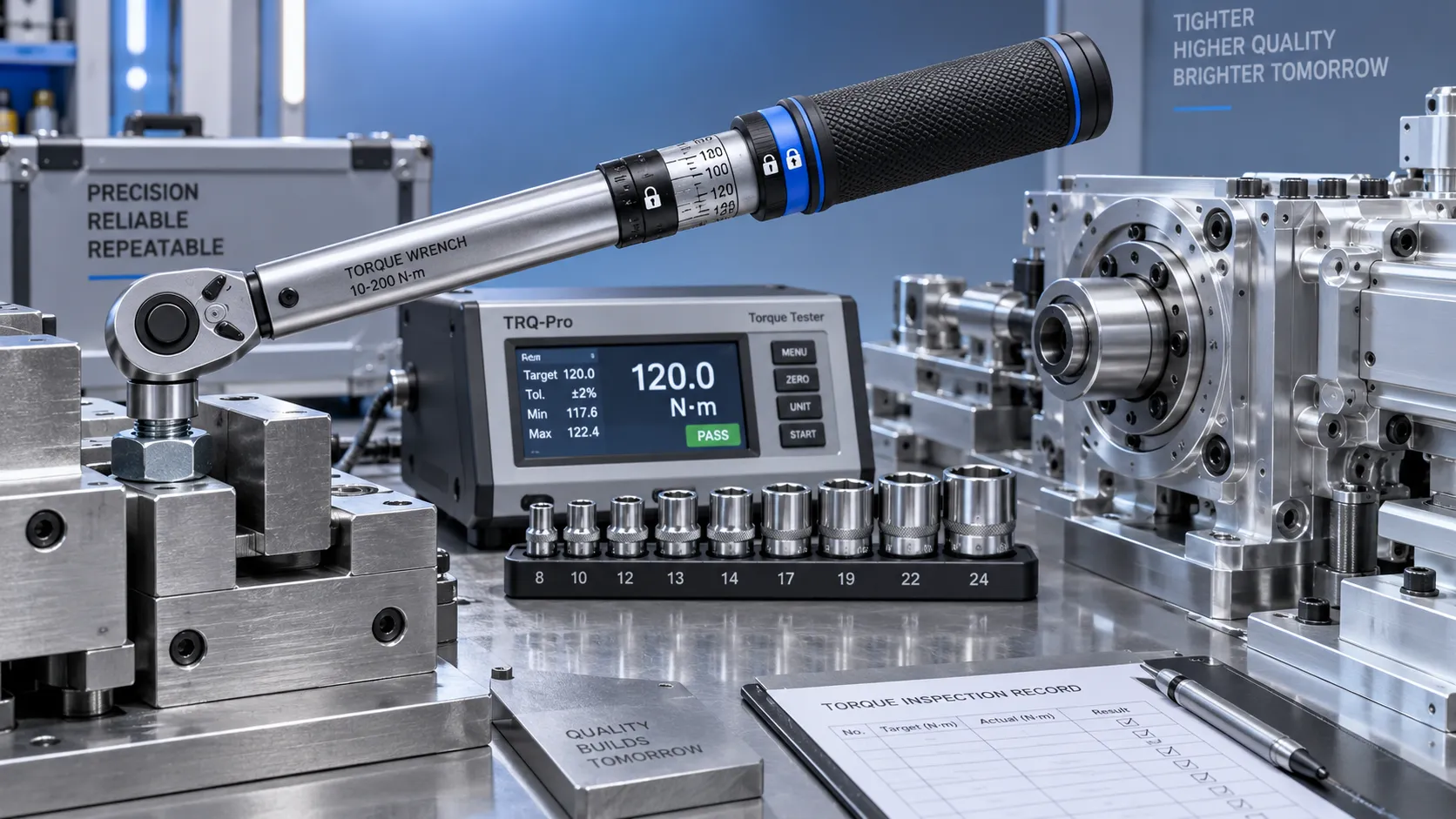
Selecting Adjustable Torque Tools for Repeatable Fastener Assembly
Adjustable torque tools: learn how to match range, accuracy, control methods, calibration, and ergonomics for repeatable, reliable fastener assembly.

How to Select Aerospace Inspection Tools for Aircraft Maintenance Tasks
Aerospace maintenance inspection tools: learn how to select reliable, traceable equipment for aircraft access, accuracy, calibration, and compliant maintenance decisions.

How to Select Wire Bonding Tools for Fine-Pitch Semiconductor Packaging
Explore semiconductor manufacturing tools for wire bonding and learn how to select precision solutions for fine-pitch packaging, reliable loops, accuracy, and yield.
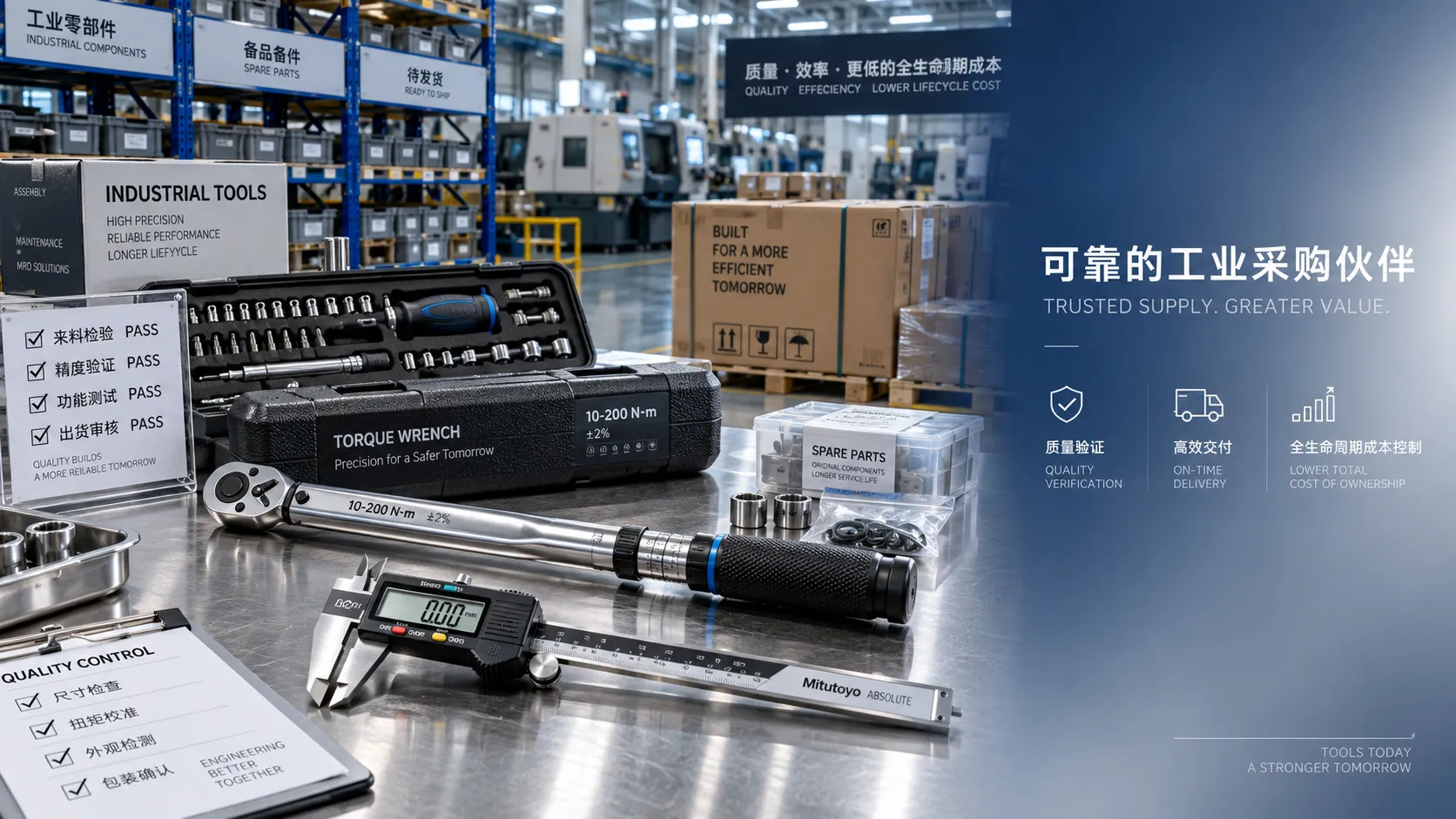
How to Compare Industrial Tool Suppliers for Quality, Lead Time, and Total Cost
Industrial tool selection supplier comparison made simple: evaluate quality, lead times, total cost, service, and supply resilience for confident sourcing decisions.
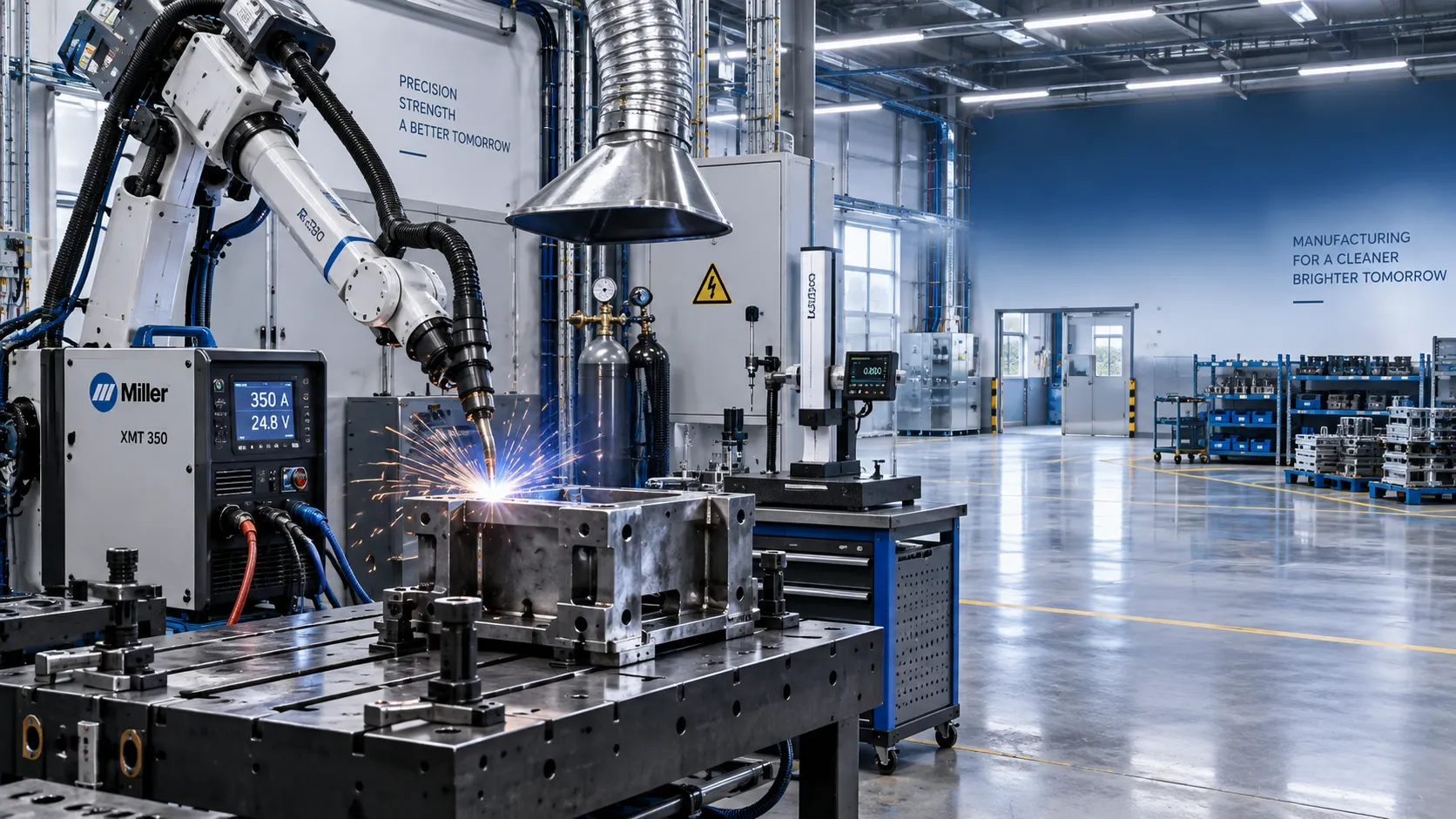
Industrial Equipment Application Guidance: Match Machines to Operating Conditions
Application guidance industrial equipment: match capacity, duty cycle, materials, site conditions, safety, and lifecycle cost to improve reliable output. Read the guide.
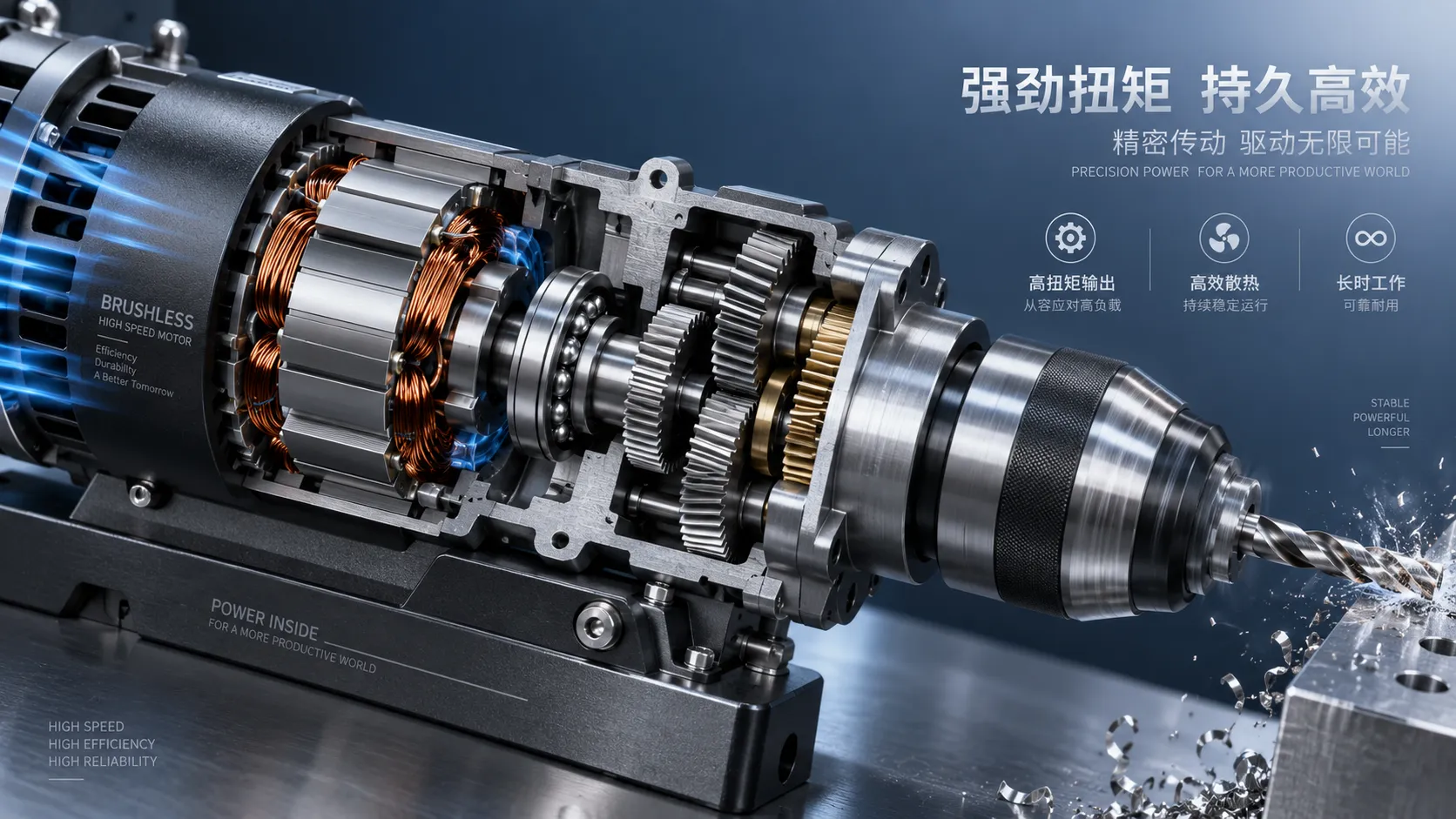
Selecting High-Speed Brushless Tool Motors for Torque, Heat, and Duty Cycle
High speed brushless tool motors: learn how to balance torque, heat, gearing, and duty cycle for reliable industrial tool performance and longer service life.
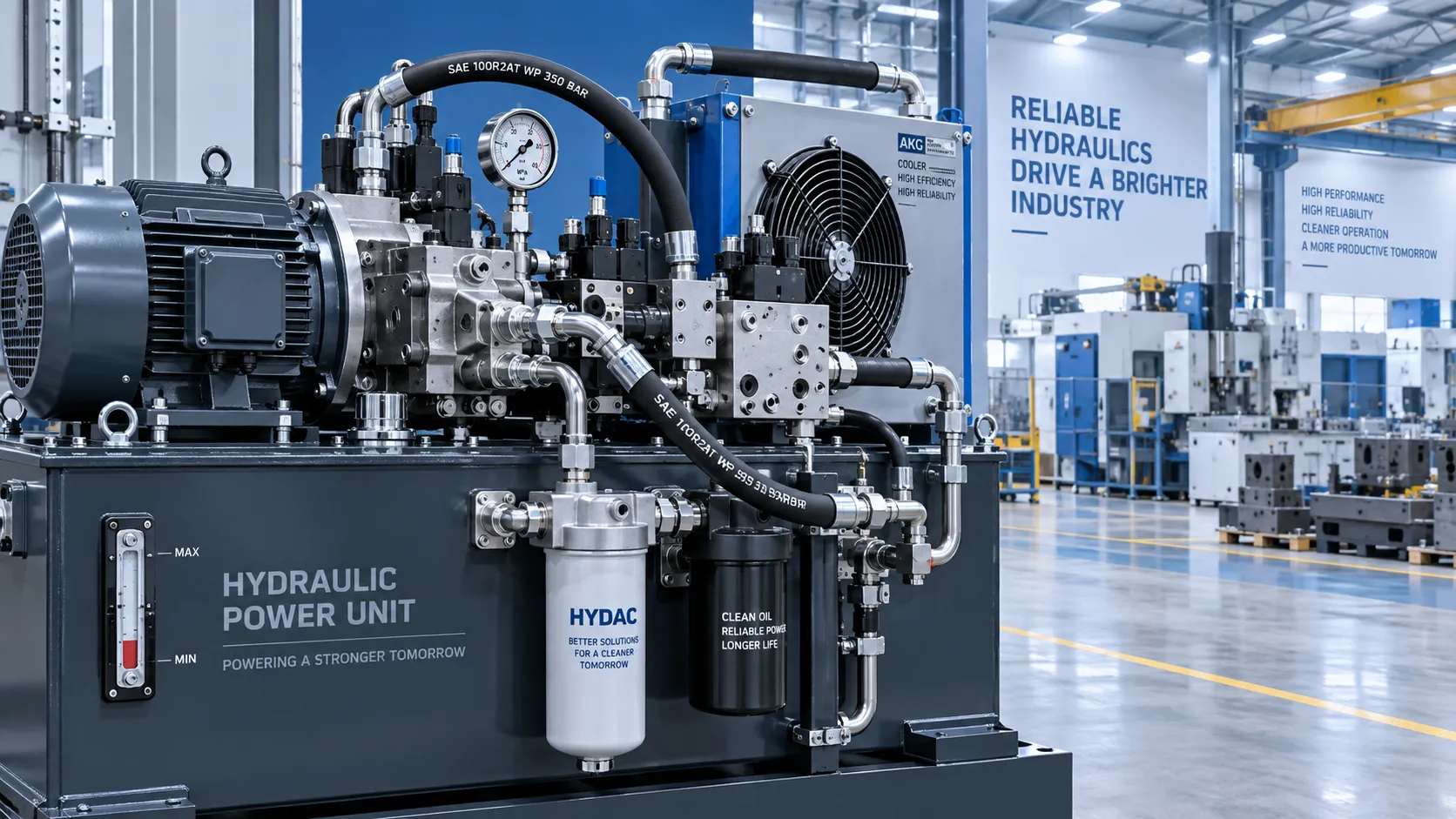
What Determines Industrial Hydraulic System Price for Heavy-Duty Equipment?
Industrial hydraulic system price depends on duty cycle, pressure, components, cooling, and integration. Compare quotes intelligently to secure reliable heavy-duty performance.
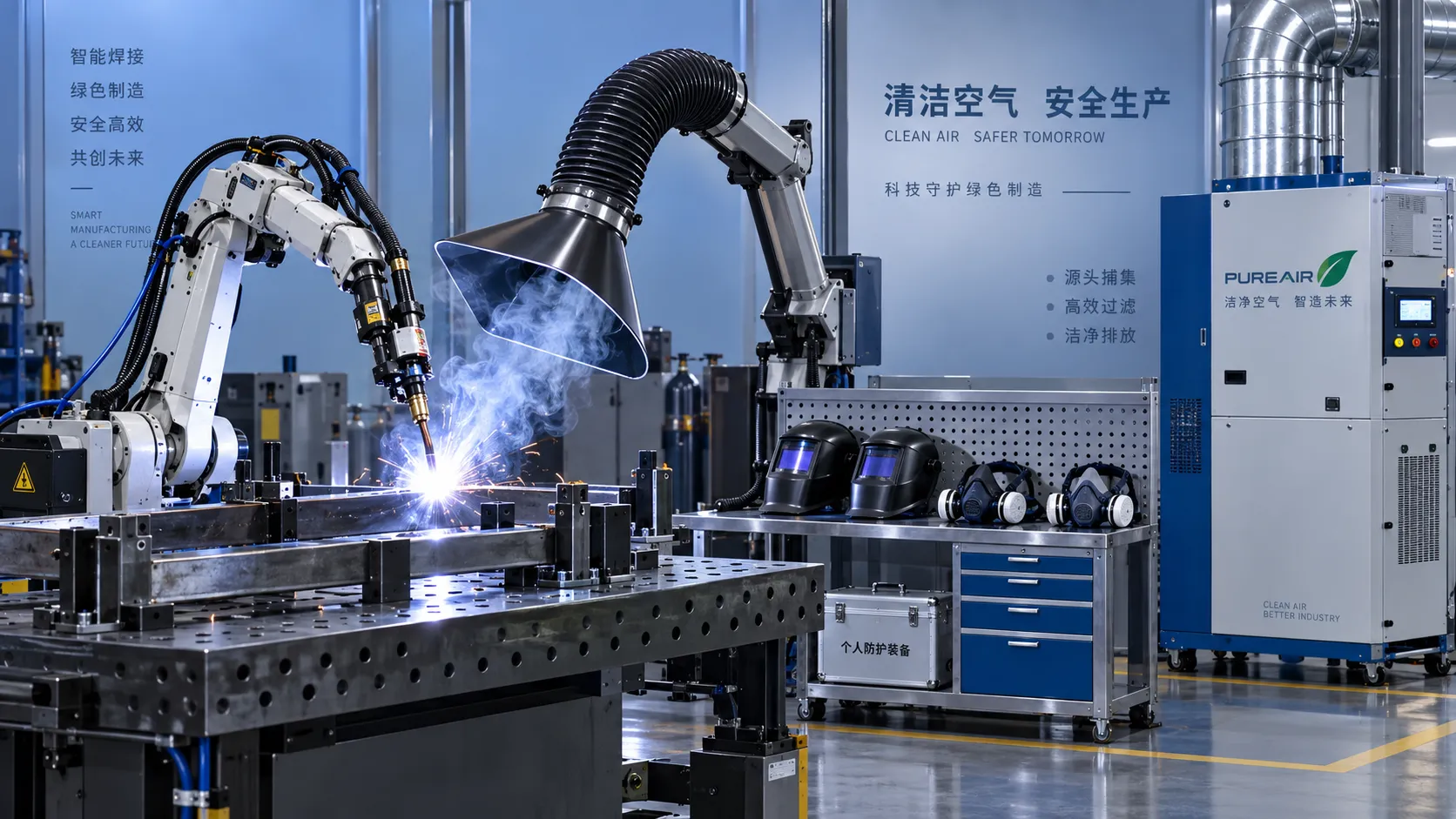
Welding Fume Extraction PPE: When Respirators Are Not Enough for Shop Safety
Welding fume extraction PPE: learn why respirators alone fall short and how source capture, ventilation, and layered controls improve shop safety.

How to Select Optical Metrology Solutions for Tight-Tolerance Manufacturing
Optical industrial metrology solutions for tight-tolerance manufacturing: evaluate accuracy, surface compatibility, workflow, and traceability to select with confidence.
Related News
- 00
0000-00
How Middle East Manufacturers Can Improve Production Efficiency Under Heat and Labor Constraints - 00
0000-00
Why Are Specification-Oriented Articles Gaining Traction in Europe’s B2B Markets? - 00
0000-00
Industrial Solutions in Latin America: Key Growth Sectors and Market Entry Risks - 00
0000-00
What Is Driving Manufacturing Efficiency in Europe’s Industrial Sectors? - 00
0000-00
Industrial Market Trends in 2025: What Buyers Should Watch Across Supply and Demand
Dr. Alistair Vaughn
Weekly Insights
Stay ahead with our curated technology reports delivered every Monday.