
Why power tool efficiency drops faster than expected





Power tool efficiency often falls earlier than expected in workshops, construction sites, repair bays, and fabrication lines. The decline rarely starts with one dramatic failure.
Instead, power tool efficiency slips through heat, vibration, dust, weak batteries, dull accessories, and poor task matching. These small losses compound into slower output, higher energy use, and unplanned interruptions.
For industrial users and technical observers, understanding where power tool efficiency drops is a practical performance issue. It affects labor rhythm, finishing quality, maintenance cost, and equipment replacement timing.
In sectors tracked by GPTWM, this topic also connects with broader trends. Brushless motor limits, ergonomic tool loading, and intelligent torque control all influence real-world tool productivity.
Why the same tool behaves differently across work scenarios
Power tool efficiency is never fixed. A drill that performs well in light assembly may lose output quickly in steel framing, concrete anchoring, or high-cycle maintenance work.
That is why scenario judgment matters. The operating load, material hardness, duty cycle, ambient temperature, and accessory quality all change how fast efficiency declines.
A short task with cooling pauses hides stress. A continuous task exposes it. Users often judge tool condition by feel, while the real losses build inside the motor, gearbox, battery pack, or spindle interface.
From an efficiency intelligence perspective, the key question is not only why power tool efficiency drops, but in which scenario it drops fastest and why.
Scenario 1: Continuous metalworking pushes power tool efficiency down quickly
Grinding, cutting, deburring, and fastening on metal create sustained resistance. The motor must keep torque stable while heat rises in the windings, gearbox, and contact surfaces.
In this setting, power tool efficiency often drops faster than expected because the load stays close to the tool’s upper operating limit. Output falls before a shutdown warning appears.
Core judgment points in metalworking
- Frequent heat spikes near the motor housing
- Visible slowdown under constant pressure
- Discoloration or faster wear on discs and bits
- Inconsistent cut quality or rougher surface finish
When metal chips and abrasive dust enter vents or moving interfaces, cooling performance declines. The tool then consumes more energy to produce less effective work.
Scenario 2: Construction and installation jobs hide early efficiency loss
On mixed-material job sites, tools often alternate between masonry, wood, sheet metal, and anchors. This variety makes power tool efficiency loss harder to detect.
A hammer drill may seem functional because it still runs. Yet reduced impact transfer, worn chucks, or poor bit alignment can add seconds to every hole.
Those extra seconds appear minor during one task. Across dozens of repeats, they become a major productivity drain and increase operator fatigue.
Core judgment points in construction use
- Longer drilling or fastening time per cycle
- More user force needed to maintain progress
- Battery drain accelerating in cold or hot weather
- Higher vibration after repeated impacts
This is a common environment where power tool efficiency drops unnoticed. Material variation masks the fact that the tool itself is losing effective transfer.
Scenario 3: Precision assembly suffers when small efficiency losses affect control
In precision assembly, efficiency is not only speed. It also means torque accuracy, repeatability, reduced rework, and predictable cycle performance.
A driver with declining power tool efficiency may still rotate fast. However, unstable torque delivery can damage threads, loosen clamping consistency, or force extra inspection.
This scenario matters in electronics, light industrial assembly, maintenance benches, and calibrated fastening environments. Here, hidden losses reduce process confidence before visible breakdown appears.
Core judgment points in precision work
- Higher torque scatter between cycles
- More re-tightening or correction steps
- Reduced battery consistency near shift end
- Noticeable drift in bit seating or clutch response
Scenario 4: Maintenance and repair tasks accelerate hidden wear patterns
Maintenance work often involves awkward angles, intermittent starts, corroded fasteners, and uncertain material conditions. These factors stress tools in irregular ways.
Power tool efficiency declines quickly here because the tool repeatedly shifts between low load and sudden resistance. That shock pattern increases mechanical wear.
When seized fasteners or contaminated surfaces are common, accessories take more abuse. A worn socket, bit, or blade lowers transfer efficiency even if the motor remains healthy.
What causes power tool efficiency to drop faster than expected
Across these scenarios, several causes appear repeatedly. They often interact, which is why power tool efficiency can fall much sooner than service schedules suggest.
1. Heat buildup beyond normal thermal design
Heat increases electrical resistance, weakens lubrication, and shortens component life. Even efficient brushless systems lose performance when cooling paths are blocked or duty cycles are excessive.
2. Worn or mismatched accessories
A dull blade, poor-quality bit, or wrong disc diameter forces the tool to work harder. The user often mistakes accessory loss for motor weakness.
3. Battery degradation and voltage sag
Cordless systems are highly sensitive to battery health. Aging cells deliver less stable current under load, which reduces torque consistency and lowers practical power tool efficiency.
4. Dust, chips, moisture, and contamination
Industrial environments contaminate vents, switches, bearings, and gear interfaces. Contamination raises friction and heat while reducing cooling and control response.
5. Overloading beyond task fit
Using a compact tool for heavy-duty repetition may seem economical. In reality, task mismatch is one of the fastest ways to reduce power tool efficiency and shorten service life.
How scenario needs differ when evaluating power tool efficiency
Practical suggestions for better scenario fit
Improving power tool efficiency does not always require new equipment. Better matching, cleaner operation, and simple monitoring often recover a large share of lost output.
- Separate light-duty and heavy-duty task assignments.
- Track cycle time changes, not just failure events.
- Replace worn consumables before they distort load patterns.
- Clean vents, chucks, and interfaces on a fixed schedule.
- Store batteries within recommended temperature ranges.
- Use metrology-based checks for torque-critical tasks.
- Review whether repeated overheating signals undersized tooling.
Common misjudgments that make efficiency loss worse
One frequent mistake is waiting for total failure. Power tool efficiency usually declines long before a tool stops running, so hidden losses continue consuming time and energy.
Another mistake is blaming the tool alone. Batteries, chargers, bits, discs, lubrication, and even operator pressure patterns all influence effective performance.
A third misjudgment is treating all environments the same. Dust-heavy fabrication, outdoor installation, and torque-sensitive assembly each need different efficiency checks.
Finally, low-cost accessories can create expensive inefficiency. They often increase heat, reduce transfer accuracy, and mask the true source of declining productivity.
Next steps for diagnosing power tool efficiency in real operations
Start with one repetitive task and record actual cycle time, battery duration, surface quality, and accessory wear. Compare those numbers across similar shifts and materials.
Then identify whether losses come from heat, task mismatch, contamination, or consumables. This scenario-based method is faster than replacing tools without evidence.
For operations following industrial intelligence trends, the goal is clear. Better visibility into power tool efficiency supports smarter maintenance, steadier output, and stronger equipment value over time.
As GPTWM continues tracking brushless motor limits, ergonomic loading, and precision control systems, scenario-focused evaluation remains the most practical way to protect tool performance.
Related News
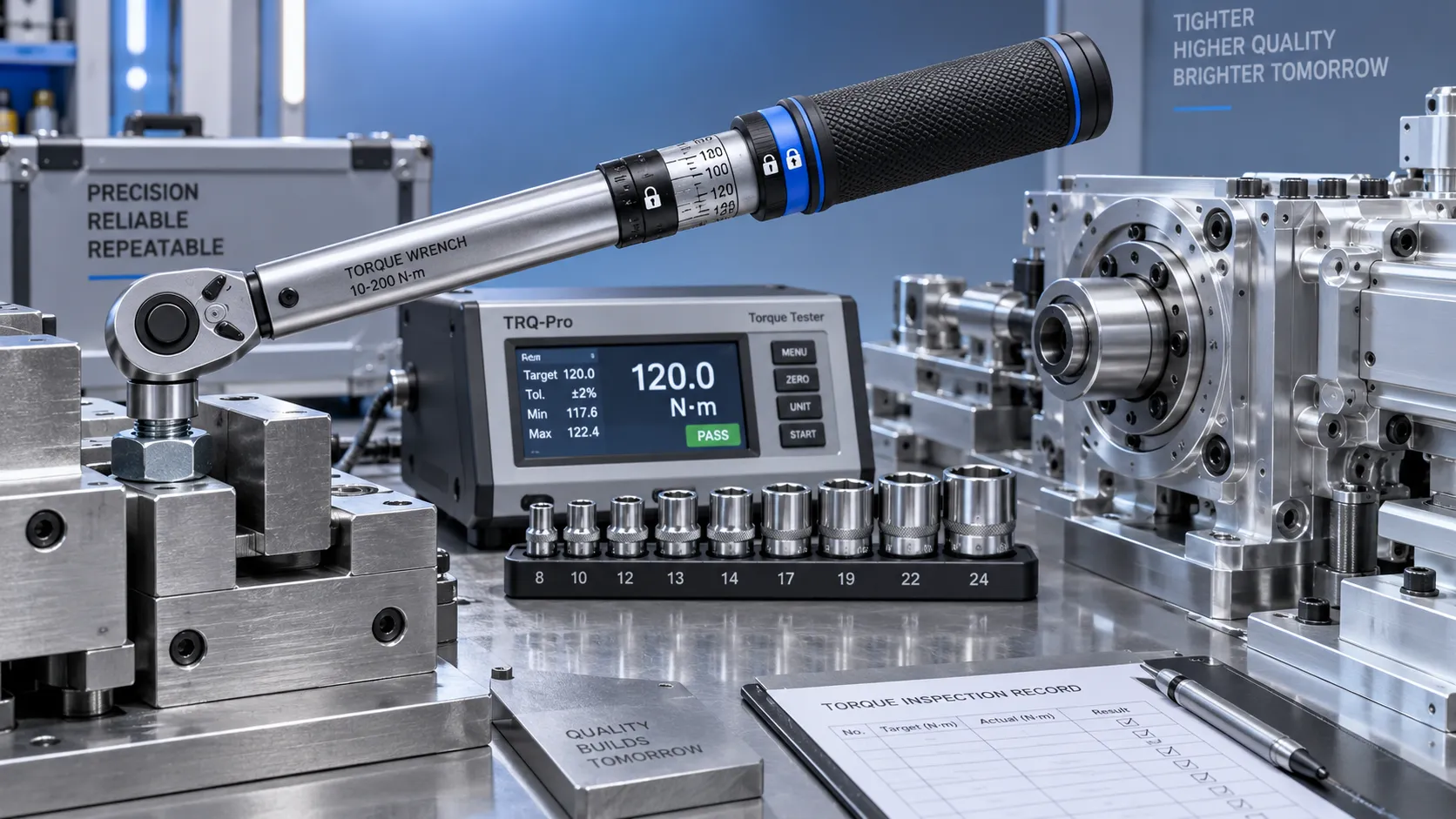
Selecting Adjustable Torque Tools for Repeatable Fastener Assembly
Adjustable torque tools: learn how to match range, accuracy, control methods, calibration, and ergonomics for repeatable, reliable fastener assembly.

How to Select Aerospace Inspection Tools for Aircraft Maintenance Tasks
Aerospace maintenance inspection tools: learn how to select reliable, traceable equipment for aircraft access, accuracy, calibration, and compliant maintenance decisions.

How to Select Wire Bonding Tools for Fine-Pitch Semiconductor Packaging
Explore semiconductor manufacturing tools for wire bonding and learn how to select precision solutions for fine-pitch packaging, reliable loops, accuracy, and yield.
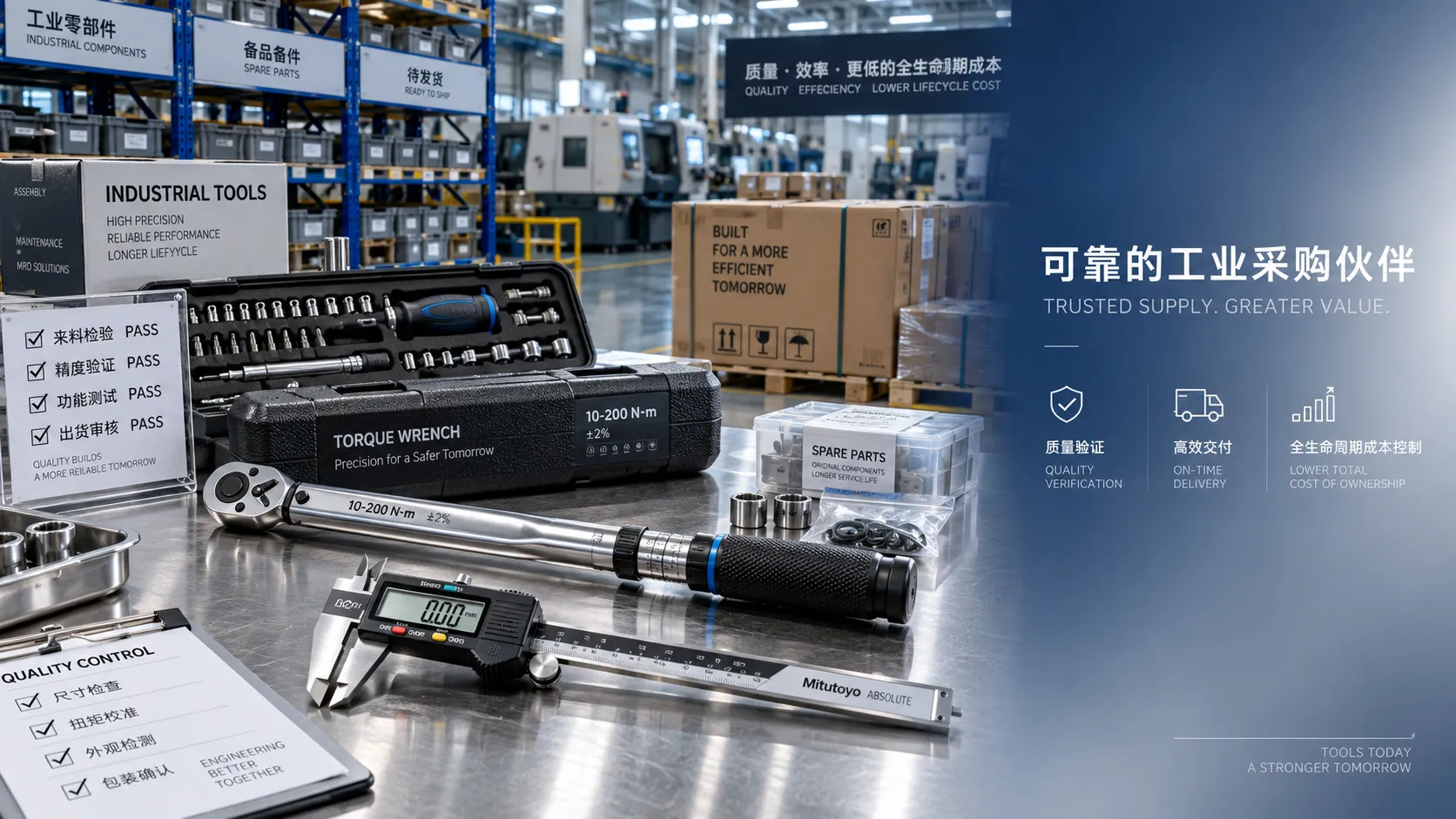
How to Compare Industrial Tool Suppliers for Quality, Lead Time, and Total Cost
Industrial tool selection supplier comparison made simple: evaluate quality, lead times, total cost, service, and supply resilience for confident sourcing decisions.
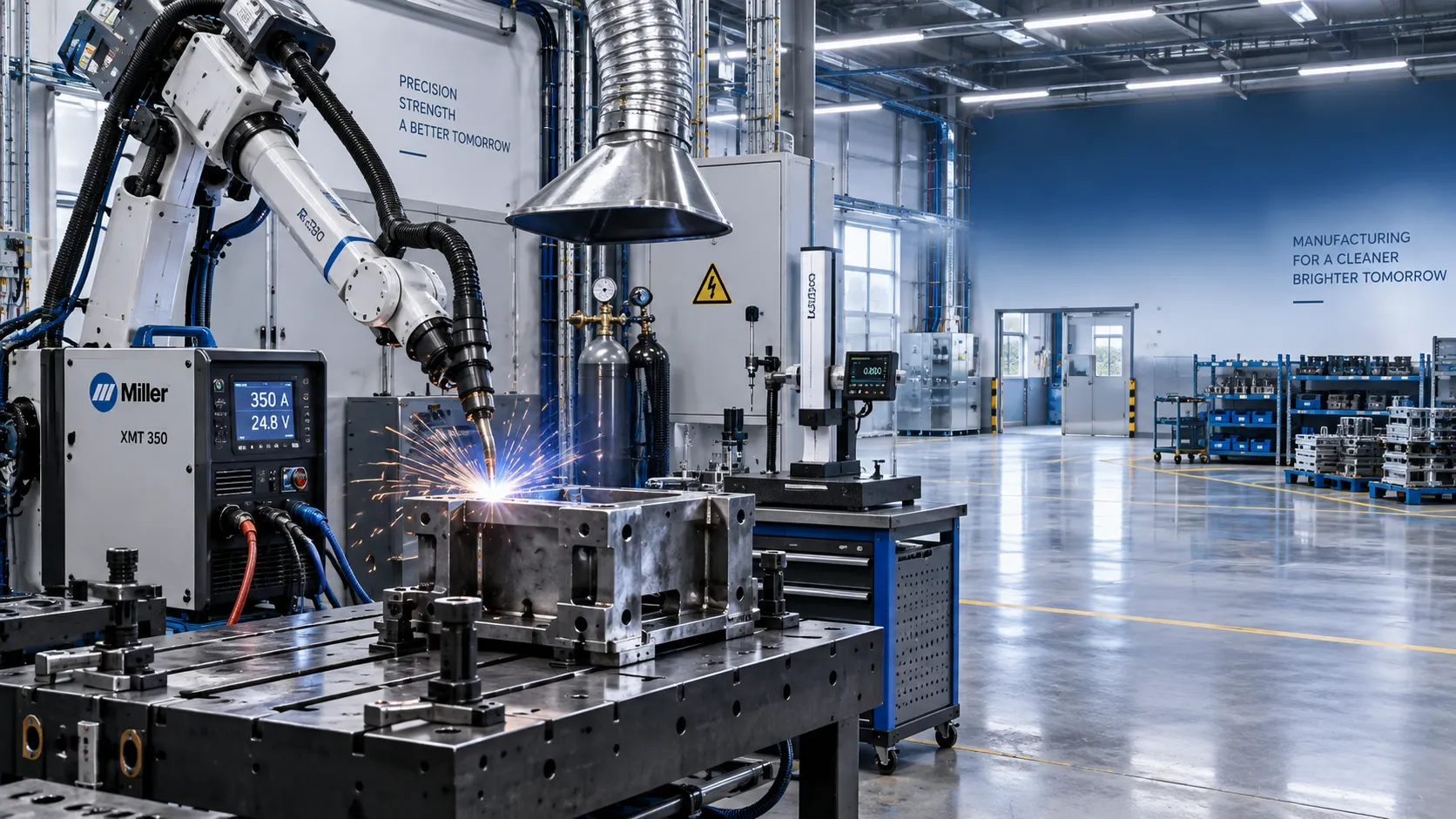
Industrial Equipment Application Guidance: Match Machines to Operating Conditions
Application guidance industrial equipment: match capacity, duty cycle, materials, site conditions, safety, and lifecycle cost to improve reliable output. Read the guide.
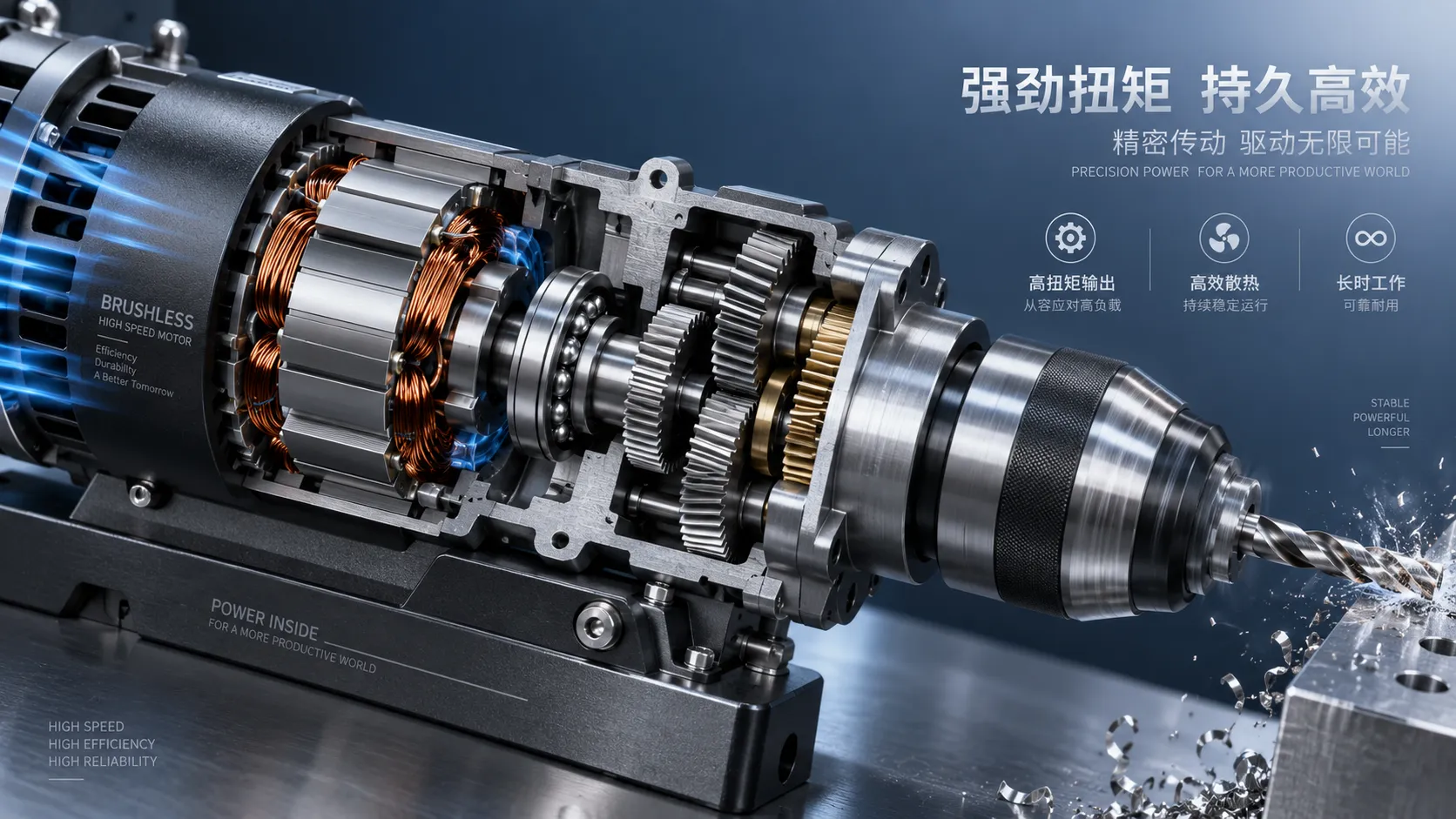
Selecting High-Speed Brushless Tool Motors for Torque, Heat, and Duty Cycle
High speed brushless tool motors: learn how to balance torque, heat, gearing, and duty cycle for reliable industrial tool performance and longer service life.
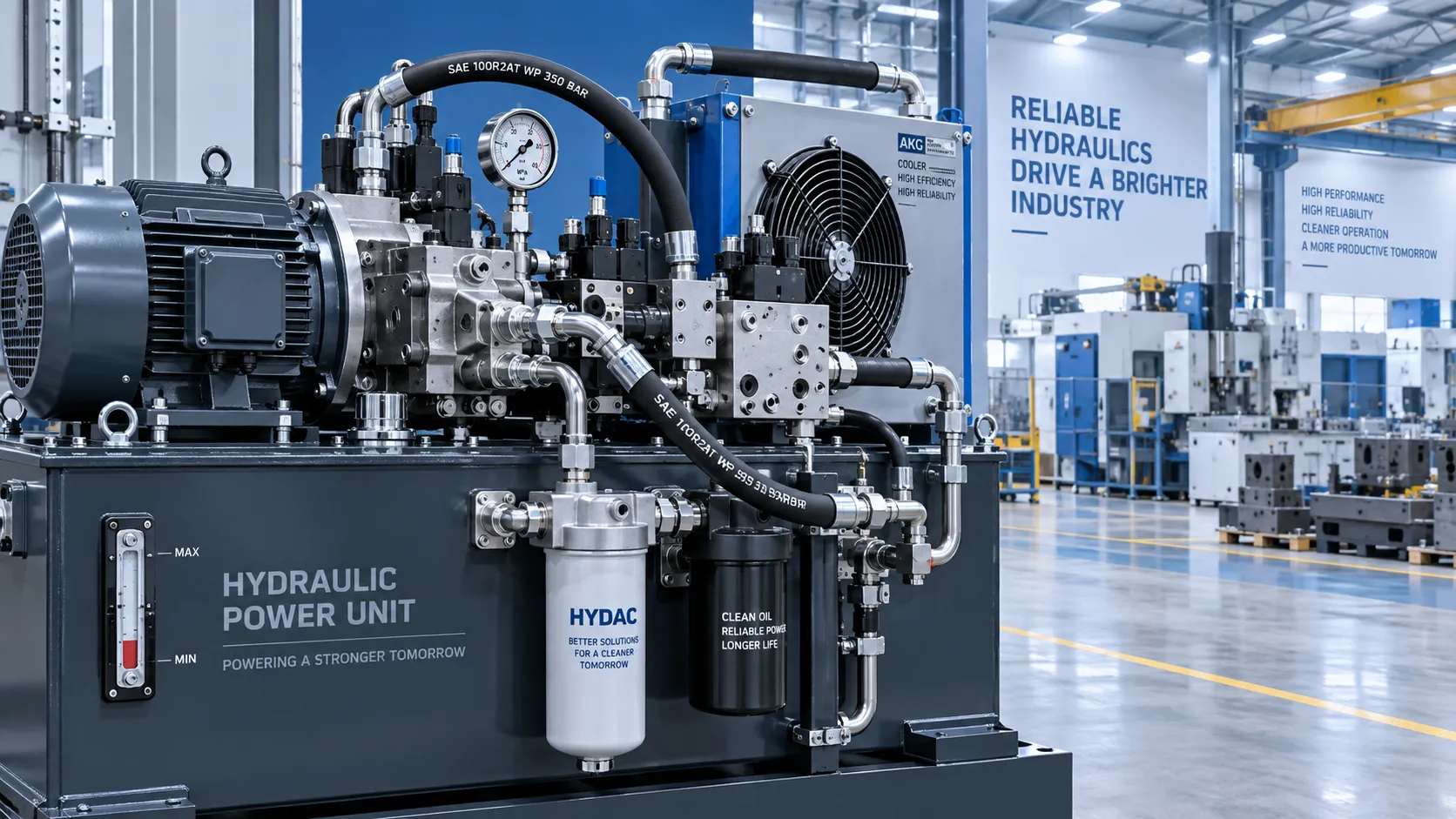
What Determines Industrial Hydraulic System Price for Heavy-Duty Equipment?
Industrial hydraulic system price depends on duty cycle, pressure, components, cooling, and integration. Compare quotes intelligently to secure reliable heavy-duty performance.
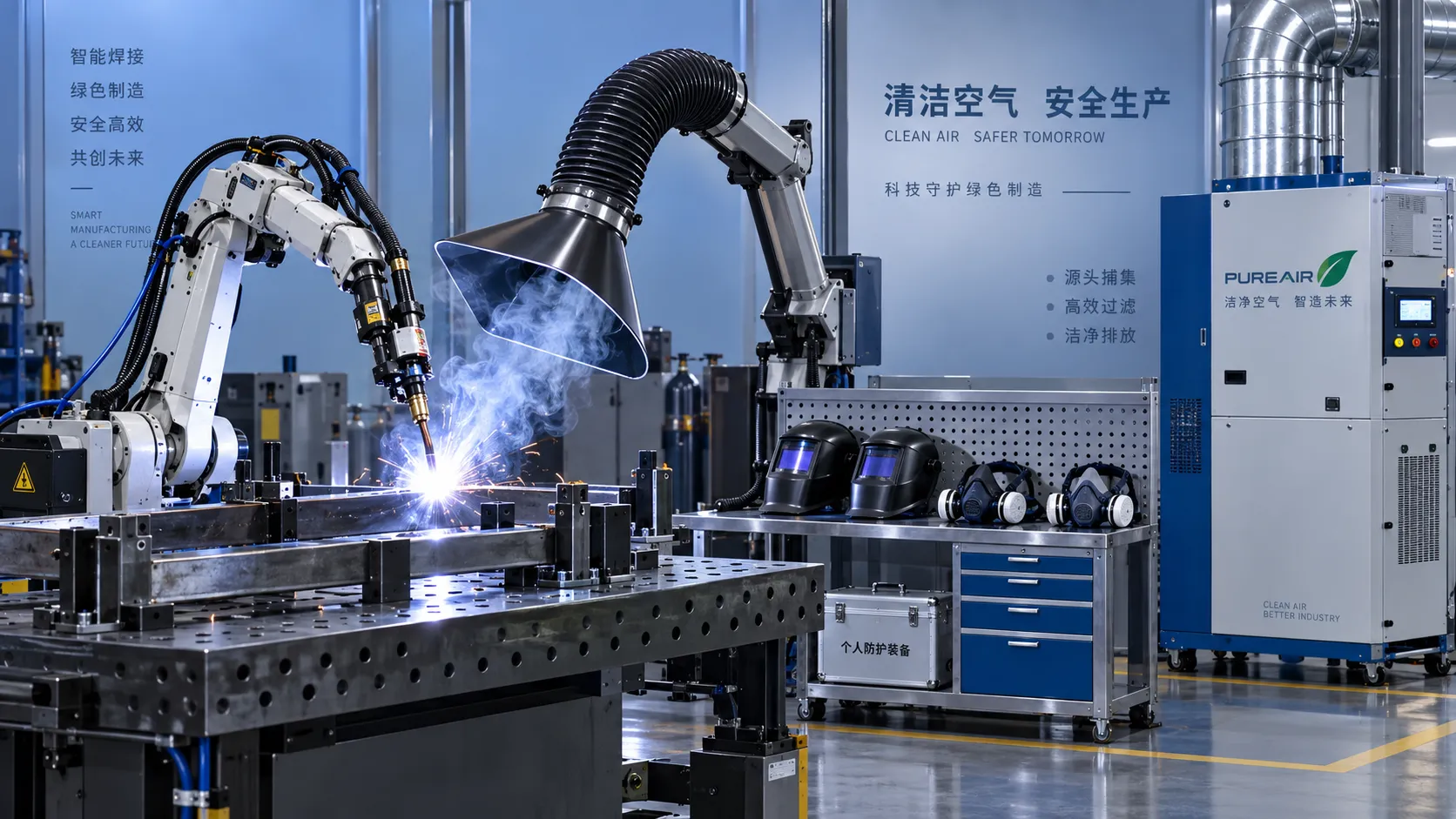
Welding Fume Extraction PPE: When Respirators Are Not Enough for Shop Safety
Welding fume extraction PPE: learn why respirators alone fall short and how source capture, ventilation, and layered controls improve shop safety.

How to Select Optical Metrology Solutions for Tight-Tolerance Manufacturing
Optical industrial metrology solutions for tight-tolerance manufacturing: evaluate accuracy, surface compatibility, workflow, and traceability to select with confidence.
Related News
- 00
0000-00
How to Select Battery Assembly Tools for Torque Control and High-Volume Production - 00
0000-00
How Battery, Torque, and Duty Cycle Affect Cordless Power Tool Efficiency - 00
0000-00
How to Size High-Torque Tool Motors for Continuous-Duty Assembly Lines - 00
0000-00
How to Choose 24V Brushless Tool Motors for Torque, Runtime, and Duty Cycle? - 00
0000-00
Automotive Repair Tools List: What Every Workshop Needs for Daily Service Jobs
Electro-Mech Tool Designer
Weekly Insights
Stay ahead with our curated technology reports delivered every Monday.