
Aerospace tools pricing: what still drives premium costs





Why aerospace tools still hold premium pricing power
Why do aerospace tools still command premium prices even as supply chains stabilize and manufacturing scales up? For industrial markets, the answer sits in performance risk, compliance burden, and lifecycle economics.
Unlike general industrial tools, aerospace tools operate inside regulated maintenance, assembly, inspection, and repair environments. A small deviation can affect safety, traceability, downtime, and audit exposure.
That is why aerospace tools pricing remains structurally higher. The premium is not only about steel, coatings, or electronics. It is about validated reliability across the full service life.
For the wider industrial ecosystem, understanding these cost drivers improves sourcing discipline, channel positioning, and long-term margin planning. It also helps separate real value from inflated quotations.
Why a structured review matters before comparing aerospace tools prices
Aerospace tools pricing often looks inconsistent across brands, regions, and categories. Two products may appear similar, yet differ sharply in tolerance control, approval pathways, and calibration stability.
A structured review prevents decisions based only on unit cost. It brings hidden cost drivers into view, especially where documentation, requalification, and failure consequences are more expensive than procurement itself.
This approach is also useful across adjacent sectors. Automotive, energy, rail, and defense programs increasingly borrow aerospace-grade expectations for precision, traceability, and operator safety.
Key points that still drive premium costs in aerospace tools
- Certification requirements add cost through testing, documentation, approvals, and periodic renewal, especially when aerospace tools must align with regulated repair or assembly procedures.
- Tighter tolerances require advanced machining, precision metrology, and stricter quality gates, raising scrap risk, inspection time, and production complexity across every batch.
- Material selection often prioritizes fatigue resistance, corrosion control, weight reduction, and thermal stability, which increases sourcing difficulty and processing cost.
- Low production volumes limit economies of scale, so engineering, tooling, and compliance overhead are spread across fewer units than standard industrial tools.
- Calibration integrity matters because aerospace tools must deliver repeatable results over long service intervals, often under strict recordkeeping and audit expectations.
- Traceability systems raise cost by linking components, serial numbers, test histories, and service records to controlled maintenance environments and regulated workflows.
- Failure liability is far higher in aviation applications, so suppliers build in stronger validation, warranty support, and conservative design margins.
- Ergonomic and safety features can be expensive when they must reduce foreign object damage risk, prevent slippage, and perform reliably in confined aircraft spaces.
- After-sales technical support adds value through recalibration, repair, parts continuity, and procedural guidance, all of which influence premium aerospace tools pricing.
- Export controls and regional standards can limit sourcing flexibility, extending lead times and increasing inventory buffers for critical aerospace tools categories.
1) Certification is a cost center, not a label
In aerospace tools, certification goes beyond a marketing claim. It often requires controlled material records, process validation, test reports, and documented conformity to customer or authority expectations.
Those systems consume engineering time and administrative effort. They also reduce supplier flexibility when design changes, substitutions, or process updates require revalidation.
2) Precision tolerances raise every downstream cost
Premium aerospace tools are expected to perform consistently under repeat use. That means dimensional control, torque accuracy, jaw alignment, and measurement repeatability must remain within narrow limits.
Maintaining that consistency demands better machines, better gauges, more inspections, and more rejected parts. The result is higher unit cost even before packaging or distribution.
3) Reliability over lifecycle matters more than purchase price
Aerospace tools are often priced around total service value, not entry price. Buyers are paying for predictable calibration cycles, lower failure rates, and fewer interruptions during maintenance operations.
This lifecycle logic is especially strong where downtime is expensive. A tool that lasts longer and stays in tolerance can justify a much higher initial quotation.
How premium cost drivers change by application
Assembly and torque control
For assembly tools, torque accuracy, digital traceability, and repeatability often dominate pricing. Tools linked to controlled fastening procedures usually cost more than visually similar alternatives.
Where smart torque systems are used, software validation, connectivity security, and data retention also become part of the aerospace tools value equation.
Inspection and metrology
In metrology, the premium comes from accuracy retention, calibration traceability, and environmental stability. Measurement tools for aerospace work must hold confidence across temperature changes and repeated use.
That pushes investment into sensor quality, reference standards, and tighter quality assurance. In this segment, cheap substitutions create hidden rework risk.
MRO and field maintenance
For maintenance applications, aerospace tools often include portability, anti-drop design, corrosion resistance, and compatibility with confined access points. These features are specialized and rarely low cost.
Field conditions also increase the value of durability. A tool that resists contamination and accidental damage can protect service schedules more effectively than a lower-priced option.
Metal joining and repair operations
Where joining tools or repair equipment are involved, premium costs may come from process consistency, safety controls, and operator qualification support.
This is where broader industrial insight matters. GPTWM closely tracks welding safety, intelligent controls, and precision joining trends that increasingly influence aerospace tools selection.
Commonly overlooked items that distort aerospace tools price comparisons
Calibration support availability
A lower quote may exclude local recalibration, turnaround guarantees, or accredited service partners. That gap can quickly erase any apparent savings.
Documentation depth
Aerospace tools often require records beyond a standard certificate. Missing serial traceability, conformity statements, or maintenance instructions can create approval friction later.
Spare parts continuity
Premium pricing sometimes reflects long-term parts support. Without it, a tool may become disposable after one failure, raising total cost over time.
Training and implementation burden
Advanced aerospace tools can require setup, software onboarding, or procedural alignment. If that effort is not included, true deployment cost remains understated.
Regional compliance and logistics exposure
Import restrictions, export controls, and special packaging rules can materially change the landed cost of aerospace tools in cross-border channels.
Practical steps for evaluating aerospace tools without oversimplifying price
- Define the exact use case first, including tolerance needs, service environment, documentation requirements, and expected recalibration intervals.
- Request a full compliance package, not only a quotation, so hidden approval or traceability gaps appear early.
- Compare lifecycle cost across service, spare parts, failure risk, and downtime impact rather than using unit price alone.
- Check whether local support exists for calibration, repairs, software updates, and urgent replacement needs.
- Assess whether a premium aerospace tools specification is truly required or whether an adjacent industrial grade can satisfy the application.
Final perspective on what still drives aerospace tools premiums
Aerospace tools remain expensive because their cost base is built on assurance, not appearance. Certification, precision, traceability, durability, and support all keep premiums structurally intact.
For industrial decision-making, the smartest move is to test every quotation against application risk, lifecycle value, and compliance depth. That is where real pricing logic becomes visible.
GPTWM’s intelligence model is designed for exactly this kind of evaluation. By connecting tool design, metrology, welding technology, and market signals, it helps reveal where premium aerospace tools pricing is justified and where it is not.
The next step is simple: build a comparison sheet using the points above, then review suppliers on validation strength, service continuity, and total operational impact before acting on price.
Related News
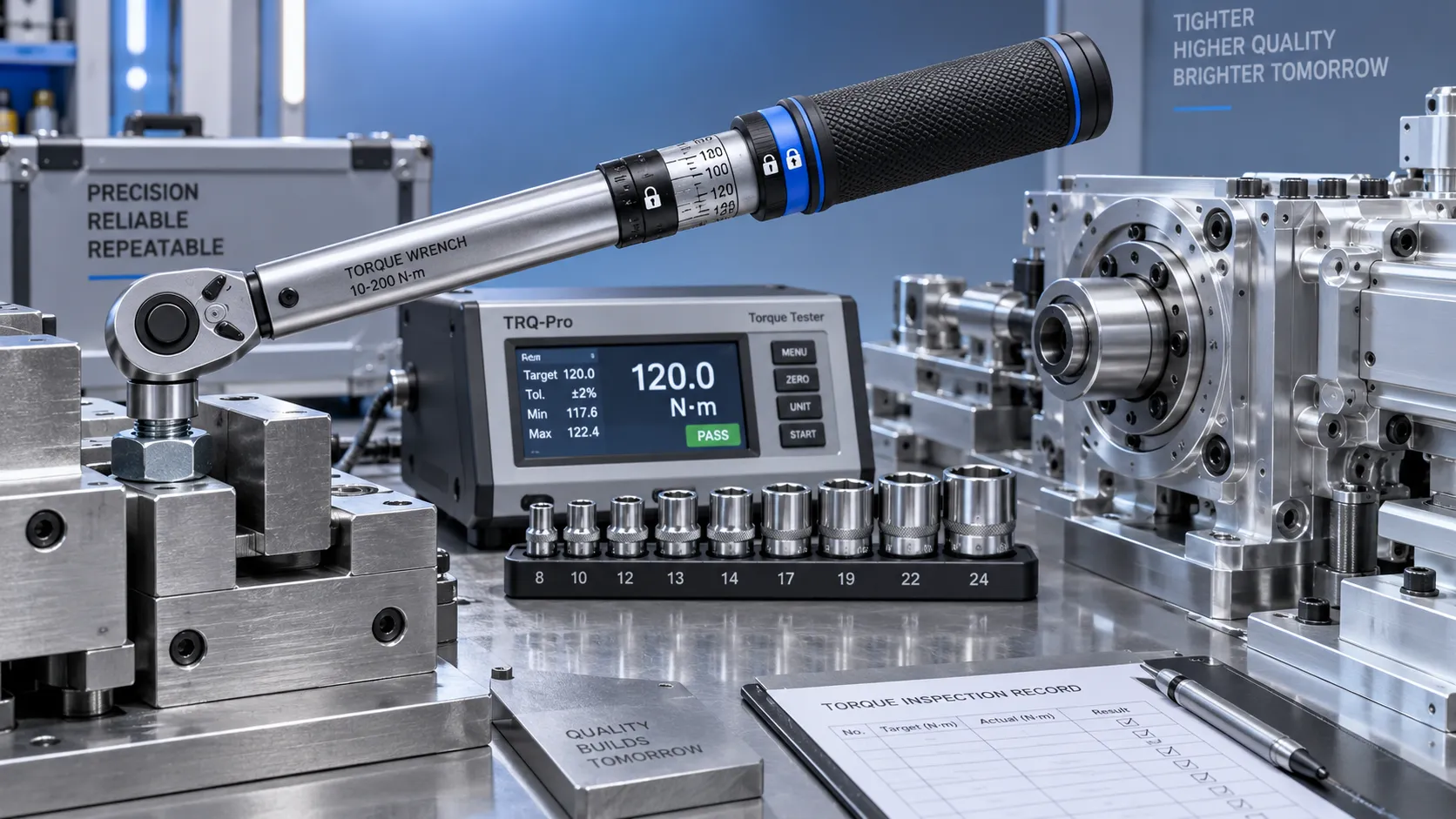
Selecting Adjustable Torque Tools for Repeatable Fastener Assembly
Adjustable torque tools: learn how to match range, accuracy, control methods, calibration, and ergonomics for repeatable, reliable fastener assembly.

How to Select Aerospace Inspection Tools for Aircraft Maintenance Tasks
Aerospace maintenance inspection tools: learn how to select reliable, traceable equipment for aircraft access, accuracy, calibration, and compliant maintenance decisions.

How to Select Wire Bonding Tools for Fine-Pitch Semiconductor Packaging
Explore semiconductor manufacturing tools for wire bonding and learn how to select precision solutions for fine-pitch packaging, reliable loops, accuracy, and yield.
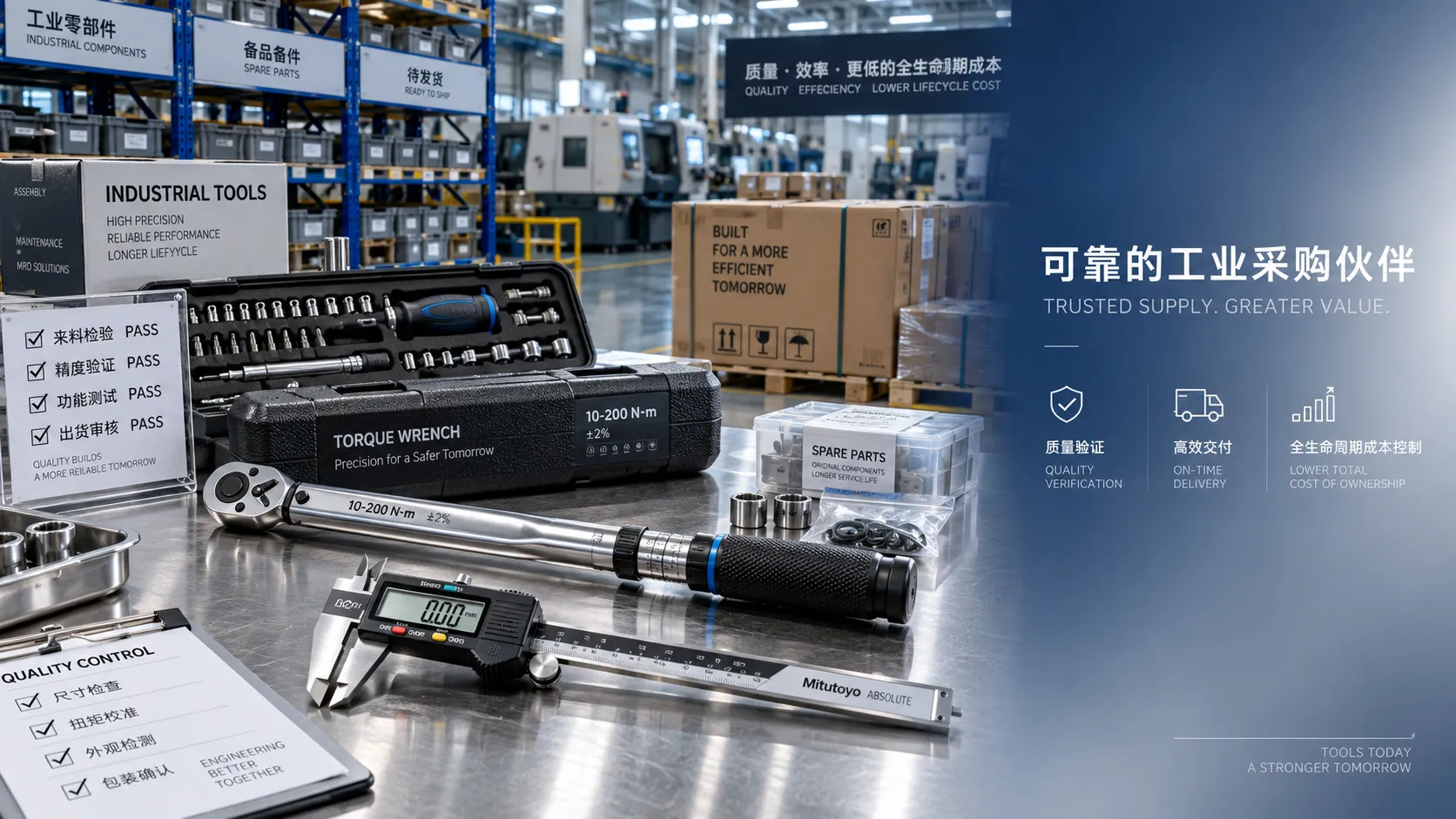
How to Compare Industrial Tool Suppliers for Quality, Lead Time, and Total Cost
Industrial tool selection supplier comparison made simple: evaluate quality, lead times, total cost, service, and supply resilience for confident sourcing decisions.
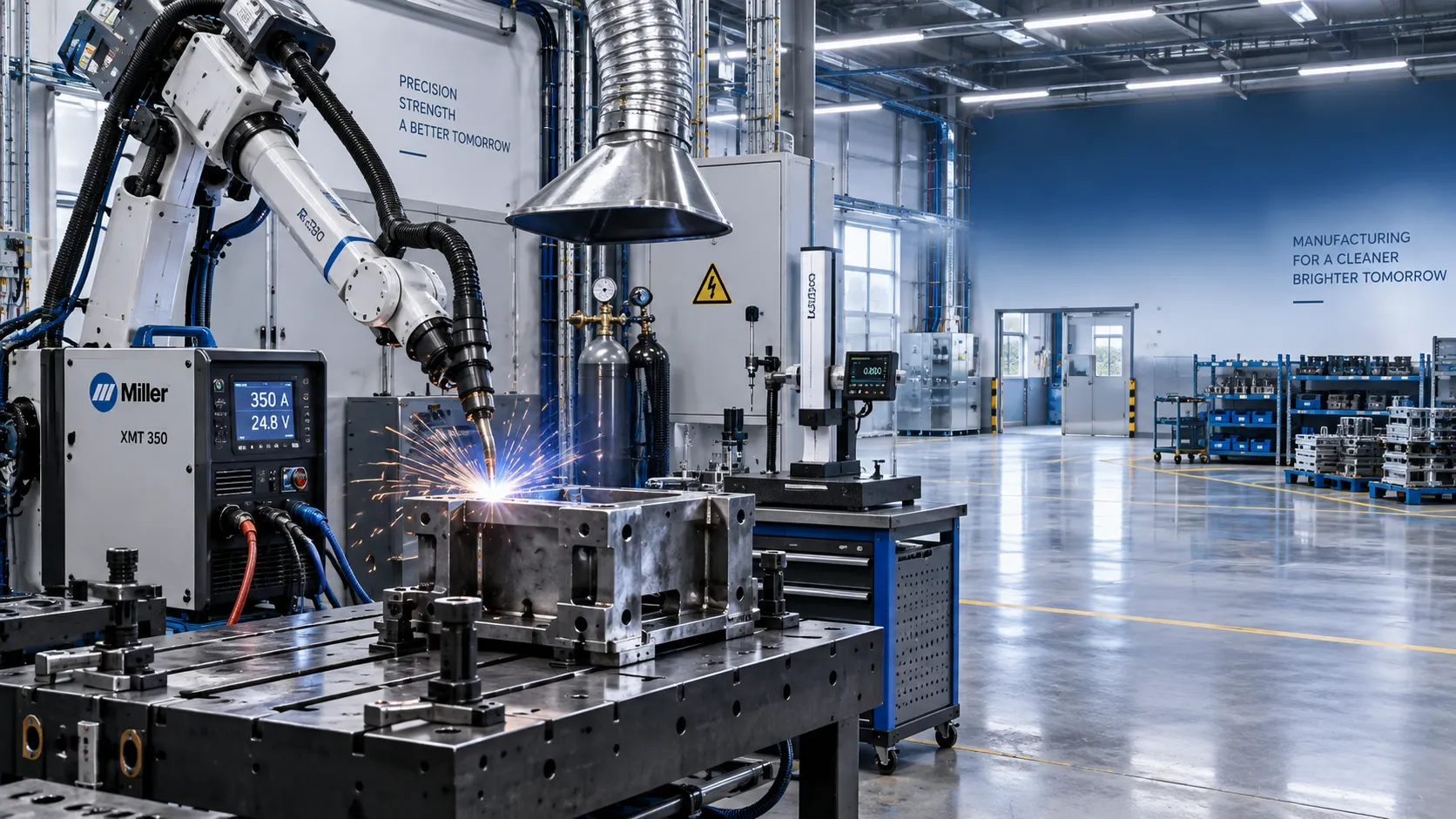
Industrial Equipment Application Guidance: Match Machines to Operating Conditions
Application guidance industrial equipment: match capacity, duty cycle, materials, site conditions, safety, and lifecycle cost to improve reliable output. Read the guide.
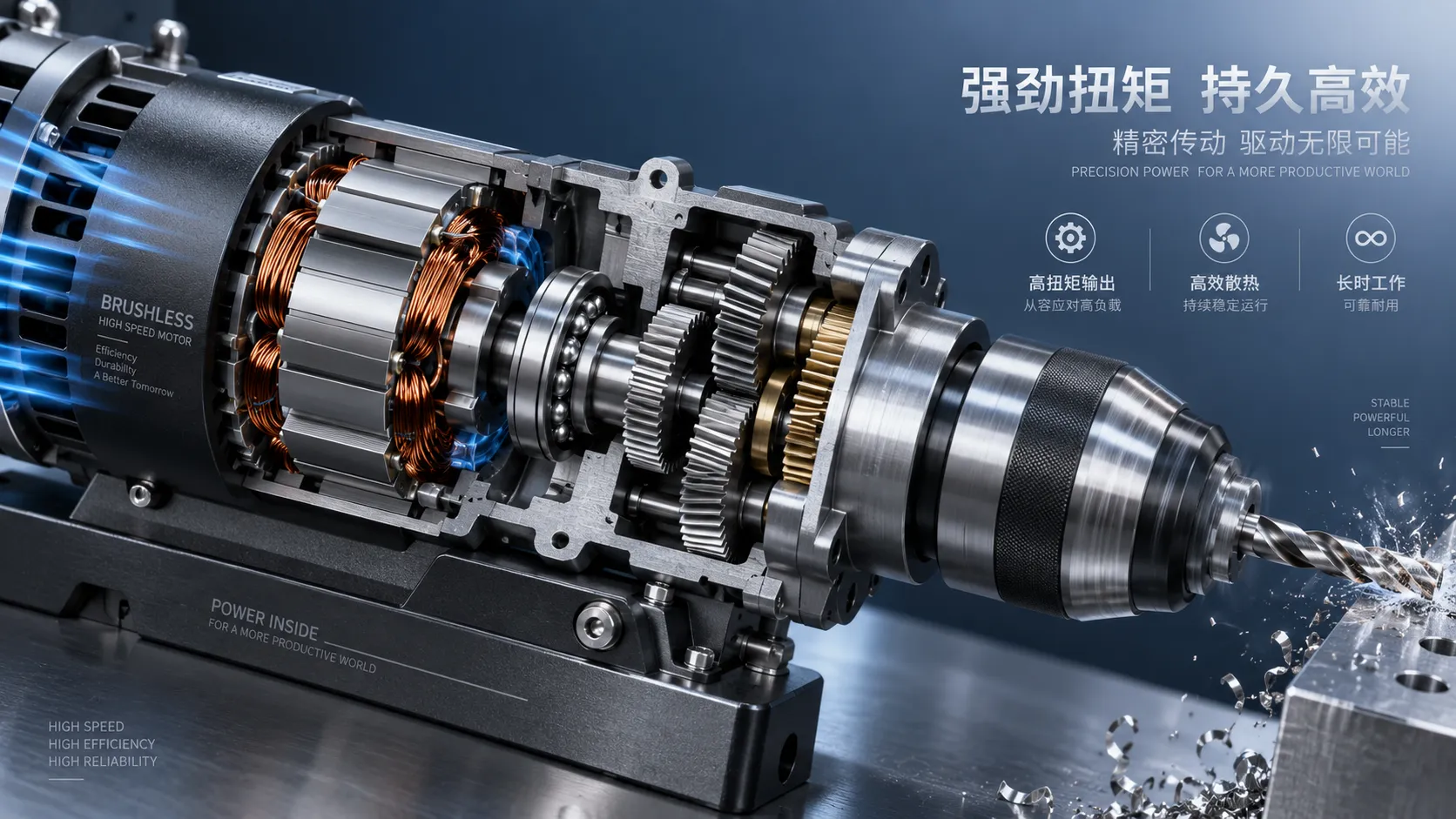
Selecting High-Speed Brushless Tool Motors for Torque, Heat, and Duty Cycle
High speed brushless tool motors: learn how to balance torque, heat, gearing, and duty cycle for reliable industrial tool performance and longer service life.
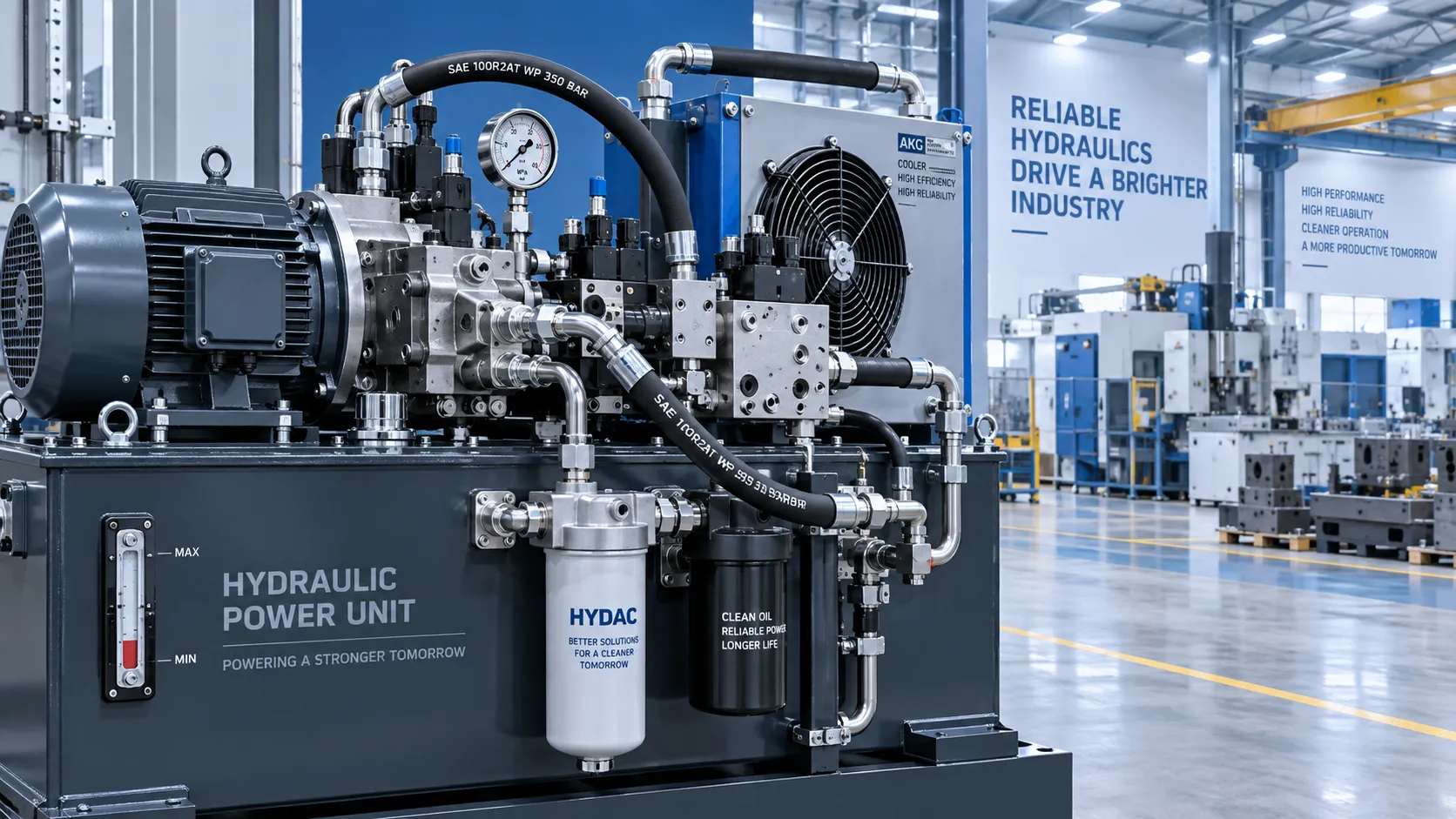
What Determines Industrial Hydraulic System Price for Heavy-Duty Equipment?
Industrial hydraulic system price depends on duty cycle, pressure, components, cooling, and integration. Compare quotes intelligently to secure reliable heavy-duty performance.

Welding Fume Extraction PPE: When Respirators Are Not Enough for Shop Safety
Welding fume extraction PPE: learn why respirators alone fall short and how source capture, ventilation, and layered controls improve shop safety.

How to Select Optical Metrology Solutions for Tight-Tolerance Manufacturing
Optical industrial metrology solutions for tight-tolerance manufacturing: evaluate accuracy, surface compatibility, workflow, and traceability to select with confidence.
Related News
- 00
0000-00
Why Data-Driven Intelligence Costs Are Reshaping Enterprise Automation Budgets - 00
0000-00
What Does Data-Driven Intelligence Cost? Budgeting for Data, Tools, and Talent - 00
0000-00
What Determines Metrology Technology Prices for Factory Inspection Systems? - 00
0000-00
Welding Tools Price Guide: What Affects Cost and How Buyers Can Compare Options - 00
0000-00
What Drives Industrial Tools Cost? A Buyer’s Guide to Materials, Volume, and Lifecycle Expenses
Ms. Elena Rodriguez
Weekly Insights
Stay ahead with our curated technology reports delivered every Monday.