
Industrial automation upgrades that pay off first





For business decision-makers, industrial automation is no longer a distant goal. It is a direct route to faster payback, better uptime, and stronger production discipline.
The smartest first moves in industrial automation usually solve visible pain points. They cut stoppages, reduce rework, and improve output without forcing a full factory redesign.
Across assembly, welding, metrology, maintenance, and mixed industrial environments, the best returns often come from focused upgrades rather than large headline projects.
This guide explains which industrial automation upgrades often pay off first, how to evaluate them, and what to check before spending capital.
Why industrial automation needs a clear priority list
Not every automation project produces early value. Some improve image more than performance. Others create integration costs that delay returns.
A checklist approach helps compare upgrades against the same practical standards. It keeps industrial automation tied to throughput, quality, labor use, and maintenance reality.
This matters in broad industrial settings where equipment fleets vary. Legacy machines, manual stations, and digital tools often coexist in the same operation.
GPTWM tracks these shifts closely in assembly, metal joining, and precision measurement. The strongest gains usually appear where intelligence supports the last mile of production.
The first industrial automation upgrades worth checking
Use the following points to rank industrial automation opportunities. High-value projects often meet most of these conditions at the same time.
- Target a process with frequent downtime, repeated manual adjustments, or unstable cycle times that already create measurable production losses each week.
- Choose tasks where labor is consumed by inspection, loading, fastening, or reporting rather than by skilled judgment or complex troubleshooting.
- Prioritize stations with recurring scrap, rework, weld inconsistency, or dimensional variation that can be reduced through sensors and closed-loop control.
- Look for upgrades that fit existing equipment using add-on controls, vision systems, torque tools, or machine monitoring instead of full replacement.
- Select industrial automation projects with simple data requirements, clear operators, and limited interfaces to reduce commissioning time and integration risk.
- Favor applications where safety exposure decreases, especially around welding, repetitive lifting, pinch points, heat, fumes, and moving mechanical assemblies.
- Confirm that process output can be measured before and after deployment using OEE, first-pass yield, throughput, energy use, or maintenance calls.
- Start where supervisors already trust the problem definition, because unclear ownership often slows industrial automation more than technical complexity.
- Prefer modular systems that scale from one line to multiple cells, allowing early return while preserving future digital factory expansion.
- Verify spare parts, training support, and service access early, since weak after-sales capability can erase expected industrial automation savings.
Upgrades that often deliver the fastest returns
- Machine monitoring dashboards that expose hidden downtime, alarm frequency, micro-stops, and changeover losses across mixed legacy and newer equipment.
- Smart torque tools with traceability, especially where fastening quality affects warranty exposure, product safety, or rework in final assembly.
- Vision inspection at repetitive checkpoints where human fatigue leads to missed defects, incorrect parts, or poor label verification.
- Automated data capture for metrology and process records, reducing paperwork delays and improving response speed to quality drift.
- Collaborative handling or simple robotic loading in stable tasks with repetitive motion and short training requirements.
- Welding parameter control and safety monitoring where consistency, traceability, and operator protection directly affect production continuity.
Where industrial automation pays off first in real operations
Assembly lines
In assembly, early industrial automation wins usually come from fastening control, part verification, and line visibility. These are common sources of hidden defects and lost minutes.
Traceable torque systems and inline vision often improve first-pass yield quickly. They also provide digital records that support audits and root-cause analysis.
Welding and metal joining
Welding benefits when industrial automation stabilizes parameters, monitors safety conditions, and reduces rework from inconsistent joints or setup variation.
Handheld laser welding, arc processes, and hybrid joining all benefit from stronger process discipline. Small sensing upgrades can outperform larger equipment changes in early stages.
Precision measurement and quality control
Metrology becomes a strong first target when measurement delays hold back release decisions. Industrial automation helps move inspection data faster to the point of correction.
Automated gauges, digital caliper capture, and SPC-linked measurement routines reduce transcription errors and shorten reaction time when dimensions drift.
Maintenance and utilities
Predictive industrial automation can pay off early when unplanned failures are frequent and expensive. Start with assets that stop multiple processes when they fail.
Condition monitoring for motors, compressors, pumps, and hydraulic systems often delivers quick value because faults are measurable and downtime cost is easy to quantify.
Mixed or legacy factories
Older sites do not need complete replacement to benefit from industrial automation. Retrofit sensors, edge devices, and low-code dashboards can unlock useful visibility fast.
The key is selecting data points linked to action. More signals do not help unless teams know which alarms or trends require intervention.
Commonly overlooked issues before starting industrial automation
Poor baseline data
Many projects overestimate gains because downtime, scrap, and labor losses were never measured consistently. Without a baseline, payback claims remain weak.
Process instability
Industrial automation cannot fix a process with unclear work standards, bad fixtures, or uncontrolled incoming material. Stabilize the basics before digitizing variability.
Integration underestimation
A small device can create a large IT or controls burden. Check protocol compatibility, cybersecurity needs, and maintenance ownership before approval.
Training gaps
Returns fall when people cannot interpret alarms, recover from faults, or use new data in daily routines. Training should cover action, not only interface basics.
Payback narrowed to labor only
The best industrial automation business cases usually combine labor, uptime, quality, safety, and traceability benefits. Labor savings alone may undervalue the project.
A practical way to execute industrial automation investments
- Map the top five losses by downtime, defects, delayed inspection, unsafe handling, or maintenance frequency over the last three months.
- Score each industrial automation option by payback speed, integration difficulty, operator adoption, and effect on quality or throughput.
- Pilot one contained application with clear baseline data, named owners, weekly review points, and measurable success criteria.
- Use a ninety-day window to confirm actual value, then standardize hardware, software, and training before scaling to similar stations.
- Build expansion only after the first use case proves repeatable, serviceable, and financially credible under real operating conditions.
This phased method keeps industrial automation disciplined. It also prevents large capital commitments based on assumptions rather than operating evidence.
FAQ about industrial automation payback
Which industrial automation project usually pays back first?
Projects that reduce visible downtime or repeated quality defects usually pay back first. Monitoring, smart fastening, and vision inspection are frequent examples.
Is full robotics always the best starting point?
No. In many operations, lighter industrial automation upgrades deliver faster returns because they are easier to integrate and train.
Can legacy equipment still benefit?
Yes. Retrofit industrial automation often works well when existing machines remain mechanically sound but lack process visibility or traceable control.
What should be measured first?
Start with downtime minutes, first-pass yield, scrap cost, changeover time, maintenance events, and task-level labor consumption.
Final direction for smarter industrial automation spending
The best early industrial automation investments are rarely the biggest. They are the ones that solve expensive, repeated problems with manageable risk.
Focus first on downtime visibility, quality control, traceable assembly, measurement flow, and predictable maintenance. Those areas often create the quickest operational gains.
For organizations tracking assembly, welding, and metrology trends, this approach aligns with the GPTWM view of manufacturing efficiency: precision first, intelligence second, scale third.
Review one high-loss process this week, define a baseline, and test one contained industrial automation upgrade. Fast returns usually begin with narrow, disciplined action.
Related News
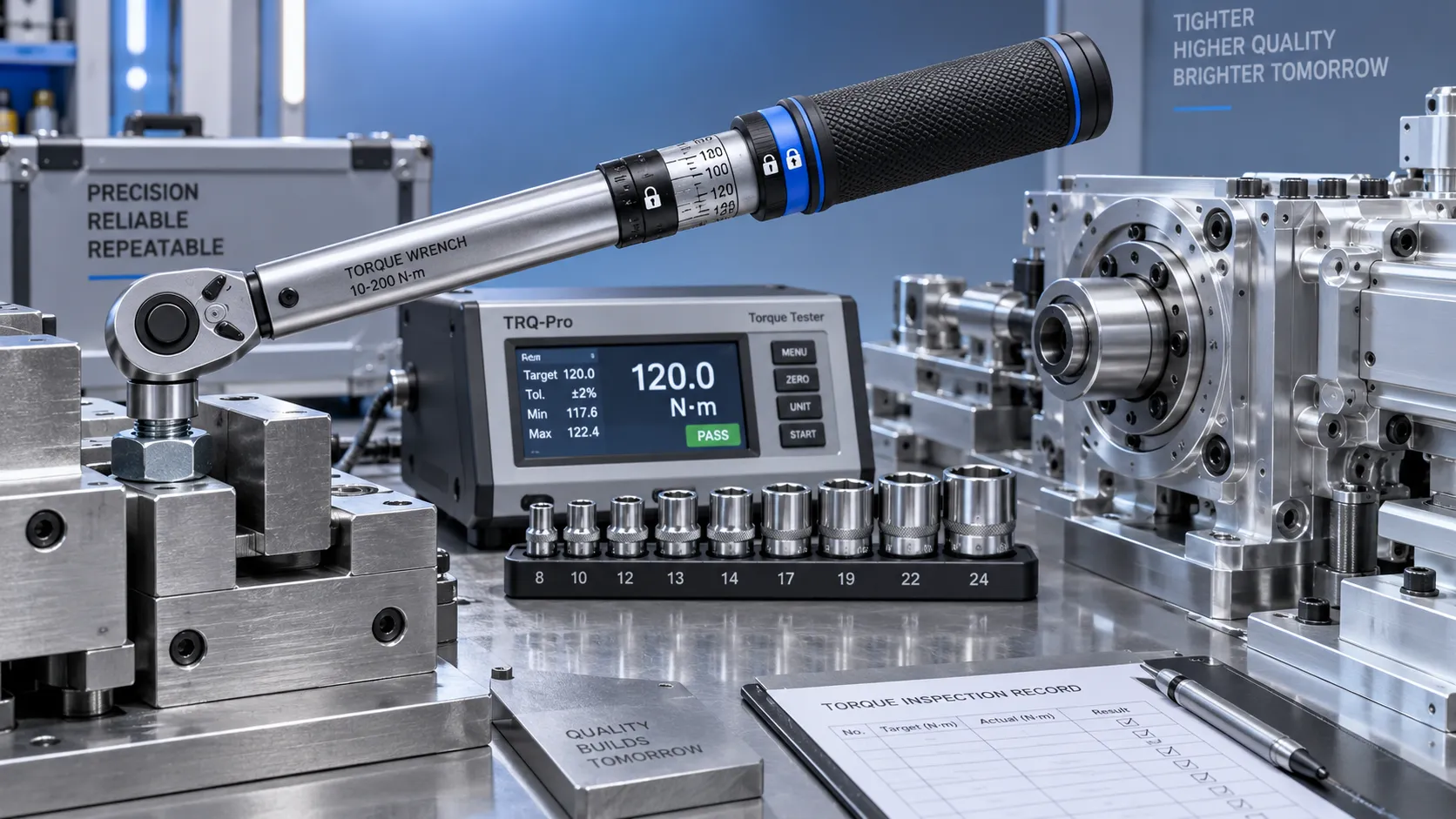
Selecting Adjustable Torque Tools for Repeatable Fastener Assembly
Adjustable torque tools: learn how to match range, accuracy, control methods, calibration, and ergonomics for repeatable, reliable fastener assembly.
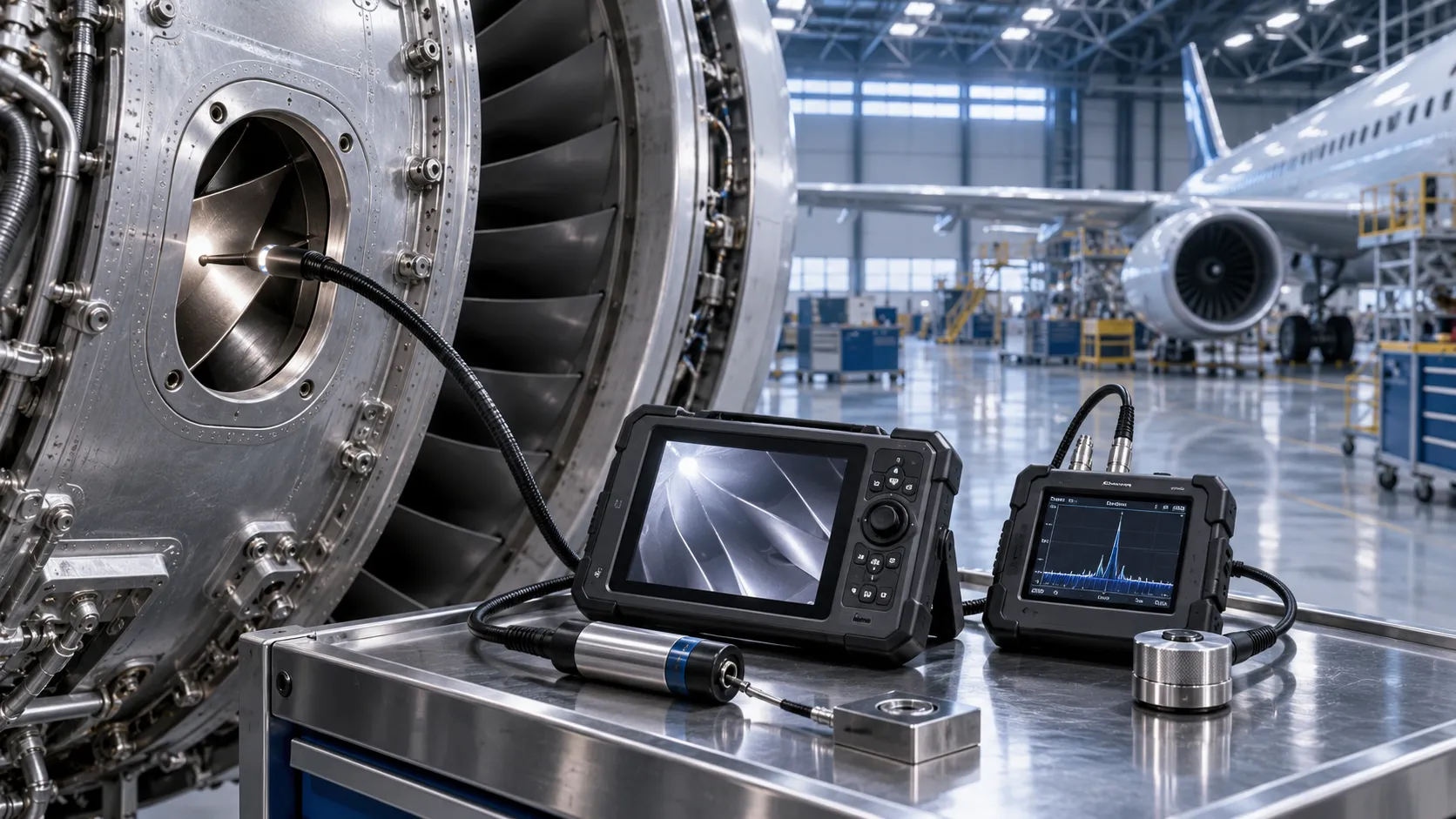
How to Select Aerospace Inspection Tools for Aircraft Maintenance Tasks
Aerospace maintenance inspection tools: learn how to select reliable, traceable equipment for aircraft access, accuracy, calibration, and compliant maintenance decisions.
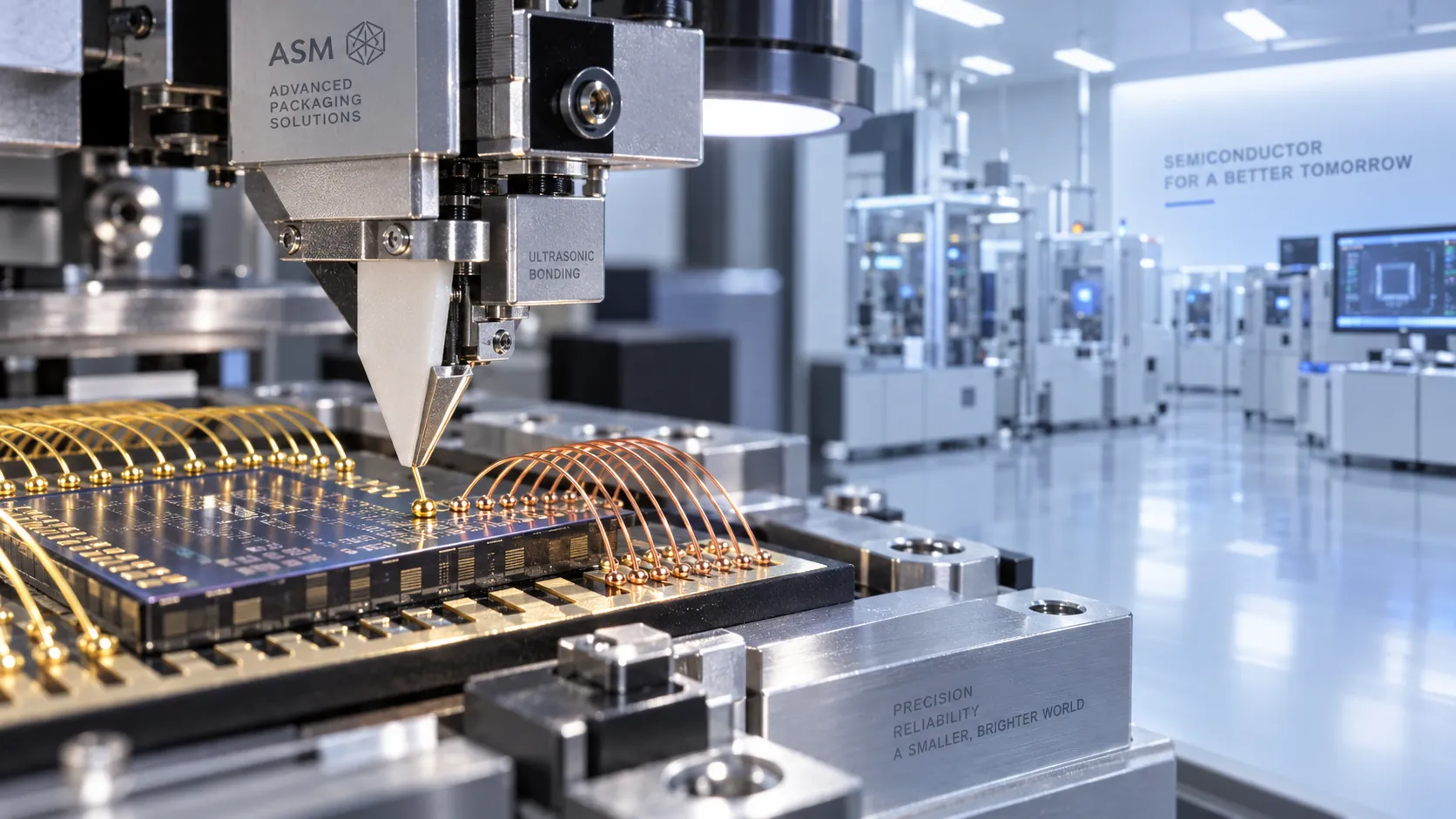
How to Select Wire Bonding Tools for Fine-Pitch Semiconductor Packaging
Explore semiconductor manufacturing tools for wire bonding and learn how to select precision solutions for fine-pitch packaging, reliable loops, accuracy, and yield.
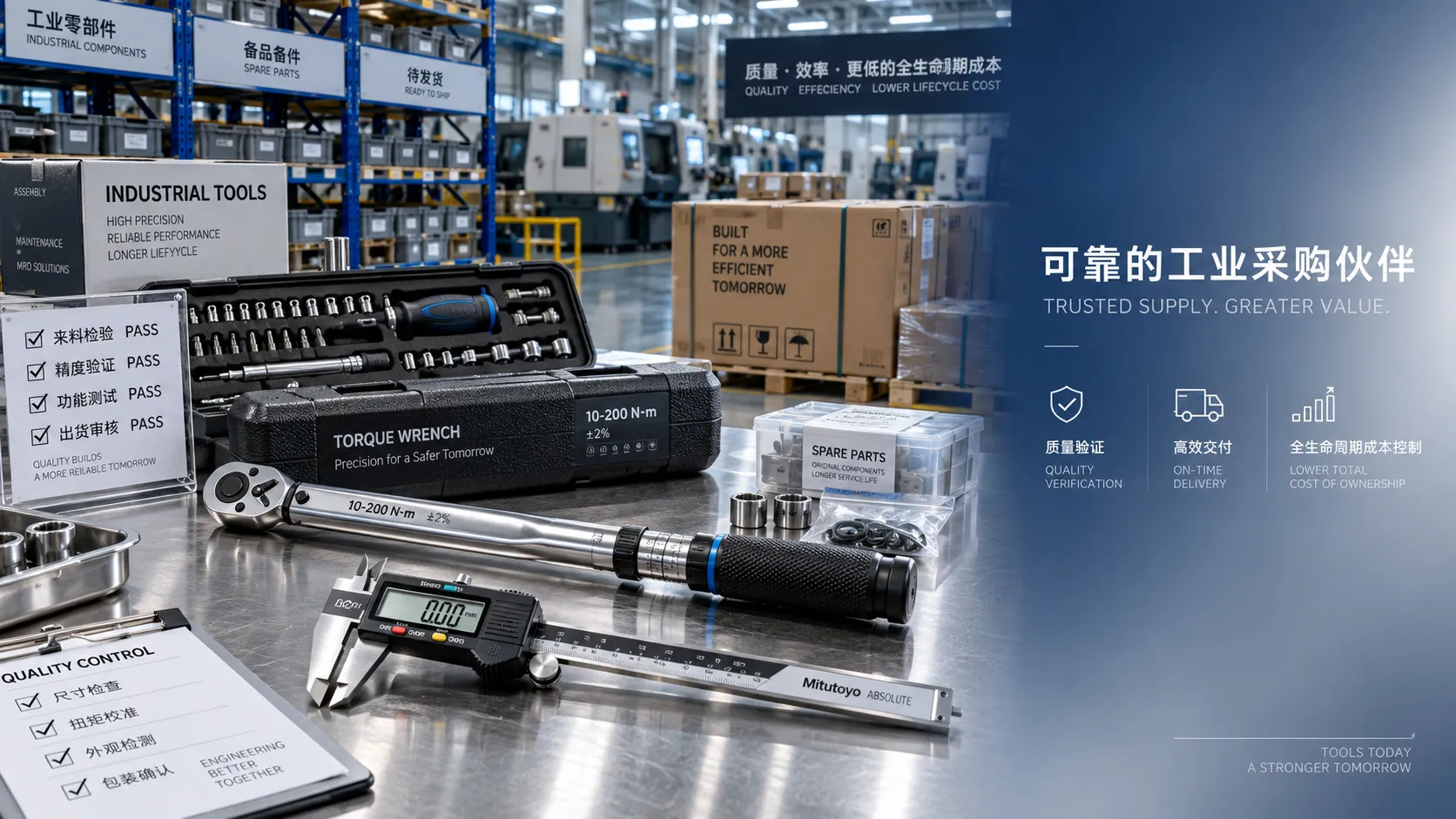
How to Compare Industrial Tool Suppliers for Quality, Lead Time, and Total Cost
Industrial tool selection supplier comparison made simple: evaluate quality, lead times, total cost, service, and supply resilience for confident sourcing decisions.
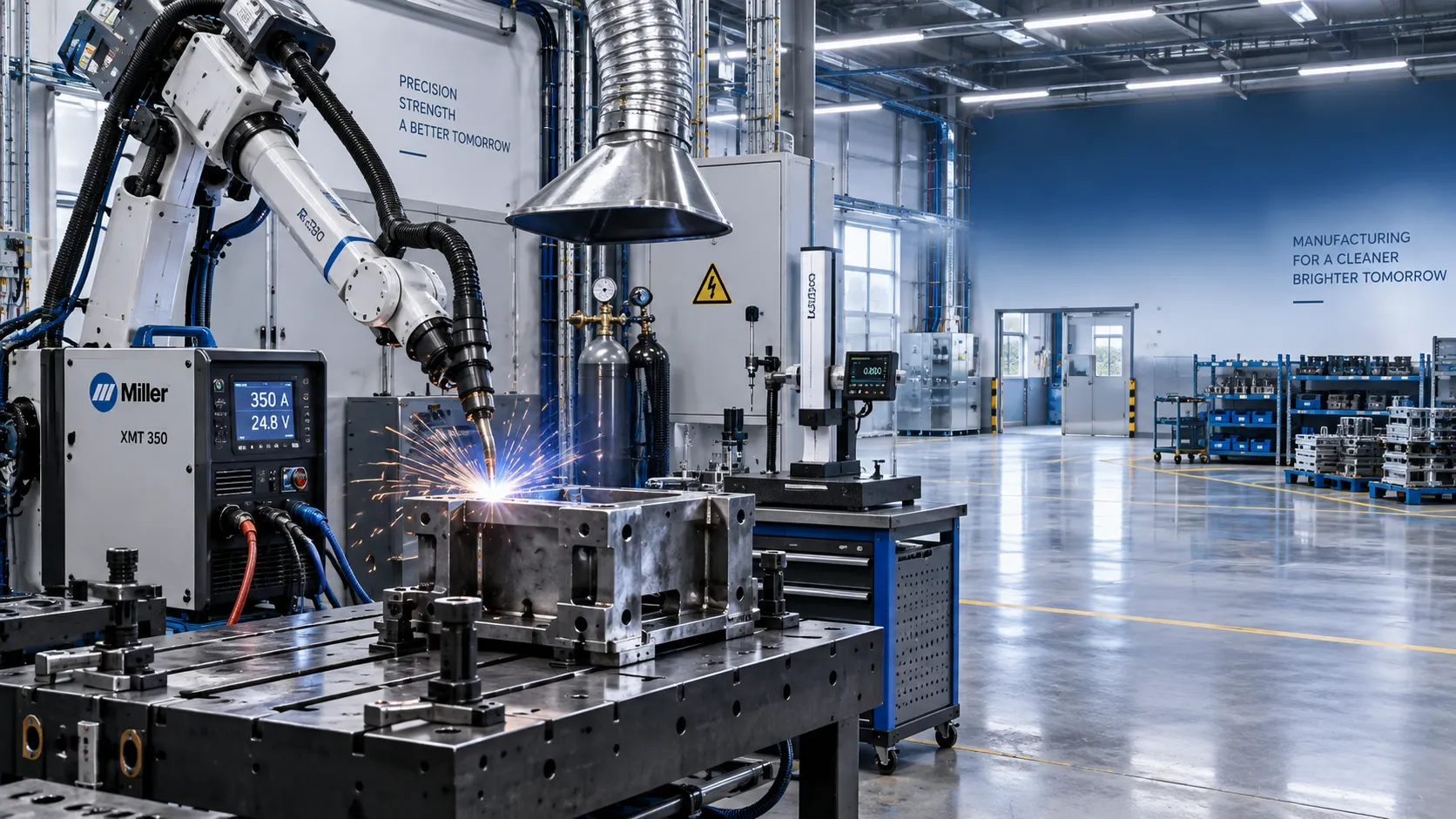
Industrial Equipment Application Guidance: Match Machines to Operating Conditions
Application guidance industrial equipment: match capacity, duty cycle, materials, site conditions, safety, and lifecycle cost to improve reliable output. Read the guide.
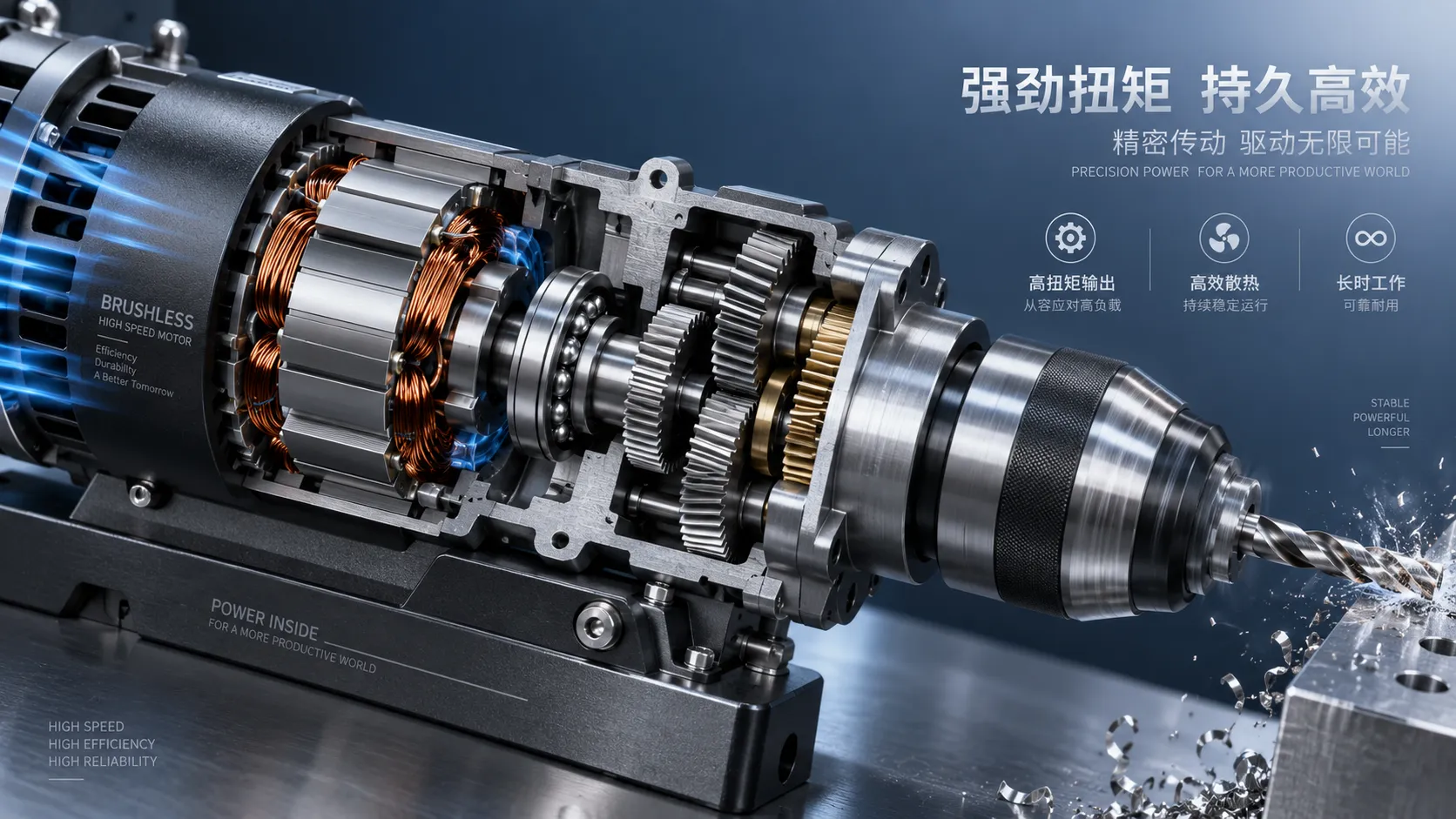
Selecting High-Speed Brushless Tool Motors for Torque, Heat, and Duty Cycle
High speed brushless tool motors: learn how to balance torque, heat, gearing, and duty cycle for reliable industrial tool performance and longer service life.
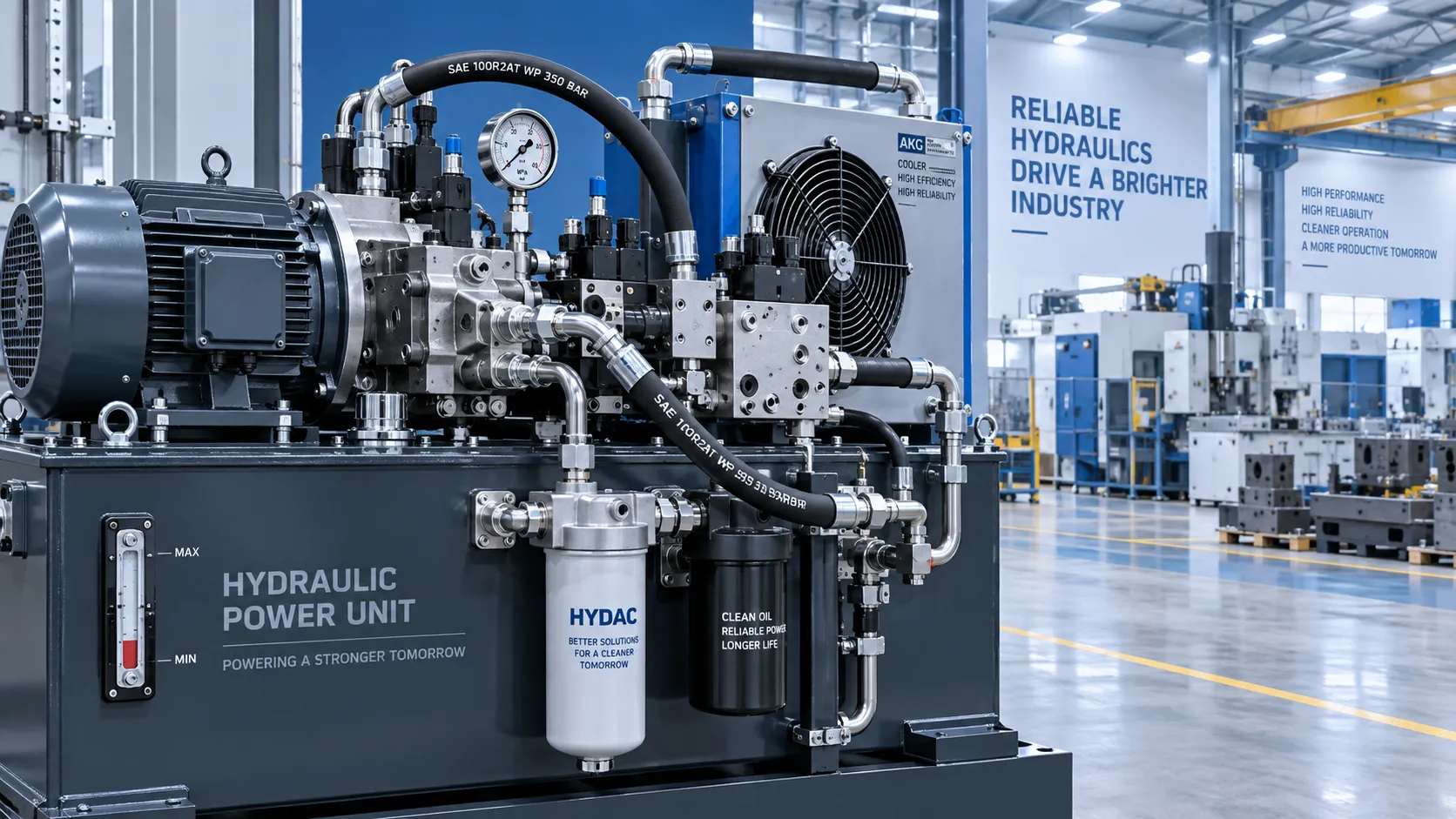
What Determines Industrial Hydraulic System Price for Heavy-Duty Equipment?
Industrial hydraulic system price depends on duty cycle, pressure, components, cooling, and integration. Compare quotes intelligently to secure reliable heavy-duty performance.
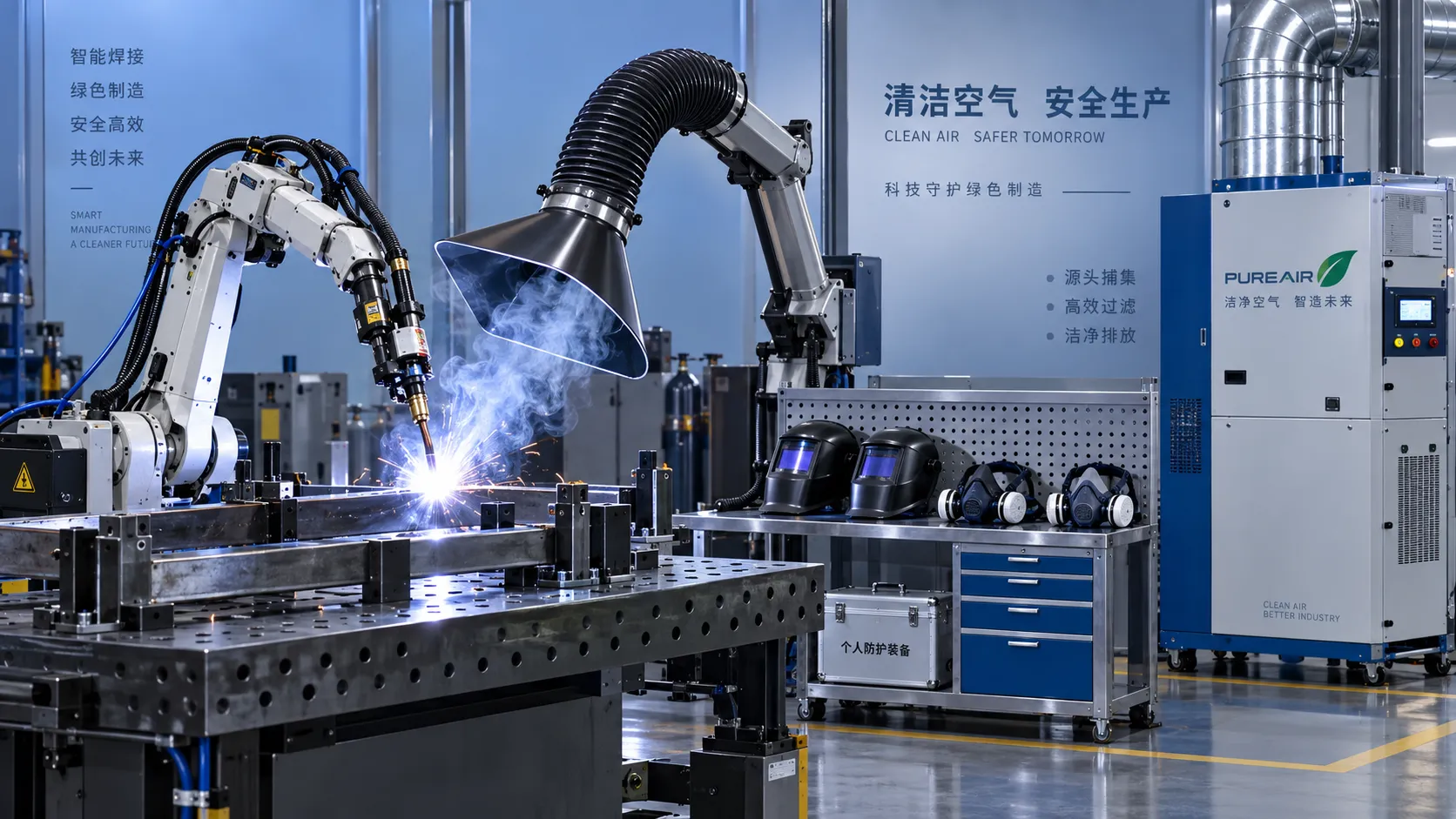
Welding Fume Extraction PPE: When Respirators Are Not Enough for Shop Safety
Welding fume extraction PPE: learn why respirators alone fall short and how source capture, ventilation, and layered controls improve shop safety.
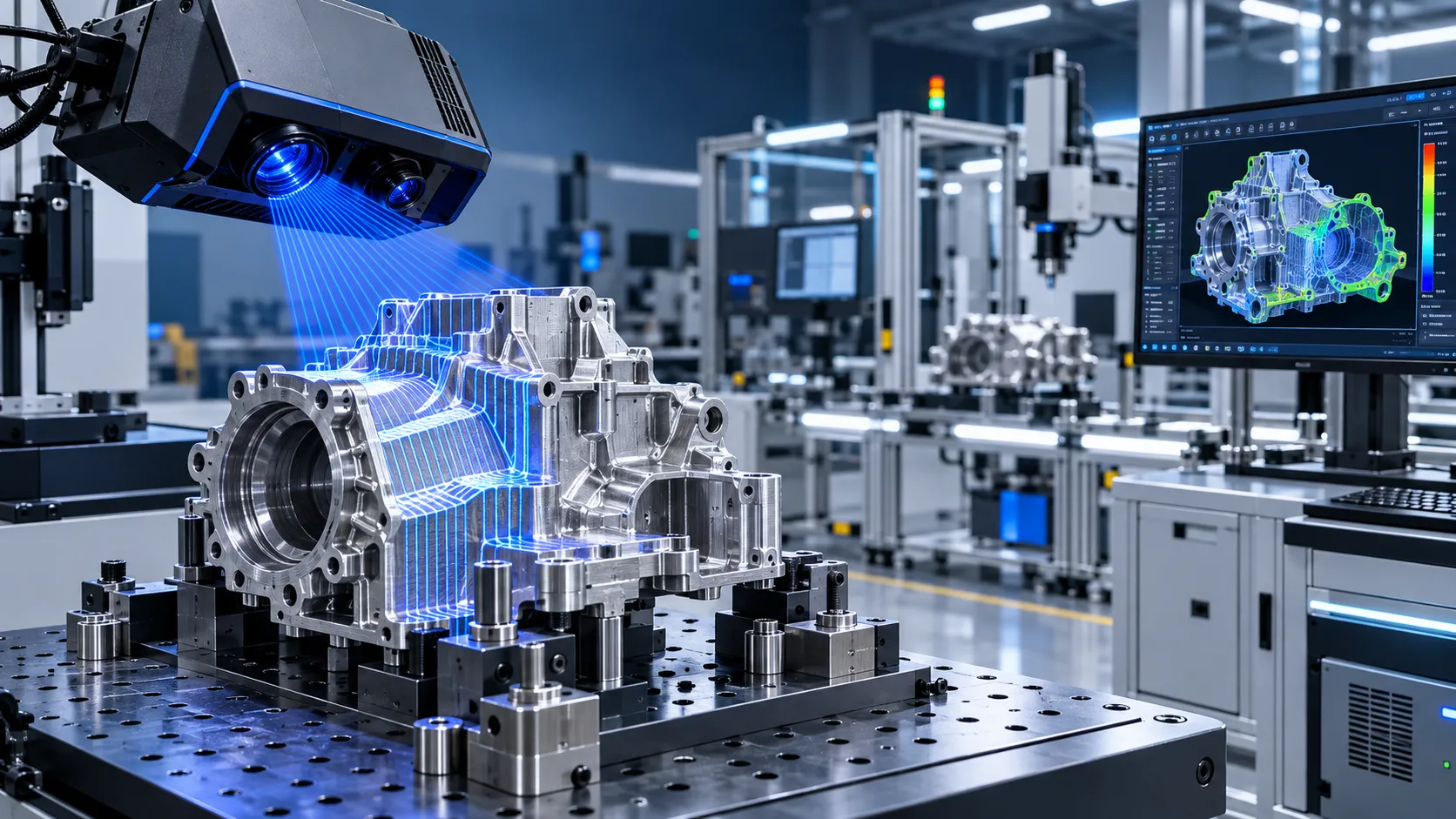
How to Select Optical Metrology Solutions for Tight-Tolerance Manufacturing
Optical industrial metrology solutions for tight-tolerance manufacturing: evaluate accuracy, surface compatibility, workflow, and traceability to select with confidence.
Related News
- 00
0000-00
Selecting Adjustable Torque Tools for Repeatable Fastener Assembly - 00
0000-00
How to Select Aerospace Inspection Tools for Aircraft Maintenance Tasks - 00
0000-00
How to Select Wire Bonding Tools for Fine-Pitch Semiconductor Packaging - 00
0000-00
Industrial Equipment Application Guidance: Match Machines to Operating Conditions - 00
0000-00
Selecting High-Speed Brushless Tool Motors for Torque, Heat, and Duty Cycle
Prof. Marcus Chen
Weekly Insights
Stay ahead with our curated technology reports delivered every Monday.