
Manufacturing technology trends reshaping plant investment





Manufacturing technology is changing how plant investment is judged. For business evaluators, the key question is no longer whether a facility can produce more, but whether it can adapt faster, operate safer, and protect margins under volatile supply, labor, and compliance conditions.
That shift matters because capital decisions now sit at the intersection of automation, precision, energy performance, and digital control. A modern plant is not simply a production site. It is a long-term asset whose competitiveness depends on technology choices made before equipment is installed.
For companies assessing expansion, replacement, or greenfield projects, the most important manufacturing technology trends are those that improve measurable outcomes. These include throughput stability, quality assurance, labor efficiency, maintenance predictability, and the ability to meet stricter customer and export requirements.
The broader judgment is clear. Plants that invest only in nominal capacity may underperform. Plants that invest in flexible automation, precision metrology, advanced joining systems, and connected tooling are more likely to achieve resilient returns over the full asset life cycle.
What business evaluators are really trying to determine
When someone searches for manufacturing technology trends reshaping plant investment, the underlying intent is practical rather than academic. They want to understand which technologies are materially influencing capex decisions and how those technologies affect risk, payback, and future competitiveness.
Business evaluators usually need answers to five questions. Which technologies are mature enough for investment today? Which ones reduce operating cost or quality loss? Which ones improve strategic flexibility? Which ones create implementation risk? And which ones are becoming necessary to stay qualified in target markets?
In that context, trend analysis is not about novelty. It is about capital allocation discipline. Decision-makers need to separate useful innovation from expensive distraction, especially when labor constraints, energy prices, and customer specifications continue to tighten.
Why plant investment is moving from capacity-first to agility-first
For decades, many plant investment models were built around volume expansion. That approach still matters, but it is no longer sufficient. Demand cycles are less predictable, product mixes change faster, and buyers increasingly expect traceability, repeatability, and short lead times.
As a result, manufacturing technology that supports agility often delivers more value than technology aimed only at maximum output. A facility that can switch efficiently between variants, maintain consistent torque or weld quality, and detect deviation early may outperform a larger but less adaptable plant.
This is especially true in sectors linked to automotive service, construction equipment, aerospace maintenance, and industrial assembly. Product requirements evolve, regional standards differ, and supply chain interruptions can force rapid sourcing or process changes. Agility reduces the cost of those disruptions.
For evaluators, this means reviewing investment scenarios through a wider lens. Instead of asking how many units a line can produce at peak speed, they should ask how rapidly the line can recover from change, maintain tolerance, and continue delivering acceptable economics across different product mixes.
Smart automation is now judged by usable flexibility, not headline robotics
Automation remains central to manufacturing technology strategy, but the conversation has matured. The strongest investment cases are no longer built on automation for its own sake. They are built on right-sized automation that improves consistency, labor utilization, and process control without reducing adaptability.
Collaborative systems, modular cells, connected tightening tools, and sensor-enabled stations are increasingly favored because they support staged implementation. Instead of a high-risk all-at-once redesign, companies can automate specific bottlenecks, measure impact, and scale where results justify further spending.
This matters to business evaluators because incremental automation improves capital visibility. It allows management to compare baseline scrap, downtime, cycle variation, and labor deployment before expanding the program. Such evidence-based scaling often produces more reliable returns than large automation projects driven mainly by trend pressure.
One important example is intelligent torque control. In many assembly environments, fastening quality directly affects safety, warranty exposure, and audit readiness. IoT-based torque systems can track tool performance, confirm process execution, and create digital records that reduce hidden quality risk.
That combination of quality assurance and data visibility is particularly valuable where human variability has been costly. The investment case becomes stronger when reduced rework, lower claims exposure, and better traceability can be quantified alongside labor productivity.
Precision metrology is becoming a strategic investment, not a quality department expense
Among the most important manufacturing technology trends is the elevation of metrology from a downstream inspection function to a core production capability. Modern plants are under pressure to detect variation earlier, shorten root-cause analysis, and reduce the cost of nonconformance.
Precision measuring systems help shift quality control upstream. Instead of discovering defects after value has already been added, plants can monitor dimensional drift, tooling wear, alignment issues, and process deviation before they produce larger batches of unusable output.
For evaluators, that changes the financial model. Metrology investment should not be viewed only as a compliance or laboratory cost. It can protect throughput, improve first-pass yield, and support tighter process windows in high-value applications.
This is particularly relevant in operations serving regulated or technically demanding sectors. Aerospace-related maintenance, automotive components, and export-sensitive industrial products often require documented consistency. Precision metrology helps plants meet those expectations while reducing the probability of late-stage rejection.
There is also a strategic branding effect. Plants with stronger measurement capability are often better positioned to win higher-specification work, negotiate on value rather than price alone, and build confidence with distributors and industrial buyers who prioritize reliability.
Advanced welding and joining technologies are reshaping labor, safety, and quality economics
Metal joining is one of the clearest areas where manufacturing technology is influencing plant investment. New decisions are increasingly shaped by the availability of handheld laser welding, upgraded arc systems, better fume management, automated seam monitoring, and improved operator safety frameworks.
These technologies matter because traditional joining constraints have become more expensive. Skilled labor shortages, variable weld quality, slower training cycles, and stricter safety expectations all increase the cost of relying on older methods without process modernization.
However, investment in advanced welding should be evaluated carefully. The right question is not simply whether a newer system is faster. It is whether the full process ecosystem supports repeatable and safe use, including training, enclosure requirements, consumables, inspection, maintenance, and application fit.
For example, handheld laser welding may improve speed and finish quality in suitable tasks, but its economic value depends on throughput profile, material mix, operator readiness, and compliance controls. Plants that treat it as a complete process investment, not just a tool purchase, make better capital decisions.
In many cases, the strongest business case comes from combining joining upgrades with digital quality records and precision inspection. That creates a more defensible return by improving output quality, reducing rework, and supporting customer confidence in process capability.
Energy efficiency and motor technology now influence plant valuation more directly
Rising energy costs and sustainability requirements have moved efficiency from a secondary concern to a core investment criterion. Manufacturing technology choices now affect operating margins not only through labor and output, but also through power consumption, heat generation, and equipment utilization patterns.
Brushless motor systems in industrial tools and assembly equipment are a good example. They can offer longer service life, more stable performance, and lower maintenance than older alternatives, while also supporting finer control in applications where consistency matters.
Business evaluators should pay attention to these seemingly smaller technology shifts because they compound over time. Equipment that reduces maintenance interruptions, lowers spare parts demand, and improves energy efficiency can materially strengthen total cost of ownership over a multiyear horizon.
Energy-aware investment also matters strategically. Plants increasingly need to report or at least understand resource intensity, especially when selling into multinational supply chains. Technology that improves efficiency can therefore support both direct cost reduction and commercial positioning.
Digital visibility is becoming essential for investment-grade operations
Another major manufacturing technology trend is the spread of connected systems that turn operational data into management insight. Evaluators are looking more closely at whether a plant can generate reliable information about uptime, tool status, quality events, energy use, and maintenance conditions.
This visibility matters because poor data often hides weak returns. A plant may appear productive at a high level while actually suffering from micro-stoppages, tool drift, undocumented rework, or excessive variation between shifts. Without digital monitoring, these losses remain difficult to measure and improve.
Connected manufacturing environments do not need to start with a full smart factory transformation. In many cases, targeted data layers around critical tools, welding stations, and measurement checkpoints can produce meaningful insight at a manageable cost.
The investment logic is straightforward. Better visibility supports faster corrective action, more accurate forecasting, and stronger confidence in asset utilization assumptions. For business evaluators, that means lower uncertainty when modeling return scenarios.
How to judge whether a technology trend deserves capital allocation
Not every trend in manufacturing technology should drive immediate plant investment. Evaluators need a framework that connects technology selection to business outcomes. The most useful approach is to test each option across operational impact, implementation difficulty, strategic relevance, and measurable return.
Start with the operational bottleneck. Is the plant losing value through inconsistent assembly, quality escapes, maintenance downtime, labor scarcity, or slow changeovers? A technology trend becomes investment-worthy when it addresses a costly constraint with evidence rather than aspiration.
Next, examine integration complexity. A strong technology on paper may fail if it requires extensive retraining, unstable software connections, or major facility changes that delay value capture. The faster and cleaner the implementation path, the stronger the near-term investment case.
Then assess strategic fit. Some technologies help a plant qualify for higher-value work, satisfy export standards, or meet customer traceability demands. Even if the immediate payback is moderate, the strategic access they create may justify investment.
Finally, insist on measurable baselines. Before approval, define the current state for scrap, uptime, labor hours, throughput variation, warranty issues, and energy usage. Without a baseline, post-investment benefits are too easy to overstate and too hard to defend.
The main risks companies underestimate when following manufacturing technology trends
One common mistake is buying advanced equipment without process discipline. Technology cannot compensate for weak work instructions, poor maintenance culture, or unstable upstream inputs. Plants that ignore these basics often fail to achieve the returns promised during procurement.
Another frequent risk is over-automation. If product volumes fluctuate or designs change regularly, a highly rigid line can become a financial burden. In such cases, modular and reconfigurable manufacturing technology may create better long-term value than a fully optimized but inflexible system.
Safety and compliance are also underestimated. This is especially important in joining, laser applications, and connected tooling. A technology that improves productivity but introduces unplanned safety obligations can increase both cost and operational complexity if not addressed early.
There is also a talent risk. New equipment changes the skills a plant needs, from maintenance technicians to quality engineers and digital operators. Business evaluators should test whether the organization can support the technology after commissioning, not just during vendor-led startup.
Where the strongest investment opportunities are emerging
Across mixed industrial sectors, the most attractive opportunities are often found in practical technologies that connect precision, repeatability, and data. Intelligent fastening, in-line measurement, upgraded welding systems, condition-aware tools, and modular automation frequently offer faster and more defendable returns than highly speculative solutions.
These technologies align with what modern plants are under pressure to deliver: fewer defects, shorter cycle disruptions, better labor leverage, and clearer process records. They also support the transition from labor-dependent performance to system-supported performance, which is increasingly important in constrained labor markets.
For organizations comparing multiple plant investment options, the winning projects are usually those that combine immediate operational benefit with strategic adaptability. In other words, the best manufacturing technology investments solve today’s bottlenecks while preparing the plant for tighter standards and more volatile demand tomorrow.
Conclusion: invest in manufacturing technology that improves resilience, not just output
Manufacturing technology is reshaping plant investment because the economics of competitiveness have changed. Capacity still matters, but resilience, precision, traceability, safety, and adaptability now determine whether that capacity produces durable returns.
For business evaluators, the right response is not to chase every new trend. It is to identify the technologies that strengthen control over quality, labor efficiency, maintenance, and strategic flexibility. That is where modern plant value is increasingly created.
When assessed through total cost of ownership, implementation readiness, and market relevance, investments in smart automation, precision metrology, advanced joining, efficient motor systems, and connected process visibility stand out as especially important. They are not just technical upgrades. They are financial and strategic levers.
The clearest takeaway is simple. The most effective plant investments today are those built around manufacturing technology that helps operations adapt, verify, and improve continuously. In an uncertain industrial environment, that is what turns capital spending into long-term advantage.
Related News
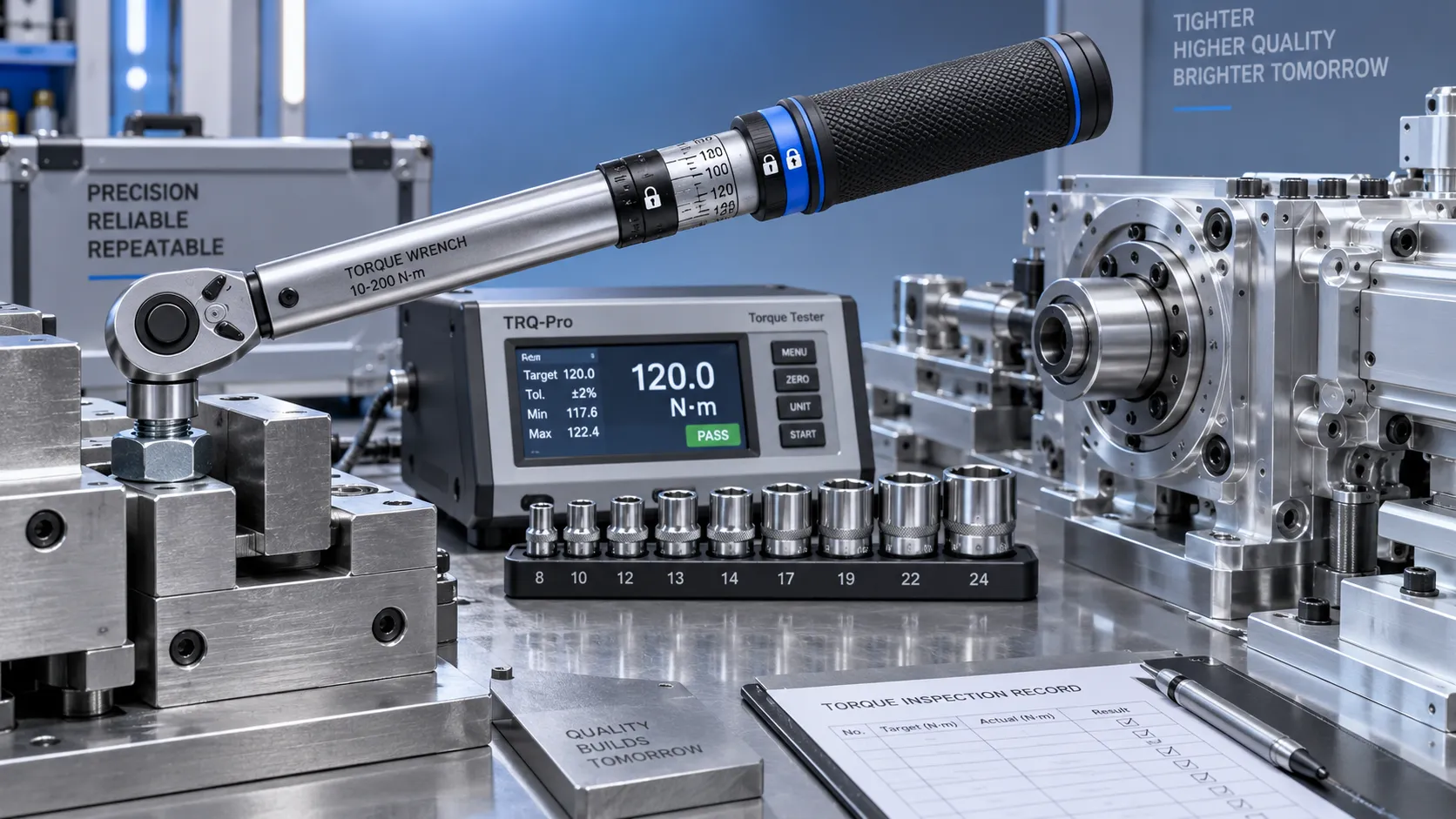
Selecting Adjustable Torque Tools for Repeatable Fastener Assembly
Adjustable torque tools: learn how to match range, accuracy, control methods, calibration, and ergonomics for repeatable, reliable fastener assembly.

How to Select Aerospace Inspection Tools for Aircraft Maintenance Tasks
Aerospace maintenance inspection tools: learn how to select reliable, traceable equipment for aircraft access, accuracy, calibration, and compliant maintenance decisions.
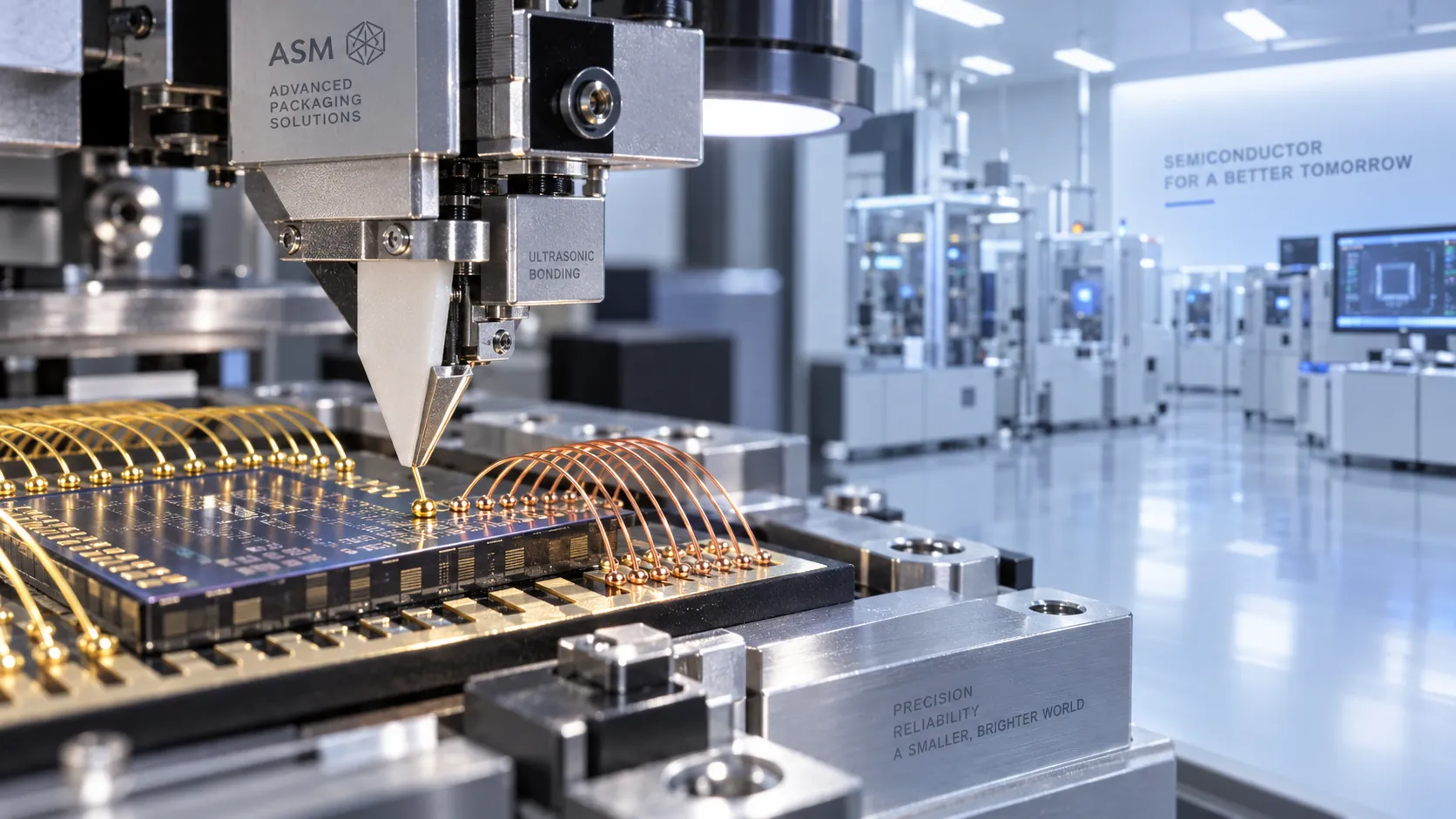
How to Select Wire Bonding Tools for Fine-Pitch Semiconductor Packaging
Explore semiconductor manufacturing tools for wire bonding and learn how to select precision solutions for fine-pitch packaging, reliable loops, accuracy, and yield.
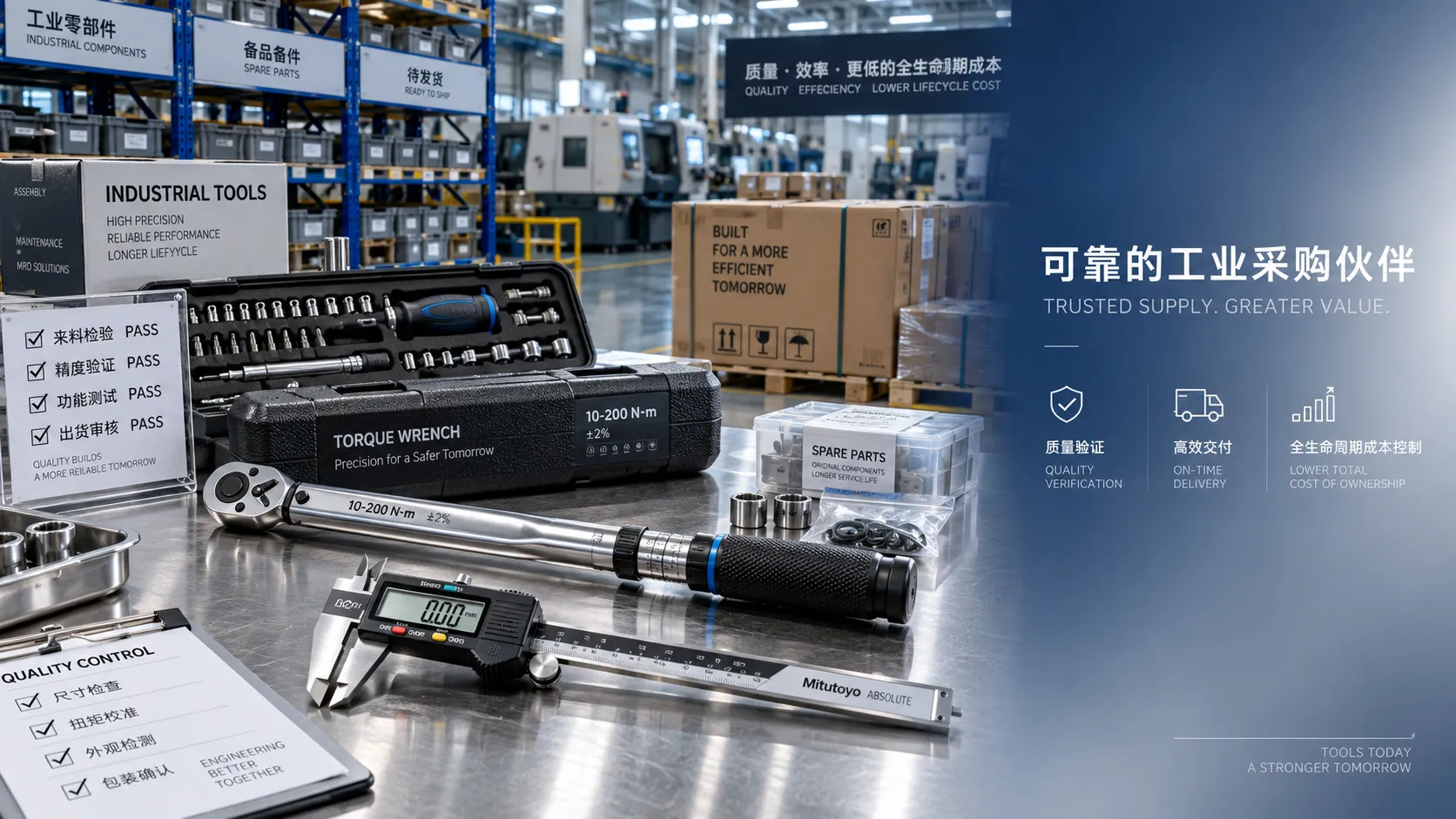
How to Compare Industrial Tool Suppliers for Quality, Lead Time, and Total Cost
Industrial tool selection supplier comparison made simple: evaluate quality, lead times, total cost, service, and supply resilience for confident sourcing decisions.
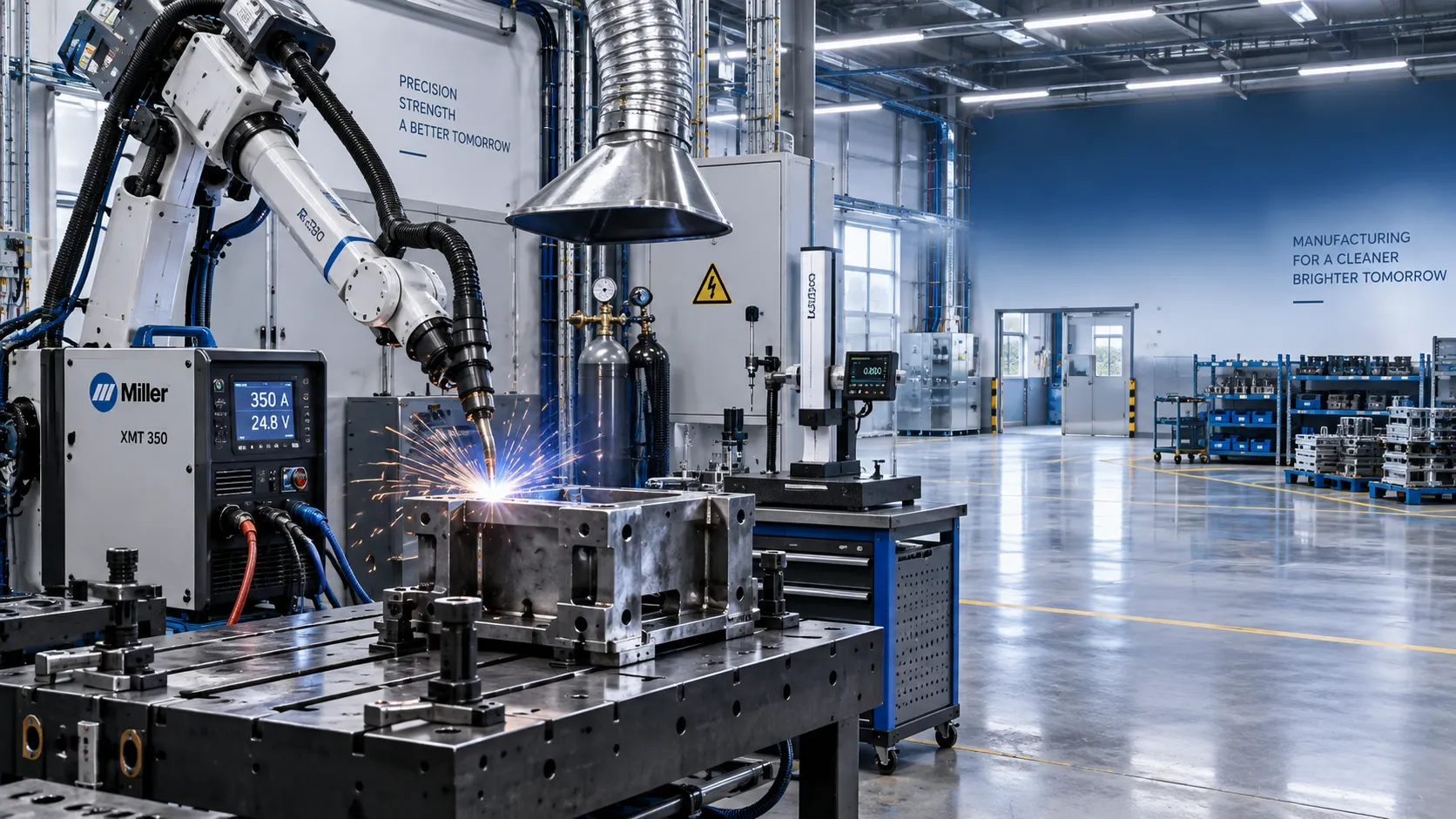
Industrial Equipment Application Guidance: Match Machines to Operating Conditions
Application guidance industrial equipment: match capacity, duty cycle, materials, site conditions, safety, and lifecycle cost to improve reliable output. Read the guide.
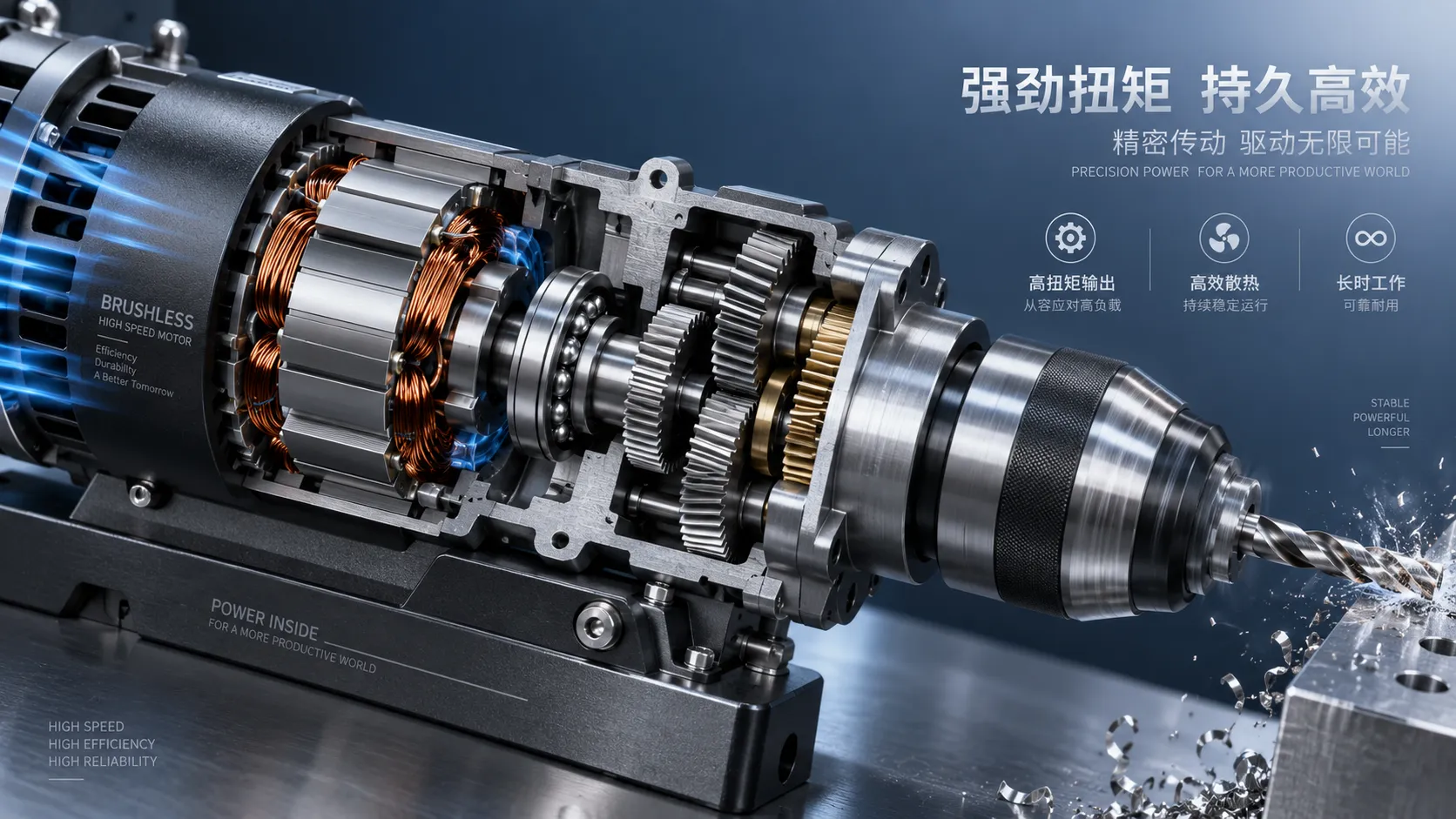
Selecting High-Speed Brushless Tool Motors for Torque, Heat, and Duty Cycle
High speed brushless tool motors: learn how to balance torque, heat, gearing, and duty cycle for reliable industrial tool performance and longer service life.
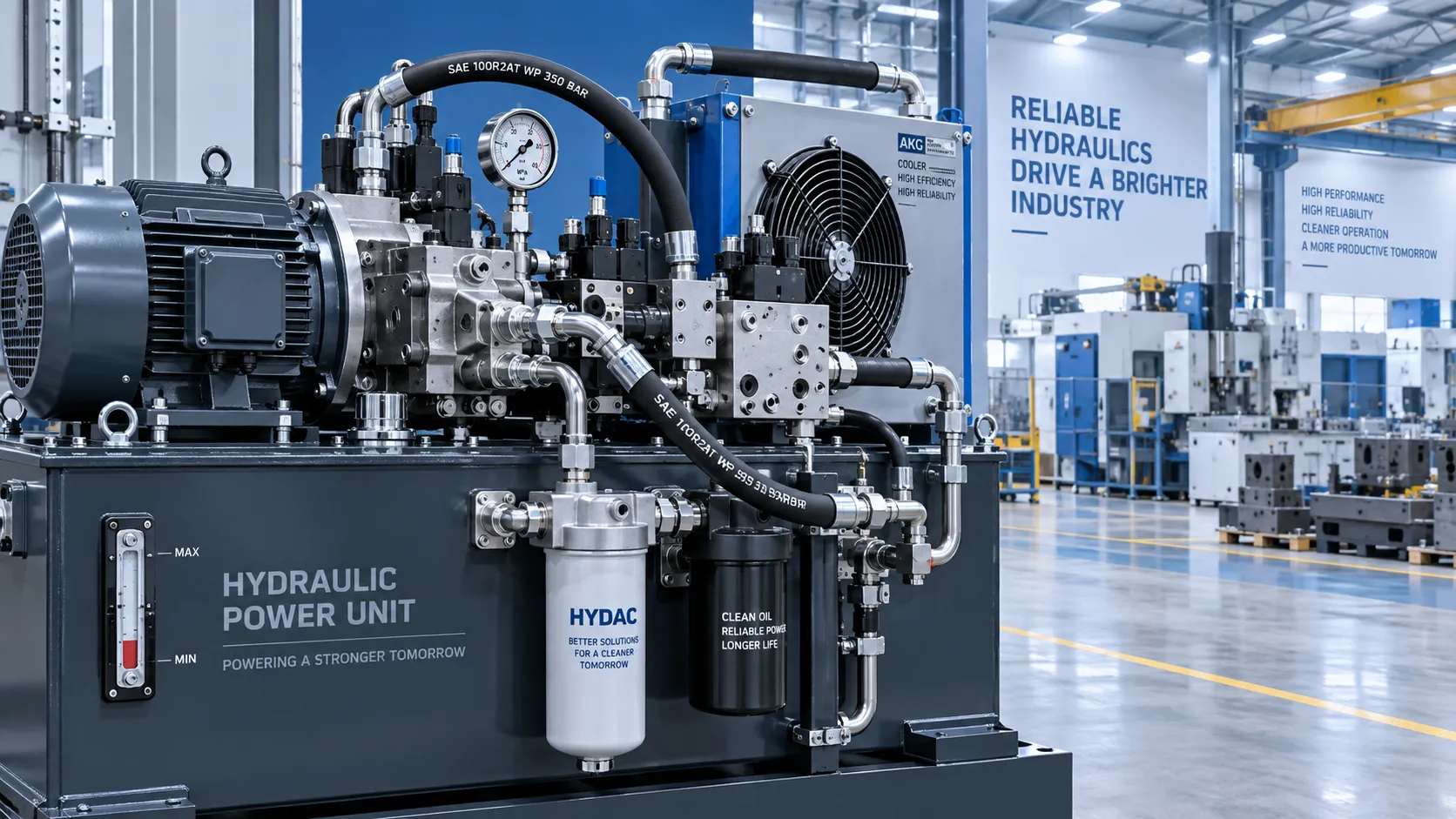
What Determines Industrial Hydraulic System Price for Heavy-Duty Equipment?
Industrial hydraulic system price depends on duty cycle, pressure, components, cooling, and integration. Compare quotes intelligently to secure reliable heavy-duty performance.
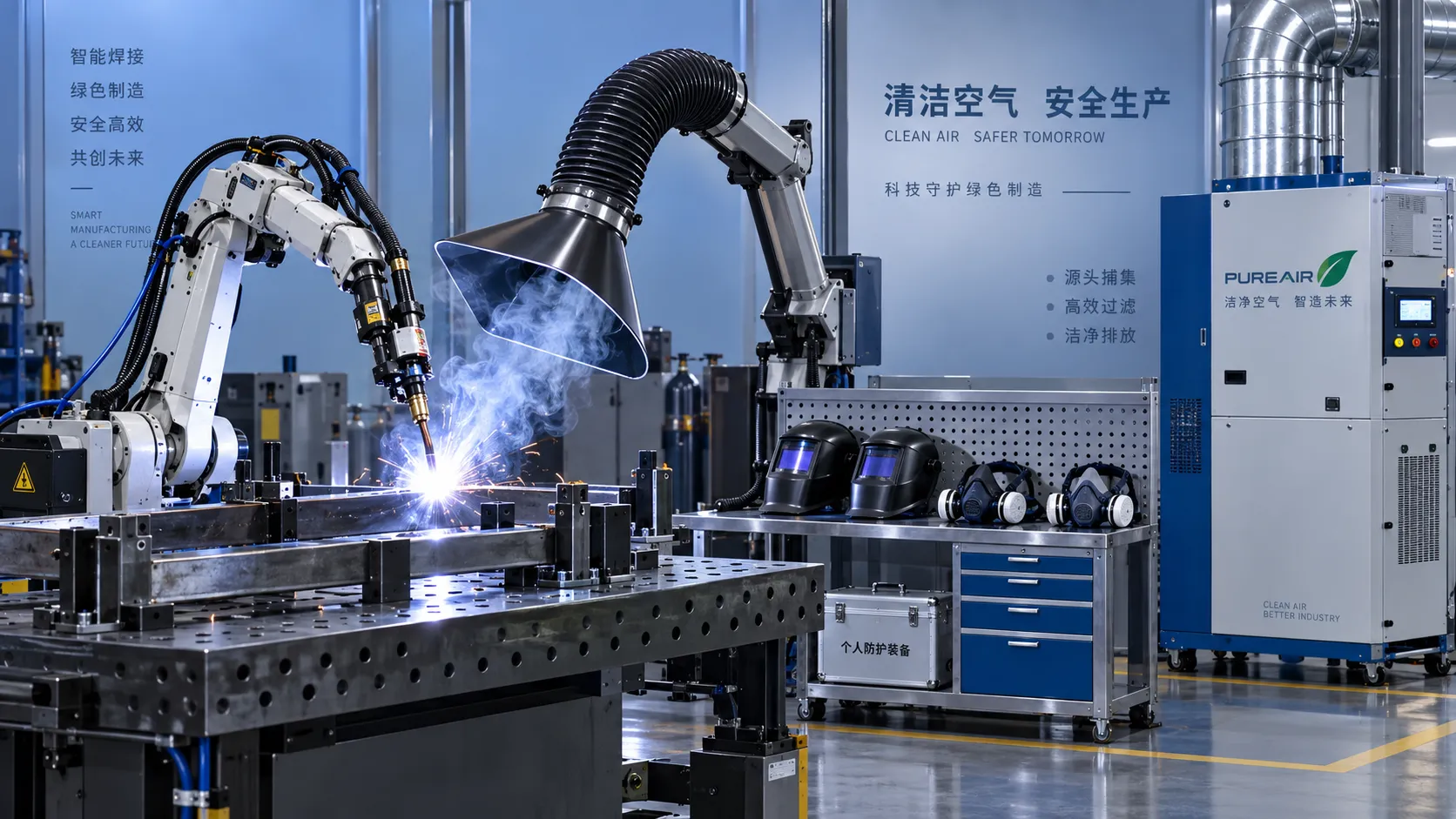
Welding Fume Extraction PPE: When Respirators Are Not Enough for Shop Safety
Welding fume extraction PPE: learn why respirators alone fall short and how source capture, ventilation, and layered controls improve shop safety.
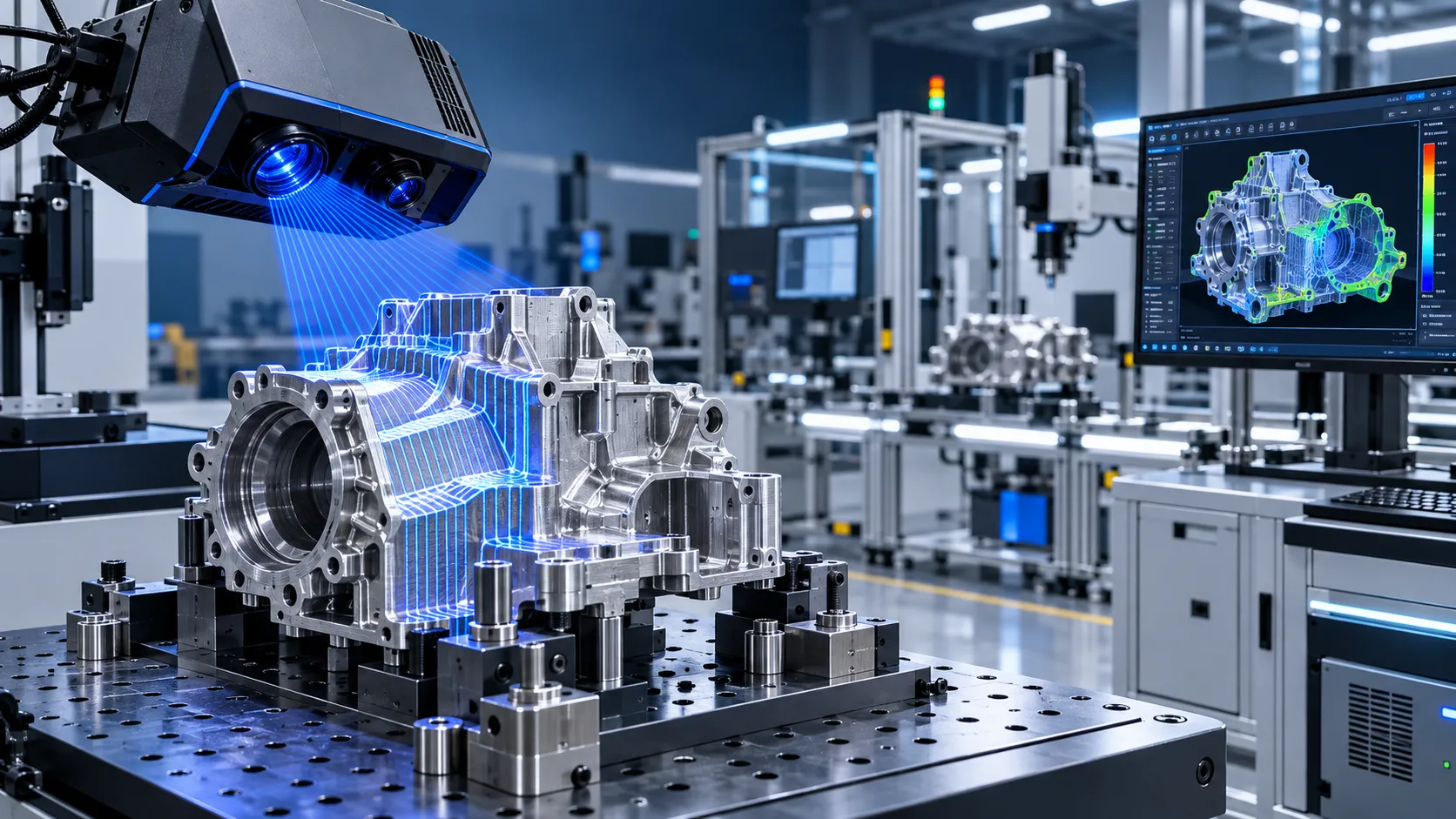
How to Select Optical Metrology Solutions for Tight-Tolerance Manufacturing
Optical industrial metrology solutions for tight-tolerance manufacturing: evaluate accuracy, surface compatibility, workflow, and traceability to select with confidence.
Related News
- 00
0000-00
How Middle East Manufacturers Can Improve Production Efficiency Under Heat and Labor Constraints - 00
0000-00
Why Are Specification-Oriented Articles Gaining Traction in Europe’s B2B Markets? - 00
0000-00
Industrial Solutions in Latin America: Key Growth Sectors and Market Entry Risks - 00
0000-00
What Is Driving Manufacturing Efficiency in Europe’s Industrial Sectors? - 00
0000-00
Industrial Market Trends in 2025: What Buyers Should Watch Across Supply and Demand
Dr. Alistair Vaughn
Weekly Insights
Stay ahead with our curated technology reports delivered every Monday.