
Tool lightweighting looks good on paper, but what changes on site?





When tool lightweighting moves from specification sheets to real work conditions
Tool lightweighting looks persuasive in a catalog because lower mass is easy to compare, easy to market, and easy to understand. On site, however, the effect is more complex. A lighter grinder, torque tool, drill, inspection device, or welding accessory can reduce fatigue, improve overhead handling, and help operators stay accurate through long shifts. Yet real-world gains depend on balance, vibration control, grip design, battery placement, duty cycle, and material durability. That is why tool lightweighting matters not as a headline feature, but as a field performance decision.
Across construction, metalworking, assembly, maintenance, and mobile service environments, the same tool can feel efficient in one scenario and awkward in another. GPTWM closely tracks these last-mile performance shifts because industrial value is created where tools meet repetitive motion, constrained spaces, safety rules, and output targets. In that context, tool lightweighting is not simply about making tools lighter. It is about determining what changes on site, what trade-offs appear, and where lightweight design truly supports productivity.
Why the value of tool lightweighting changes by site condition
The first judgment point is that site conditions are rarely uniform. In a controlled assembly station, reduced tool weight may improve cycle consistency and lower cumulative strain. In structural repair, field welding prep, or elevated fastening work, the same reduction in mass may matter even more because arm extension, ladder use, and awkward postures multiply fatigue. But in high-load removal work or long continuous cutting, a slightly heavier tool may remain more stable and absorb reaction force better.
This is where tool lightweighting needs a broader evaluation framework. The relevant question is not “Is it lighter?” but “Does the lighter design improve performance for this task duration, force level, access condition, and safety requirement?” On site, users notice center of gravity before they notice total mass, trigger comfort before they notice a weight reduction percentage, and runtime or heat buildup before they celebrate design innovation. Lightweight tools succeed only when these practical realities are addressed together.
In repetitive assembly lines, tool lightweighting often delivers the clearest gains
In repetitive fastening, measuring, and finishing operations, tool lightweighting tends to create immediate and measurable improvement. Repeated wrist rotation, shoulder lift, and grip force add up over hundreds or thousands of cycles. A lighter electric screwdriver, torque wrench, cordless riveter, or handheld metrology device can help maintain precision later in the shift, when fatigue normally causes drift in alignment, seating force, and inspection speed.
The core judgment point in this scenario is not maximum power but accumulated strain per cycle. If the tool is used every few seconds, even small reductions in mass and improved balance can lower muscle load and improve repeatability. Tool lightweighting is especially valuable when paired with low-vibration drive systems, compact motor architecture, and handles that support a neutral wrist angle. In these settings, lighter tools often support both ergonomics and output quality.
What changes on site in repetitive work
- Lower end-of-shift fatigue and steadier hand control
- Improved consistency in torque, alignment, and positioning
- Faster handling in short-cycle tasks
- Reduced need for micro-pauses caused by hand or shoulder strain
In construction and overhead work, tool lightweighting helps most when access is difficult
On construction sites and in facility installation work, tool lightweighting becomes highly valuable when operators work above shoulder height, inside ceilings, along vertical structures, or from unstable footing. In these situations, every extra gram increases strain because the tool is held farther from the body and often at awkward angles. A lighter rotary hammer, impact driver, crimping tool, or inspection scope can reduce fatigue faster than spec sheets suggest.
Still, this is also where poor lightweight design is exposed quickly. If battery placement makes the tool back-heavy, or if the housing is compact but transmits more vibration, the lighter tool may still feel harder to control. The site-level test is simple: can the user maintain position, line of sight, and safe control for the full task duration? Tool lightweighting only works here when lower weight is matched with stable handling and predictable reaction behavior.
In maintenance and repair, tool lightweighting improves mobility but can expose endurance limits
Maintenance teams move constantly between equipment, levels, rooms, and access points. In this mobile environment, tool lightweighting reduces transport burden and speeds task transitions. A lighter inspection meter, alignment tool, cordless grinder, or compact welding support accessory is easier to carry through ladders, service corridors, and confined plant areas. The benefit is not only physical comfort but also reduced friction between tasks.
However, maintenance work is unpredictable. A tool that feels ideal for short interventions may struggle during stubborn disassembly, corrosion removal, or extended repair sessions. Here, tool lightweighting should be evaluated against durability, thermal management, and sustained power delivery. A lighter tool that requires frequent battery changes, overheats under load, or flexes under pressure may reduce overall efficiency despite better portability.
In metalworking and finishing, balance can matter more than total mass
Grinding, deburring, polishing, and surface preparation place a premium on control. In these applications, tool lightweighting can reduce arm fatigue, especially during horizontal or overhead finishing. But unlike simple pick-and-place tasks, surface work depends heavily on stability, contact pressure, and path control. If too much weight is removed without preserving balance, the tool may chatter, wander, or require extra grip force to stabilize.
This means a well-designed lighter tool often outperforms both heavier legacy models and poorly optimized ultra-light options. The right question is whether the tool feels planted during contact. Tool lightweighting in finishing applications should therefore be assessed together with spindle smoothness, anti-vibration design, and handle geometry. Real gains appear when lighter design improves maneuverability without sacrificing surface quality.
How site demands differ across common applications
Practical ways to judge whether tool lightweighting fits the job
- Measure hold time, not just tool weight. A small reduction matters more in long-duration or overhead tasks.
- Check center of gravity with the battery or accessory installed, because site handling depends on working configuration.
- Compare vibration and reaction force, since a lighter tool that transmits more shock may increase fatigue.
- Review housing durability and thermal behavior if the task includes high load or abrasive environments.
- Test actual output quality, such as fastening consistency, cut control, surface finish, or measurement repeatability.
- Evaluate full-shift workflow, including transport, access, battery swaps, and recovery time between tasks.
Common mistakes when evaluating tool lightweighting on site
One common mistake is treating tool lightweighting as a universal upgrade. It is not. Some jobs reward lower weight immediately, while others require mass for stability, cooling capacity, or structural toughness. Another mistake is judging tools only during a short demo. Brief handling tests rarely reveal cumulative fatigue, balance issues, or runtime limitations that appear in real production or field repair.
A third oversight is separating ergonomics from productivity. On site, they are linked. Better lightweight design can improve output because users maintain control longer and make fewer corrections. But a poorly optimized lighter tool can slow work by reducing confidence, increasing repositioning, or causing more interruptions. Tool lightweighting should therefore be judged through task completion quality, not through weight reduction alone.
What to do next if tool lightweighting is under review
Start with a task map rather than a product list. Identify where the tool is held longest, where access is most constrained, where precision drops late in the shift, and where transport between jobs creates hidden strain. Then compare those points against weight, balance, vibration, runtime, and durability. This approach turns tool lightweighting from a general trend into a site-specific improvement strategy.
For organizations following industrial tool evolution through GPTWM, the strongest opportunities usually appear where ergonomic design, motor efficiency, safety expectations, and intelligent control systems converge. Tool lightweighting has real value, but only when it supports the way work is actually performed. On paper, lighter looks better. On site, the winning tool is the one that feels lighter, stays controllable, and keeps performance consistent through the full job.
Related News
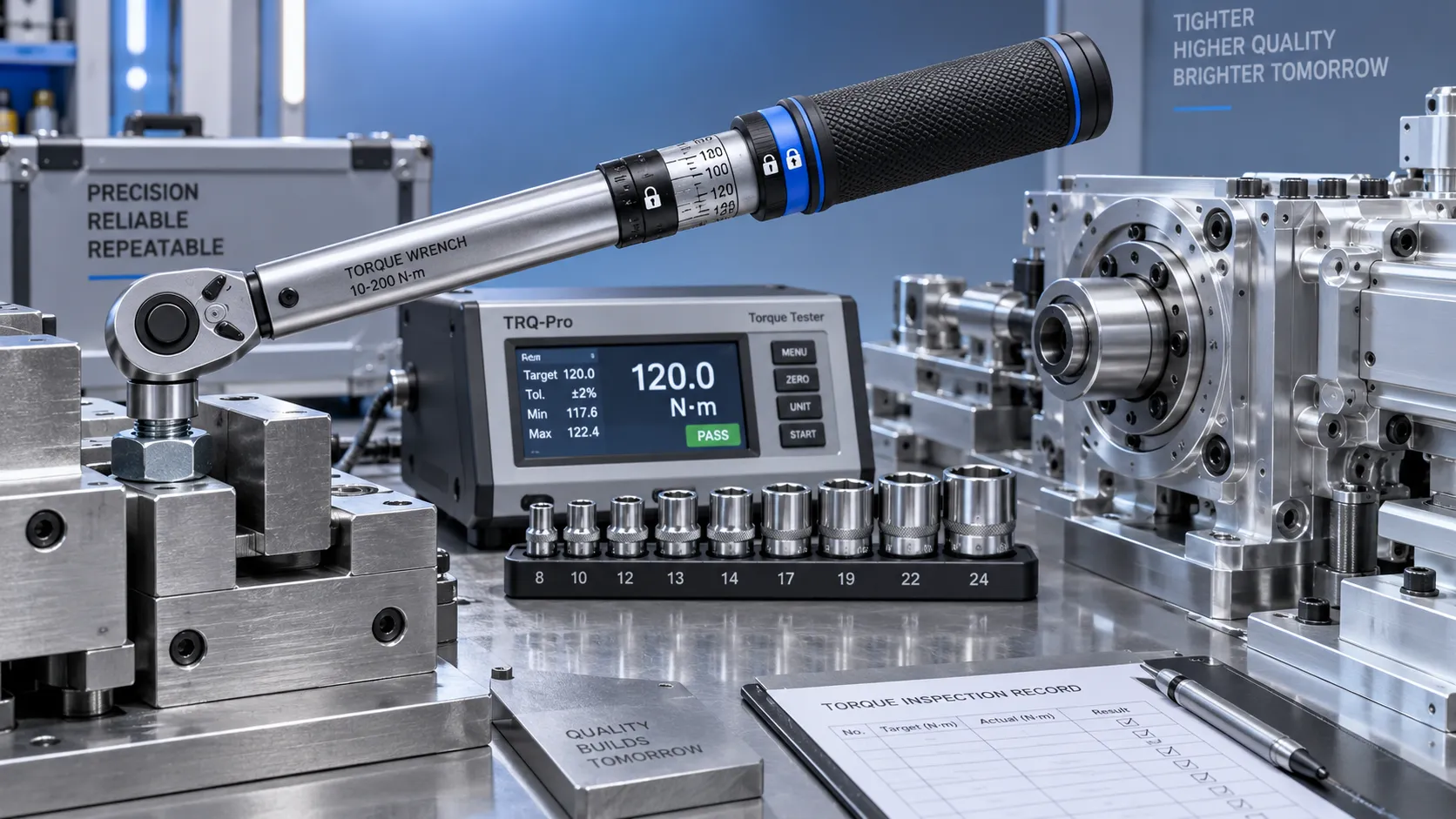
Selecting Adjustable Torque Tools for Repeatable Fastener Assembly
Adjustable torque tools: learn how to match range, accuracy, control methods, calibration, and ergonomics for repeatable, reliable fastener assembly.
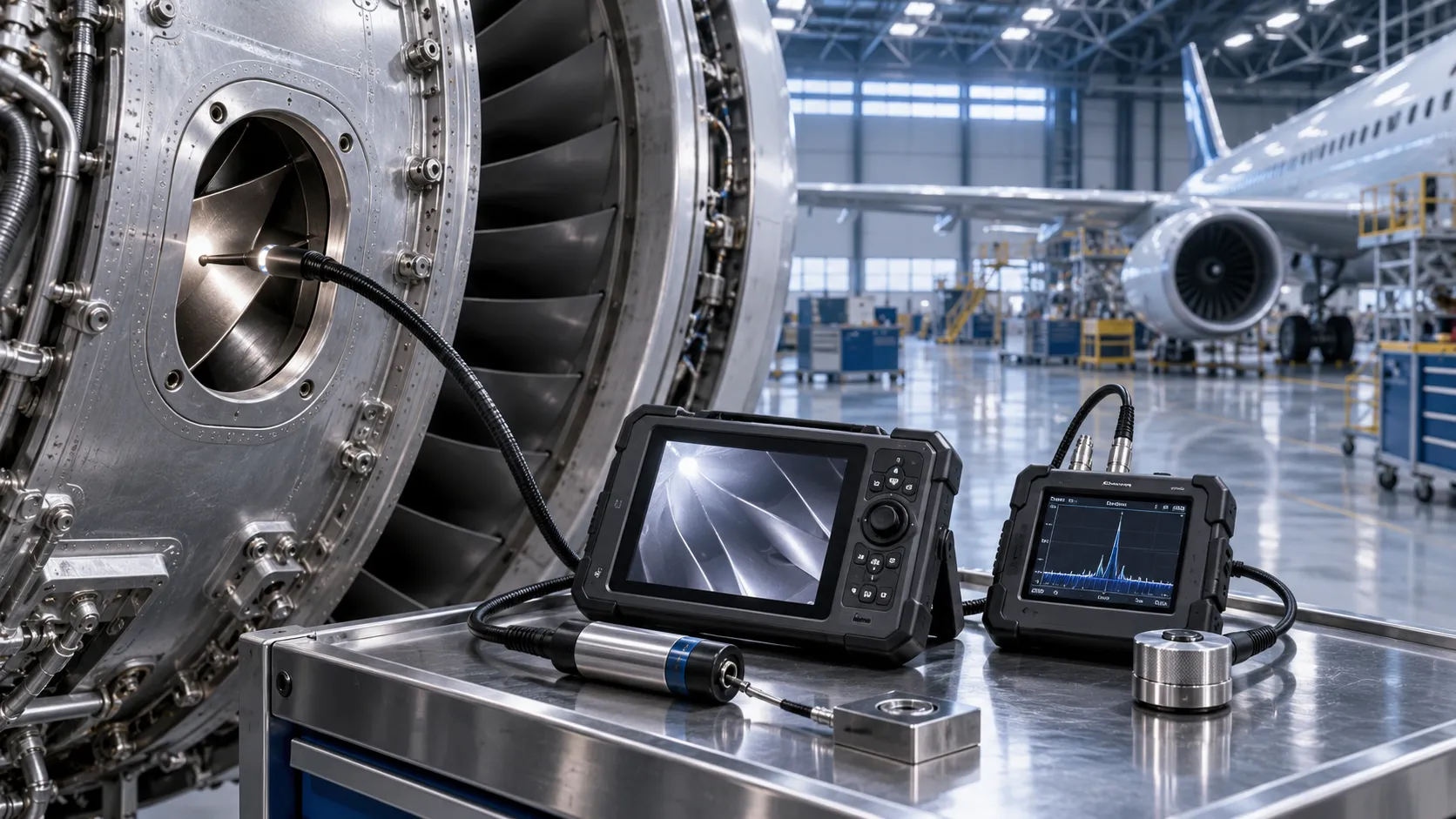
How to Select Aerospace Inspection Tools for Aircraft Maintenance Tasks
Aerospace maintenance inspection tools: learn how to select reliable, traceable equipment for aircraft access, accuracy, calibration, and compliant maintenance decisions.

How to Select Wire Bonding Tools for Fine-Pitch Semiconductor Packaging
Explore semiconductor manufacturing tools for wire bonding and learn how to select precision solutions for fine-pitch packaging, reliable loops, accuracy, and yield.
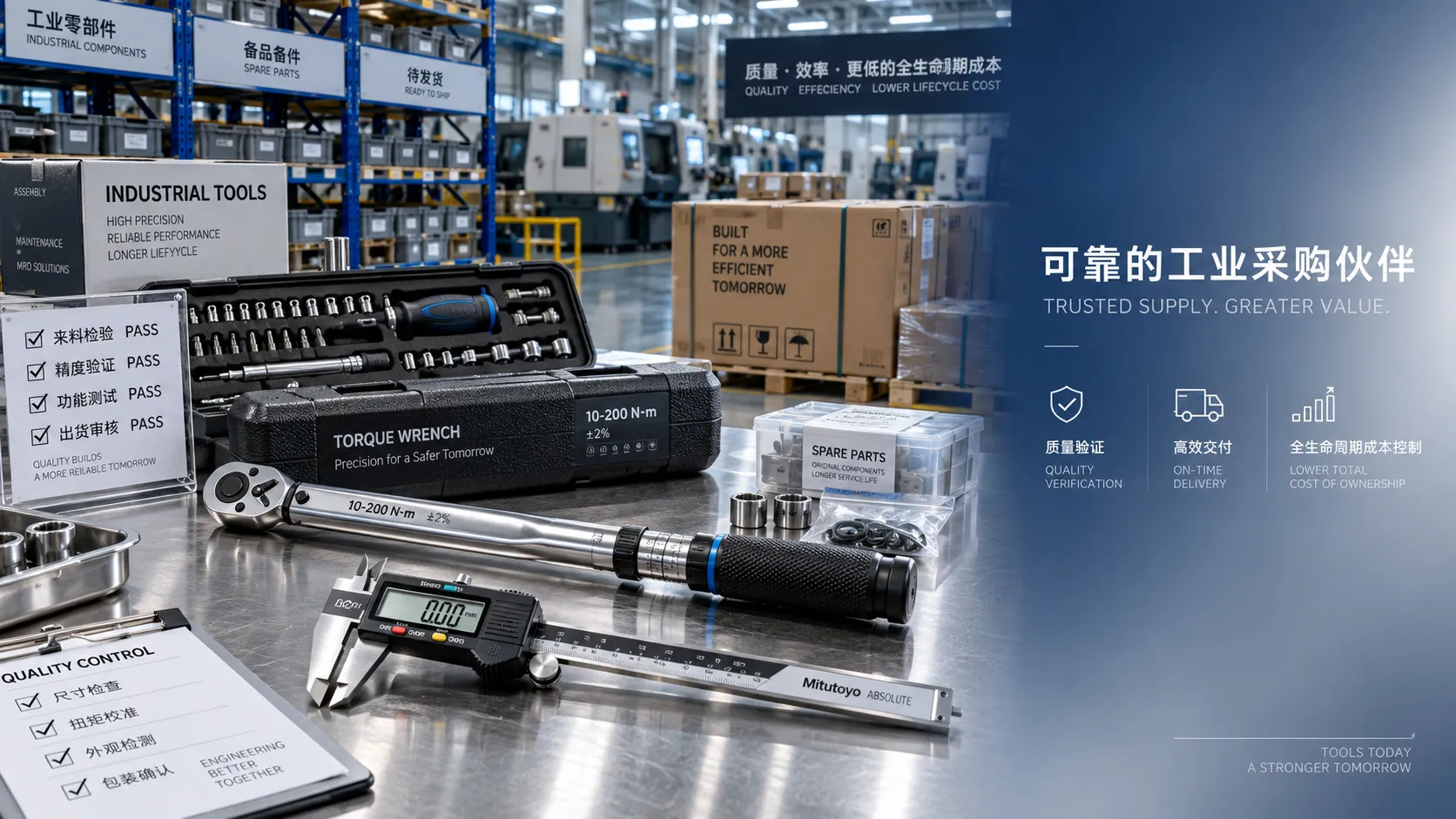
How to Compare Industrial Tool Suppliers for Quality, Lead Time, and Total Cost
Industrial tool selection supplier comparison made simple: evaluate quality, lead times, total cost, service, and supply resilience for confident sourcing decisions.
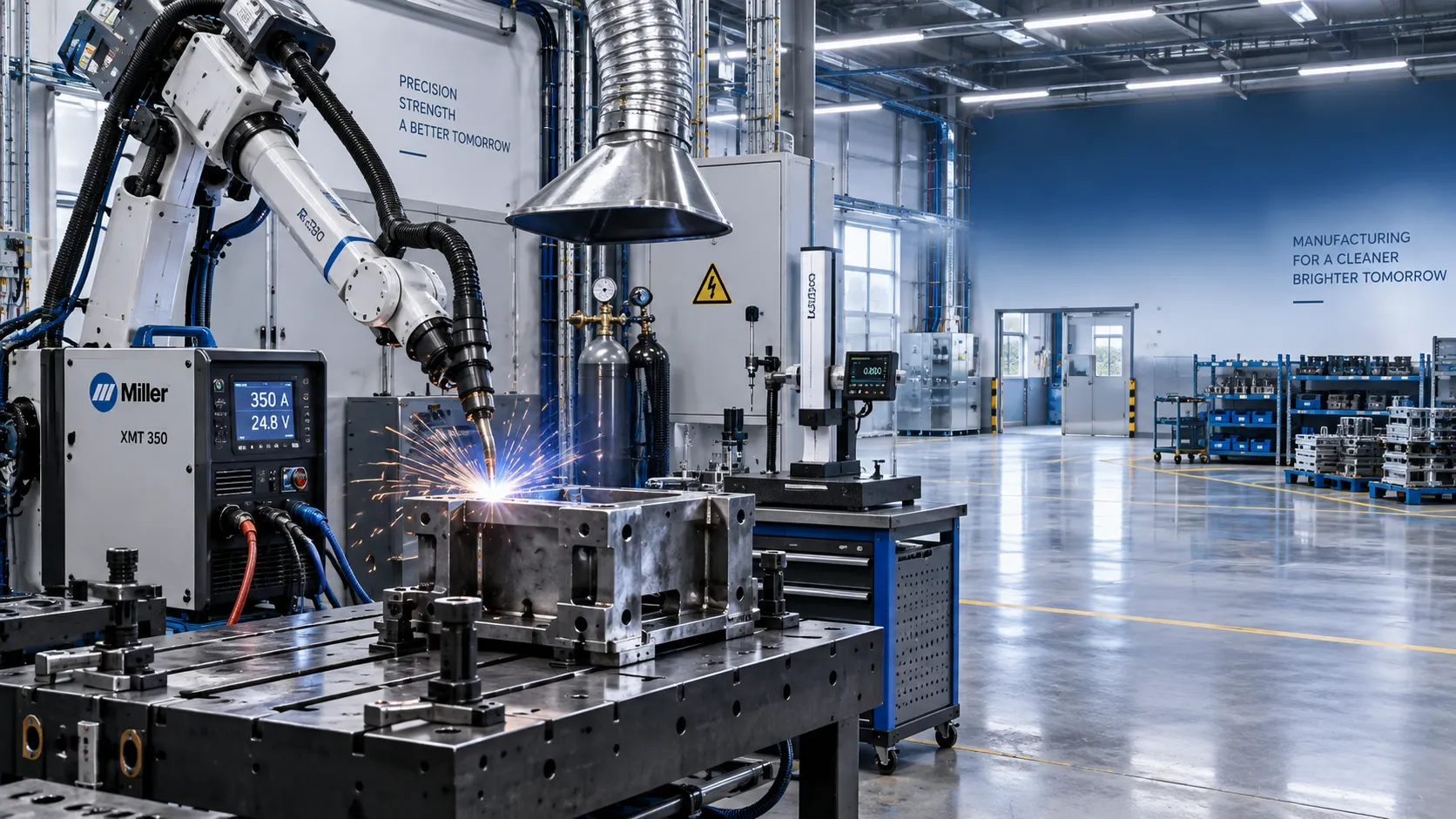
Industrial Equipment Application Guidance: Match Machines to Operating Conditions
Application guidance industrial equipment: match capacity, duty cycle, materials, site conditions, safety, and lifecycle cost to improve reliable output. Read the guide.
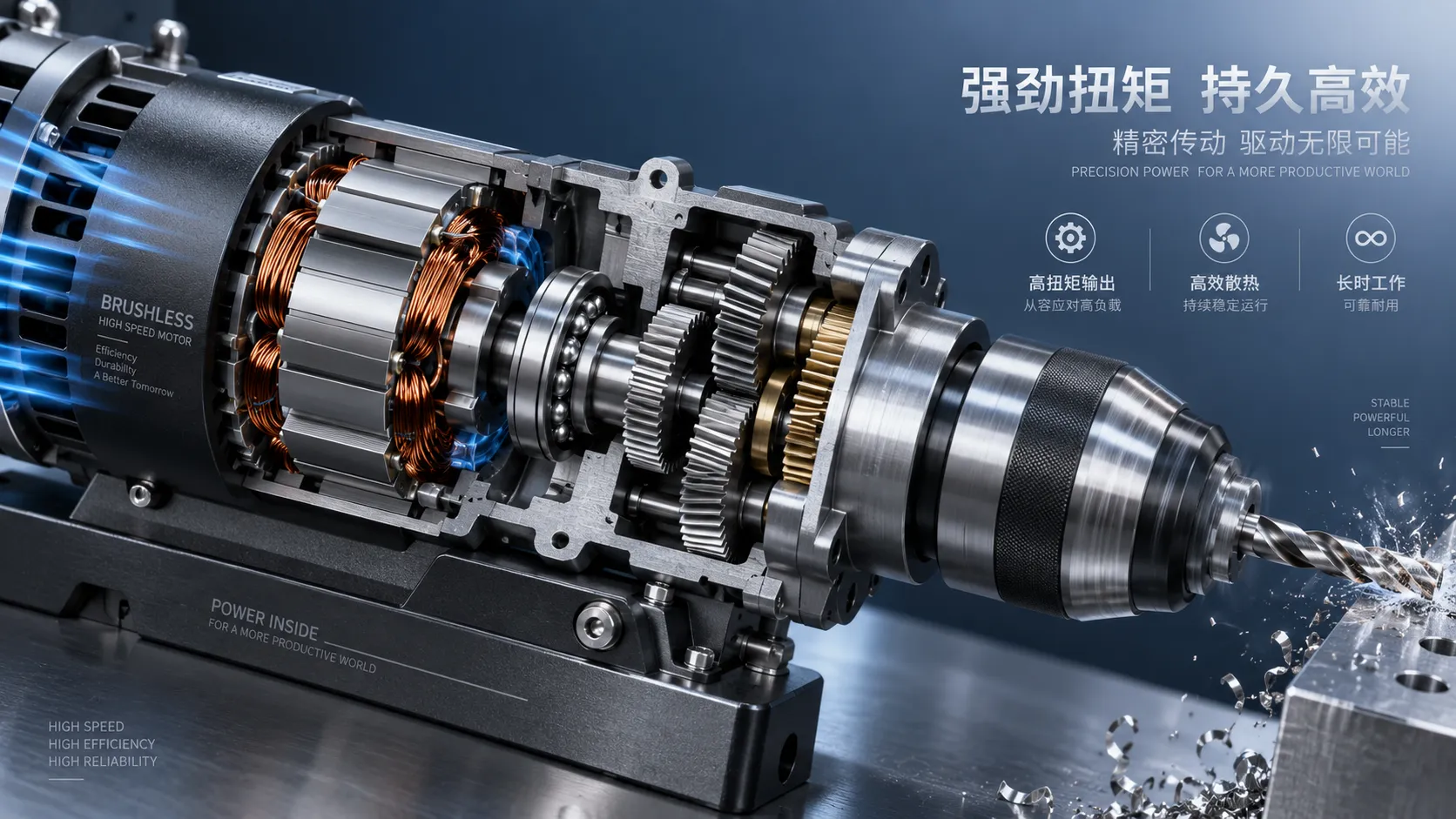
Selecting High-Speed Brushless Tool Motors for Torque, Heat, and Duty Cycle
High speed brushless tool motors: learn how to balance torque, heat, gearing, and duty cycle for reliable industrial tool performance and longer service life.
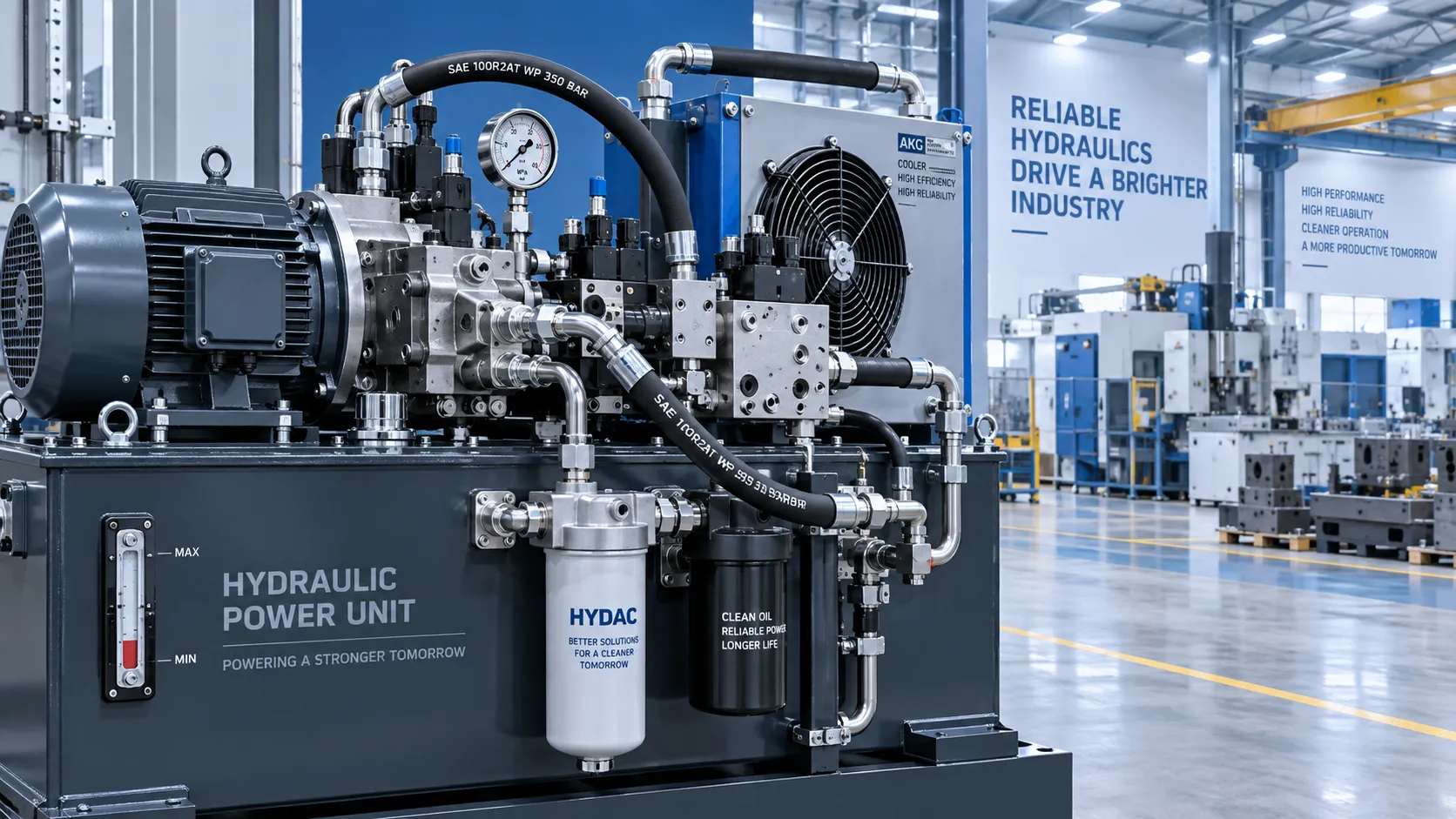
What Determines Industrial Hydraulic System Price for Heavy-Duty Equipment?
Industrial hydraulic system price depends on duty cycle, pressure, components, cooling, and integration. Compare quotes intelligently to secure reliable heavy-duty performance.
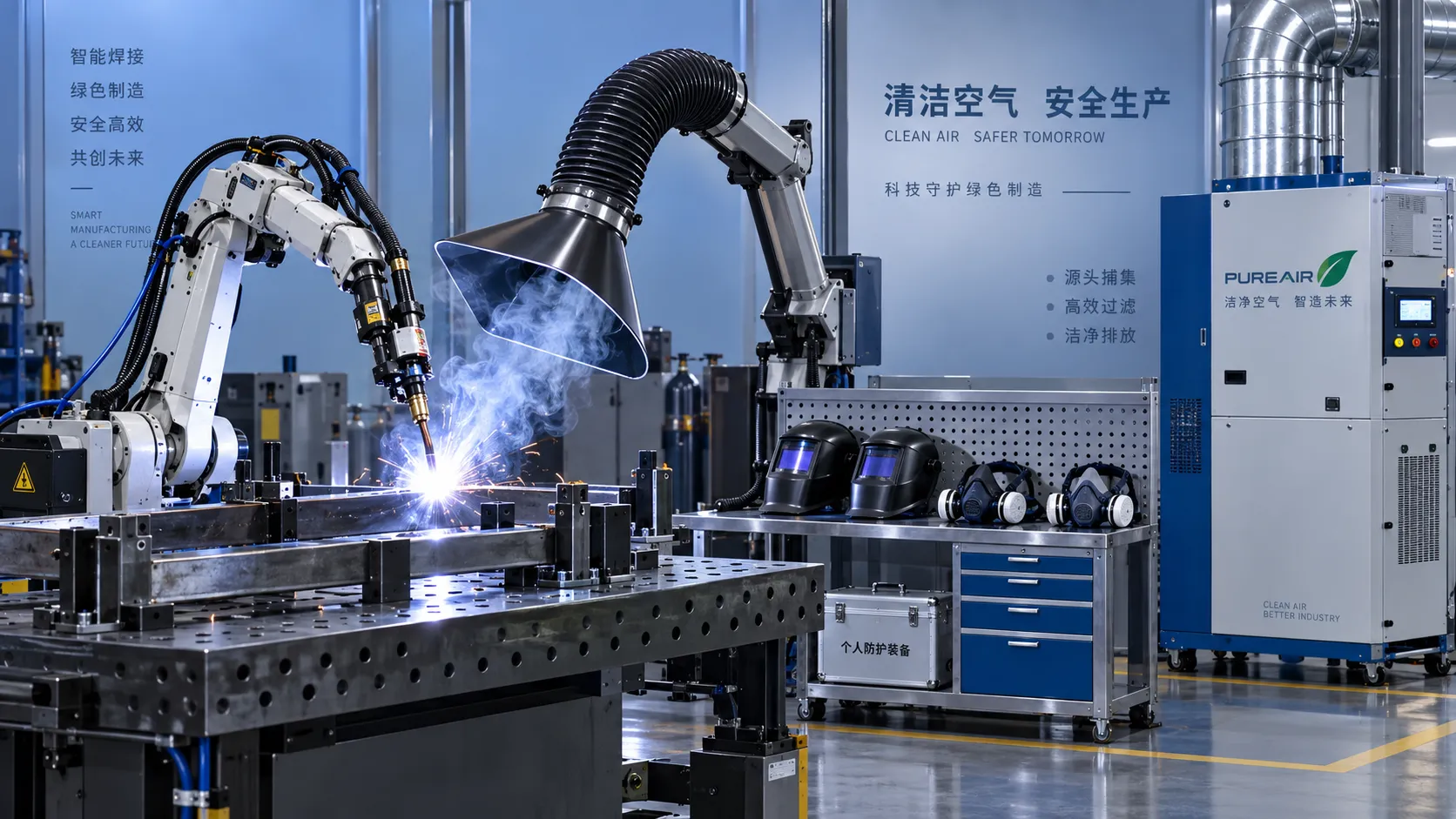
Welding Fume Extraction PPE: When Respirators Are Not Enough for Shop Safety
Welding fume extraction PPE: learn why respirators alone fall short and how source capture, ventilation, and layered controls improve shop safety.

How to Select Optical Metrology Solutions for Tight-Tolerance Manufacturing
Optical industrial metrology solutions for tight-tolerance manufacturing: evaluate accuracy, surface compatibility, workflow, and traceability to select with confidence.
Related News
- 00
0000-00
Automotive Tools: How to Build a Reliable Toolkit for Routine Vehicle Service - 00
0000-00
How to Build an Automotive Hand Tool Set for Routine Vehicle Service - 00
0000-00
Construction Maintenance Tools for Site Repair: What to Pack for Concrete, Steel, and Pipe Fixes - 00
0000-00
Product Information Resources for Assembly Tools: What Specs Matter Before You Compare Models? - 00
0000-00
Industrial Applications of Torque Control Wrenches in Assembly Lines and Field Maintenance
Industrial Craft Curator
Weekly Insights
Stay ahead with our curated technology reports delivered every Monday.