
Industrial IoT rollout problems that surface after launch





Industrial IoT rollout problems that surface after launch
Industrial IoT rollouts rarely fail on launch day. Their real weaknesses appear later, when alerts drift, data quality drops, and service teams lose confidence in device signals.
In industrial environments, these post-launch issues affect maintenance speed, spare-part planning, warranty evidence, and equipment uptime across workshops, fleets, and distributed service networks.
For organizations tracking assembly tools, welding systems, metrology assets, or connected production equipment, industrial IoT must stay reliable after go-live, not just during pilot validation.
This guide explains the industrial IoT problems that often surface after launch and offers a practical way to detect, prioritize, and correct them before they damage service performance.
Why post-launch industrial IoT problems need a structured review
Many teams treat launch as the finish line. In reality, launch only proves that devices can connect, dashboards can render, and basic workflows can operate.
Weeks later, hidden gaps emerge. Edge devices may send duplicate values. Sensor timestamps may drift. Alarm logic may generate noise instead of maintenance insight.
A structured review matters because industrial IoT spans hardware, firmware, networks, cloud rules, field service, and process ownership. Small failures often combine into expensive operational blind spots.
For industrial assembly, welding, and precision measurement applications, this matters even more. Tool performance, calibration history, and safety-related events require trustworthy, traceable device data.
Core checks to run after an industrial IoT launch
Use the following review points to assess whether an industrial IoT deployment is truly stable in daily operations.
- Verify device uptime against planned operating hours, not just online status, because industrial IoT assets may appear connected while failing to capture meaningful runtime events.
- Check timestamp consistency across sensors, gateways, and cloud systems, since delayed or mismatched time records can distort maintenance history and false-fail root cause analysis.
- Audit alert quality weekly, measuring repeated, ignored, and low-value alarms, because industrial IoT alert fatigue quickly reduces technician trust and slows response discipline.
- Compare sensor values with physical inspection samples to confirm calibration drift, especially where torque, temperature, vibration, current, or weld quality indicators influence service decisions.
- Review network resilience at edge locations, including dead zones, handoff failures, and buffering behavior, so industrial IoT data gaps do not silently break trend analysis.
- Confirm firmware version control and rollback procedures, because unmanaged updates often create inconsistent industrial IoT behavior across identical machines in different facilities.
- Map every alert to a named response owner and action rule, ensuring industrial IoT events trigger service execution instead of remaining passive dashboard information.
- Inspect integration quality with CMMS, ERP, and ticketing tools, since disconnected industrial IoT insights lose value when maintenance work orders are still created manually.
- Measure battery life, power stability, and restart behavior for field devices, because intermittent power issues often mimic software faults in industrial IoT deployments.
- Evaluate cybersecurity logs after launch, including failed authentication, certificate expiration, and unusual traffic, to prevent industrial IoT reliability issues from becoming security incidents.
Where these industrial IoT issues appear in real operations
Connected assembly tools
In assembly environments, industrial IoT often tracks torque, cycle counts, motor load, and tool usage patterns. Problems surface when cycle data looks complete but sequence context is missing.
That gap affects traceability. A tool may show normal output, yet still miss condition signals linked to bearing wear, overuse, or unauthorized parameter changes.
Welding equipment and metal joining systems
For welding assets, industrial IoT data may include current, voltage, duty cycle, gas flow, and temperature. After launch, unstable readings often come from shielding, placement, or environmental interference.
If those signals feed service rules, false exceptions can increase unnecessary site visits. Meanwhile, actual overheating or cable degradation may remain hidden beneath noisy trends.
Precision metrology and inspection devices
Metrology systems need stronger data integrity than many other industrial assets. Even minor sync errors can break calibration history and weaken confidence in audit trails.
A post-launch industrial IoT review should confirm time accuracy, environmental correlation, and record retention policies for every connected measuring instrument.
Distributed service fleets and remote sites
Remote industrial IoT deployments often rely on unstable cellular links, local caching, and mixed power conditions. Launch success can hide field fragility until traffic volume increases.
In these cases, the key checks are store-and-forward logic, reconnection performance, and whether missing records are flagged clearly instead of silently dropped.
Often ignored risks after industrial IoT deployment
Alarm ownership is unclear
An alert without a defined owner becomes background noise. Industrial IoT creates value only when every event has a response path, escalation rule, and closeout record.
Pilot logic was never adapted for scale
Thresholds that worked on ten devices often fail on five hundred. Normal variation expands with scale, making rigid pilot settings a major source of false positives.
Data governance remains incomplete
Many industrial IoT programs launch before naming data owners, retention rules, and validation methods. This creates disputes later when service, quality, and engineering use the same records differently.
Technicians stop trusting the system
Once field teams encounter repeated false alerts or missing records, trust drops quickly. Recovery is slow, even if the technical issue gets fixed later.
Security maintenance is treated separately from uptime
Expired certificates, weak credentials, and unmanaged ports can interrupt industrial IoT connectivity. Security hygiene and operational continuity must be reviewed together, not in separate tracks.
Practical actions to stabilize industrial IoT after launch
- Run a 30-day post-launch audit covering data quality, alert performance, integration behavior, and device uptime by site, asset type, and firmware version.
- Create a short exception log for every recurring industrial IoT issue, including symptom, probable cause, operational impact, temporary fix, and permanent corrective action.
- Set acceptance thresholds for signal completeness, timestamp accuracy, and alarm usefulness, so platform success is measured beyond basic connectivity metrics.
- Review edge-to-cloud architecture with service teams, because the people using industrial IoT outcomes often notice reliability failures before IT dashboards do.
- Synchronize maintenance workflows with device intelligence, linking high-confidence industrial IoT events directly to inspections, parts staging, and remote support actions.
- Schedule regular firmware, security, and calibration reviews together, reducing the chance that one update solves a problem while creating another operational issue.
How to keep industrial IoT useful over time
Industrial IoT should not be judged only by launch speed or dashboard appearance. Long-term value comes from reliable data, practical alerts, and smooth maintenance execution.
Organizations working across industrial tools, welding systems, and metrology technologies should revisit post-launch performance at fixed intervals, especially after updates, expansion, or process changes.
A disciplined review approach protects uptime, improves service economics, and strengthens trust in connected equipment intelligence. That is where industrial IoT starts supporting real industrial performance.
The next step is simple: audit one live deployment, rank the highest-impact post-launch failures, and convert those findings into standard operating checks for every future industrial IoT rollout.
Related News
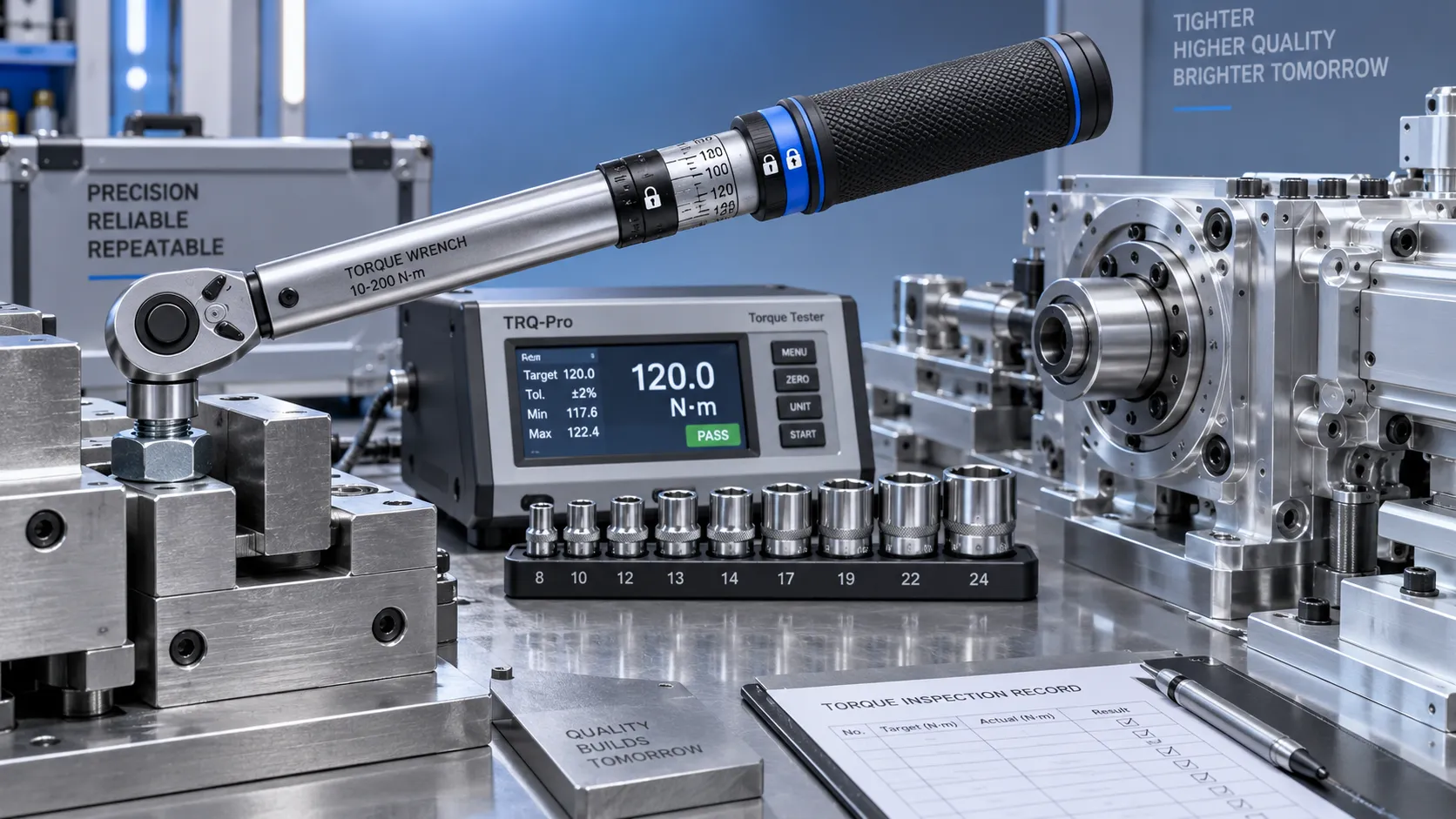
Selecting Adjustable Torque Tools for Repeatable Fastener Assembly
Adjustable torque tools: learn how to match range, accuracy, control methods, calibration, and ergonomics for repeatable, reliable fastener assembly.

How to Select Aerospace Inspection Tools for Aircraft Maintenance Tasks
Aerospace maintenance inspection tools: learn how to select reliable, traceable equipment for aircraft access, accuracy, calibration, and compliant maintenance decisions.

How to Select Wire Bonding Tools for Fine-Pitch Semiconductor Packaging
Explore semiconductor manufacturing tools for wire bonding and learn how to select precision solutions for fine-pitch packaging, reliable loops, accuracy, and yield.
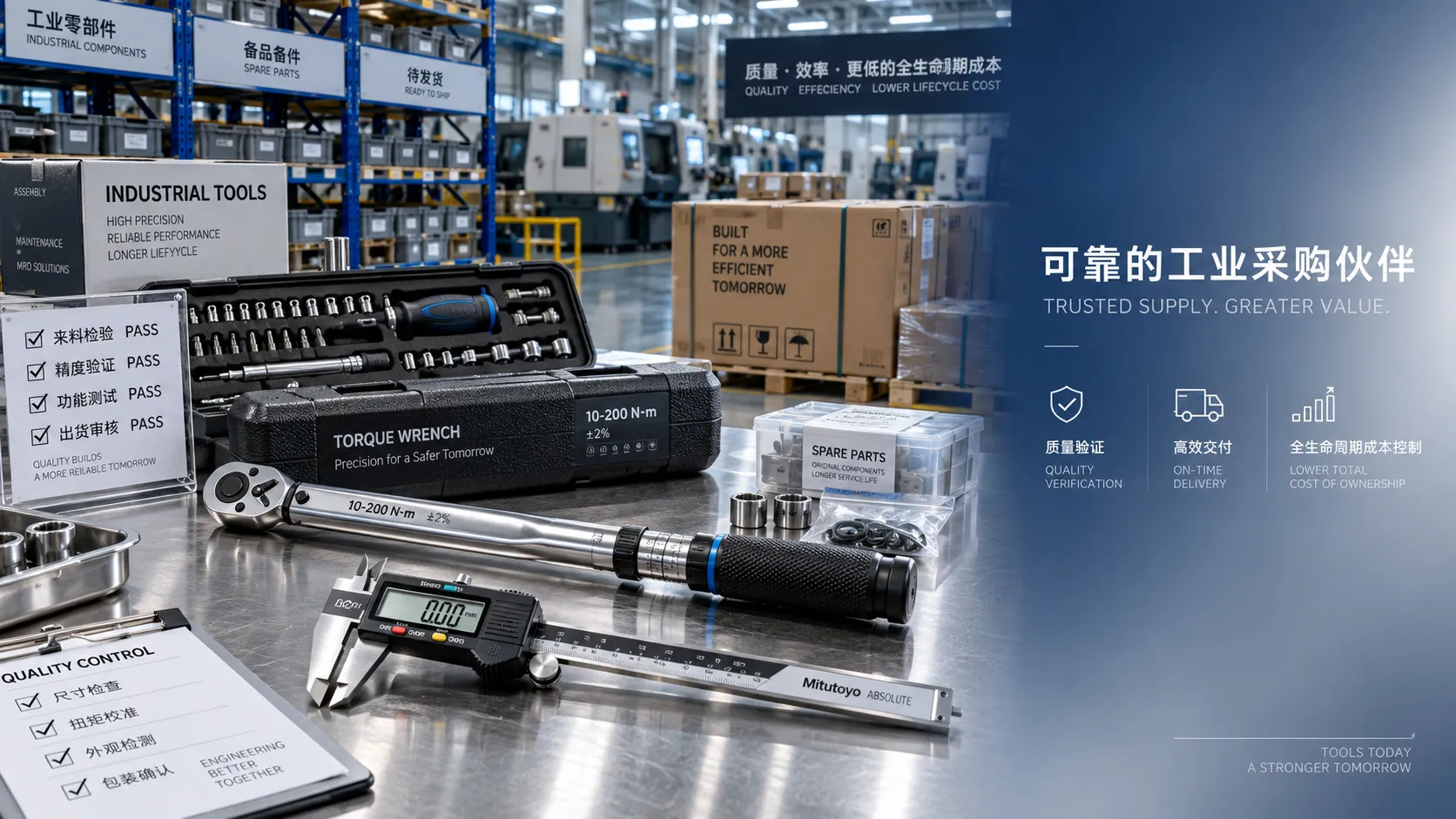
How to Compare Industrial Tool Suppliers for Quality, Lead Time, and Total Cost
Industrial tool selection supplier comparison made simple: evaluate quality, lead times, total cost, service, and supply resilience for confident sourcing decisions.
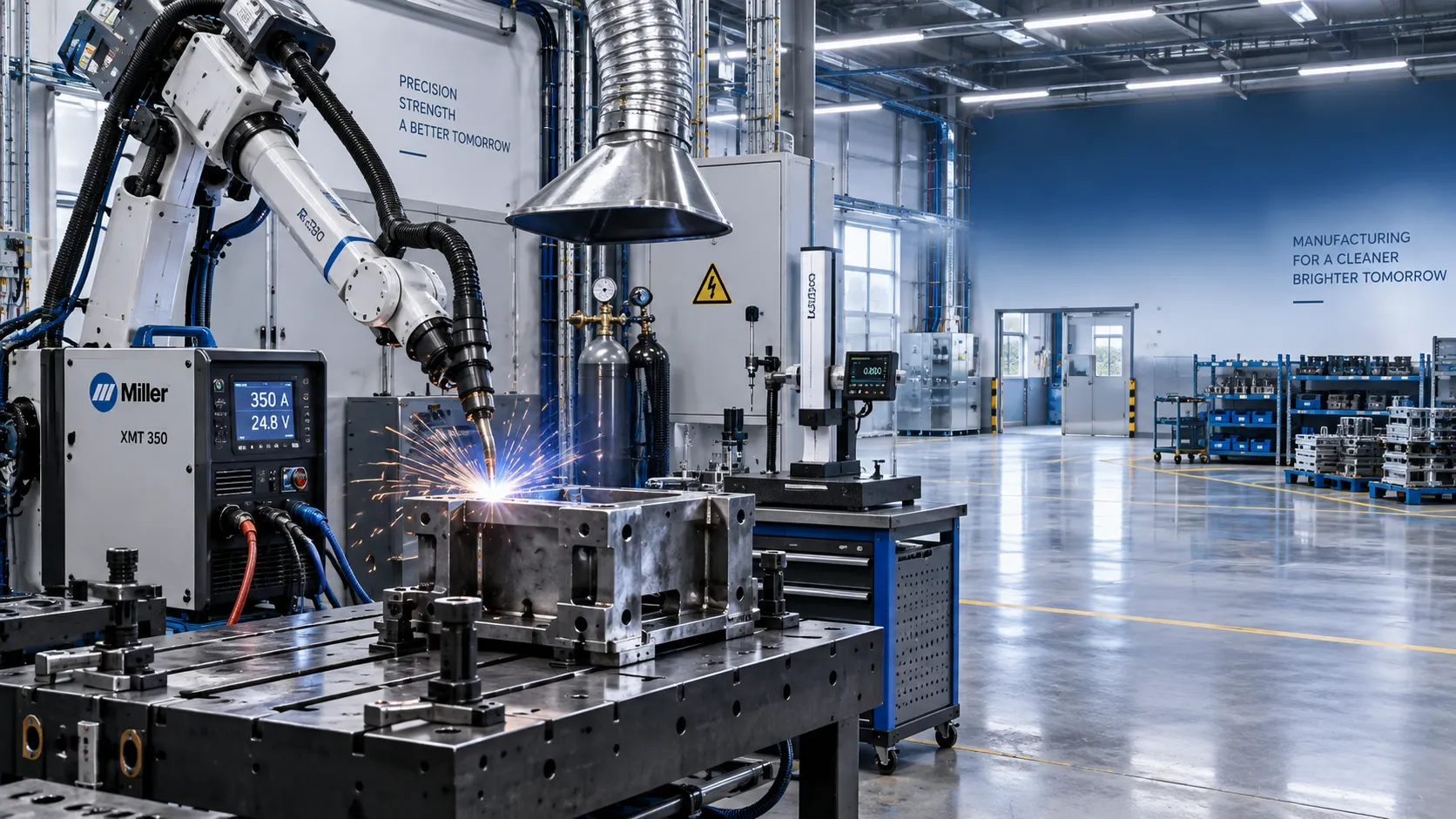
Industrial Equipment Application Guidance: Match Machines to Operating Conditions
Application guidance industrial equipment: match capacity, duty cycle, materials, site conditions, safety, and lifecycle cost to improve reliable output. Read the guide.
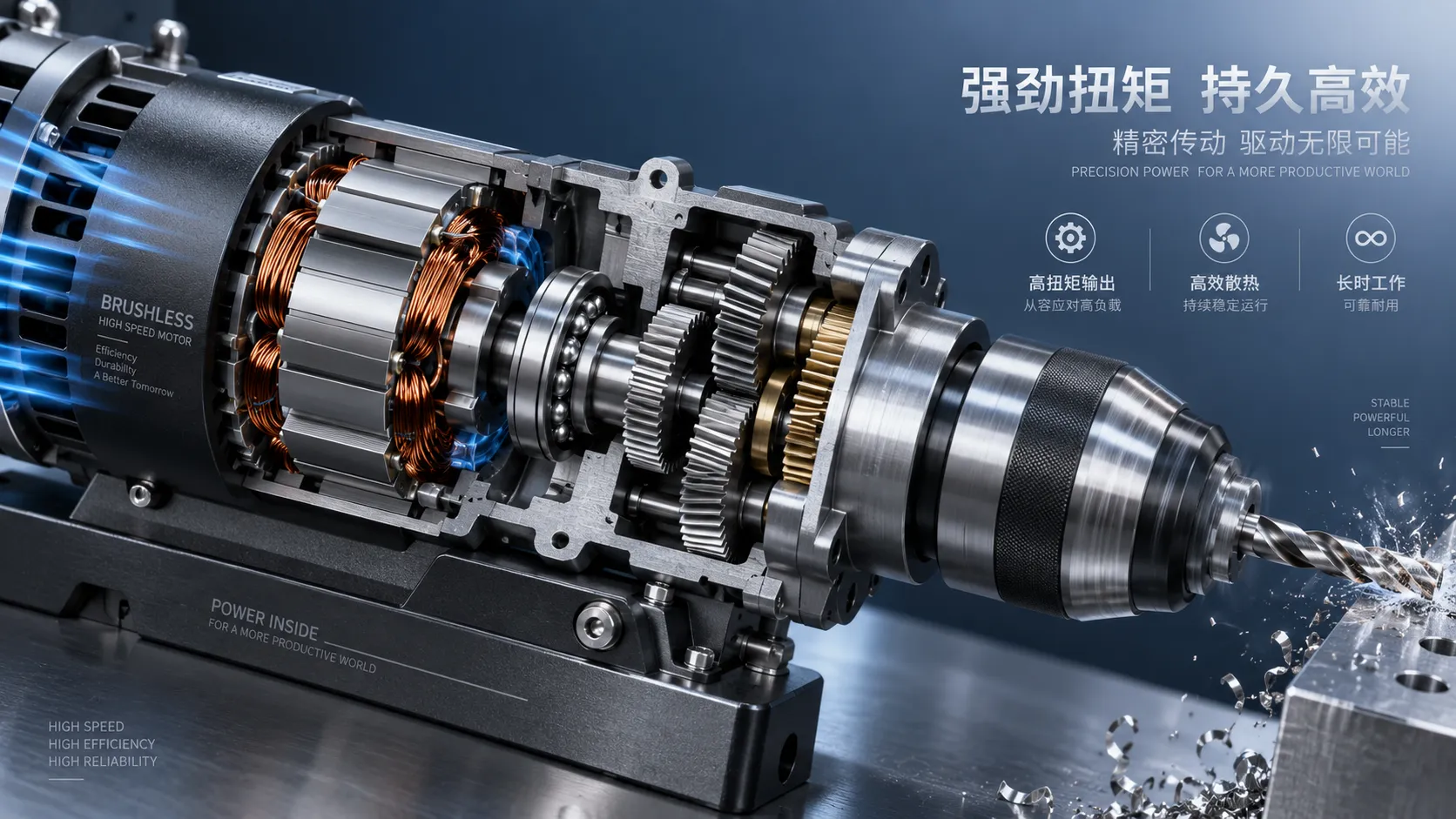
Selecting High-Speed Brushless Tool Motors for Torque, Heat, and Duty Cycle
High speed brushless tool motors: learn how to balance torque, heat, gearing, and duty cycle for reliable industrial tool performance and longer service life.
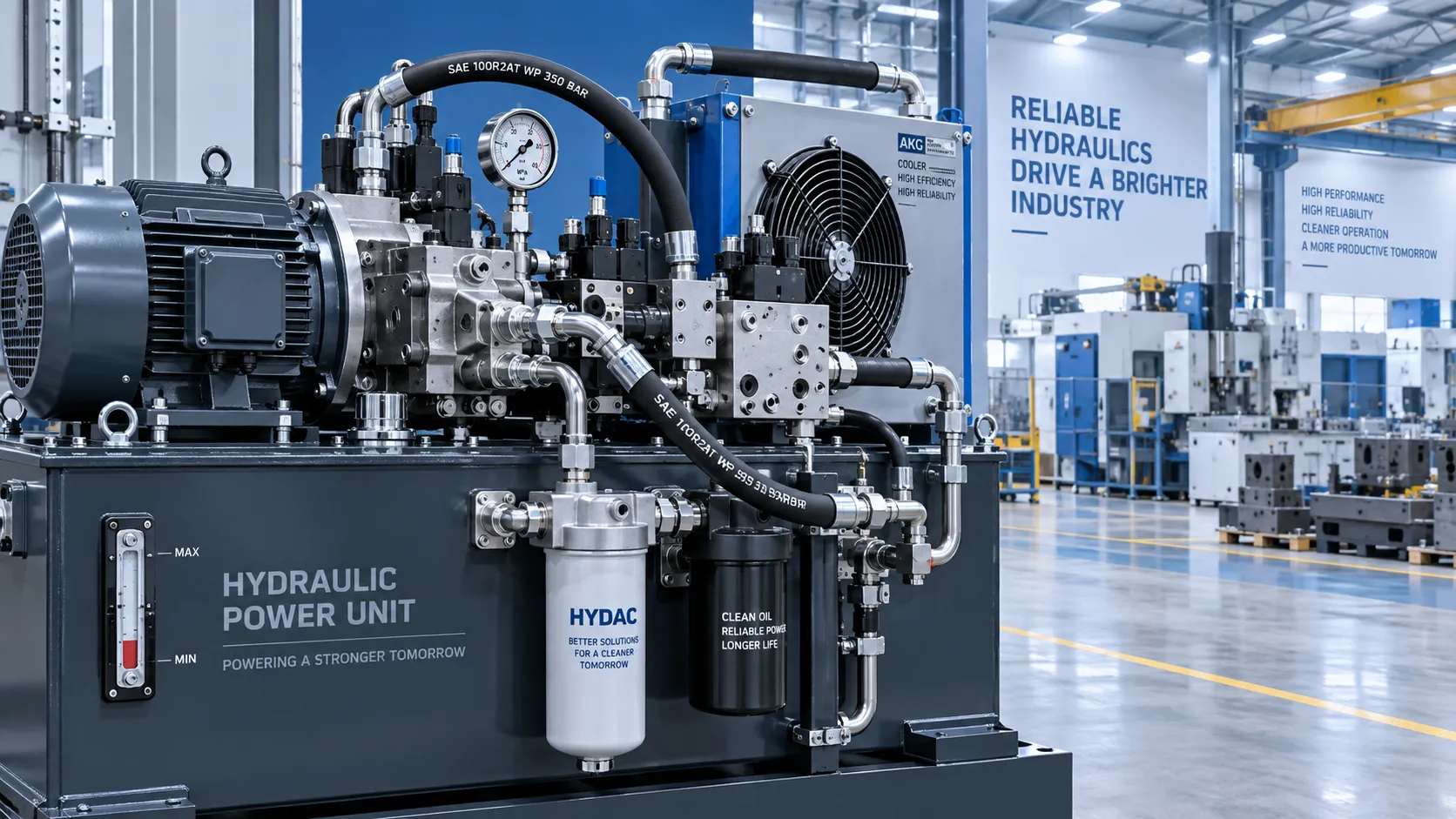
What Determines Industrial Hydraulic System Price for Heavy-Duty Equipment?
Industrial hydraulic system price depends on duty cycle, pressure, components, cooling, and integration. Compare quotes intelligently to secure reliable heavy-duty performance.
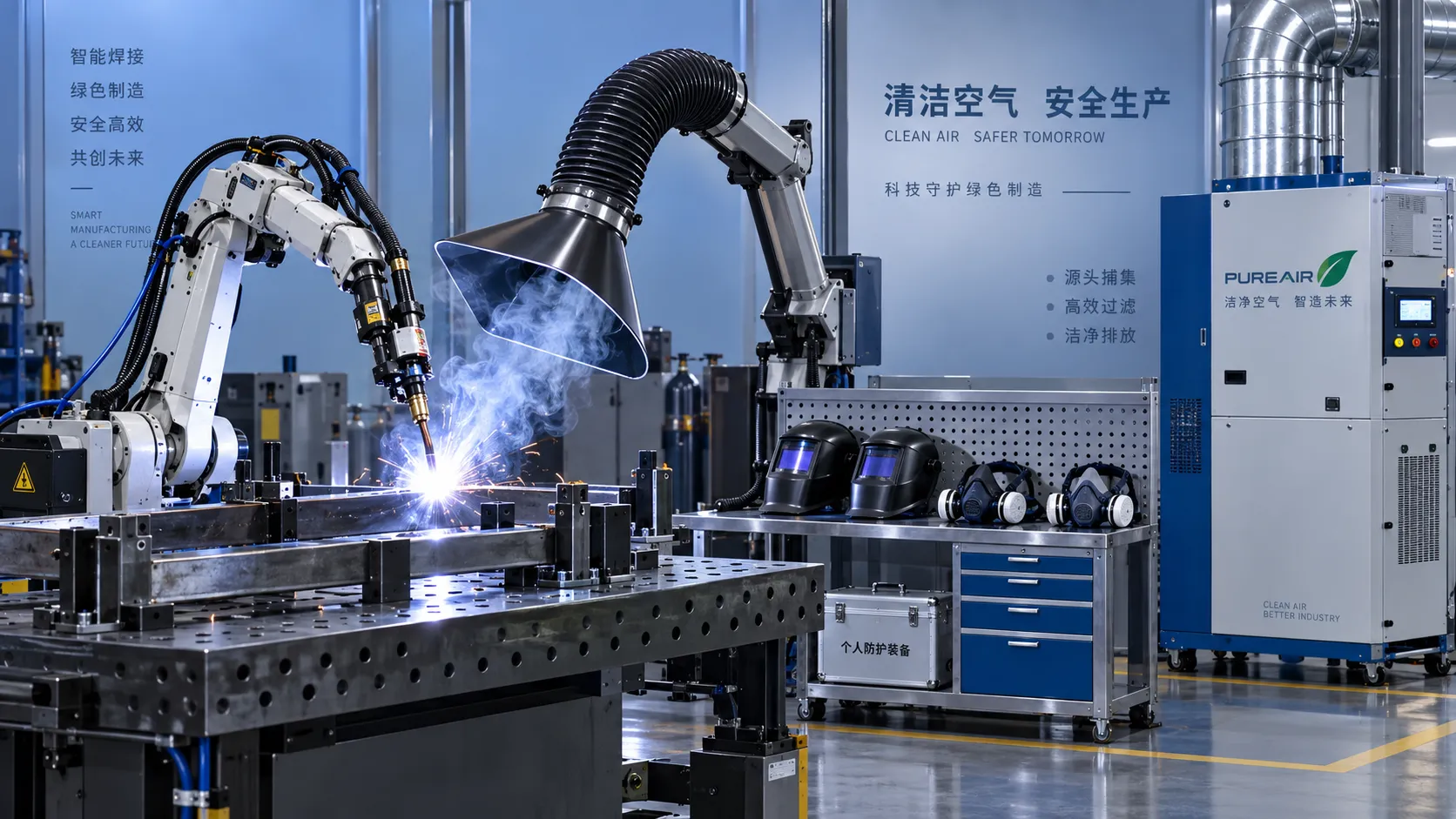
Welding Fume Extraction PPE: When Respirators Are Not Enough for Shop Safety
Welding fume extraction PPE: learn why respirators alone fall short and how source capture, ventilation, and layered controls improve shop safety.

How to Select Optical Metrology Solutions for Tight-Tolerance Manufacturing
Optical industrial metrology solutions for tight-tolerance manufacturing: evaluate accuracy, surface compatibility, workflow, and traceability to select with confidence.
Related News
- 00
0000-00
Selecting Adjustable Torque Tools for Repeatable Fastener Assembly - 00
0000-00
How to Select Aerospace Inspection Tools for Aircraft Maintenance Tasks - 00
0000-00
How to Select Wire Bonding Tools for Fine-Pitch Semiconductor Packaging - 00
0000-00
Industrial Equipment Application Guidance: Match Machines to Operating Conditions - 00
0000-00
Selecting High-Speed Brushless Tool Motors for Torque, Heat, and Duty Cycle
Prof. Marcus Chen
Weekly Insights
Stay ahead with our curated technology reports delivered every Monday.