
Will raw material fluctuations keep tool prices unstable in 2026?





Will raw material fluctuations continue to keep tool prices unstable in 2026? For industrial buying decisions, this is not only a budgeting issue. It shapes contract timing, supplier diversification, stocking policies, and margin protection across assembly, welding, maintenance, and metrology applications. Steel, copper, aluminum, rare earth inputs, freight, and power costs still move unevenly, while exchange rates and trade restrictions add a second layer of uncertainty. In 2026, raw material fluctuations are likely to remain a major driver of tool price instability, but the impact will not be uniform across categories. Some products may stabilize through better inventory discipline and localized sourcing, while others could stay exposed because of component complexity, energy intensity, or compliance costs.
Why do raw material fluctuations still matter so much for tool prices in 2026?
Raw material fluctuations affect tools because most industrial products are built from layered cost structures rather than a single commodity input. A power tool may depend on steel gears, copper windings, aluminum housings, electronics, lithium-based battery materials, engineered plastics, and packaging. A welding torch or clamp may appear simple, yet brass, copper alloys, rubber compounds, machining energy, and freight can all shift final pricing. Precision measuring tools add hardened steel, carbide, optical parts, and calibration-related overhead.
In 2026, the key concern is not merely whether commodity prices rise or fall. The bigger issue is how quickly they change and how unevenly suppliers pass those changes through the chain. When steel prices soften but energy costs rise, the expected savings may never fully reach the buyer. When copper drops, manufacturers may still hold higher-cost inventory purchased months earlier. That lag is one reason raw material fluctuations keep tool prices unstable even when market headlines suggest easing pressure.
Another factor is product segmentation. Entry-level hand tools often respond differently from premium cordless tools or high-precision metrology instruments. The more specialized the bill of materials and the stricter the quality control, the less likely a temporary commodity decline will quickly reduce selling prices. In short, raw material fluctuations remain important in 2026 because they interact with inventory cycles, production energy, certification requirements, and supplier pricing strategy.
Which tool categories are most exposed to raw material fluctuations?
Not every category reacts with the same intensity. Exposure depends on material content, value-added complexity, and how concentrated the supply base is. A useful way to judge risk is to ask whether the product is metal-intensive, copper-intensive, battery-dependent, or calibration-sensitive.
- Hand tools: Often sensitive to steel, chrome, alloy treatment, and freight. Price moves can be moderate but frequent.
- Power tools: Strong exposure to copper, aluminum, magnets, semiconductors, batteries, and plastics. Raw material fluctuations can combine with electronics shortages.
- Welding equipment and accessories: Copper, brass, cable materials, gas-control components, and energy-intensive fabrication can create larger volatility.
- Precision measuring instruments: Premium steels, carbide, optics, sensors, and calibration processes reduce flexibility, so downward price adjustments are often slower.
- Hydraulic and maintenance equipment: Steel, seals, hoses, and machining inputs matter, but replacement-part availability can sometimes outweigh raw material fluctuations.
The highest instability in 2026 is likely to appear where metal content overlaps with electrification or safety compliance. Cordless platforms, laser-assisted tools, and advanced welding systems may stay more volatile than basic forged items. This does not always mean higher prices every quarter. It means the pricing path may be less predictable and more supplier-specific.
If commodity markets cool down, will tool prices automatically fall?
Usually not. One of the most common misunderstandings is assuming lower commodity indexes should immediately translate into cheaper tools. In practice, several buffers stand between raw material fluctuations and final invoice prices.
First, manufacturers may still be consuming inventory purchased at earlier, higher rates. Second, production costs include labor, electricity, tooling wear, financing, compliance testing, and warranty risk. Third, many suppliers use blended pricing models, meaning they update quotations only after material changes cross a certain threshold. Fourth, channel partners may protect margin after a period of squeezed profitability, delaying retail or distribution-level price reductions.
This is why raw material fluctuations should be interpreted as a directional signal, not a guaranteed pricing formula. A softer steel market may help stabilize hand tool offers, but it may not reduce prices if anti-corrosion finishing, shipping, or exchange-rate pressure rises at the same time. For higher-technology tools, a decline in one input may be offset by electronics or certification costs. The better question for 2026 is not “Will prices fall?” but “Which components of the cost stack are easing, and which are still sticky?”
How can sourcing decisions reduce the risk created by raw material fluctuations?
The most effective response is to turn market volatility into a structured decision framework. Raw material fluctuations cannot be controlled, but exposure can be managed through timing, specifications, and supplier architecture.
A practical approach includes:
- Separate high-volatility items from routine replenishment items and review them on different quotation cycles.
- Request material-linked quotation logic, especially for products with visible steel, copper, or aluminum exposure.
- Use multi-source strategies for standard tools, but keep stricter technical validation for measuring and welding-critical products.
- Compare landed cost, not ex-works price only. Freight, duties, and lead time variability can cancel a lower unit offer.
- Build safety stock selectively for items with high downtime impact and unstable material content.
- Review substitution opportunities, such as alternate finishes, packaging formats, or accessory bundles that preserve performance while reducing cost sensitivity.
Negotiation discipline also matters. Instead of asking only for discounts, ask what percentage of the quotation is exposed to raw material fluctuations, what review mechanism applies, and whether surcharges are temporary or embedded. This improves price transparency and makes supplier comparisons more meaningful.
What market signals should be watched to judge tool price stability in 2026?
To anticipate whether raw material fluctuations will keep tool prices unstable, it helps to monitor a small set of connected indicators rather than one headline number. Steel benchmarks alone are not enough.
The most reliable sign of improving stability is not a single month of lower commodities. It is a sustained period where input costs, freight, and lead times all move within narrower bands. When that happens, supplier quotations usually become more predictable and rebate or contract structures become easier to negotiate.
What are the biggest mistakes when responding to raw material fluctuations?
Several errors can turn normal market variation into avoidable cost pressure. The first is overreacting to short-term commodity news and switching suppliers too quickly. A lower offer may hide weaker metallurgy, shorter service life, or inconsistent calibration. The second mistake is treating all tools as equally exposed to raw material fluctuations, which can lead to wasted effort on low-risk categories while higher-risk items remain unmanaged.
Another mistake is buying too much inventory during a price spike. Buffer stock has value, but if demand changes or specifications update, excess stock can lock in the highest point of the cycle. A further risk is ignoring total cost of ownership. Cheaper acquisition cost may be lost through faster wear, more downtime, battery incompatibility, or rework in critical measurement and joining tasks.
The best defense is balanced judgment: monitor raw material fluctuations closely, but validate quality consistency, warranty terms, and replenishment reliability before acting. In many cases, a slightly higher stable supplier is financially safer than a volatile low-price option.
Quick FAQ: what does 2026 likely mean for pricing decisions?
The outlook for 2026 suggests that raw material fluctuations will continue to influence tool prices, but the effect will be uneven across categories and supply chains. Basic metal exposure remains important, yet energy costs, logistics, inventory timing, electronics, and trade policy will decide whether instability is mild or severe. The most practical next step is to classify tool categories by volatility exposure, review supplier cost logic, and track a compact set of market indicators monthly. That approach supports steadier decisions even when raw material fluctuations remain part of the pricing landscape.
Related News
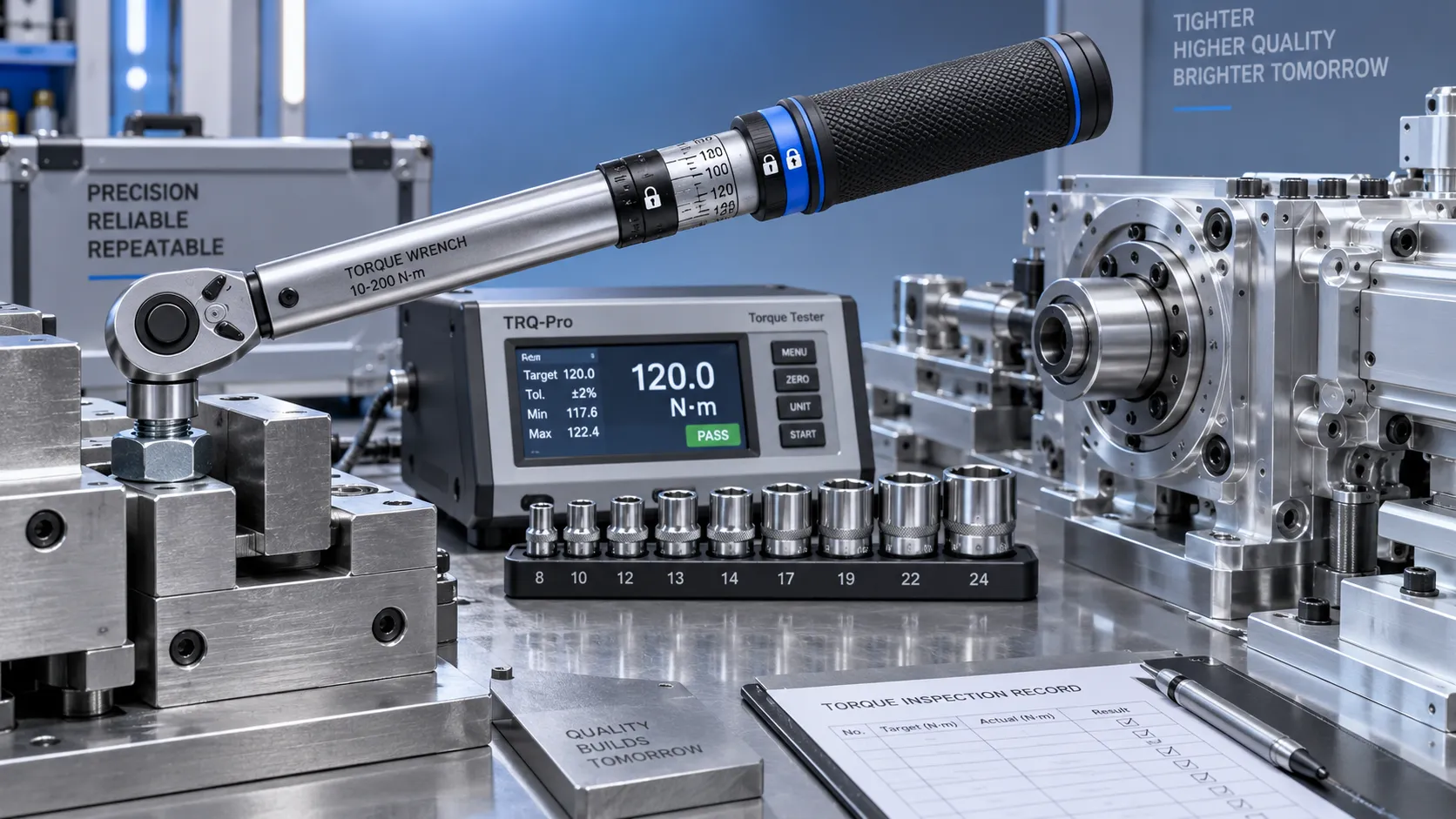
Selecting Adjustable Torque Tools for Repeatable Fastener Assembly
Adjustable torque tools: learn how to match range, accuracy, control methods, calibration, and ergonomics for repeatable, reliable fastener assembly.

How to Select Aerospace Inspection Tools for Aircraft Maintenance Tasks
Aerospace maintenance inspection tools: learn how to select reliable, traceable equipment for aircraft access, accuracy, calibration, and compliant maintenance decisions.

How to Select Wire Bonding Tools for Fine-Pitch Semiconductor Packaging
Explore semiconductor manufacturing tools for wire bonding and learn how to select precision solutions for fine-pitch packaging, reliable loops, accuracy, and yield.
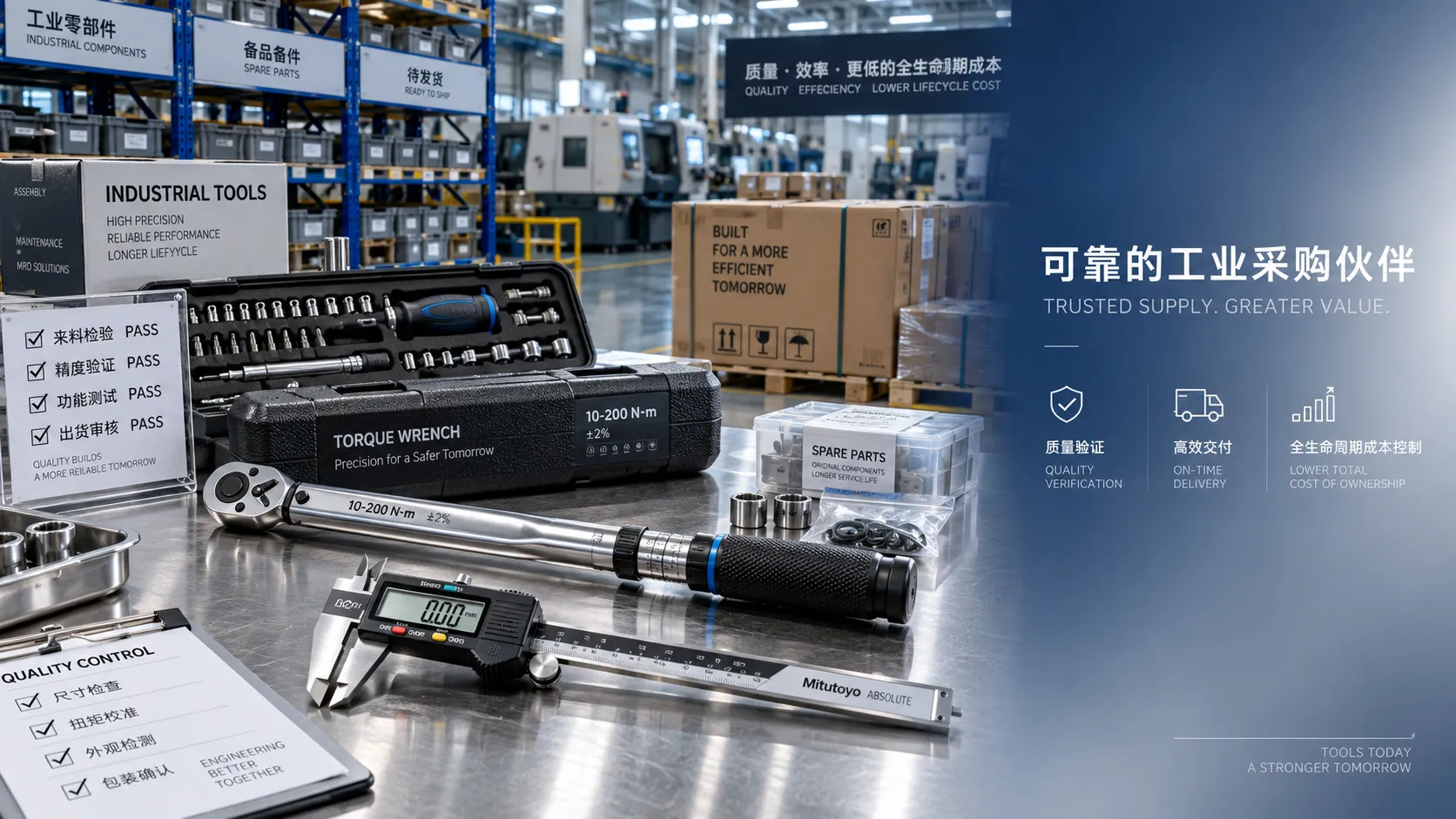
How to Compare Industrial Tool Suppliers for Quality, Lead Time, and Total Cost
Industrial tool selection supplier comparison made simple: evaluate quality, lead times, total cost, service, and supply resilience for confident sourcing decisions.
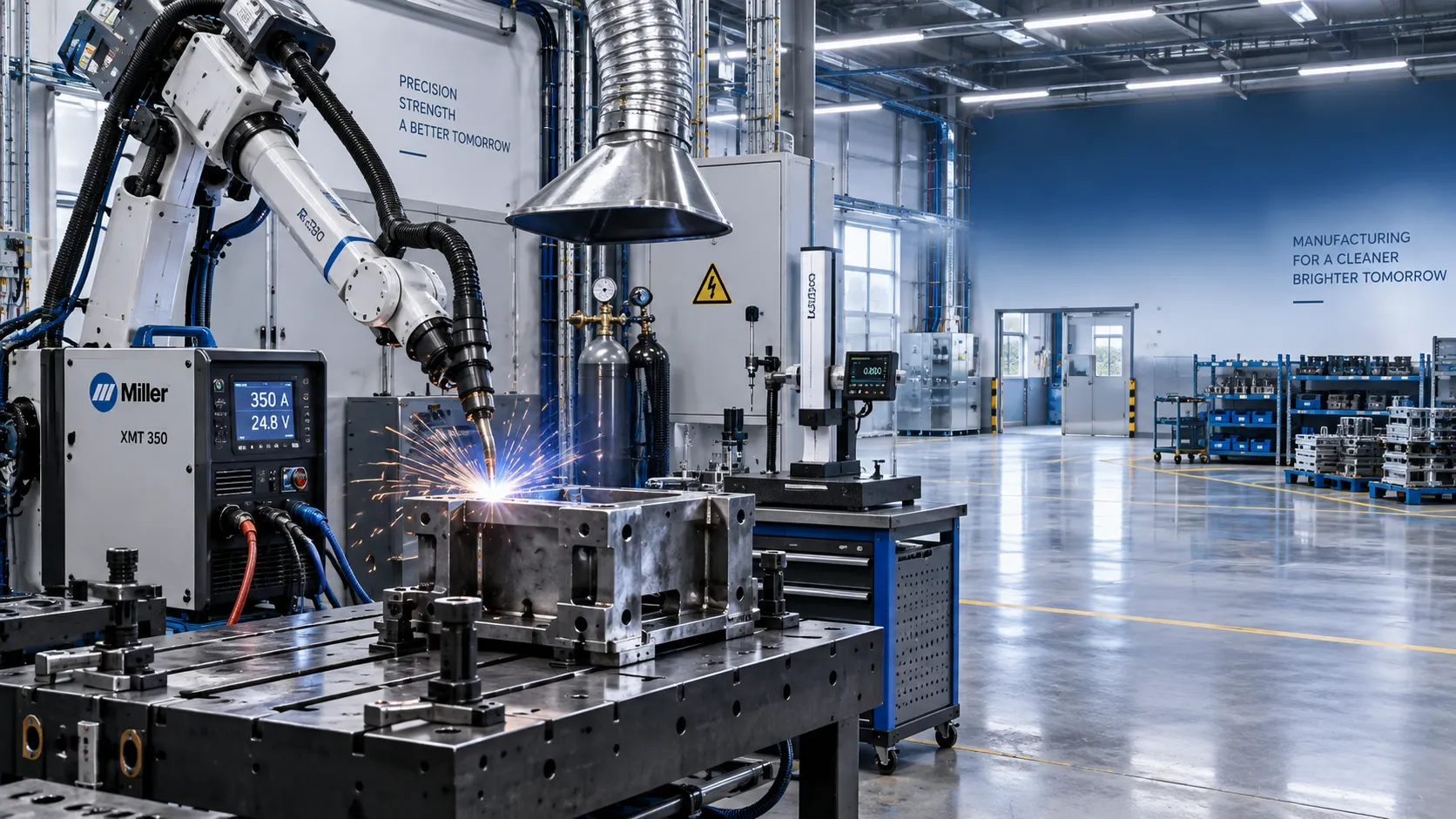
Industrial Equipment Application Guidance: Match Machines to Operating Conditions
Application guidance industrial equipment: match capacity, duty cycle, materials, site conditions, safety, and lifecycle cost to improve reliable output. Read the guide.
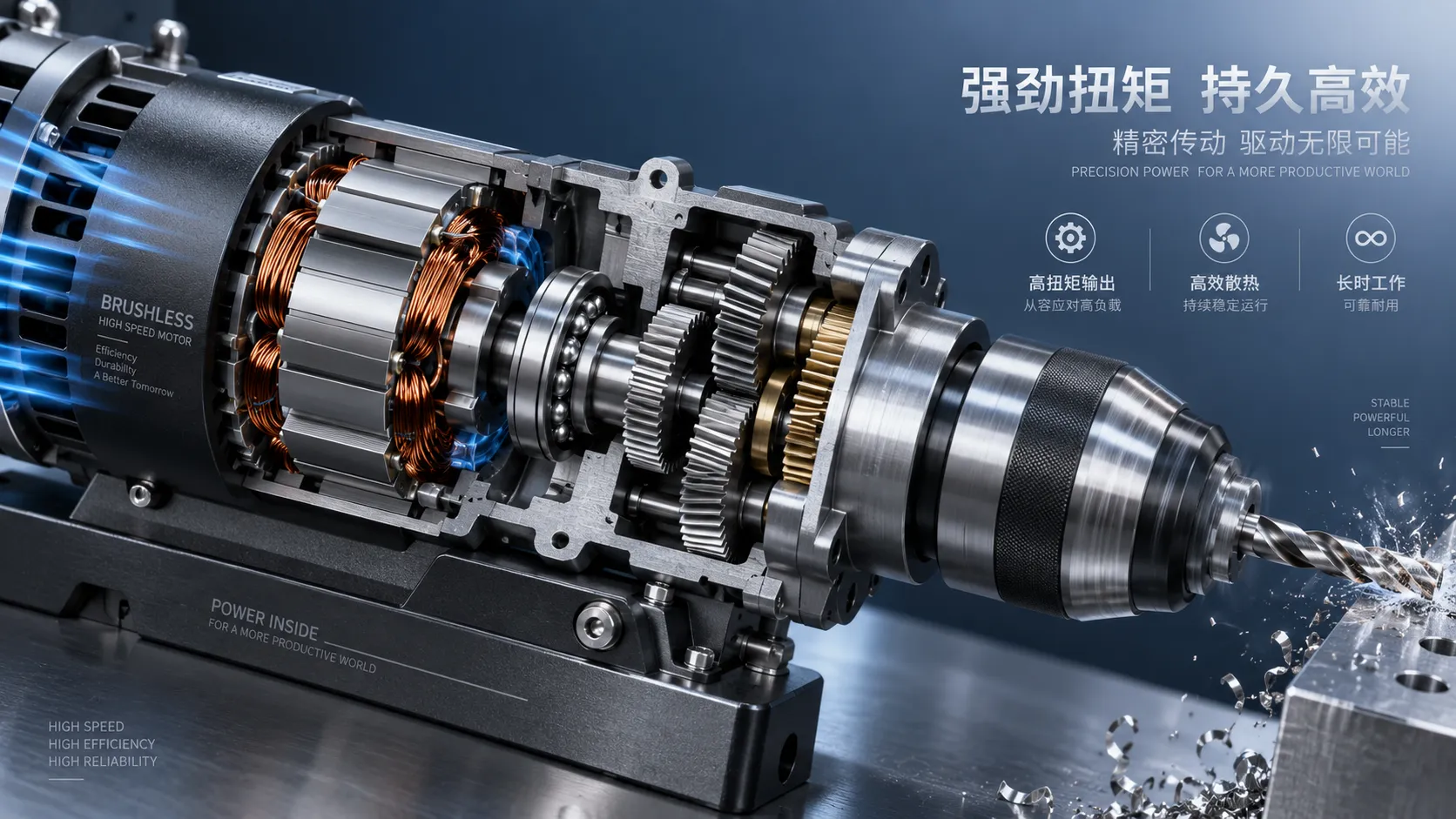
Selecting High-Speed Brushless Tool Motors for Torque, Heat, and Duty Cycle
High speed brushless tool motors: learn how to balance torque, heat, gearing, and duty cycle for reliable industrial tool performance and longer service life.
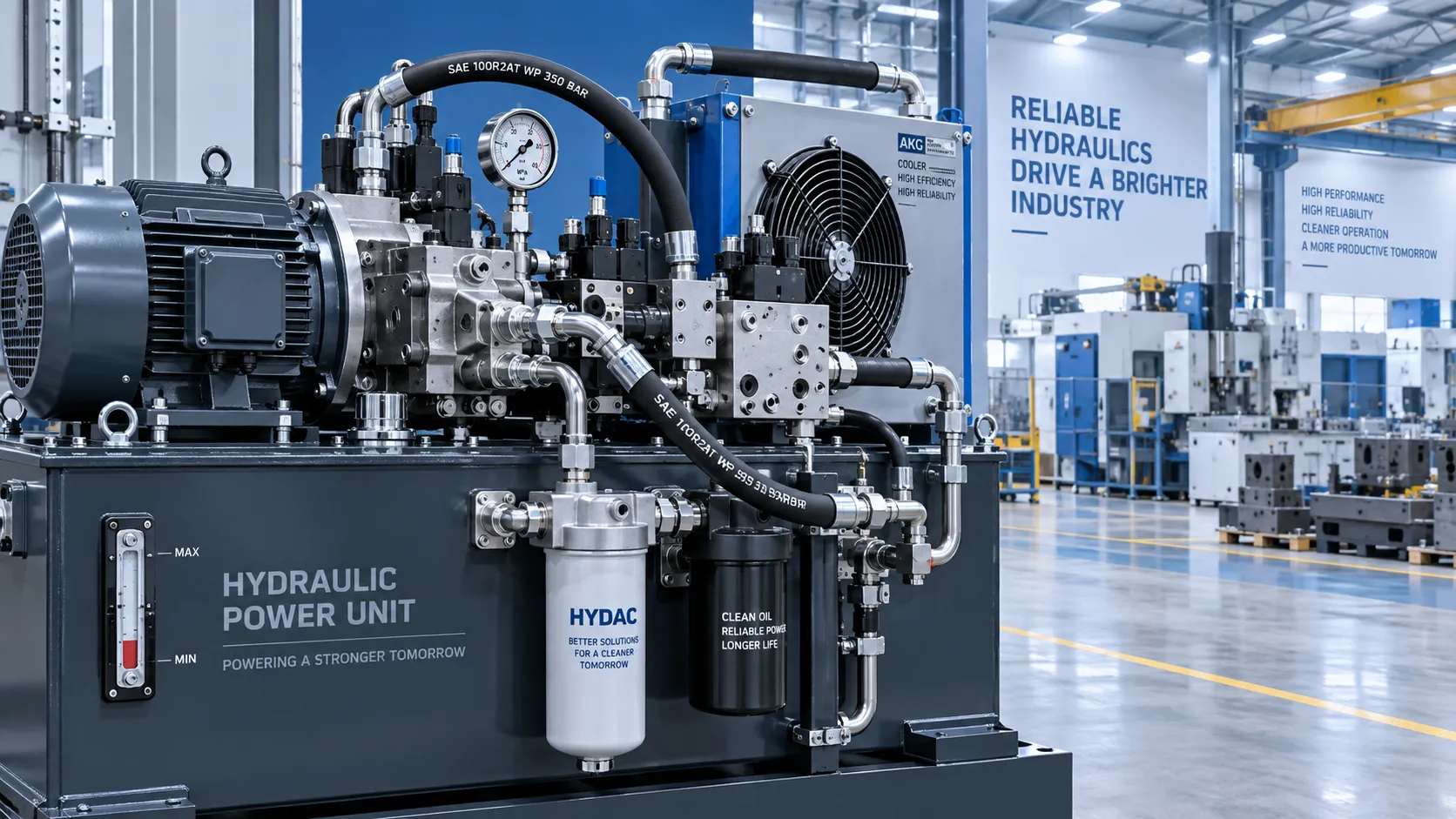
What Determines Industrial Hydraulic System Price for Heavy-Duty Equipment?
Industrial hydraulic system price depends on duty cycle, pressure, components, cooling, and integration. Compare quotes intelligently to secure reliable heavy-duty performance.
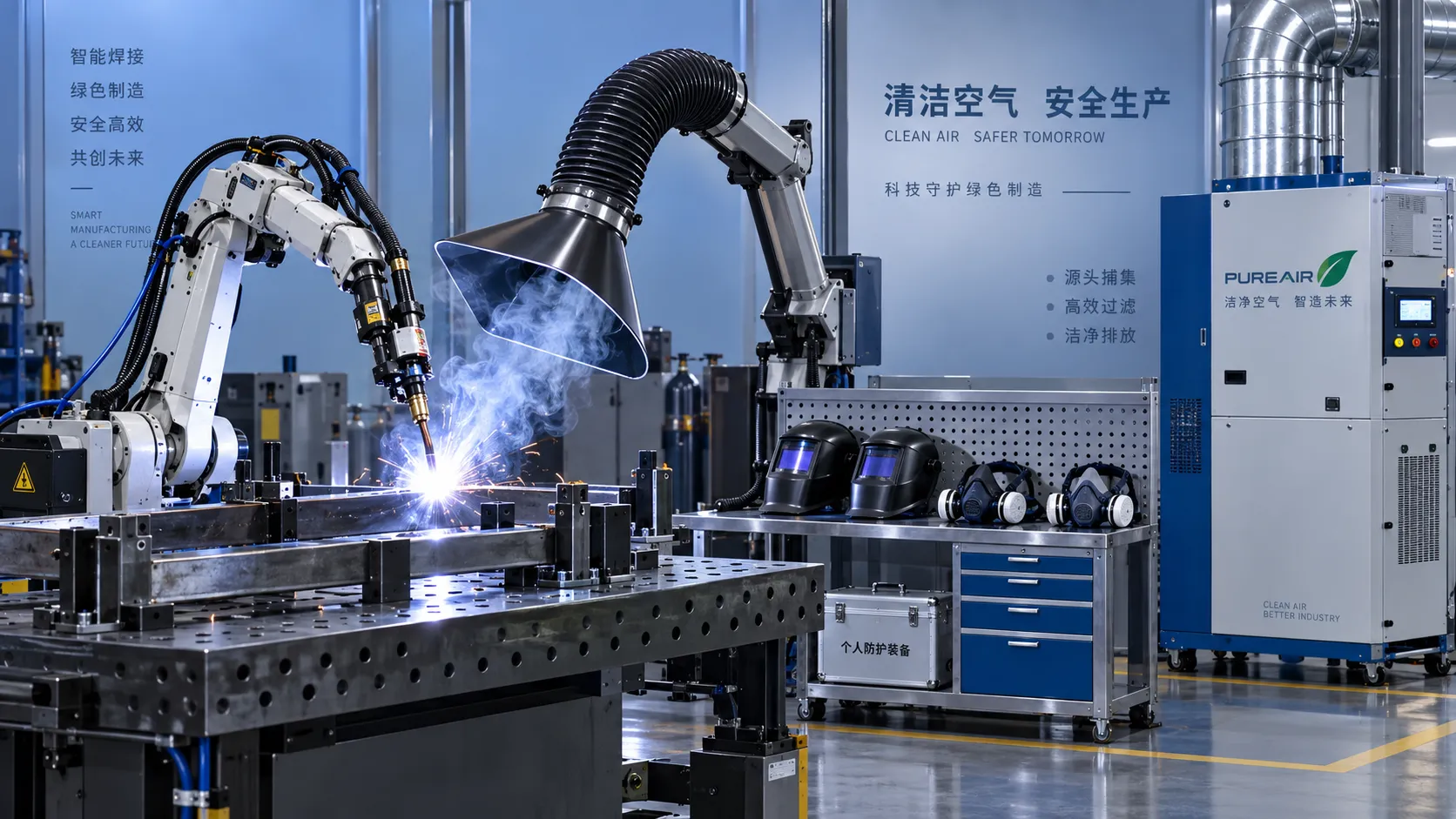
Welding Fume Extraction PPE: When Respirators Are Not Enough for Shop Safety
Welding fume extraction PPE: learn why respirators alone fall short and how source capture, ventilation, and layered controls improve shop safety.

How to Select Optical Metrology Solutions for Tight-Tolerance Manufacturing
Optical industrial metrology solutions for tight-tolerance manufacturing: evaluate accuracy, surface compatibility, workflow, and traceability to select with confidence.
Related News
- 00
0000-00
Why Data-Driven Intelligence Costs Are Reshaping Enterprise Automation Budgets - 00
0000-00
What Does Data-Driven Intelligence Cost? Budgeting for Data, Tools, and Talent - 00
0000-00
What Determines Metrology Technology Prices for Factory Inspection Systems? - 00
0000-00
Welding Tools Price Guide: What Affects Cost and How Buyers Can Compare Options - 00
0000-00
What Drives Industrial Tools Cost? A Buyer’s Guide to Materials, Volume, and Lifecycle Expenses
Ms. Elena Rodriguez
Weekly Insights
Stay ahead with our curated technology reports delivered every Monday.