
When do brand premiums make sense in industrial tool sourcing?





In industrial tool sourcing, brand premiums only make sense when they reduce total lifecycle cost, strengthen compliance, and lower operational risk. A higher purchase price is not automatically wasteful, but it must be tied to evidence: better uptime, tighter calibration retention, safer operation, stronger documentation, and reliable parts availability. In sectors connected to assembly, metal joining, inspection, maintenance, and field service, the real question is not whether a famous label is desirable, but whether the premium creates measurable value over the full service life of the tool.
What do brand premiums really mean in industrial tool sourcing?
In practical terms, brand premiums are the extra amount paid above a lower-cost alternative for a tool, measuring device, power platform, welding accessory, or support package from a recognized supplier. That extra price may reflect engineering quality, process control, stronger materials, certified testing, better ergonomics, longer warranty terms, or more dependable technical support. In some categories, it also reflects a supplier’s ability to maintain stable global distribution and documentation.
The key distinction is between a price premium and a value premium. A price premium exists whenever one option costs more. A value premium exists only when the higher cost produces operational benefits large enough to offset the difference. In industrial environments, those benefits usually appear in five places: reduced downtime, lower rework, improved measurement confidence, stronger compliance, and easier maintenance planning.
This matters across the broader industrial landscape covered by intelligence platforms such as GPTWM, where the “last mile” of manufacturing performance depends on the reliability of handheld tools, torque control, metrology equipment, and welding systems. A premium brand can protect output quality, but only when the application is sensitive enough for tool performance to influence business outcomes.
When do brand premiums make sense from a total cost perspective?
The strongest case for brand premiums appears when total cost of ownership is more important than initial purchase price. This is common in applications where failure creates expensive ripple effects. If a torque tool drifts out of tolerance and causes assembly defects, or if a measuring instrument needs frequent recalibration that interrupts inspection flow, the hidden cost can exceed the original tool price many times over.
Premium pricing often makes sense in the following situations:
- The tool is used continuously in multi-shift production.
- Measurement accuracy directly affects product acceptance.
- Downtime is costly because it stops an entire line or service operation.
- Replacement parts, consumables, or batteries must be available globally.
- Safety incidents or compliance failures create legal or export risk.
- Tool consistency matters more than one-time output claims.
For example, a lower-cost drill, torque driver, laser measuring device, or welding accessory may appear attractive on a quote sheet. But if it fails earlier, requires more frequent replacement, produces variable results, or lacks traceable certification, procurement efficiency declines. In this sense, smart evaluation of brand premiums is really lifecycle economics: acquisition cost plus maintenance cost plus quality risk plus interruption cost.
Which industrial scenarios justify paying for brand premiums most clearly?
Not every tool category deserves a premium. The justification becomes strongest when performance variance has direct technical or commercial consequences. Precision metrology is a leading example. Calipers, micrometers, dial indicators, laser alignment systems, and torque verification devices must hold accuracy over time, not just on day one. In these categories, brand premiums may buy calibration stability, traceable documentation, and better repeatability across sites.
Metal joining and welding environments also create legitimate cases. A premium torch, feeder, control component, or safety-certified accessory can reduce heat-related wear, improve arc stability, and support safe handheld laser welding practice. If a component failure creates scrap, rework, or operator safety exposure, the premium is easier to defend.
Field maintenance is another area where brand premiums often make sense. Tools used in remote job sites, infrastructure repair, mining support, marine service, and cross-border technical work need dependable batteries, rugged housings, and predictable service intervals. In these conditions, supply continuity and after-sales networks are not cosmetic advantages; they are operational safeguards.
By contrast, for low-risk, low-frequency, non-critical tasks, premium brands may add little value. If the tool does not affect safety, quality, or uptime, and if failure is inexpensive and easily contained, a mid-tier or tested private-label option may be the more rational choice.
How can buyers tell whether brand premiums are justified or just marketing?
The simplest way to test brand premiums is to ask for proof tied to use conditions rather than brand reputation alone. Marketing claims should be translated into measurable sourcing criteria. A premium product should outperform alternatives in ways that can be observed, documented, or audited.
Useful verification points include:
- Mean time between failure or expected duty-cycle life
- Calibration drift over a defined service period
- Availability of certificates, test reports, and traceability records
- Lead time consistency for spare parts and consumables
- Warranty coverage and response time for repairs
- Compatibility with existing chargers, software, fixtures, or accessories
- Safety compliance with relevant standards and export requirements
A short pilot run is often more revealing than a brochure. Compare a premium tool and a lower-cost alternative under the same conditions for output consistency, operator fatigue, charge cycles, calibration retention, and maintenance interruptions. If the premium option does not produce a measurable difference, the brand premium is probably not justified.
What risks come from paying brand premiums in the wrong categories?
Overpaying for prestige rather than performance is a common sourcing error. The first risk is capital inefficiency: budget is tied up in tools whose benefits are too small to recover. The second is false confidence. A recognizable brand name can hide poor application fit, unnecessary features, or weak local service coverage. In other words, expensive tools can still be the wrong tools.
There is also a supplier concentration risk. If brand premiums lead to single-source dependence without a backup channel, even a high-quality product can become a procurement vulnerability during export restrictions, battery platform changes, or regional inventory disruption. GPTWM’s market perspective is relevant here: raw material shifts, standard changes, and logistics instability can alter the value of a premium supplier very quickly.
Another risk is paying for global branding when only local service matters. A well-known international brand may carry a high premium but offer limited repair infrastructure in the actual usage region. In that case, a technically strong regional brand with faster service support may produce lower lifecycle cost and better uptime.
How should brand premiums be evaluated in a structured sourcing decision?
A disciplined sourcing framework keeps brand premiums tied to evidence. Start by dividing tools into criticality tiers. High-criticality items include torque control systems, metrology instruments, welding safety components, and tools embedded in repeatable quality processes. Medium-criticality items affect productivity but not final compliance. Low-criticality items have limited quality or downtime impact.
Then score each option against weighted criteria such as durability, accuracy retention, operator safety, support network, replacement lead time, interoperability, and full-life cost. Premium brands should win because they score better on critical factors, not because they are familiar.
A final checkpoint is scenario planning. Ask what happens if demand rises, standards shift, or batteries, consumables, or replacement sensors become constrained. In volatile supply conditions, some brand premiums are worth paying because they secure continuity. Others are simply expensive exposure.
What is the practical conclusion on brand premiums?
The best answer is conditional: brand premiums make sense when they reduce cost somewhere else that matters more. In industrial tool sourcing, that usually means fewer failures, less drift, stronger compliance, lower safety exposure, and more dependable support. Where tools influence quality assurance, regulated processes, high-duty production, or remote field uptime, a premium brand can be the lower-cost decision over time.
They do not make sense when the premium rests mainly on visibility, packaging, or generalized reputation without application-specific proof. The most effective approach is to evaluate every premium claim against duty cycle, operating environment, measurement criticality, support needs, and risk tolerance. That turns sourcing from logo-based buying into evidence-based asset planning.
For the next step, build a simple internal review sheet for every premium tool category: define the failure cost, estimate lifecycle exposure, verify support availability, and request data that proves the premium. If the supplier can clearly connect higher upfront price to measurable operational return, the brand premium is justified. If not, the smarter decision may be a qualified alternative that protects both budget and performance.
Related News
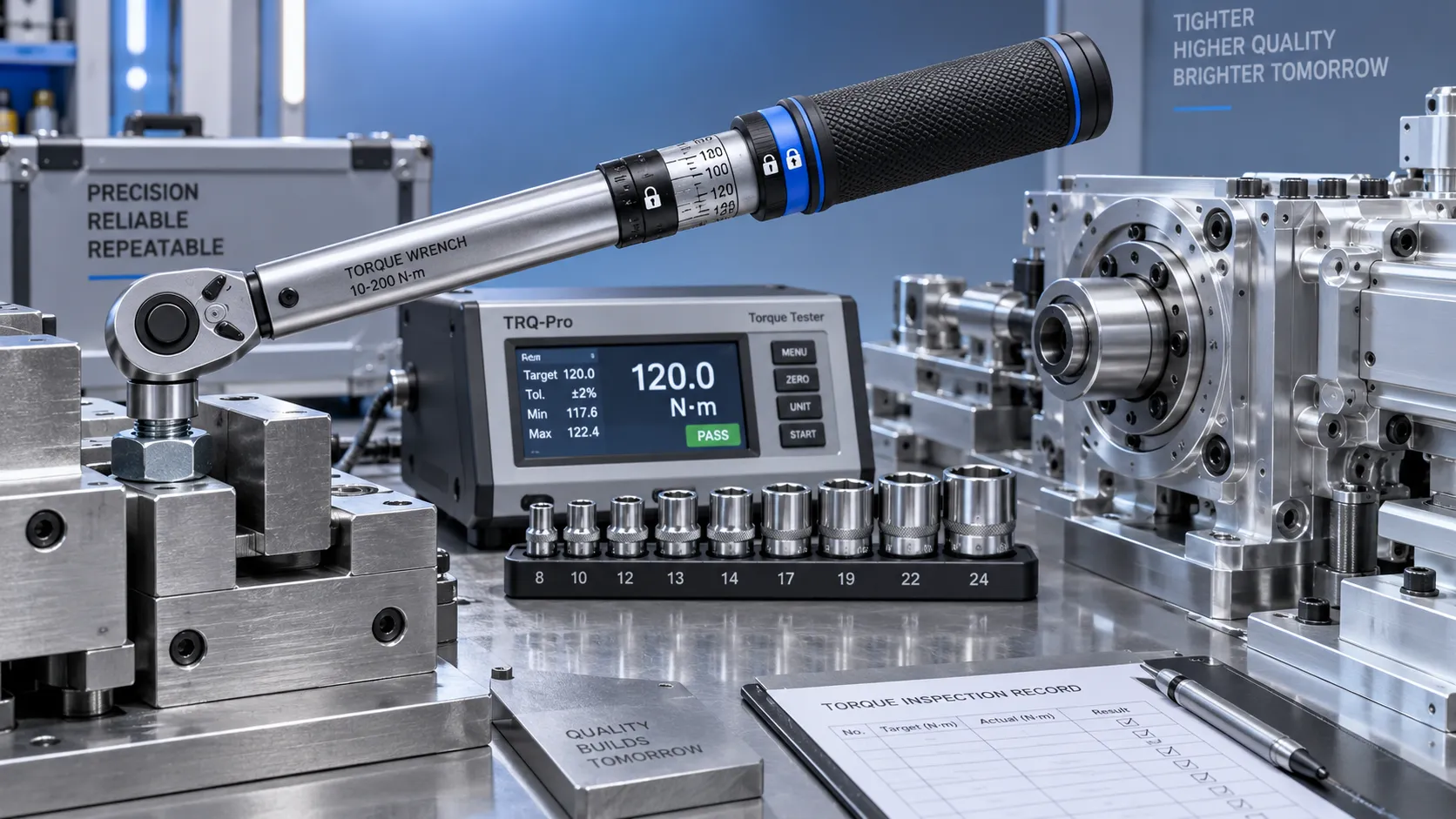
Selecting Adjustable Torque Tools for Repeatable Fastener Assembly
Adjustable torque tools: learn how to match range, accuracy, control methods, calibration, and ergonomics for repeatable, reliable fastener assembly.

How to Select Aerospace Inspection Tools for Aircraft Maintenance Tasks
Aerospace maintenance inspection tools: learn how to select reliable, traceable equipment for aircraft access, accuracy, calibration, and compliant maintenance decisions.

How to Select Wire Bonding Tools for Fine-Pitch Semiconductor Packaging
Explore semiconductor manufacturing tools for wire bonding and learn how to select precision solutions for fine-pitch packaging, reliable loops, accuracy, and yield.
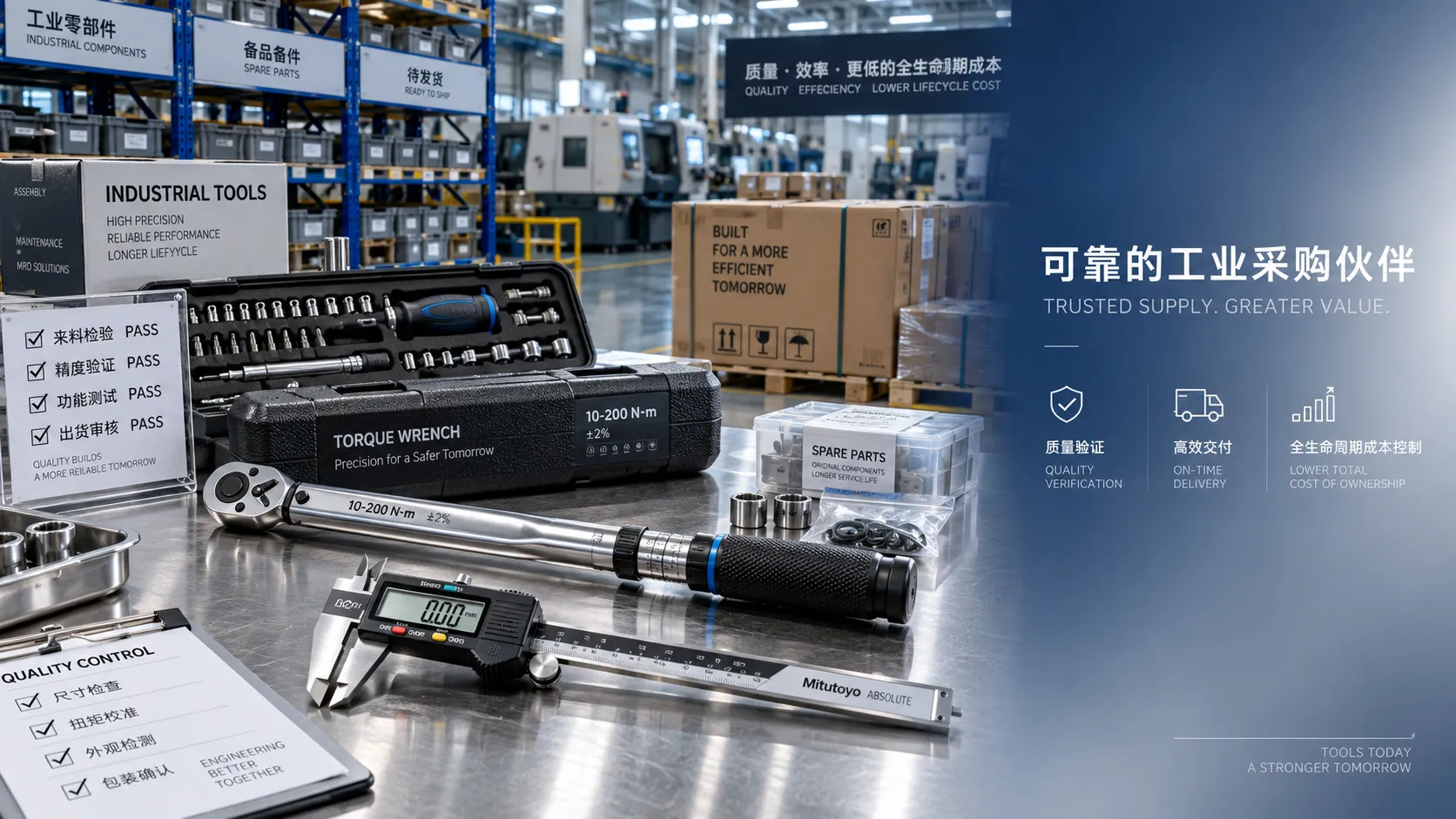
How to Compare Industrial Tool Suppliers for Quality, Lead Time, and Total Cost
Industrial tool selection supplier comparison made simple: evaluate quality, lead times, total cost, service, and supply resilience for confident sourcing decisions.
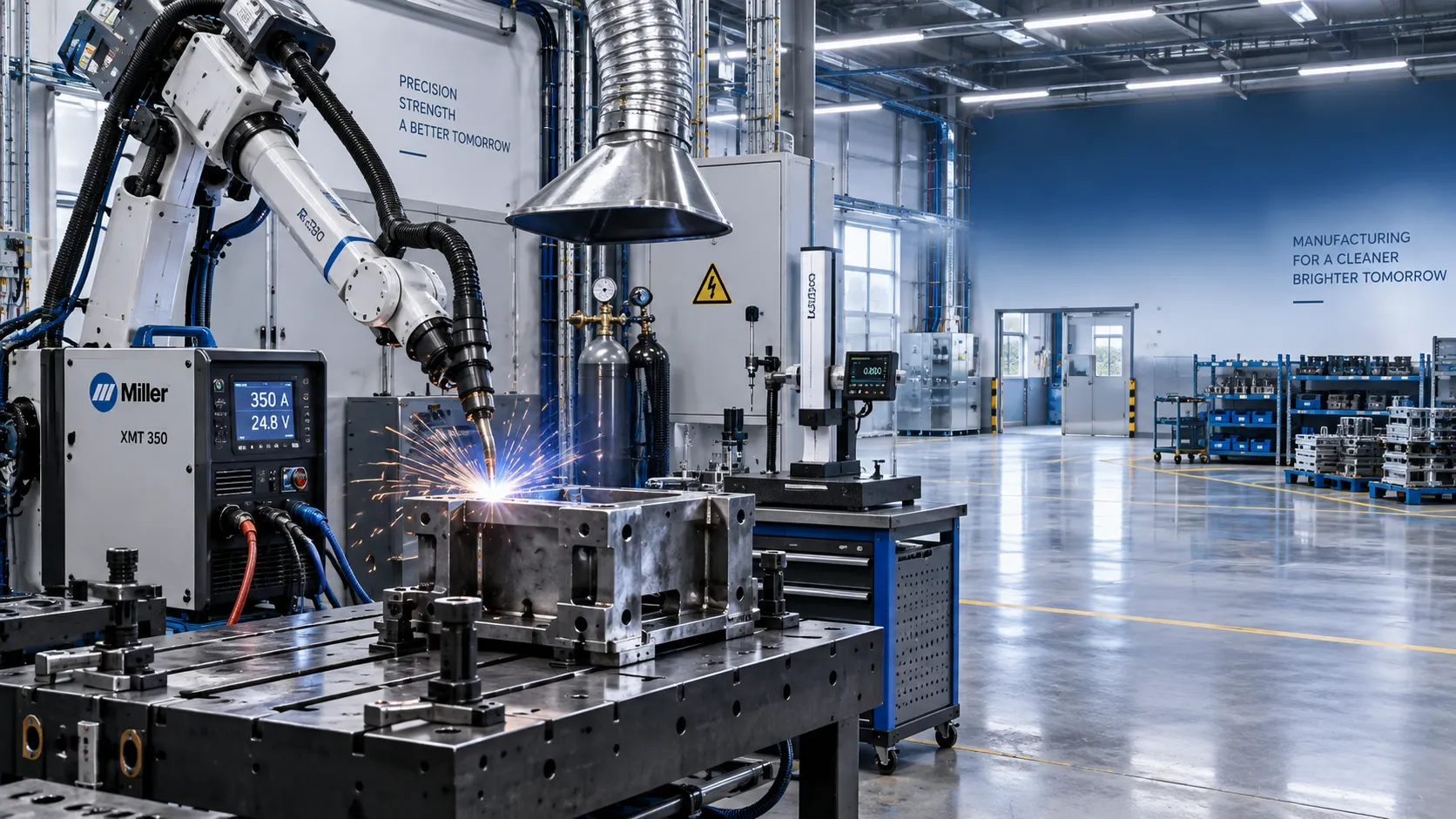
Industrial Equipment Application Guidance: Match Machines to Operating Conditions
Application guidance industrial equipment: match capacity, duty cycle, materials, site conditions, safety, and lifecycle cost to improve reliable output. Read the guide.
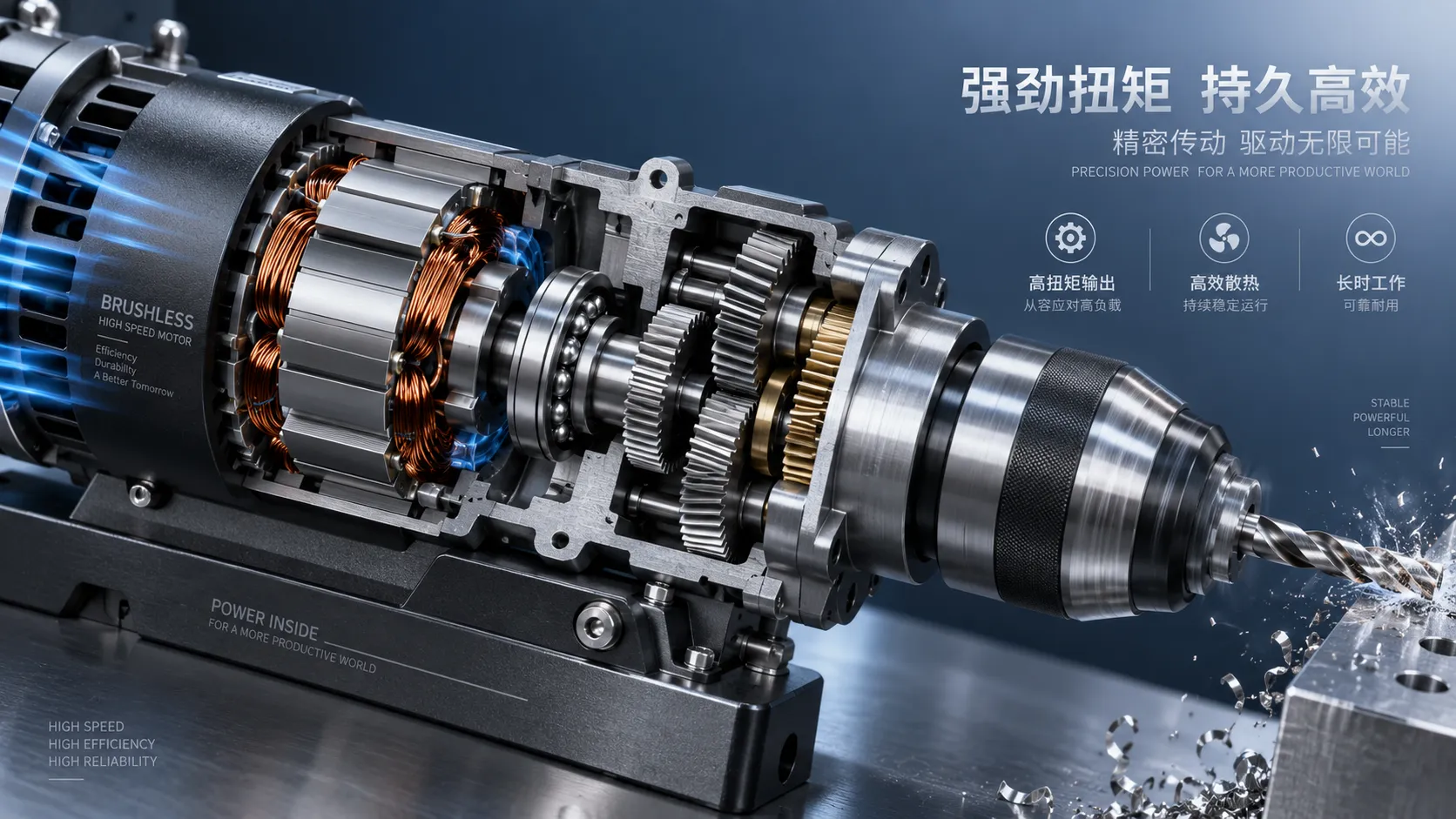
Selecting High-Speed Brushless Tool Motors for Torque, Heat, and Duty Cycle
High speed brushless tool motors: learn how to balance torque, heat, gearing, and duty cycle for reliable industrial tool performance and longer service life.
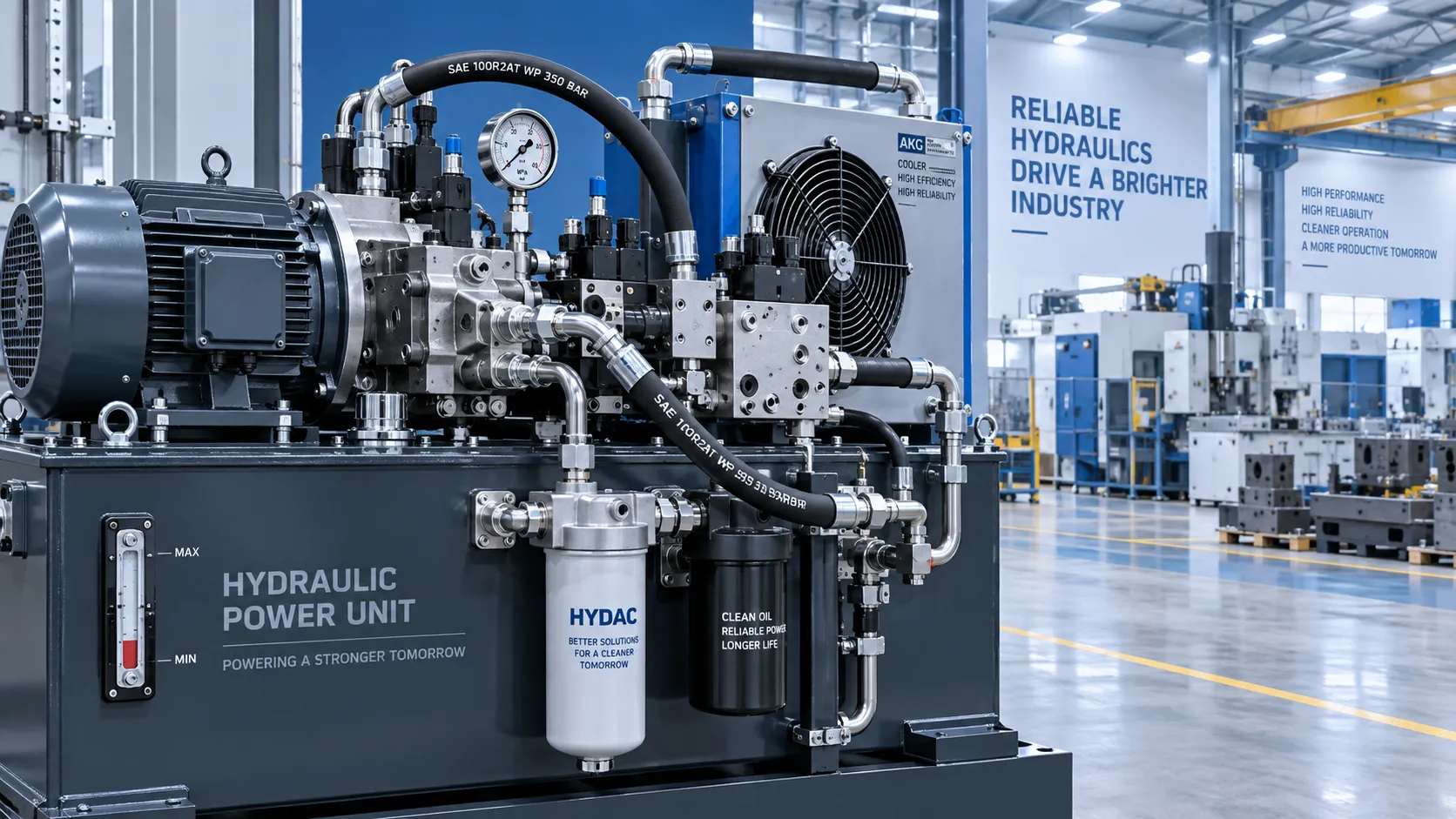
What Determines Industrial Hydraulic System Price for Heavy-Duty Equipment?
Industrial hydraulic system price depends on duty cycle, pressure, components, cooling, and integration. Compare quotes intelligently to secure reliable heavy-duty performance.

Welding Fume Extraction PPE: When Respirators Are Not Enough for Shop Safety
Welding fume extraction PPE: learn why respirators alone fall short and how source capture, ventilation, and layered controls improve shop safety.

How to Select Optical Metrology Solutions for Tight-Tolerance Manufacturing
Optical industrial metrology solutions for tight-tolerance manufacturing: evaluate accuracy, surface compatibility, workflow, and traceability to select with confidence.
Related News
- 00
0000-00
How to Compare Industrial Tool Suppliers for Quality, Lead Time, and Total Cost - 00
0000-00
How to Evaluate a Technology Integration Service Provider for Complex Projects - 00
0000-00
Product Comparison Resources in Europe: How Buyers Can Verify Specs and Suppliers - 00
0000-00
How to Evaluate an Industrial Metrology Solution Manufacturer for Production Use - 00
0000-00
How to Evaluate a Metal Joining Solutions Factory for Quality, Capacity, and Delivery Risk
Dr. Alistair Vaughn
Weekly Insights
Stay ahead with our curated technology reports delivered every Monday.