
Tool intellectualization is rising, but which features pay off first?





Tool intellectualization is moving from trade-show concept to operating reality across industrial assembly, metal joining, inspection, and field maintenance. Yet the commercial value of smarter tools does not come from adding connectivity for its own sake. It comes from choosing functions that reduce variation, prevent rework, shorten downtime, and improve traceability with minimal disruption to established processes. In practice, the first features that pay off are usually not the most futuristic ones, but the ones that solve recurring production losses at the point of use. For organizations tracking tool intellectualization in precision tools, welding systems, and metrology, the central issue is simple: which capabilities create measurable return early, and which should wait until digital maturity is higher?
What tool intellectualization means in industrial use
In industrial terms, tool intellectualization refers to embedding sensing, control logic, communication, and data feedback into tools that were once purely mechanical or electromechanical. The concept includes intelligent torque tools that record each fastening event, welding equipment that monitors parameter stability, measuring instruments that transfer results directly into quality systems, and power tools that report battery health, motor load, and service intervals.
This does not mean every tool needs full IoT integration. A useful view is to separate tool intellectualization into three levels. First, assisted control improves the task itself, such as torque shutoff, arc stability support, or digital measurement capture. Second, diagnostic intelligence reveals equipment condition, including overload history, calibration drift, or consumable wear. Third, connected intelligence turns tool data into workflow visibility, linking usage records to maintenance, quality assurance, and process optimization.
Early return usually appears at the first two levels, because they directly affect defects, uptime, and operator consistency. The third level often produces larger long-term value, but only after data governance, software integration, and process discipline are in place.
Current industry signals shaping investment priorities
Across the broader industrial landscape, interest in tool intellectualization is rising for reasons that are both technical and economic. Raw material pressure, labor variability, safety regulation, quality documentation requirements, and global service expectations are pushing tools to become more measurable and more controllable. For sectors tied to construction, automotive service, aerospace maintenance, metal fabrication, and industrial repair, the following signals are especially relevant.
These signals explain why tool intellectualization is no longer limited to flagship production lines. It is increasingly relevant in service fleets, distributed maintenance teams, workshops, and mobile fabrication environments where process variation is hard to control.
The features that usually pay off first
The first winners in tool intellectualization are features tied directly to costly errors. In fastening applications, intelligent torque control often delivers the clearest early return because under-torque and over-torque create immediate quality and safety risk. Automatic shutoff, angle monitoring, pass-fail indication, and event logging reduce rework while building process confidence. The business case is strongest where fastening consistency affects reliability, warranty exposure, or inspection time.
In welding, parameter stability and operator guidance tend to pay off before full cloud connectivity. Features such as preset job libraries, waveform consistency support, thermal protection, gas-flow alerts, and usage diagnostics help standardize output and reduce scrap. Where handheld laser welding or advanced arc processes are involved, intelligent safety monitoring can also produce fast value by lowering incident risk and avoiding misuse.
In metrology, the first payoff usually comes from digital data capture rather than advanced analytics. Measurement tools that eliminate manual transcription errors and transfer results directly into inspection workflows save time immediately. When traceability matters, timestamped measurement records and calibration reminders can outperform more ambitious software functions in the short term.
- Error-proof control functions that prevent bad output at the source
- Built-in diagnostics that reduce surprise failures and service delays
- Digital records that support quality traceability without manual paperwork
- Guided presets that reduce dependence on individual memory or technique
By contrast, features that depend on heavy platform integration may take longer to monetize. Remote dashboards, enterprise-wide analytics, and multi-site benchmarking are valuable, but they usually require cleaner process definitions and stronger data discipline to justify their cost.
Where early value appears across common industrial scenarios
Not every application rewards tool intellectualization in the same way. Return depends on defect cost, frequency of use, service conditions, and the need for documentation. A simple comparison helps narrow priorities.
This pattern shows an important principle: the strongest early return in tool intellectualization often comes from improving execution quality at the task level. Strategic data value grows later, but only after core task reliability has been improved.
How to evaluate return without overestimating connectivity
A common mistake in tool intellectualization is to evaluate smart features mainly by technical novelty. A better approach is to map each feature to one of four measurable outcomes: defect reduction, labor time savings, downtime avoidance, or compliance improvement. If a proposed feature cannot be linked to at least one of these outcomes within a realistic operating window, its early return may be weak.
For example, connected dashboards look impressive, but if there is no routine for acting on the data, they become passive reporting tools. On the other hand, a tool that automatically locks in the correct torque range or warns of abnormal motor loading creates value at the moment of work. The lesson is not to avoid digital platforms, but to stage adoption in the right order.
- Start with repetitive failure points that already have visible cost
- Prefer intelligent functions that change outcomes immediately at the tool level
- Add connectivity when data can be routed into maintenance, quality, or planning decisions
- Review calibration, firmware, battery lifecycle, and operator adoption before scaling
Practical considerations for implementation
Successful tool intellectualization depends on operational fit, not just feature count. Tools used in harsh industrial environments must balance intelligence with durability, ergonomic usability, and serviceability. A highly connected system that is difficult to maintain or unreliable in dust, heat, vibration, or mobile conditions can destroy expected gains.
It is also important to define data ownership and retention rules early. Intelligent tools generate process records, maintenance signals, and usage histories that may affect warranty analysis, audit readiness, and performance benchmarking. Without a clear policy, data volume increases but decision quality does not. In sectors where precision tools and welding systems support safety-critical work, calibration discipline and software version control are just as important as the sensor package itself.
Another practical issue is interoperability. Tool intellectualization produces the best long-term return when fastening records, welding parameters, and metrology results can be interpreted together rather than trapped in separate vendor silos. Even when full integration is not yet possible, choosing export-friendly systems creates future flexibility and protects investment.
A grounded path forward for tool intellectualization
The rise of tool intellectualization is real, but the best first investments are usually practical rather than ambitious. Functions that prevent process errors, stabilize output, reveal tool condition, and simplify traceability tend to outperform broad digital promises in the early stages. Intelligent torque control, welding diagnostics, preset process guidance, and digital measurement capture consistently rank among the fastest areas for visible return because they address quality loss where it actually occurs.
A sensible next step is to review one workflow at a time and identify where variation, unplanned service, or missing documentation creates the highest recurring cost. That method turns tool intellectualization from a trend into a disciplined upgrade path. For industrial operations following precision tools, metal joining, and metrology developments through GPTWM, the most durable advantage will come from linking craftsmanship, control, and intelligence in the exact places where the last mile of manufacturing still loses value.
Related News
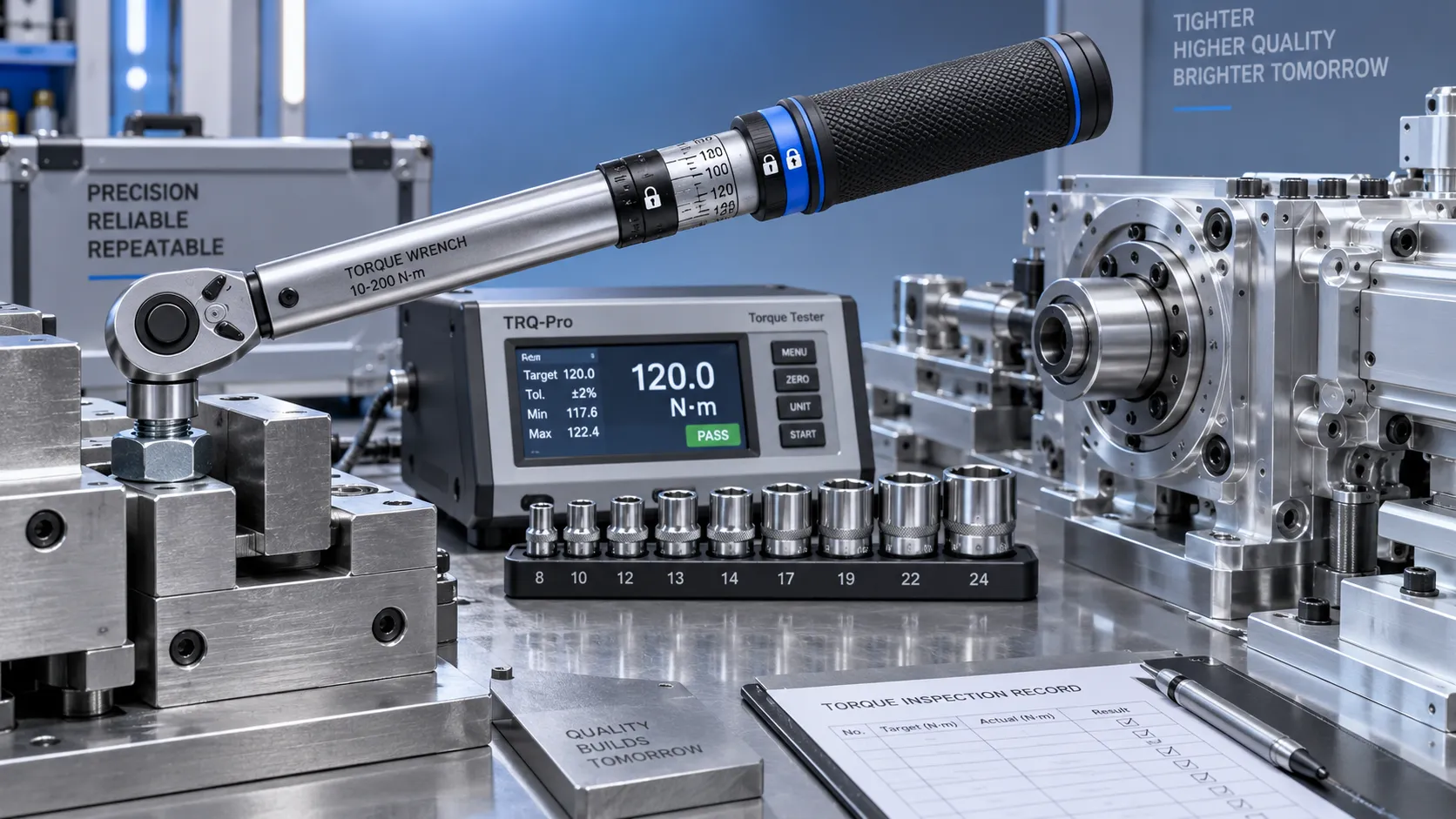
Selecting Adjustable Torque Tools for Repeatable Fastener Assembly
Adjustable torque tools: learn how to match range, accuracy, control methods, calibration, and ergonomics for repeatable, reliable fastener assembly.
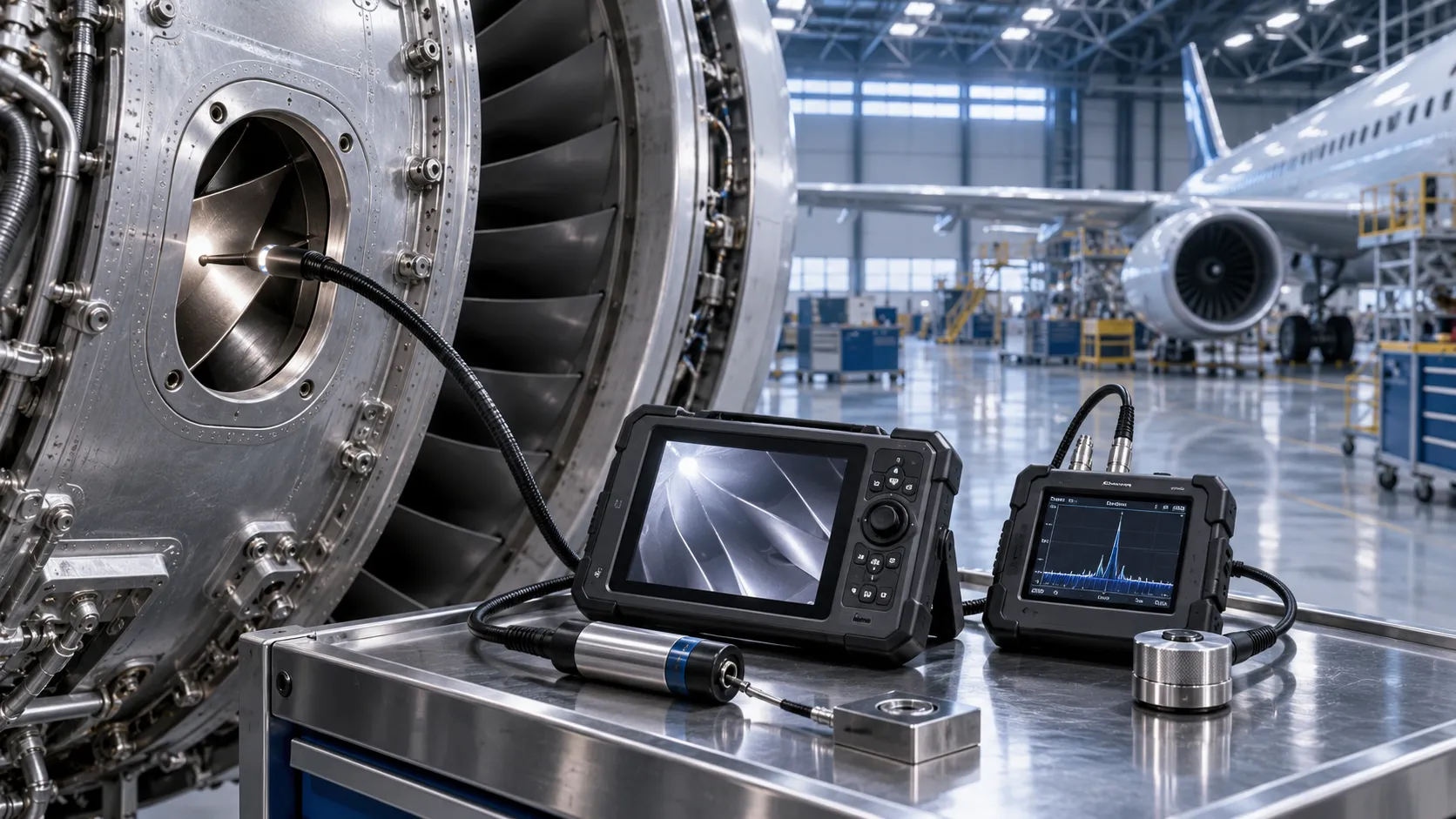
How to Select Aerospace Inspection Tools for Aircraft Maintenance Tasks
Aerospace maintenance inspection tools: learn how to select reliable, traceable equipment for aircraft access, accuracy, calibration, and compliant maintenance decisions.
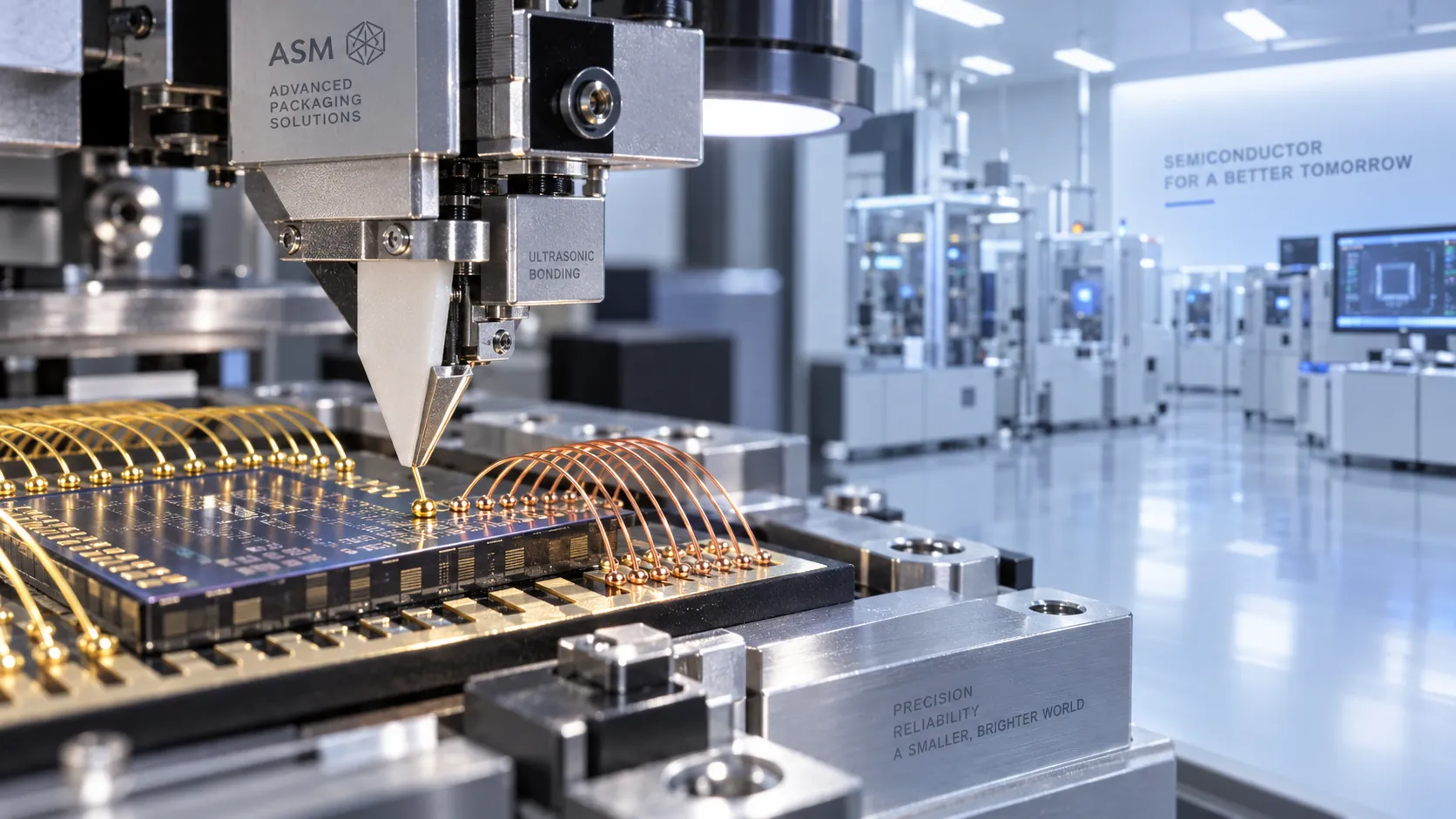
How to Select Wire Bonding Tools for Fine-Pitch Semiconductor Packaging
Explore semiconductor manufacturing tools for wire bonding and learn how to select precision solutions for fine-pitch packaging, reliable loops, accuracy, and yield.
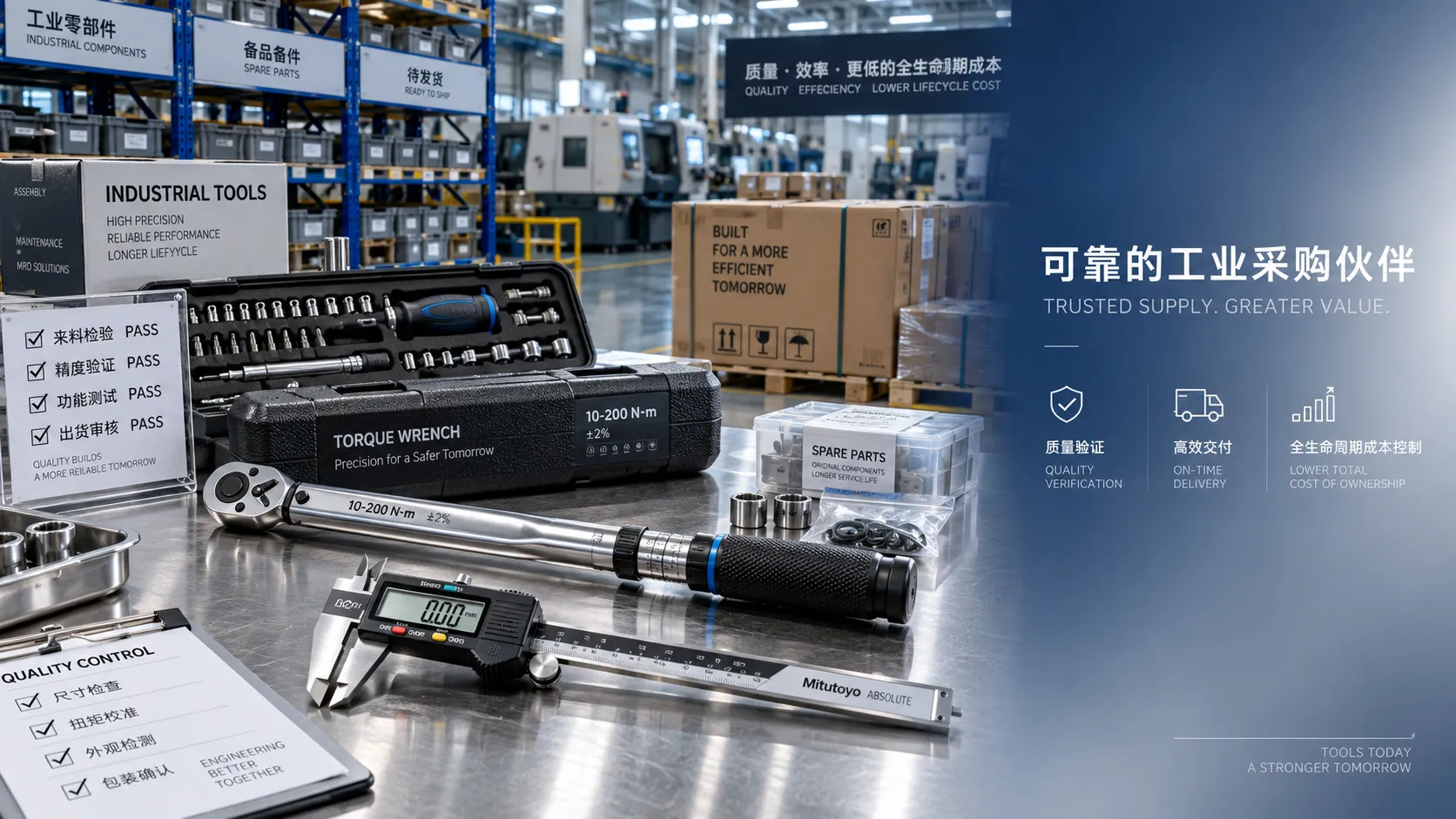
How to Compare Industrial Tool Suppliers for Quality, Lead Time, and Total Cost
Industrial tool selection supplier comparison made simple: evaluate quality, lead times, total cost, service, and supply resilience for confident sourcing decisions.
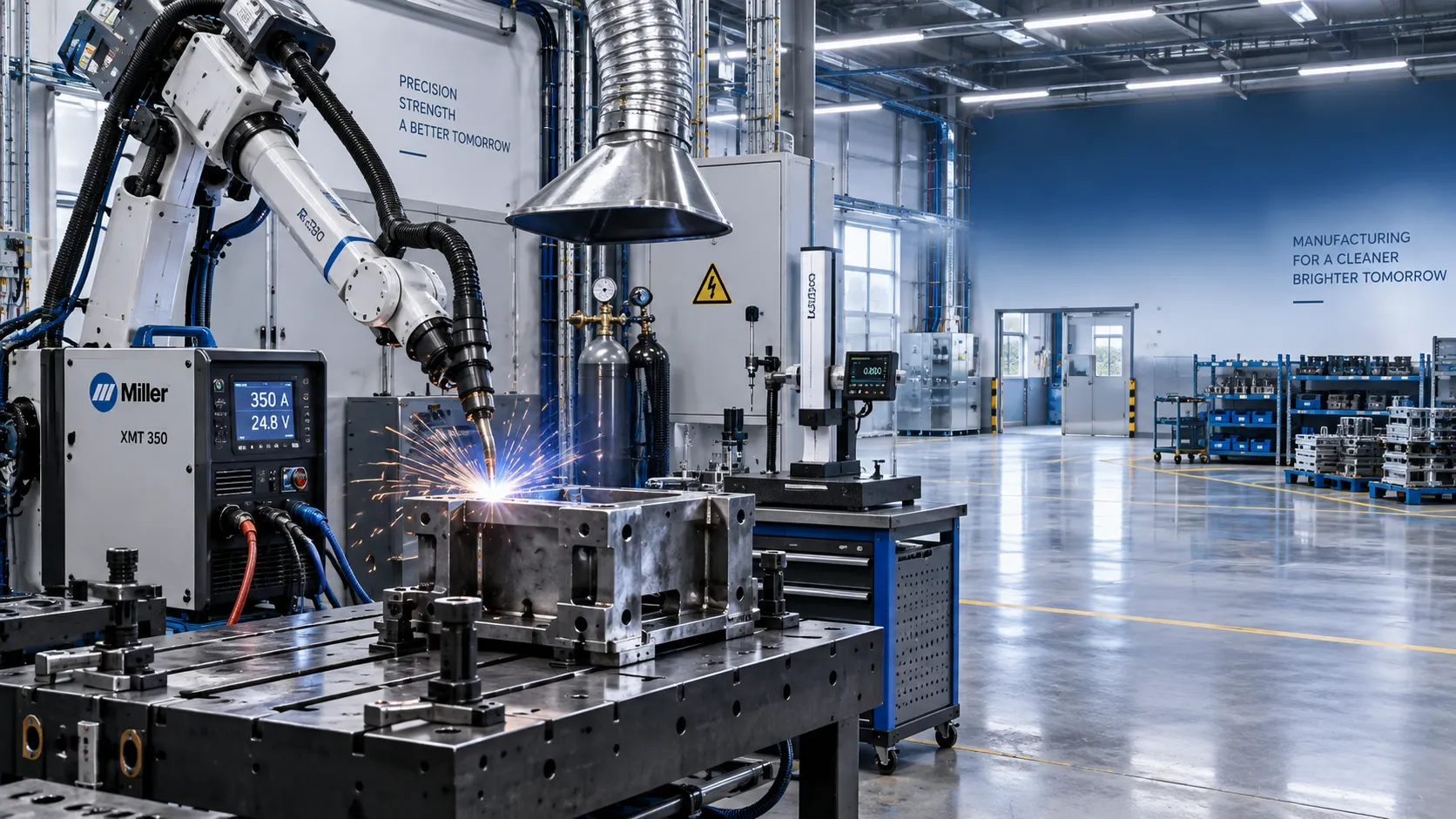
Industrial Equipment Application Guidance: Match Machines to Operating Conditions
Application guidance industrial equipment: match capacity, duty cycle, materials, site conditions, safety, and lifecycle cost to improve reliable output. Read the guide.
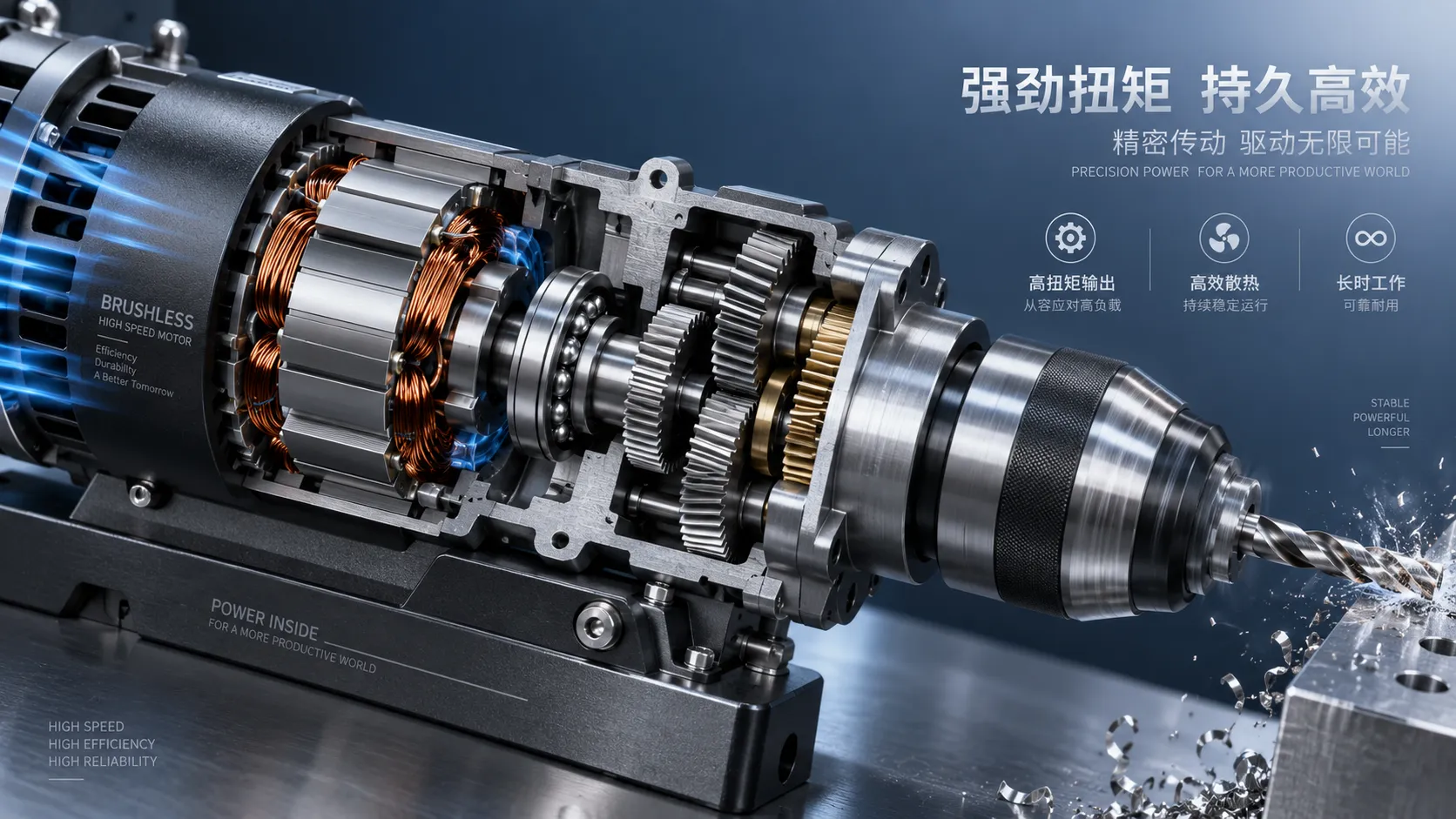
Selecting High-Speed Brushless Tool Motors for Torque, Heat, and Duty Cycle
High speed brushless tool motors: learn how to balance torque, heat, gearing, and duty cycle for reliable industrial tool performance and longer service life.
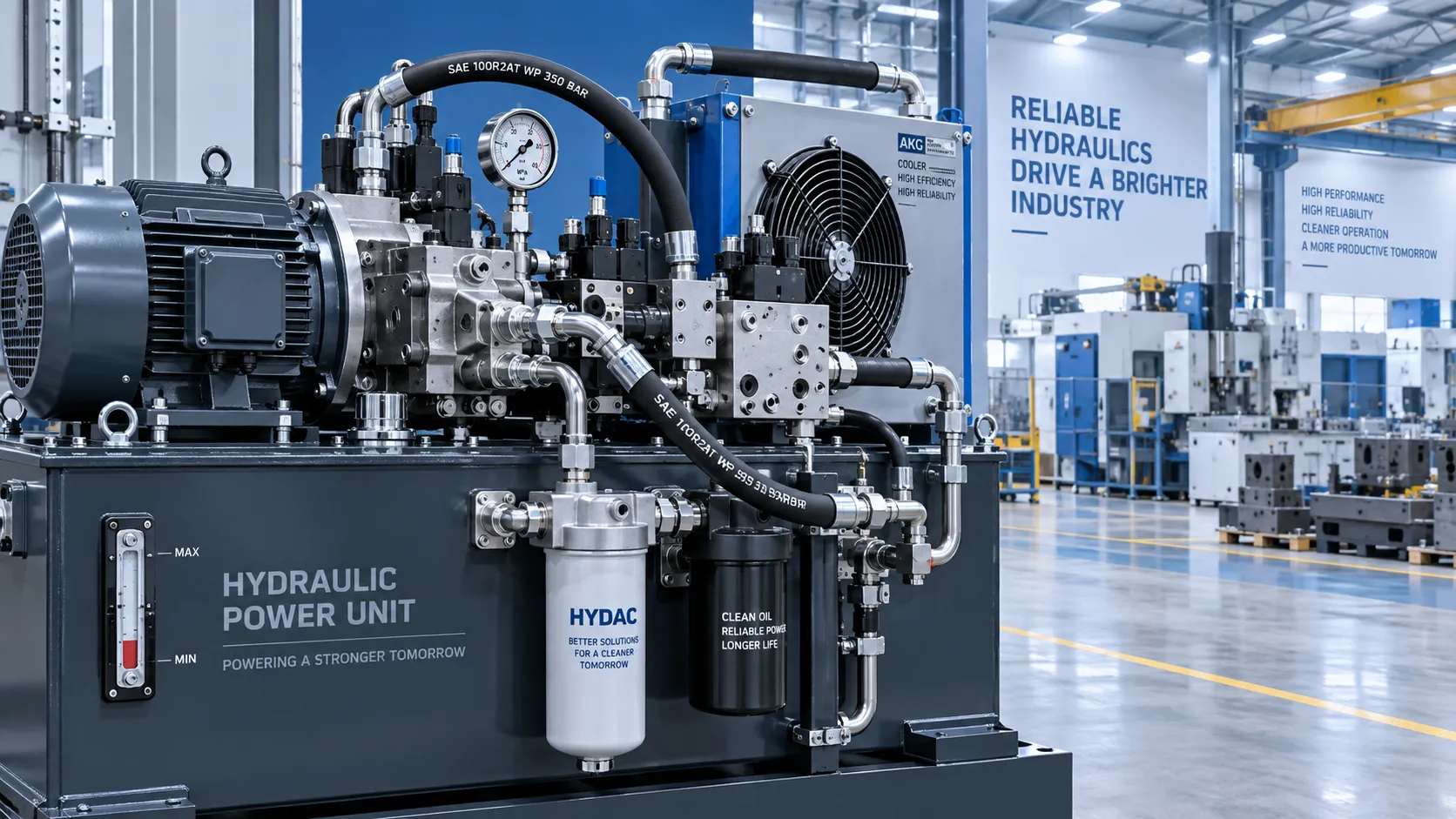
What Determines Industrial Hydraulic System Price for Heavy-Duty Equipment?
Industrial hydraulic system price depends on duty cycle, pressure, components, cooling, and integration. Compare quotes intelligently to secure reliable heavy-duty performance.
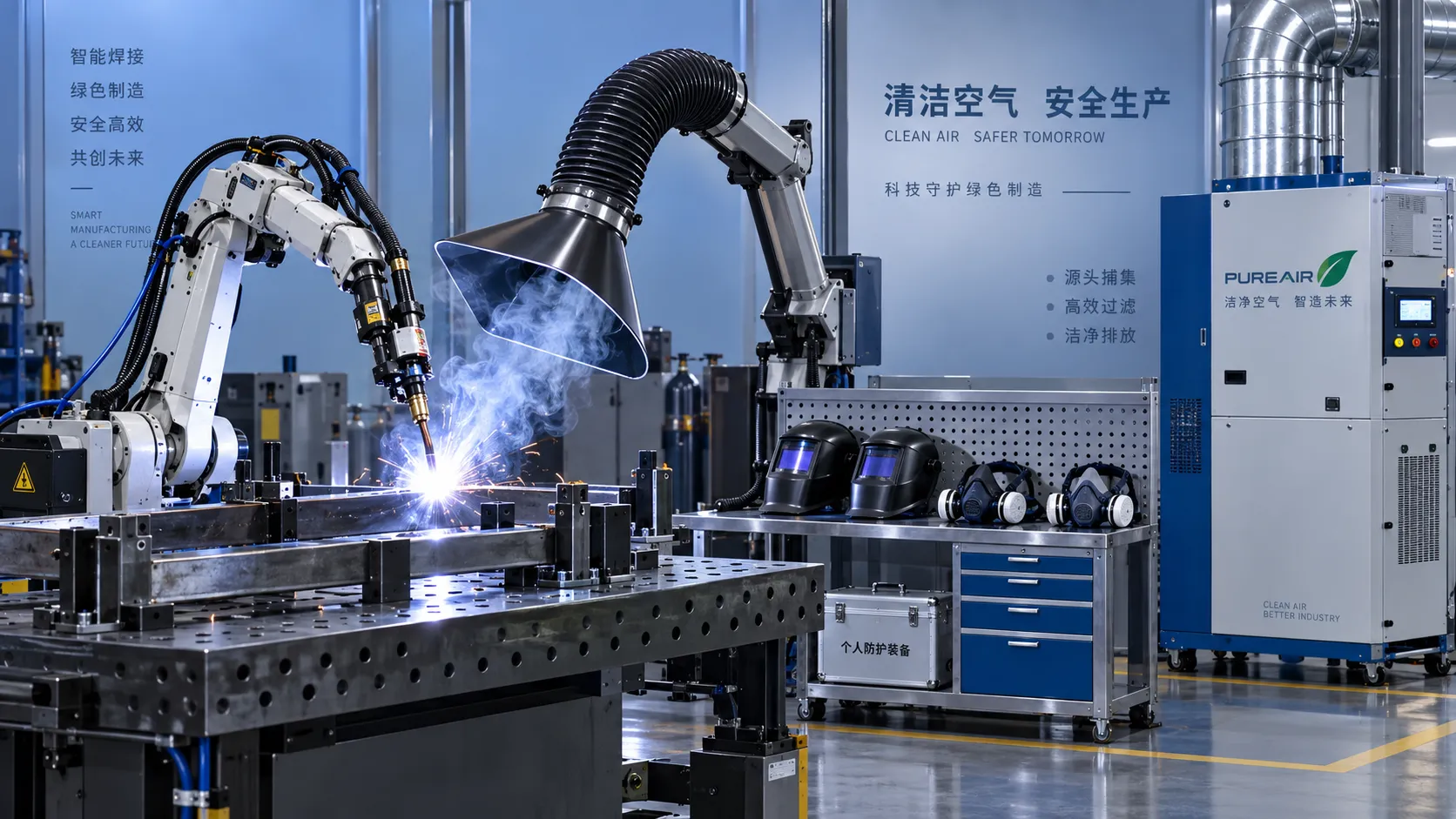
Welding Fume Extraction PPE: When Respirators Are Not Enough for Shop Safety
Welding fume extraction PPE: learn why respirators alone fall short and how source capture, ventilation, and layered controls improve shop safety.
How to Select Optical Metrology Solutions for Tight-Tolerance Manufacturing
Optical industrial metrology solutions for tight-tolerance manufacturing: evaluate accuracy, surface compatibility, workflow, and traceability to select with confidence.
Related News
- 00
0000-00
Selecting Adjustable Torque Tools for Repeatable Fastener Assembly - 00
0000-00
How to Select Aerospace Inspection Tools for Aircraft Maintenance Tasks - 00
0000-00
How to Select Wire Bonding Tools for Fine-Pitch Semiconductor Packaging - 00
0000-00
Industrial Equipment Application Guidance: Match Machines to Operating Conditions - 00
0000-00
Selecting High-Speed Brushless Tool Motors for Torque, Heat, and Duty Cycle
Prof. Marcus Chen
Weekly Insights
Stay ahead with our curated technology reports delivered every Monday.