
Are digital factories actually cutting lead times for tool makers?





As tool makers face mounting pressure to deliver faster without sacrificing precision, digital factories are becoming a serious strategic question rather than a passing trend. But are digital factories truly shortening lead times, or simply shifting bottlenecks elsewhere in the production chain? For industrial businesses operating across assembly, welding, machining, and metrology, the answer is nuanced. Digital factories can reduce quoting delays, improve machine utilization, and accelerate quality feedback, yet results depend on process discipline, data quality, and how well digital systems connect the entire manufacturing flow rather than automate isolated tasks.
What do digital factories actually mean in tool making?
In practical terms, digital factories are production environments where machines, software, engineering data, inspection systems, and planning tools work as a connected operating system. For tool makers, this often includes CAD/CAM integration, ERP and MES coordination, CNC monitoring, digital work instructions, automated inspection capture, and real-time production dashboards. The goal is not simply to install more screens or robots. The real purpose of digital factories is to make every step—from RFQ review to final measurement—more visible, traceable, and responsive.
This distinction matters because lead time in tool manufacturing is rarely lost in a single operation. Delays often build up between functions: engineering waits for incomplete drawings, machining waits for material confirmation, assembly waits for rework, and shipping waits for inspection release. Digital factories reduce these invisible gaps by keeping process information synchronized. When a design revision automatically updates routing, tooling, and inspection checkpoints, the factory spends less time translating information and more time producing value.
For sectors covered by GPTWM—precision tools, welding systems, industrial assembly, and metrology—digital factories are especially relevant because quality tolerances are tight and changeovers are frequent. In such environments, shortening lead times without digital coordination is difficult, since speed gains in one area can create risk in another.
Are digital factories really cutting lead times, or only moving bottlenecks?
The short answer is yes, digital factories can cut lead times, but only when they address the full workflow. If a factory digitizes machine monitoring but still relies on email approvals, spreadsheet scheduling, and manual inspection records, bottlenecks simply move downstream. The machine may finish faster, while the part waits longer for verification or release. That is why many digital transformation projects appear successful on paper yet deliver limited impact on actual customer lead time.
Where digital factories generate the strongest gains is in reducing waiting, uncertainty, and rework. A connected quoting engine can shorten front-end response time. Automated capacity planning can assign realistic due dates. Toolpath libraries and digital setup sheets reduce programming and setup delays. In-process metrology catches drift before batches fail. Traceable assembly instructions reduce variation in final fit and function. Each of these improvements may save hours or days, but their combined effect is what changes lead time performance.
However, not all bottlenecks are digital. Material shortages, export compliance checks, skilled labor gaps, and supplier inconsistency still affect delivery. Digital factories help expose these constraints earlier, which is valuable, but visibility alone does not eliminate them. The key question is whether the factory uses digital insight to redesign decisions, not just to report problems faster.
Which stages of the tool-making process benefit most from digital factories?
Lead time compression usually happens in five stages. First, quoting and order review become faster when historical job data, standard routings, and cost logic are centralized. This reduces the time spent checking feasibility and pricing uncommon geometries or tight-tolerance work. Second, engineering handoff improves when revision control is linked to production planning. A digital factory prevents outdated models or drawings from circulating on the shop floor.
Third, machining performance improves through better scheduling and machine connectivity. Real-time status data helps sequence jobs according to material readiness, spindle availability, tool life, and due date risk. Fourth, inspection and metrology become faster and more reliable when measurement data flows directly into quality records. This is particularly important in precision tool manufacturing, where final acceptance can hold up shipment even after parts are complete.
Fifth, assembly and post-processing see gains when digital factories provide standardized instructions, torque settings, welding parameters, and process verification steps. In mixed manufacturing environments that include cutting tools, fixtures, hydraulic components, or welded subassemblies, digital process control prevents avoidable backtracking. The more complex the product mix, the more valuable these controls become.
Typical high-impact areas for lead time reduction
- RFQ turnaround and feasibility assessment
- Programming, setup, and revision control
- Machine scheduling and changeover planning
- In-process inspection and nonconformance response
- Assembly consistency and final release documentation
How can a business tell whether digital factories will work for its operation?
The strongest candidates are operations with high mix, frequent design changes, strict quality documentation, or chronic expediting. If jobs often pause because information is missing, if setup knowledge depends on a few experienced people, or if inspection release creates unpredictable delays, digital factories can deliver measurable lead time gains. On the other hand, if production is simple, repetitive, and already stable, the return may come more from visibility and traceability than from dramatic speed improvement.
A practical evaluation starts by measuring where calendar time is really spent. Many factories focus on cutting machine cycle time, even though the larger losses happen in queue time, approval time, or rework loops. Mapping the order-to-ship journey often reveals that a 10-day lead time includes only a small portion of true processing time. Digital factories are most effective when they target these hidden delays.
Another useful test is data readiness. If part masters, BOMs, routing standards, tool libraries, and inspection plans are incomplete or inconsistent, digital factories will struggle. Technology cannot compensate for poor foundational discipline. In this sense, digital factories reward operational maturity. They do not require perfection, but they do require structure.
What are the most common mistakes when implementing digital factories?
One major mistake is chasing automation before fixing process logic. If routing steps are unclear or quality gates are inconsistent, digital factories can digitize confusion rather than remove it. Another mistake is treating software implementation as the transformation itself. Lead times improve when people use shared data to make faster, better decisions—not when a new system is merely installed.
A third mistake is measuring only machine efficiency. In tool making, a perfect OEE dashboard may coexist with long customer lead times if jobs are waiting for approvals, fixtures, inspection, or material substitutions. Digital factories should therefore be judged by order flow metrics such as quote response time, engineering release speed, first-pass yield, queue duration, and on-time shipment performance.
There is also a cultural risk. Teams may see digital factories as surveillance rather than support if implementation emphasizes control over problem-solving. The best deployments make work easier: fewer duplicated entries, fewer unclear revisions, fewer manual status checks, and faster root-cause visibility. When the digital layer removes friction, adoption is naturally stronger.
Risk reminders before investing
- Do not expect digital factories to solve supplier instability on their own.
- Do not digitize outdated workflows without first simplifying them.
- Do not separate production data from quality and metrology data.
- Do not define success only by software go-live milestones.
What is a realistic roadmap for using digital factories to shorten lead times?
A realistic roadmap starts small but targets a full lead time loop. Begin with one product family, one machining cell, or one quoting-to-inspection workflow. Establish baseline metrics such as quote turnaround, setup time, queue time, rework rate, and final release delay. Then connect the most delay-prone steps with digital controls: revision management, machine status visibility, digital setup instructions, and inspection data capture. This creates a measurable pilot rather than a broad but shallow rollout.
The second phase is integration. Data from planning, machining, welding, assembly, and metrology should flow into a common decision structure. This matters in the broader industrial ecosystem because a digital factory is rarely limited to one process. Precision tools may share components with hydraulic systems, assembled fixtures, or welded modules. Without connected data, local improvements remain isolated and lead time gains plateau quickly.
The third phase is optimization. Once digital factories provide stable visibility, historical data can support better quoting accuracy, predictive maintenance timing, smarter batch sizing, and more reliable due date commitments. At this stage, the factory is no longer reacting faster alone; it is planning better in advance. That is where sustained lead time advantage emerges.
FAQ: What should be remembered before making the decision?
So, are digital factories actually cutting lead times for tool makers? In many cases, yes—but only when they connect engineering, production, quality, and decision-making into a single operational rhythm. Digital factories do not create speed by technology alone. They create speed by reducing uncertainty, standardizing execution, and making problems visible early enough to act on them. For organizations tracking the future of precision tools, welding intelligence, and metrology-driven manufacturing, the most useful next step is to map current lead time losses and identify which delays come from process fragmentation rather than true capacity limits. That is where digital factories prove their value most clearly.
Related News
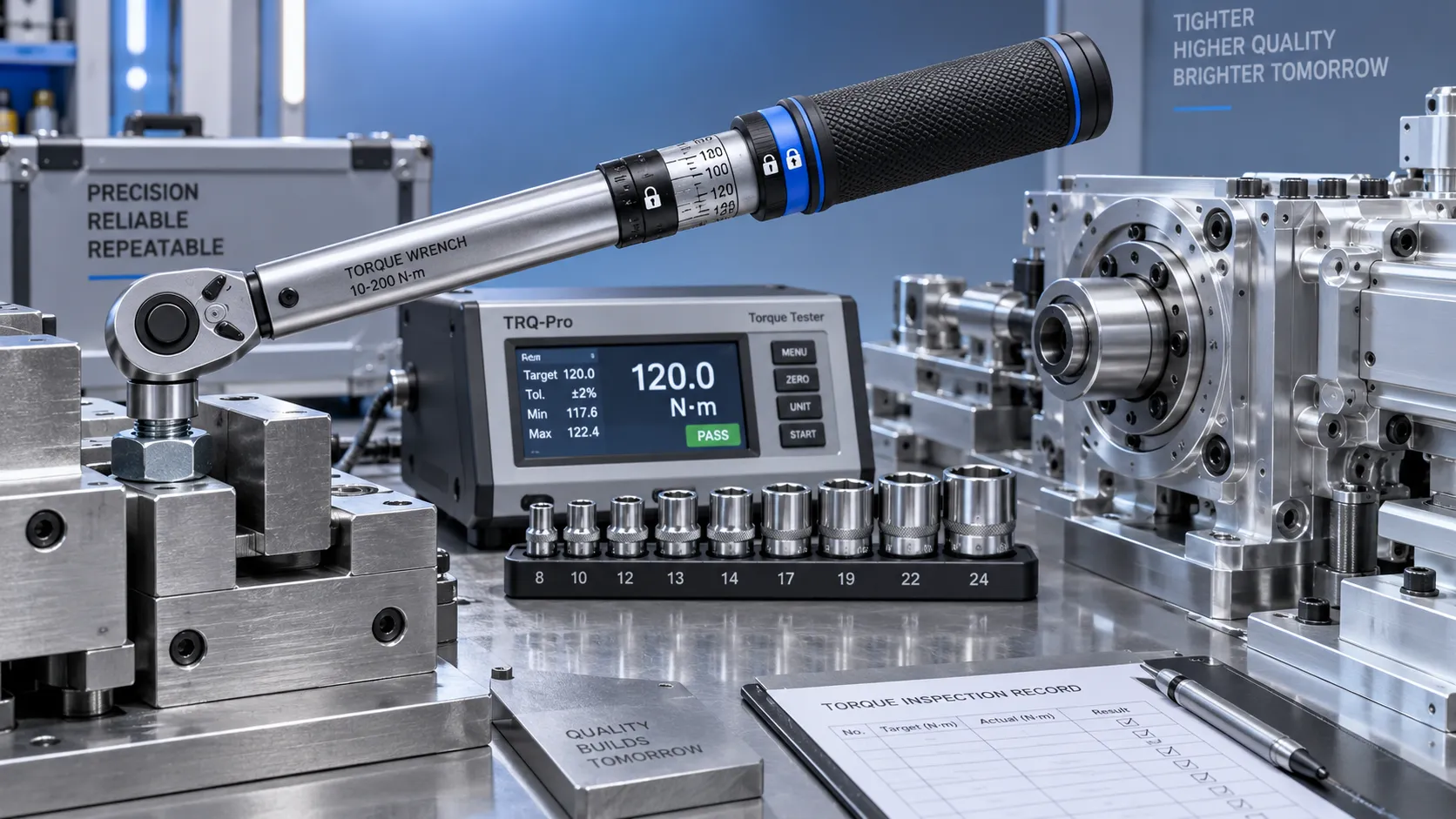
Selecting Adjustable Torque Tools for Repeatable Fastener Assembly
Adjustable torque tools: learn how to match range, accuracy, control methods, calibration, and ergonomics for repeatable, reliable fastener assembly.
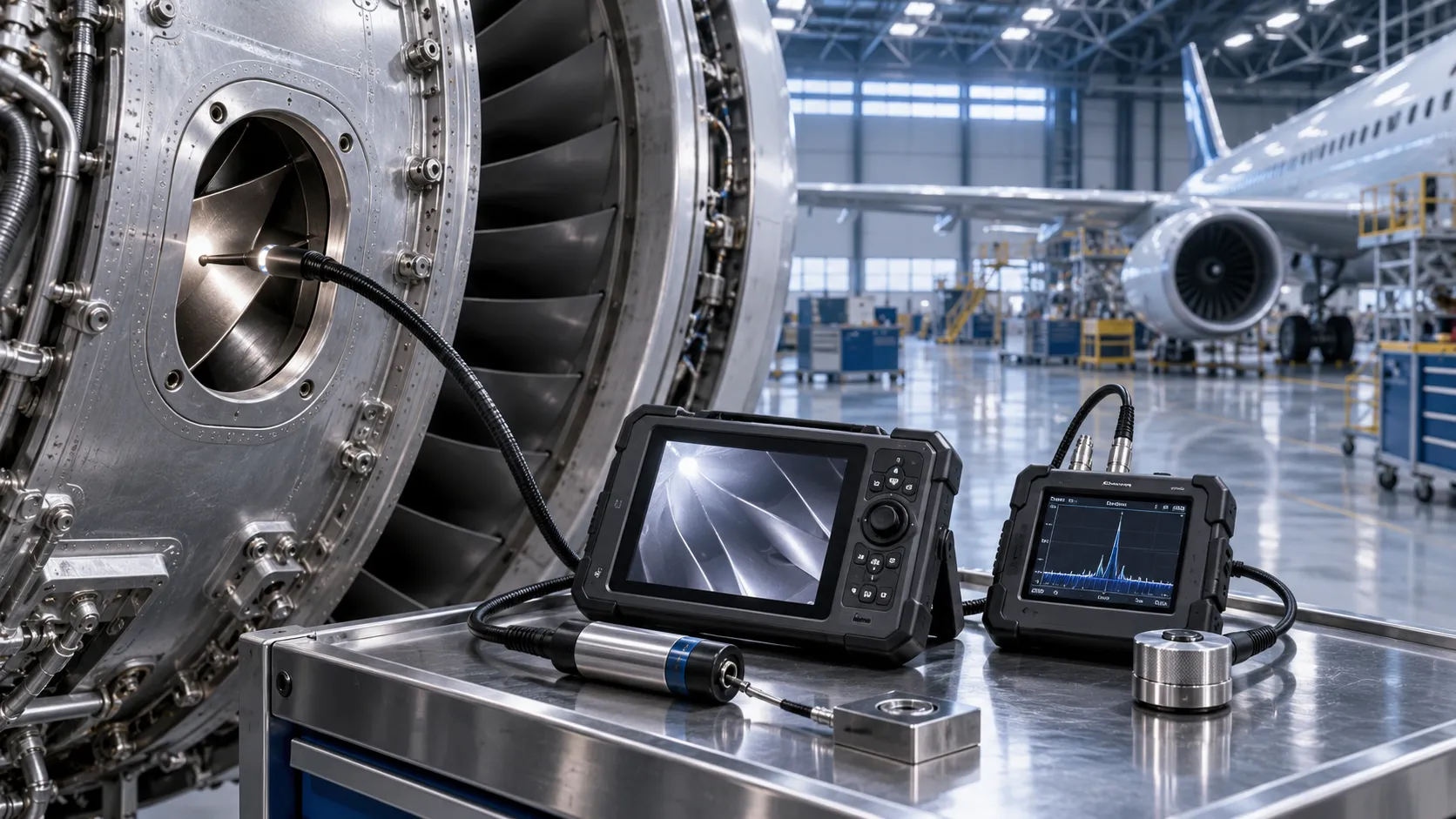
How to Select Aerospace Inspection Tools for Aircraft Maintenance Tasks
Aerospace maintenance inspection tools: learn how to select reliable, traceable equipment for aircraft access, accuracy, calibration, and compliant maintenance decisions.
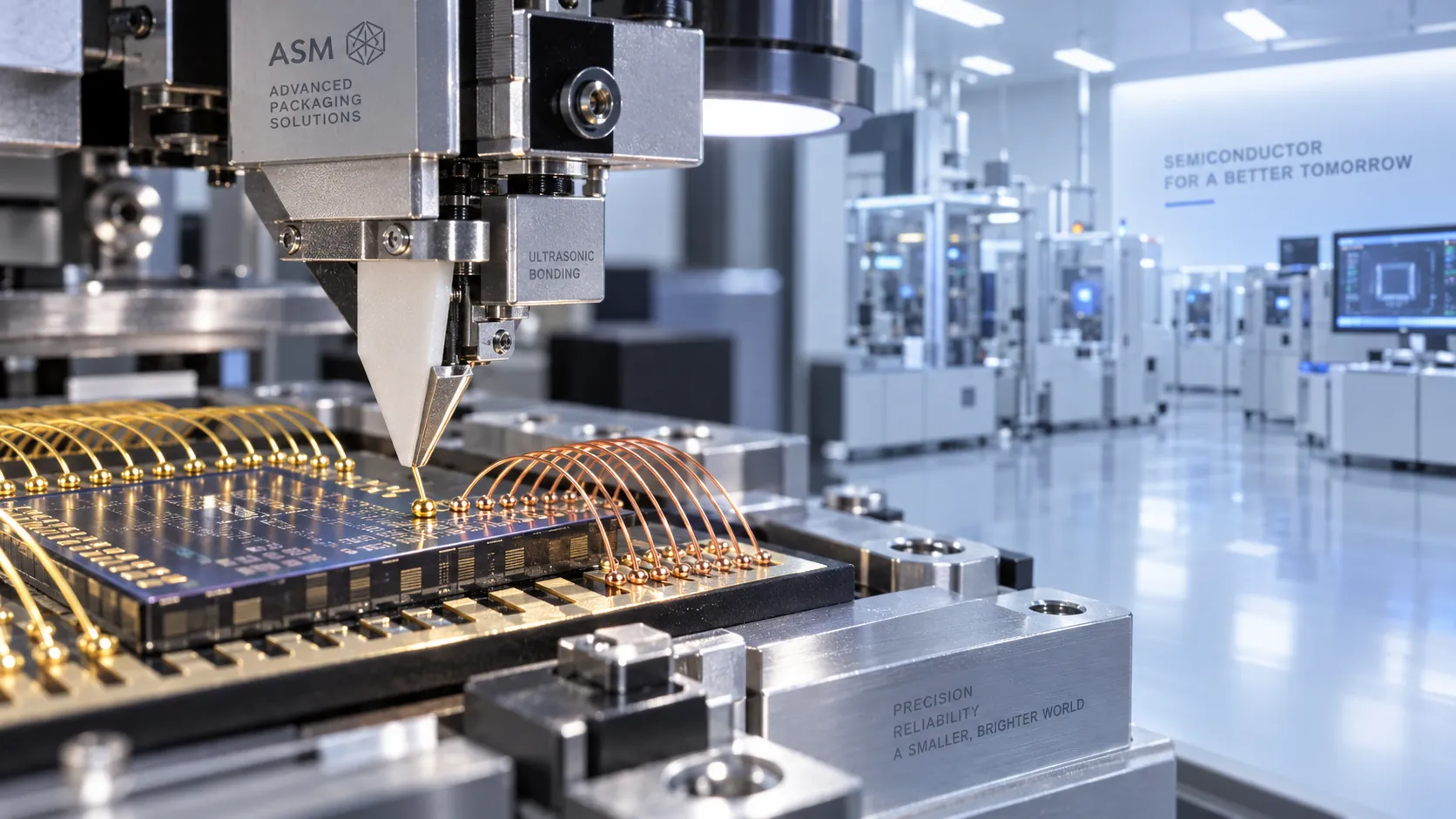
How to Select Wire Bonding Tools for Fine-Pitch Semiconductor Packaging
Explore semiconductor manufacturing tools for wire bonding and learn how to select precision solutions for fine-pitch packaging, reliable loops, accuracy, and yield.
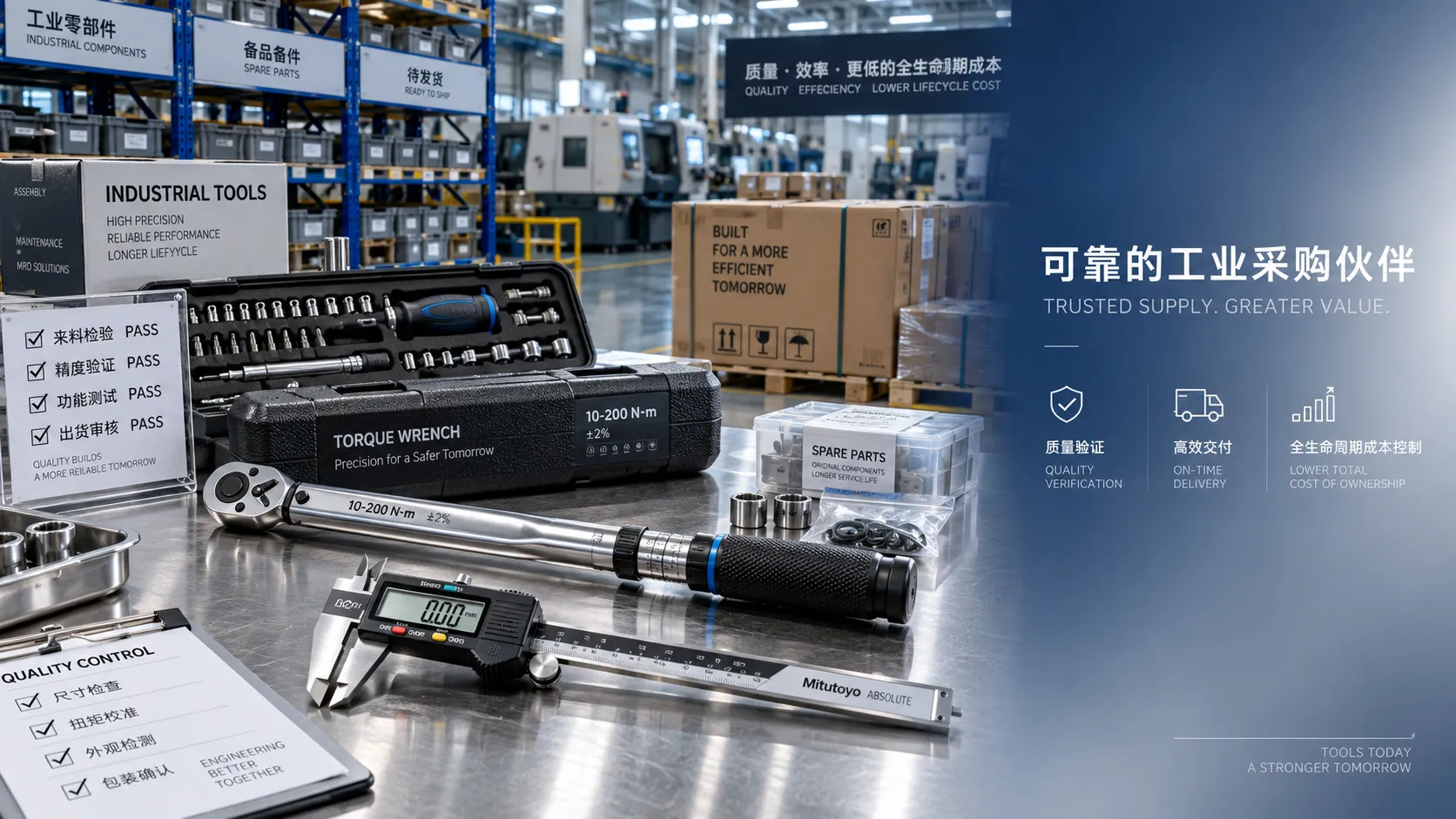
How to Compare Industrial Tool Suppliers for Quality, Lead Time, and Total Cost
Industrial tool selection supplier comparison made simple: evaluate quality, lead times, total cost, service, and supply resilience for confident sourcing decisions.
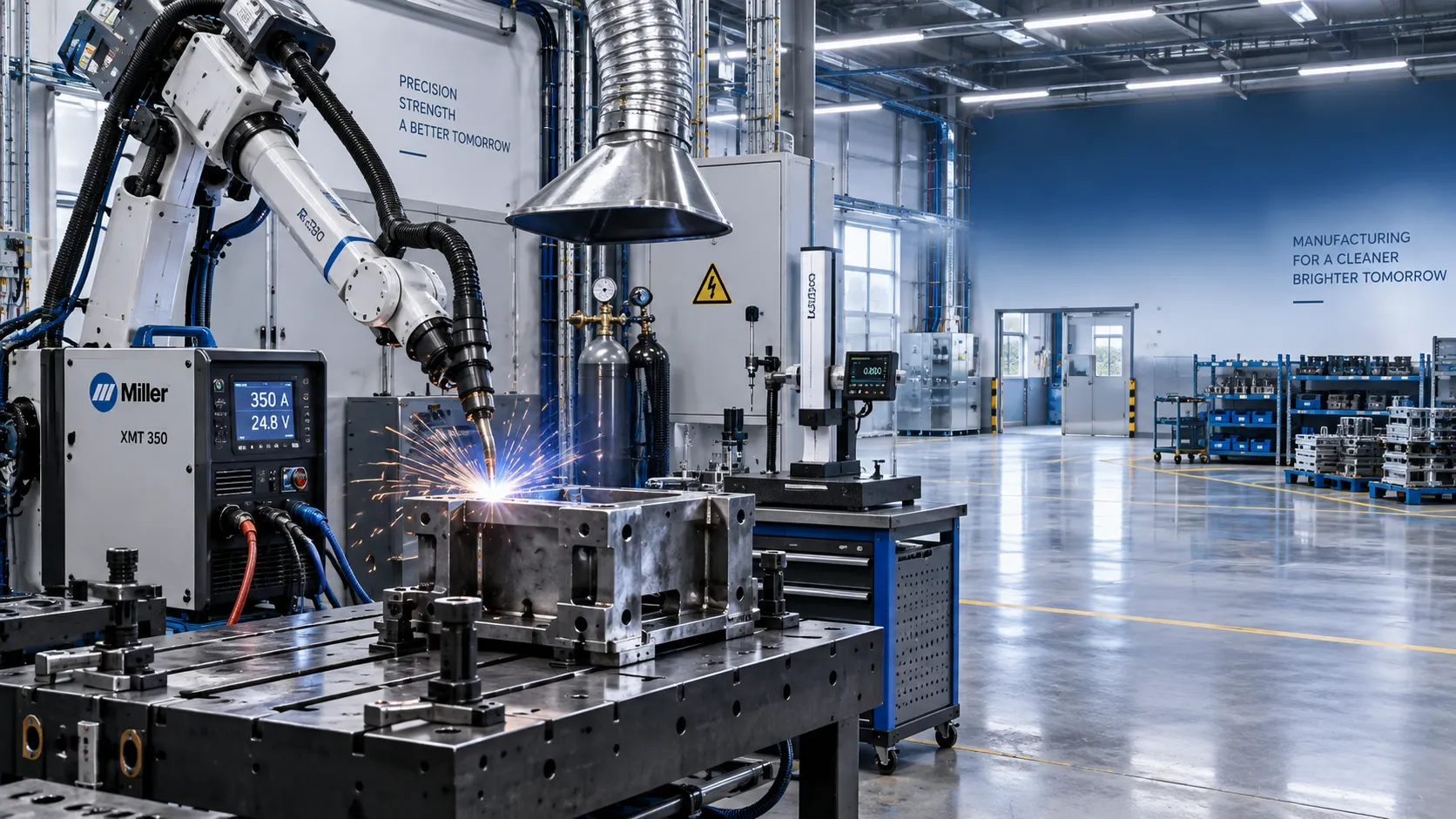
Industrial Equipment Application Guidance: Match Machines to Operating Conditions
Application guidance industrial equipment: match capacity, duty cycle, materials, site conditions, safety, and lifecycle cost to improve reliable output. Read the guide.
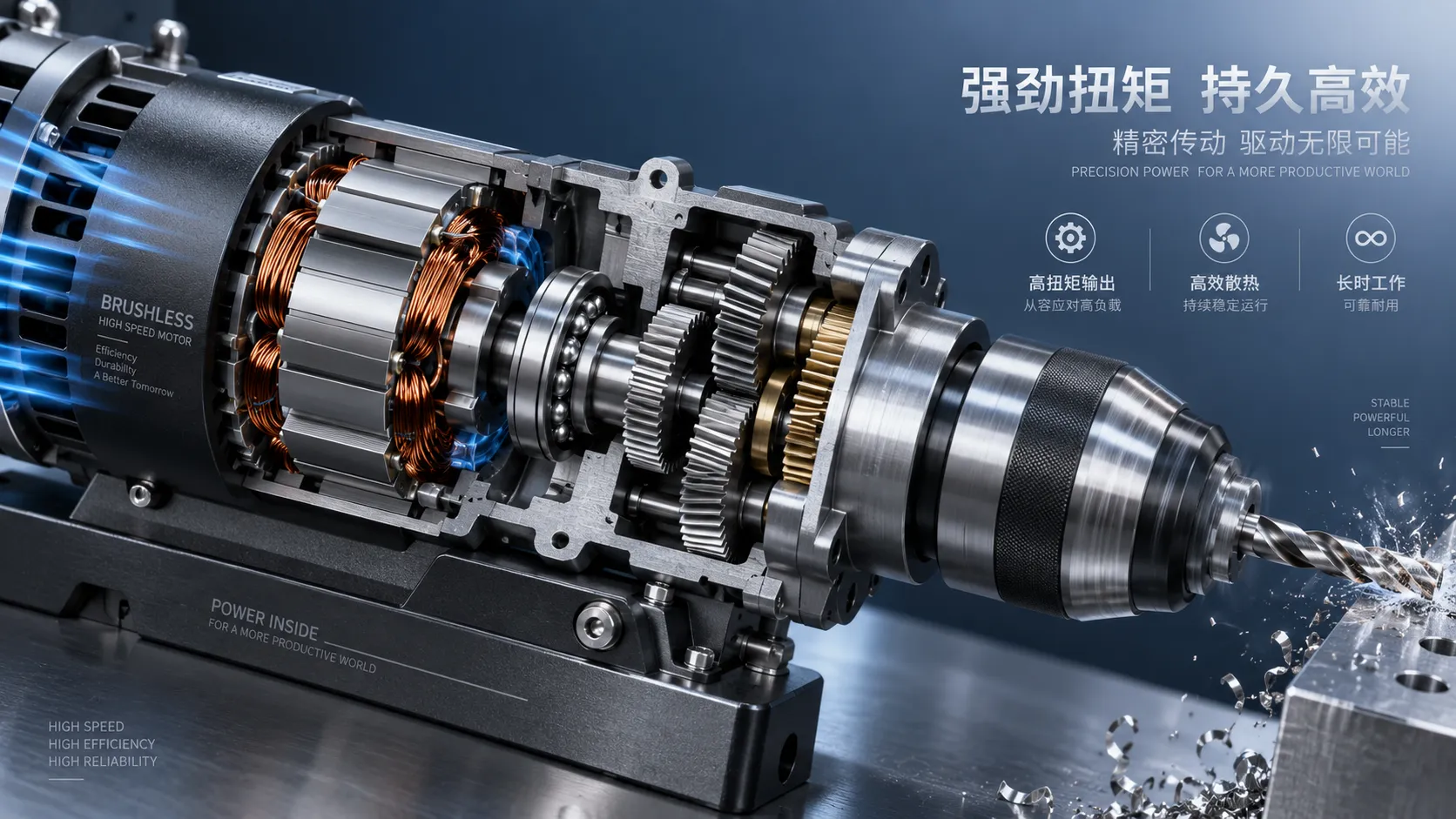
Selecting High-Speed Brushless Tool Motors for Torque, Heat, and Duty Cycle
High speed brushless tool motors: learn how to balance torque, heat, gearing, and duty cycle for reliable industrial tool performance and longer service life.
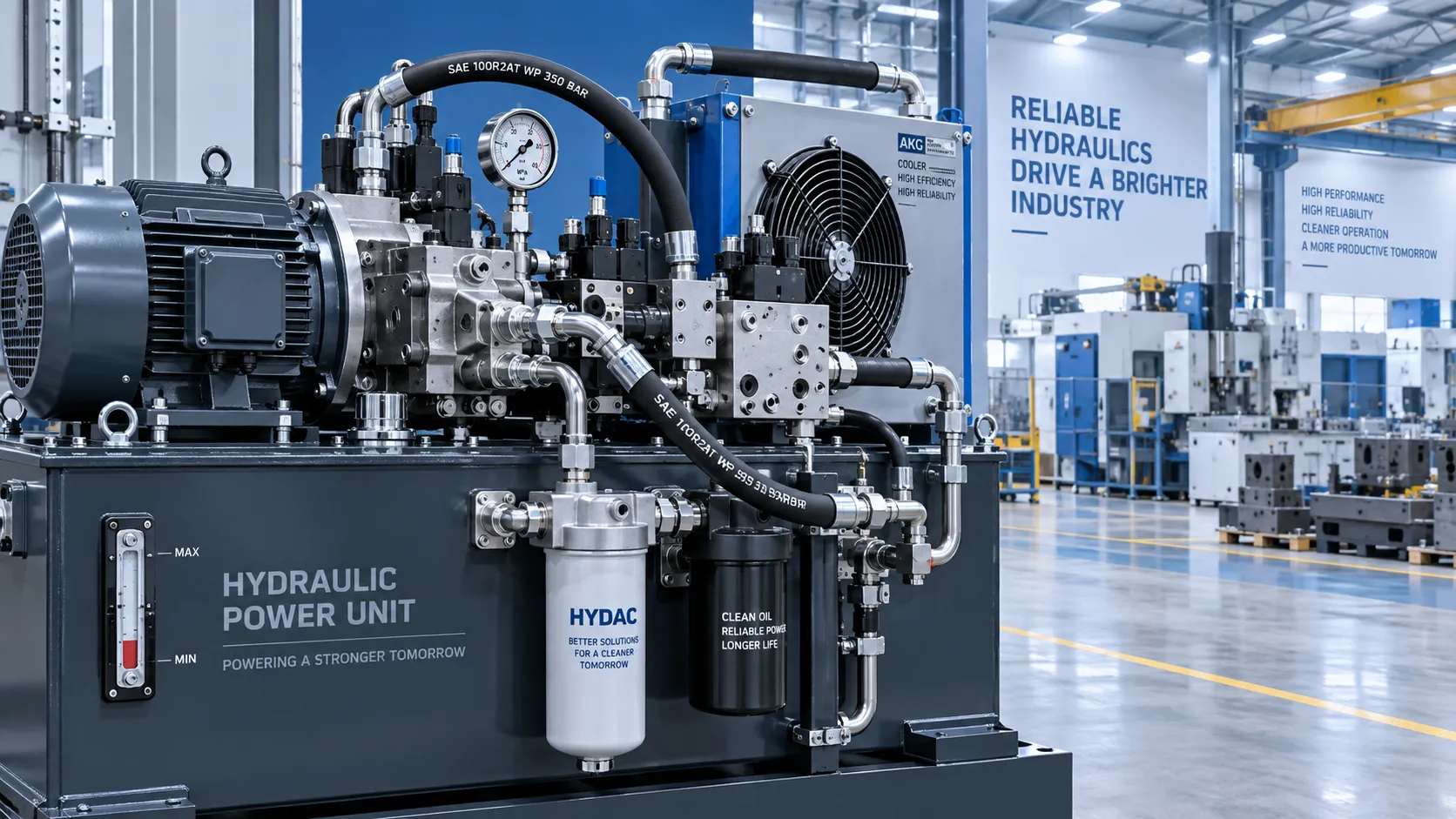
What Determines Industrial Hydraulic System Price for Heavy-Duty Equipment?
Industrial hydraulic system price depends on duty cycle, pressure, components, cooling, and integration. Compare quotes intelligently to secure reliable heavy-duty performance.
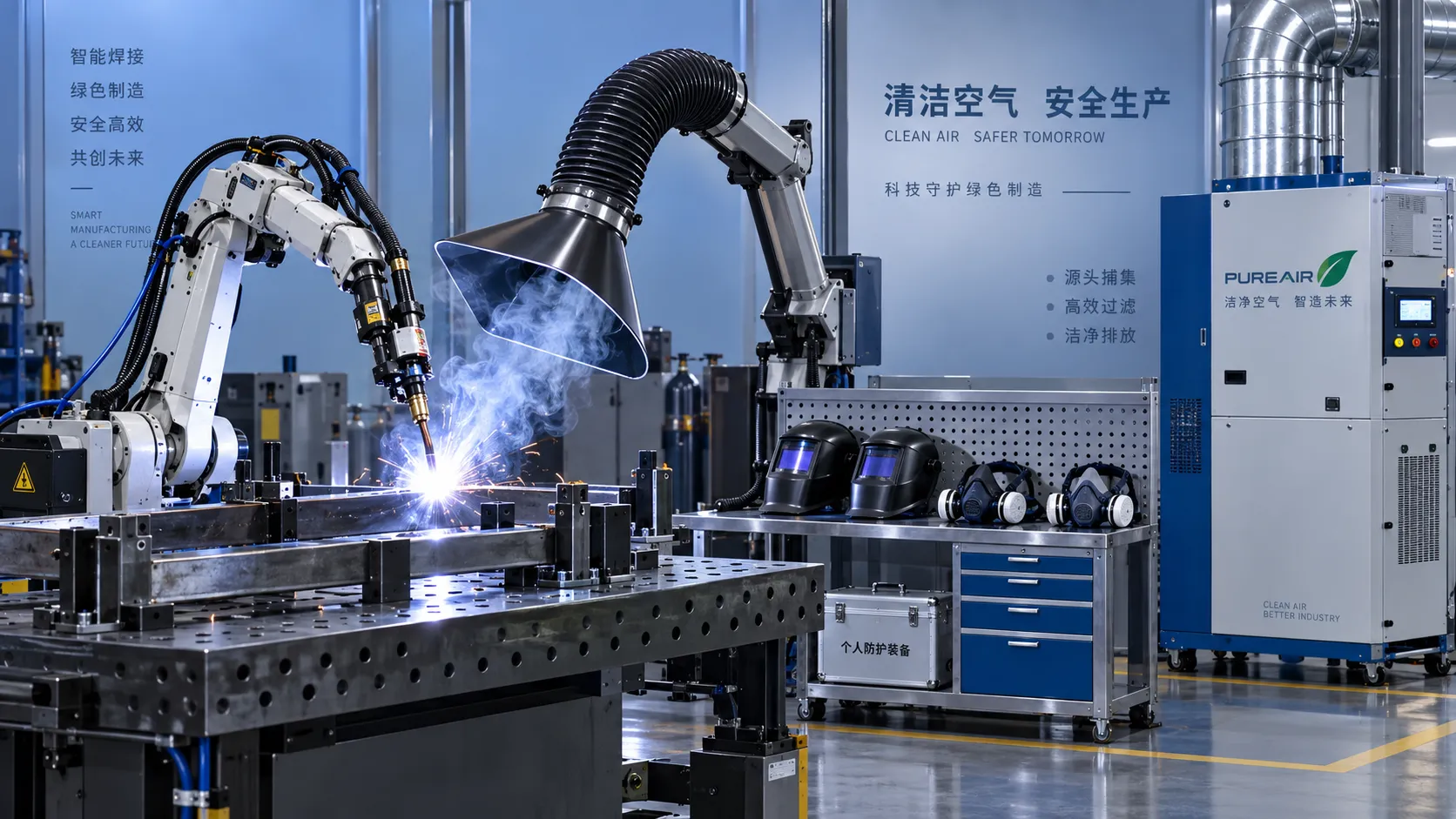
Welding Fume Extraction PPE: When Respirators Are Not Enough for Shop Safety
Welding fume extraction PPE: learn why respirators alone fall short and how source capture, ventilation, and layered controls improve shop safety.
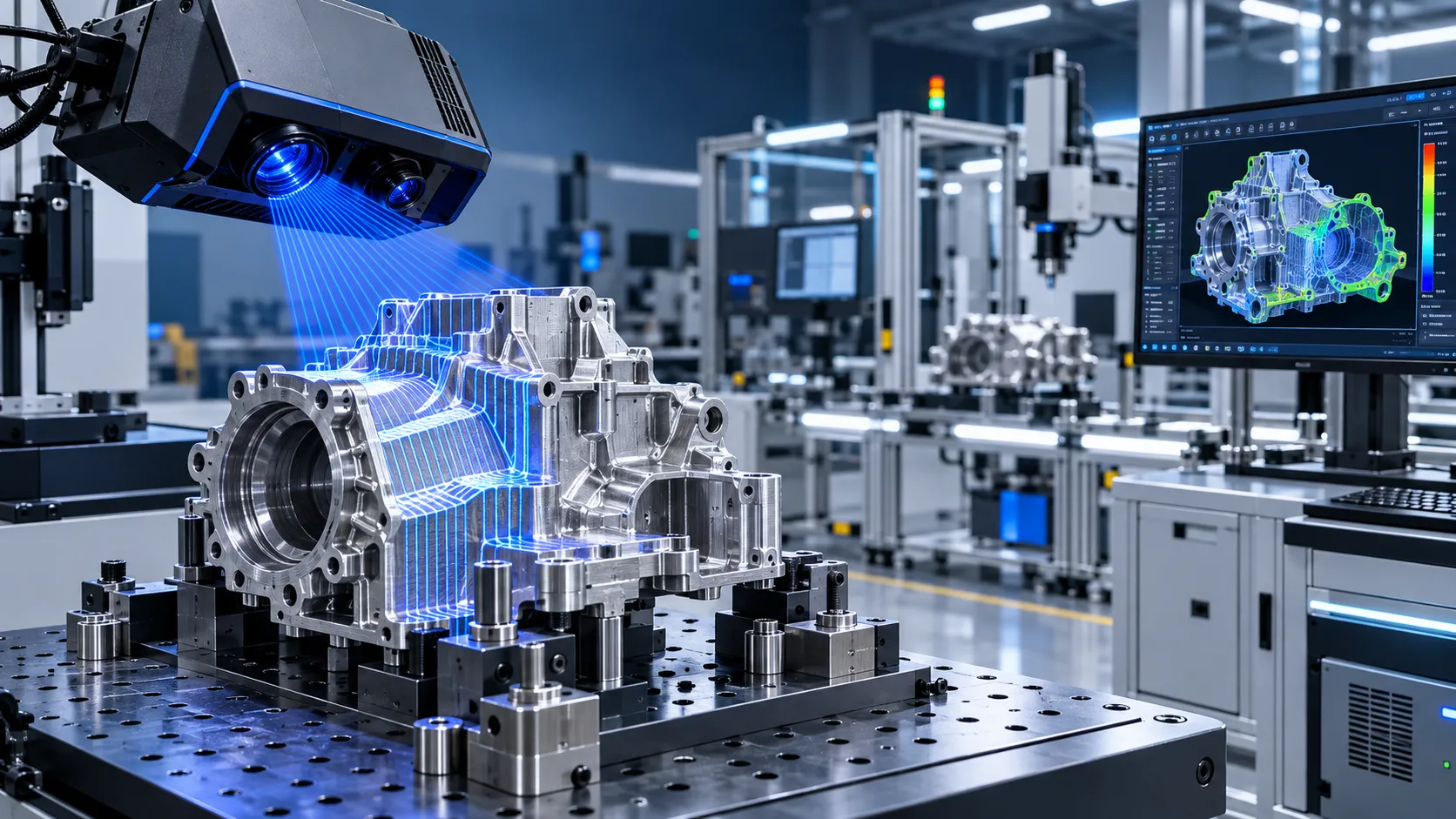
How to Select Optical Metrology Solutions for Tight-Tolerance Manufacturing
Optical industrial metrology solutions for tight-tolerance manufacturing: evaluate accuracy, surface compatibility, workflow, and traceability to select with confidence.
Related News
- 00
0000-00
Selecting Adjustable Torque Tools for Repeatable Fastener Assembly - 00
0000-00
How to Select Aerospace Inspection Tools for Aircraft Maintenance Tasks - 00
0000-00
How to Select Wire Bonding Tools for Fine-Pitch Semiconductor Packaging - 00
0000-00
Industrial Equipment Application Guidance: Match Machines to Operating Conditions - 00
0000-00
Selecting High-Speed Brushless Tool Motors for Torque, Heat, and Duty Cycle
Prof. Marcus Chen
Weekly Insights
Stay ahead with our curated technology reports delivered every Monday.