
Intelligent tools promise efficiency, but where do failures start?





Intelligent tools promise faster diagnostics, lower downtime, and smoother maintenance workflows, but failures rarely begin at the moment of breakdown. For after-sales service operations across industrial assembly, metal joining, precision measurement, and field maintenance, the true origin of failure is usually earlier and quieter: calibration drift that goes unnoticed, welding safety controls that are bypassed, torque values that are recorded but not verified, or machine data that is collected without being interpreted. When intelligent tools are treated as self-managing assets, hidden risks grow inside otherwise efficient systems. Understanding where those risks begin is the difference between gaining measurable efficiency and inheriting expensive uncertainty.
Why intelligent tools need a structured way to detect failure early
Across the broader industrial landscape, intelligent tools now support inspection, fastening, welding, alignment, diagnostics, predictive maintenance, and digital reporting. Their promise is real. Connected torque tools can improve consistency. Smart metrology devices can shorten verification cycles. Sensor-enabled welding systems can enhance quality and safety. Yet the same intelligent tools can create a false sense of control when users rely on dashboards without validating physical conditions on the ground.
A structured review matters because most failures begin as small deviations rather than dramatic events. A tool may still power on, transmit data, and pass a basic startup test while already producing unreliable outputs. In industrial environments shaped by vibration, dust, heat, operator variation, export compliance requirements, and changing material behavior, intelligent tools must be judged not only by software features but by repeatability, traceability, and safe performance under real working conditions.
This is especially relevant in sectors where the “last mile” of manufacturing defines product quality: final assembly, repair, maintenance, welding rework, dimensional verification, and service documentation. In these environments, a single unnoticed drift in torque, temperature, alignment, or measurement can multiply into warranty claims, rework, safety incidents, and weak customer confidence. A practical review framework helps identify where intelligent tools stop being assets and start becoming blind spots.
Core checks that reveal where failures start
Use the following points to evaluate intelligent tools before performance problems become visible in output quality, service speed, or compliance records.
- Verify calibration history against actual operating hours, not only calendar dates, because intelligent tools often drift faster in high-vibration, high-heat, or multi-shift conditions.
- Check whether torque, measurement, or welding parameters are captured automatically and also validated physically through sample audits, reference parts, or master gauges.
- Confirm sensor data quality at the source, including signal stability, timestamp accuracy, and unit consistency, before trusting any dashboard-based maintenance decision.
- Review battery health, charging discipline, and power fluctuation behavior, since unstable power supply often causes intermittent faults that look like software errors.
- Inspect environmental exposure such as dust, spatter, oil mist, humidity, and magnetic interference, all of which can quietly degrade intelligent tools over time.
- Ensure firmware, parameter libraries, and device settings are version-controlled so that updates do not unintentionally alter process windows or output tolerances.
- Test communication reliability between tool, gateway, and platform, because missing packets or delayed uploads can hide process instability and distort root-cause analysis.
- Evaluate ergonomic use patterns to see whether operators bypass smart functions due to weight, grip fatigue, poor interface logic, or slow login procedures.
- Check welding safety interlocks, shielding gas monitoring, and thermal alerts regularly, especially where handheld laser or arc-based systems are used near variable surfaces.
- Compare tool-generated results with independent inspection methods to confirm that digital confidence is supported by repeatable physical evidence.
- Review who can edit tolerance bands, torque thresholds, and acceptance rules, since weak access control can turn intelligent tools into compliance risks.
- Document failure patterns by application type rather than by tool family alone, because the same intelligent tools can behave differently in assembly, repair, and field service.
How failure starts in different industrial situations
Precision measurement and metrology tasks
In metrology, failure often starts with gradual trust erosion rather than immediate nonconformance. Intelligent tools such as digital calipers, laser measurement devices, torque analyzers, and connected gauges may continue to display values normally even when reference alignment has shifted. If the system only checks whether data exists, instead of whether data remains traceable to stable standards, the error moves downstream into inspection reports, assembly approvals, and customer documentation.
The critical check here is comparison. Intelligent tools should be cross-verified against reference artifacts, master instruments, and repeat measurements under changing temperatures. A smart device that saves time but weakens metrological confidence is not increasing efficiency; it is accelerating uncertainty.
Welding and metal joining operations
In welding, many failures start before the arc or beam is activated. Surface contamination, poor joint preparation, unstable shielding, heat input variation, or incorrect material presets can all pass unnoticed if intelligent tools are assumed to compensate automatically. This is especially risky with advanced handheld systems, where users may expect software guidance to replace discipline in setup, positioning, and safety checks.
A strong practice is to review not just machine settings but the full chain around them: consumables, thermal warnings, operator confirmation steps, and post-weld verification. Intelligent tools can improve repeatability, but they cannot rescue an uncontrolled process environment.
Torque-controlled assembly and maintenance
For connected fastening systems, failure often begins when recorded torque is mistaken for achieved joint integrity. Thread condition, lubrication state, part seating, extension accessories, angle compensation, and reaction force all influence the final result. Intelligent tools may report a pass while the joint itself remains mechanically unstable.
The key is to connect digital torque evidence with joint behavior. Sample teardown, clamp load validation, and application-specific torque review help reveal whether intelligent tools are controlling the process or merely documenting it.
Field service and after-sales diagnostics
In mobile service environments, intelligent tools face travel shock, inconsistent connectivity, battery neglect, rushed updates, and mixed operator habits. Failures often begin with fragmented data: incomplete asset history, mismatched parameter files, or diagnostics performed offline and uploaded later without context. This weakens both troubleshooting accuracy and warranty defensibility.
The most effective control point is standardization at the service event level. Every diagnostic session should capture device condition, software version, environmental context, and verification result in one traceable record. Intelligent tools are most valuable when they preserve context, not just readings.
Commonly overlooked risks that turn intelligent tools into blind spots
Data visibility without data meaning
Many systems display rich dashboards, but visibility alone does not equal control. If thresholds are poorly configured or alerts are ignored because they trigger too often, intelligent tools create noise rather than insight. The risk begins when teams monitor everything and verify nothing.
Overreliance on default settings
Factory presets are useful starting points, not universal operating truth. Materials, surface conditions, regional compliance requirements, and duty cycles vary widely. Intelligent tools that are never tuned to actual application conditions often fail slowly and consistently.
Human workarounds hidden by digital records
If a device is cumbersome or interrupts workflow, users may skip confirmations, reuse old job profiles, or switch to manual methods while the system still shows acceptable activity. In this case, intelligent tools appear operational while real process discipline deteriorates.
Calibration programs disconnected from usage reality
A fixed annual schedule may satisfy documentation requirements but miss actual wear patterns. Intelligent tools used in abrasive, high-cycle, or field-exposed environments need condition-based review. Otherwise, calibration control becomes administrative rather than technical.
Software change without process revalidation
Even minor updates can affect sensor interpretation, user interface flow, wireless behavior, or stored tolerances. When intelligent tools receive firmware changes without application-specific rechecks, subtle deviations can enter production or service activities unnoticed.
Practical steps to strengthen reliability
- Build a short verification routine before each shift that covers power status, physical condition, connectivity, and one known-good output check.
- Separate performance indicators into three layers: device health, process quality, and business impact, so trends are interpreted in the right context.
- Create application-specific parameter control for assembly, welding, inspection, and field service instead of relying on one general default configuration.
- Use exception reviews for repeated overrides, missing data, failed uploads, and tolerance edits, since these are early signs of system drift.
- Pair intelligent tools with periodic independent audits, including reference measurements, sample destructive checks, or external calibration confirmation.
- Treat ergonomics and workflow fit as reliability variables, because a technically advanced tool that is difficult to use will invite nonstandard behavior.
Conclusion and next action
Intelligent tools do not usually fail at the moment they stop working. They fail earlier, when calibration weakens, when welding safeguards are assumed rather than checked, when torque records replace mechanical validation, or when connected data loses traceability. In industrial assembly, metal joining, precision metrology, and service operations, the most reliable efficiency comes from combining digital intelligence with disciplined physical verification.
The best next step is simple: review one critical workflow and map where intelligent tools produce data, where people make decisions, and where physical confirmation still matters. Then convert that map into a repeatable control routine. This approach turns intelligent tools from attractive technology into dependable industrial infrastructure—precise, visible, and accountable under real operating conditions.
Related News
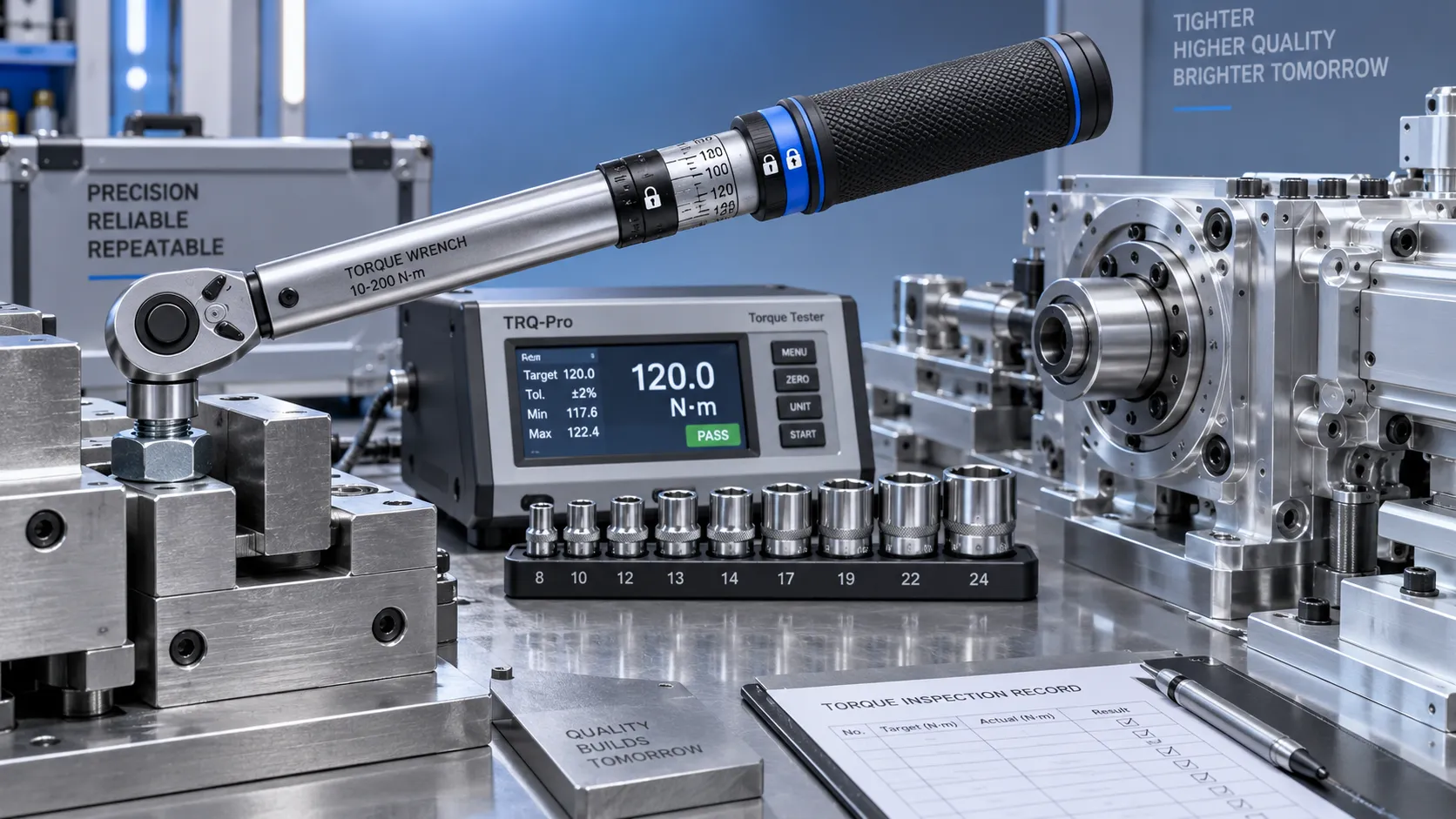
Selecting Adjustable Torque Tools for Repeatable Fastener Assembly
Adjustable torque tools: learn how to match range, accuracy, control methods, calibration, and ergonomics for repeatable, reliable fastener assembly.
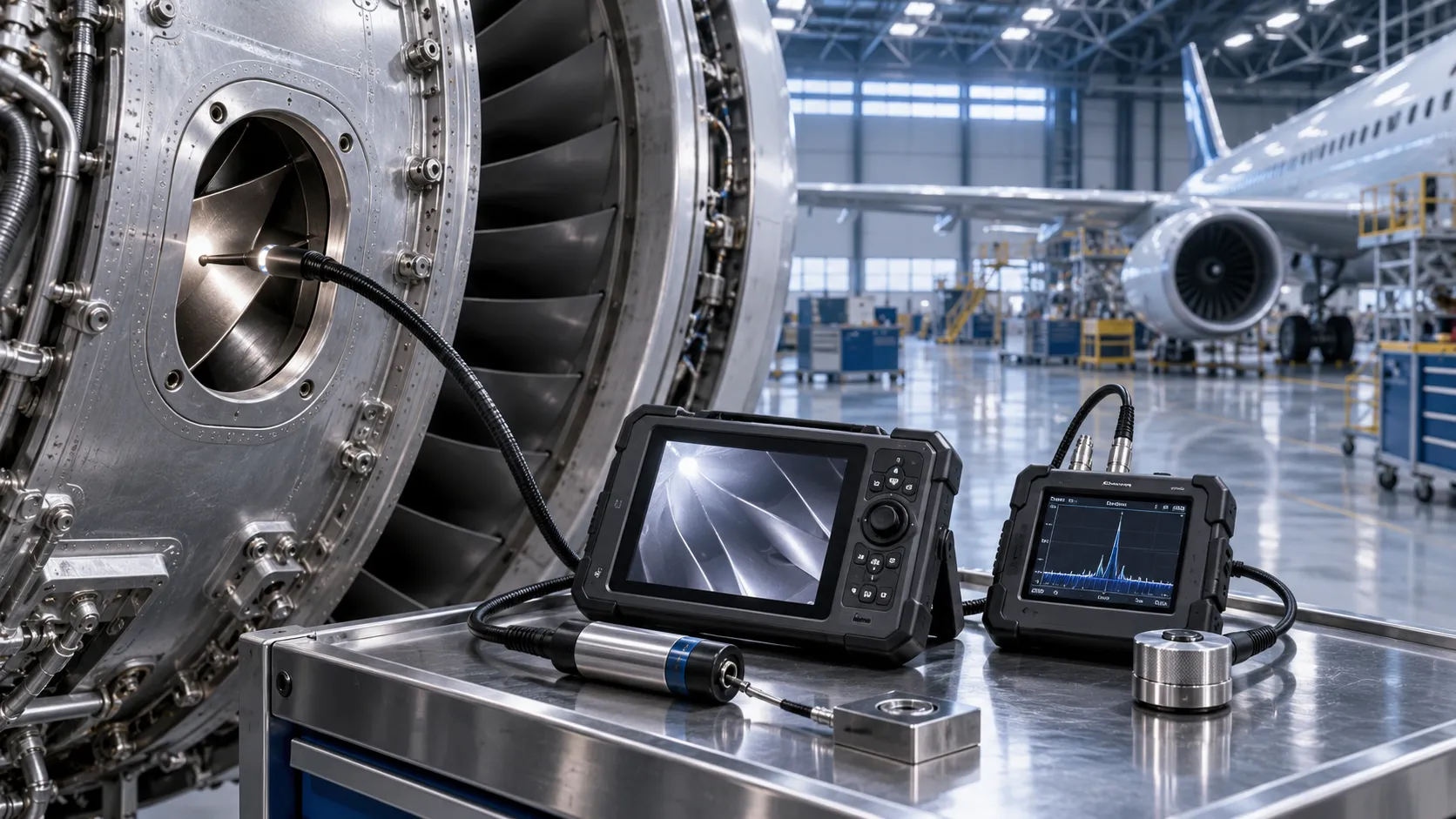
How to Select Aerospace Inspection Tools for Aircraft Maintenance Tasks
Aerospace maintenance inspection tools: learn how to select reliable, traceable equipment for aircraft access, accuracy, calibration, and compliant maintenance decisions.
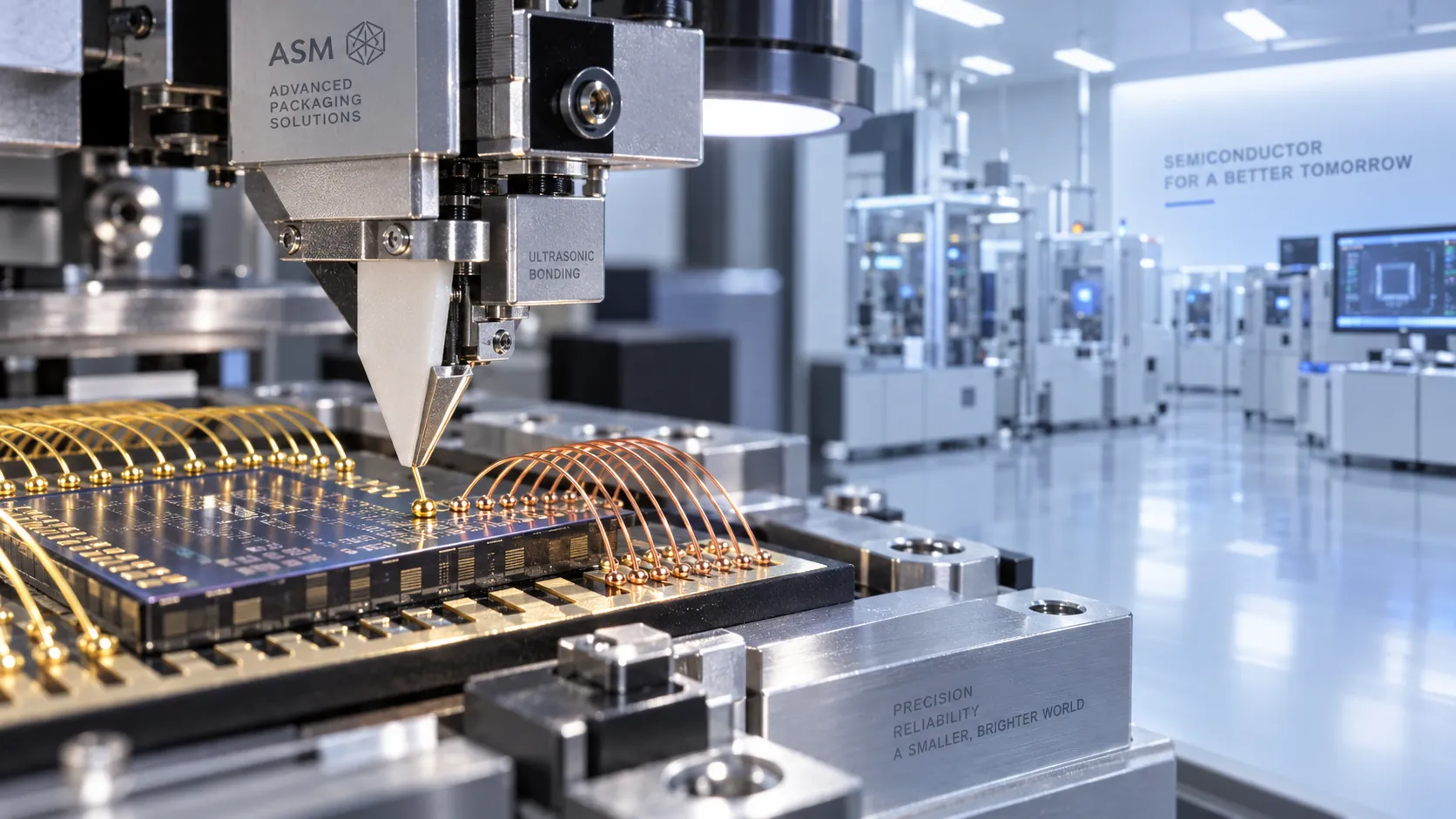
How to Select Wire Bonding Tools for Fine-Pitch Semiconductor Packaging
Explore semiconductor manufacturing tools for wire bonding and learn how to select precision solutions for fine-pitch packaging, reliable loops, accuracy, and yield.
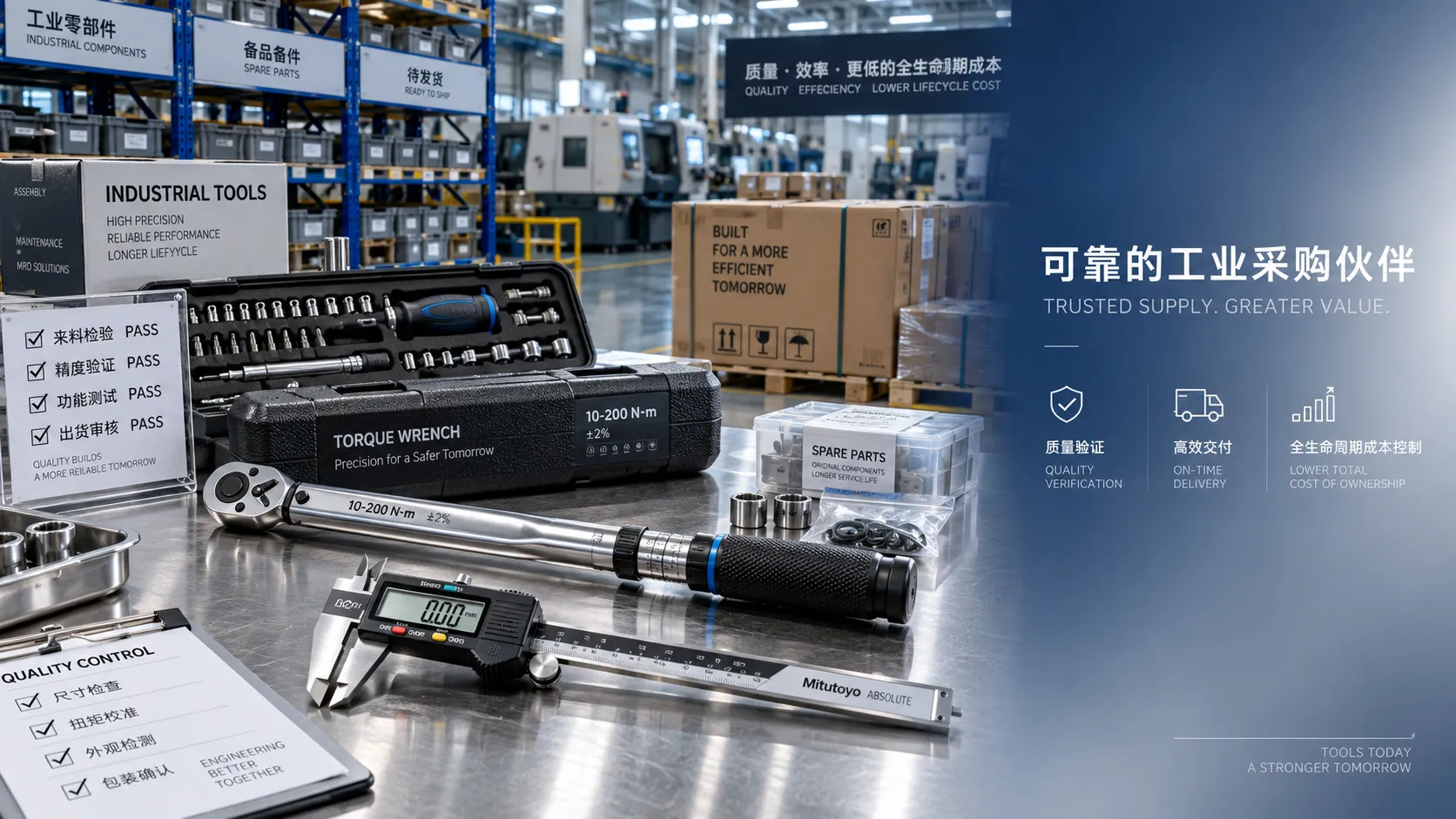
How to Compare Industrial Tool Suppliers for Quality, Lead Time, and Total Cost
Industrial tool selection supplier comparison made simple: evaluate quality, lead times, total cost, service, and supply resilience for confident sourcing decisions.
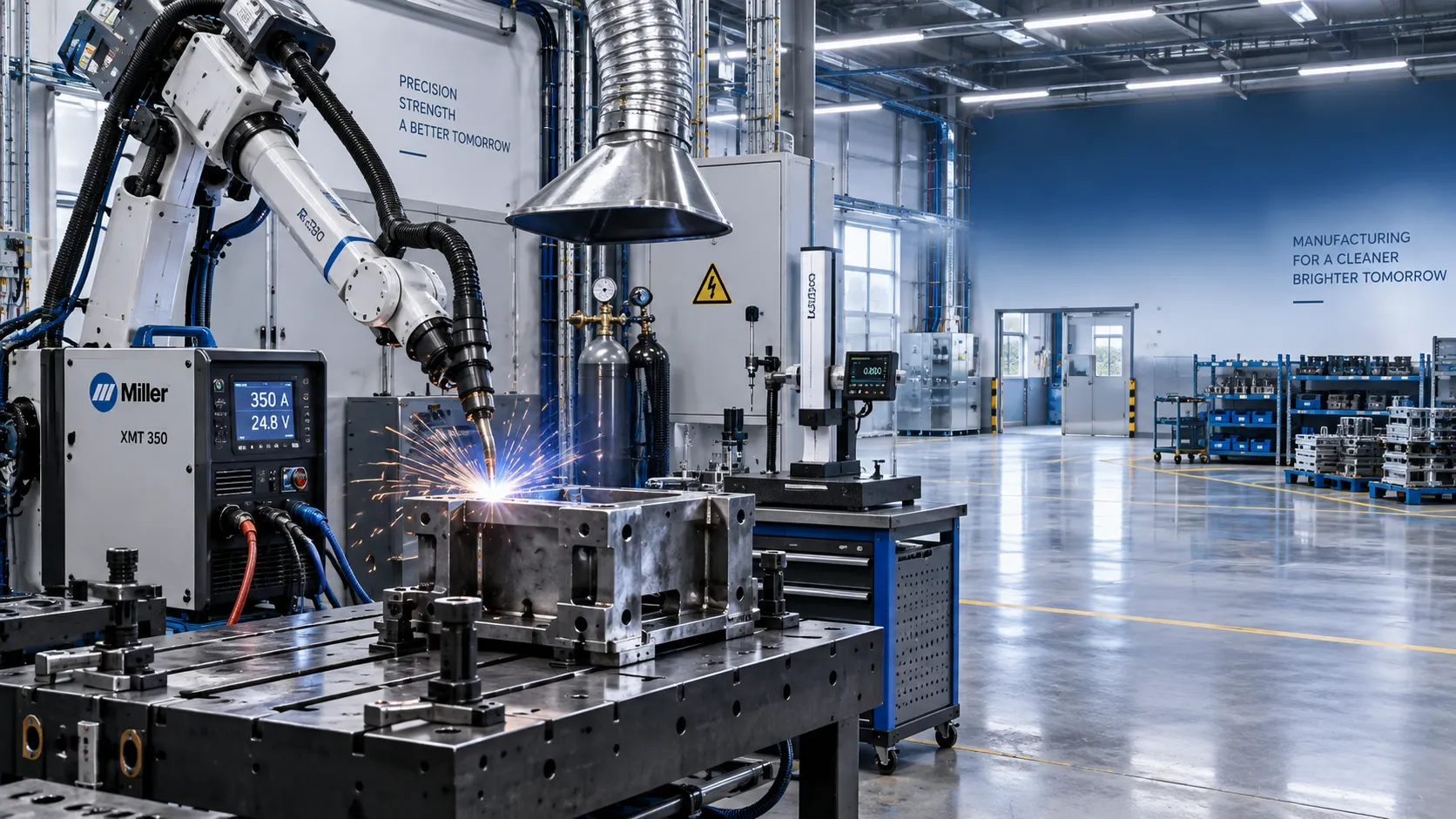
Industrial Equipment Application Guidance: Match Machines to Operating Conditions
Application guidance industrial equipment: match capacity, duty cycle, materials, site conditions, safety, and lifecycle cost to improve reliable output. Read the guide.
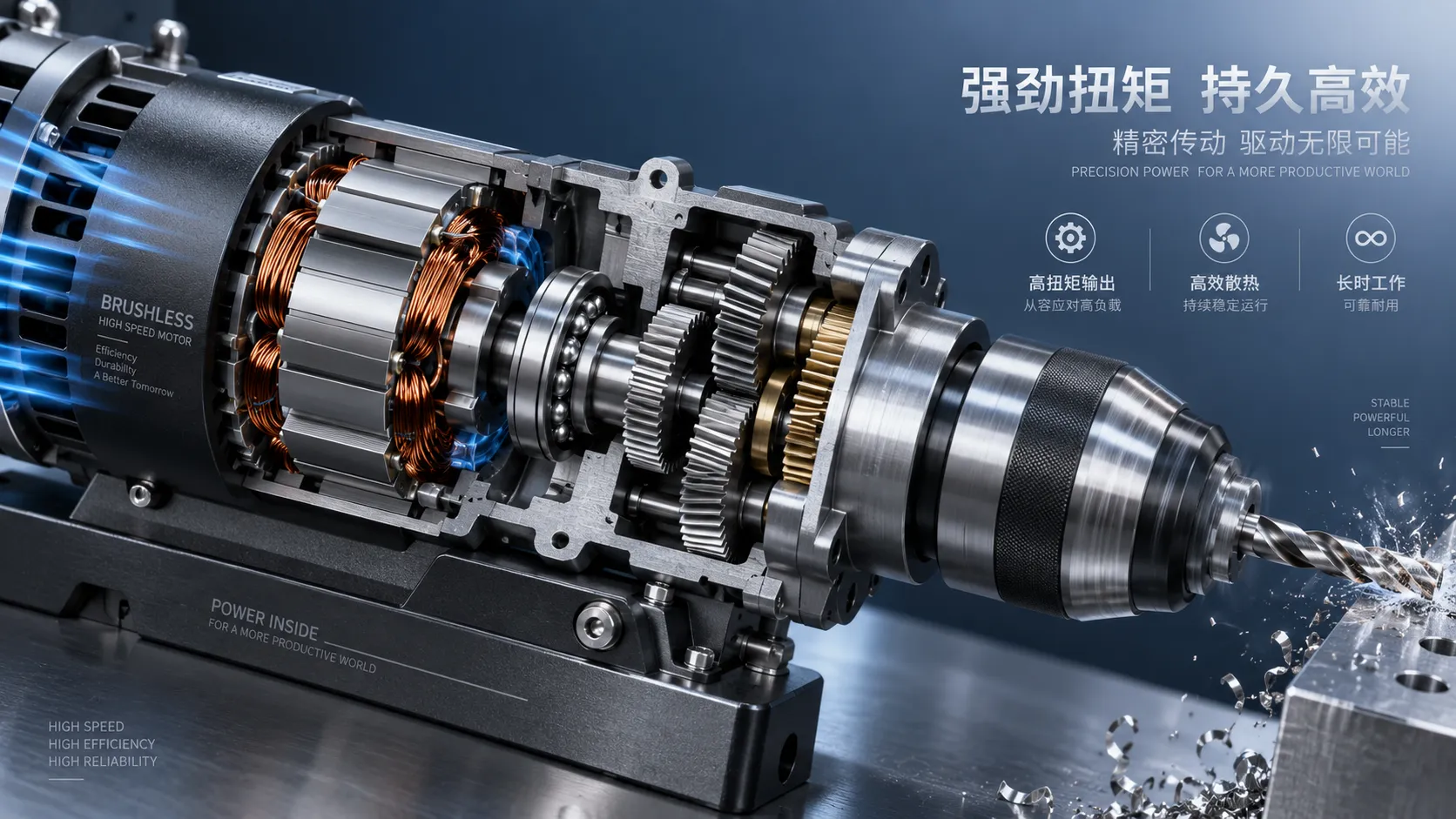
Selecting High-Speed Brushless Tool Motors for Torque, Heat, and Duty Cycle
High speed brushless tool motors: learn how to balance torque, heat, gearing, and duty cycle for reliable industrial tool performance and longer service life.
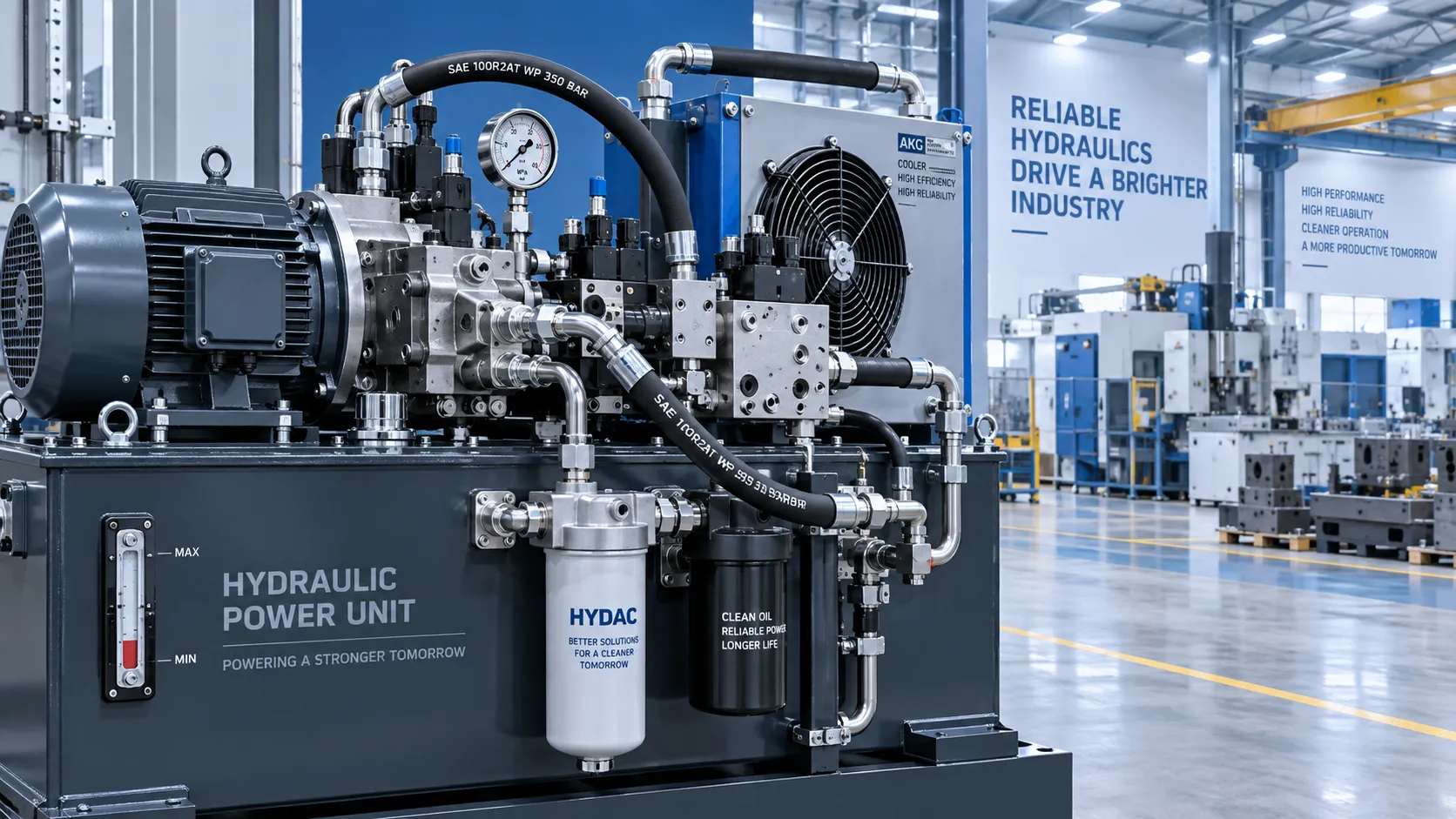
What Determines Industrial Hydraulic System Price for Heavy-Duty Equipment?
Industrial hydraulic system price depends on duty cycle, pressure, components, cooling, and integration. Compare quotes intelligently to secure reliable heavy-duty performance.
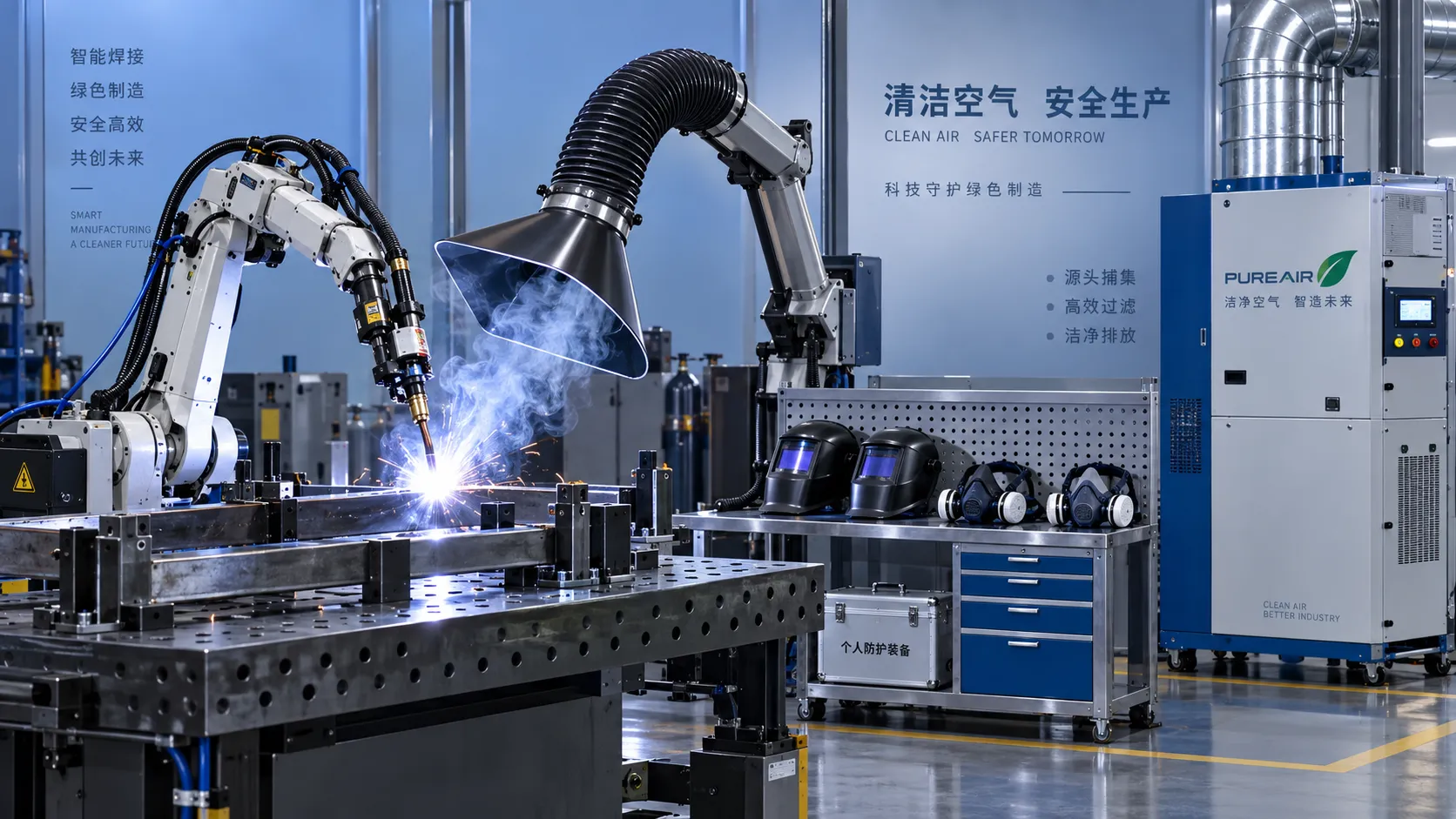
Welding Fume Extraction PPE: When Respirators Are Not Enough for Shop Safety
Welding fume extraction PPE: learn why respirators alone fall short and how source capture, ventilation, and layered controls improve shop safety.
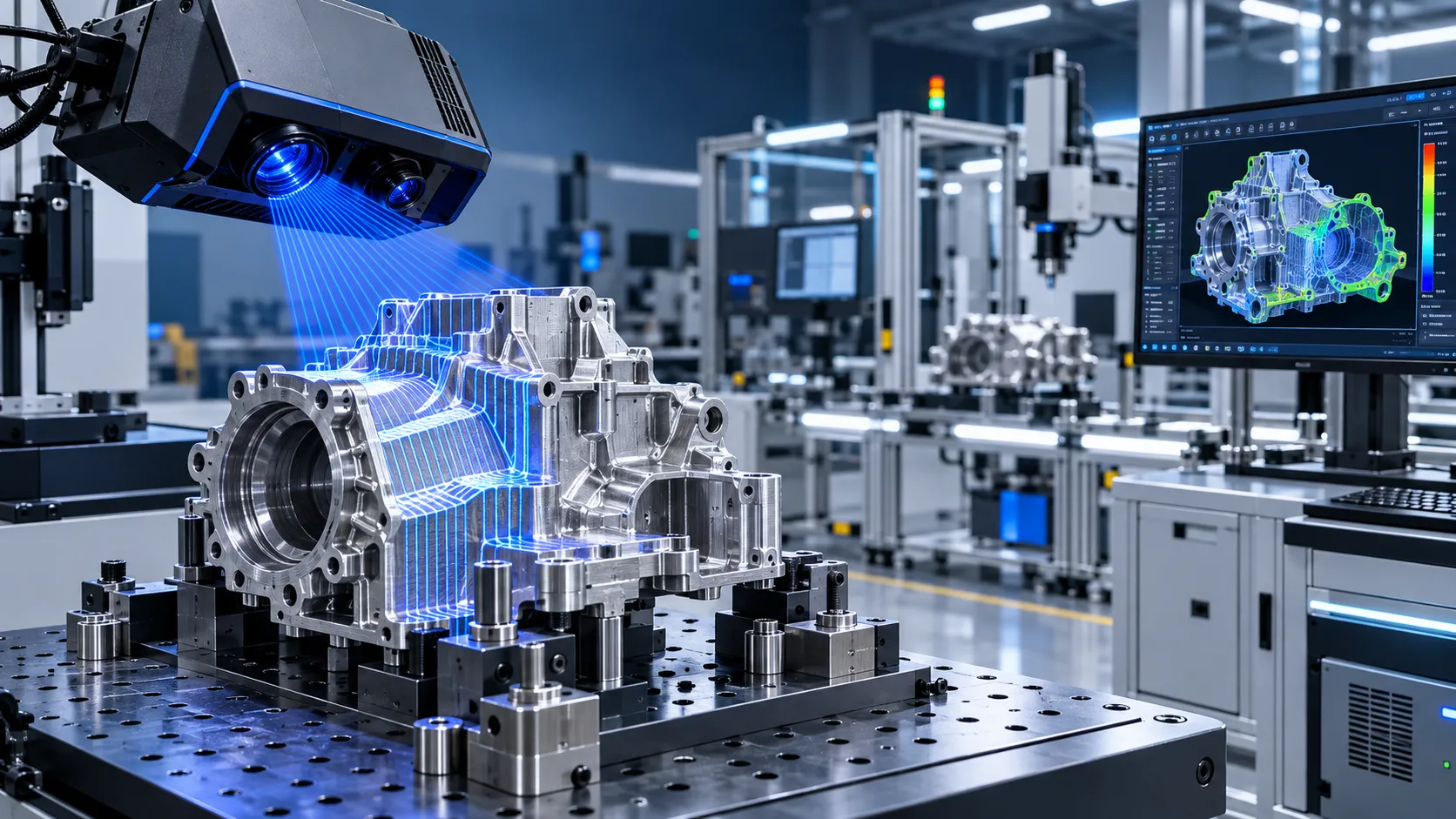
How to Select Optical Metrology Solutions for Tight-Tolerance Manufacturing
Optical industrial metrology solutions for tight-tolerance manufacturing: evaluate accuracy, surface compatibility, workflow, and traceability to select with confidence.
Related News
- 00
0000-00
How to Select Battery Assembly Tools for Torque Control and High-Volume Production - 00
0000-00
How Battery, Torque, and Duty Cycle Affect Cordless Power Tool Efficiency - 00
0000-00
How to Size High-Torque Tool Motors for Continuous-Duty Assembly Lines - 00
0000-00
How to Choose 24V Brushless Tool Motors for Torque, Runtime, and Duty Cycle? - 00
0000-00
Automotive Repair Tools List: What Every Workshop Needs for Daily Service Jobs
Electro-Mech Tool Designer
Weekly Insights
Stay ahead with our curated technology reports delivered every Monday.