
Technology integration often adds complexity before value




Technology integration often promises faster results, yet for project managers and engineering leads it usually introduces new layers of coordination, training, and risk before measurable gains appear. In industrial environments where precision, safety, and uptime matter, understanding why complexity comes first is essential to making smarter decisions, controlling implementation costs, and turning short-term disruption into long-term operational value.
For most project managers, the core search intent behind technology integration is not theoretical. It is practical: why does integration get harder before it gets better, how long should that disruption last, and how can leaders reduce the cost of that transition without losing the long-term benefits? In manufacturing, tooling, welding, metrology, and adjacent engineering operations, that question is especially urgent because even small implementation errors can affect throughput, compliance, and operator safety.
The short answer is clear. Technology integration often adds complexity before value because new tools rarely replace only one task. They usually change workflows, responsibilities, data flows, maintenance routines, training needs, and decision rights across multiple teams at once. The immediate burden shows up first; the performance gains arrive later. That does not mean the investment is wrong. It means the implementation model must be realistic.
What project managers are really trying to understand about technology integration
Project managers and engineering leads typically do not need another generic statement that “digital transformation is important.” What they need is a way to judge whether a proposed integration will create controllable complexity or damaging complexity. That distinction matters more than the technology category itself.
In industrial settings, a new connected torque system, welding automation interface, digital measurement platform, or production monitoring layer can look attractive in vendor presentations. However, the actual project burden falls on internal teams. They must align operations, maintenance, procurement, quality, IT, safety, and sometimes external distributors or customers. Complexity appears because the technology becomes part of a live production environment, not a clean laboratory test.
This is why experienced leaders ask sharper questions. Where will the first disruptions occur? Which teams absorb the hidden workload? How much process redesign is required before any performance gain becomes visible? What can be staged, and what must be changed all at once? These questions are more valuable than simply asking whether the technology is “advanced.”
Why complexity shows up before measurable value
There are several repeatable reasons why technology integration creates a temporary complexity spike. The first is that systems do not integrate at the same pace as expectations. A new tool may be technically compatible, but operational compatibility is another matter. Machines may connect, yet people may still rely on manual workarounds, duplicate reporting, or legacy approvals.
The second reason is process overlap. During the transition period, most organizations run old and new methods in parallel. A metrology team might record measurements in both the old spreadsheet structure and the new digital quality platform. A welding operation may maintain manual inspection routines while piloting automated parameter logging. This parallel operation is rational because it reduces risk, but it also doubles effort for a period of time.
The third reason is uneven adoption across functions. Operators may learn the interface quickly, while maintenance teams still need troubleshooting protocols. Engineering may understand the new data outputs, while supervisors are unclear on when those outputs should trigger intervention. Integration is slowed not by the slowest machine, but by the slowest organizational dependency.
Another major factor is data interpretation. Many industrial tools now generate more information than teams are used to handling. Connected torque systems, battery-powered equipment diagnostics, laser welding safety monitoring, and precision measurement devices can all produce useful data. But until teams define what matters, what thresholds require action, and who owns the response, more data can actually create more ambiguity.
Finally, technology integration often exposes pre-existing process weaknesses. A project may reveal undocumented setup steps, inconsistent operator practices, calibration gaps, unclear maintenance ownership, or unrealistic scheduling assumptions. These issues were already present, but the integration effort brings them into view. In that sense, the new technology does not create every problem. It often makes hidden problems impossible to ignore.
Where project costs usually increase during the transition
When leaders underestimate integration complexity, they usually focus too narrowly on purchase price and installation time. The larger cost categories often emerge elsewhere. Training is one of the most common examples. Initial training may be budgeted, but refresher training, shift-wide standardization, and cross-functional learning are often missed.
Workflow redesign is another hidden cost driver. If a new digital inspection tool changes when data is reviewed, how nonconformance is escalated, or how reports are shared with customers, then process ownership must be rewritten. Those changes consume engineering hours, supervisor attention, and administrative coordination that rarely appear in the original business case.
Downtime risk also deserves close attention. Even when implementation is planned carefully, ramp-up periods can reduce output. In high-precision manufacturing, a small slowdown may be acceptable if it leads to better repeatability or lower rework later. But the project team should model that tradeoff explicitly rather than treat it as an unexpected side effect.
Support complexity can also rise. A previously self-contained tool may become dependent on software updates, network reliability, vendor support responsiveness, cybersecurity reviews, and internal IT coordination. None of these are inherently negative, but each one changes the operating model. If that expanded support structure is not resourced early, confidence in the integration can drop quickly.
How to tell whether the complexity is temporary and worthwhile
Not all complexity is a warning sign. Some complexity is the natural price of moving from isolated work to coordinated performance. The key question is whether the complexity is transitional, bounded, and connected to a meaningful operational gain.
A worthwhile integration usually has a clear value path. For example, a connected tightening system may first require process mapping, training, and data review changes. That is the complexity phase. But if the result is better traceability, lower warranty exposure, fewer assembly errors, and faster root-cause analysis, the value path is visible and measurable.
By contrast, harmful complexity tends to lack a credible route to operational improvement. The project adds interfaces, reports, meetings, and maintenance tasks, but no one can define which core KPI should improve or when. In those cases, the organization is not investing through complexity toward value. It is simply accumulating overhead.
Project managers should therefore test each initiative against a short list of decision criteria. Does the integration improve a critical constraint such as uptime, accuracy, compliance, throughput, labor efficiency, or safety? Is there a realistic adoption plan beyond installation? Are process owners identified? Can the team track leading indicators before final ROI appears? If the answer to these questions is weak, the complexity may persist longer than the value case can support.
What engineering leaders should evaluate before approving integration
Before approving a technology integration project, engineering leaders should assess system fit at three levels: technical fit, workflow fit, and organizational fit. Technical fit asks whether the equipment, software, interfaces, and standards are compatible. Workflow fit asks whether the technology supports how work is actually done on the floor. Organizational fit asks whether the business has the capability to sustain the new operating model.
Technical fit alone is not enough. A precision measurement platform may integrate well with existing devices, but if quality teams and production teams have conflicting review cycles, the speed advantage may be lost. Likewise, a smart welding solution may offer excellent monitoring, but if safety procedures, operator certifications, and maintenance checks are not updated together, the implementation burden will increase sharply.
Leaders should also examine integration scope discipline. Many projects fail because they try to solve too many problems at once. A focused first phase works better. Instead of integrating every line, every shift, and every reporting layer at the same time, a controlled pilot can define the process standard, validate training materials, and identify failure points before broader rollout.
Vendor evaluation should also go beyond product capability. In industrial technology integration, support quality matters as much as feature quality. Teams should understand what documentation is available, how quickly field issues are escalated, whether training is role-specific, and how future updates will affect system stability. A strong tool with weak implementation support can become an expensive source of frustration.
How to reduce the “complexity before value” gap
Project managers cannot eliminate transition complexity entirely, but they can shorten it and make it more predictable. The first method is to define value in operational terms before deployment begins. If the goal is “better visibility,” that is too vague. If the goal is “reduce torque-related rework by 20% within six months” or “cut inspection report turnaround from 24 hours to 4 hours,” teams know what success looks like.
The second method is staged integration. Breaking the project into phases helps teams isolate technical issues, training needs, and workflow conflicts before full-scale exposure. This is especially important in environments with high uptime requirements or strict safety procedures, where broad disruption is expensive.
Third, assign decision ownership early. Many integration delays are not caused by hardware or software, but by uncertainty over who decides process changes, who approves exceptions, who manages master data, and who responds when the system flags an issue. A clear governance structure reduces hesitation and prevents small problems from becoming project-wide bottlenecks.
Fourth, plan for the learning curve as a budget item, not as an informal assumption. Operators, technicians, engineers, and supervisors do not need the same training. Role-based enablement is more effective than broad introductory sessions. In industrial environments, practical training tied to real tasks usually delivers faster adoption than abstract system walkthroughs.
Fifth, measure leading indicators, not only final ROI. Early signals such as error detection rate, time-to-response, training completion, exception frequency, manual override use, and support ticket patterns can tell leaders whether the complexity is settling down or spreading. Waiting for annual ROI numbers is too slow for active project control.
Common mistakes that make technology integration harder than it needs to be
One common mistake is assuming that installation equals adoption. A system may be physically deployed and technically operational, yet still fail to produce value because people do not trust the outputs, understand the workflow, or know how to act on the data. Project dashboards often mark this stage as “complete,” even though operational integration has barely begun.
Another mistake is treating resistance as the main problem when the real issue is design friction. Operators and supervisors often resist systems that add steps without reducing pain elsewhere. If the new process requires extra input, duplicate checks, or slower response without visible benefit, skepticism is rational. Leaders should diagnose whether resistance comes from poor communication or poor workflow design.
A third mistake is ignoring legacy excellence. Some traditional processes remain effective because they are fast, intuitive, and deeply understood. Technology integration works best when it strengthens these strengths rather than replacing them indiscriminately. In precision industries, craftsmanship and digital tools should complement each other. When integration respects proven practice, adoption usually improves.
Finally, some teams fail by underestimating post-launch support. Once the project goes live, users need issue resolution, process clarification, and confidence-building feedback. Without this support period, temporary confusion can harden into permanent workarounds, and the organization may never capture the intended value.
What successful technology integration looks like in industrial operations
Successful technology integration does not mean zero disruption. It means disruption is controlled, purposeful, and followed by a stable performance gain. In practical terms, successful projects show a clear sequence: initial complexity rises, workflows are clarified, teams gain confidence, manual duplication declines, and measurable business outcomes begin to improve.
For project managers in manufacturing and engineering environments, the most credible benefits usually appear in areas such as traceability, defect prevention, process repeatability, maintenance planning, safety assurance, and decision speed. These are not always immediate headline gains, but they often produce stronger long-term returns than short-lived efficiency claims.
The most mature organizations also learn from each integration cycle. They document failure points, refine training models, standardize governance, and improve vendor selection. Over time, this reduces the cost of future integrations. In other words, part of the long-term value of technology integration is that the organization itself becomes better at integrating technology.
Conclusion: complexity first does not mean value later is impossible
Technology integration often adds complexity before value because real operations are interconnected, not isolated. New tools affect systems, people, processes, and responsibilities all at once. For project managers and engineering leads, this early complexity should not be viewed as automatic failure, but it should be treated as a predictable project phase that must be actively managed.
The strongest approach is to evaluate technology integration through the lens of operational fit, implementation burden, measurable value, and adoption readiness. When leaders define clear objectives, stage deployment carefully, assign ownership, and monitor early indicators, they can reduce disruption and move more confidently from complexity to payoff.
In precision-driven industries, the right integration strategy is rarely the fastest one on paper. It is the one that turns short-term implementation pressure into durable gains in quality, safety, visibility, and efficiency. That is how technology integration stops being a source of confusion and becomes a practical engine of industrial performance.
Related News
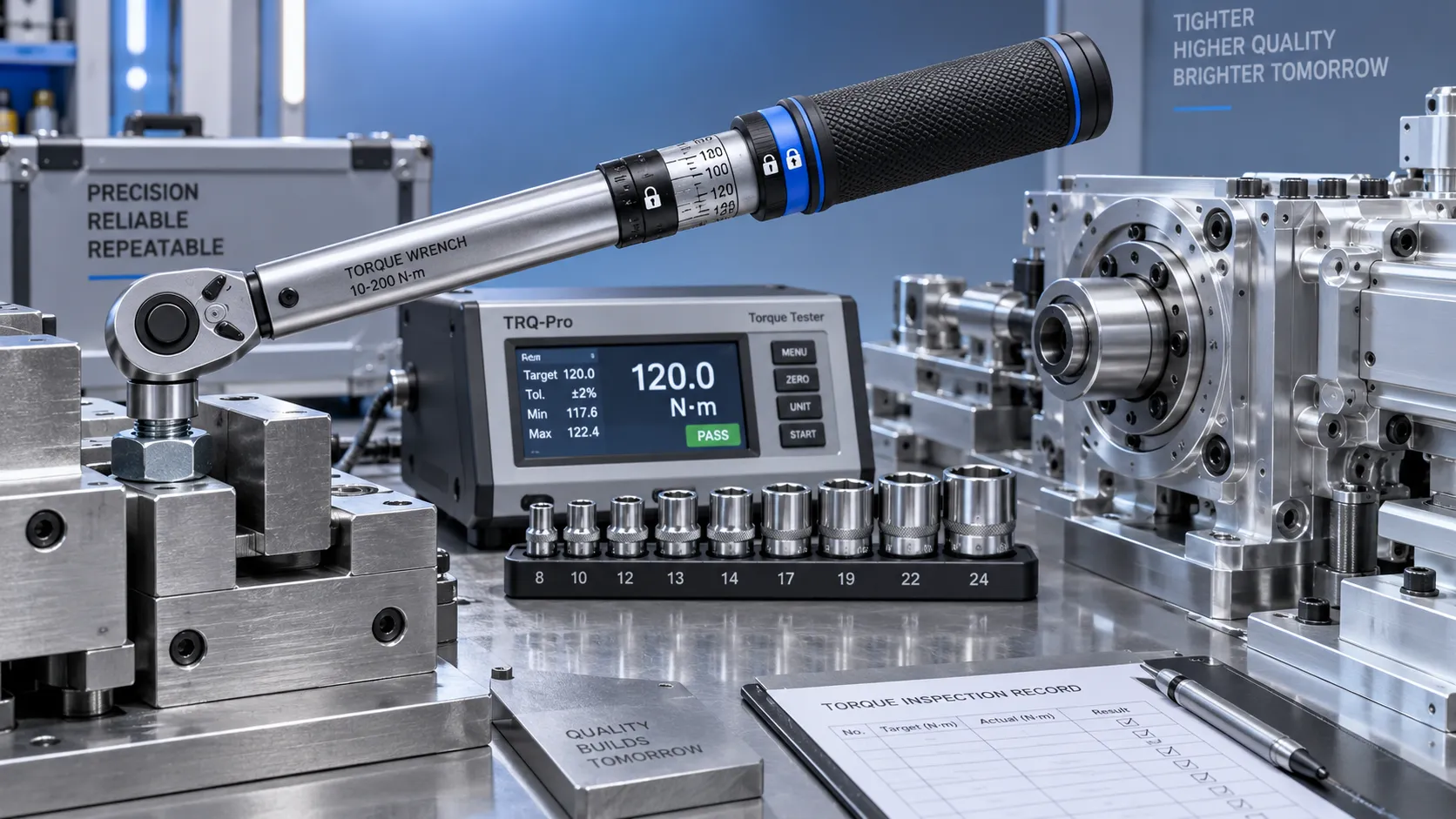
Selecting Adjustable Torque Tools for Repeatable Fastener Assembly
Adjustable torque tools: learn how to match range, accuracy, control methods, calibration, and ergonomics for repeatable, reliable fastener assembly.
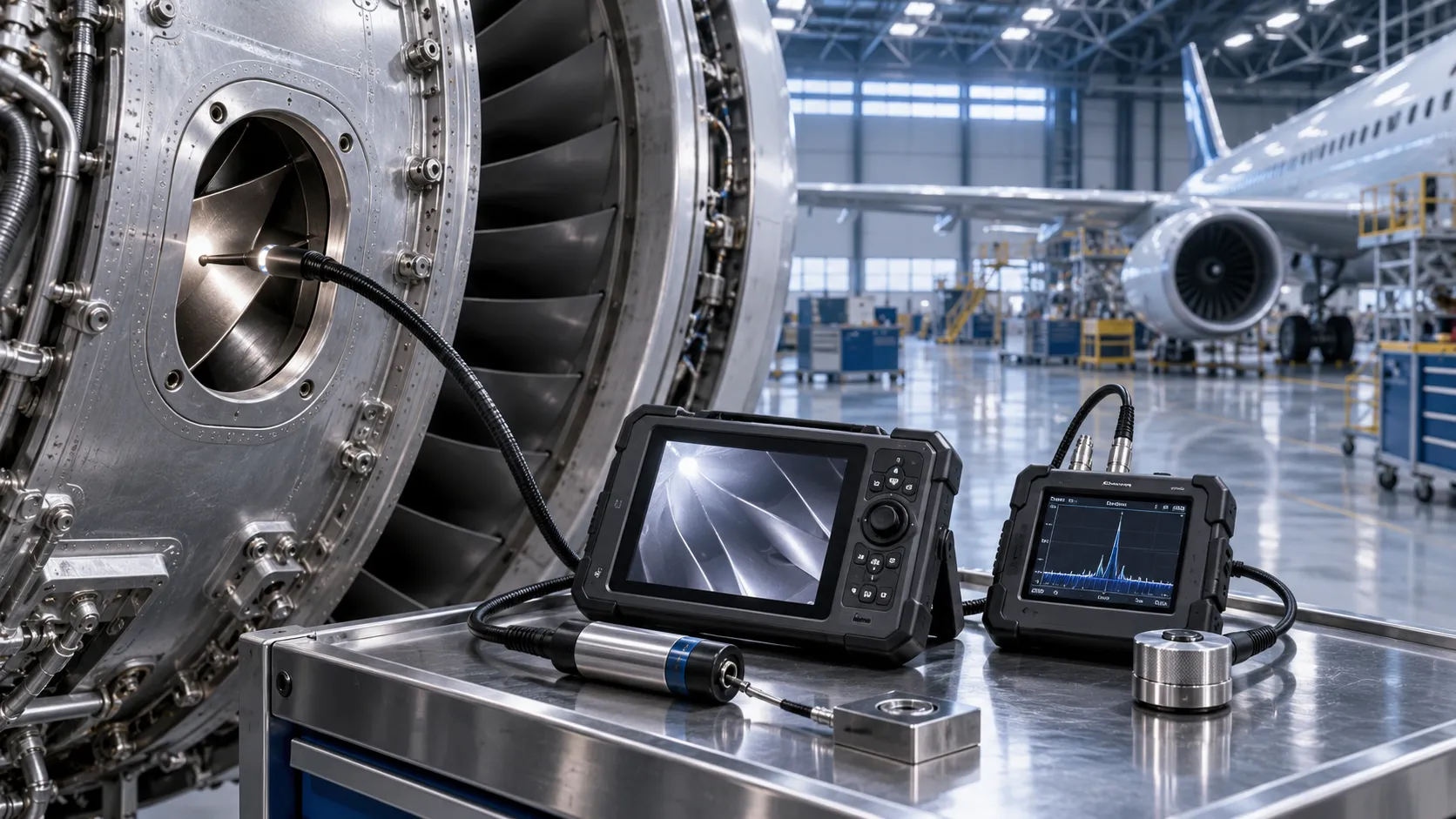
How to Select Aerospace Inspection Tools for Aircraft Maintenance Tasks
Aerospace maintenance inspection tools: learn how to select reliable, traceable equipment for aircraft access, accuracy, calibration, and compliant maintenance decisions.

How to Select Wire Bonding Tools for Fine-Pitch Semiconductor Packaging
Explore semiconductor manufacturing tools for wire bonding and learn how to select precision solutions for fine-pitch packaging, reliable loops, accuracy, and yield.
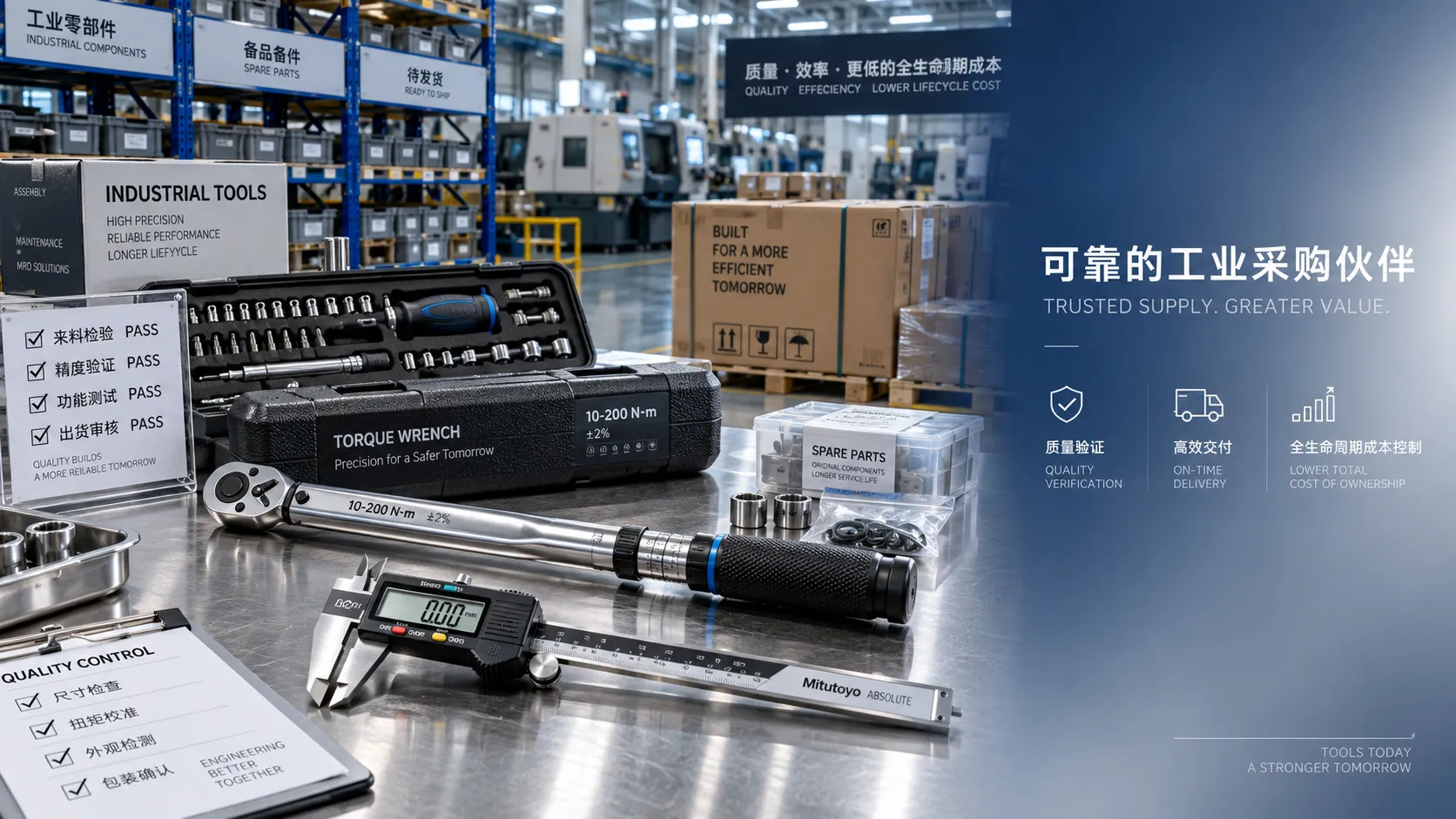
How to Compare Industrial Tool Suppliers for Quality, Lead Time, and Total Cost
Industrial tool selection supplier comparison made simple: evaluate quality, lead times, total cost, service, and supply resilience for confident sourcing decisions.
Industrial Equipment Application Guidance: Match Machines to Operating Conditions
Application guidance industrial equipment: match capacity, duty cycle, materials, site conditions, safety, and lifecycle cost to improve reliable output. Read the guide.
Selecting High-Speed Brushless Tool Motors for Torque, Heat, and Duty Cycle
High speed brushless tool motors: learn how to balance torque, heat, gearing, and duty cycle for reliable industrial tool performance and longer service life.
What Determines Industrial Hydraulic System Price for Heavy-Duty Equipment?
Industrial hydraulic system price depends on duty cycle, pressure, components, cooling, and integration. Compare quotes intelligently to secure reliable heavy-duty performance.
Welding Fume Extraction PPE: When Respirators Are Not Enough for Shop Safety
Welding fume extraction PPE: learn why respirators alone fall short and how source capture, ventilation, and layered controls improve shop safety.
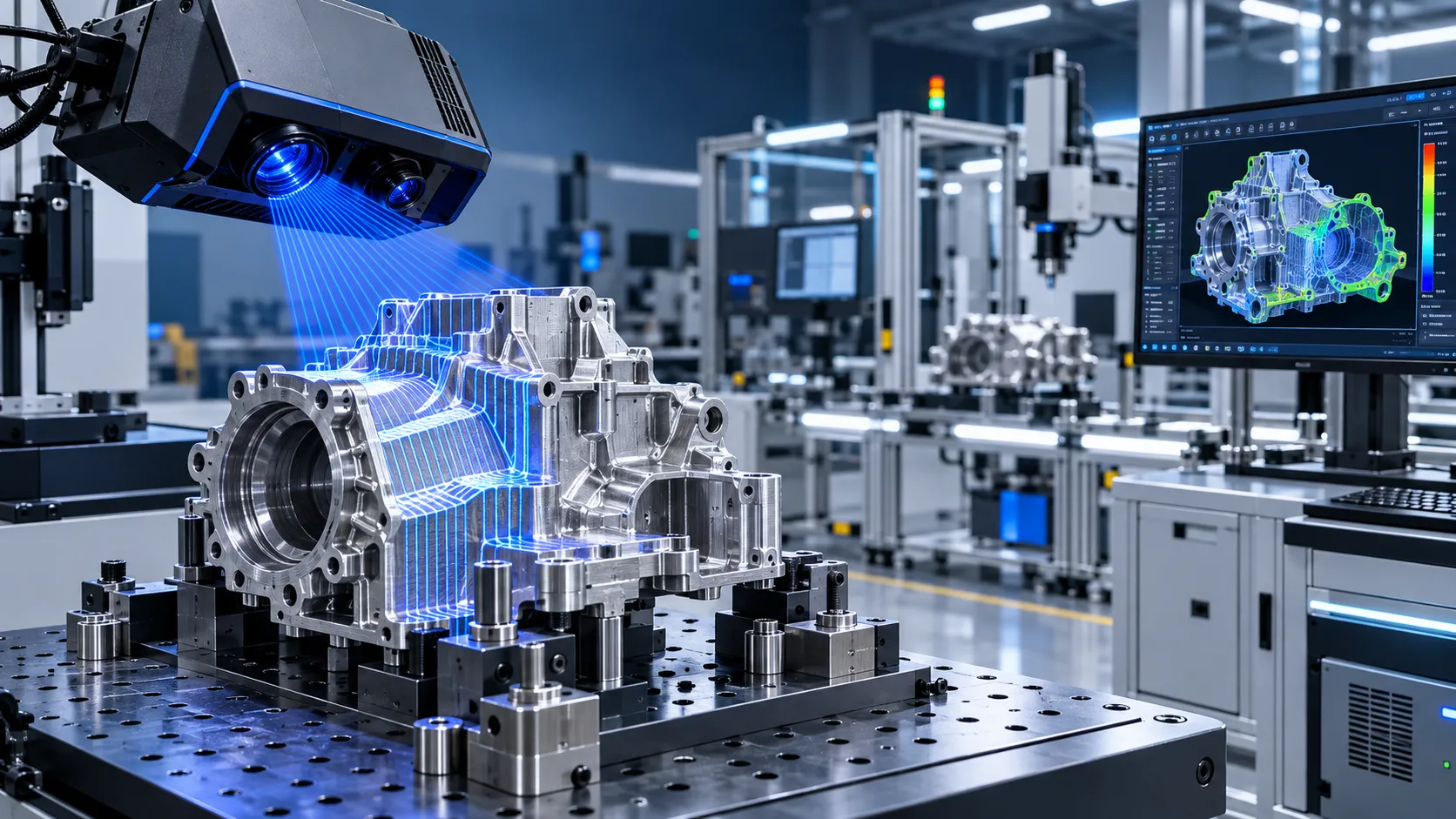
How to Select Optical Metrology Solutions for Tight-Tolerance Manufacturing
Optical industrial metrology solutions for tight-tolerance manufacturing: evaluate accuracy, surface compatibility, workflow, and traceability to select with confidence.
Related News
- 00
0000-00
Selecting Adjustable Torque Tools for Repeatable Fastener Assembly - 00
0000-00
How to Select Aerospace Inspection Tools for Aircraft Maintenance Tasks - 00
0000-00
How to Select Wire Bonding Tools for Fine-Pitch Semiconductor Packaging - 00
0000-00
Industrial Equipment Application Guidance: Match Machines to Operating Conditions - 00
0000-00
Selecting High-Speed Brushless Tool Motors for Torque, Heat, and Duty Cycle
Prof. Marcus Chen
Weekly Insights
Stay ahead with our curated technology reports delivered every Monday.