
Precision Metrology Gaps That Quietly Raise Scrap Rates





Small precision metrology gaps rarely trigger alarms, yet they steadily inflate scrap, rework, and compliance risk on the shop floor. For quality control and safety managers, the real cost often hides in unnoticed drift, poor calibration discipline, and mismatched inspection practices. This article explores where those gaps emerge, why they escalate quietly, and how tighter measurement control can protect yield, traceability, and operational confidence.
Why do small precision metrology gaps create large scrap problems?
In most industrial environments, scrap is blamed on operators, material variation, machine wear, or rushed production. Those factors matter, but precision metrology often sits underneath them as the hidden multiplier. When measurement tools, inspection routines, and acceptance criteria are not aligned, even a capable process can produce parts that are wrongly accepted, wrongly rejected, or inconsistently reworked.
For quality teams, this means unstable process capability, poor repeatability between shifts, and recurring nonconformance investigations. For safety managers, the issue extends beyond cost. In welded assemblies, mechanical fastening, pressure systems, and critical dimensional fits, bad measurement decisions can allow unsafe conditions to pass through inspection or force unnecessary rework that adds handling risk and schedule pressure.
Precision metrology is not only about instrument accuracy. It is a system discipline involving method selection, environmental control, calibration intervals, operator technique, data traceability, and reaction plans. A gap in any one of these can quietly increase scrap rates without creating an obvious failure event.
- A caliper may still function mechanically while drifting enough to distort in-process decisions.
- A torque audit may use a device with the right nominal range but the wrong uncertainty profile for the joint risk level.
- A welding inspection plan may apply dimensional checks without considering thermal distortion patterns or fixture repeatability.
This is why GPTWM focuses on the “last mile” of manufacturing intelligence. Precision tools, joining systems, and metrology decisions only create value when they are stitched together into a practical control logic that people on the floor can execute consistently.
Where do precision metrology gaps usually appear on the shop floor?
The most expensive gaps are rarely dramatic. They are embedded in daily routines. Quality control and safety managers should look first at the points where measurement reliability depends on human judgment, environmental stability, or inconsistent equipment selection.
1. Tool-to-tolerance mismatch
A common issue is using a measuring tool that is technically usable but not suitable for the tolerance band. A handheld tool may be convenient for production checks, yet its resolution, repeatability, or geometry may be marginal for the feature being controlled. This produces borderline calls, especially when multiple inspectors assess the same characteristic.
2. Incomplete calibration discipline
Calibration is often treated as a scheduling task rather than a risk-based control. Instruments may be sent out on time, but the organization may not verify between-cycle drift, handling damage, zero stability, or usage intensity. In high-touch production areas, these blind spots can erode confidence long before the next formal calibration date.
3. Uncontrolled measurement environment
Temperature swings, vibration, poor lighting, coolant residue, and dirty contact surfaces all affect precision metrology. In mixed manufacturing settings such as fabrication, assembly, maintenance, and welding support, environmental variation is often underestimated. The same part can measure differently at the machine, at final inspection, and after thermal stabilization.
4. Weak method standardization
Two trained operators can still create different results if contact force, measurement angle, datum setup, sampling frequency, or part conditioning are not standardized. Method variation often looks like process variation, which leads teams to chase the wrong root cause.
5. Poor linkage between metrology data and process action
Some facilities collect dimensional, torque, weld, or fit-up data but fail to convert it into timely process correction. Precision metrology becomes a record-keeping function rather than a control function. That delay allows defect patterns to continue for multiple batches before anyone intervenes.
Which hidden gaps matter most for QC and safety managers?
The table below summarizes recurring precision metrology gaps that quietly raise scrap rates across general industrial operations, including assembly, metal joining, maintenance support, and dimensional verification tasks.
For many plants, the largest gain does not come from buying the most advanced system first. It comes from identifying where current precision metrology practices no longer match tolerance risk, production pace, or compliance exposure.
How does scrap grow quietly across assembly, welding, and maintenance scenarios?
General industry operations are diverse, but the pattern is consistent: measurement uncertainty gets amplified when the process includes heat, force, alignment, or wear. That is why precision metrology deserves scenario-based control rather than one universal inspection routine.
Assembly and fastening
In torque-controlled assembly, measurement gaps can affect clamp load verification, joint integrity, and traceability. If torque tools are selected by range convenience rather than application window, the data may look acceptable while the joint behavior remains inconsistent. Safety managers should pay close attention where under-tightening or over-tightening could influence guarding, pressure retention, or structural stability.
Metal joining and welding support
In welding-related production, dimensional checks often interact with fit-up condition, heat distortion, and post-process handling. Precision metrology is essential not only for final geometry but also for verifying prep dimensions, gap consistency, and rework acceptability. Poor measurement control can turn minor distortion into repeated grinding, rewelding, and part disposal.
Maintenance, repair, and field service
Maintenance teams work under time pressure and often inspect components outside ideal lab conditions. Here, precision metrology gaps can cause incorrect wear judgments, premature part replacement, or risky reuse of borderline components. The challenge is balancing portability and robustness with sufficient measurement confidence.
- Use portable tools for screening, but confirm critical dimensions with higher-control methods when the tolerance is narrow or the consequence is severe.
- Separate operator convenience from decision quality; the fastest check is not always the safest check.
- Treat rework loops as a metrology signal. Rising rework often indicates unstable inspection logic, not only unstable production.
What should procurement and selection teams evaluate before upgrading precision metrology?
When scrap is rising, many plants jump too quickly to new equipment. A better approach is to compare needs by feature type, tolerance criticality, environment, and data requirement. The selection table below helps quality control and safety managers discuss upgrades with purchasing, engineering, and operations using a common framework.
Selection should not be driven by specification sheets alone. In many cases, a simpler tool with better method control, clearer work instructions, and stronger verification discipline will outperform a more sophisticated system used inconsistently.
How can managers build a practical precision metrology control plan?
A practical control plan should connect inspection purpose, measurement capability, and action rules. This is where many organizations struggle. They have instruments, procedures, and records, but not an integrated decision model. GPTWM’s intelligence approach is useful here because it combines tool knowledge, process realities, and sector trend awareness rather than treating metrology in isolation.
- Map critical characteristics by failure consequence, not only by drawing count. Focus first on dimensions, torque values, weld-related features, and alignment conditions that affect safety, function, or costly rework.
- Classify existing measurement methods by risk. Identify where tool capability is marginal, where operator influence is high, and where environmental stability is weak.
- Set verification layers. Combine formal calibration with interim checks, reference standards, damage screening, and out-of-tolerance reaction rules.
- Align data collection with response speed. A control chart or inspection log only matters if it triggers a timely containment or process adjustment.
- Train for method repeatability, not just tool operation. Inspectors should practice datum use, contact consistency, part conditioning, and decision thresholds.
This approach is especially effective in mixed industrial operations where assembly, joining, and maintenance activities share resources. Instead of overbuilding one inspection area and neglecting another, managers can allocate investment where precision metrology has the highest scrap and compliance impact.
What standards and compliance points should not be overlooked?
Precision metrology decisions often support broader compliance systems. While exact requirements depend on industry and customer contracts, quality and safety managers typically need to align with recognized calibration, traceability, equipment control, and process validation expectations.
- Traceability of measuring equipment and reference standards should be clear, current, and reviewable during internal or external audits.
- Measurement method instructions should reflect actual shop-floor use conditions rather than ideal laboratory assumptions.
- Where welded, pressure-related, or safety-critical assemblies are involved, acceptance criteria should link dimensional inspection with process qualification logic.
- Nonconformance handling should define what happens when a gauge is found out of tolerance, including impact review for affected lots.
Even when a facility follows a mature quality management framework, scrap can remain high if these controls exist only as documents. Effective precision metrology compliance depends on whether the system changes day-to-day inspection behavior.
Common misconceptions that keep scrap rates high
“If the instrument has a valid certificate, the risk is covered.”
A certificate confirms a point in time. It does not guarantee the tool remained suitable after heavy use, shock, contamination, or repeated field transport. Precision metrology risk continues between calibration events.
“Scrap is mainly a machining or welding issue, not an inspection issue.”
In reality, measurement errors can manufacture scrap on paper by rejecting acceptable parts, or they can allow bad parts to move forward and become more expensive failures later. Inspection logic shapes cost as much as process capability does.
“Digital tools automatically solve precision metrology problems.”
Digital output improves traceability, but it does not remove method errors, environmental effects, or poor feature access. A digital record of a weak measurement is still a weak measurement.
FAQ: practical questions from quality control and safety teams
How do we know whether our current precision metrology setup is causing scrap?
Start with symptoms: frequent borderline calls, inspector disagreements, high recheck rates, unstable first-pass yield, and repeated dimensional issues that cannot be tied to a clear machine cause. Then review gauge capability, method consistency, and environmental conditions at the exact inspection point where decisions are made.
Which areas should be prioritized first when budget is limited?
Prioritize characteristics with the highest consequence of error: safety-related joints, critical fits, rework-intensive welded features, and measurements that release product to the next value-added stage. Budget should follow risk exposure and cost-of-error, not instrument popularity.
Is portable measurement enough for maintenance and field inspection?
Portable measurement is often appropriate for screening and routine service decisions, but critical dimensions may still require confirmation under tighter control conditions. The key is defining when field convenience is acceptable and when escalation to a more precise method is mandatory.
What should we ask suppliers or advisors before choosing a new solution?
Ask about measurement uncertainty in your actual tolerance range, suitability for your shop-floor environment, operator skill sensitivity, calibration and verification workflow, data output options, and expected support for implementation. A good advisor should discuss process risk, not only tool features.
Why work with GPTWM when evaluating precision metrology improvements?
GPTWM is positioned around the real operating edge of industrial manufacturing: assembly, metal joining, and precision metrology where small control failures become large commercial losses. That perspective matters for quality control and safety managers because the challenge is rarely isolated to one instrument. It usually involves a chain of decisions spanning tools, process conditions, operator behavior, compliance expectations, and procurement timing.
Through its Strategic Intelligence Center, GPTWM connects sector news, process evolution, and commercial insight in a way that supports practical decision-making. That includes helping teams interpret how changing standards, export restrictions, equipment trends, or demand shifts may affect sourcing, tool selection, and inspection planning across global industrial operations.
- Need help confirming whether a current measurement method is suitable for a critical tolerance?
- Need guidance comparing portable versus bench-level precision metrology for a mixed production and maintenance environment?
- Need support reviewing calibration discipline, inspection workflow, or traceability expectations before a customer audit?
- Need input on product selection, delivery timing, sample evaluation, certification alignment, or a customized control approach?
Contact GPTWM to discuss parameter confirmation, product selection logic, delivery cycle considerations, customized solution paths, certification-related questions, sample support options, or quotation planning. For manufacturers facing quiet scrap growth, stronger precision metrology is not just a quality upgrade. It is a direct lever for yield protection, safer operations, and more confident industrial decision-making.
Related News
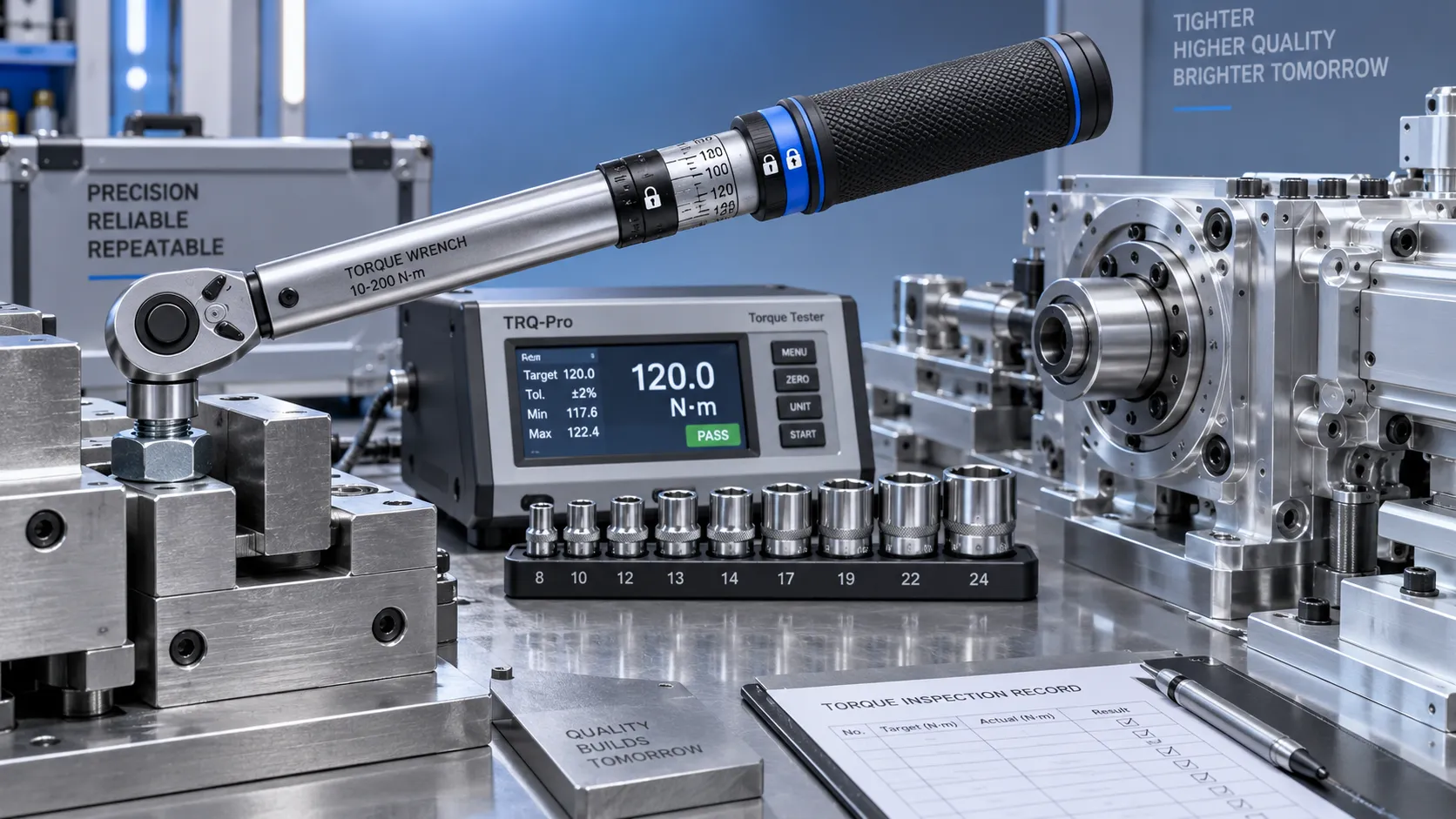
Selecting Adjustable Torque Tools for Repeatable Fastener Assembly
Adjustable torque tools: learn how to match range, accuracy, control methods, calibration, and ergonomics for repeatable, reliable fastener assembly.

How to Select Aerospace Inspection Tools for Aircraft Maintenance Tasks
Aerospace maintenance inspection tools: learn how to select reliable, traceable equipment for aircraft access, accuracy, calibration, and compliant maintenance decisions.

How to Select Wire Bonding Tools for Fine-Pitch Semiconductor Packaging
Explore semiconductor manufacturing tools for wire bonding and learn how to select precision solutions for fine-pitch packaging, reliable loops, accuracy, and yield.
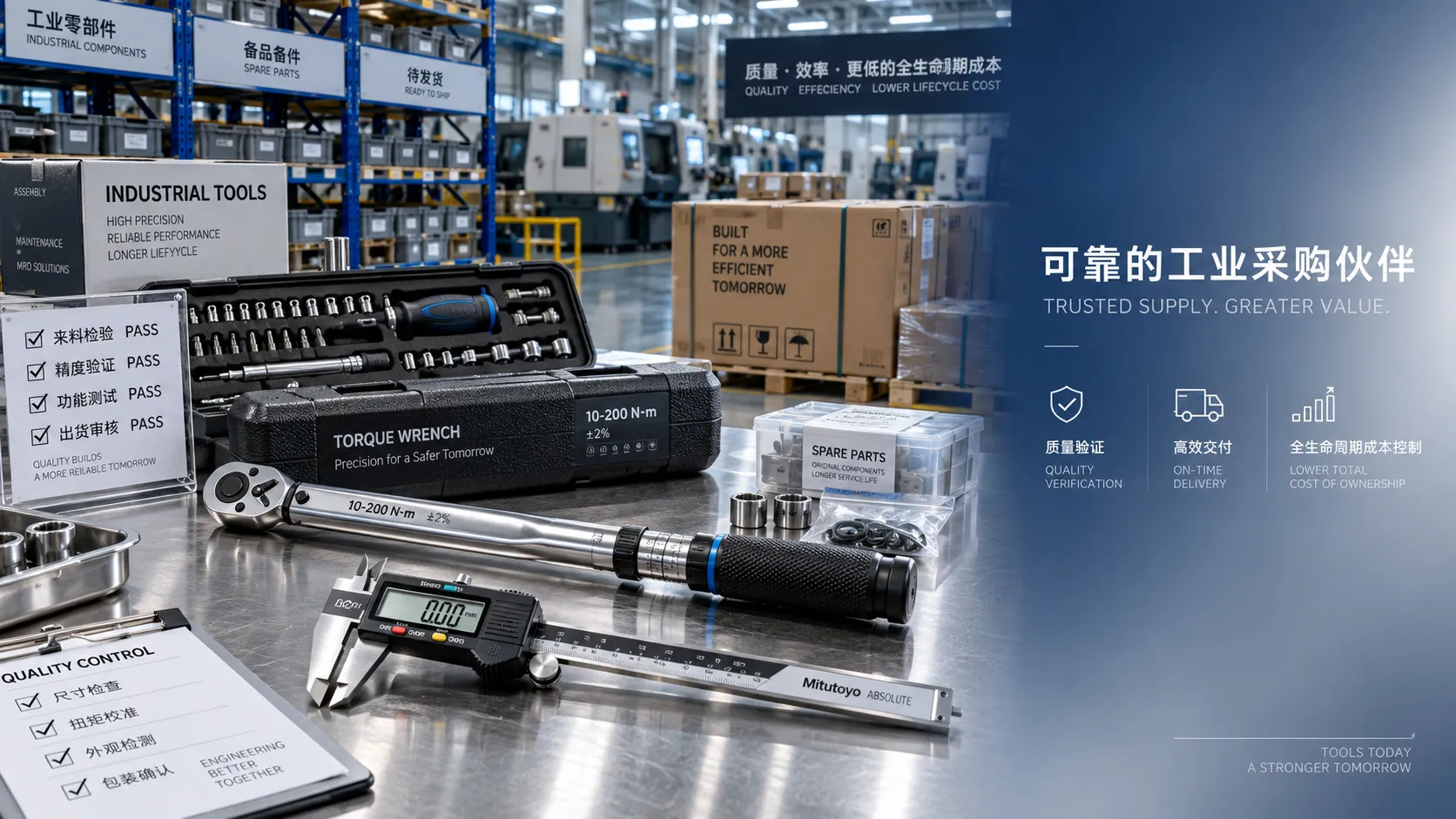
How to Compare Industrial Tool Suppliers for Quality, Lead Time, and Total Cost
Industrial tool selection supplier comparison made simple: evaluate quality, lead times, total cost, service, and supply resilience for confident sourcing decisions.

Industrial Equipment Application Guidance: Match Machines to Operating Conditions
Application guidance industrial equipment: match capacity, duty cycle, materials, site conditions, safety, and lifecycle cost to improve reliable output. Read the guide.
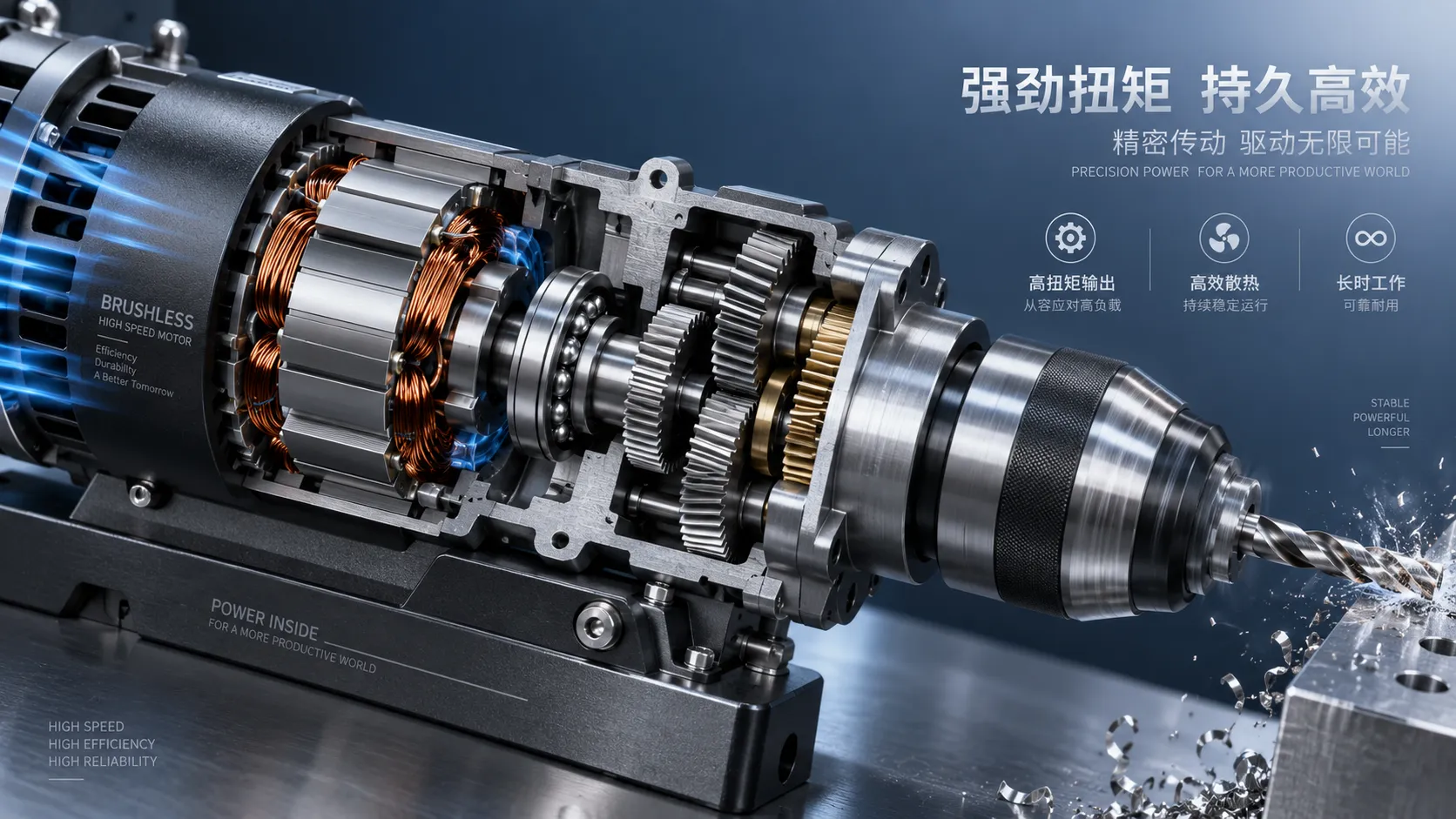
Selecting High-Speed Brushless Tool Motors for Torque, Heat, and Duty Cycle
High speed brushless tool motors: learn how to balance torque, heat, gearing, and duty cycle for reliable industrial tool performance and longer service life.
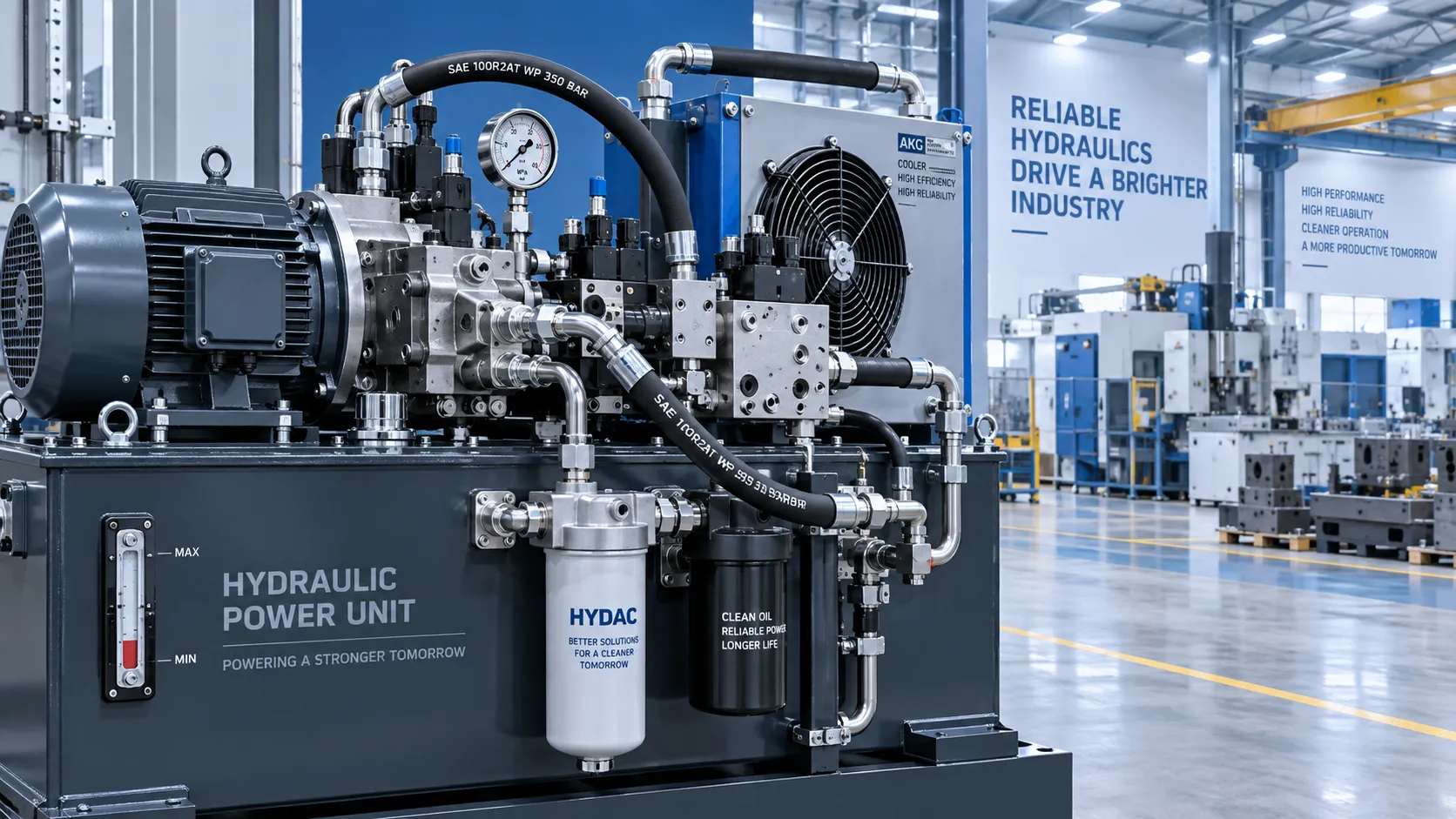
What Determines Industrial Hydraulic System Price for Heavy-Duty Equipment?
Industrial hydraulic system price depends on duty cycle, pressure, components, cooling, and integration. Compare quotes intelligently to secure reliable heavy-duty performance.

Welding Fume Extraction PPE: When Respirators Are Not Enough for Shop Safety
Welding fume extraction PPE: learn why respirators alone fall short and how source capture, ventilation, and layered controls improve shop safety.

How to Select Optical Metrology Solutions for Tight-Tolerance Manufacturing
Optical industrial metrology solutions for tight-tolerance manufacturing: evaluate accuracy, surface compatibility, workflow, and traceability to select with confidence.
Related News
- 00
0000-00
Planning Access, Material Flow, and Clearance Around a 3200mm Sliding Saw - 00
0000-00
How to Select Vernier Precision Calipers for Tight-Tolerance Machining Inspection - 00
0000-00
How to Choose Metalworking Tools for Sheet Metal by Thickness and Forming Tasks - 00
0000-00
Metrology Technology Europe: Which Systems Improve Inspection Accuracy on the Line? - 00
0000-00
How to Choose Precision Measuring Instruments in North America for Tighter Tolerance Work
Metrology Fellow
Weekly Insights
Stay ahead with our curated technology reports delivered every Monday.