
Intelligent Tools in Southeast Asia: Key Market Trends, Buyers, and Supply Chain Shifts





Intelligent tools Southeast Asia is moving from a niche upgrade to a regional operating priority
Industrial upgrading across ASEAN is no longer defined only by lower labor cost or basic capacity expansion.
A more visible shift is the move toward intelligent tools Southeast Asia can deploy at scale, measure reliably, and integrate into faster production decisions.
That shift covers smart power tools, connected torque systems, handheld laser welding safety, precision metrology, and data-aware assembly equipment.
The common thread is practical efficiency.
Factories want fewer process variations, less rework, stronger traceability, and better control over labor-intensive final assembly.
This is why intelligent tools Southeast Asia has become a strategic market topic rather than a product conversation.
From the perspective of GPTWM, the last mile of industrial manufacturing is where these changes become commercially decisive.
The region is not simply buying new tools.
It is redesigning how tools, standards, operators, and data interact in daily production.
The signal is clear: demand is shifting from standalone hardware to controlled performance
Recent demand patterns show a clear preference for tools that reduce uncertainty, not just cycle time.
That matters in electronics assembly, automotive components, metal fabrication, maintenance, and export-facing contract manufacturing.
In each case, intelligent tools Southeast Asia buyers increasingly compare calibration stability, digital monitoring, safety compliance, and battery or motor efficiency.
Price still matters, but inconsistent output now creates larger downstream costs.
More companies are therefore moving from single-point tool purchasing to performance-based tool portfolios.
This is especially visible in operations exposed to international quality audits.
A torque tool is no longer judged only by durability.
It is judged by whether it can support traceable fastening records and stable output under mixed operator conditions.
A measuring device is no longer valued only by resolution.
It is valued by how well it fits digital inspection routines and cross-site standardization.
Where the strongest momentum is appearing
- Smart fastening systems for repeatable torque control in automotive, appliances, and electronics.
- Portable metrology tools supporting faster in-line checks and lower inspection bottlenecks.
- Safer welding and cutting equipment as labor shortages push adoption of easier-to-train systems.
- Brushless power tools where uptime, thermal behavior, and battery efficiency directly affect output stability.
Why this change is becoming more obvious now
Several forces are converging at the same time.
The first is regional industrial diversification.
As more production moves into ASEAN, quality systems must mature faster than before.
The second is labor complexity.
Many facilities need tools that shorten training time while preserving consistent output across shifts.
The third is export discipline.
Global customers are asking for more evidence on process control, safety, and standards alignment.
The fourth is supply chain risk.
Tool users now care about spare parts access, service responsiveness, firmware support, and component origin.
This is where GPTWM’s Strategic Intelligence Center becomes relevant.
Its value is not in promoting a category, but in interpreting how raw material shifts, export restrictions, and technical limits reshape real tool decisions.
The buyer map is widening, but expectations are getting sharper
The buyer landscape for intelligent tools Southeast Asia is no longer concentrated in a single industrial cluster.
Demand now comes from contract manufacturing, regional distributors, industrial service networks, infrastructure-linked maintenance, and export-oriented fabrication bases.
Even where budgets differ, the evaluation logic is becoming more sophisticated.
Buyers are asking whether a tool can fit broader operating systems, not only whether it performs well in isolation.
In practice, three expectations stand out.
- Reliable data output that can feed inspection, maintenance, or traceability workflows.
- Local service depth, including consumables, calibration, repair, and application support.
- Compatibility with regional compliance demands and evolving ergonomic or safety standards.
This creates a higher barrier for generic tool supply.
It also creates room for brands and channel partners that can translate technical performance into operational reliability.
That is one reason precision metrology, hydraulic equipment, and controlled fastening systems are receiving renewed attention.
Supply chain changes are no longer just about cost
A few years ago, many sourcing decisions in industrial tools were led by price, lead time, and volume flexibility.
Those factors still matter, but they no longer explain the full regional picture.
For intelligent tools Southeast Asia, supply chain design is increasingly shaped by resilience, localization, and technical service capacity.
The most important shift is selective localization.
Companies are not localizing every component.
They are localizing the parts of the chain that reduce downtime fastest, such as assembly, calibration, warehousing, consumables, and after-sales support.
Meanwhile, higher-value elements such as control electronics, sensing modules, and advanced motors may remain globally sourced.
This hybrid model is likely to remain dominant.
What this means on the ground
Distributors need deeper technical stock, not just broader catalogs.
Regional hubs need stronger calibration and service infrastructure.
Export-facing plants need more confidence that tool settings, replacement cycles, and safety practices can be standardized across locations.
This is also where supply chain shifts affect brand positioning.
A brand that can support uptime, documentation, and engineering response often gains more trust than one competing only on upfront cost.
The impact is spreading beyond factories into broader industrial ecosystems
It would be a mistake to view intelligent tools Southeast Asia only through the lens of production lines.
The same shift affects construction support, transport maintenance, energy equipment servicing, and aerospace-related inspection routines.
As equipment fleets become more complex, tool intelligence becomes part of asset reliability.
That changes the business case.
The value is not only faster work.
It is fewer missed tolerances, safer field operations, better maintenance records, and lower variability between technicians or sites.
In sectors with strict uptime targets, those gains can outweigh simple purchase cost comparisons.
This wider application base helps explain why the market keeps expanding even when some end sectors move unevenly.
The next phase will favor companies that read signals early
The next chapter for intelligent tools Southeast Asia will likely be shaped by four indicators.
- Whether local service and calibration networks can keep pace with installed tool complexity.
- How quickly safety rules and export standards influence tool specifications.
- Which applications move from optional connectivity to required process traceability.
- How battery platforms, brushless efficiency, and sensor reliability affect total cost of ownership.
These are not abstract signals.
They affect capex timing, channel strategy, product mix, and regional sourcing choices.
The most effective response is to build a decision framework that links technical parameters with market timing.
That includes reviewing where process variation is still expensive, where digital traceability is becoming mandatory, and where localized service could shorten recovery time.
GPTWM’s broader mission fits this moment well.
By connecting craftsmanship, intelligent tooling, metrology insight, and industrial economics, it frames market shifts as operating decisions rather than headlines.
What deserves attention now
Intelligent tools Southeast Asia is no longer a peripheral theme in industrial development.
It sits at the intersection of quality pressure, labor adaptation, supply chain redesign, and digital manufacturing discipline.
The most useful next step is not broad speculation.
It is targeted observation.
Track which tool categories are moving from manual judgment to measurable control.
Compare where local support changes the economics of ownership.
Review whether current sourcing logic still fits new compliance and uptime demands.
And keep watching how precision, safety, and connectivity become part of the same conversation.
That is where the region’s next durable advantage is likely to be built.
Related News
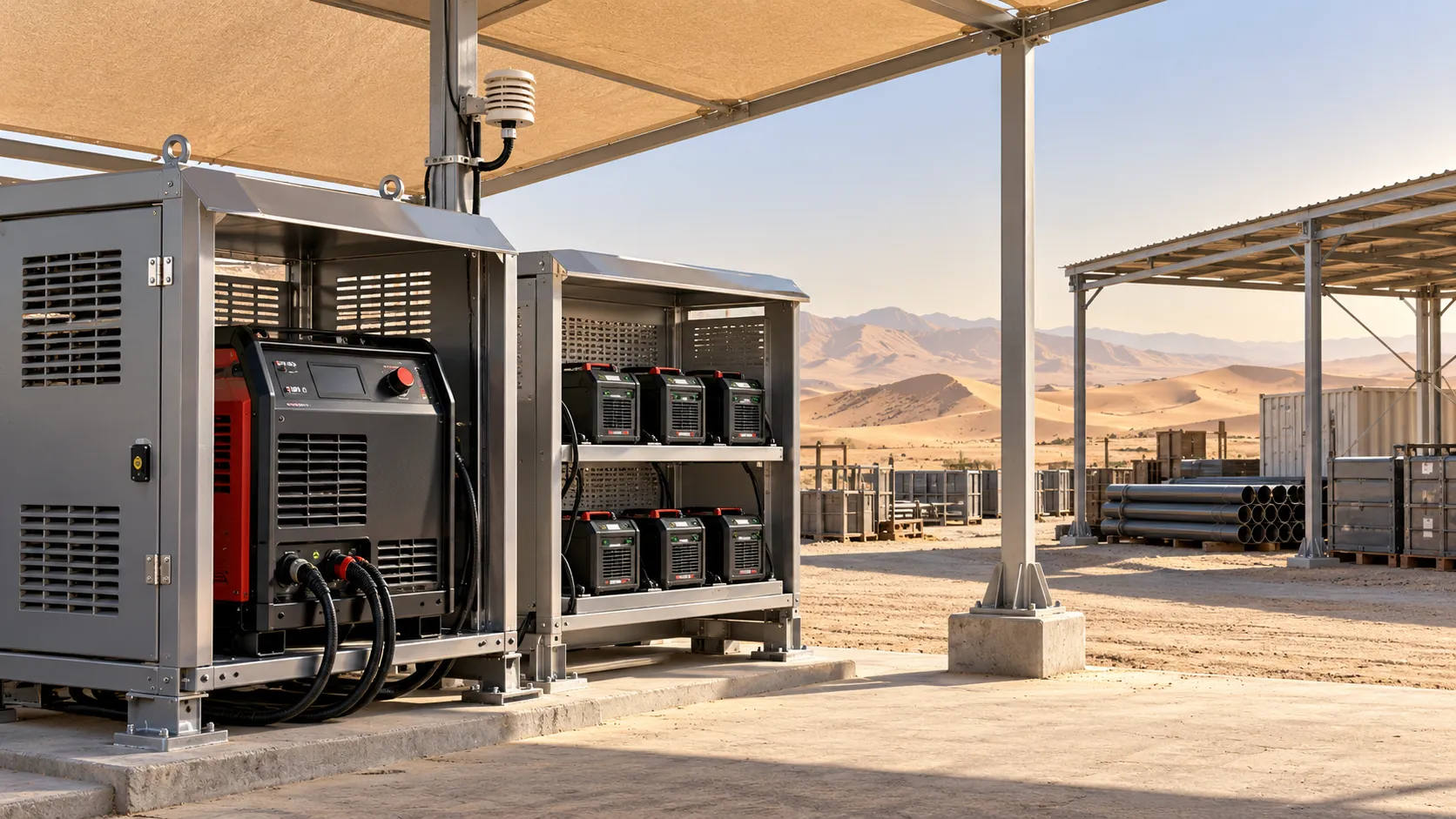
Equipment Application Guidance for the Middle East: Managing Heat and Dust
Explore application guidance Middle East teams can use to manage heat and dust, protect welding equipment, batteries and precision tools, and reduce downtime. Get practical tips.
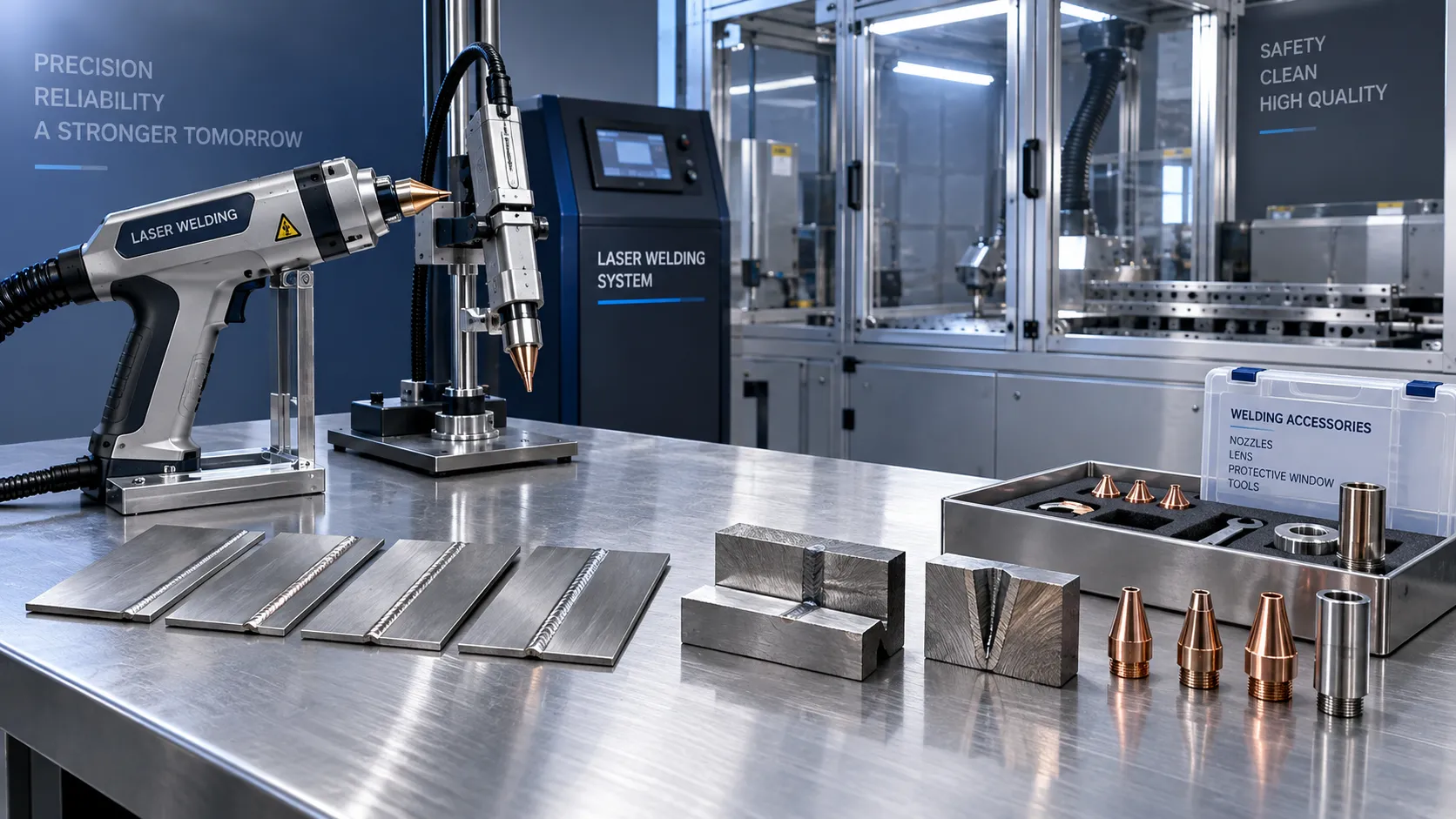
Choosing a Handheld Laser Welding Supplier: Weld Trials, Training, and Service
Choose a handheld laser welding supplier with proven weld trials, safety training, and reliable service. Learn what to verify before buying to reduce downtime and protect your investment.
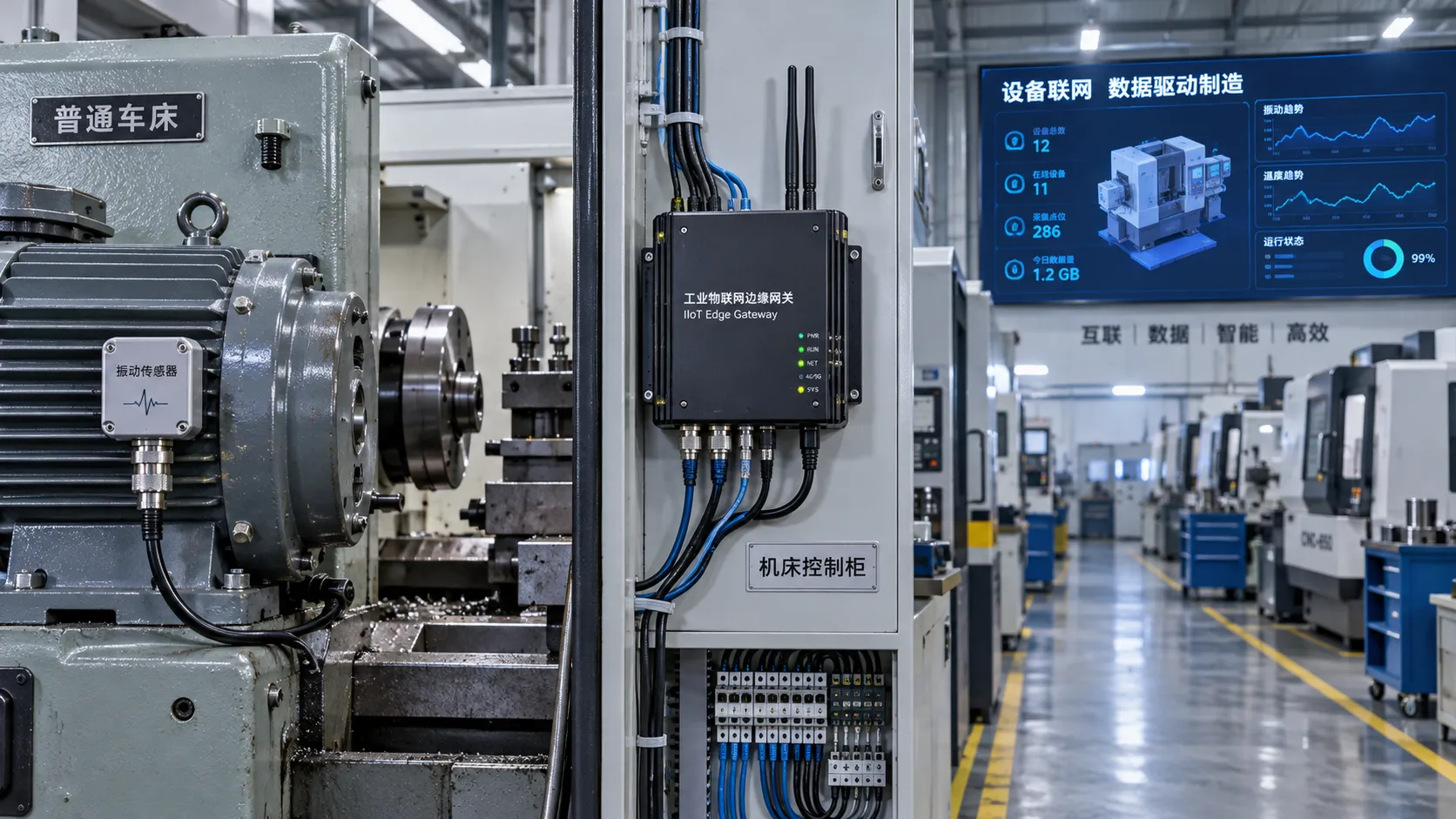
Choosing an Industrial IoT Platform: Key Criteria for Legacy Equipment
Choose an industrial IoT platform for legacy equipment with confidence. Discover key checks for connectivity, data integrity, security, and lifecycle costs before investing.
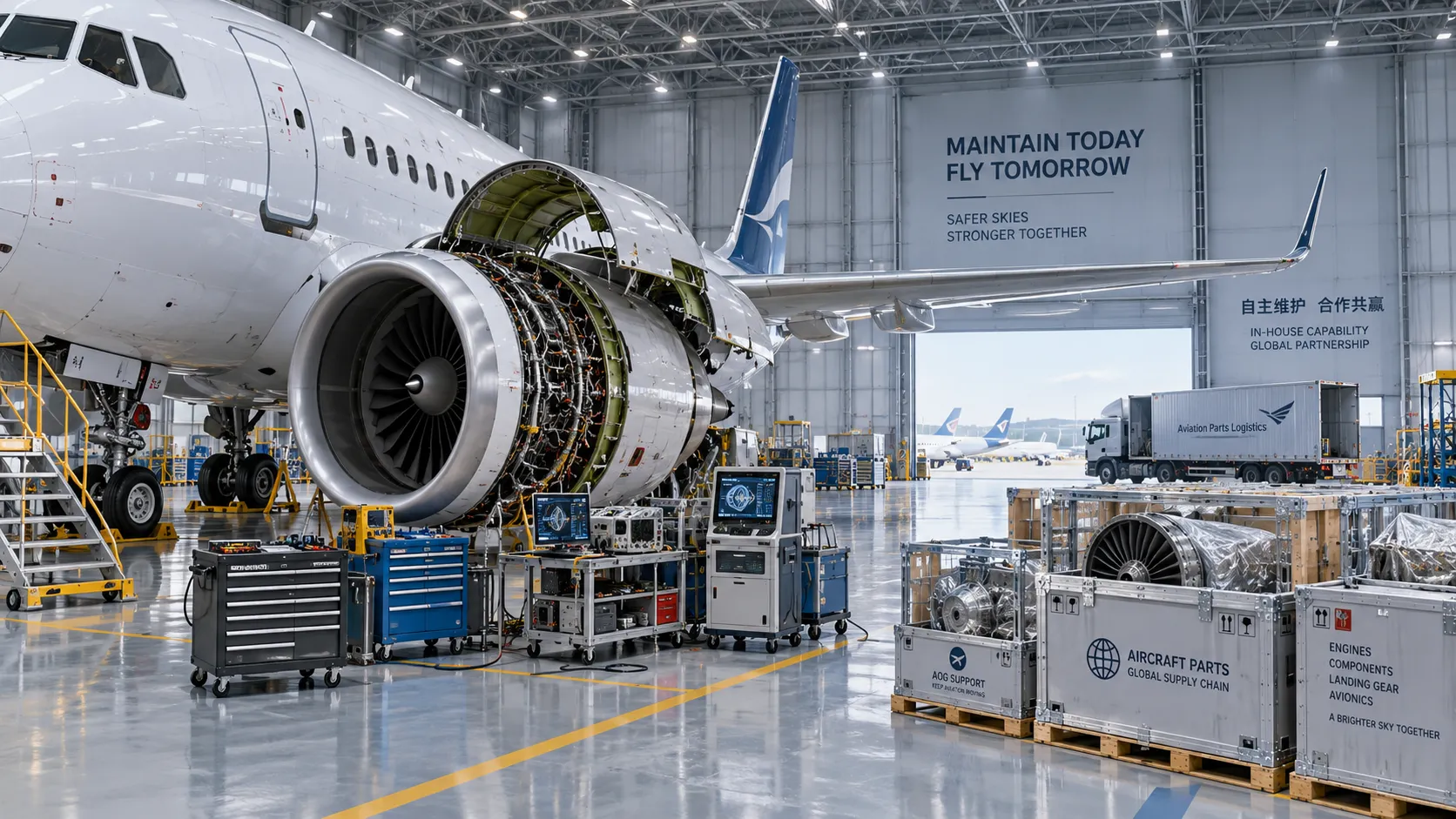
In-House vs. Outsourced Aircraft Maintenance: Comparing Total Costs
Compare aerospace maintenance cost for in-house vs. outsourced aircraft upkeep. Discover hidden expenses, downtime impacts, and break-even factors to find the best fit for your fleet.
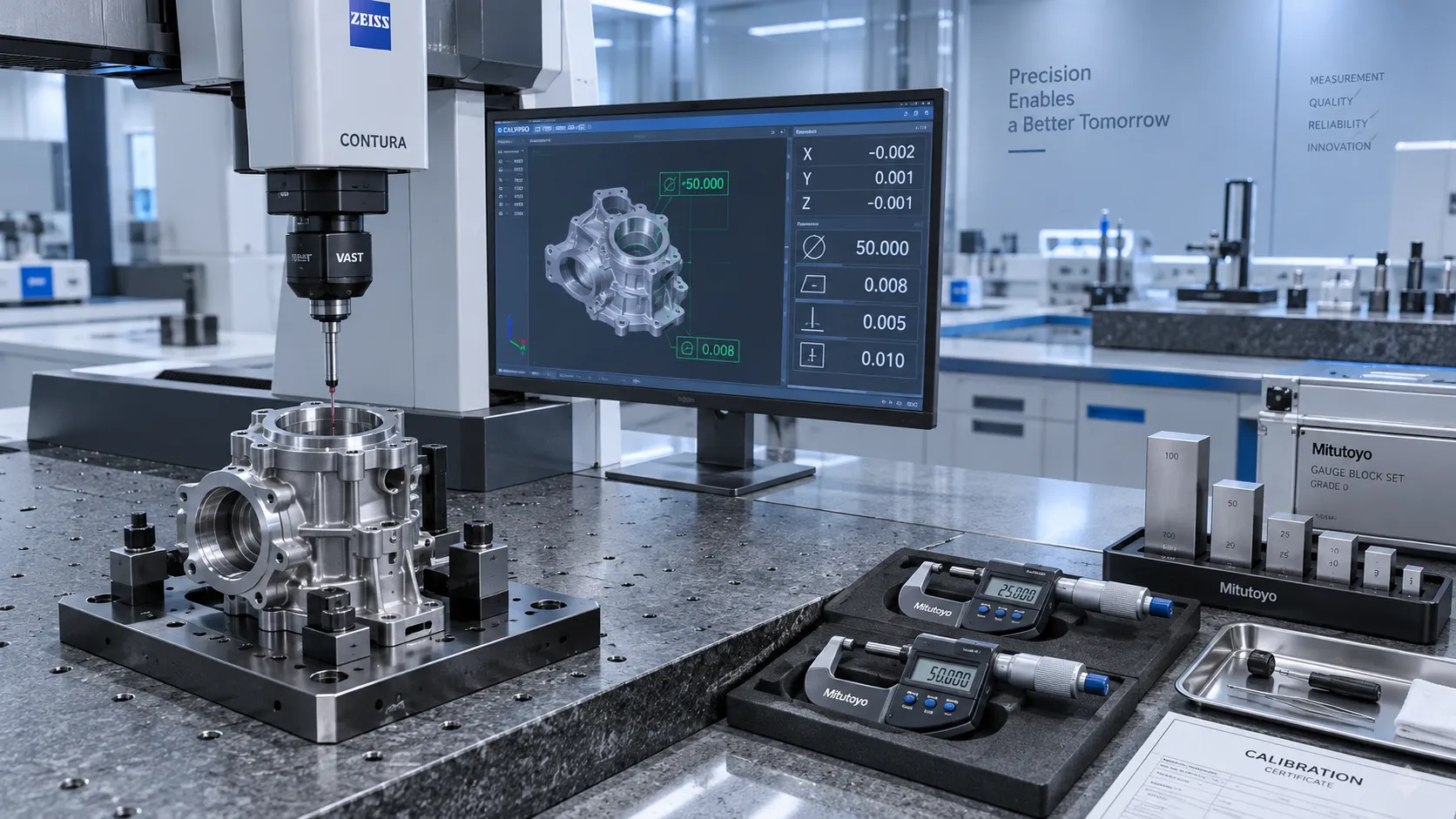
How to Select High-Precision Measuring Instruments for Tight-Tolerance Production?
High-precision measuring instruments are essential for tight-tolerance production. Learn how to evaluate accuracy, repeatability, environment, calibration, and data integration.
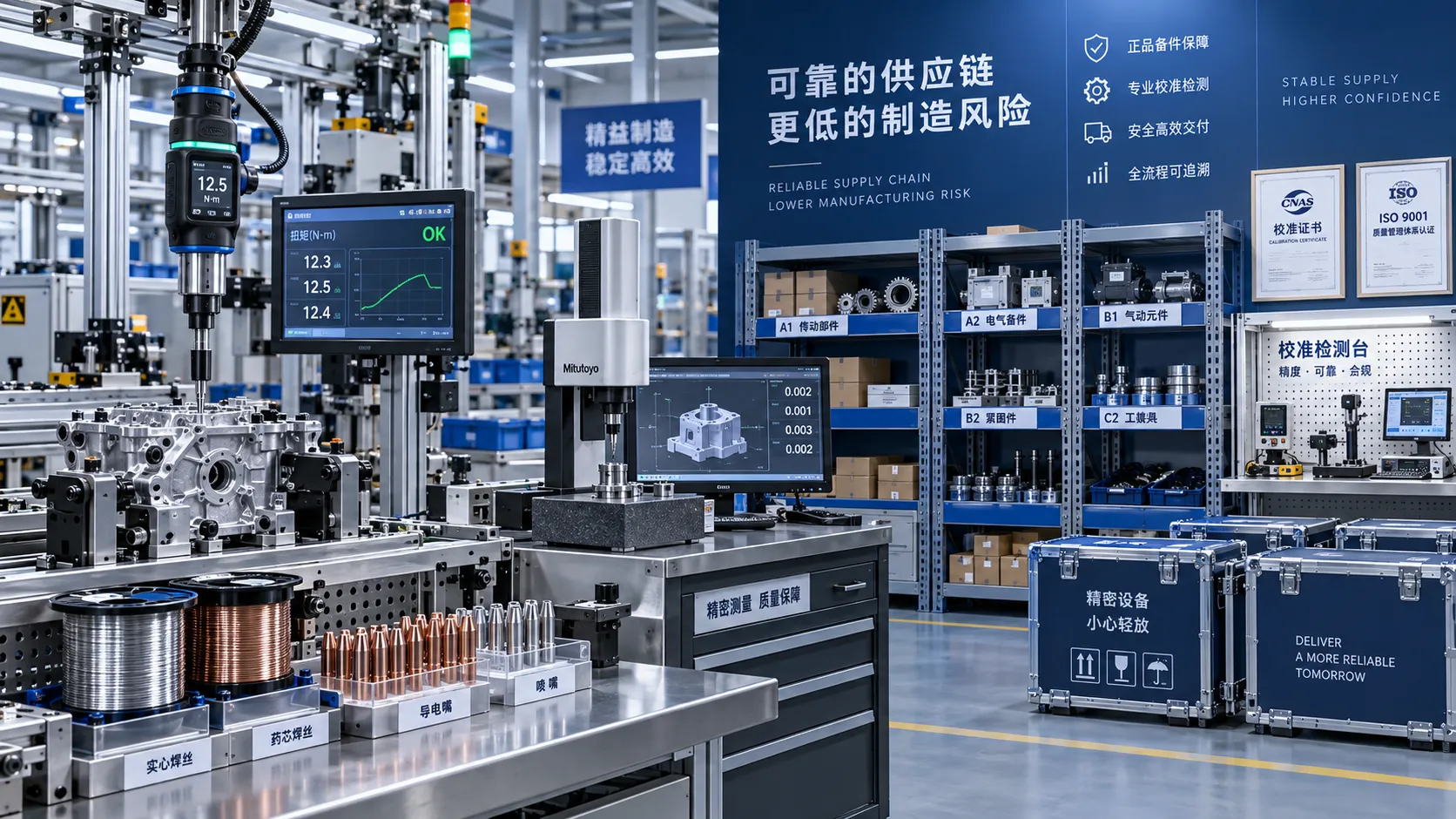
How Industrial Innovation Supplier Networks Reduce Sourcing Risk for Manufacturers
industrial innovation supplier network insights help manufacturers reduce sourcing risk, control lifecycle costs, and choose reliable tools, services, and suppliers with confidence.
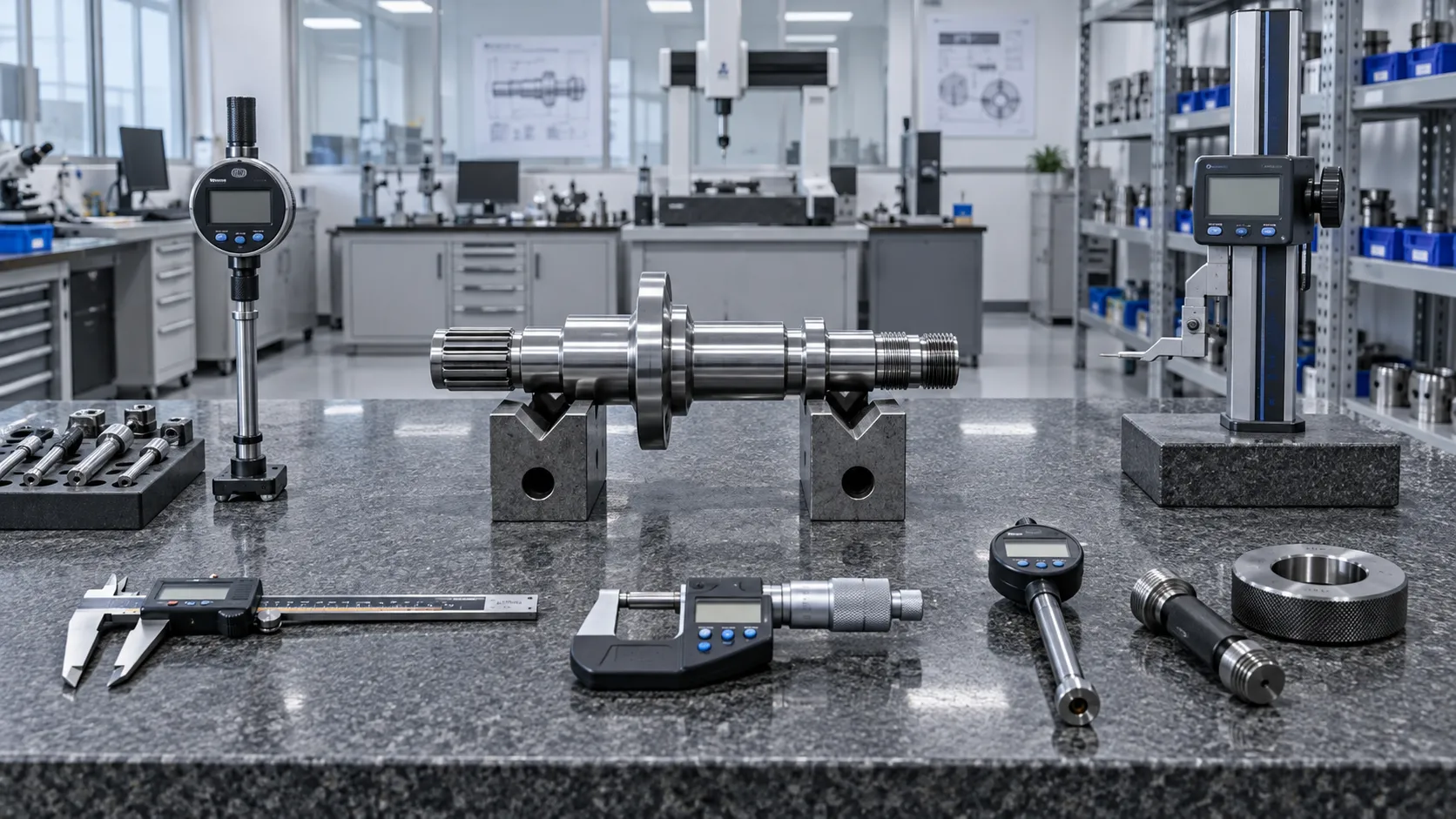
Which Precision Measuring Tools Are Best for Incoming Inspection?
Which precision measuring tools are best for incoming inspection? Explore calipers, micrometers, gauges, CMMs, and smarter strategies to prevent costly defects.
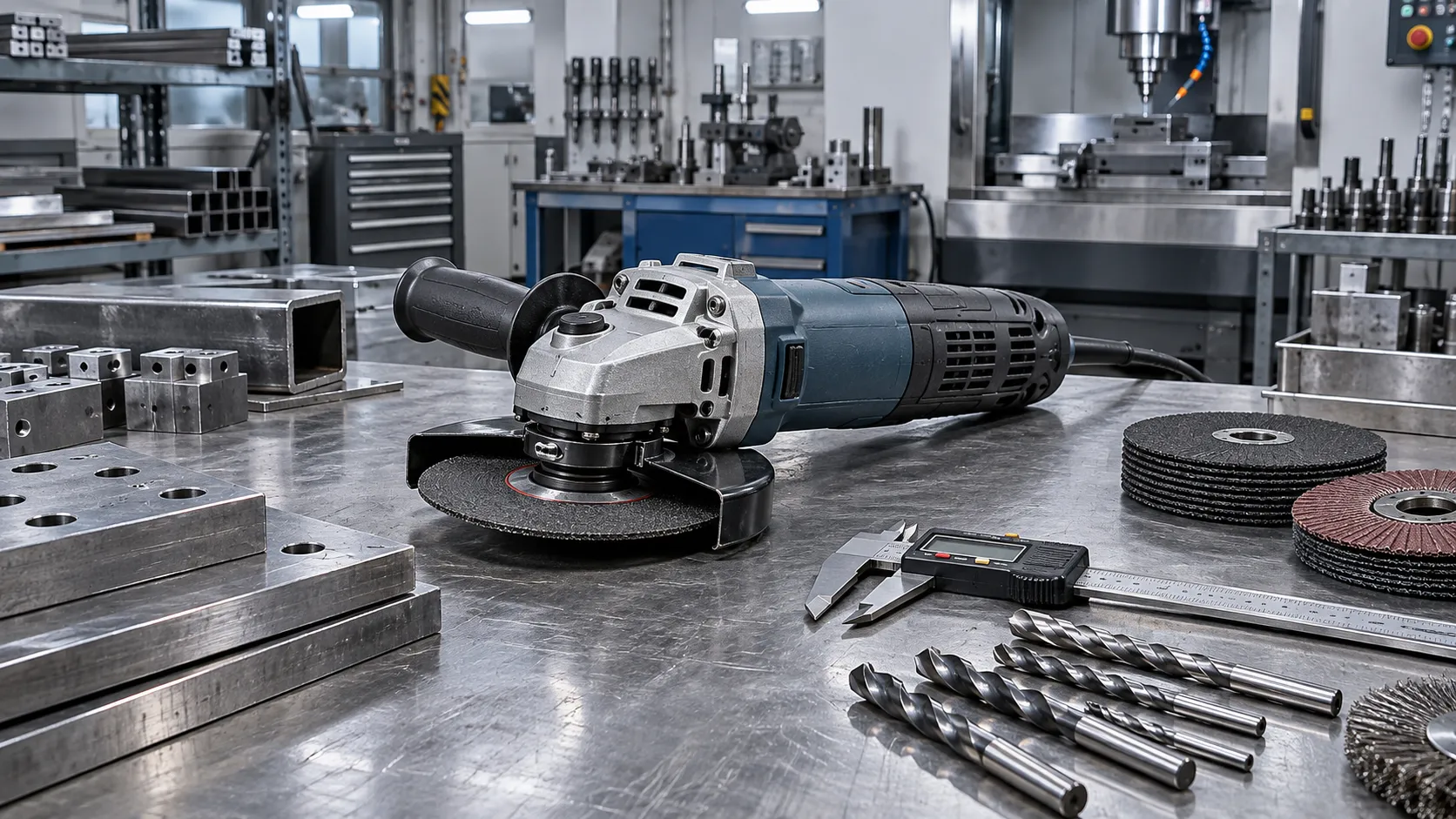
Are Lower-Cost Metalworking Tools More Likely to Fail Early?
Are cheaper metalworking tools more likely to fail early? Explore duty cycle, build quality, and total ownership costs to make smarter buying decisions.
How Do Advanced Manufacturing Methods Improve Batch Consistency?
How do advanced manufacturing methods improve batch consistency? Discover how precision metrology, intelligent torque control, welding automation, and traceable data reduce variation and improve quality.
Related News
- 00
0000-00
How Industrial Innovation Supplier Networks Reduce Sourcing Risk for Manufacturers - 00
0000-00
Which Industrial Standards Should Be Checked Before Export? - 00
0000-00
What Industrial Automation Exporters Need to Know Before Entering ASEAN Markets - 00
0000-00
How Procurement Teams Can Map the Industrial Value Chain to Reduce Supply Risk - 00
0000-00
How Industry Category Guides Help Global Sourcing Teams Compare Suppliers Faster
Dr. Alistair Vaughn
Weekly Insights
Stay ahead with our curated technology reports delivered every Monday.