
How to Evaluate Custom Industrial Tools in Europe: Lead Times, Compliance, and Supplier Fit





How to Evaluate Custom Industrial Tools in Europe: Lead Times, Compliance, and Supplier Fit
Sourcing custom industrial tools Europe requires more than comparing prices.
Lead times, compliance, and supplier fit shape the real cost of a project.
A low quote can quickly lose value if approvals stall or deliveries slip.
In practical buying decisions, that usually means checking technical depth before commercial terms.
This guide explains how to assess custom industrial tools Europe with a decision-focused framework.
The goal is simple: identify suppliers that can meet specifications, ship on time, and support long-term operational performance.
Start with the Real Use Case
Before comparing suppliers, define what the tool must do in the field.
Custom industrial tools Europe often serve narrow assembly, welding, metrology, or maintenance tasks.
That makes application context more important than catalog features.
A supplier needs to understand cycle time targets, material conditions, operator ergonomics, and inspection standards.
Without that detail, even a technically capable manufacturer may design the wrong solution.
Define these inputs early
- Target application, duty cycle, and operating environment
- Required tolerances, torque ranges, or joining performance
- Interface needs with fixtures, robots, sensors, or handheld use
- Expected output volume and maintenance intervals
- Documentation needs for audits, validation, and after-sales support
When these inputs are clear, supplier discussions become faster and more accurate.
Assess Lead Times Beyond the Quoted Number
Lead time is one of the biggest risks in custom industrial tools Europe.
Quoted delivery windows often cover manufacturing only, not the full process.
Real timelines include engineering review, prototype approval, compliance checks, and export paperwork.
From recent market shifts, longer waits also appear in motors, control modules, machined parts, and specialty alloys.
Ask suppliers to break down lead time
- Design confirmation and technical clarification period
- Prototype or first-article build duration
- Testing, calibration, and validation stage
- Serial production timing after approval
- Packaging, customs documents, and transport scheduling
This level of detail reveals whether the supplier truly controls the process.
It also shows where delays are most likely to happen.
For custom industrial tools Europe, predictability usually matters more than the shortest estimate.
Check Compliance as a Commercial Risk Issue
Compliance is not just a legal box.
For custom industrial tools Europe, it directly affects importability, installation, and operator safety.
If a supplier is vague about standards, the commercial risk is already visible.
Requirements vary by tool type, power source, control architecture, and end-use sector.
Common checkpoints for European sourcing
- CE-related conformity where applicable
- Machinery, electrical, EMC, or pressure-related requirements
- Material traceability and test certificates
- Calibration records for measuring or torque tools
- User manuals, labeling, and technical files
- RoHS, REACH, or sector-specific declarations when needed
A strong supplier explains which documents apply and why.
A weak one sends generic certificates unrelated to the actual tool configuration.
That difference becomes critical during audits, commissioning, or warranty disputes.
Measure Supplier Fit, Not Just Manufacturing Ability
Supplier fit is often the hidden factor in custom industrial tools Europe.
Two vendors may produce similar hardware, yet only one fits the buying model.
Fit includes communication speed, engineering responsiveness, change control, and service coverage.
This matters even more when tools will evolve across multiple plants or production lines.
Look for these fit signals
- Experience in your industry, not only general fabrication
- Clear engineering contacts and revision management
- Willingness to discuss failure modes and maintenance realities
- Spare parts support and repair turnaround commitments
- Ability to scale from pilot orders to repeat production
- Comfort with framework agreements or long-term sourcing plans
A supplier that fits operationally reduces friction long after the first shipment arrives.
Compare Suppliers with a Practical Scorecard
Buying custom industrial tools Europe becomes easier when evaluation criteria are weighted in advance.
That keeps decisions from drifting toward price alone.
A short scorecard also helps internal teams align around trade-offs.
This kind of framework makes custom industrial tools Europe evaluation more consistent across teams and sites.
Test the Supplier During the Quotation Stage
The RFQ stage already reveals how a supplier will behave after award.
For custom industrial tools Europe, response quality is often more valuable than response speed alone.
Good suppliers ask clarifying questions, flag specification gaps, and offer realistic alternatives.
That usually signals a lower execution risk later.
Useful stress tests during RFQ
- Request a milestone schedule with assumptions stated clearly
- Ask for a compliance document list tied to the exact tool scope
- Check whether revision changes are tracked formally
- Ask how they manage critical component shortages
- Request examples of similar custom projects delivered in Europe
If answers stay generic, the supplier may struggle once complexity increases.
Watch the Hidden Cost Drivers
The price of custom industrial tools Europe is only one part of the budget.
Hidden cost usually appears in redesign loops, expedited freight, downtime, and weak documentation.
More obvious savings can disappear quickly if the supplier cannot support field adjustments.
In actual projects, these cost drivers deserve attention:
- Non-recurring engineering charges and revision fees
- Calibration and validation requirements before acceptance
- Installation support, training, and commissioning time
- Spare kits and critical wear-part stocking
- Cross-border service limitations or return logistics
Looking at total operational cost leads to better choices than unit price comparisons.
Make the Final Decision with a Long-Term View
The best custom industrial tools Europe supplier is rarely the one with the cheapest quote.
It is usually the one that balances technical accuracy, compliance confidence, and dependable execution.
That balance protects production schedules and reduces the cost of future adjustments.
For repeat programs, the right supplier also becomes a stronger source of engineering feedback.
A practical decision path is straightforward.
- Clarify the use case and technical boundaries
- Verify the real lead-time structure
- Confirm compliance scope and documentation ownership
- Score supplier fit across operations and support
- Review total cost across the full lifecycle
When sourcing custom industrial tools Europe, disciplined evaluation creates faster decisions and fewer surprises. That is what turns a supplier shortlist into a reliable sourcing strategy.
Related News
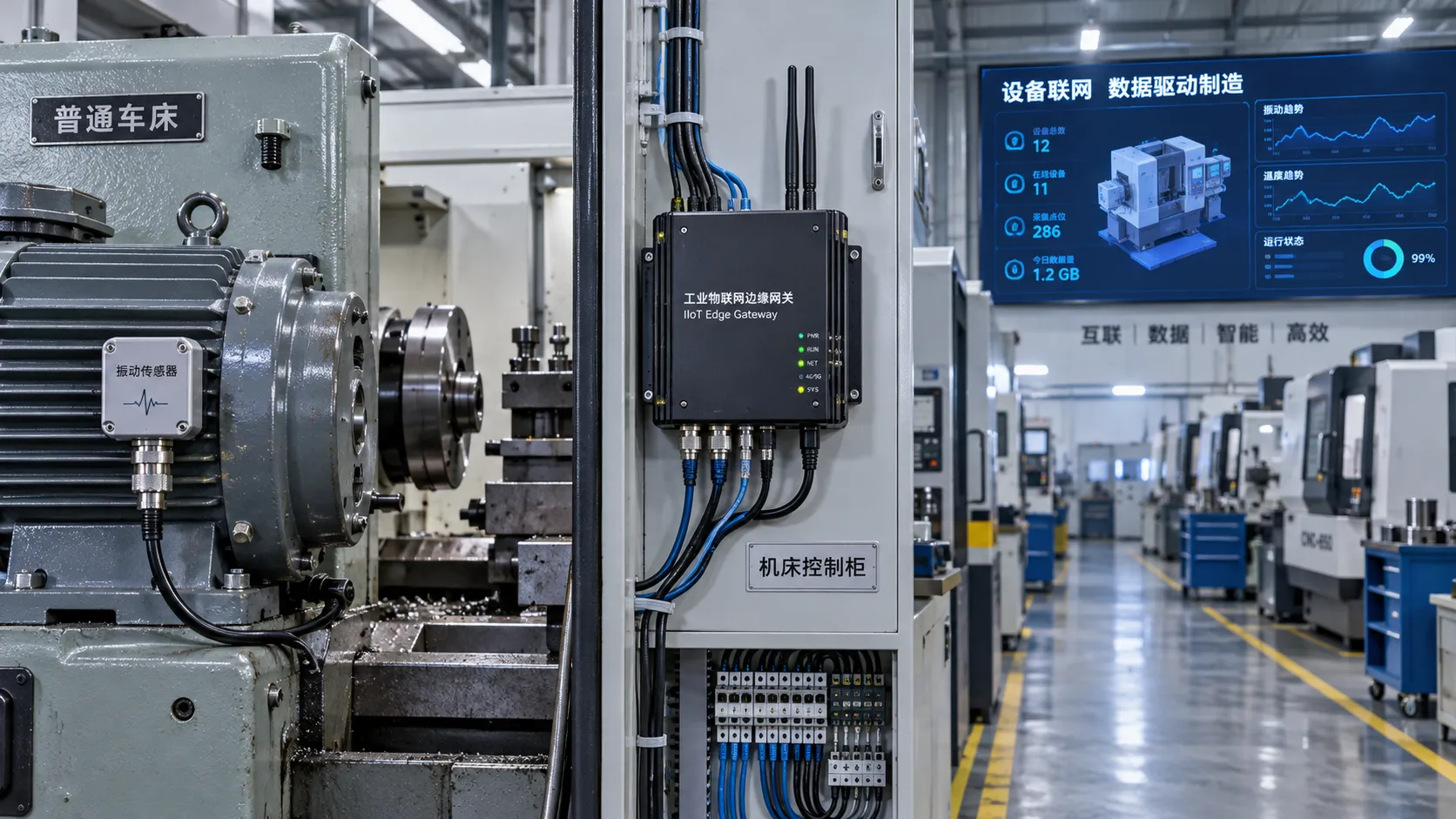
Choosing an Industrial IoT Platform: Key Criteria for Legacy Equipment
Choose an industrial IoT platform for legacy equipment with confidence. Discover key checks for connectivity, data integrity, security, and lifecycle costs before investing.
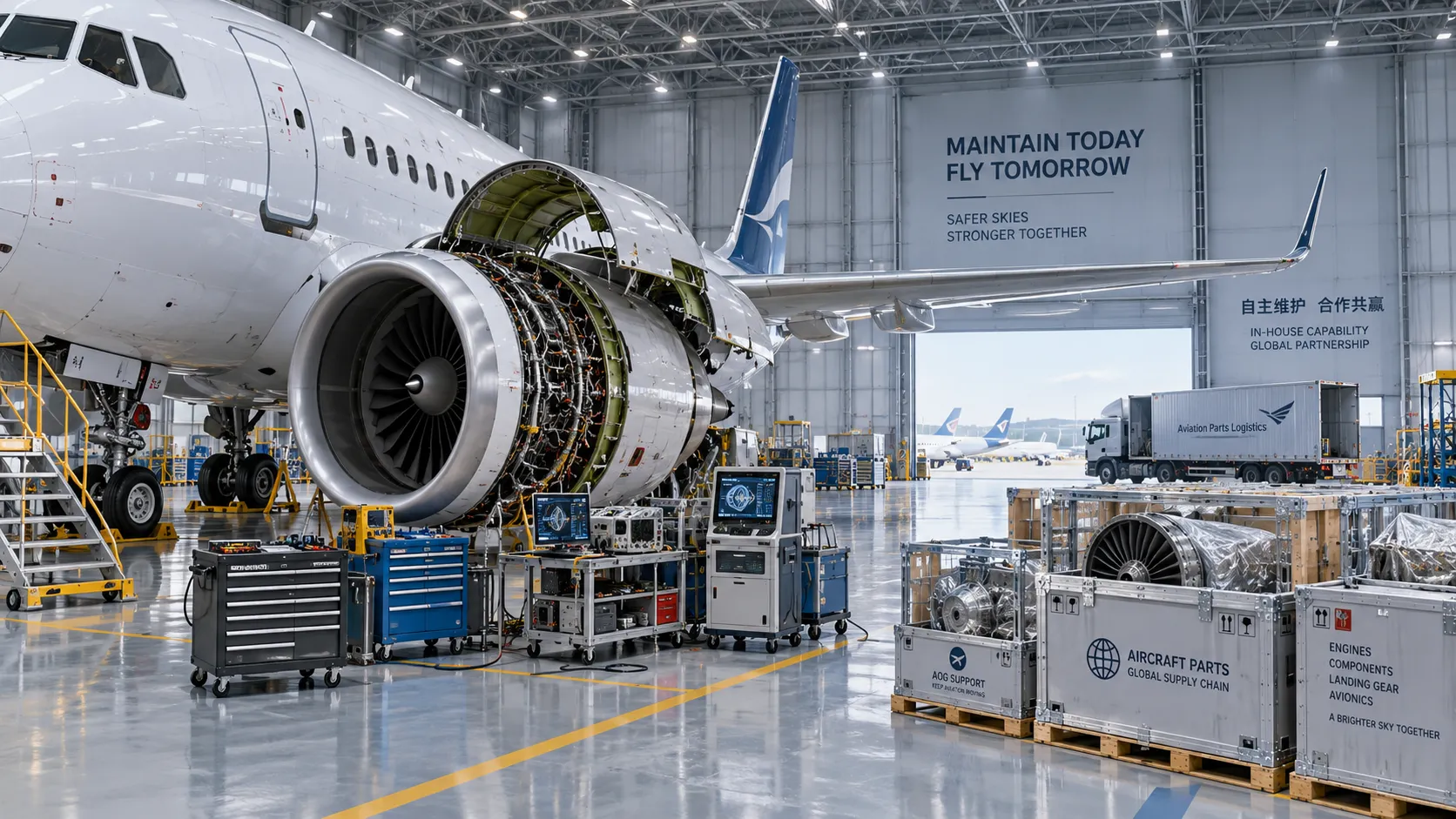
In-House vs. Outsourced Aircraft Maintenance: Comparing Total Costs
Compare aerospace maintenance cost for in-house vs. outsourced aircraft upkeep. Discover hidden expenses, downtime impacts, and break-even factors to find the best fit for your fleet.
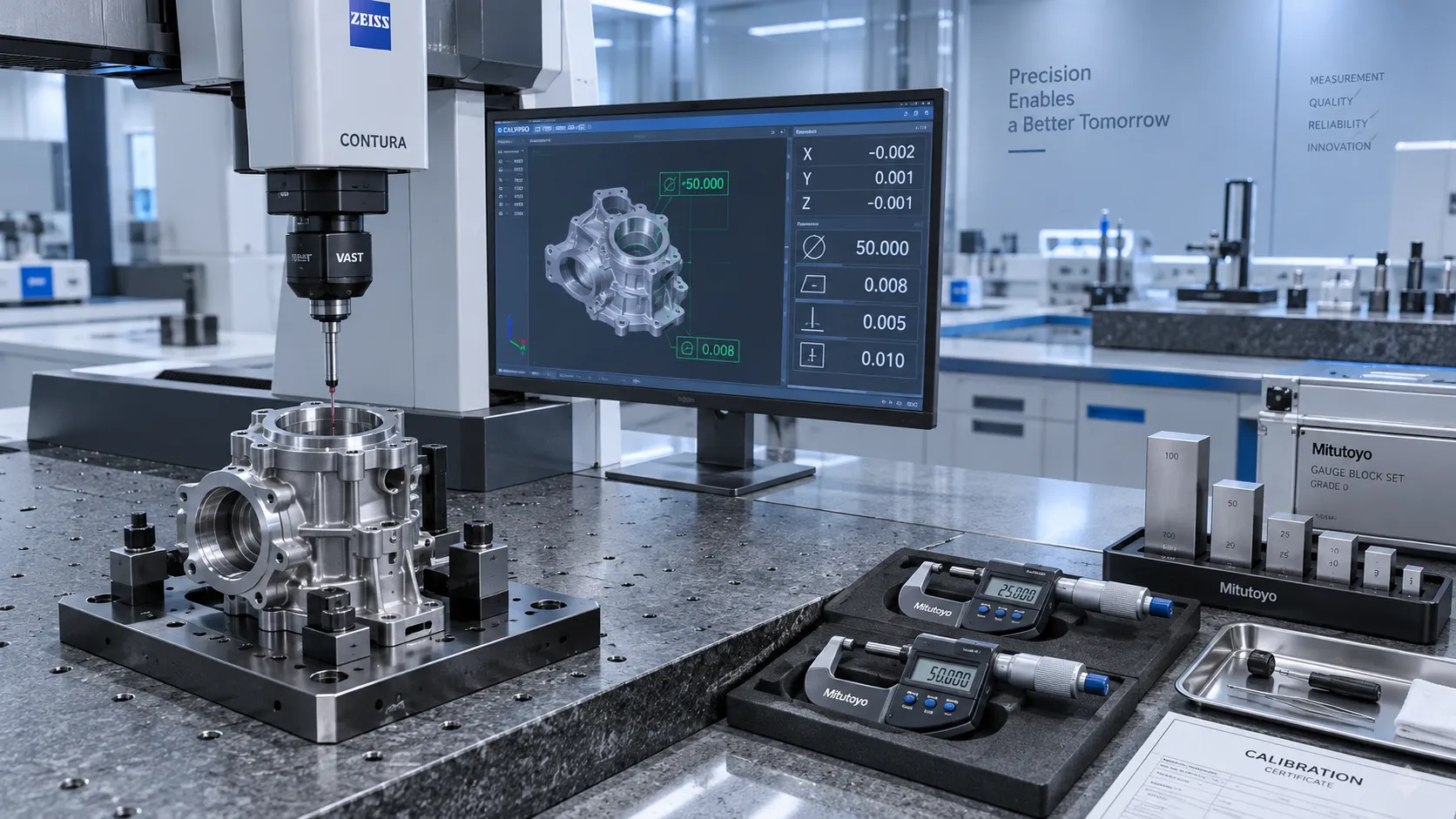
How to Select High-Precision Measuring Instruments for Tight-Tolerance Production?
High-precision measuring instruments are essential for tight-tolerance production. Learn how to evaluate accuracy, repeatability, environment, calibration, and data integration.
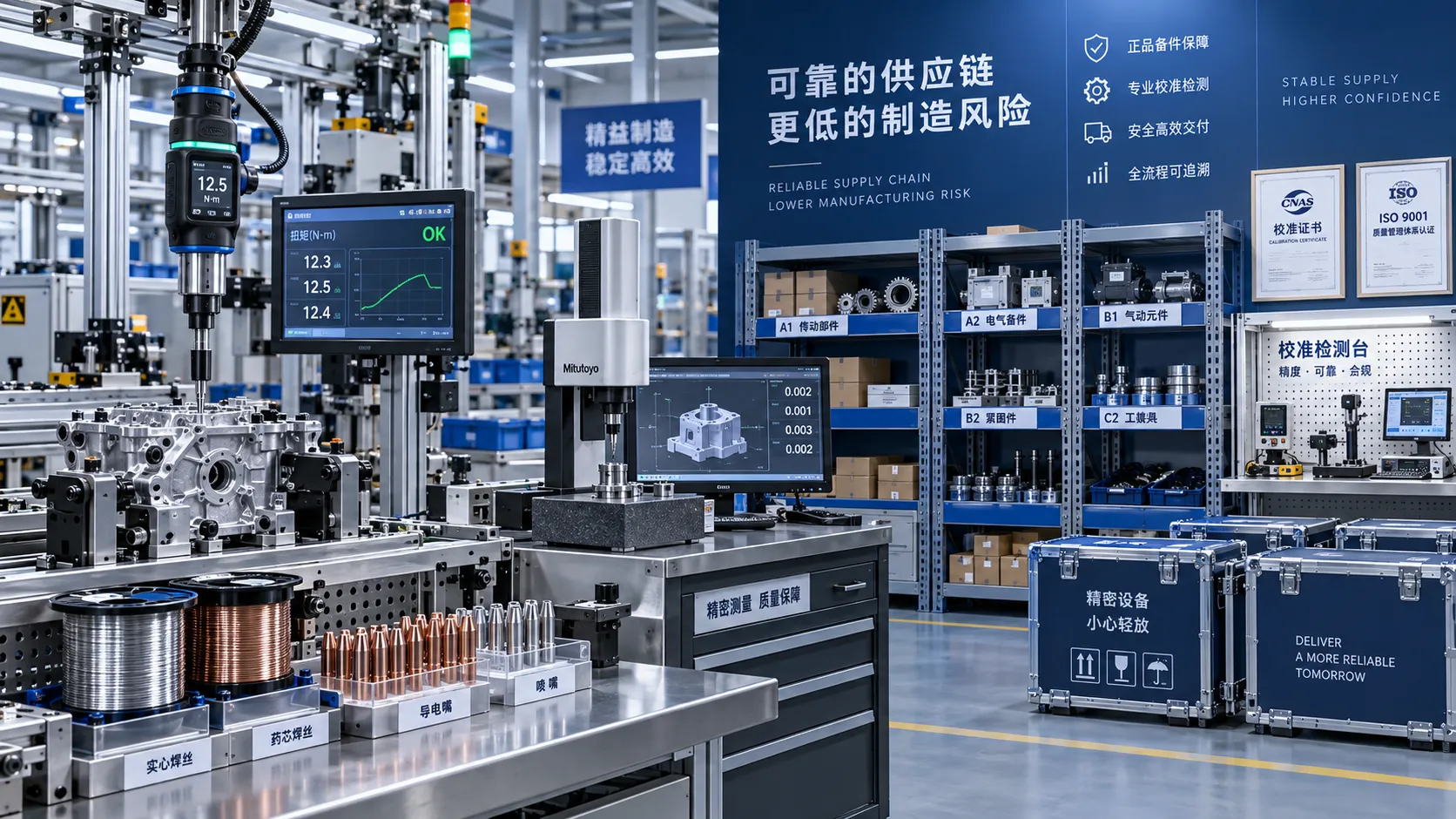
How Industrial Innovation Supplier Networks Reduce Sourcing Risk for Manufacturers
industrial innovation supplier network insights help manufacturers reduce sourcing risk, control lifecycle costs, and choose reliable tools, services, and suppliers with confidence.
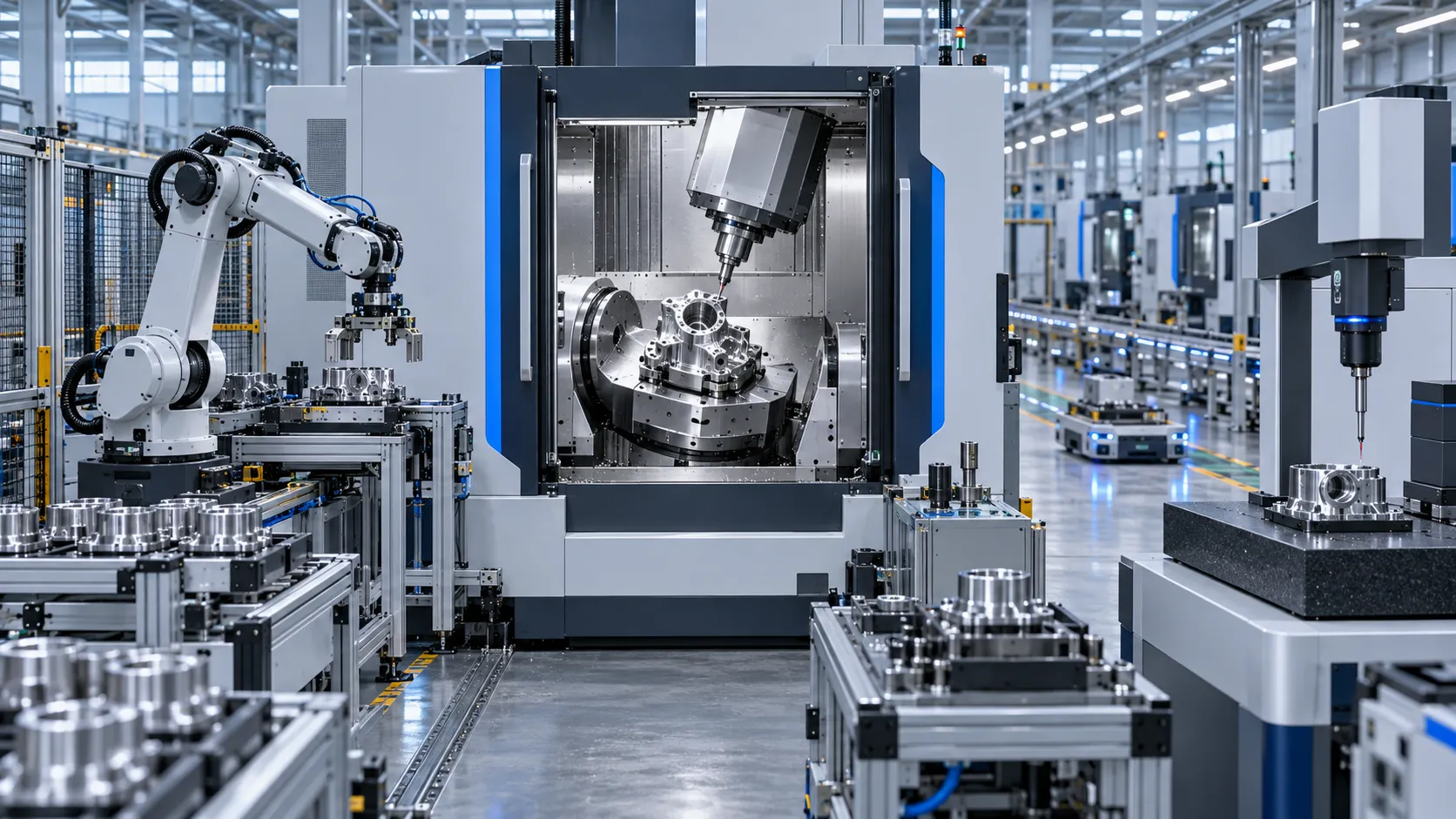
South East Asia Machine Tools Market: Demand Outlook by Manufacturing Industry
South East Asia machine tools market outlook: explore demand from automotive, electronics, fabrication, and infrastructure, plus smart sourcing priorities for manufacturers.
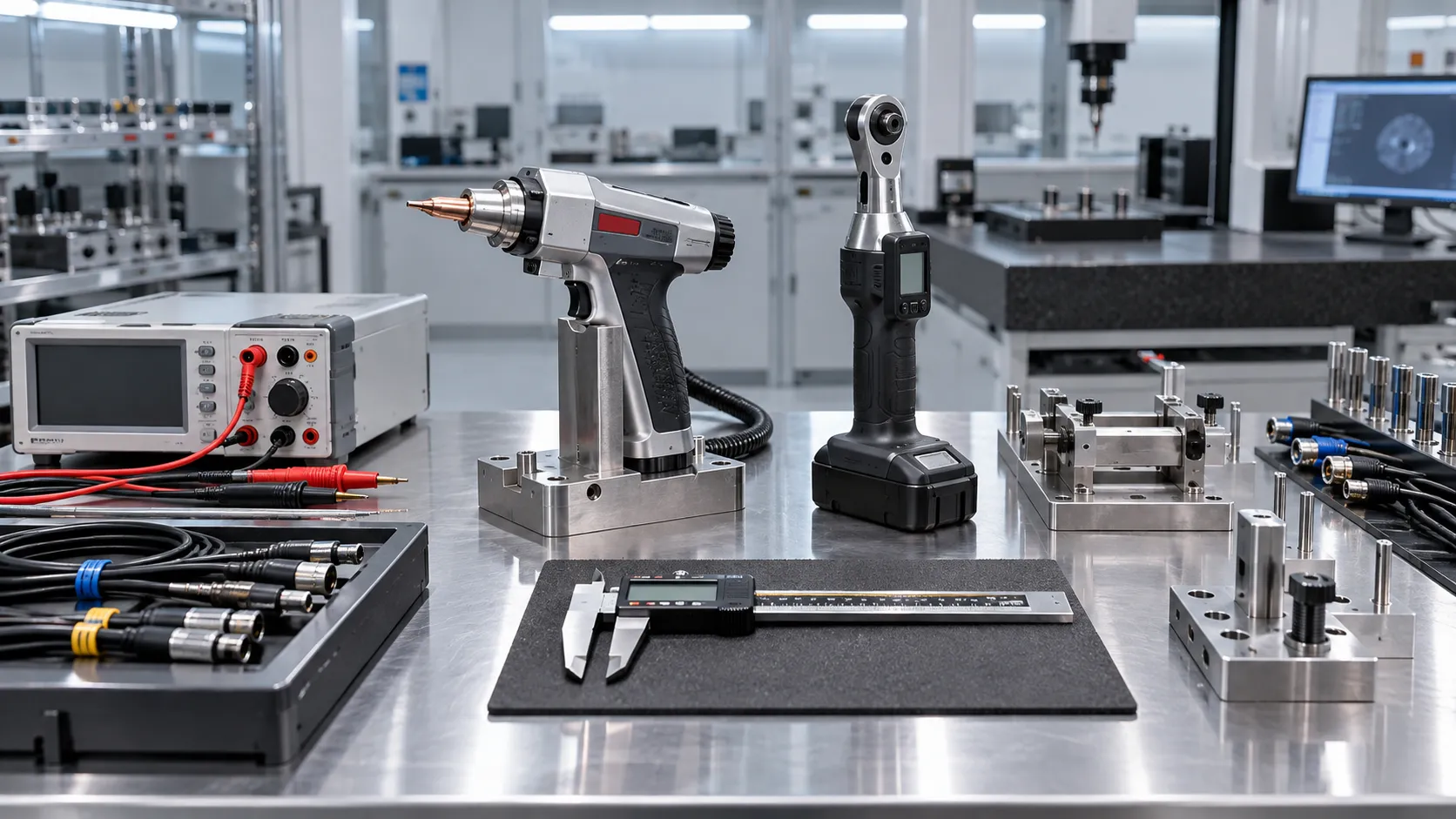
Which Industrial Standards Should Be Checked Before Export?
Which industrial standards should be checked before export? Discover essential compliance steps for industrial tools, welding equipment, laser systems, and metrology products.
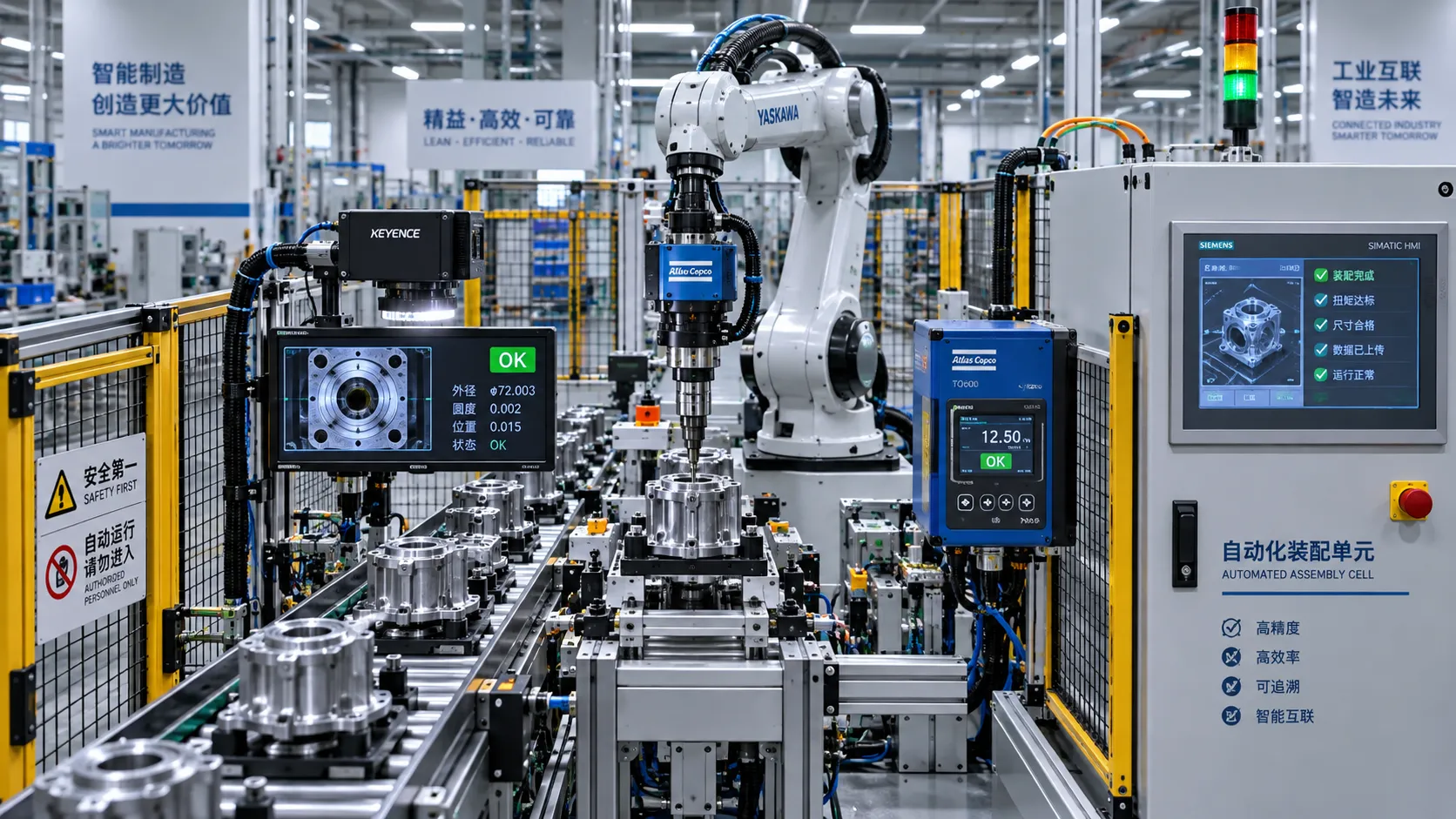
What Industrial Automation Exporters Need to Know Before Entering ASEAN Markets
Industrial automation exporter to ASEAN: learn how to navigate compliance, local service, digital readiness, pricing, and market entry for scalable growth.
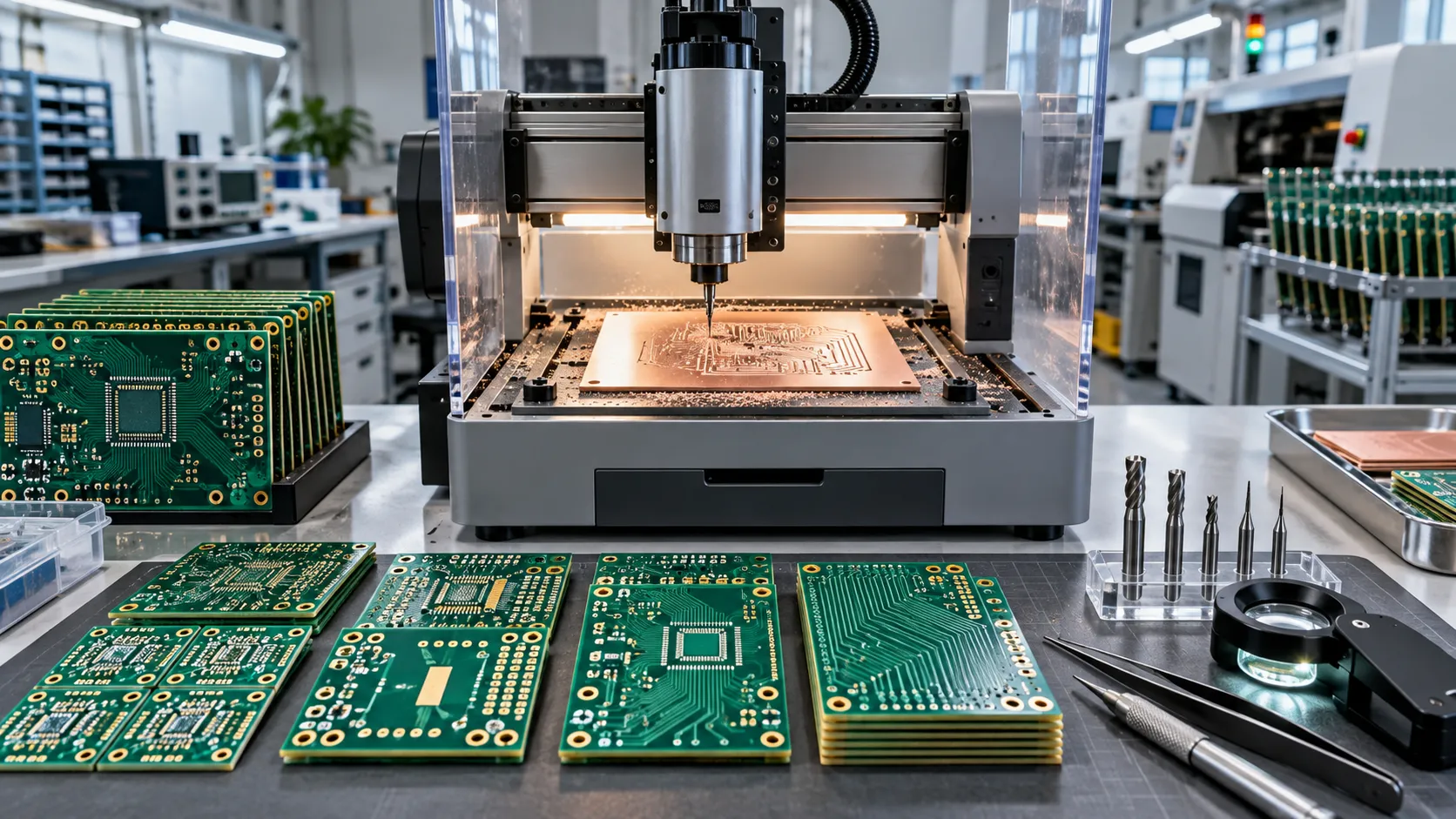
PCB Prototyping Equipment Costs: Comparing In-House Machines and Outsourced Builds
PCB prototyping equipment costs compared: discover when in-house machines speed iterations and when outsourced builds deliver better value, quality, and scalability.
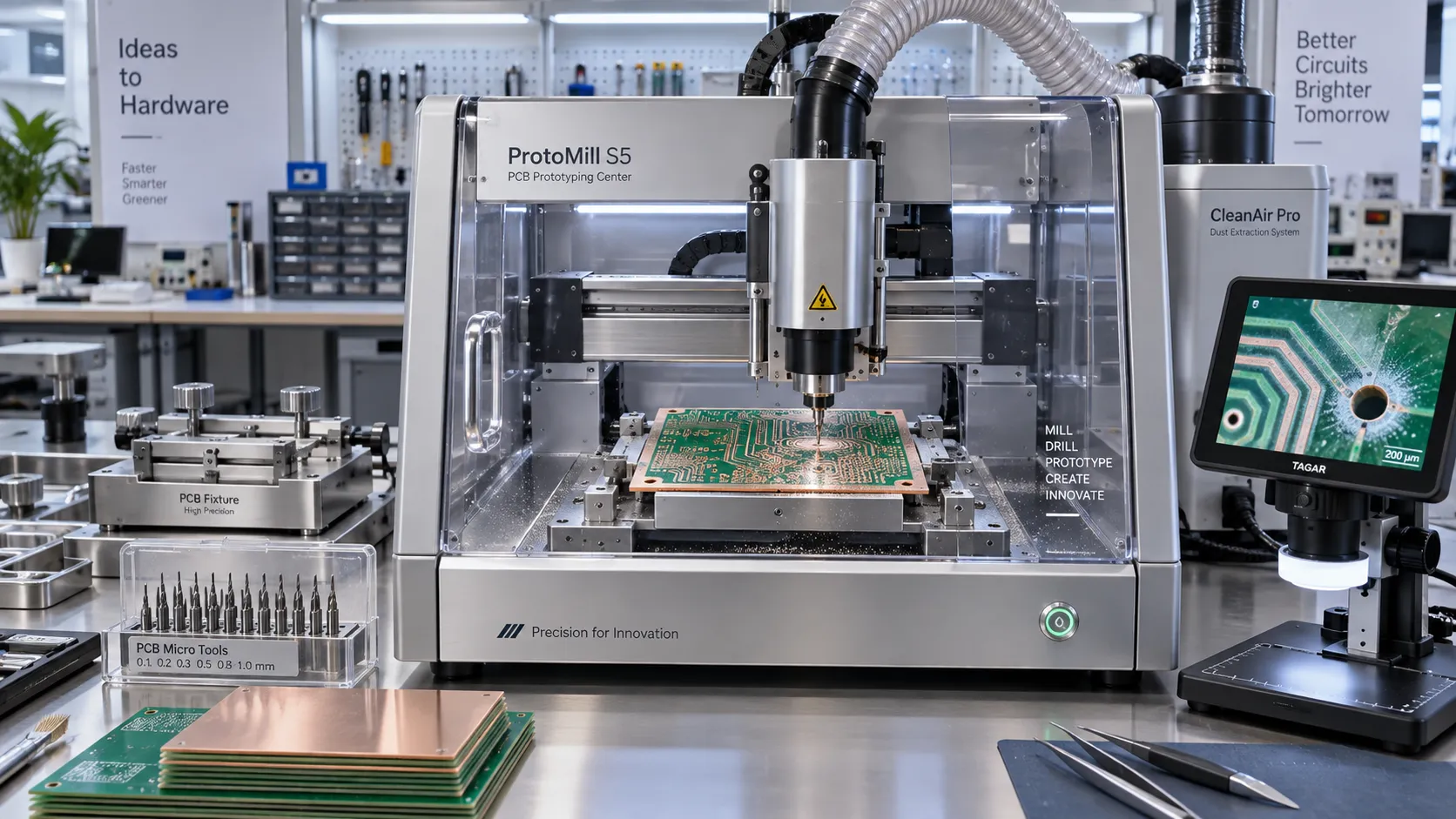
Prototype PCB Manufacturing Equipment: What Engineers Should Evaluate Before Purchase
Prototype PCB manufacturing equipment: discover the key factors engineers should evaluate—from accuracy and materials to software, safety, and ROI—before buying.
Related News
- 00
0000-00
In-House vs. Outsourced Aircraft Maintenance: Comparing Total Costs - 00
0000-00
How to Compare Industrial Tool Suppliers for Quality, Lead Time, and Total Cost - 00
0000-00
How to Evaluate a Technology Integration Service Provider for Complex Projects - 00
0000-00
Product Comparison Resources in Europe: How Buyers Can Verify Specs and Suppliers - 00
0000-00
How to Evaluate an Industrial Metrology Solution Manufacturer for Production Use
Dr. Alistair Vaughn
Weekly Insights
Stay ahead with our curated technology reports delivered every Monday.