
North America's Industrial Value Chain: Key Shifts in Sourcing, Labor, and Logistics





North America’s industrial base is moving through a structural reset rather than a short cycle adjustment. The industrial value chain North America depends on is being reshaped by sourcing diversification, persistent labor strain, and a logistics map that now rewards resilience as much as speed.
That matters across metals, tools, assembly systems, transportation equipment, construction inputs, and maintenance supply networks. Cost control is still important, but the larger issue is how value is created, protected, and delivered when materials, skills, and freight capacity no longer behave predictably.
For industrial platforms such as GPTWM, this shift is especially visible in the manufacturing last mile. Decisions around welding systems, precision measurement, torque control, and industrial tooling are no longer isolated purchasing events. They sit inside a broader chain of standards, labor availability, compliance pressure, and regional fulfillment strategy.
Why the value chain is changing now
Several forces have converged at once. Trade policy has become less stable, energy costs remain uneven, and lead times can still widen quickly when a port, rail corridor, or border crossing tightens.
At the same time, North American manufacturers are under pressure to shorten replenishment cycles while keeping service levels high. That has changed the logic of procurement. Lowest unit cost no longer wins automatically.
The industrial value chain North America relies on now gives more weight to continuity, traceability, and engineering support. A supplier that can protect uptime, document compliance, and deliver technical consistency may create more value than a cheaper but fragile source.
This is especially true in categories tied to fabrication, repair, and field maintenance. A delayed shipment of metrology tools, hydraulic components, or welding consumables can interrupt downstream work that carries much higher margin consequences.
Sourcing has moved from global efficiency to selective regional balance
The old model favored deep concentration in the lowest-cost geography. The new model is more layered. Many companies still source globally, but they are adding regional redundancy and tighter qualification standards.
In practice, this means three parallel shifts. First, more firms are adopting dual-source or multi-source structures. Second, nearshoring is being treated as a risk strategy rather than a branding statement. Third, technical evaluation is moving closer to purchasing decisions.
Mexico has gained relevance in this transition because it offers proximity, manufacturing depth, and faster corridor access to the United States and Canada. Still, nearshoring does not remove risk by itself. Supplier maturity, tooling capability, quality discipline, and infrastructure reliability still determine results.
For the industrial value chain North America is building, regional sourcing works best when categories are segmented. High-volume standardized inputs can follow one sourcing logic. Precision assemblies, safety-sensitive tools, and metrology equipment often need another.
What stronger sourcing discipline looks like
- Mapping suppliers by operational criticality, not only by spend.
- Separating price risk from continuity risk and compliance risk.
- Checking whether alternate suppliers can meet identical process tolerances.
- Reviewing exposure to export controls, certification limits, and standards changes.
- Linking procurement decisions with engineering, safety, and service requirements.
This is where industrial intelligence becomes useful. GPTWM’s focus on raw material volatility, export restrictions, and technology adoption helps turn sourcing from a reactive function into a structured decision process.
Labor constraints are now a production variable
Labor shortages are no longer confined to one role or region. They affect fabrication, maintenance, warehouse operations, quality control, and transport handling. The effect is not only higher wages. It is slower execution and more variation in output.
In the industrial value chain North America operates, labor pressure often shows up as a capability gap. Plants may secure equipment and materials yet still struggle to reach throughput because specialized skills are hard to replace.
That has increased interest in technologies that reduce dependence on scarce manual precision. Handheld laser welding safety systems, brushless power tools, smart torque control, and digital measurement workflows all fit this pattern. They do not remove labor needs, but they can reduce training time, error rates, and rework.
The broader implication is important. Equipment selection is now partly a labor strategy. A tool platform that improves usability, consistency, and data capture may outperform a lower-cost option that requires more experienced operators.
Where labor pressure is most visible
The point is not automation for its own sake. The point is protecting throughput when labor availability becomes uncertain.
Logistics has become a design issue, not just a transport issue
Freight strategy used to focus on rate optimization and basic routing. That view is too narrow now. Logistics performance depends on inventory positioning, packaging choices, supplier location, customs readiness, and the ability to switch modes without major disruption.
Across the industrial value chain North America supports, logistics is increasingly tied to product design and service promises. Compact, repairable, standardized, or modular products move differently through the network than fragile or highly customized ones.
This has practical consequences for industrial tools and equipment. Spare parts coverage, field replacement speed, and calibration support can matter more than full-system delivery time. A network that handles after-sales service well often creates stronger customer retention than one built only for first shipment efficiency.
Regional logistics realignment is also pushing firms to reconsider warehouse geography. More distributed inventory can improve service, but it also increases planning complexity. The right answer depends on demand volatility, product criticality, and cross-border exposure.
Signals worth tracking
- Freight lead time variance, not only average transit time.
- Port, rail, and truck corridor concentration by product family.
- Inventory days for critical parts versus standard catalog items.
- Service fill rate for maintenance and replacement orders.
- Packaging losses, returns friction, and damage-related downtime.
Why this matters for industrial equipment and precision systems
Not every product category feels these shifts in the same way. Precision tools, metrology devices, welding systems, and hydraulic equipment sit close to actual production performance. Small disruptions in these categories can trigger larger downstream losses.
That is why the industrial value chain North America depends on increasingly values technical intelligence alongside market intelligence. A distributor or plant network needs visibility into component origin, standards alignment, lifecycle support, and field application trends.
GPTWM’s Strategic Intelligence Center is relevant here because it links macro signals to operational choices. Tracking the adoption of safer handheld laser welding, the limits of brushless motor performance, or demand for high-precision measuring instruments helps translate trend data into practical sourcing and deployment decisions.
This is less about forecasting headlines and more about narrowing execution risk. In categories where uptime, repeatability, and compliance matter, informed timing often creates an advantage.
A practical framework for current decisions
A useful response begins with segmentation. Not every input deserves the same sourcing model, and not every logistics lane deserves the same service promise.
It also helps to examine the chain through four business lenses.
- Criticality: Which components stop production or service when unavailable?
- Capability: Which processes depend on scarce skills or specialized validation?
- Compliance: Which products face certification, export, or documentation sensitivity?
- Continuity: Which lanes, suppliers, or sites carry concentrated risk?
When these questions are applied consistently, the industrial value chain North America is navigating becomes easier to manage. Tradeoffs become clearer. Some items should be localized. Some should be buffered. Some should be redesigned around easier operation or serviceability.
The next step is to connect external intelligence with internal operating data. Material movements, labor constraints, and logistics signals are most useful when they are reviewed against actual failure points, delayed orders, and service exceptions.
That creates a more realistic basis for action than broad assumptions about reshoring or generic supply chain resilience. The strongest decisions now come from category-level evidence, not slogans.
Where to focus next
North America’s industrial landscape is not moving toward a single stable model. It is moving toward a more selective and intelligence-heavy one. Sourcing, labor, and logistics are becoming tightly connected operating decisions.
The most useful next step is to review which parts of the industrial value chain North America strategy are still based on pre-disruption assumptions. That usually means revisiting supplier concentration, skill dependence, service inventory, and standards exposure.
From there, compare categories that need cost efficiency with those that need continuity and technical certainty. In sectors shaped by industrial assembly, metal joining, and precision measurement, that distinction often determines whether growth is durable or fragile.
A disciplined review of sourcing structure, labor-sensitive processes, and logistics design will reveal where adjustment is overdue. That is the most reliable starting point for strengthening resilience without losing operational focus.
Related News
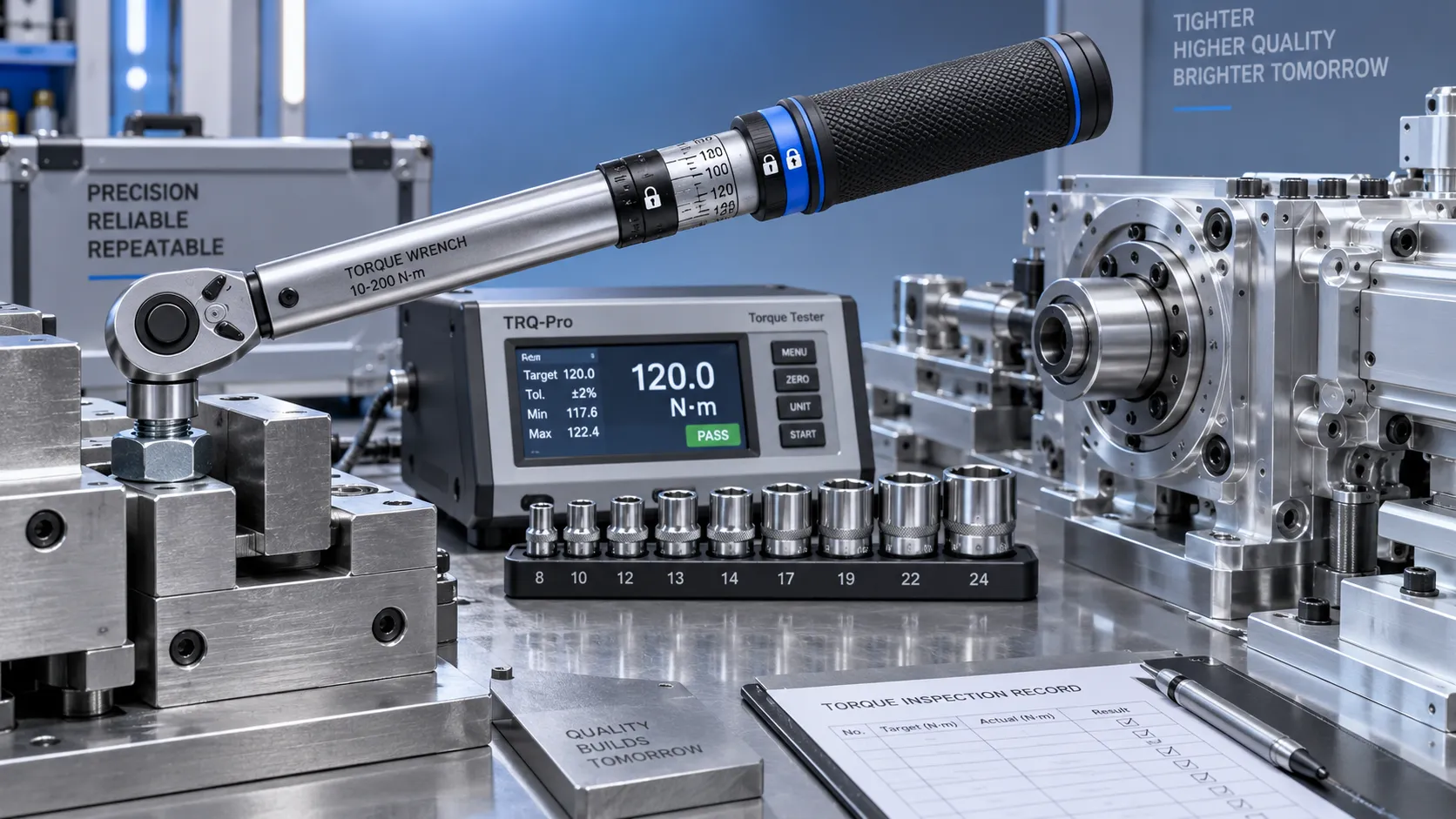
Selecting Adjustable Torque Tools for Repeatable Fastener Assembly
Adjustable torque tools: learn how to match range, accuracy, control methods, calibration, and ergonomics for repeatable, reliable fastener assembly.

How to Select Aerospace Inspection Tools for Aircraft Maintenance Tasks
Aerospace maintenance inspection tools: learn how to select reliable, traceable equipment for aircraft access, accuracy, calibration, and compliant maintenance decisions.

How to Select Wire Bonding Tools for Fine-Pitch Semiconductor Packaging
Explore semiconductor manufacturing tools for wire bonding and learn how to select precision solutions for fine-pitch packaging, reliable loops, accuracy, and yield.
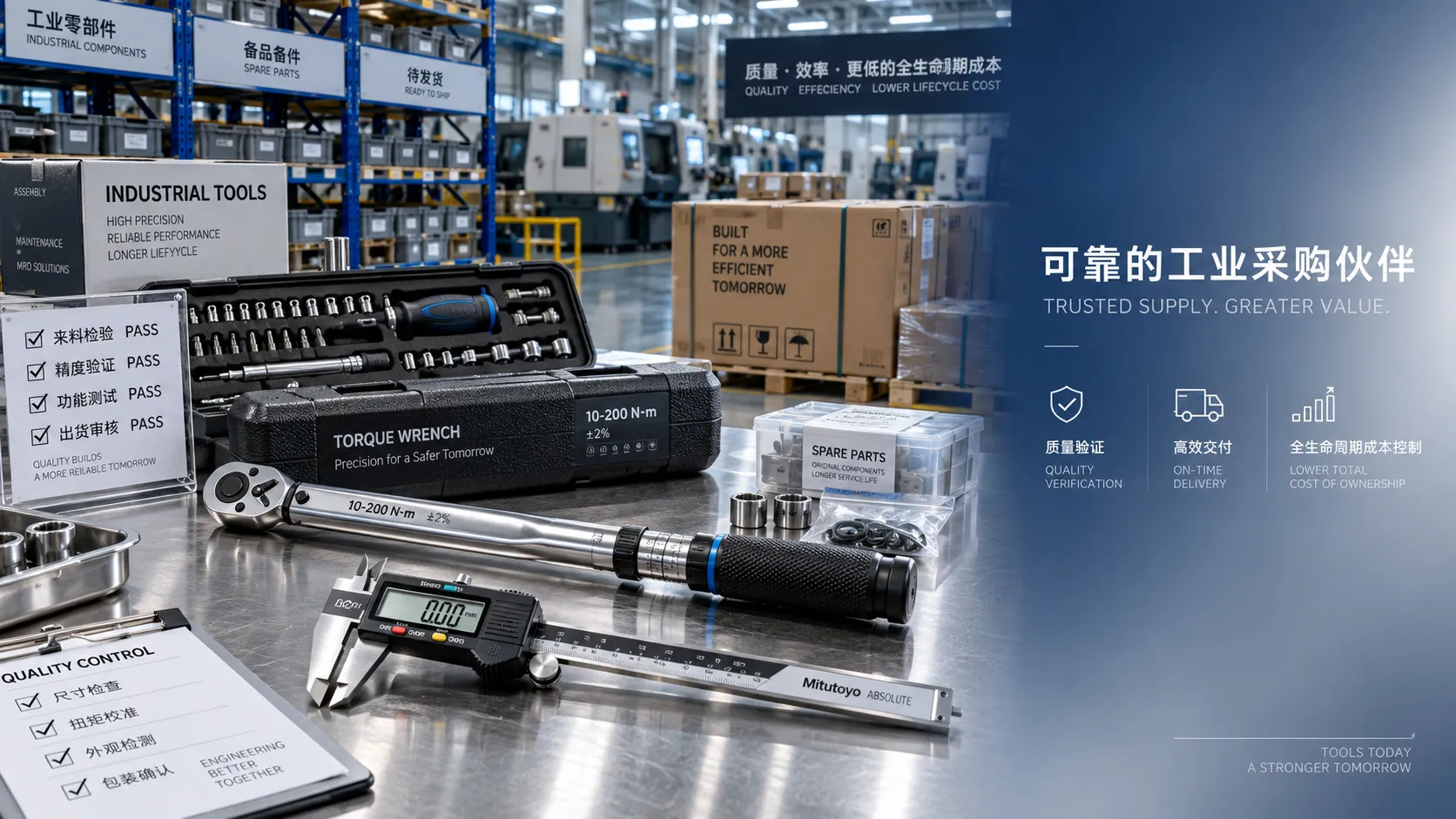
How to Compare Industrial Tool Suppliers for Quality, Lead Time, and Total Cost
Industrial tool selection supplier comparison made simple: evaluate quality, lead times, total cost, service, and supply resilience for confident sourcing decisions.
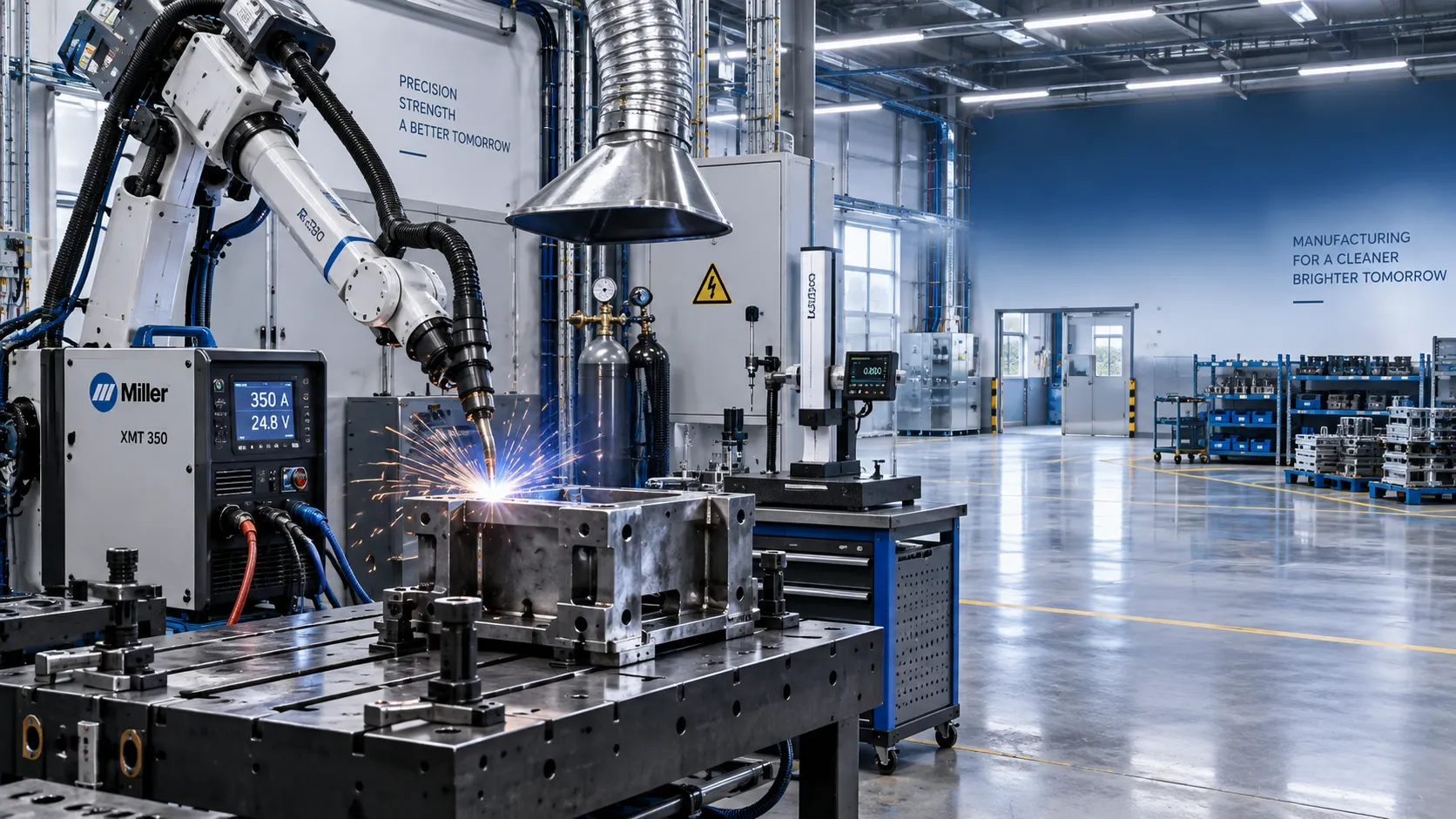
Industrial Equipment Application Guidance: Match Machines to Operating Conditions
Application guidance industrial equipment: match capacity, duty cycle, materials, site conditions, safety, and lifecycle cost to improve reliable output. Read the guide.

Selecting High-Speed Brushless Tool Motors for Torque, Heat, and Duty Cycle
High speed brushless tool motors: learn how to balance torque, heat, gearing, and duty cycle for reliable industrial tool performance and longer service life.
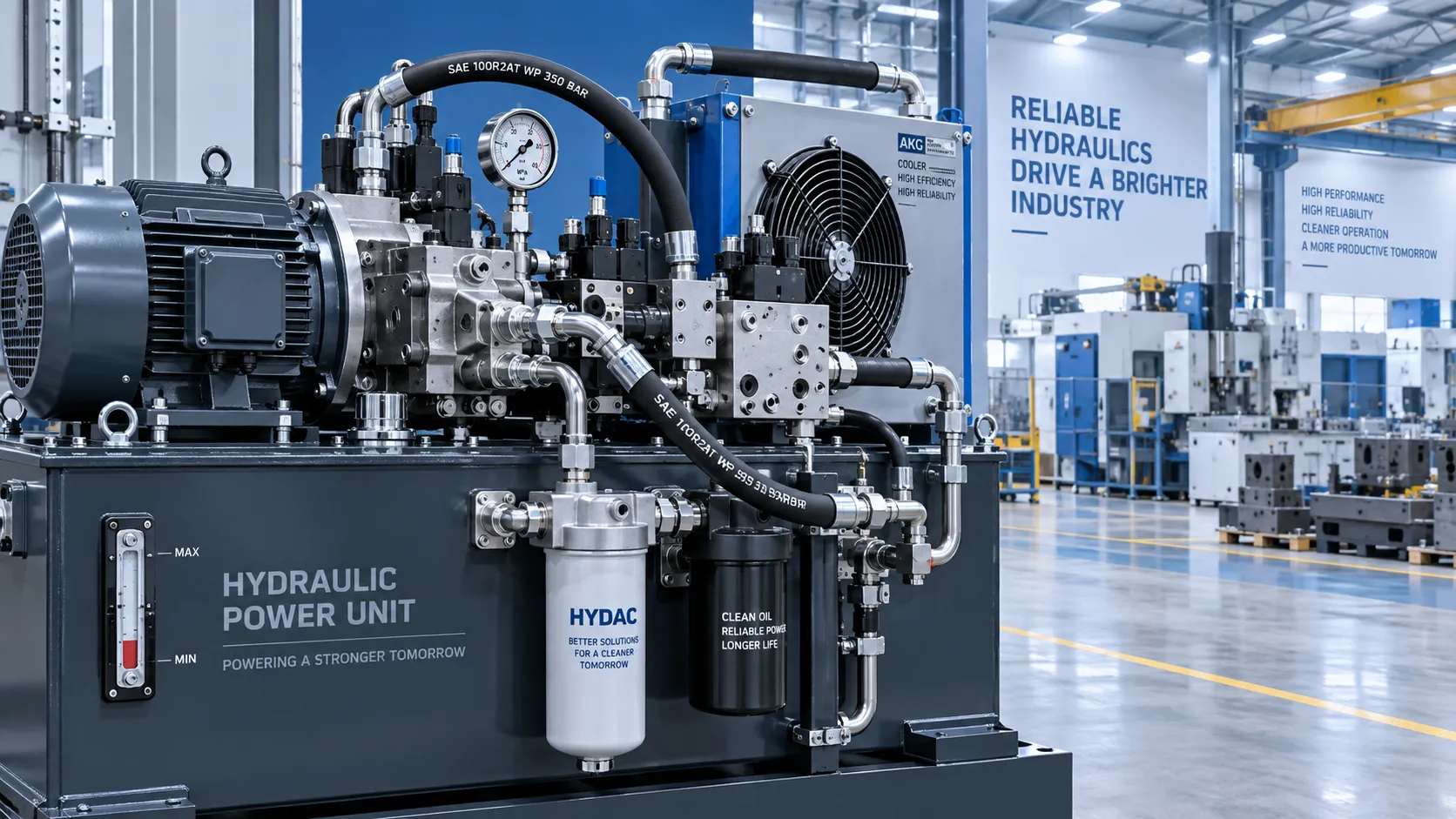
What Determines Industrial Hydraulic System Price for Heavy-Duty Equipment?
Industrial hydraulic system price depends on duty cycle, pressure, components, cooling, and integration. Compare quotes intelligently to secure reliable heavy-duty performance.
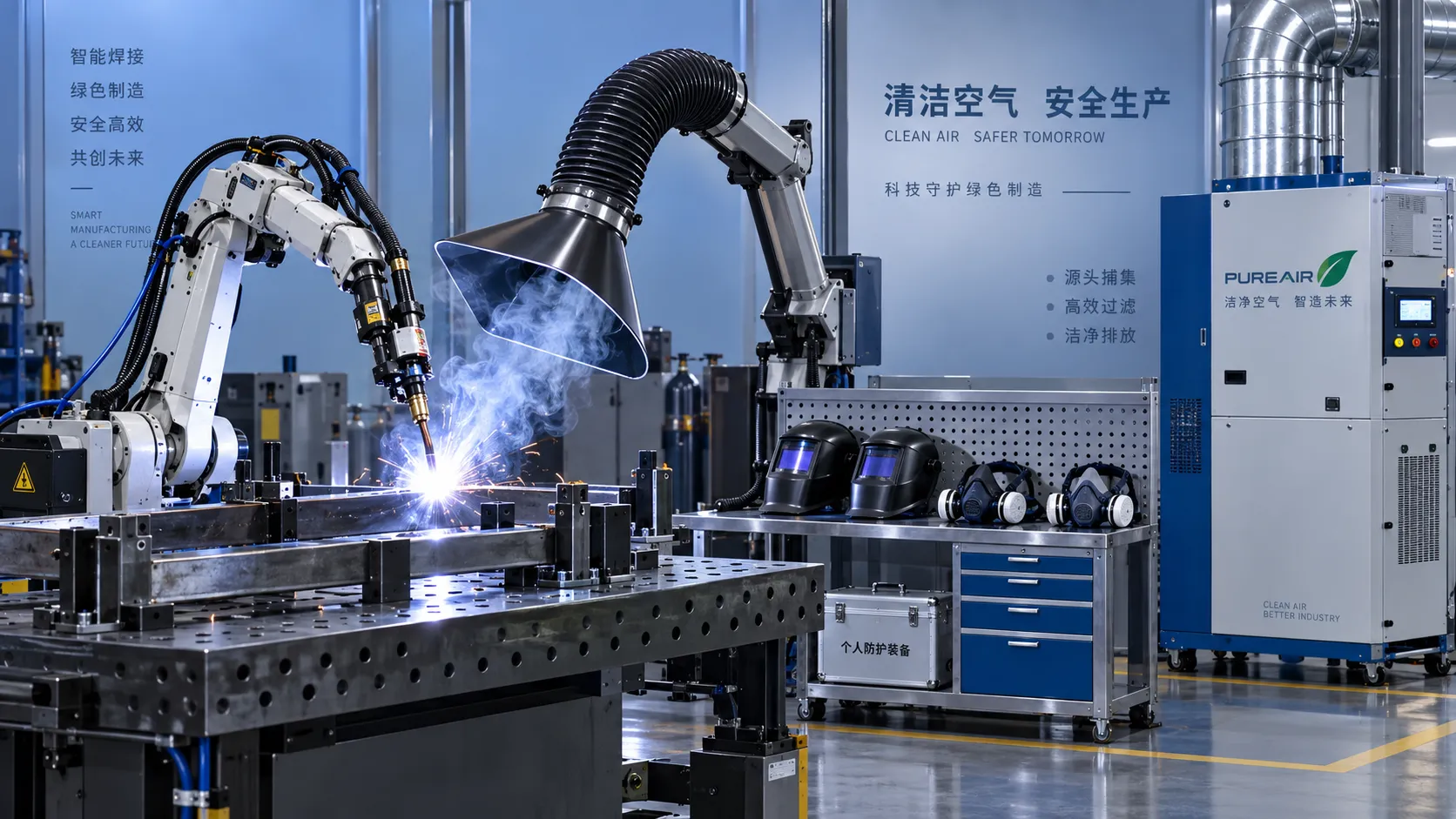
Welding Fume Extraction PPE: When Respirators Are Not Enough for Shop Safety
Welding fume extraction PPE: learn why respirators alone fall short and how source capture, ventilation, and layered controls improve shop safety.
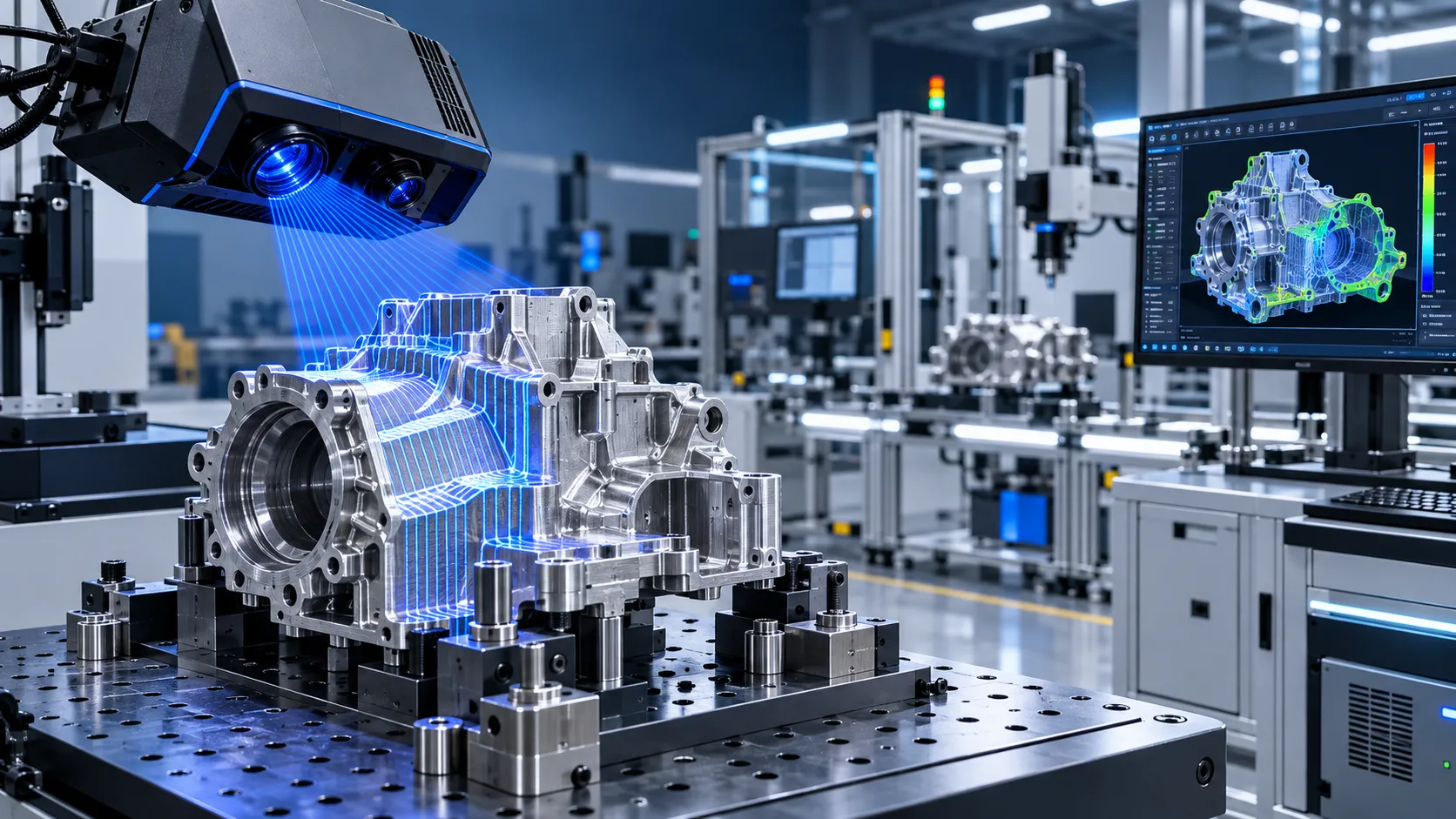
How to Select Optical Metrology Solutions for Tight-Tolerance Manufacturing
Optical industrial metrology solutions for tight-tolerance manufacturing: evaluate accuracy, surface compatibility, workflow, and traceability to select with confidence.
Related News
- 00
0000-00
How Procurement Teams Can Map the Industrial Value Chain to Reduce Supply Risk - 00
0000-00
How Industry Category Guides Help Global Sourcing Teams Compare Suppliers Faster - 00
0000-00
Intelligent Tools in Southeast Asia: Key Market Trends, Buyers, and Supply Chain Shifts - 00
0000-00
Industrial Value Chain Europe: Where Sourcing Risks and Lead-Time Pressure Are Rising - 00
0000-00
North America's Industrial Value Chain: Key Shifts in Sourcing, Labor, and Logistics
Dr. Alistair Vaughn
Weekly Insights
Stay ahead with our curated technology reports delivered every Monday.