
What Drives Industrial Tools Cost? A Buyer’s Guide to Materials, Volume, and Lifecycle Expenses





Why does industrial tools cost vary so much?
Industrial tools cost rarely comes down to a simple price tag. Two tools may look similar, yet their long-term expense can differ sharply.
The real gap usually comes from materials, machining precision, safety compliance, expected duty cycle, and after-sales support.
In practical buying decisions, the cheapest line item often becomes the most expensive asset over its service life.
This is especially true in assembly, welding, measuring, cutting, fastening, and hydraulic applications, where downtime carries a direct operational cost.
A useful way to read industrial tools cost is to split it into three layers: acquisition cost, operating cost, and replacement risk.
That broader view is increasingly important across global supply chains. Raw material shifts, export controls, and evolving standards now change tool economics faster than before.
This is where market intelligence matters. GPTWM regularly tracks those changes across industrial assembly, metal joining, and precision metrology, helping cost comparisons stay grounded in reality.
What parts of the tool itself push the price up?
Materials are one of the clearest drivers of industrial tools cost. Tool steel grade, alloy content, heat treatment, and corrosion resistance all influence pricing.
For powered equipment, the internal bill of materials matters even more. Brushless motors, better bearings, sealed electronics, and reinforced housings raise manufacturing cost.
That increase is not cosmetic. Better internals usually mean lower heat buildup, steadier torque, and a longer maintenance interval.
Precision also changes cost. A caliper, torque tool, welding controller, or hydraulic component built to tighter tolerances needs more careful machining and calibration.
In lower-risk tasks, that premium may be unnecessary. In aerospace maintenance, automotive assembly, and regulated fabrication, it is often justified.
Another hidden factor is ergonomics. Lightweighting, vibration control, grip design, and balance affect operator fatigue and output consistency.
Those features may increase unit price, but they can reduce errors and rework. Over time, that changes the true industrial tools cost more than buyers expect.
A quick rule of thumb
If a tool directly affects safety, measurement accuracy, weld integrity, or cycle time, material and design quality deserve closer attention than headline price.
Does order volume really lower industrial tools cost?
Yes, but not evenly. Volume can reduce industrial tools cost, though the savings depend on product type, customization level, and supply chain stability.
Standard hand tools usually benefit from scale faster than specialized welding systems or calibrated measuring instruments.
More often, the best savings come from packaging efficiency, fewer shipment splits, and steadier production scheduling rather than dramatic unit discounts.
Custom branding, voltage variants, torque settings, special jaws, or certification paperwork can limit those savings.
Lead time also deserves attention. A large order placed during steel volatility or export restriction periods may not deliver the expected cost advantage.
It helps to compare landed cost scenarios instead of unit prices alone. A lower quote can lose its advantage after freight, duties, inspection, and buffer stock are added.
That comparison table works well because it turns industrial tools cost into a decision model, not a one-number comparison.
How much do compliance, testing, and documentation add?
Often more than expected. Compliance is one of the most underestimated parts of industrial tools cost, especially in cross-border sourcing.
Electrical safety approvals, welding safety requirements, calibration certificates, material traceability, and export paperwork all add cost before the tool reaches the floor.
The impact grows when a tool enters controlled environments. Aerospace maintenance, energy facilities, and automotive quality systems usually require stricter records.
In those cases, the price difference between compliant and non-compliant tools reflects audit risk, not just paperwork.
It is also worth watching regulatory trends. GPTWM’s Strategic Intelligence Center often highlights shifts in export standards and safety adoption that can reshape sourcing timing.
For example, handheld laser welding safety expectations have changed quickly in several markets. A lower upfront quote may fail later if compliance gaps block deployment.
- Ask whether certification is included in the base quote or billed separately.
- Confirm whether calibration is factory-only or traceable to recognized standards.
- Check if user manuals, labels, and technical files match destination market requirements.
- Review re-certification cost over the expected service period.
Is the lowest upfront price ever the best choice?
Sometimes, but only in narrow situations. If usage is light, replacement is easy, and failure risk is low, a lower upfront option can make sense.
That logic breaks down when the tool sits inside a critical process. Then industrial tools cost should be measured against uptime, accuracy, operator safety, and output consistency.
A lower-cost grinder, torque system, or hydraulic tool may need more frequent service, more consumables, or earlier replacement.
The difference becomes visible when total cost is spread across productive hours, not purchase date.
One practical check is cost per year of service. Another is cost per completed cycle, weld, measurement event, or fastening operation.
That method brings durable tools and budget tools onto the same comparison line.
When a low price is usually misleading
- Spare parts are unavailable or have long replenishment times.
- Warranty terms exclude normal industrial use.
- Calibration drift causes inspection failures or rework.
- Motor, battery, seal, or bearing life is undocumented.
- Technical support is offshore-only and slow to respond.
What should be included in a real lifecycle cost check?
A useful lifecycle review goes beyond acquisition. It captures everything needed to keep the tool productive and compliant over time.
For many categories, the following items drive industrial tools cost after purchase more than expected:
- Consumables such as tips, discs, nozzles, blades, seals, and batteries.
- Scheduled maintenance, calibration, and inspection intervals.
- Downtime during repair or part replacement.
- Operator training for safety and correct settings.
- Software, firmware, or connected control updates for smart tools.
- End-of-life replacement timing and disposal requirements.
This matters even more as tools become more intelligent. IoT torque systems, digital measuring devices, and advanced welding controls add value, but they also add support requirements.
The better question is not whether smart features cost more. It is whether they reduce defects, shorten setup, or improve traceability enough to justify that premium.
How can you compare quotes without missing hidden cost?
A strong comparison starts with normalization. Every quote should be adjusted to the same scope, service assumptions, and delivery terms.
Without that step, industrial tools cost looks lower simply because key items were excluded.
In actual sourcing reviews, a short checklist usually reveals the real differences faster than another round of headline negotiation.
- Define duty cycle, environment, and expected service life before requesting final quotes.
- Separate base tool price from accessories, consumables, calibration, and compliance documents.
- Convert each offer into landed cost and annual ownership cost.
- Score service responsiveness, spare parts access, and failure recovery time.
- Review market signals affecting timing, especially metals pricing and standard changes.
That last point is easy to overlook. Industrial tools cost can shift because of external signals, not supplier behavior alone.
When intelligence sources track raw material movement, demand cycles, and standard restrictions, budgeting becomes more accurate and less reactive.
That is one reason industry readers follow platforms like GPTWM. The value is less about promotion and more about better timing, sharper comparisons, and fewer blind spots.
So, what is the smartest next step?
The most useful answer to industrial tools cost is rarely a single number. It is a structured view of value across purchase, operation, and replacement.
Materials, production volume, compliance, service support, and lifecycle burden all shape the final outcome.
A better buying process starts by listing the tools that directly affect uptime, quality, or safety. Those categories deserve the deepest cost review.
Then compare offers using the same assumptions, especially around calibration, spare parts, and expected working life.
Where market conditions are unstable, keep an eye on raw material movement and standards updates before locking timing.
That approach leads to a clearer answer than asking which quote is cheapest. It shows which option is actually built to cost less over time.
Related News

Equipment Application Guidance for the Middle East: Managing Heat and Dust
Explore application guidance Middle East teams can use to manage heat and dust, protect welding equipment, batteries and precision tools, and reduce downtime. Get practical tips.
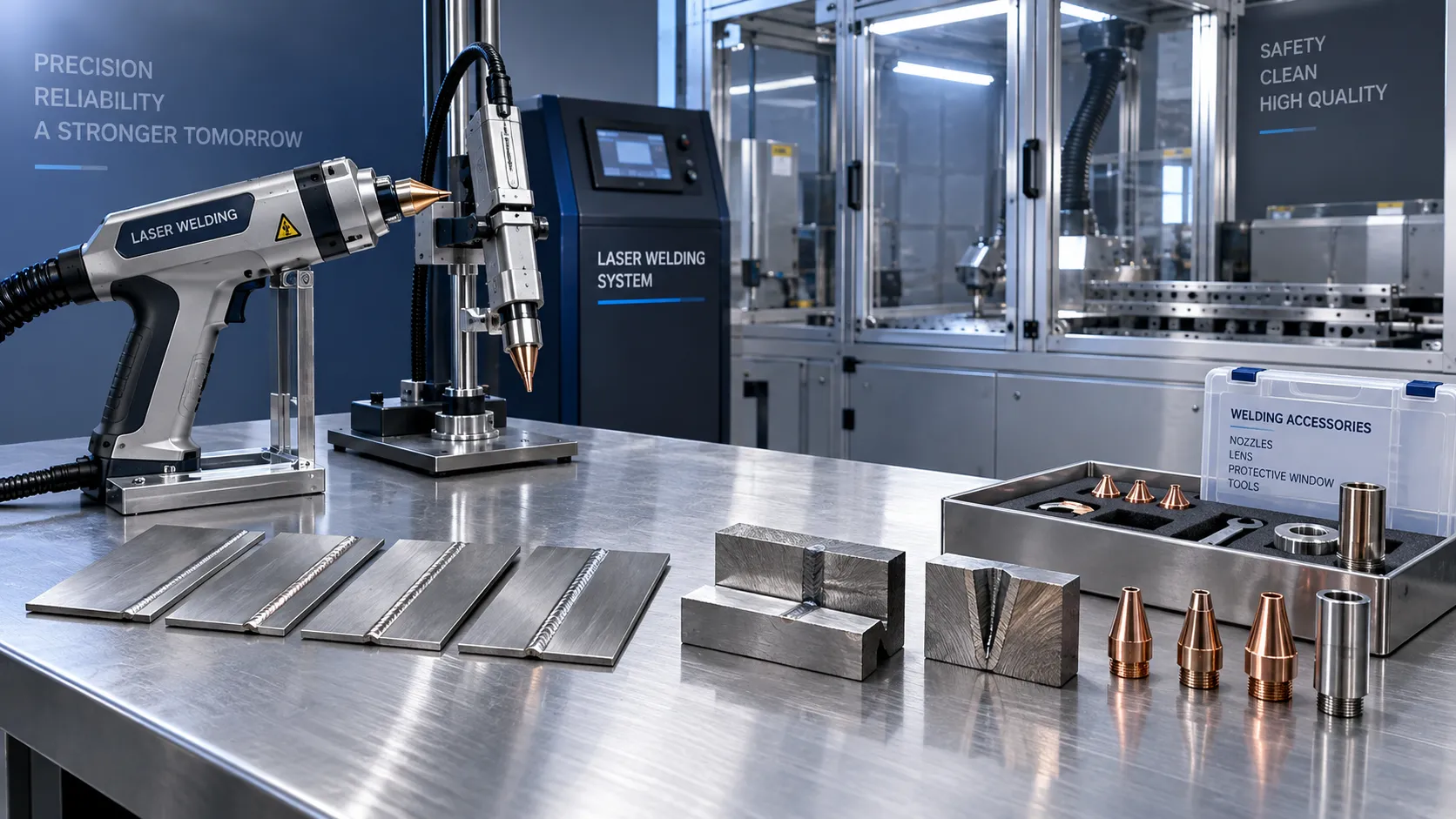
Choosing a Handheld Laser Welding Supplier: Weld Trials, Training, and Service
Choose a handheld laser welding supplier with proven weld trials, safety training, and reliable service. Learn what to verify before buying to reduce downtime and protect your investment.
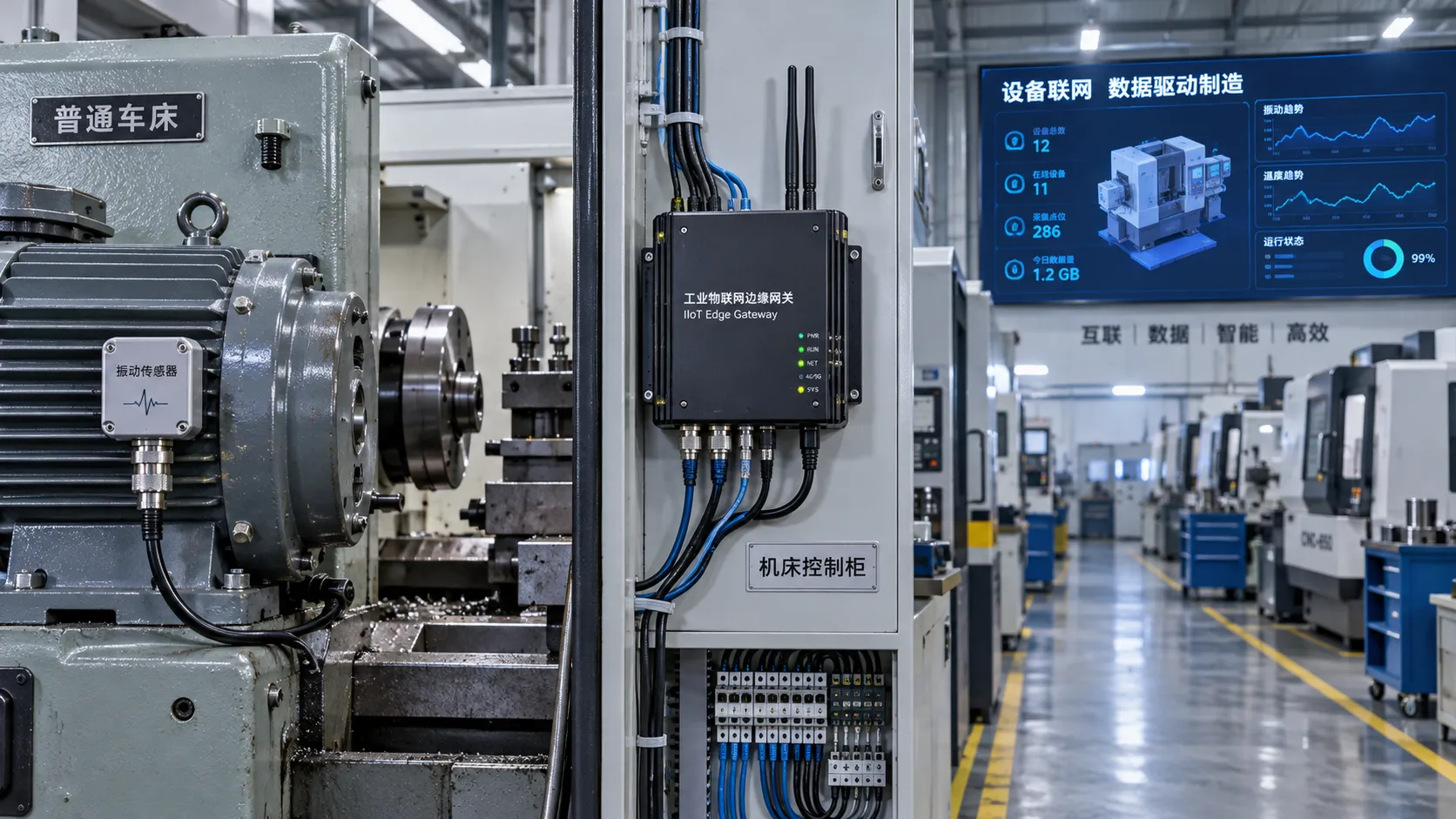
Choosing an Industrial IoT Platform: Key Criteria for Legacy Equipment
Choose an industrial IoT platform for legacy equipment with confidence. Discover key checks for connectivity, data integrity, security, and lifecycle costs before investing.

In-House vs. Outsourced Aircraft Maintenance: Comparing Total Costs
Compare aerospace maintenance cost for in-house vs. outsourced aircraft upkeep. Discover hidden expenses, downtime impacts, and break-even factors to find the best fit for your fleet.
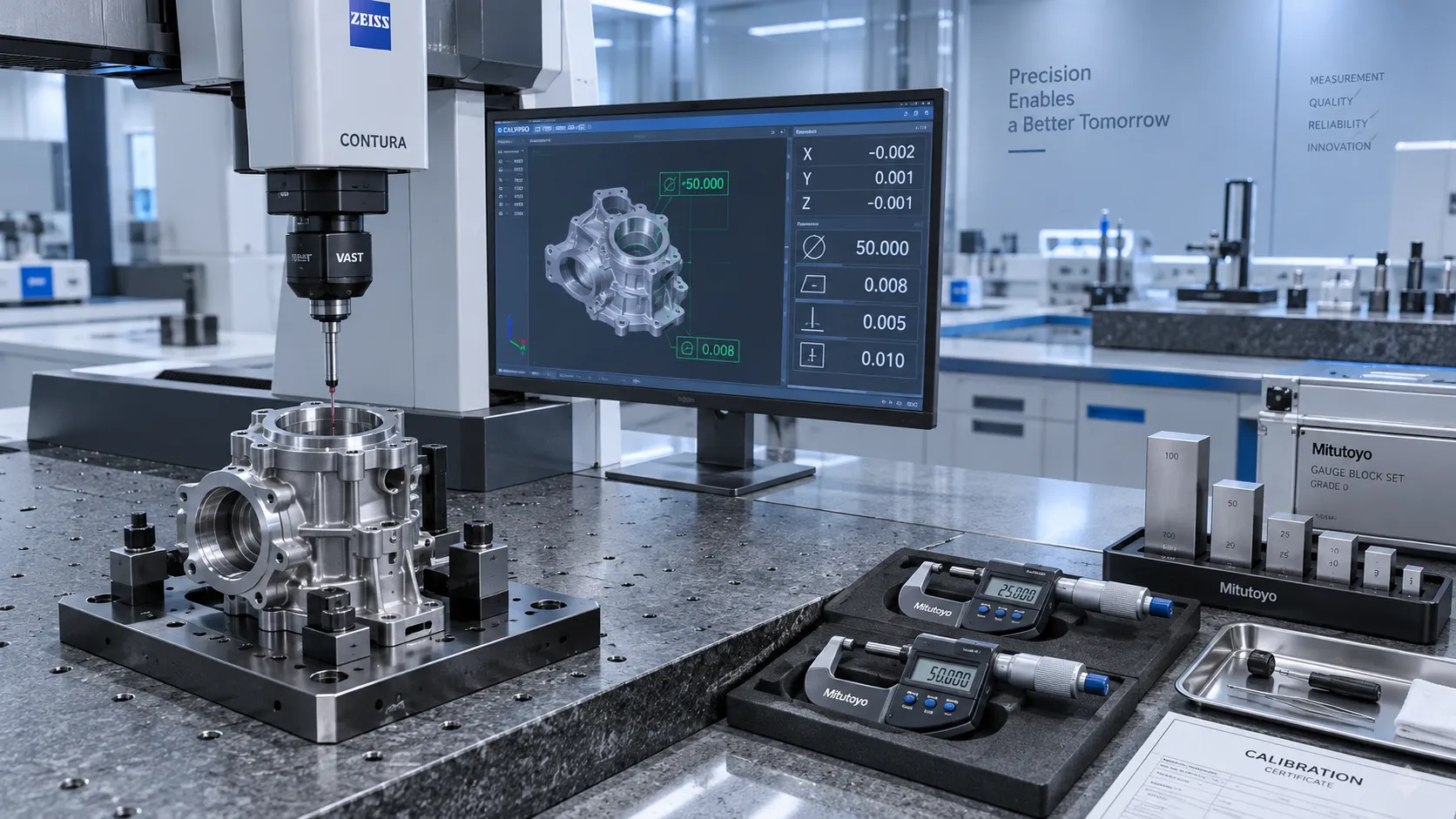
How to Select High-Precision Measuring Instruments for Tight-Tolerance Production?
High-precision measuring instruments are essential for tight-tolerance production. Learn how to evaluate accuracy, repeatability, environment, calibration, and data integration.
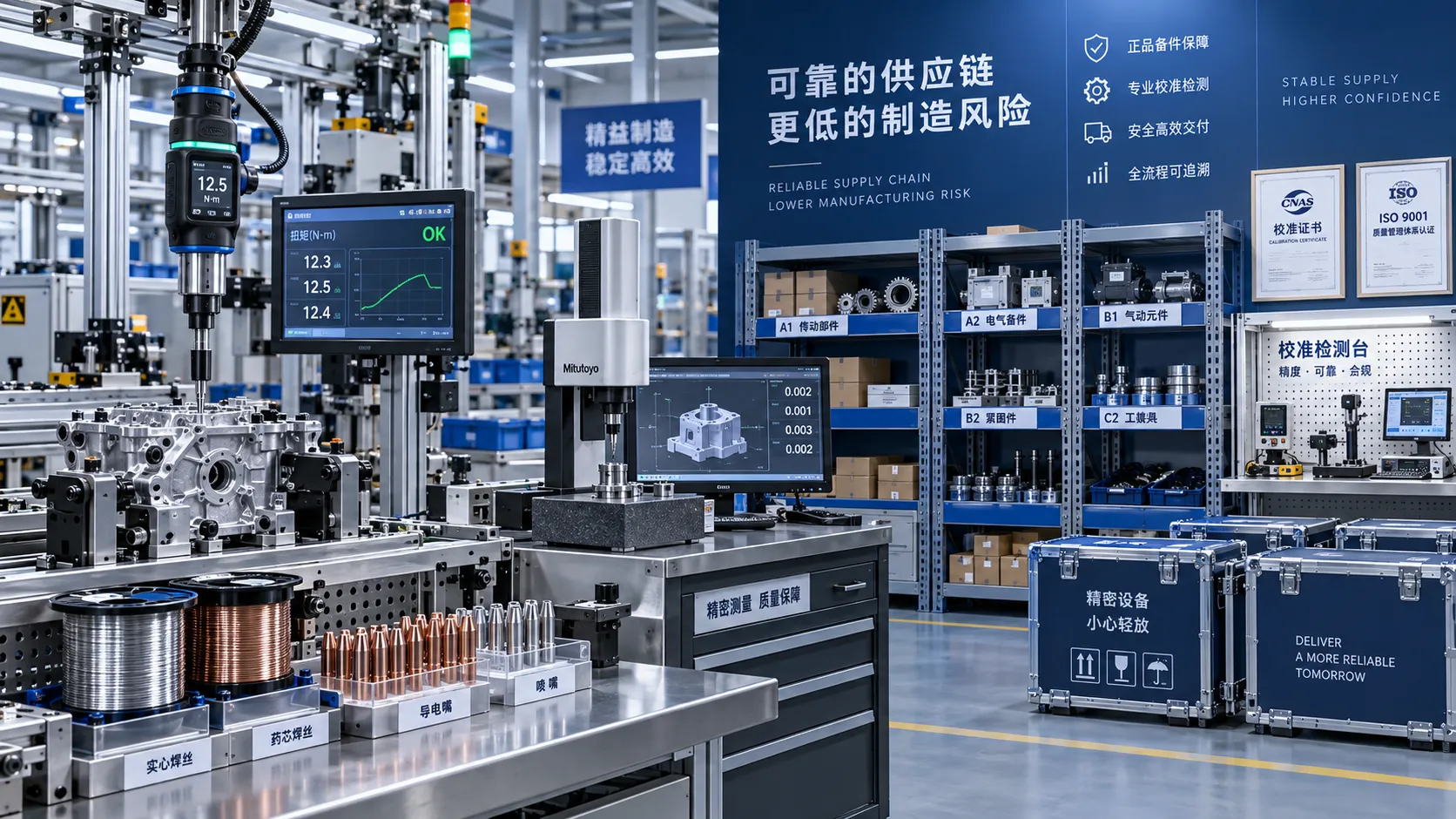
How Industrial Innovation Supplier Networks Reduce Sourcing Risk for Manufacturers
industrial innovation supplier network insights help manufacturers reduce sourcing risk, control lifecycle costs, and choose reliable tools, services, and suppliers with confidence.
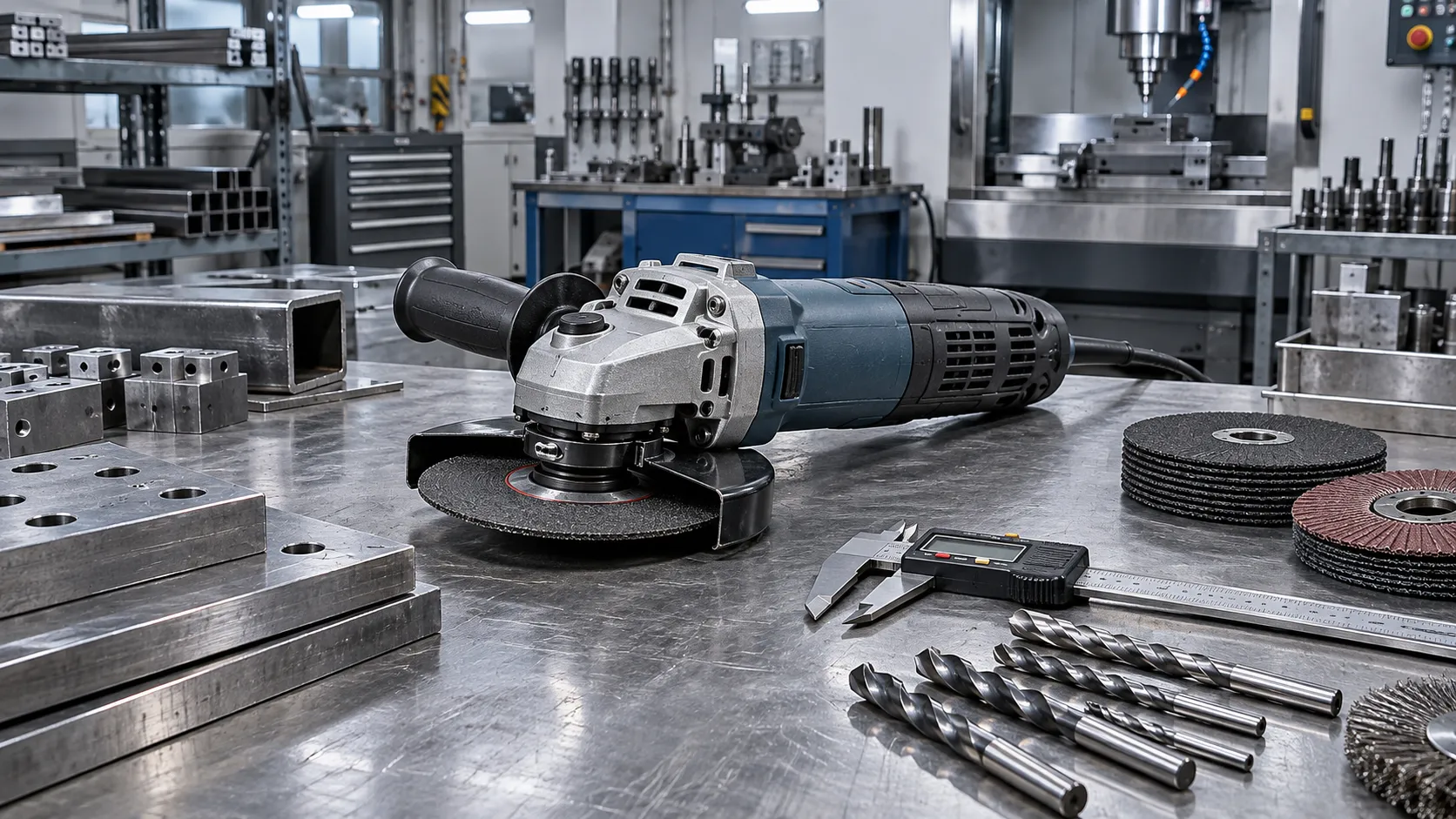
Are Lower-Cost Metalworking Tools More Likely to Fail Early?
Are cheaper metalworking tools more likely to fail early? Explore duty cycle, build quality, and total ownership costs to make smarter buying decisions.

How Do Advanced Manufacturing Methods Improve Batch Consistency?
How do advanced manufacturing methods improve batch consistency? Discover how precision metrology, intelligent torque control, welding automation, and traceable data reduce variation and improve quality.
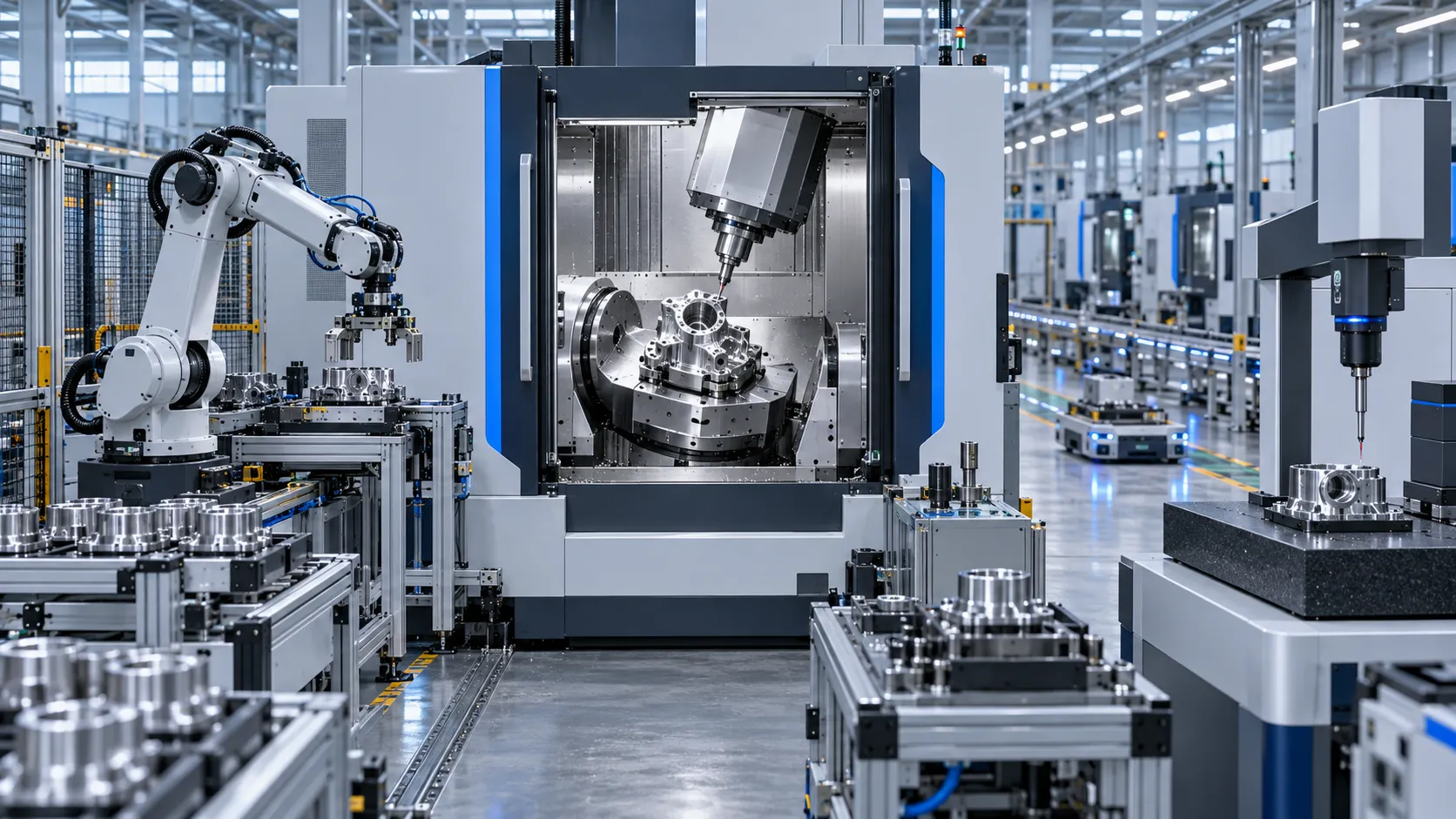
South East Asia Machine Tools Market: Demand Outlook by Manufacturing Industry
South East Asia machine tools market outlook: explore demand from automotive, electronics, fabrication, and infrastructure, plus smart sourcing priorities for manufacturers.
Related News
- 00
0000-00
Are Lower-Cost Metalworking Tools More Likely to Fail Early? - 00
0000-00
PCB Prototyping Equipment Costs: Comparing In-House Machines and Outsourced Builds - 00
0000-00
Why Data-Driven Intelligence Costs Are Reshaping Enterprise Automation Budgets - 00
0000-00
What Does Data-Driven Intelligence Cost? Budgeting for Data, Tools, and Talent - 00
0000-00
What Determines Metrology Technology Prices for Factory Inspection Systems?
Ms. Elena Rodriguez
Weekly Insights
Stay ahead with our curated technology reports delivered every Monday.