
AMS Specifications for Aerospace Tooling: What Do They Cover?





Aerospace Material Specifications (AMS) can define requirements for the material, processing, testing and quality documentation associated with aerospace tooling. They do not automatically certify a complete tool for aerospace use. The controlling requirements depend on the specific specification, its revision, the product form and the way it is invoked by a drawing, purchase order or maintenance instruction.
This distinction matters when a supplier describes a fixture, cutting tool or repair implement as “AMS compliant.” The claim may refer only to a steel bar used to make one component, or to a coating applied during manufacture. Unless the applicable documents say otherwise, it does not establish that the finished assembly meets dimensional, calibration, load or functional requirements.
What an AMS specification can cover
AMS documents are published by SAE International and address a wide range of aerospace materials and processes. A specification normally has a defined scope: it may apply to a particular alloy and product form, a surface treatment, a heat-treatment process or another controlled manufacturing activity. The requirements are not interchangeable simply because two documents carry the AMS designation.
Depending on the document, requirements may address:
- Material identity and condition: composition, product form, manufacturing condition or other characteristics used to define the material being supplied.
- Processing: requirements for operations such as heat treatment or surface treatment, where those operations fall within the specification’s scope.
- Verification: applicable test methods, sampling provisions, acceptance criteria or inspection requirements.
- Identification and records: marking, reporting or traceability requirements specified for the material or process.
Not every AMS document contains the same provisions, and a title alone is not enough to establish them. An evaluator needs the applicable controlled text to determine which requirements apply, who must perform them and what evidence is required. Material selection, tool design and acceptance may also be governed by separate customer or engineering documents.
Start with the tooling requirement, not the claim
For aerospace tools AMS references can appear at several levels: on a drawing for a fixture component, in a material callout for stock, within a process instruction or on a supplier’s certificate. First identify the item to which the reference attaches. A specification invoked for a removable insert should not be assumed to cover the fixture body, fasteners or assembled tool.
Then establish the source of the requirement. A drawing note may prescribe a material and condition; a purchase order may add documentation requirements; an approved repair instruction may identify a specific tool or an accepted equivalent. These documents work together only to the extent that they are applicable. A supplier’s general statement cannot replace a requirement imposed by the purchasing or engineering authority.
The distinction is particularly important for tooling that contacts an aircraft part but does not become part of it. An AMS requirement may be invoked for that tooling, but contact with aerospace hardware does not, by itself, make every AMS material or process specification applicable. Conversely, calling an item “tooling” does not remove a specific requirement imposed by its governing documents.
Material conformity versus finished-tool acceptance
A material certificate can support the identity and properties of the material supplied. It does not necessarily demonstrate that subsequent machining, welding, heat treatment or coating preserved every property required of the finished component. Nor does it verify the fit, alignment or operation of the complete tool.
Consider a fixture component made from material ordered to an AMS specification. The evaluation may need evidence of the source material and its condition, followed by evidence for any later processing required on the drawing. Separately, the fixture may need dimensional inspection and a functional check. Those are distinct acceptance questions, even if all are recorded in the same supplier package.
Read the designation as a complete requirement
A useful specification reference includes more than the letters “AMS.” Record the full designation and revision when specified, along with any related material condition, product form, drawing notes and purchase-order clauses. Confirm that the document applies to the item being supplied: plate, bar, forging or another form may have different requirements even when the underlying alloy is similar.
Revision control deserves particular attention. A purchase order or drawing may invoke a stated revision, while another controlling agreement may define which revision applies. Do not assume that the latest revision is automatically acceptable, or that an older certificate satisfies a newer order. Where the documents conflict or do not identify the governing revision clearly, obtain a documented clarification from the authority responsible for the requirement before accepting a substitution.
The same discipline applies to optional or supplemental requirements. A specification may permit choices or require the purchaser to state particular details. A certificate that names the specification but leaves an order-specific requirement unaddressed may be incomplete, even if the material itself appears suitable.
Follow the evidence through the supply chain
A defensible review connects each claim to an identifiable item and the operation performed on it. Begin with the purchase order and drawing, then follow the evidence from material receipt through processing and final inspection. The level of detail needed will depend on the governing requirements; it should not be invented after delivery or assumed from a supplier’s marketing description.
- Identify the controlled item. Match the part number, drawing revision and quantity to the delivered component or assembly. Distinguish the finished item from raw stock and subcontracted process work.
- Review material records. Check the designation, product form, condition and applicable revision against the order. Where required, verify that heat or lot identification connects the record to the material used.
- Review process evidence. For each invoked process, establish what was done, which item or lot was processed and whether the record addresses the specified requirements. Check for required approvals or qualifications where the contract calls for them.
- Check finished-tool acceptance. Examine dimensional, functional, calibration or load-test records when those checks are required by the tool’s governing documents. Do not infer them from a material or process certificate.
- Resolve gaps before acceptance. Record missing evidence, conflicting revisions, unexplained substitutions and nonconformances. Obtain an authorized disposition rather than treating an undocumented difference as equivalent.
A certificate of conformity can be useful, but its evidential value depends on its scope and the requirements of the order. It may declare conformity without reproducing all test results. Where actual results, source certificates or process records are required, verify their availability and traceability rather than assuming that a general declaration contains them.
Traceability can also be lost during ordinary manufacturing. Material cut from a larger stock item, components sent to a processor and parts returned for assembly must remain identifiable where the applicable requirements demand it. A matching alloy name on an isolated certificate is weaker evidence than a documented link between the supplied material, the processed component and the delivered tool.
Recognizing claims that need clarification
These questions do not imply that a supplier’s claim is false. They establish whether its scope matches the requirement being evaluated. “Aerospace grade” is not a substitute for a designation, and “certified” should not be interpreted as an independent certification of the complete tool without evidence of the certification scheme and its scope.
Where AMS stops short of tool performance
An AMS material or process specification does not necessarily define a fixture’s locating accuracy, a torque tool’s calibration interval or the safe working load of a lifting device. Those characteristics may be specified in a tool drawing, calibration procedure, equipment standard, customer requirement or maintenance instruction. An acceptable material certificate cannot compensate for a missing functional test when that test is required.
Likewise, a process specification is not automatically a complete manufacturing plan. A coating requirement may need to be read alongside instructions for preparation, coating location, dimensions after processing and inspection of the finished item. Surface treatment can affect fit or electrical contact, so the relevant drawing features and acceptance criteria need to be considered as well as the process record.
For measuring and torque tools, separate material suitability from measurement capability. A handle or mechanism may contain material produced to an AMS requirement, but confidence in readings depends on the applicable calibration and verification arrangements. Check the tool identity, measurement range, required accuracy, calibration status and any conditions specified for use. An AMS reference alone does not establish measurement traceability.
Repair and maintenance tooling adds another constraint: the approved instruction may require a particular tool, configuration or authorized equivalent. A tool made from the same nominal material is not necessarily interchangeable. Differences in geometry, access, load path or contact surface can affect the operation even when the material documentation is complete.
Handling missing or conflicting requirements
When an order says only “AMS compliant,” ask the issuing authority to identify the applicable specification and the item or process it governs. If a drawing calls out one revision and the purchase order another, retain both references and request a written resolution. The evaluator should not choose a revision solely because it is easier to source or because a supplier already has a certificate for it.
Where material records are missing, later inspection may establish certain characteristics, but it should not automatically be treated as a replacement for required provenance or processing records. Whether additional testing, reprocessing, a deviation or rejection is appropriate depends on the controlling requirements and an authorized technical disposition.
The practical acceptance decision is therefore narrower than “does the tool have AMS paperwork?” It is whether every invoked material and process requirement is supported by evidence for the correct item, and whether the separate requirements for the finished tool have also been met. Any unresolved gap should remain visible in the acceptance record until the responsible authority determines its disposition.
Related News

Calibration Tool Specifications: Where to Find and Verify Product Data
Explore product information resources for calibration tools and learn how to verify specifications, certificates and traceability before you buy.
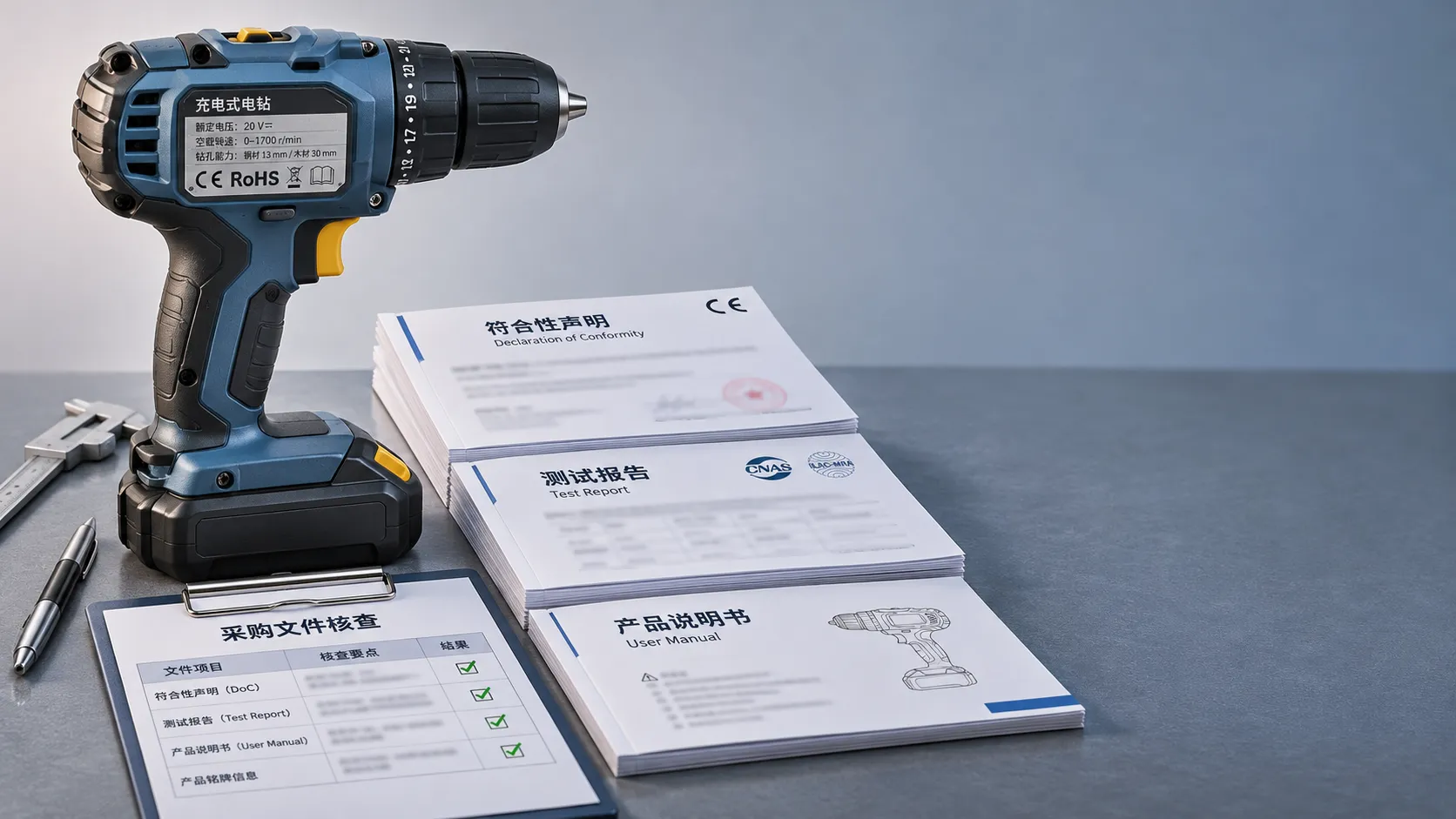
Choosing CE-Marked OEM Tools: Documents Buyers Should Check
Buying OEM tool solutions CE certified for Europe? Discover the documents to check, avoid costly compliance gaps, and choose suppliers with confidence.

Industrial Innovation Trends: Where Manufacturers Should Invest
Explore industrial innovation trends in fastening, metrology, laser welding, and connected tools—and discover where manufacturers should invest.
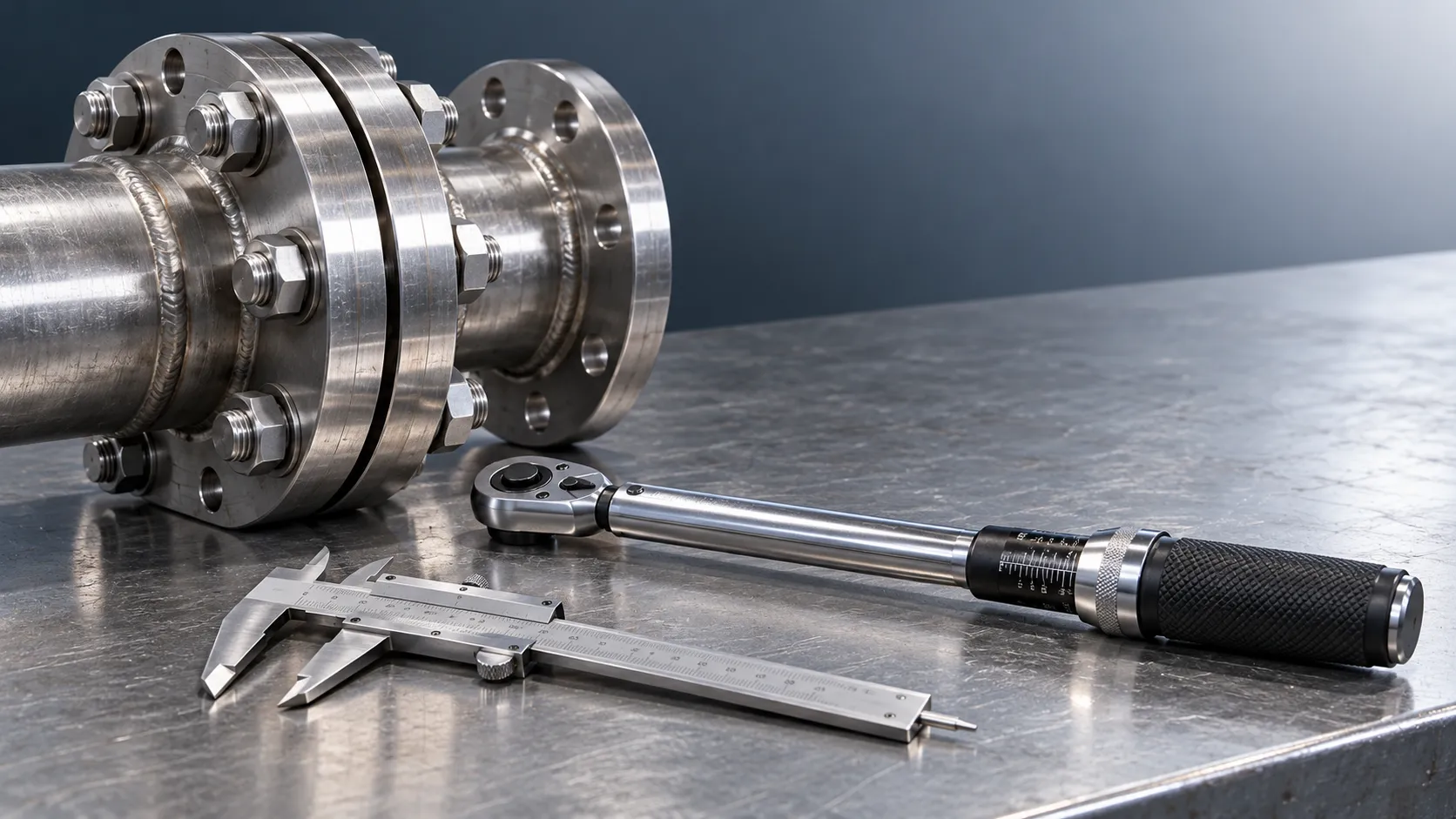
Industrial Assembly Specifications: How to Define Tolerances and Torque
Explore specification-oriented articles on industrial assembly and learn how to define tolerances, validate torque settings, and improve joint reliability.

Choosing Industrial Assembly Solutions for High-Mix Production Lines
Choose industrial assembly solutions for high-mix production with practical guidance on changeovers, quality, traceability, automation, and total cost.
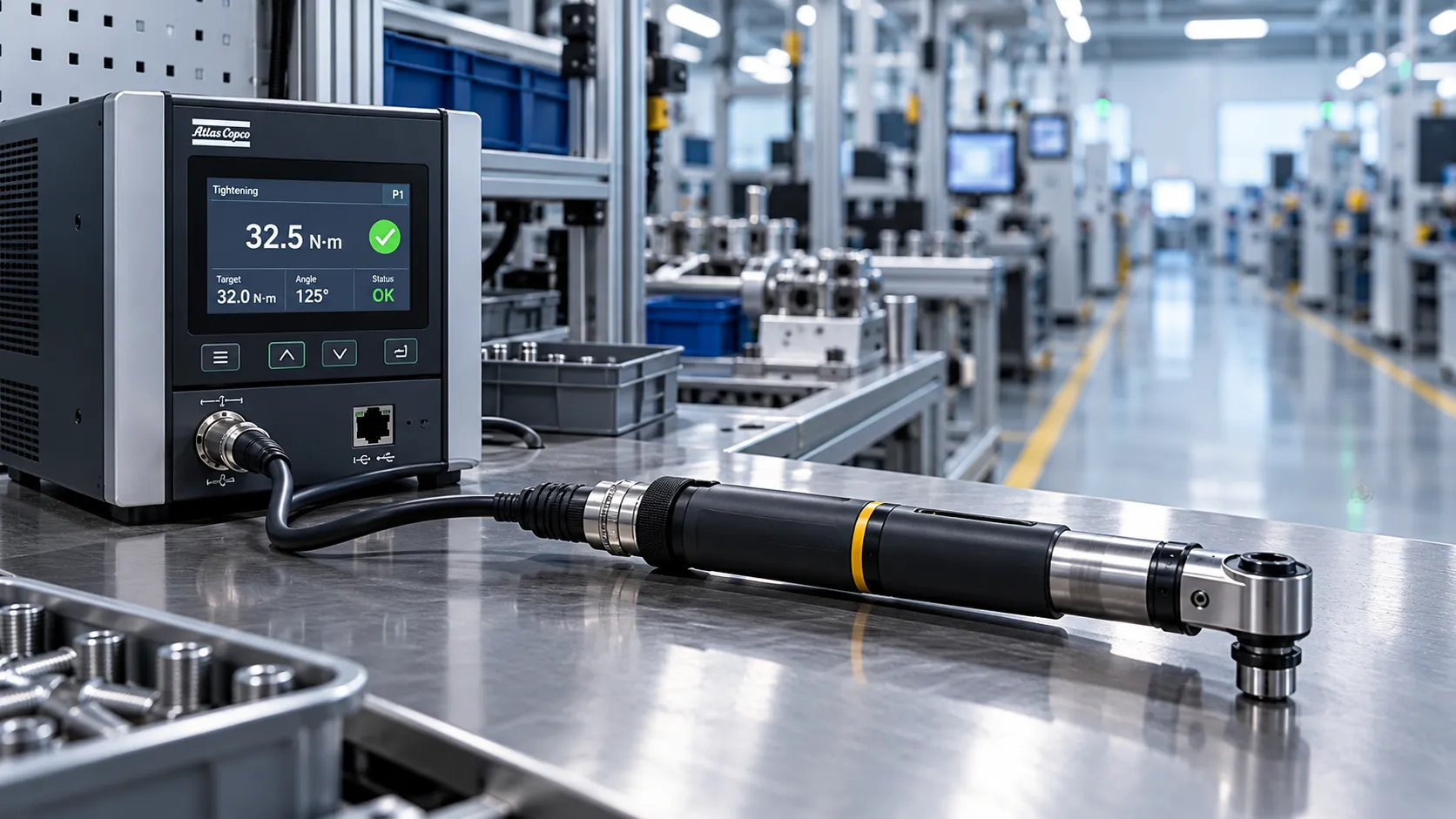
Choosing an Industrial IoT Tools Distributor: Integration and Support Criteria
Choose an industrial IoT tools distributor with confidence. Compare integration, support, security, and lifetime costs to avoid hidden risks and protect production.
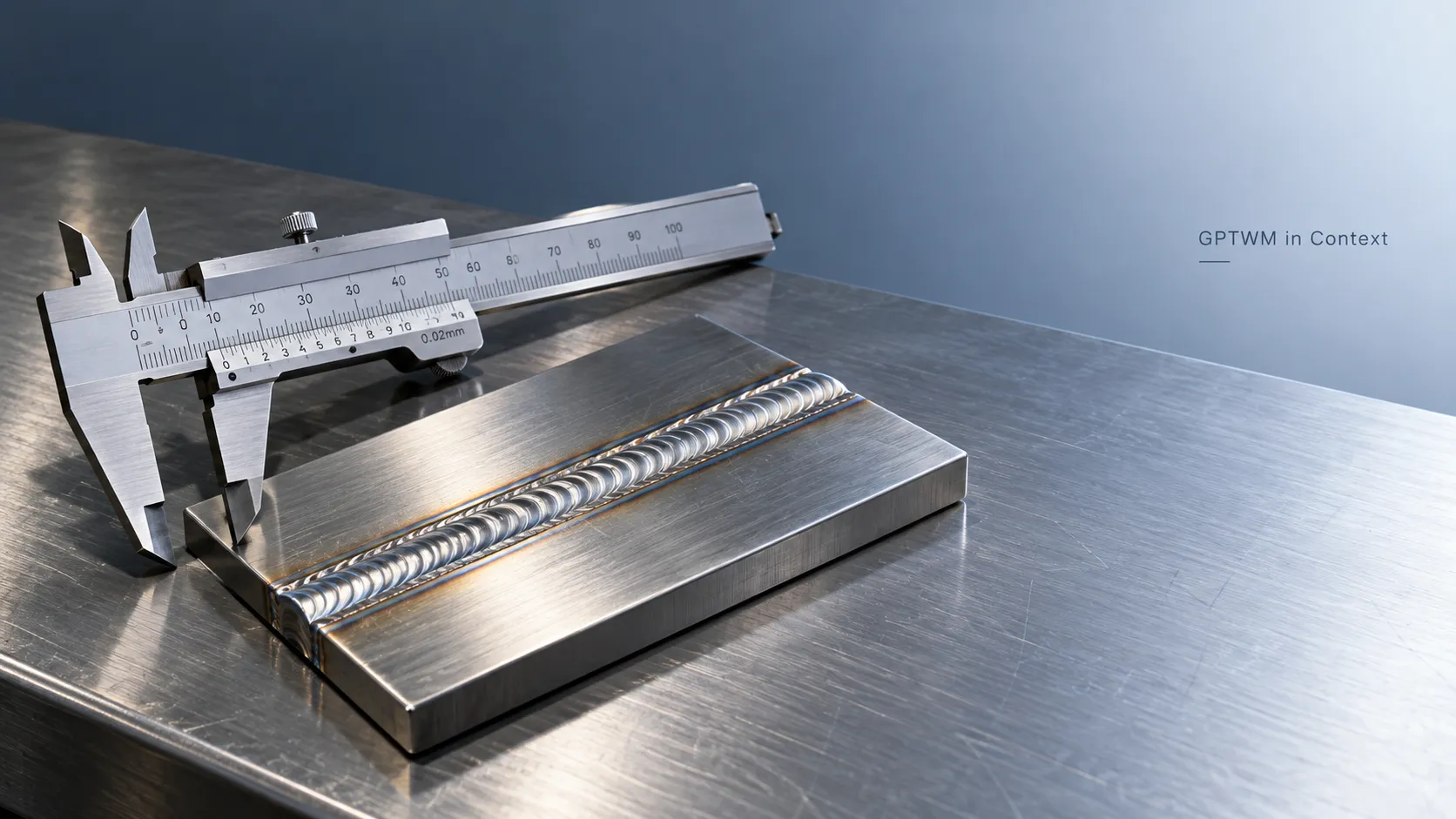
What Does GPTWM Mean? How to Verify Its Meaning in Context
What does gptwm mean? Explore its industrial context and learn how to verify the full name, publisher, and supporting sources before relying on its claims.

Industrial AI Compliance Guide: What to Check Before Factory Deployment
Use this industrial intelligence compliance guide to check safety, legal duties, cybersecurity, and validation before factory AI deployment. Explore the checklist to close critical gaps.
Choosing a Laser Welding Equipment Supplier: Weld Trials, Warranty, and Support
Choosing a laser welding equipment supplier? Learn how to verify weld trials, compare warranty coverage, and assess support to reduce downtime and buy with confidence.
Related News
- 00
0000-00
Calibration Tool Specifications: Where to Find and Verify Product Data - 00
0000-00
Industrial Assembly Specifications: How to Define Tolerances and Torque - 00
0000-00
AMS Specifications for Aerospace Tooling: What Do They Cover? - 00
0000-00
Choosing Industrial Assembly Solutions for High-Mix Production Lines - 00
0000-00
Industrial AI Compliance Guide: What to Check Before Factory Deployment
0000-00
Prof. Marcus Chen
Weekly Insights
Stay ahead with our curated technology reports delivered every Monday.