
Choosing Industrial Assembly Solutions for High-Mix Production Lines





When a production line moves between product variants, the fastest tool is not necessarily the best choice. A station that performs well on one assembly may require fixture changes, new fastening programs, or additional inspection on the next. Those interruptions can erase cycle-time gains and introduce wrong-part or wrong-recipe errors. Choose industrial assembly solutions by testing the complete process across representative variants, with particular attention to changeover, quality controls, and integration.
Start with the operations that constrain the line and the joints that carry the greatest quality risk. Then compare manual, assisted, and automated options against the same workload and acceptance criteria. A practical selection should demonstrate that operators can switch variants reliably, process evidence can be associated with the correct unit, and the line can recover from faults without bypassing essential controls.
Define the production envelope before comparing equipment
A list of current products is a starting point, not a complete specification. Map the differences that affect each station: part size and weight, access direction, material and coating, joint design, fastener type, required accuracy, and the order in which operations must occur. Identify shared features as well as the variants that create exceptional conditions. A flexible cell only helps if those exceptions can be processed without unsafe handling or undocumented workarounds.
Include expected batch patterns and the frequency of changeovers. A system designed for occasional model changes may struggle when operators switch variants several times during a shift. Conversely, investing in automatic tooling changes may be difficult to justify if product changes are infrequent and a simple fixture swap is controlled and repeatable.
For each operation, record the required output and the actual time available after planned breaks, maintenance, and other known losses. Distinguish station processing time from the time consumed by loading, part identification, inspection, and changeover. The relevant constraint may be a shared inspection station rather than the assembly tool itself.
Compare flexibility at the station level
High-mix lines rarely require the same level of automation everywhere. A manual workstation with controlled tools can accommodate frequent design changes, while a dedicated automatic station can be effective for a stable, repetitive operation. The comparison should focus on the effort needed to introduce and validate a different variant, not simply on whether equipment is programmable.
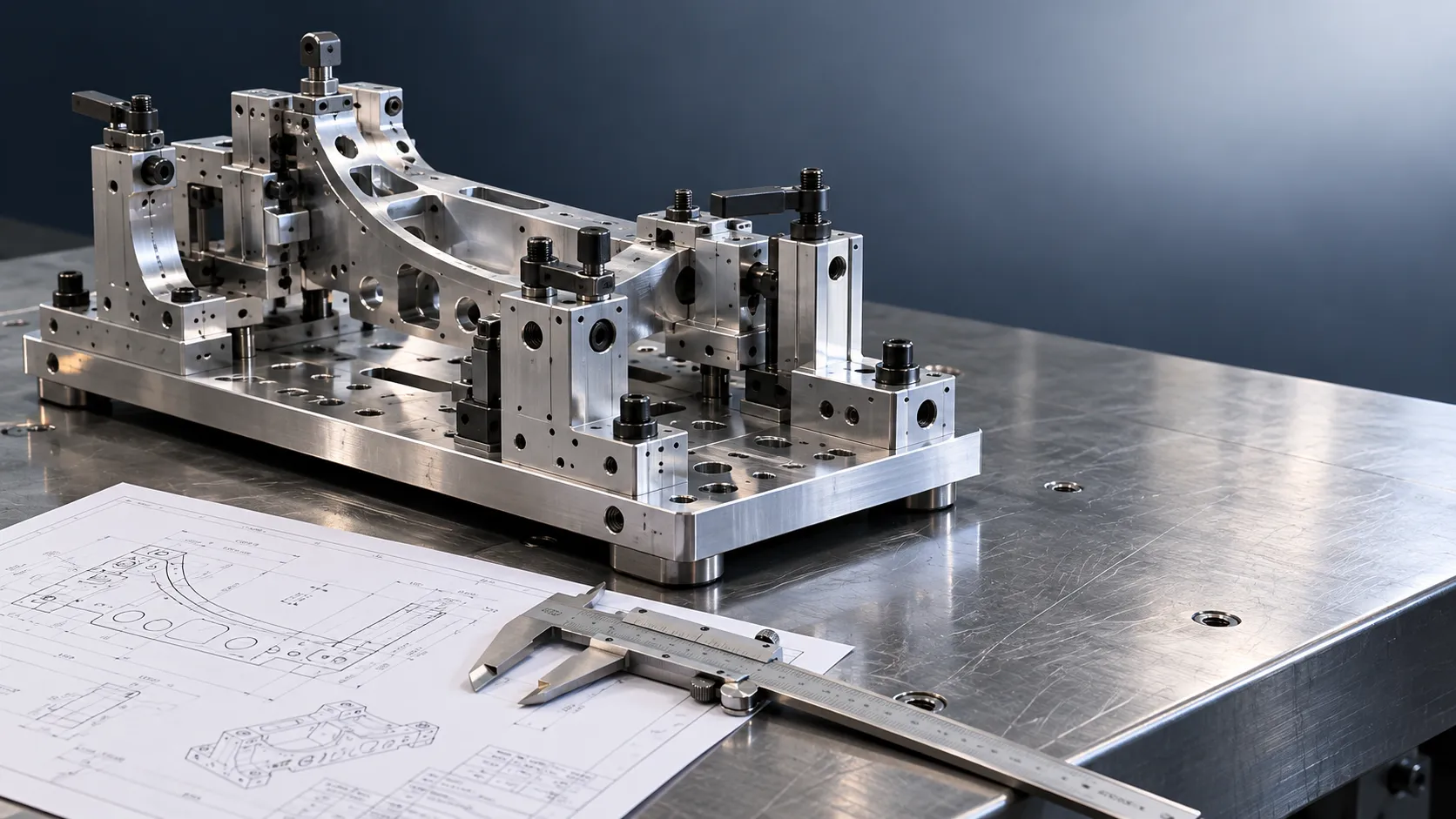
Fixture strategy often determines whether a nominally flexible system remains flexible in production. Evaluate location points, clamping forces, access for tools, and the possibility of loading a part in the wrong orientation. Adjustable fixtures reduce hardware changes but can create setting errors; interchangeable fixtures can be quicker to verify but require storage, identification, and maintenance. Ask for a demonstration using the least convenient part geometry, not only the easiest one.
Match the joining process to joint variation
Fastening: control the joint, not just the tool setting
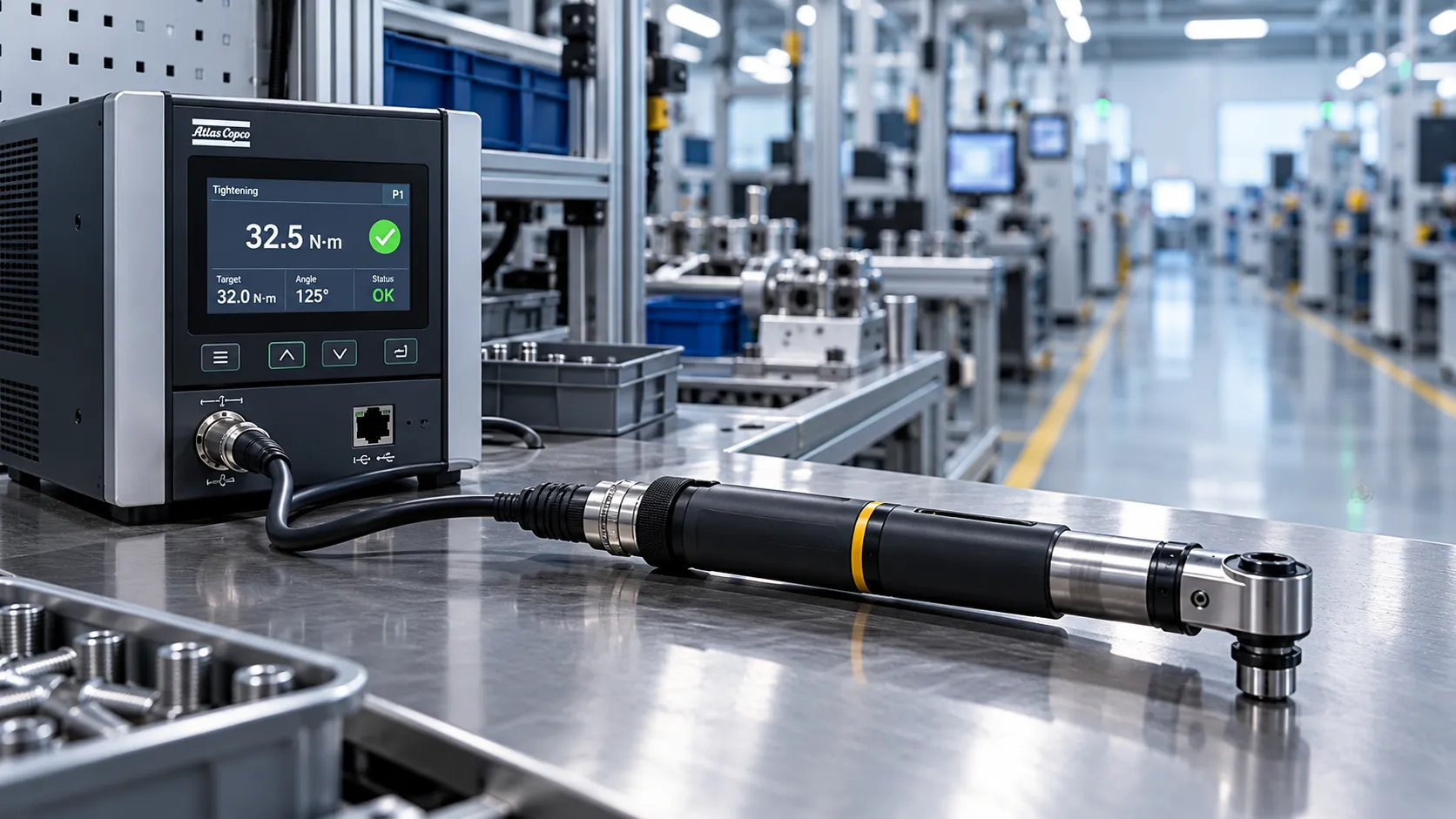
For threaded joints, compare torque range, angle capability, access, reaction forces, and the tool’s behavior as the joint seats. A low-profile joint in a confined cavity may need a different tool head or reaction arrangement from an accessible joint, even when the target torque is similar. Tool capacity should cover the required operating range without forcing the process to run at an unsuitable extreme.
Torque alone does not establish clamp load for every joint. Friction, coatings, lubrication, fastener condition, and joint stiffness affect the relationship. Where the joint design requires it, evaluate torque-and-angle strategies or other approved verification methods against representative materials and conditions. Define what constitutes an acceptable tightening result, what happens after an interrupted cycle, and whether a previously tightened fastener can be safely reworked.
Programmable controllers can select parameters by variant and record results, but they also create configuration risks. Check who can edit a recipe, how revisions are approved, and whether the controller prevents use of an incompatible tool or program. A result marked acceptable is useful only if it belongs to the correct fastener location and the correct assembly.
Welding and other permanent joints
When comparing welding methods, examine material combinations, thickness, fit-up variation, access, distortion sensitivity, and the inspection required after joining. A process that produces an acceptable joint under ideal fit-up may be less tolerant of the gaps and edge conditions present across a product family. Include preparation and post-process work in the comparison, not just arc or beam time.
For handheld laser welding, equipment selection must include a site-specific safety assessment covering beam exposure, reflections, guarding, interlocks where applicable, fumes, and operator training. Do not assume that a compact torch eliminates enclosure or extraction requirements. Confirm the applicable local requirements and the equipment supplier’s documented operating limits before treating the process as a drop-in replacement.
Adhesive bonding, riveting, and other joining methods may suit particular material combinations or access constraints, but each introduces its own controls. Surface preparation and cure conditions matter for adhesives; hole quality, access, and fastener retention matter for mechanical joining. Compare these requirements with the line’s available space and handling sequence before selecting the method.
Build measurement into the process decision
Inspection should verify the characteristic that matters, at a point where an error can still be contained. A caliper or gauge may be appropriate for a readily accessible dimension; a fixture-based gauge or automated measurement system may be justified when positioning, throughput, or data collection is more demanding. Choose the measurement method after defining the tolerance, part condition, datum scheme, and required decision—not from the instrument’s display resolution alone.
Check whether the proposed method can distinguish acceptable from unacceptable variation under production conditions. Consider operator technique, fixture repeatability, temperature, surface condition, calibration, and the time available for measurement. Where the risk warrants it, use a measurement system analysis suited to the characteristic and sampling plan. A measurement system that cannot reliably support the acceptance decision can create both false rejects and missed defects.
Decide how inspection results affect the next operation. Is a failed unit physically held, flagged for review, or allowed to continue? Who can release it, and is the original result retained? These rules should be defined alongside station design; adding a sensor later does not automatically create an effective containment process.
Traceability and controls: test the failure paths
Digital connectivity is valuable when it links a unit, its variant, the operation, and the relevant result. Before selecting controllers or software, identify which characteristics actually need recorded evidence and how the record will be used. Some operations may require individual fastener results; others may need only a verified completion status. Excess data that cannot be retrieved or interpreted adds integration work without improving a decision.
During evaluation, follow a unit through normal processing and through exceptions. Confirm the behavior when a barcode is unreadable, a network connection drops, a tool reports a fault, or the operator scans the wrong variant. Determine whether the station blocks work, buffers results, or permits an authorized offline mode. Any recovery procedure should prevent results from being silently assigned to the wrong unit.
Request interface documentation and clarify responsibility for controller configuration, data mapping, software updates, and support. Verify time synchronization, user access, revision history, and retention arrangements where they are relevant to the site’s requirements. A demonstration that only shows a dashboard is insufficient; the evaluation needs to show how records are created, retrieved, corrected, and protected from unauthorized changes.
Run a representative comparison, not a catalog comparison
Use the same test conditions for shortlisted options. Include a high-runner, a variant with difficult access, a part near an acceptable dimensional limit where available, and a changeover between substantially different configurations. The purpose is not to manufacture a favorable cycle time; it is to expose the tasks and failure modes that would be present on the line.
- Agree on acceptance criteria. Define output, joint quality, inspection capability, operator access, required records, and the permitted changeover procedure before the demonstration.
- Observe the complete cycle. Include loading, identification, tool or fixture adjustment, assembly, inspection, and unloading. Record manual interventions separately from automatic processing.
- Introduce foreseeable interruptions. Test a misloaded part, an interrupted fastening cycle, and a rejected measurement where relevant. Observe containment and recovery rather than assuming an alarm is enough.
- Repeat the changeover. Check whether settings are identifiable, adjustments are verifiable, and the first unit after the switch receives the required confirmation.
- Document unresolved conditions. Separate demonstrated performance from supplier proposals that still require tooling, software development, or site acceptance testing.
Use a weighted decision matrix only after setting non-negotiable limits. Safety, required joint quality, physical access, and essential traceability should not be traded away because another option scores well on purchase cost or cycle time. Weight the remaining criteria according to the actual workload, and record assumptions so the ranking can be revisited if the product mix changes.
Account for ownership and future changes
The quoted equipment price is only one part of the comparison. Include fixtures, installation, controls integration, guarding, extraction where needed, training, calibration, consumables, spare parts, and planned maintenance. Estimate the engineering effort to add a variant or revise a recipe, as well as the production time required to validate that change. Avoid presenting uncertain future costs as fixed facts; compare options using stated assumptions and a reasonable range.
Availability also depends on support arrangements. Establish which components can be replaced locally, what diagnostic information is available, and whether a failed controller or tool can be restored from a controlled configuration. For shared equipment, examine whether a fault stops one operation or several stations. A simpler station with a manageable recovery procedure may be preferable to a faster integrated cell whose downtime affects the entire line.
Before release, assign ownership of the baseline recipes, fixtures, inspection plans, and change controls. Require evidence that the selected configuration meets the agreed criteria on the intended parts, then define what must be revalidated when material, fastener, tooling, or software changes. This keeps flexibility from becoming uncontrolled variation after the equipment enters service.
Related News
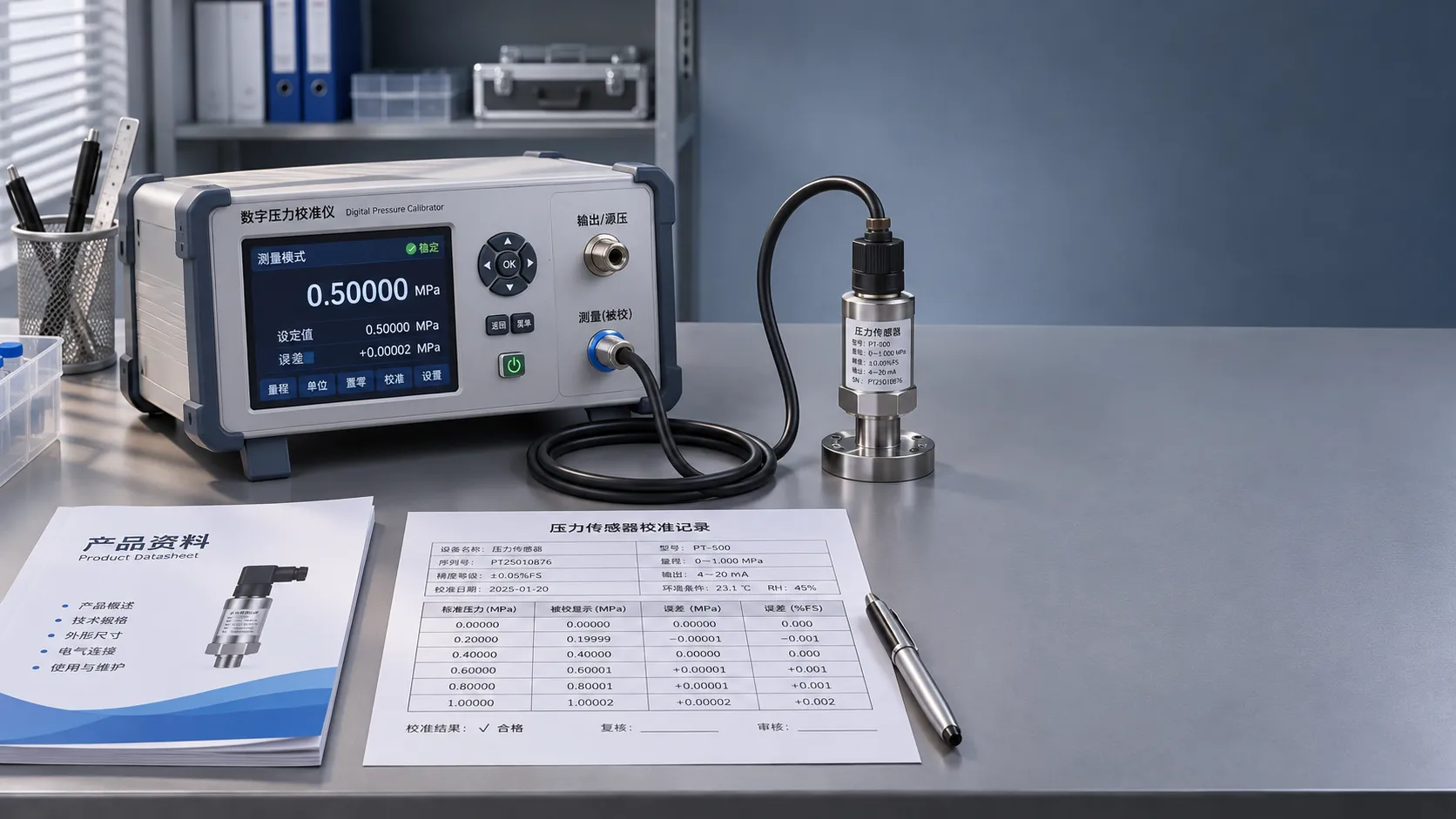
Calibration Tool Specifications: Where to Find and Verify Product Data
Explore product information resources for calibration tools and learn how to verify specifications, certificates and traceability before you buy.
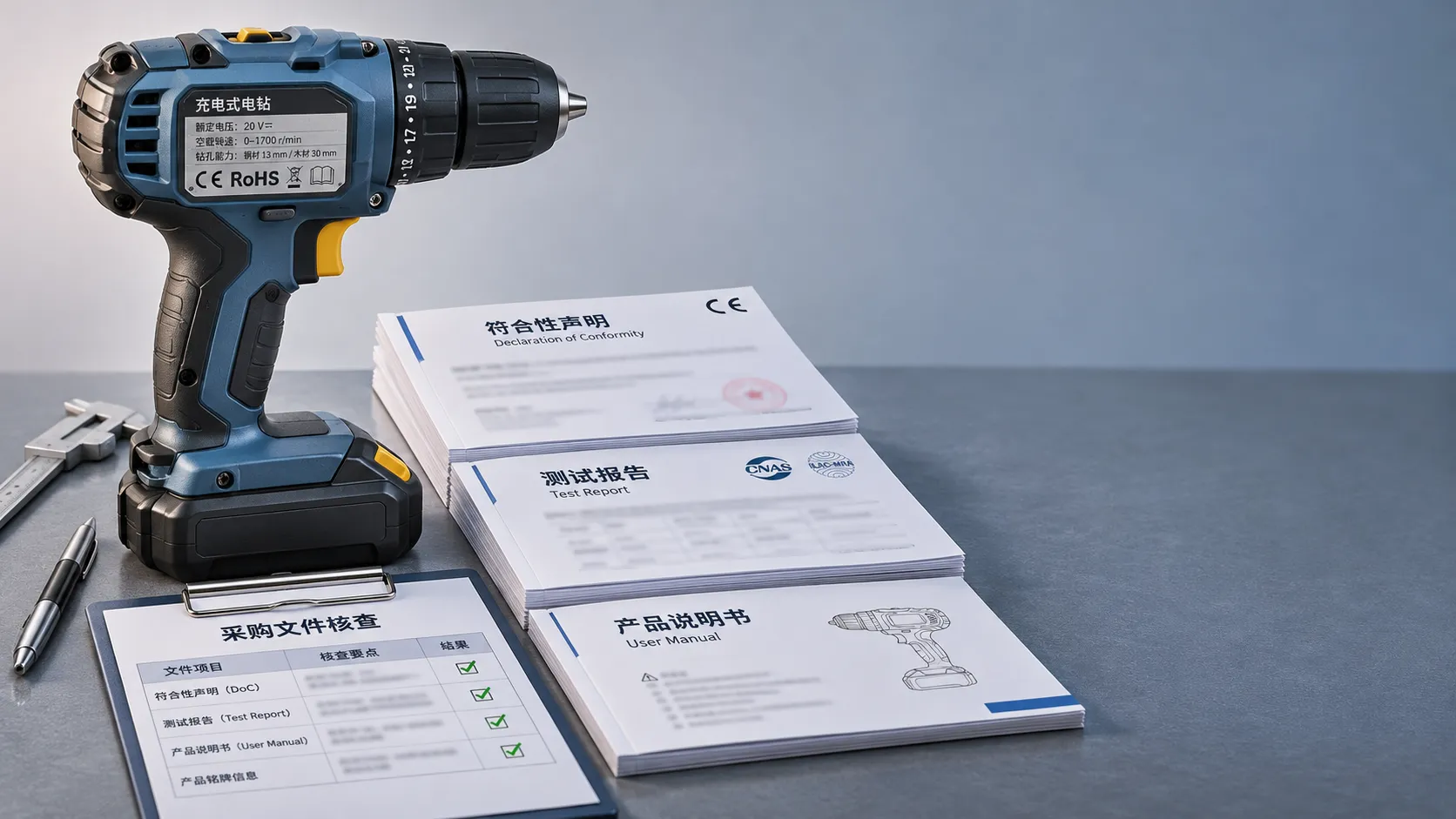
Choosing CE-Marked OEM Tools: Documents Buyers Should Check
Buying OEM tool solutions CE certified for Europe? Discover the documents to check, avoid costly compliance gaps, and choose suppliers with confidence.
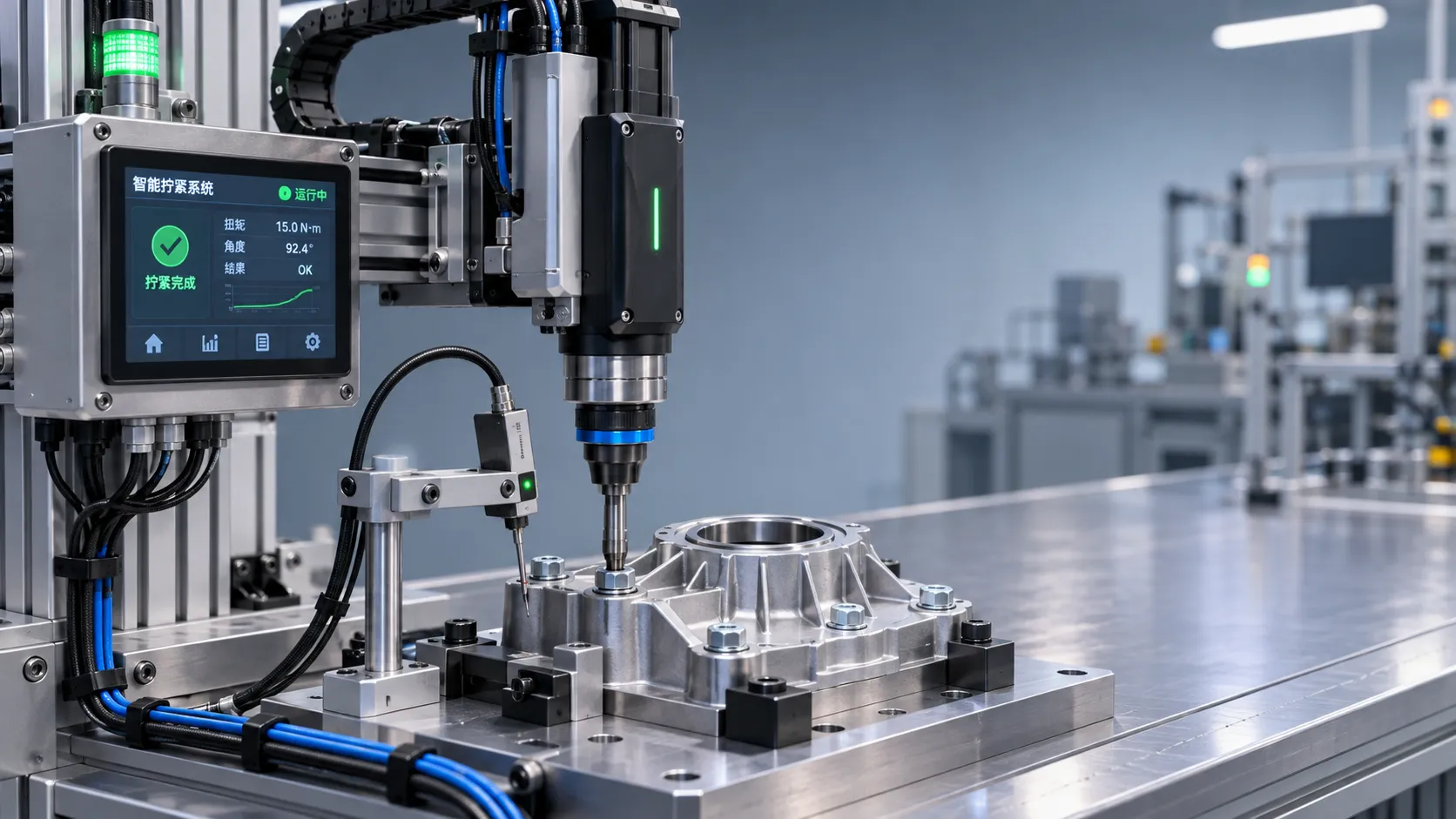
Industrial Innovation Trends: Where Manufacturers Should Invest
Explore industrial innovation trends in fastening, metrology, laser welding, and connected tools—and discover where manufacturers should invest.
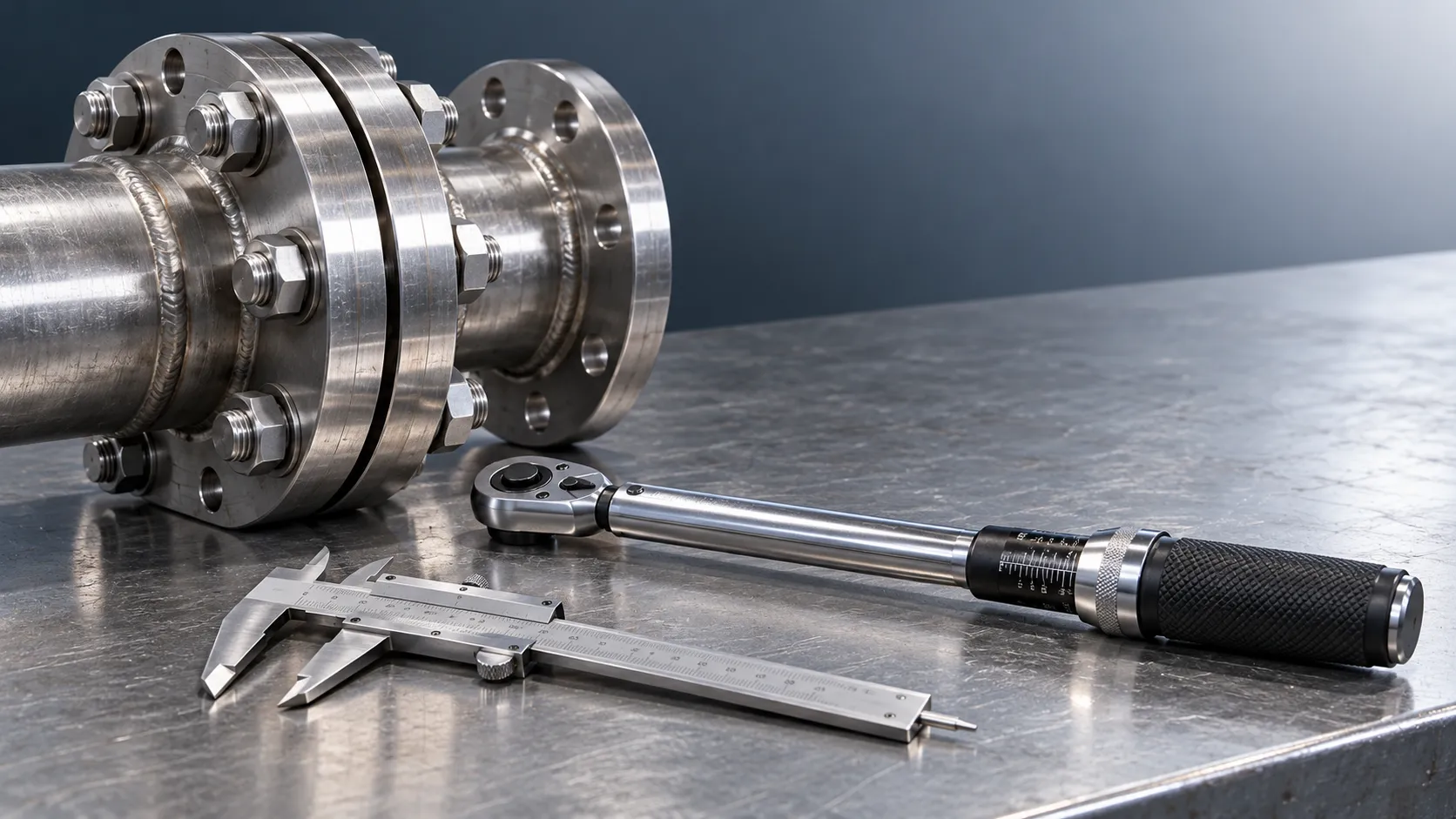
Industrial Assembly Specifications: How to Define Tolerances and Torque
Explore specification-oriented articles on industrial assembly and learn how to define tolerances, validate torque settings, and improve joint reliability.
AMS Specifications for Aerospace Tooling: What Do They Cover?
Aerospace tools AMS requirements can cover materials, processes and documentation. Learn how to verify compliance and assess finished-tool acceptance.
Choosing an Industrial IoT Tools Distributor: Integration and Support Criteria
Choose an industrial IoT tools distributor with confidence. Compare integration, support, security, and lifetime costs to avoid hidden risks and protect production.
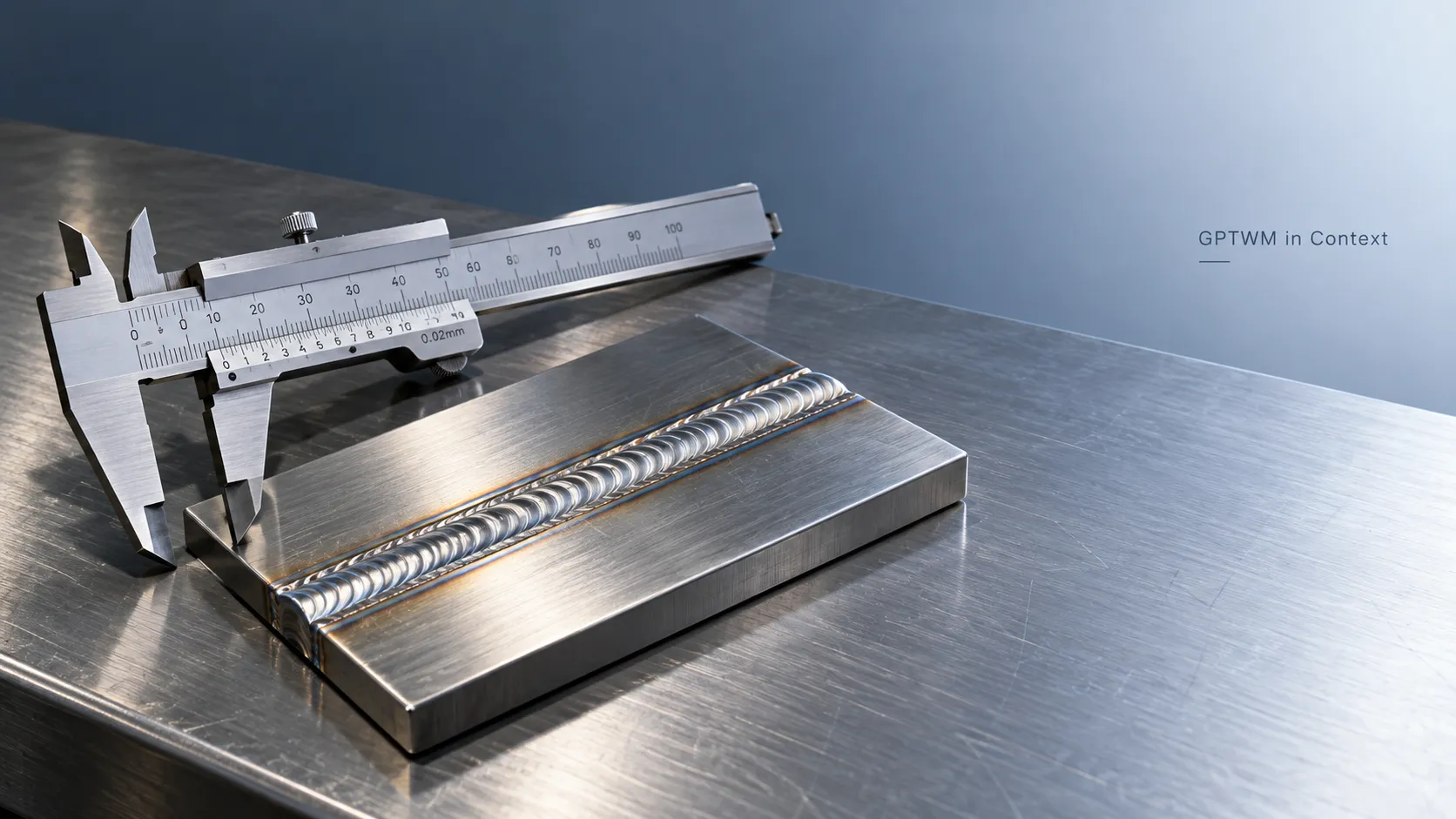
What Does GPTWM Mean? How to Verify Its Meaning in Context
What does gptwm mean? Explore its industrial context and learn how to verify the full name, publisher, and supporting sources before relying on its claims.
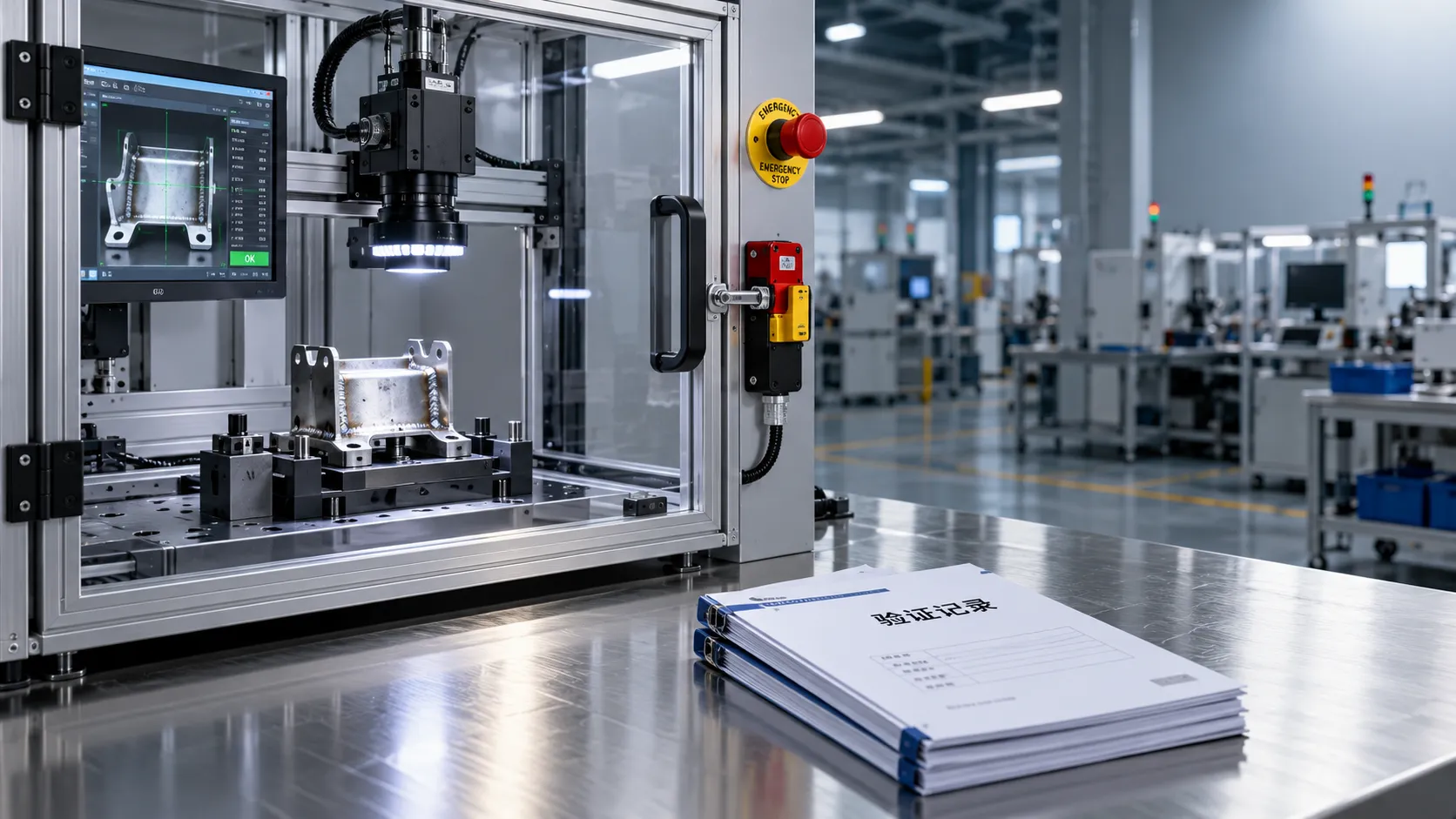
Industrial AI Compliance Guide: What to Check Before Factory Deployment
Use this industrial intelligence compliance guide to check safety, legal duties, cybersecurity, and validation before factory AI deployment. Explore the checklist to close critical gaps.
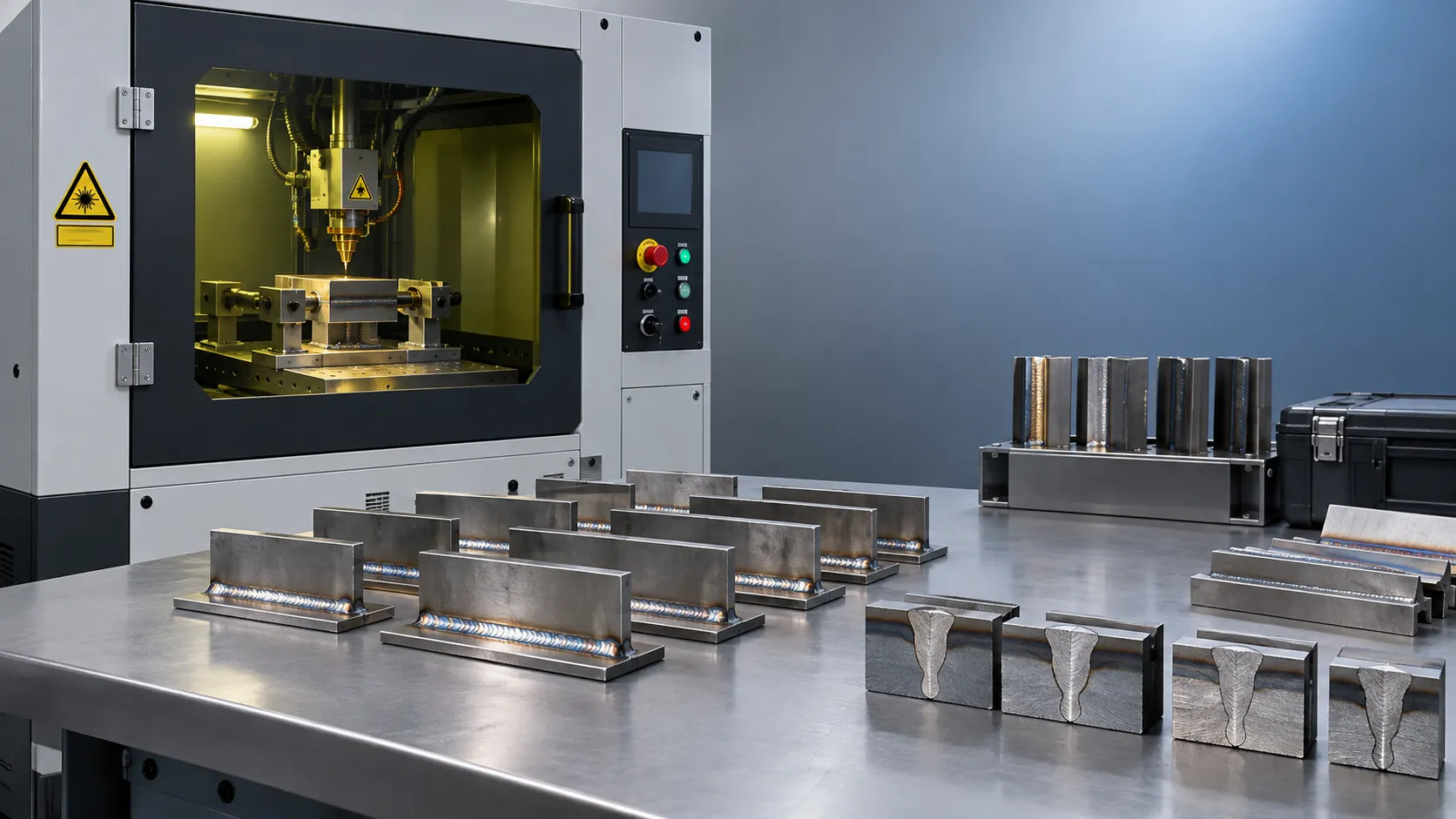
Choosing a Laser Welding Equipment Supplier: Weld Trials, Warranty, and Support
Choosing a laser welding equipment supplier? Learn how to verify weld trials, compare warranty coverage, and assess support to reduce downtime and buy with confidence.
Related News
- 00
0000-00
Calibration Tool Specifications: Where to Find and Verify Product Data - 00
0000-00
Industrial Assembly Specifications: How to Define Tolerances and Torque - 00
0000-00
AMS Specifications for Aerospace Tooling: What Do They Cover? - 00
0000-00
Choosing Industrial Assembly Solutions for High-Mix Production Lines - 00
0000-00
Industrial AI Compliance Guide: What to Check Before Factory Deployment
0000-00
Prof. Marcus Chen
Weekly Insights
Stay ahead with our curated technology reports delivered every Monday.