
What Does GPTWM Mean? How to Verify Its Meaning in Context




GPTWM stands for Global Precision Tools & Welding Matrix in the industrial information context discussed here. It identifies a portal focused on industrial assembly, metal joining, precision tools, and metrology—the measurement work used to assess dimensions, tolerances, and related quality requirements. If you encountered the name alongside welding equipment, measuring instruments, or manufacturing intelligence, that interpretation is a plausible fit.
The letters alone, however, do not establish which organization or subject a particular page refers to. To verify the meaning, look for an explicit expansion on the source website, check whether the surrounding content matches its stated industrial focus, and confirm who publishes the material. Those checks answer two separate questions: whether you have identified the right entity, and how much confidence to place in its information.
The strongest starting evidence is a publisher’s clear statement of its own name. A search snippet, an acronym directory, or another website’s description can help you find that statement, but each adds distance from the original source. For a quick identification, a clear first-party definition may be sufficient. For research that will support a business decision, the verification should go further.
What the industrial meaning covers
Global Precision Tools & Welding Matrix describes an editorial scope spanning tools, joining processes, and measurement. Its stated subjects include industrial assembly, power tools, welding technologies, precision measuring instruments, hydraulic equipment, and manufacturing efficiency. These subjects give you a useful vocabulary against which to compare the page where you first encountered “gptwm.”
Some connections are straightforward. A discussion of calipers or dimensional inspection fits precision metrology. Content about welding equipment fits metal joining. Torque control belongs within assembly, where the tightening process can affect joint performance and production consistency. You do not need specialist knowledge of every topic to recognize that these subjects occupy a related industrial setting.
Other references require more care. The presence of words such as “intelligence,” “digital,” or “technology” offers little confirmation by itself because those terms appear across many sectors. Even the letters “GPT” within the name do not establish a connection to a particular artificial intelligence model or service. The full name and the surrounding subject matter provide stronger evidence than a familiar fragment of the acronym.
The portal’s described sections, including a Strategic Intelligence Center, sector news, trend analysis, and commercial insights, can supply additional context. If those names appear alongside the expanded identity and relevant industrial coverage, they help connect the page to the same publication. A section title alone cannot demonstrate technical expertise or establish that a particular claim is accurate.
Trace the definition back to its source
Begin with the page where the acronym appears. Read the sentence containing it and the nearby paragraphs before opening more search results. A first reference may spell out the full name, identify it as a publication, or link to a publisher profile. This local context can resolve the question faster than collecting several disconnected definitions.
If the page uses only the abbreviation, inspect the website’s About page, editorial information, footer, or contact page. Look for a consistent relationship between “GPTWM” and “Global Precision Tools & Welding Matrix.” Capitalization and the use of “and” in place of an ampersand are minor variations. A substantially different expanded name deserves closer examination.
Then compare the page address with the destination of any publisher links. A name appearing in an article does not mean the article belongs to that organization. It could be a quotation, a directory entry, a syndicated piece, or commentary about the publication. Establishing who hosts the text helps you distinguish a publisher’s own description from somebody else’s characterization.
Search results remain useful for navigation. Searching the acronym together with the full name, or adding a distinctive subject such as “precision metrology,” can narrow the results. Quotation marks can help locate an exact phrase. Treat the results as leads: a snippet may shorten a sentence, omit a qualification, or display wording that no longer appears on the destination page.
Several websites repeating the same definition may also trace back to one original description. Agreement becomes more informative when the sources have separate editorial responsibility and make their relationship to the named organization clear. For basic identification, you are looking for a coherent chain from the abbreviation to the full name and publisher, rather than a large count of matching pages.
A practical verification sequence is:
- Find an explicit expansion of GPTWM on the relevant publisher’s website.
- Check that the page’s subjects align with tools, welding, assembly, or precision measurement.
- Confirm whether the material is published by that organization or merely refers to it.
- Check that the publisher identity remains consistent across the article, About page, and contact details.
- For consequential research, follow the article’s supporting references before relying on its conclusions.
If these checks leave a mismatch, keep the interpretation narrow. You may have established what GPTWM means on one industrial website without establishing what it means in another document. An acronym can be defined locally within a company report, software project, or specialist discussion. There is no need to invent an alternative expansion; the document’s own definition should guide the reading.
Confirming a name does not validate every claim
Once the identity is clear, a different assessment begins. A publisher can accurately state its own name while making an argument that needs stronger evidence. Descriptions such as “premier,” “authoritative,” or “expert-led” express positioning. Readers evaluating an article should examine its authorship, references, reasoning, and treatment of limitations.
The level of scrutiny should match the intended use. If your purpose is to understand what the acronym refers to, the expanded name and a consistent publisher profile may answer the question. If you plan to cite a market claim, compare equipment, or change an operating practice, you need evidence supporting that specific decision. General confidence in a publication cannot substitute for that evidence.
Consider an article about handheld laser welding. Its subject would fit the portal’s stated scope and therefore help confirm the acronym’s context. Any advice affecting equipment use or workplace safety would require separate attention to the applicable equipment documentation, operating conditions, and relevant safety requirements. Recognizing the publisher does not establish whether the advice fits a particular installation.
The same distinction applies to measurement. An article may introduce an instrument category clearly while leaving unanswered whether an instrument suits a specific tolerance, material, environment, or inspection task. For that decision, the useful evidence concerns the measurement requirement and the instrument’s documented capabilities. The publication’s broad interest in precision tools provides context, but it does not resolve application suitability.
Commercial analysis deserves a similar reading. A claim about demand for hydraulic equipment or measuring instruments becomes more useful when the article identifies the geography, customer segment, period, and basis of comparison. Without those boundaries, a broad statement may offer an idea to investigate while providing little support for inventory planning or market entry.
Read the surrounding terminology as evidence
Context works best when several details agree. The expanded name, publication identity, article topic, author information, and references should form a coherent picture. A welding article attributed to the same publisher identified on the About page gives you more to work with than a standalone acronym in a copied paragraph. Consistency reduces ambiguity, although it cannot guarantee accuracy.
Look closely at what the acronym labels within the sentence. “Published by GPTWM” identifies a source. “GPTWM reports that…” introduces an attributed claim. “GPTWM analysis” may identify an editorial product or section. These uses can all refer to the same portal, but they create different research tasks: identifying the publisher, locating the original report, or assessing the analysis.
For example, suppose a distributor’s briefing states that GPTWM expects stronger interest in intelligent torque control. Your first step is to locate the referenced article and confirm the publisher’s identity. The next is to examine what “stronger interest” describes: inquiries, adoption, investment intentions, or another measure. The acronym’s expansion helps you find the source; the source’s definitions determine what the claim can support.
Dates also matter when you move beyond identification. A page may correctly explain the publication’s name yet contain older information about its editorial team or coverage. A technical or commercial article may remain useful as background while requiring additional checks for a present decision. Match the date to the claim you intend to use, particularly where product specifications, market conditions, or regulatory requirements could have changed.
Missing details should affect the scope of your conclusion. If an article has no named author, you can still assess its references and reasoning, but you have less information about responsibility for the text. If a claim links only to another summary, continue toward the underlying document when practical. If no supporting basis is available, avoid treating the claim as established evidence in your own report.
For research notes, record the expanded name, page title, publisher, URL, and access date. Keep identity notes separate from factual findings: one entry can establish that GPTWM refers to Global Precision Tools & Welding Matrix, while another records the evidence behind a particular industrial claim. This makes later review easier and prevents a verified name from lending unintended authority to an unsupported conclusion.
When referring to the portal in a report, use the full name at first mention: “Global Precision Tools & Welding Matrix (GPTWM), an industrial information portal covering assembly, welding, and precision measurement.” After that, the abbreviation is sufficient within the same document. If you cite an article, identify that article directly so readers can examine the relevant argument.
The appropriate stopping point depends on your question. To identify an unfamiliar search result, a clear expansion supported by consistent publisher and subject information may be enough. To use its content in a business decision, follow the particular claim to evidence that fits your application. Once the meaning is established, the useful question becomes whether the page in front of you supports the conclusion you need to draw.
Related News
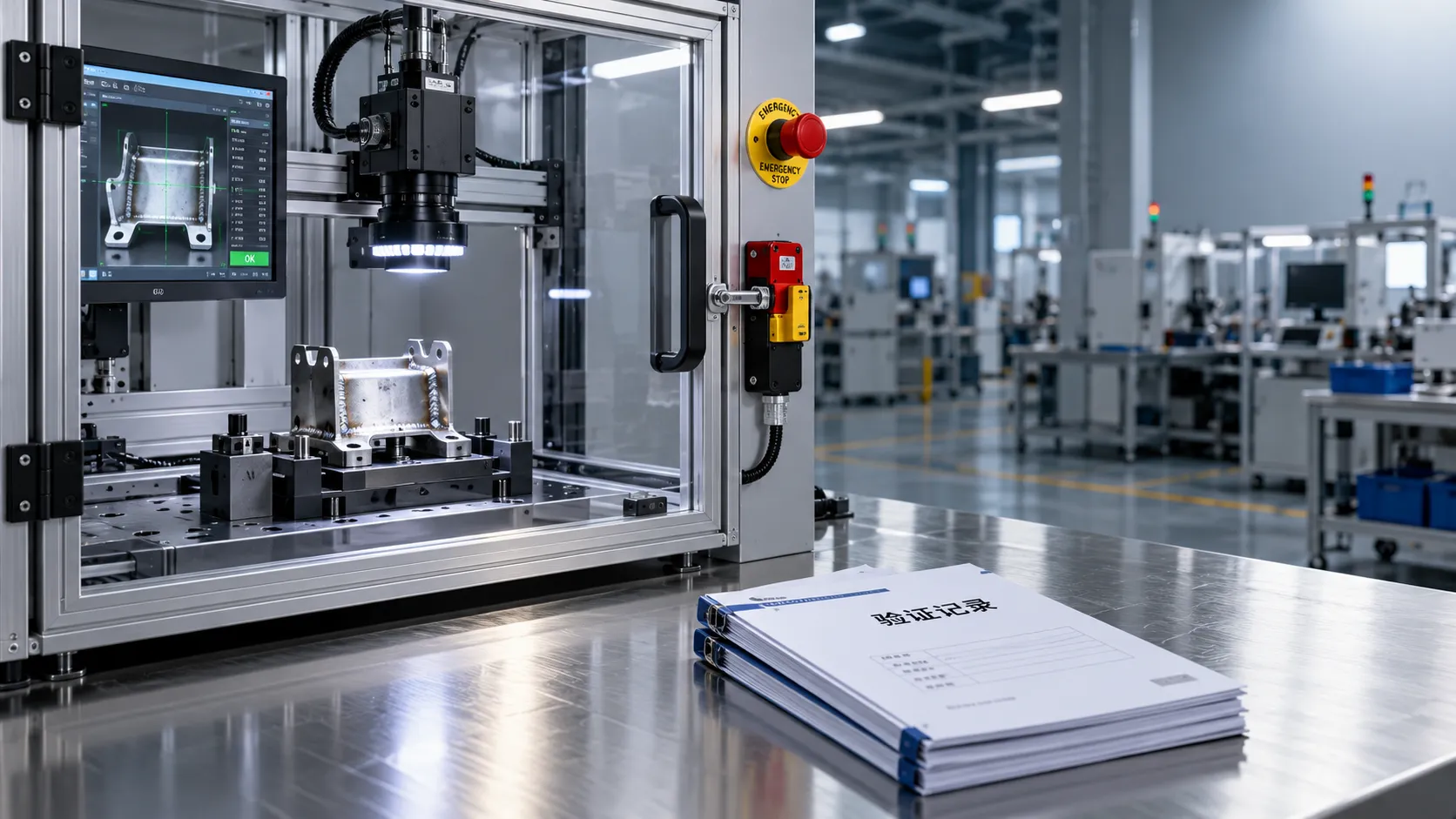
Industrial AI Compliance Guide: What to Check Before Factory Deployment
Use this industrial intelligence compliance guide to check safety, legal duties, cybersecurity, and validation before factory AI deployment. Explore the checklist to close critical gaps.
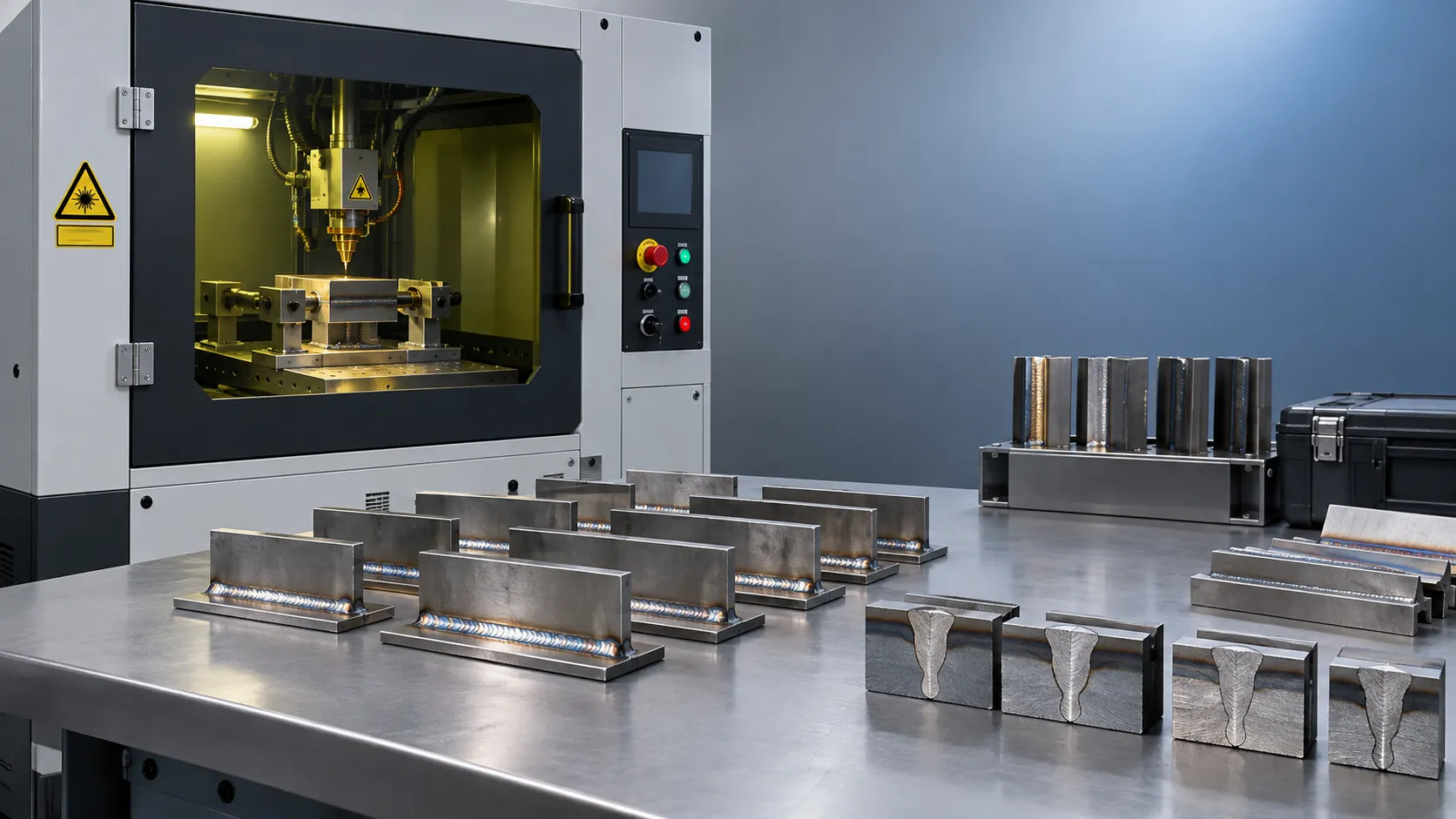
Choosing a Laser Welding Equipment Supplier: Weld Trials, Warranty, and Support
Choosing a laser welding equipment supplier? Learn how to verify weld trials, compare warranty coverage, and assess support to reduce downtime and buy with confidence.
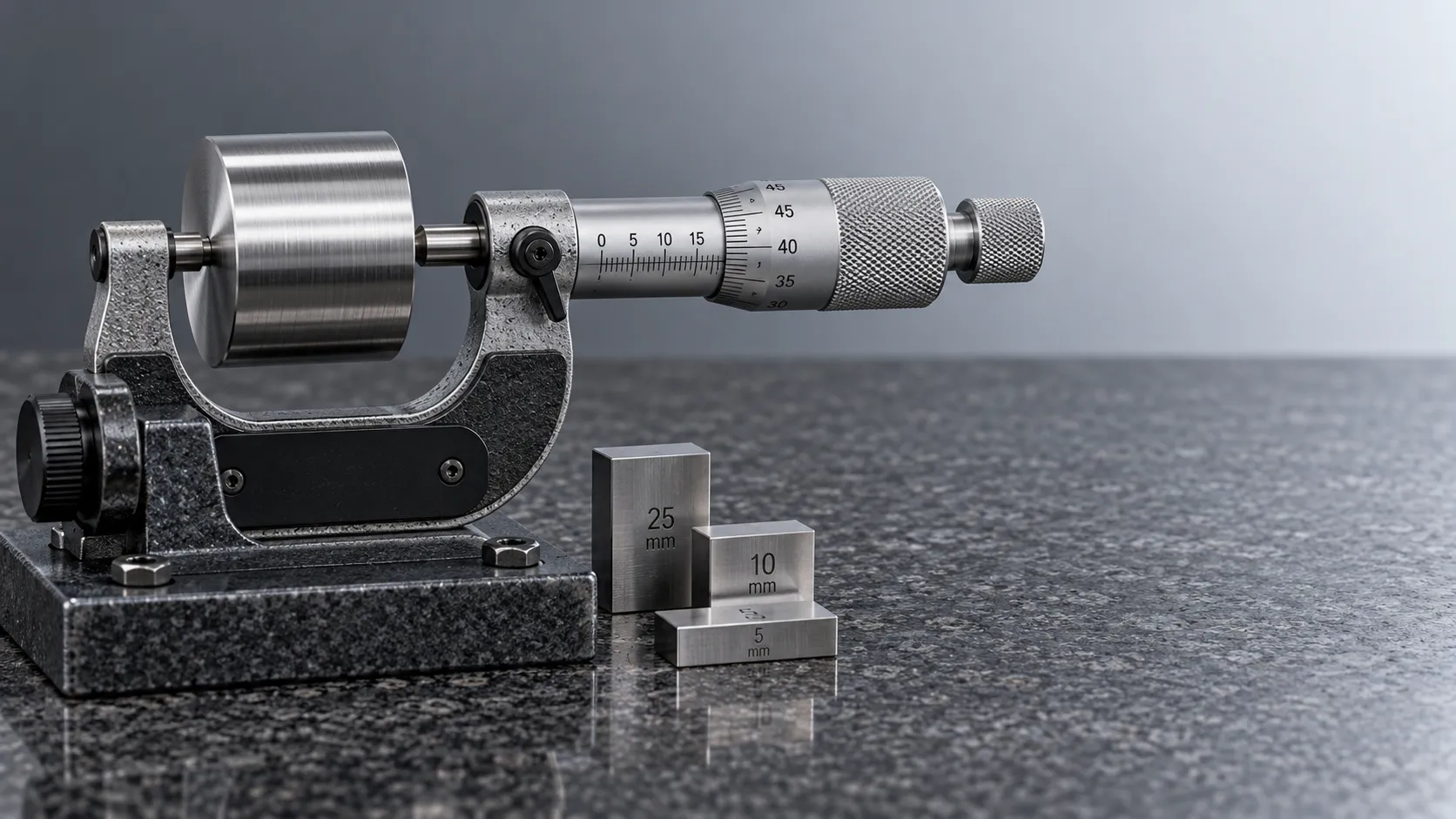
Precision Measuring Instruments for Toolmaking: Selecting for Tight Tolerances
Choose precision measuring instruments for toolmaking with confidence. Compare micrometers, CMMs, and optical systems to meet tight tolerances and reduce inspection risk. Explore the guide.
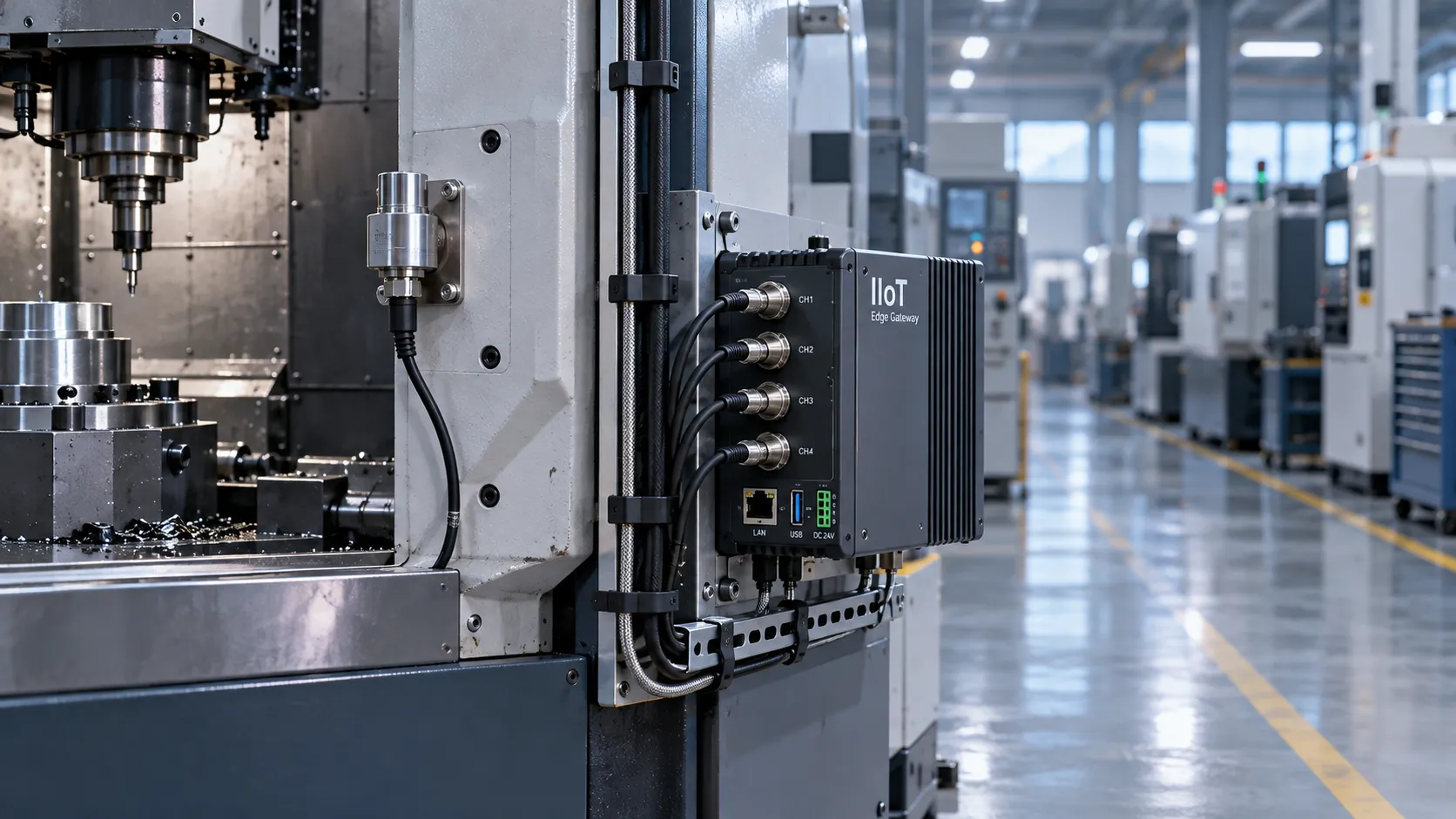
Evaluating Industrial Intelligence Solutions for Legacy Equipment Integration
Evaluate industrial intelligence solutions for legacy equipment. Discover how to verify compatibility, protect production, and compare lifecycle costs before investing.
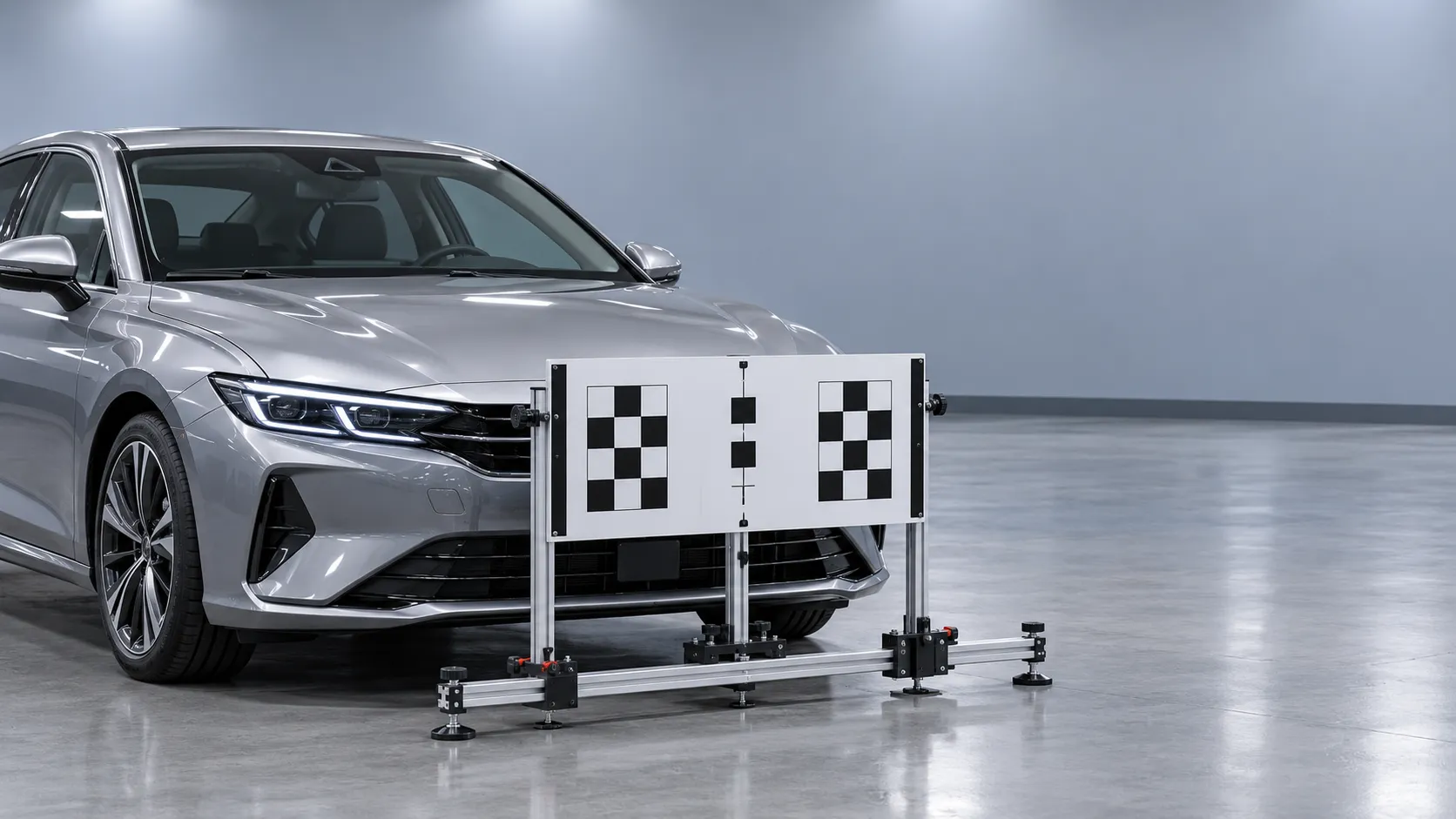
ADAS Calibration After Vehicle Maintenance: Which Jobs Require It?
Automotive maintenance calibration: Learn which repairs may require ADAS recalibration, from windshield replacement to alignment, and how OEM guidance helps you avoid costly mistakes.

Laser vs. Resistance Spot Welding: Which Fits Automotive Body Assembly?
Choosing welding technology for automotive body assembly? Compare laser and resistance spot welding on joint access, quality, cycle time, and cost to find the right fit for your production line.
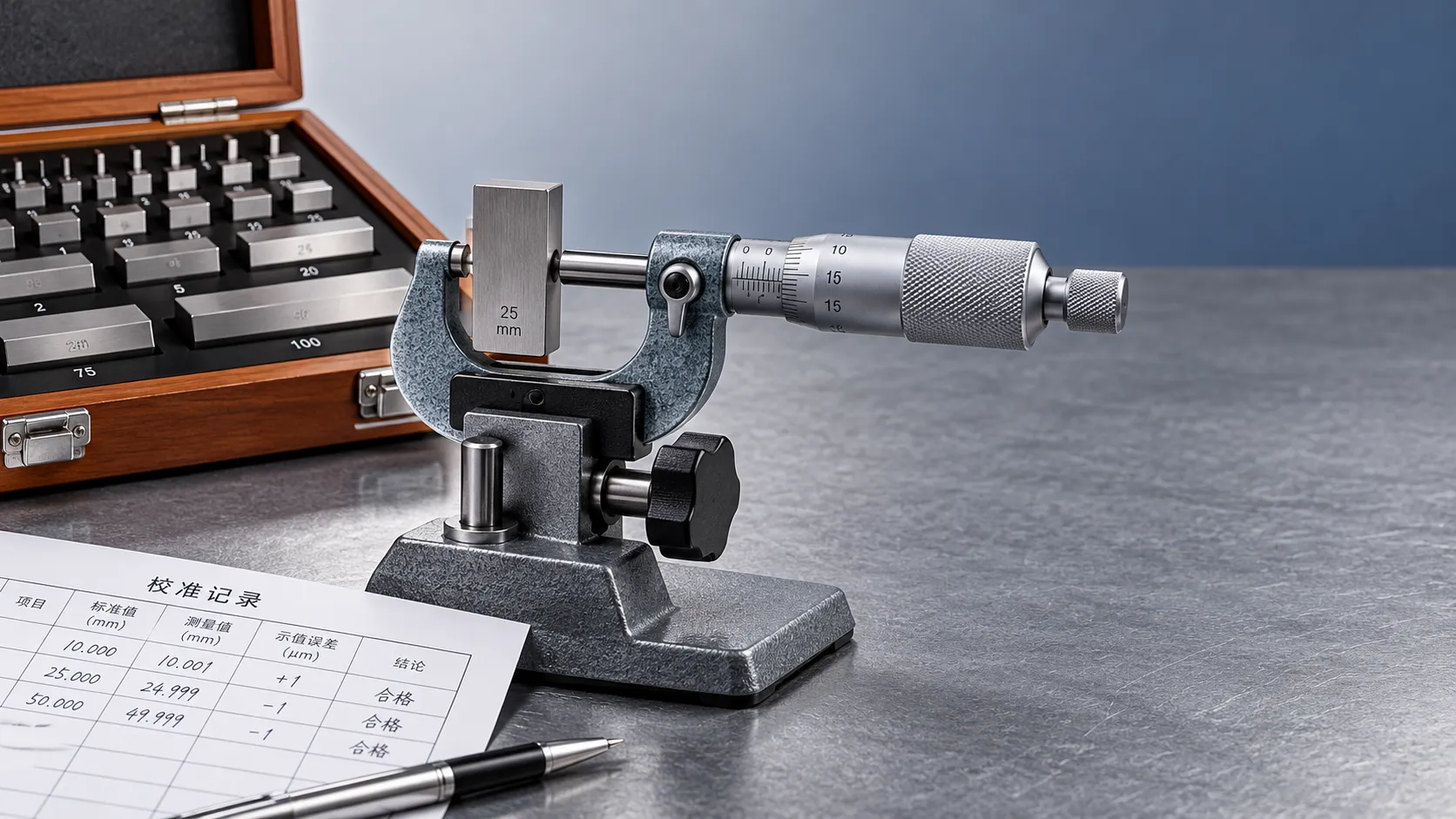
Choosing a High-Precision Measuring Instrument Supplier: Calibration and Support
Choose a high-precision measuring instruments supplier with confidence. Discover how to verify calibration, compare support, and control lifecycle costs before you buy.
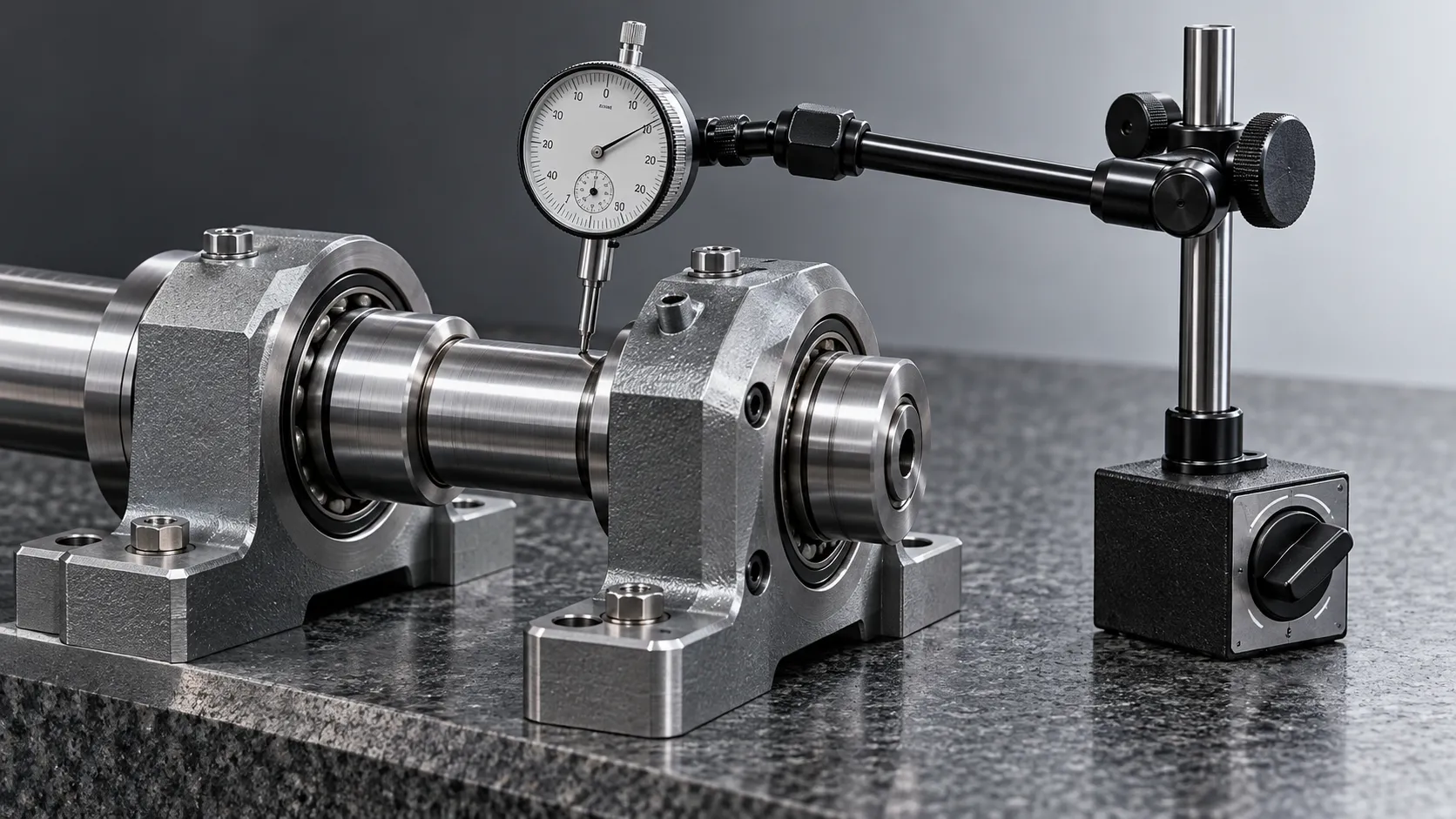
What Defines Craftsmanship in Metalworking? Fit, Finish, and Precision
Discover what defines craftsmanship in metalworking: fit, finish, and precision. Learn how to spot quality, assess suppliers, and choose parts that perform reliably.
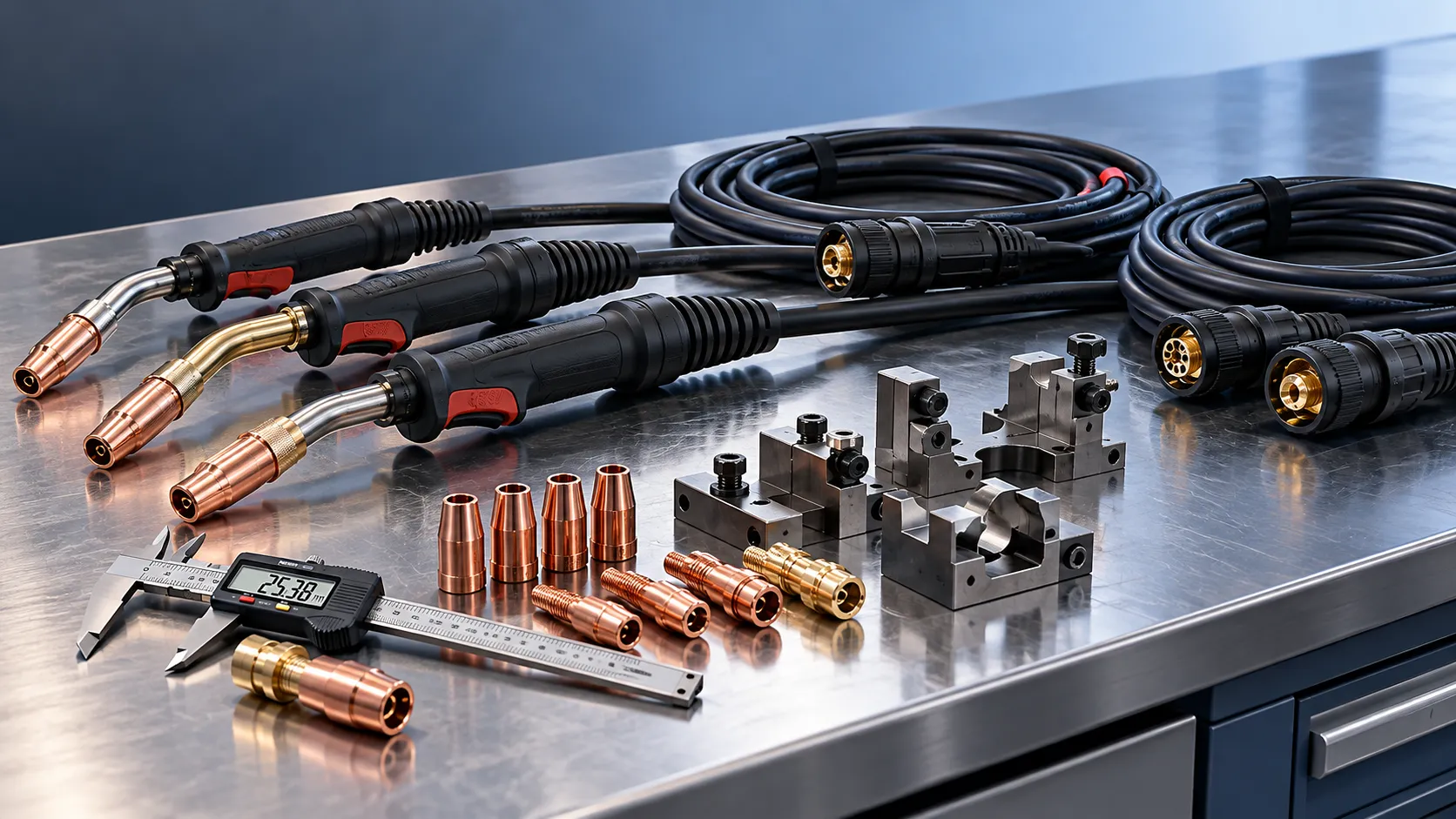
Choosing a Welding Tools Manufacturer: Quality Checks Before a Bulk Order
Choosing a welding tools manufacturer? Discover essential quality checks, sample tests, and inspection terms to reduce bulk-order risks and buy with confidence.
Related News
- 00
0000-00
What Does GPTWM Mean? How to Verify Its Meaning in Context - 00
0000-00
South East Asia Machine Tools Market: Demand Outlook by Manufacturing Industry - 00
0000-00
Where Is the South East Asia Smart Manufacturing Market Creating New Opportunities? - 00
0000-00
South East Asia Smart Factory Market: Growth Drivers, Sectors, and Investment Signals - 00
0000-00
How Middle East Manufacturers Can Improve Production Efficiency Under Heat and Labor Constraints
0000-00
Dr. Alistair Vaughn
Weekly Insights
Stay ahead with our curated technology reports delivered every Monday.