
Choosing CE-Marked OEM Tools: Documents Buyers Should Check





A CE mark on an OEM tool is a starting point, not proof on its own that the product satisfies every applicable European requirement. The stronger evidence is the set of documents connecting the exact tool being purchased to an identified manufacturer, the relevant legislation, the conformity assessment performed, and the instructions supplied with the product.
For a purchasing decision, the distinction matters because a convincing-looking certificate may describe a different model, a different battery configuration, or only one aspect of compliance. Before comparing quotations for OEM tool solutions CE certified for the European market, establish which documents cover the delivered configuration and who will take legal responsibility for placing it on the market.
Start with the exact product and the intended route to market
“Industrial tool” is not a single regulatory category. A corded power tool, a battery-operated torque tool, a measuring instrument and a welding system can face different requirements. Even closely related models may differ because of their power supply, radio function, safety features or intended use.
Ask the supplier to identify the commercial model, factory model, variants, accessories and intended configuration covered by its documents. Where a tool is sold with a charger, battery, wireless module or detachable control unit, establish whether the evidence addresses the complete marketed configuration or only individual components.
Also clarify the intended market. CE marking relates to applicable EU product legislation and is relevant across the European Economic Area, subject to the rules governing particular products. It is not a universal quality mark, and it is not required or permitted for every product. A simple hand tool, for example, should not be assumed to require CE marking merely because a powered version does.
For a powered machine, relevant legislation may include the Machinery Directive 2006/42/EC, the EMC Directive 2014/30/EU and the RoHS Directive 2011/65/EU, depending on the product and its features. Other rules may apply to radio equipment, batteries or other components. Do not accept this list as a substitute for a product-specific assessment.
The machinery framework is also changing: Regulation (EU) 2023/1230 generally applies from 20 January 2027, replacing the Machinery Directive. An order scheduled around that transition needs an assessment against the rules applicable when each product is placed on the market. Existing documents should not simply be carried forward without checking their legal references and coverage.
The EU Declaration of Conformity is the central document
Request the EU Declaration of Conformity, or DoC, for the exact product and configuration being offered. This is the manufacturer’s formal declaration that the product meets the applicable requirements. Its precise contents depend on the legislation, but it should identify the product and the manufacturer, state the applicable legislation, and be signed by a person acting for the manufacturer.
Check the declaration against the quotation, sample, rating plate, packaging and order specification. Differences in model numbers or manufacturer names do not automatically prove non-compliance, but they must be explained and traceable. A declaration for a tool family is more useful when it clearly defines the variants covered, rather than relying on a broad marketing description.
Pay particular attention to the following details:
- Product identification: Does the declaration identify the delivered model or provide a clear link between a private-label model and the assessed factory model?
- Manufacturer: Does the named entity match the business taking responsibility for the finished product, rather than merely a trading company or component supplier?
- Applicable legislation: Are the listed EU instruments appropriate to the product and its functions? A wireless tool may need an assessment that differs from a non-radio version.
- Standards: Are the standards relevant to the product and the assessment? A standards list is not, by itself, proof that testing or conformity assessment was properly completed.
- Signature and traceability: Is the declaration signed, dated and attributable to the responsible manufacturer?
Where harmonised standards are cited, check not only the standard number and edition but also whether the reference has been published in the Official Journal of the European Union under the relevant legislation and whether any limitations apply. Use of harmonised standards is generally voluntary; where their conditions are met, they can provide a presumption of conformity for the requirements they cover. An old or unrelated standard reference deserves a technical explanation, not an automatic rejection or acceptance.
The declaration is also not a guarantee that every unit is compliant. It is a legal statement that should be supported by the conformity assessment and production controls behind it.
Separate test reports from certificates
A test report and a certificate answer different questions. A test report records what was assessed, the methods used and the results for the sample or configuration described. A certificate may be issued under a certification scheme or for a specific regulatory purpose, but a generic document headed “CE certificate” is not automatically an EU approval.
For many CE-marked products, the manufacturer can carry out the conformity assessment without a notified body. For some products or assessment routes, involvement of a notified body is required. The applicable legislation and product classification determine which situation applies. A laboratory may be competent to perform tests without being a notified body for the relevant legal act.
When a supplier offers a certificate as its main evidence, request the underlying report or a sufficiently detailed report summary. Look for the tested model, sample description, test standards and editions, relevant ratings, test date, and any limitations or deviations. Check that the issuing organisation can be identified and, where accreditation is claimed, that the accreditation covers the relevant tests. Accreditation and notified-body status are different concepts.
If notified-body involvement is claimed or required, verify the body’s designation and scope in the European Commission’s NANDO database. Match the certificate to the applicable legislation, product and assessment module. A valid certificate for a component does not automatically cover the finished tool.
Commercial confidentiality can limit access to complete reports. If a supplier will not release them, agree on an alternative before ordering: for example, a controlled review, a redacted report that retains the model and scope, or an independent review under a confidentiality agreement. A refusal to provide enough information to establish scope leaves the purchasing decision dependent on an unsupported claim.
Check the technical documentation without assuming it must be handed over
The manufacturer is generally responsible for preparing technical documentation appropriate to the applicable legislation and making it available to competent authorities when required. This file can include design information, risk assessments, test results, calculations and explanations of how essential requirements were addressed. Retention obligations depend on the applicable rules.
The full file can contain proprietary drawings and other sensitive information. It is not necessary to assume that every supplier must give a customer unrestricted access to it. It is reasonable, however, to ask for evidence that the file exists, identify the entity responsible for maintaining it, and agree how relevant information will be supplied if a market-surveillance authority raises a question.
For a powered tool, the risk assessment is especially valuable as evidence of how hazards were considered. A useful summary should connect foreseeable hazards to protective measures and residual risks: for example, guarding, controls, electrical protection, noise or vibration information, and warnings for conditions that cannot be eliminated by design. A generic risk assessment that never identifies the tool or its intended use offers limited reassurance.
For private-label orders, establish whether the documentation covers modifications requested by the brand owner. A different enclosure, motor controller, charger or safety switch can affect the original assessment. Even a change that appears cosmetic may matter if it alters ventilation, access to moving parts or the legibility of safety markings.
Review instructions, labels and traceability as delivered
Instructions are part of the compliance assessment, not an optional marketing insert. Request the version intended for shipment, including assembly, intended use, safety warnings, maintenance and disposal information where relevant. Check the language requirements of the destination countries under the applicable legislation and national implementation. An English-only draft should not be treated as a complete solution for every EU destination.
Compare the manual with the actual product. If it describes a different switch arrangement, battery system or safety guard, it may not support safe use of the delivered model. Safety information should also be consistent across the manual, labels and packaging. For example, the stated electrical rating and permitted accessories should match the tool and charger supplied.
Ask for artwork or photographs of the rating plate and markings before production. Depending on the applicable rules, the product may need information identifying the manufacturer, product type, batch or serial number, relevant ratings and the CE marking. Importer identification obligations may also apply. The exact placement and alternatives depend on the legislation and the product’s characteristics.
Traceability is a practical purchasing issue as well as a regulatory one. If a safety issue affects a particular batch, the ability to connect serial numbers, manufacturing dates and shipments determines whether the response can be targeted or must cover a wider stockholding.
Resolve OEM and private-label responsibilities before signing
The factory that physically makes a tool is not always the manufacturer named for EU legal purposes. A company that markets a product under its own name or trademark can be considered the manufacturer under applicable EU product legislation, even when another company designed and assembled it. An importer can also take on manufacturer obligations in specified circumstances, including where it places a product on the market under its own name or trademark or modifies it in a way that may affect compliance.
That distinction changes the value of the paperwork. A declaration signed by the factory under the factory’s identity may not resolve the obligations of a company placing the same product on the market under its own brand. The commercial agreement should identify the responsible legal entity and give it access to the information needed to support its declaration and respond to authorities.
Address document ownership and cooperation explicitly: who maintains the technical file, who controls the declaration, how long records will be retained under the applicable rules, and how quickly relevant evidence can be produced. Include a change-control process requiring notice and assessment before changes to safety-critical parts, software, production sites or suppliers. A private-label model number should remain traceable to the assessed factory configuration and production batches.
Contractual promises do not transfer statutory responsibilities away from the economic operator to whom the law assigns them. They do, however, make it easier to obtain information, manage corrective action and allocate commercial costs if a problem arises.
Use document gaps to evaluate the real cost of an offer
A lower unit price can conceal work that must be completed before sale: translation, corrected labels, additional testing, updated declarations or review of a changed design. Delayed documentation can also hold stock at the warehouse or postpone a launch. Compare quotations on the basis of a compliant, deliverable configuration rather than a bare tool price.
Make essential documents an order condition and distinguish between evidence required before commitment and evidence required with each shipment. Before a purchase order, the minimum commercial review should establish the product’s regulatory route, responsible manufacturer, declaration scope, supporting assessment and intended labelling. Before shipment, check the final model references, instructions, markings and batch traceability against the approved configuration.
A discrepancy does not always require abandoning a supplier. A model-number mismatch may be resolved with a documented cross-reference; a missing language version may be corrected before shipment. By contrast, an unidentified manufacturer, a declaration that covers only a different product, or an inability to explain who holds the technical evidence can leave a material compliance and cost exposure. The decision should turn on whether the gap can be closed with credible evidence before the goods are placed on the market.
Related News
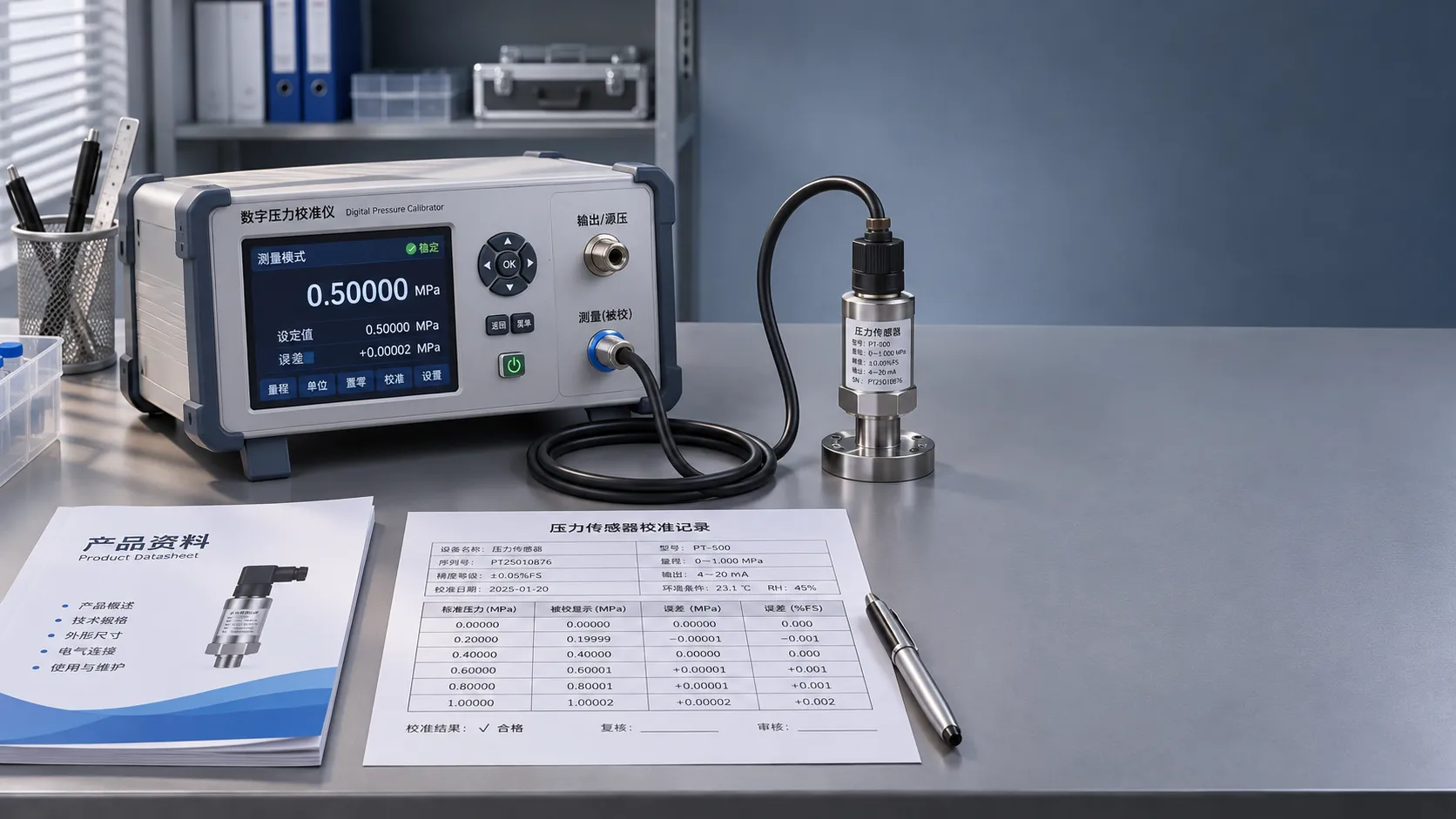
Calibration Tool Specifications: Where to Find and Verify Product Data
Explore product information resources for calibration tools and learn how to verify specifications, certificates and traceability before you buy.
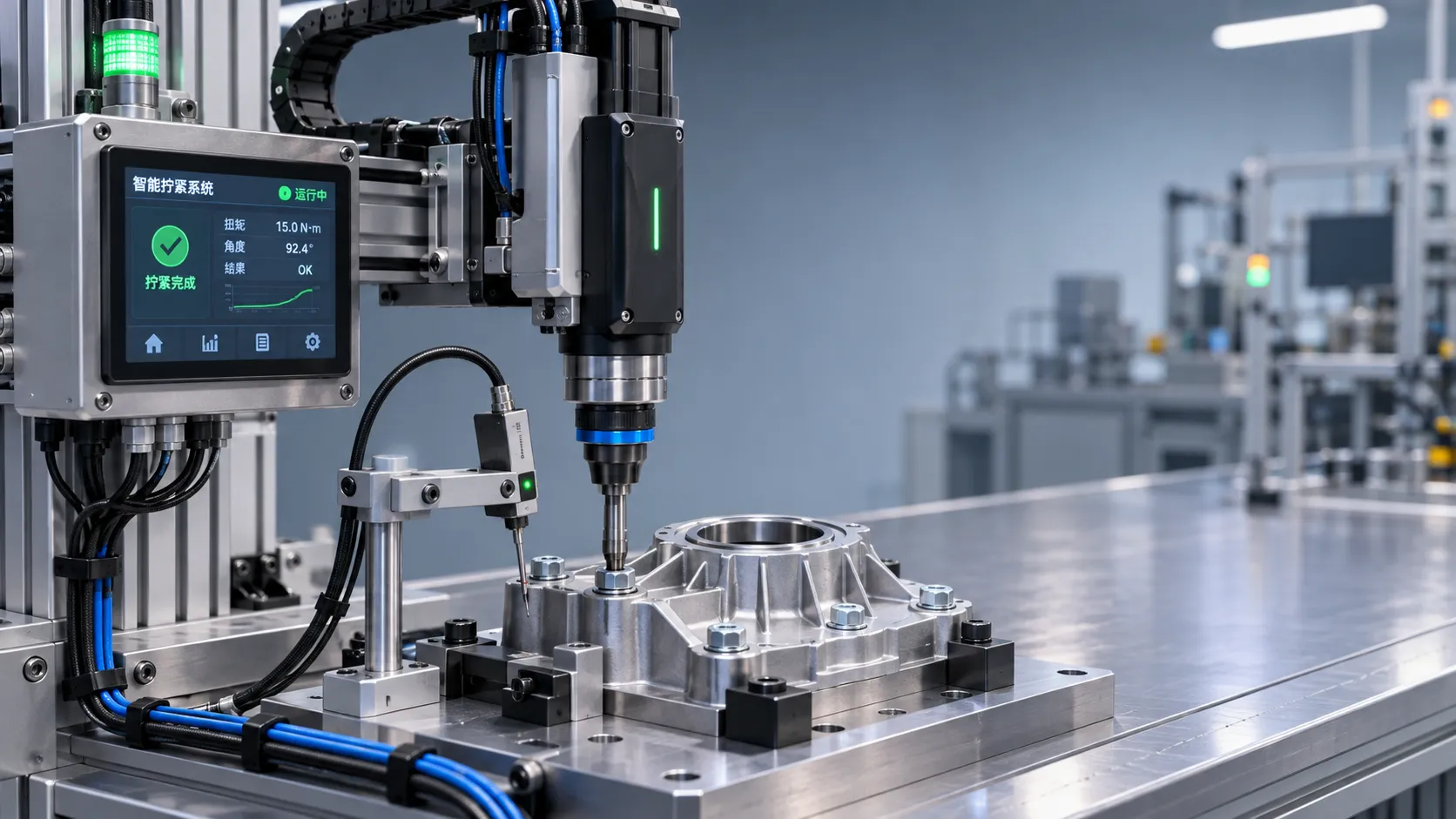
Industrial Innovation Trends: Where Manufacturers Should Invest
Explore industrial innovation trends in fastening, metrology, laser welding, and connected tools—and discover where manufacturers should invest.
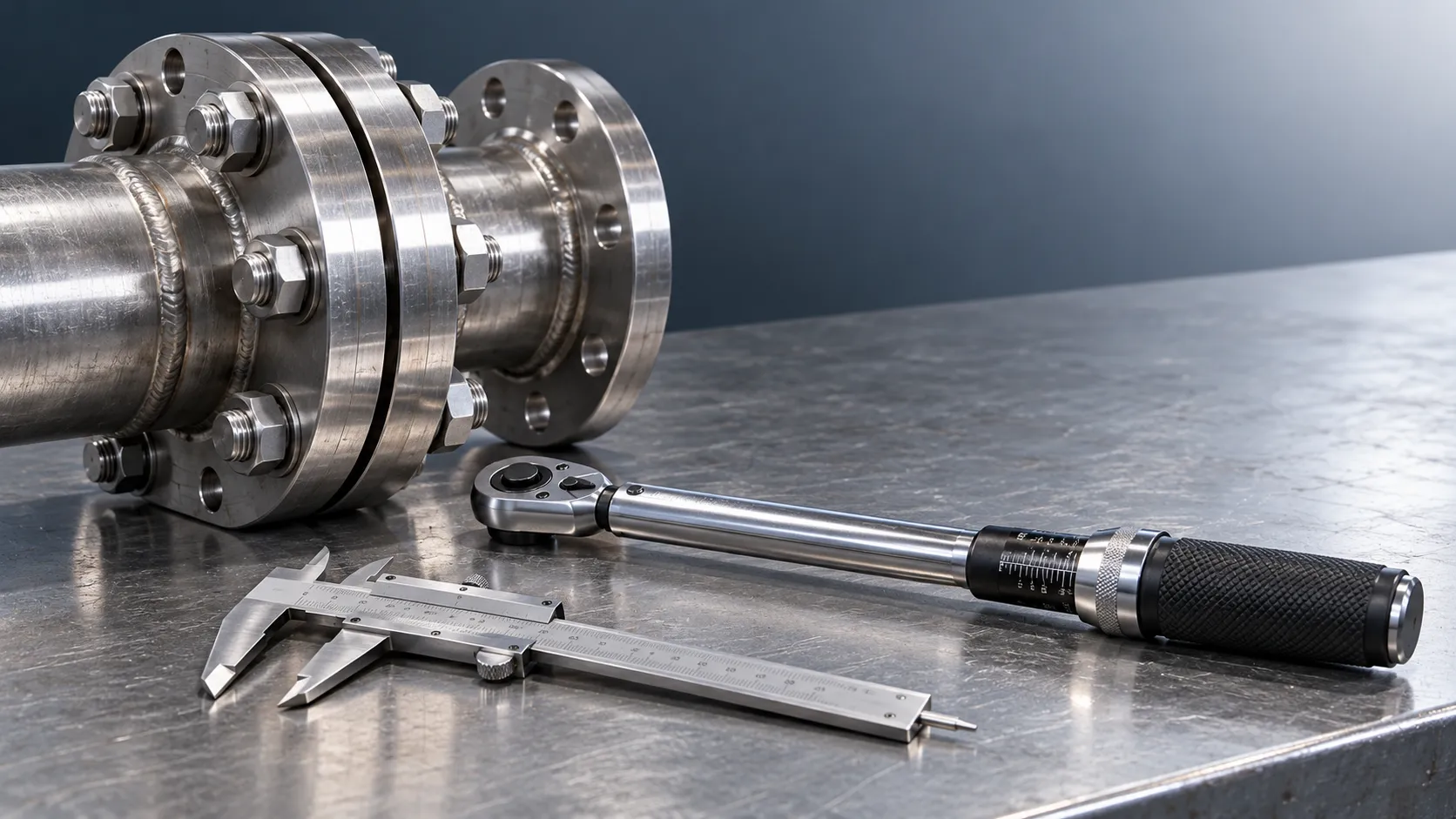
Industrial Assembly Specifications: How to Define Tolerances and Torque
Explore specification-oriented articles on industrial assembly and learn how to define tolerances, validate torque settings, and improve joint reliability.
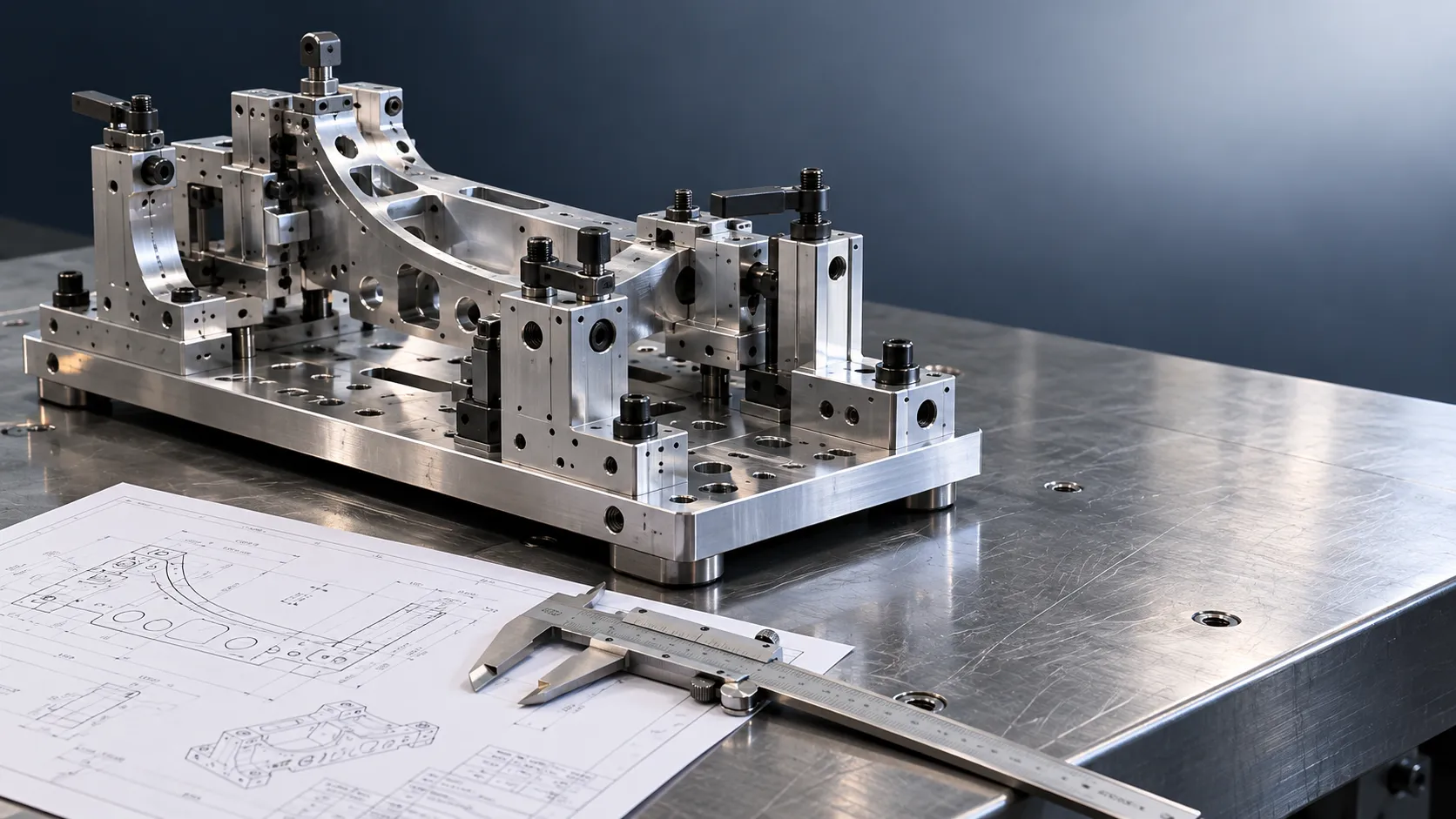
AMS Specifications for Aerospace Tooling: What Do They Cover?
Aerospace tools AMS requirements can cover materials, processes and documentation. Learn how to verify compliance and assess finished-tool acceptance.
Choosing Industrial Assembly Solutions for High-Mix Production Lines
Choose industrial assembly solutions for high-mix production with practical guidance on changeovers, quality, traceability, automation, and total cost.
Choosing an Industrial IoT Tools Distributor: Integration and Support Criteria
Choose an industrial IoT tools distributor with confidence. Compare integration, support, security, and lifetime costs to avoid hidden risks and protect production.
What Does GPTWM Mean? How to Verify Its Meaning in Context
What does gptwm mean? Explore its industrial context and learn how to verify the full name, publisher, and supporting sources before relying on its claims.

Industrial AI Compliance Guide: What to Check Before Factory Deployment
Use this industrial intelligence compliance guide to check safety, legal duties, cybersecurity, and validation before factory AI deployment. Explore the checklist to close critical gaps.
Choosing a Laser Welding Equipment Supplier: Weld Trials, Warranty, and Support
Choosing a laser welding equipment supplier? Learn how to verify weld trials, compare warranty coverage, and assess support to reduce downtime and buy with confidence.
Related News
- 00
0000-00
Choosing CE-Marked OEM Tools: Documents Buyers Should Check - 00
0000-00
Choosing an Industrial IoT Tools Distributor: Integration and Support Criteria - 00
0000-00
Choosing a Laser Welding Equipment Supplier: Weld Trials, Warranty, and Support - 00
0000-00
Choosing a High-Precision Measuring Instrument Supplier: Calibration and Support - 00
0000-00
Choosing a Welding Tools Manufacturer: Quality Checks Before a Bulk Order
0000-00
Dr. Alistair Vaughn
Weekly Insights
Stay ahead with our curated technology reports delivered every Monday.