
Industrial Innovation Trends: Where Manufacturers Should Invest





Industrial innovation trends point toward a clear investment priority: technologies that make critical manufacturing operations measurable, repeatable, and safer. Intelligent fastening, production-ready metrology, and improved welding controls are attracting attention because they address failures that often remain hidden until inspection, rework, or field service. Their value varies sharply by product design, production volume, and the cost of a defect.
A connected tool is not automatically a productive tool, and a faster joining process does not necessarily shorten the full production cycle. The strongest investment cases link a specific process constraint to an achievable change in quality, throughput, or risk, then account for integration and ongoing support.
Intelligent fastening: invest where joint quality is difficult to verify
Connected torque tools are moving fastening data closer to the assembly process. Instead of relying only on a final torque reading, some systems capture torque and angle throughout tightening and associate the result with a specific joint or assembly. This creates a record that can distinguish a completed fastening sequence from an interrupted or abnormal one.
The investment becomes more compelling when assemblies contain many similar fasteners, joints are safety-relevant, or a missed operation is expensive to find later. Sequence control and tool positioning can reduce the chance of fastening the wrong location, while electronic records make it easier to investigate a suspected defect across a production batch.
Torque alone, however, is an imperfect proxy for clamp load. Friction at the threads and bearing surface, lubrication, coatings, and joint stiffness all affect the relationship between applied torque and the force holding parts together. A tool that reports a value inside the programmed range does not prove that every joint has the intended clamp force. Joint development, suitable tightening strategies, and validation on representative parts remain necessary.
Pay attention to the response to an abnormal result. A system that flags a failed tightening but allows the assembly to proceed without a defined disposition creates data without effective control. Integration with work instructions, repair authorization, and traceability matters most where a failure must be contained before the next operation.
Metrology is moving closer to the process
Investment in precision measurement increasingly extends beyond the inspection room. Shop-floor measurement, automated gauging, and digital transfer of results can expose process drift earlier, reducing the quantity of parts produced before a correction. The opportunity is strongest when dimensional variation causes repeated adjustment, assembly interference, or expensive downstream inspection.
Moving measurement closer to production also changes the sources of error. Temperature, vibration, contamination, fixture wear, and part location can influence results. A measuring instrument with excellent resolution on its display is not necessarily capable of resolving the variation that matters under production conditions. Resolution describes the smallest displayed increment; uncertainty also reflects the instrument, environment, setup, and measurement method.
For example, measuring a machined component immediately after cutting can produce a different result from measuring it after thermal stabilization. If inspection and production use different datums or clamping arrangements, apparent disagreement may come from the measurement setup rather than the part. Before automating data collection, establish which feature controls assembly performance and whether the measurement method reproduces the relevant condition.
Inline inspection offers speed and broad coverage, but it also creates decisions about false rejects and missed defects. A measurement system that interrupts the line for harmless variation can erase the benefit of automation. Conversely, a permissive threshold can allow costly defects through. Validate the complete measurement process against representative parts, including borderline conditions, rather than evaluating only the sensor in isolation.
Handheld laser welding: evaluate the cell, not just the weld speed
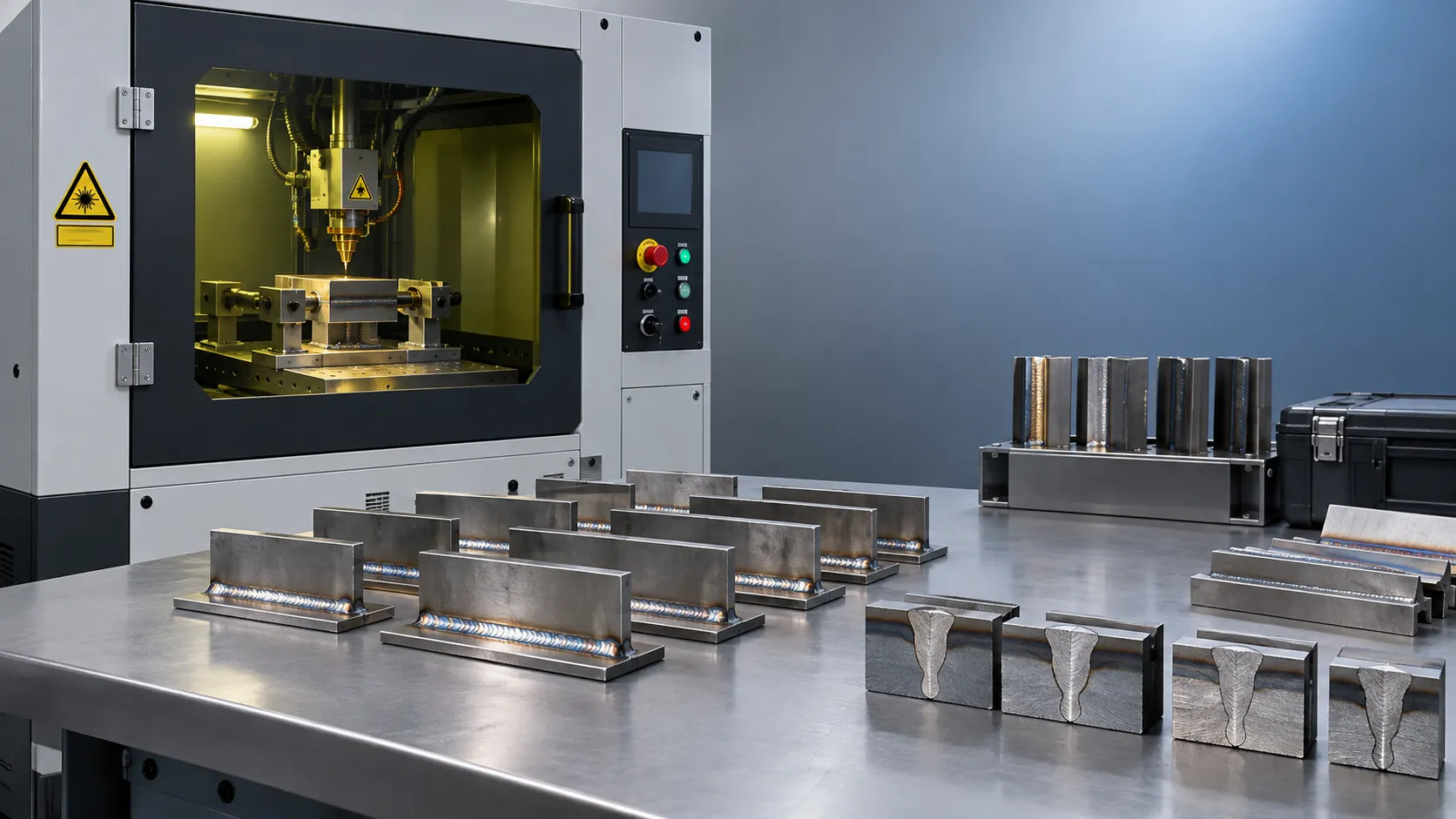
Handheld laser welding is drawing interest for thin-section fabrication, repair, and applications where access or distortion makes conventional joining difficult. High energy concentration can enable narrow welds and limit heat input to surrounding material when the process is correctly configured. The potential advantage is particularly relevant when reduced distortion also cuts finishing or straightening work.
Fit-up remains decisive. Gaps, inconsistent edge preparation, surface contamination, and variations in material thickness affect penetration and bead quality. A demonstration on clean, closely fitted coupons does not establish performance on production parts with variable geometry. Trials should reflect the actual materials, joint designs, access restrictions, and preparation time.
Safety investment is inseparable from the equipment decision. Laser radiation and reflections can present serious eye and skin hazards, while welding fumes and process byproducts require appropriate control. A suitable installation can include an enclosed or controlled work area, engineered interlocks, compatible protective equipment, fume extraction, and documented operating procedures. The required controls depend on the equipment and application and must be assessed against applicable local requirements.
Compare the complete workflow: part preparation, fixturing, welding, inspection, finishing, and movement between stations. A faster weld may have limited value if enclosure access or fit-up becomes the new bottleneck. Conversely, a moderate gain at the torch can justify investment when it consistently eliminates substantial downstream rework.
Tool electrification and ergonomics: measure productive output
Brushless motors, battery platforms, and lighter tool designs are changing the economics of portable assembly and maintenance. Their value comes from the work completed over a shift, not from a motor specification viewed alone. Tool mass, balance, reaction force, battery changes, and access to the joint affect cycle time and fatigue alongside power output.
Peak torque is particularly easy to misread. It does not describe sustained performance, control at a low tightening setting, or the suitability of a tool for a particular joint. A compact tool may reach a specified peak under one test condition yet slow down or require cooling during repeated demanding cycles. Conversely, a larger tool can create unnecessary handling effort when the application needs only modest output.
Assess tools on representative workpieces and duty cycles. Record completed operations, interruptions, battery changes, and the quality of the result. Where torque reaction is significant, the cost of a support arm or alternative tool configuration belongs in the comparison. Ergonomic gains are most credible when the trial includes the actual working posture and reach, rather than a short demonstration at a bench.
Connected equipment needs a use for its data
Industrial connectivity can reveal downtime patterns, calibration status, and process variation across tools and stations. Its commercial value emerges when those signals change a maintenance or production decision. Collecting every available parameter without an owner, threshold, or response plan adds storage and integration work while leaving the underlying process unchanged.
For maintenance, distinguish a useful condition indicator from a simple activity counter. A count of fastening cycles can support scheduled service, but it does not by itself diagnose gearbox wear or sensor drift. Similarly, a change in motor current may indicate increased load, but the cause could be a different workpiece, a worn accessory, or a mechanical fault. Maintenance rules need context from the task and confirmation against physical observations.
Data architecture affects the investment case. Equipment identifiers, timestamps, units, and part or batch identifiers need consistent definitions if records are to be compared across stations. Review the availability of data exports and interfaces, as well as the consequences of a network outage. A production cell that cannot complete or retain critical records during a connectivity interruption introduces a new operational dependency.
Cybersecurity and lifecycle support also belong in the equipment evaluation. Network access, account management, software updates, and the ability to maintain hardware after a supplier changes a product line affect the usable life of a connected installation. These costs are easy to miss when the purchase is evaluated only against the price of a standalone tool.
Compare investments at the constraint they remove
The same technology can be a high-return investment in one factory and a distraction in another. Start with a defined loss: repeated weld repair, uncertain fastening records, measurement delays, or an assembly station that limits output. Then identify whether the proposed technology addresses the cause of that loss. A new torque tool will not correct poor joint design, just as a faster gauge will not improve throughput when parts spend most of their time waiting for material.
Use a baseline that covers the full process rather than a single machine cycle. Relevant measures might include first-pass acceptance, time spent locating defects, completed assemblies per shift, or the quantity of material held while inspection is pending. Include fixture changes, training, consumables, software, calibration, maintenance, and any necessary changes to the work area in the comparison.
Separate capacity from realized output. Faster equipment creates value only when there is demand for additional production or when the released capacity removes a real constraint. Where the line is limited elsewhere, reduced rework or a shorter lead time may be a more defensible basis for investment than theoretical machine speed.
A focused trial can test the uncertain assumptions before a wider deployment. Use normal production variation, include difficult parts and shifts, and agree in advance on the measures that determine acceptance. Monitor both the intended gain and secondary effects: a new inspection point might reduce escapes while increasing handling time; automated fastening records might improve traceability while slowing changeovers.
Where results are sensitive to upstream conditions, investment sequencing matters. Stabilizing part fit-up can unlock a welding process; establishing a reliable datum can make automated measurement meaningful. The most valuable next purchase is often the one that makes an existing process controllable enough for the next technology to deliver its intended result.
Related News
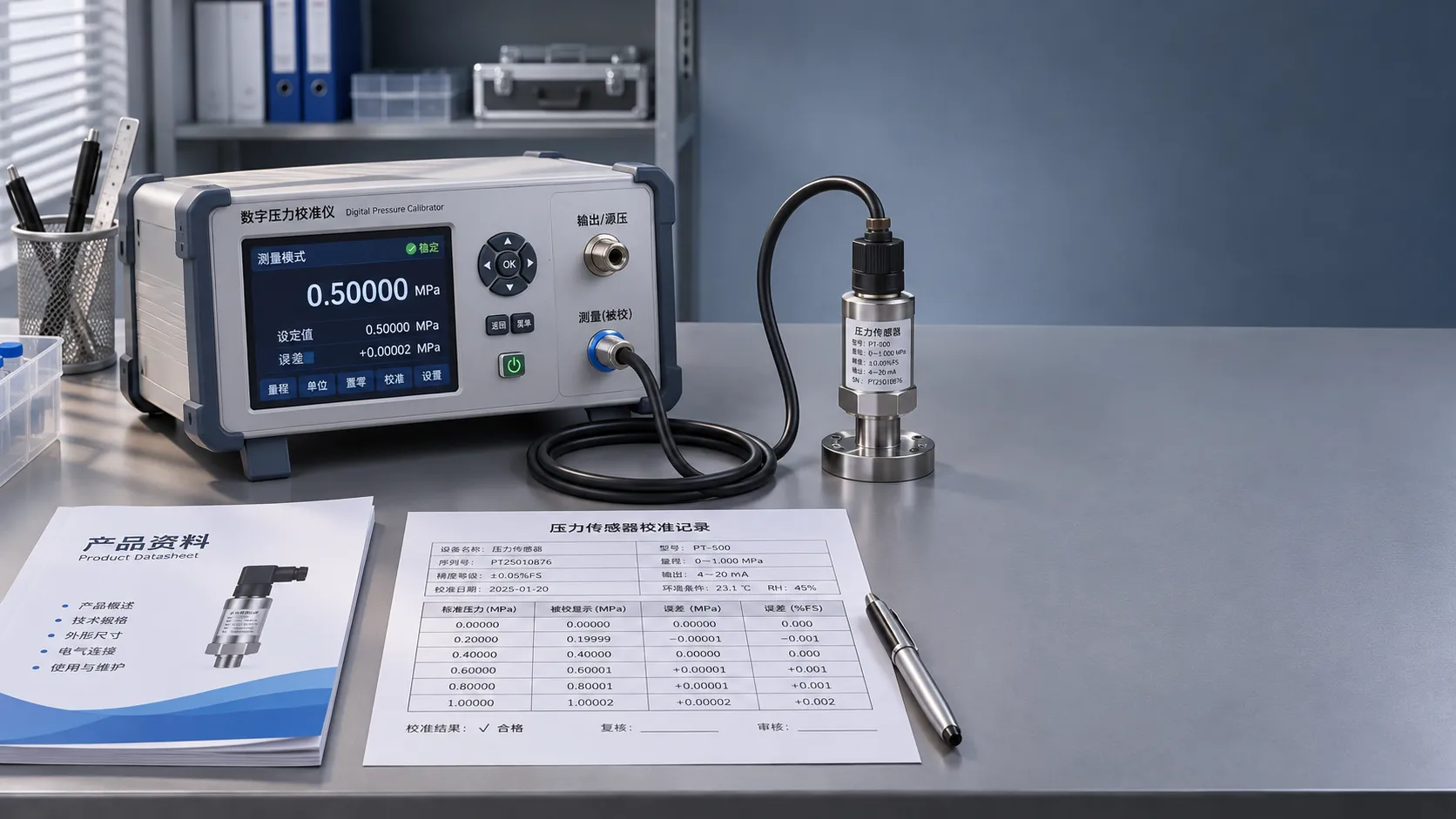
Calibration Tool Specifications: Where to Find and Verify Product Data
Explore product information resources for calibration tools and learn how to verify specifications, certificates and traceability before you buy.
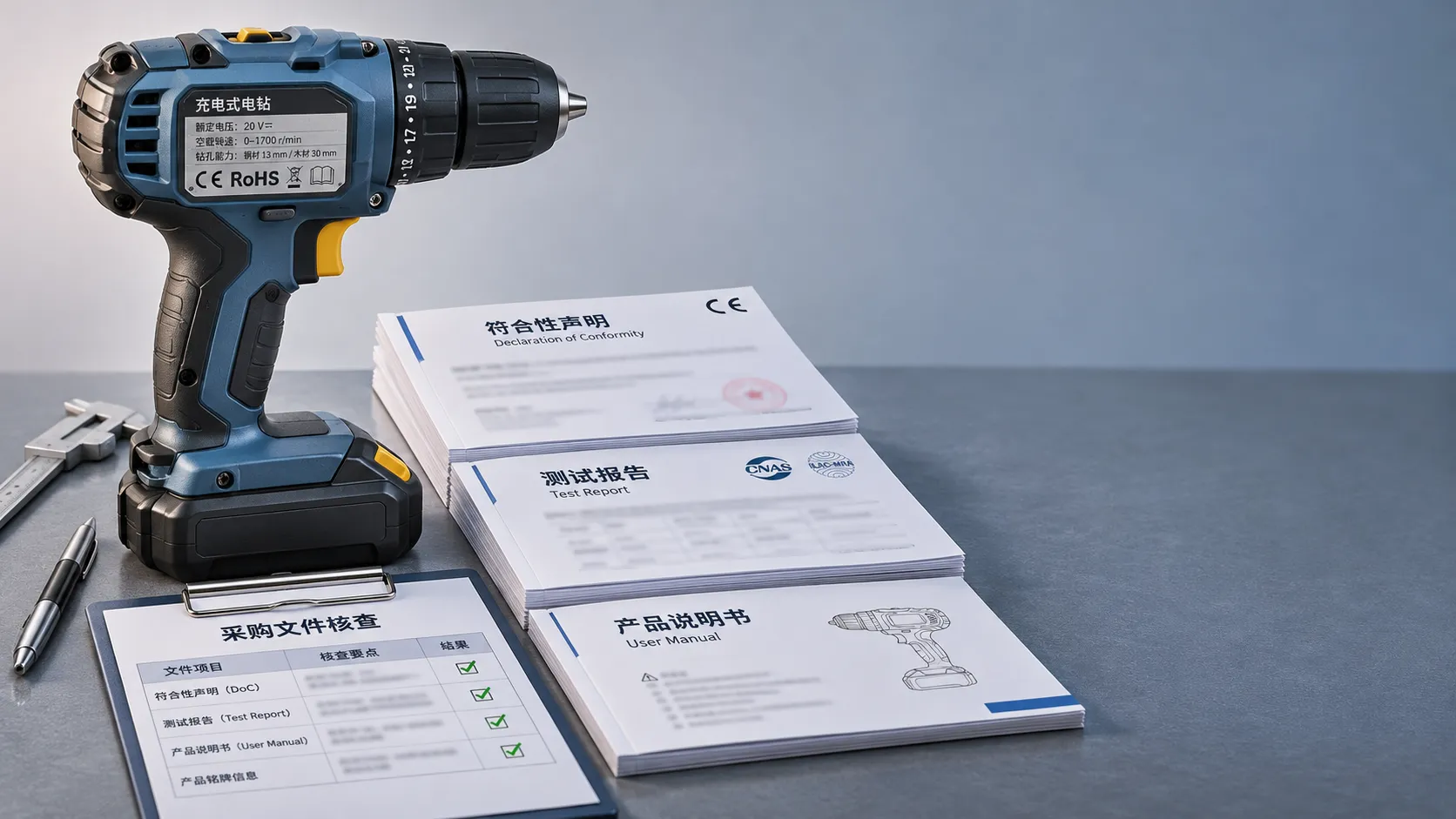
Choosing CE-Marked OEM Tools: Documents Buyers Should Check
Buying OEM tool solutions CE certified for Europe? Discover the documents to check, avoid costly compliance gaps, and choose suppliers with confidence.
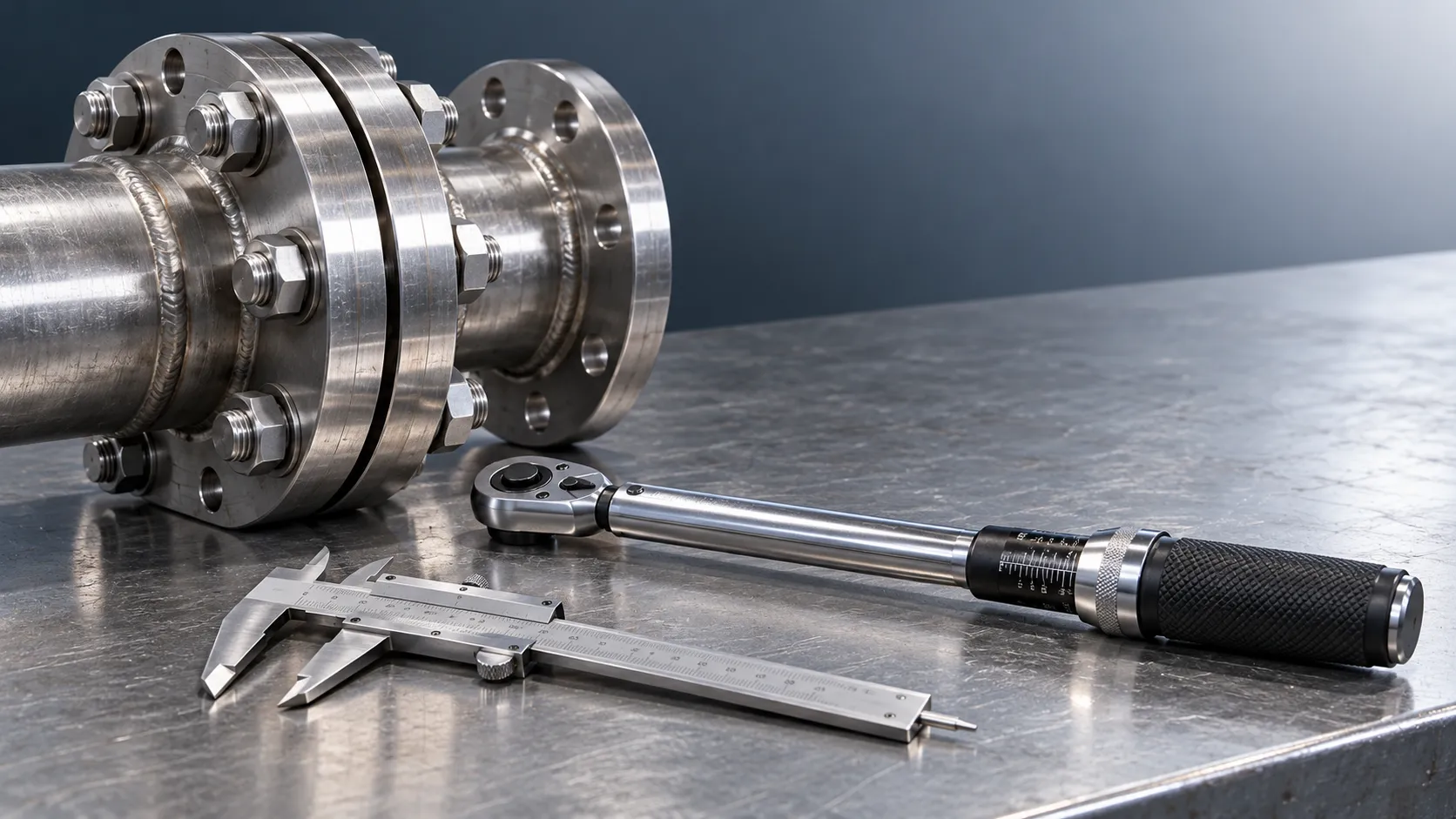
Industrial Assembly Specifications: How to Define Tolerances and Torque
Explore specification-oriented articles on industrial assembly and learn how to define tolerances, validate torque settings, and improve joint reliability.
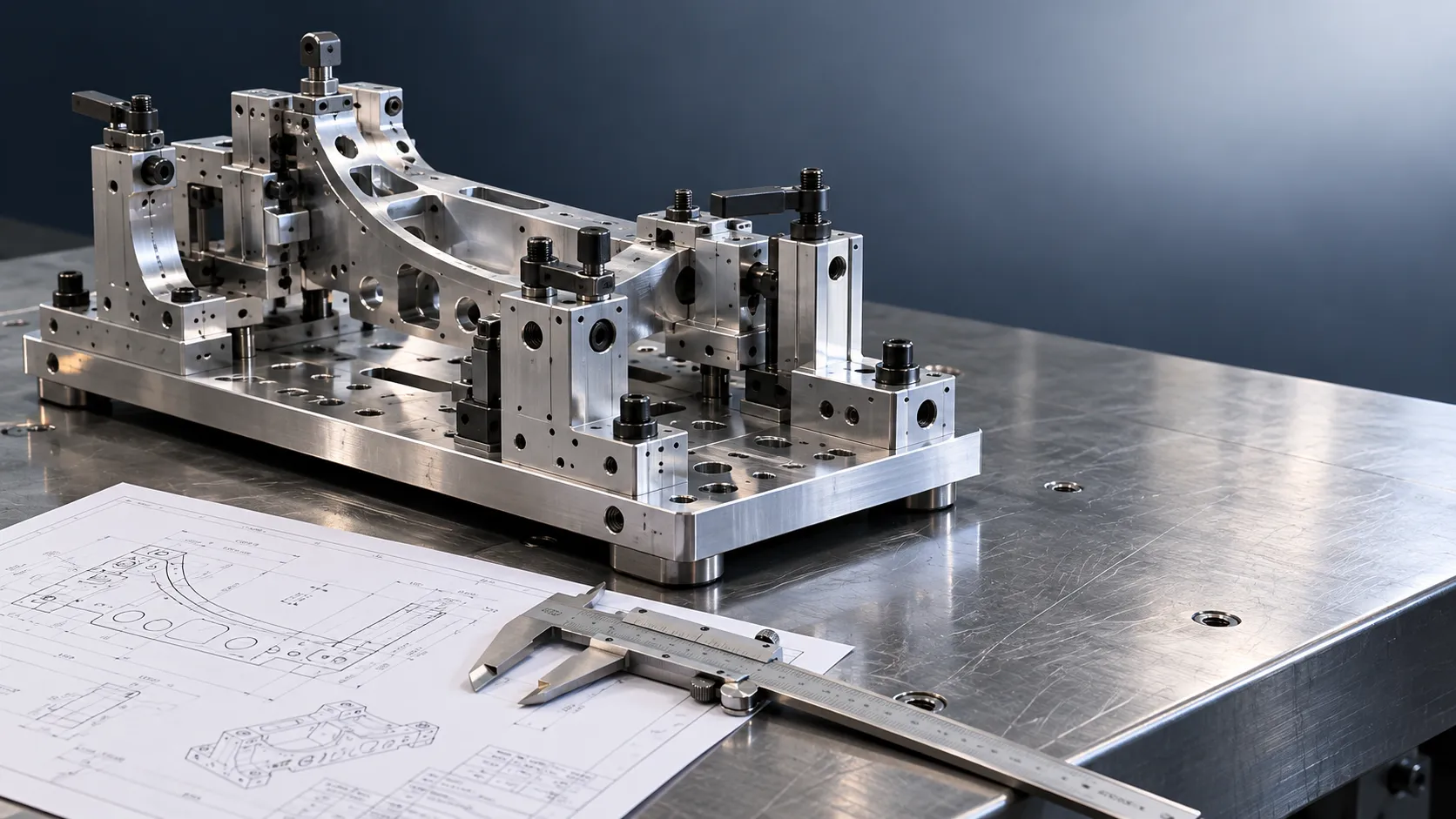
AMS Specifications for Aerospace Tooling: What Do They Cover?
Aerospace tools AMS requirements can cover materials, processes and documentation. Learn how to verify compliance and assess finished-tool acceptance.
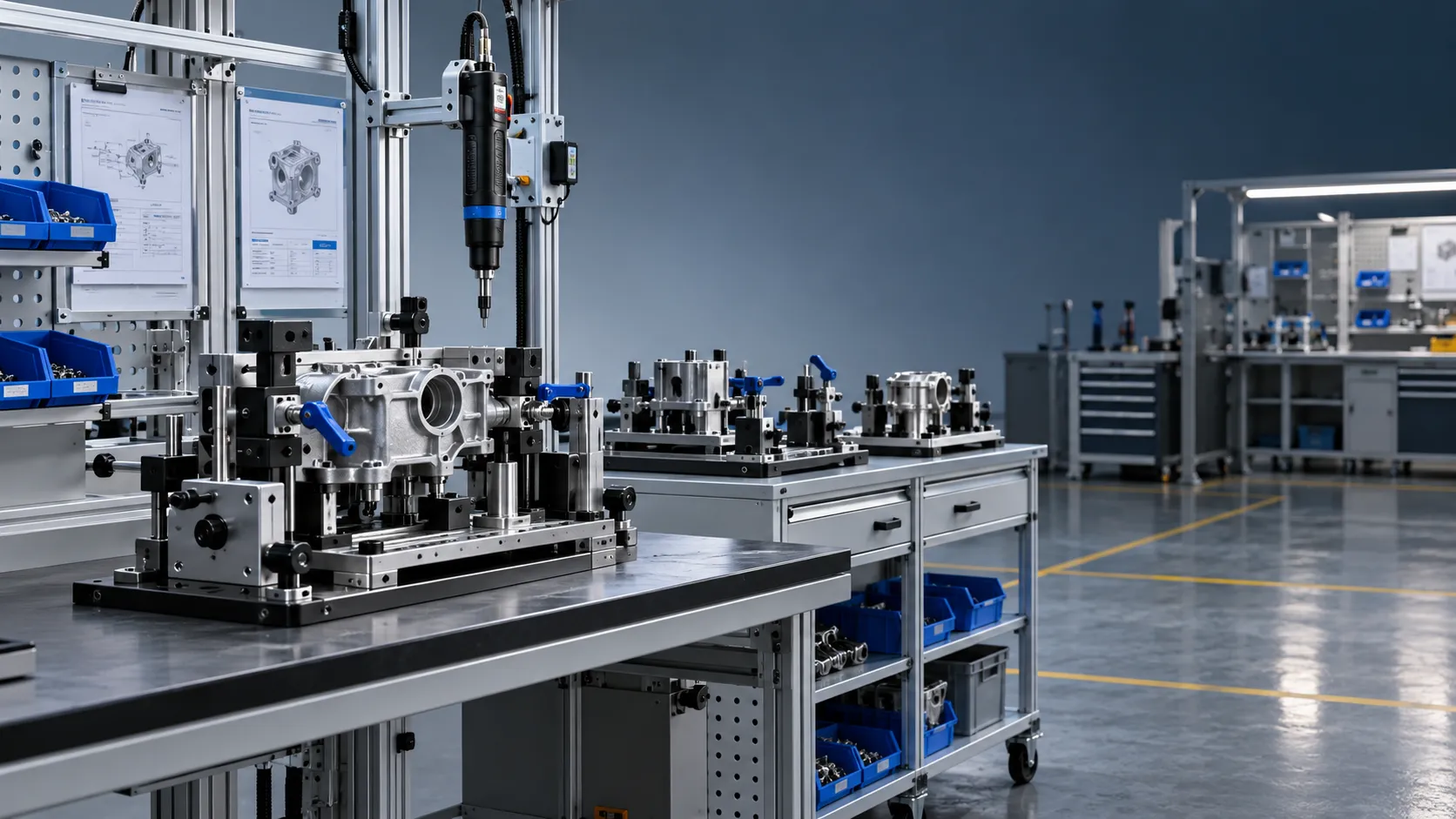
Choosing Industrial Assembly Solutions for High-Mix Production Lines
Choose industrial assembly solutions for high-mix production with practical guidance on changeovers, quality, traceability, automation, and total cost.
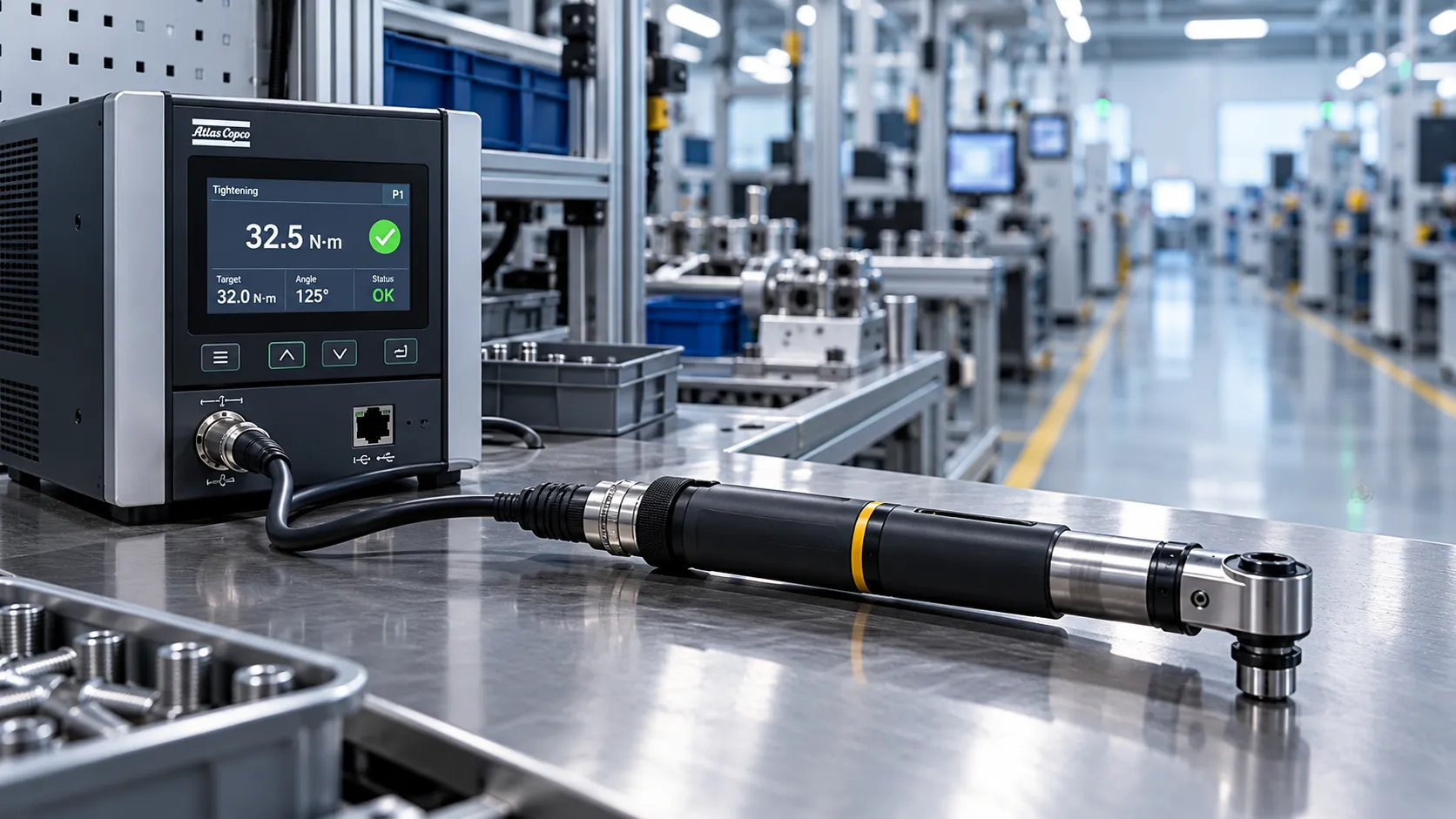
Choosing an Industrial IoT Tools Distributor: Integration and Support Criteria
Choose an industrial IoT tools distributor with confidence. Compare integration, support, security, and lifetime costs to avoid hidden risks and protect production.
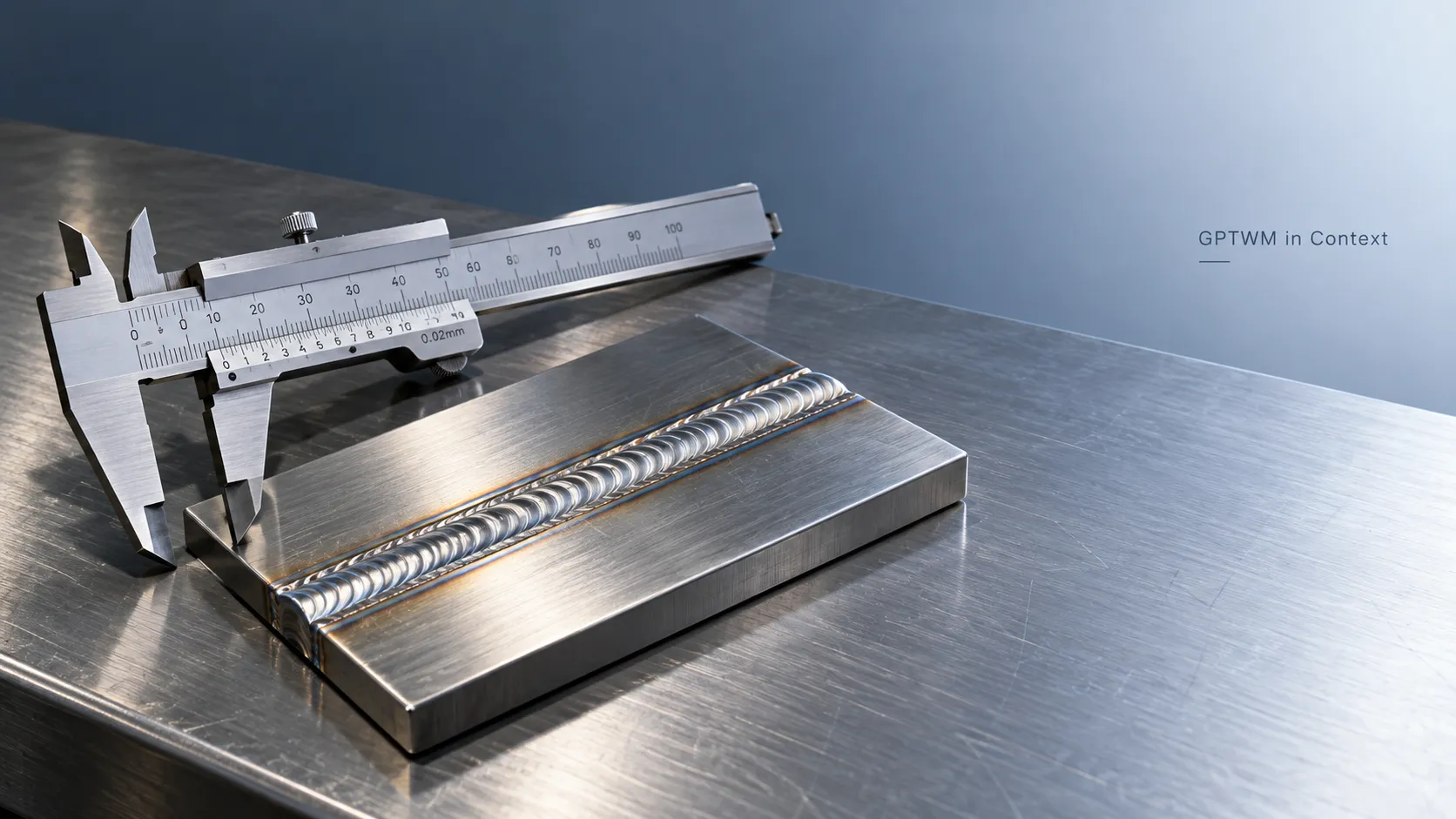
What Does GPTWM Mean? How to Verify Its Meaning in Context
What does gptwm mean? Explore its industrial context and learn how to verify the full name, publisher, and supporting sources before relying on its claims.
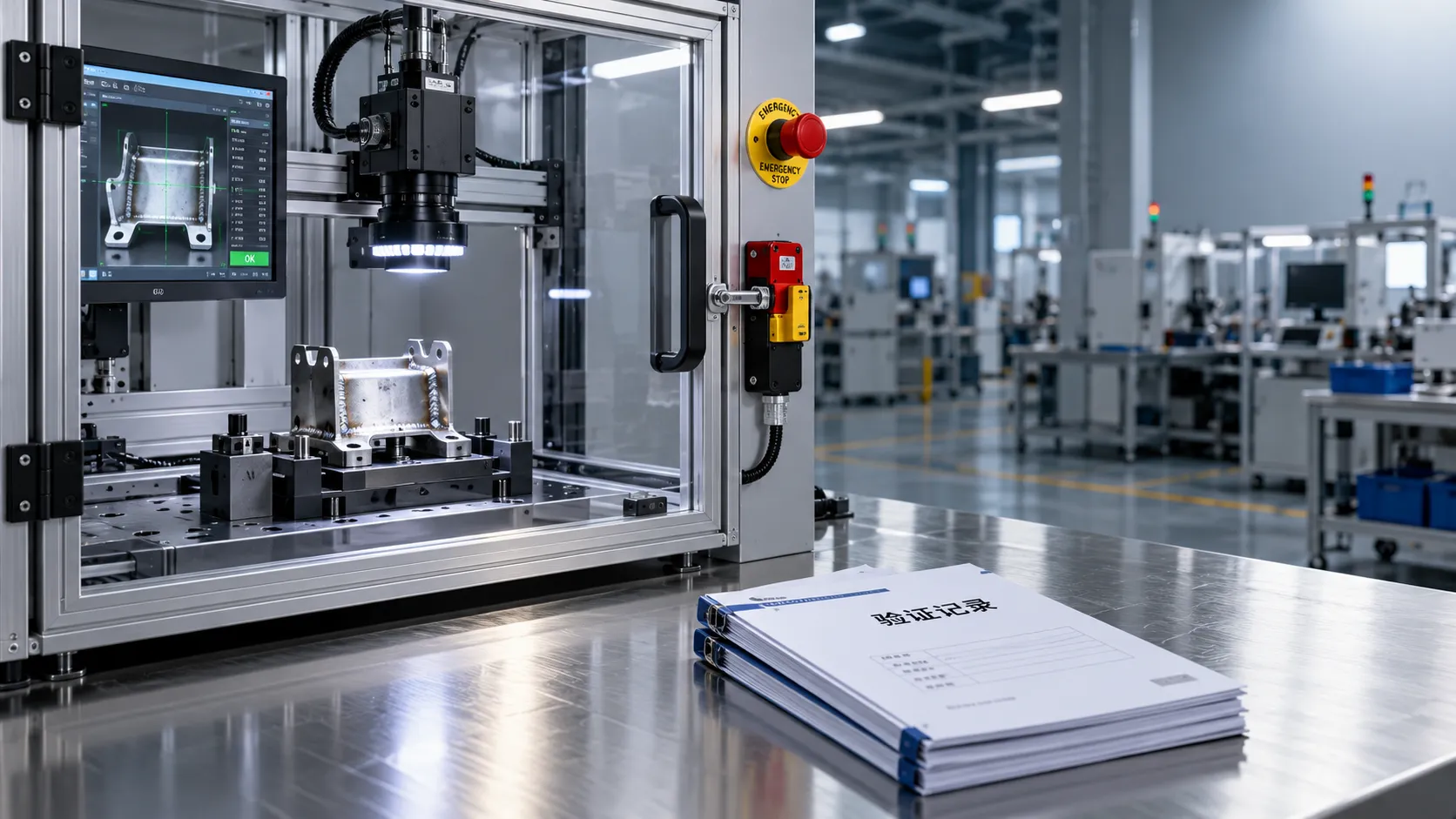
Industrial AI Compliance Guide: What to Check Before Factory Deployment
Use this industrial intelligence compliance guide to check safety, legal duties, cybersecurity, and validation before factory AI deployment. Explore the checklist to close critical gaps.
Choosing a Laser Welding Equipment Supplier: Weld Trials, Warranty, and Support
Choosing a laser welding equipment supplier? Learn how to verify weld trials, compare warranty coverage, and assess support to reduce downtime and buy with confidence.
Related News
- 00
0000-00
Industrial Innovation Trends: Where Manufacturers Should Invest - 00
0000-00
What Does GPTWM Mean? How to Verify Its Meaning in Context - 00
0000-00
South East Asia Machine Tools Market: Demand Outlook by Manufacturing Industry - 00
0000-00
Where Is the South East Asia Smart Manufacturing Market Creating New Opportunities? - 00
0000-00
South East Asia Smart Factory Market: Growth Drivers, Sectors, and Investment Signals
0000-00
Dr. Alistair Vaughn
Weekly Insights
Stay ahead with our curated technology reports delivered every Monday.