
Choosing an Industrial IoT Tools Distributor: Integration and Support Criteria





The lowest-priced connected tool is not necessarily the lowest-cost purchase. If its data cannot reach the required production system, if replacement parts are unavailable, or if a software subscription limits access to historical records, the apparent saving can disappear after installation. The distributor’s ability to deliver and support the complete working system matters as much as the tool’s published specifications.
When comparing an industrial IoT tools distributor with alternatives, the decisive question is not simply whether it sells connected torque tools or precision measuring equipment. It is whether the supplier can demonstrate compatibility with the intended application, define its support responsibilities, and disclose the costs and dependencies that will remain after commissioning.
Start with the production task, not the connectivity claim
“Connected” can describe anything from a tool that exports a file to a system that automatically associates every fastening result with a product serial number. Those capabilities have different integration requirements and different costs. A quotation that says only “network enabled” leaves too much unresolved.
For a connected torque tool, specify whether the requirement is to store the final torque value, capture angle and tightening status, prevent an operator from proceeding after a failed fastening, or transfer a complete record to a manufacturing execution system. For a digital measuring instrument, the relevant requirement might be transferring readings to a quality database with the part identifier, unit of measure, instrument identity and timestamp intact.
These distinctions affect the selection of tool, controller, gateway, software licence and integration service. They also determine whether a distributor can supply the solution directly or must rely on the equipment manufacturer or a separate integrator. Ask each bidder to identify which components are included and which functions depend on third parties.
Connectivity should not be confused with control capability. A tool that reports a failed tightening does not necessarily stop the next operation or enforce a rework sequence. If an interlock or production decision depends on the result, the required behaviour should be described explicitly and tested rather than assumed from a data sheet.
Verify integration at the level of usable data
Compatibility is more than matching an interface name. A supplier may list Ethernet, Wi-Fi, OPC UA or an API, but those terms do not establish which data are available, how they are structured, or whether the receiving system can use them without additional development.
Request an interface specification and a sample message or export from the proposed tool and controller. The sample should show the fields needed for the intended process: result status, measurement value, units, timestamp, device identity and any part or job identifier. Where traceability matters, establish how the identifier enters the system and what prevents a result from being assigned to the wrong part.
Several questions help distinguish a documented integration from a broad compatibility claim:
- Is the interface available in the quoted configuration, or does it require an extra licence, gateway or software module?
- Does the data flow directly from the tool, through a controller, or through a vendor-hosted platform?
- Who maps the data to the receiving system and maintains that mapping after an upgrade?
- What happens when the network is unavailable: are results stored locally, for how long, and how are they retransmitted?
- Can historical records be exported in a documented format without retaining a subscription indefinitely?
A gateway can be a practical way to connect older equipment, but it adds another component to purchase, secure and support. Confirm which tool models and firmware versions it supports and whether it transfers the required data rather than only basic status signals. If the tool manufacturer and gateway provider are separate companies, allocate responsibility for diagnosing faults at their interface.
A written demonstration is stronger than a promise of compatibility. A representative test should use the intended tool configuration, a sample of the actual data fields and, where feasible, the target system or a suitable test environment. Define acceptance in operational terms: for example, a fastening result appears against the correct test identifier, a failed result is distinguishable from a pass, and a simulated connection loss produces the agreed recovery behaviour. The distributor should state who performs the test, who supplies access and what happens if the agreed result is not achieved.
Separate distributor support from manufacturer support
Many distributors can supply a product catalogue; fewer can resolve a commissioning problem involving a tool, controller, network and production software. Ask for a clear support model before placing the order. The distributor may provide first-line diagnosis while the manufacturer handles firmware defects and a systems integrator maintains the production interface. That division can work, provided the handoffs and escalation route are explicit.
The support commitment should identify the service channels, coverage hours and response targets for the installation location. A response time is not the same as a repair time: it may only mean that a ticket has been acknowledged. For equipment that can interrupt production, ask how severity is defined, whether remote diagnosis is included, and what onsite attendance or replacement options are available.
Local service capability deserves particular attention in cross-border purchases. A distributor may be authorized to sell a product in one territory but depend on another organization for warranty service elsewhere. Confirm where repairs are performed, who arranges shipment, whether import duties or freight are charged again, and whether a loan unit is available under the quoted terms. Availability of a local contact does not by itself establish access to trained technicians or spare parts.
For precision metrology equipment, support also includes calibration arrangements. Establish whether the distributor performs calibration or coordinates it with a qualified laboratory, what documentation is supplied, and whether the required traceability and uncertainty are suitable for the application. Calibration intervals should follow the instrument’s use, the quality system and applicable requirements; they should not be assumed from a sales quotation alone.
Request a list of consumables and replaceable parts, including batteries, cables, sensors and tool heads where relevant. Ask about expected lead times and the procedure if a component becomes unavailable. A repairable instrument with an accessible spare-parts route may be less disruptive than a cheaper unit that must be replaced in full.
Price the working system over its intended life
Comparable bids need a common scope. One quote may include a controller, commissioning and a year of software access; another may cover only the tool. Before ranking prices, normalize each proposal around the same functional requirement and make exclusions visible.
Use the same planning period for every bid and distinguish fixed commitments from assumptions. If subscription pricing is guaranteed only for the initial term, do not treat later renewals as fixed. If integration work is quoted on a time-and-materials basis, request an estimate with stated assumptions, rates and a change-approval process. A low equipment price can conceal material implementation costs when the required interface has not been defined.
Consider downtime exposure separately from the supplier’s invoice. A backup tool, spare controller or local repair arrangement costs money, but its value depends on whether the operation can continue safely and with acceptable traceability while the primary unit is unavailable. The appropriate provision for a noncritical measurement station may differ from that for a production operation that cannot release a product without a recorded fastening result.
Make cybersecurity and data ownership contractual
Connected equipment introduces software, accounts and network access into an industrial environment. The relevant question is not whether a supplier claims its system is secure, but what controls are available and who operates them. Obtain documentation on authentication, user roles, supported network connections, encryption where used, update procedures and the handling of known vulnerabilities.
Confirm whether the equipment can operate on a segregated network and whether it requires continuous internet access or remote vendor access. If remote access is needed for support, agree how it is authorized, monitored and disabled. Establish who is responsible for applying updates and whether changes to firmware or software could affect validated integrations or production settings.
Cloud access can simplify support or reporting, but it also creates dependencies on subscription terms and service availability. The contract should identify where data are held, who can access them, how long records are retained and how they can be retrieved. Where personal data or regulated production records are involved, assess the applicable legal and internal requirements for the relevant jurisdictions and use case.
At the end of a contract, access to measurement history should not depend on an informal promise. Specify the export format, the scope of records included, any exit charges and the time allowed to retrieve data. Also clarify whether exported records retain their context, such as device identifiers, units and timestamps. A file containing values without the information needed to interpret them may not satisfy a traceability requirement.
Turn supplier claims into enforceable acceptance conditions
The strongest comparison combines commercial terms with evidence of delivery capability. Ask shortlisted distributors for an itemized bill of materials, interface documentation, a support escalation path and written confirmation of the proposed warranty. Where an authorized relationship with the manufacturer is important, request evidence covering the products and territory involved.
The purchase agreement or statement of work should identify the configuration being accepted: model, controller, firmware or software version where relevant, interfaces, licences and agreed functions. Define the test conditions, responsible parties and required evidence. If acceptance depends on a customer-supplied network or production system, state those dependencies as well; otherwise, delays can become disputes over who was expected to provide access or resolve a defect.
Payment milestones can be linked to delivery and acceptance where commercially appropriate, with a defined process for correcting failures and retesting. Also specify change control for additional integration work, support start dates, warranty exclusions and the remedy if the delivered system does not meet the agreed criteria.
A distributor that cannot answer every technical question immediately is not automatically unsuitable. The important distinction is whether it can obtain authoritative answers, identify limitations and commit to a workable division of responsibility. An offer built on documented interfaces, testable requirements and accessible support gives a firmer basis for comparing total cost than one built on a low unit price and an unqualified promise of integration.
Related News
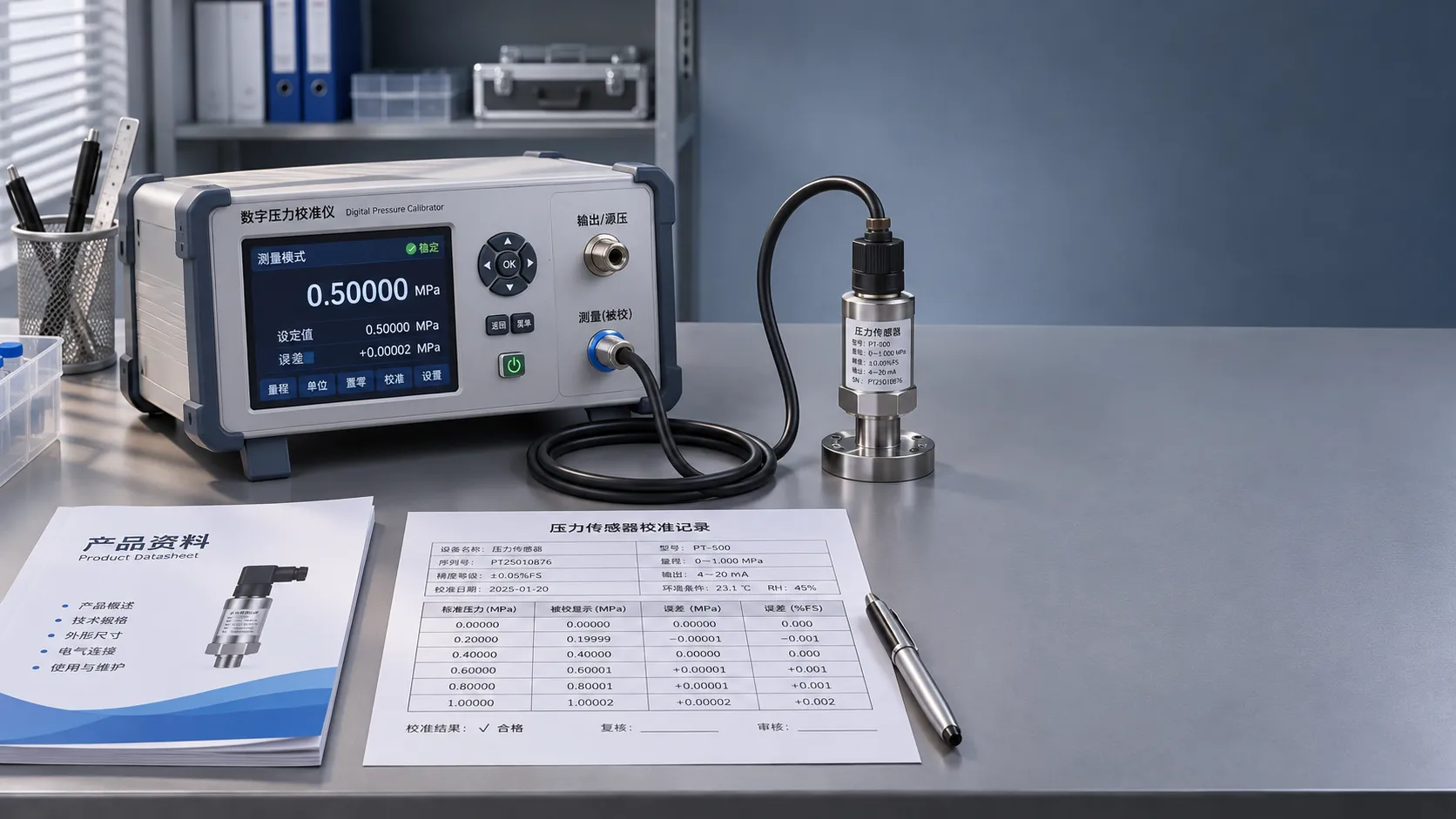
Calibration Tool Specifications: Where to Find and Verify Product Data
Explore product information resources for calibration tools and learn how to verify specifications, certificates and traceability before you buy.
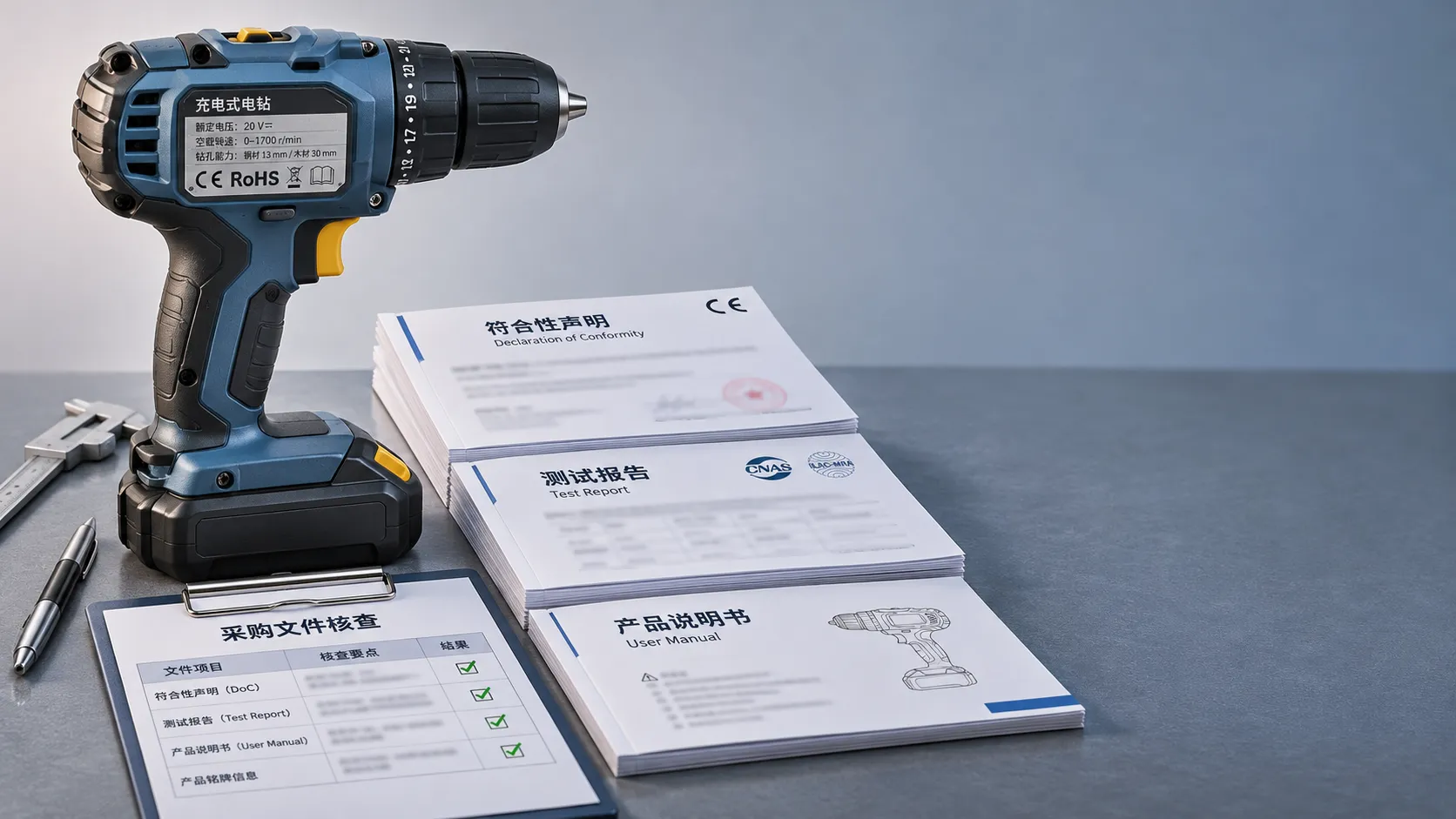
Choosing CE-Marked OEM Tools: Documents Buyers Should Check
Buying OEM tool solutions CE certified for Europe? Discover the documents to check, avoid costly compliance gaps, and choose suppliers with confidence.

Industrial Innovation Trends: Where Manufacturers Should Invest
Explore industrial innovation trends in fastening, metrology, laser welding, and connected tools—and discover where manufacturers should invest.
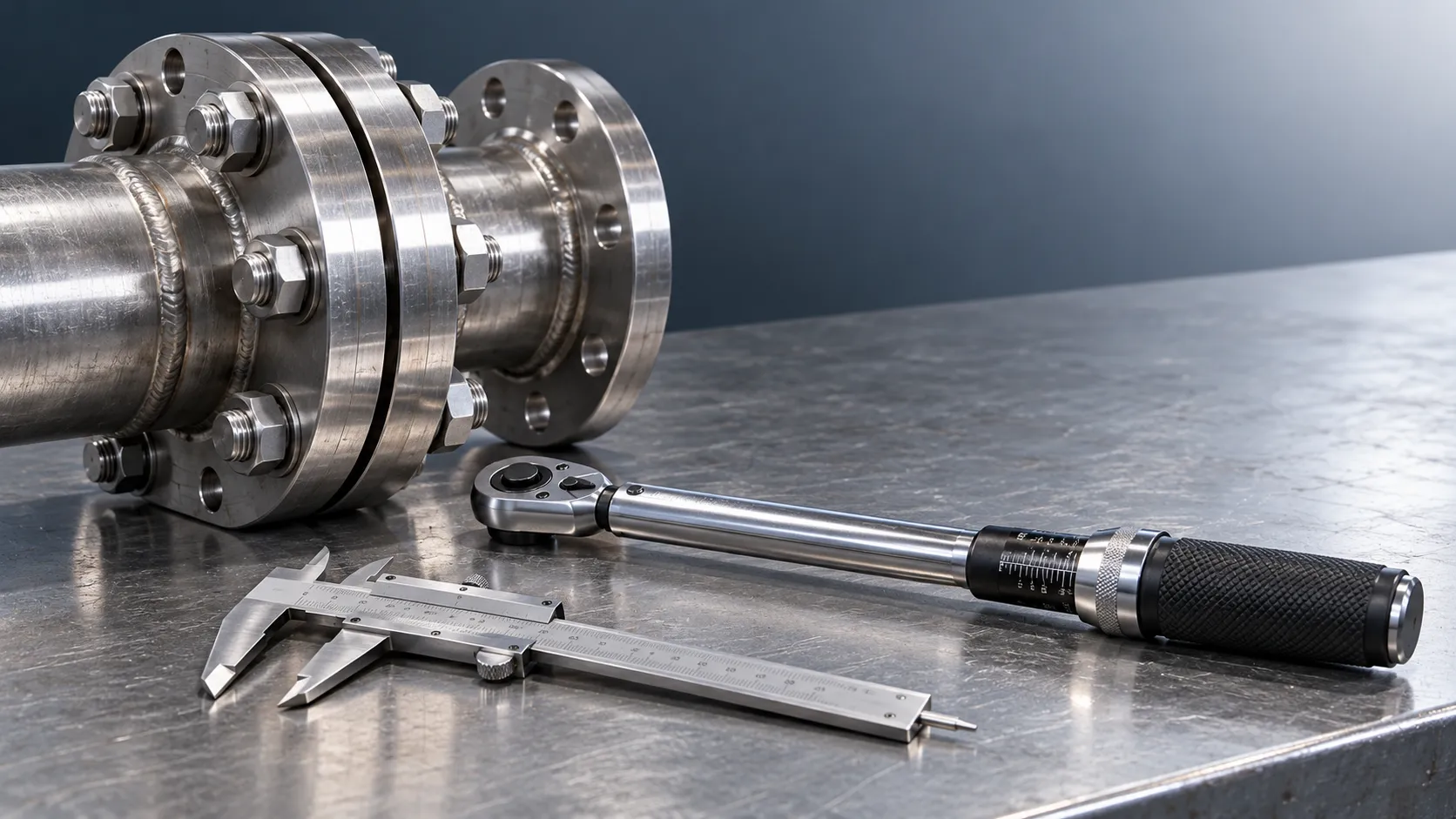
Industrial Assembly Specifications: How to Define Tolerances and Torque
Explore specification-oriented articles on industrial assembly and learn how to define tolerances, validate torque settings, and improve joint reliability.
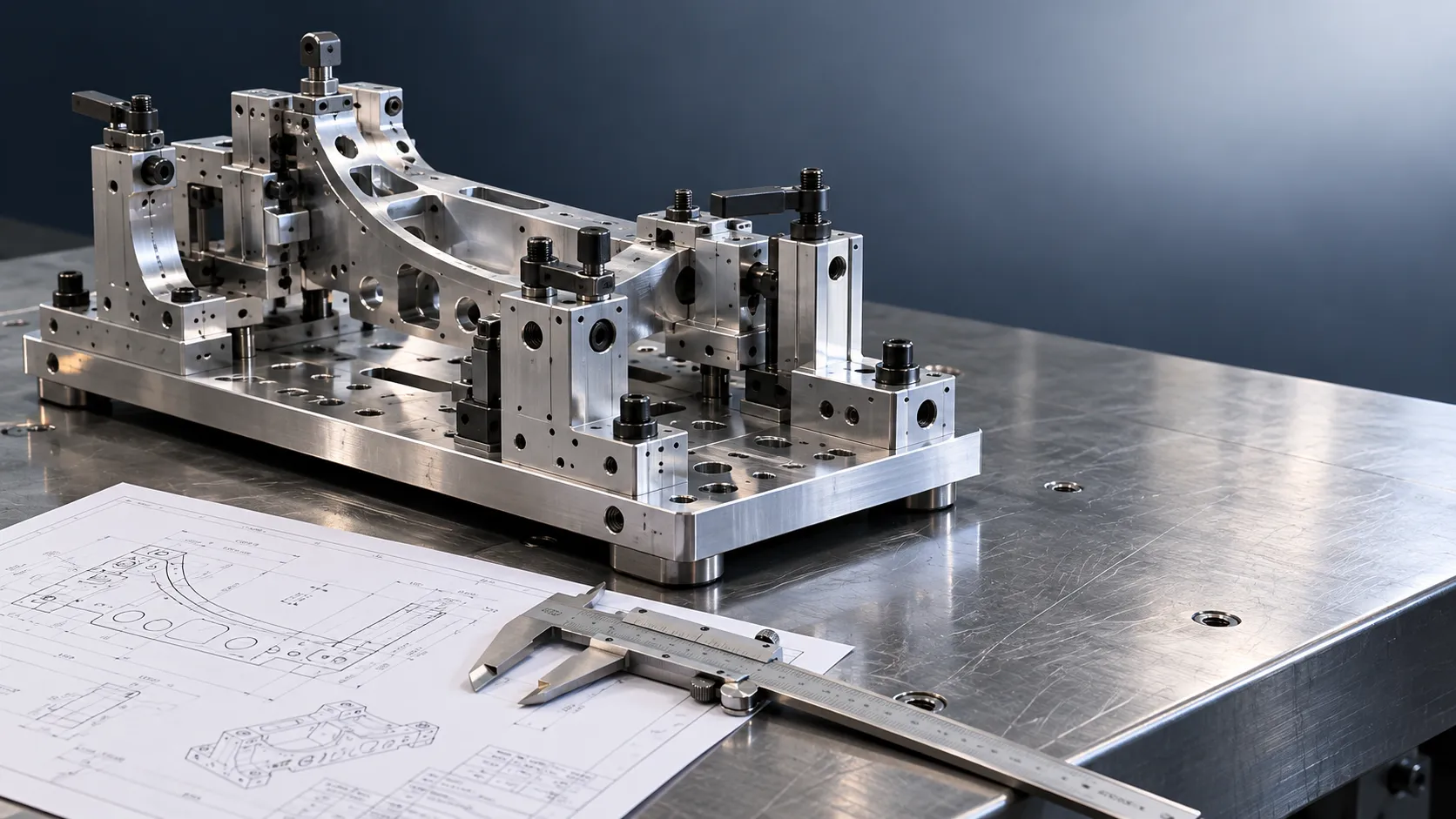
AMS Specifications for Aerospace Tooling: What Do They Cover?
Aerospace tools AMS requirements can cover materials, processes and documentation. Learn how to verify compliance and assess finished-tool acceptance.

Choosing Industrial Assembly Solutions for High-Mix Production Lines
Choose industrial assembly solutions for high-mix production with practical guidance on changeovers, quality, traceability, automation, and total cost.

What Does GPTWM Mean? How to Verify Its Meaning in Context
What does gptwm mean? Explore its industrial context and learn how to verify the full name, publisher, and supporting sources before relying on its claims.

Industrial AI Compliance Guide: What to Check Before Factory Deployment
Use this industrial intelligence compliance guide to check safety, legal duties, cybersecurity, and validation before factory AI deployment. Explore the checklist to close critical gaps.
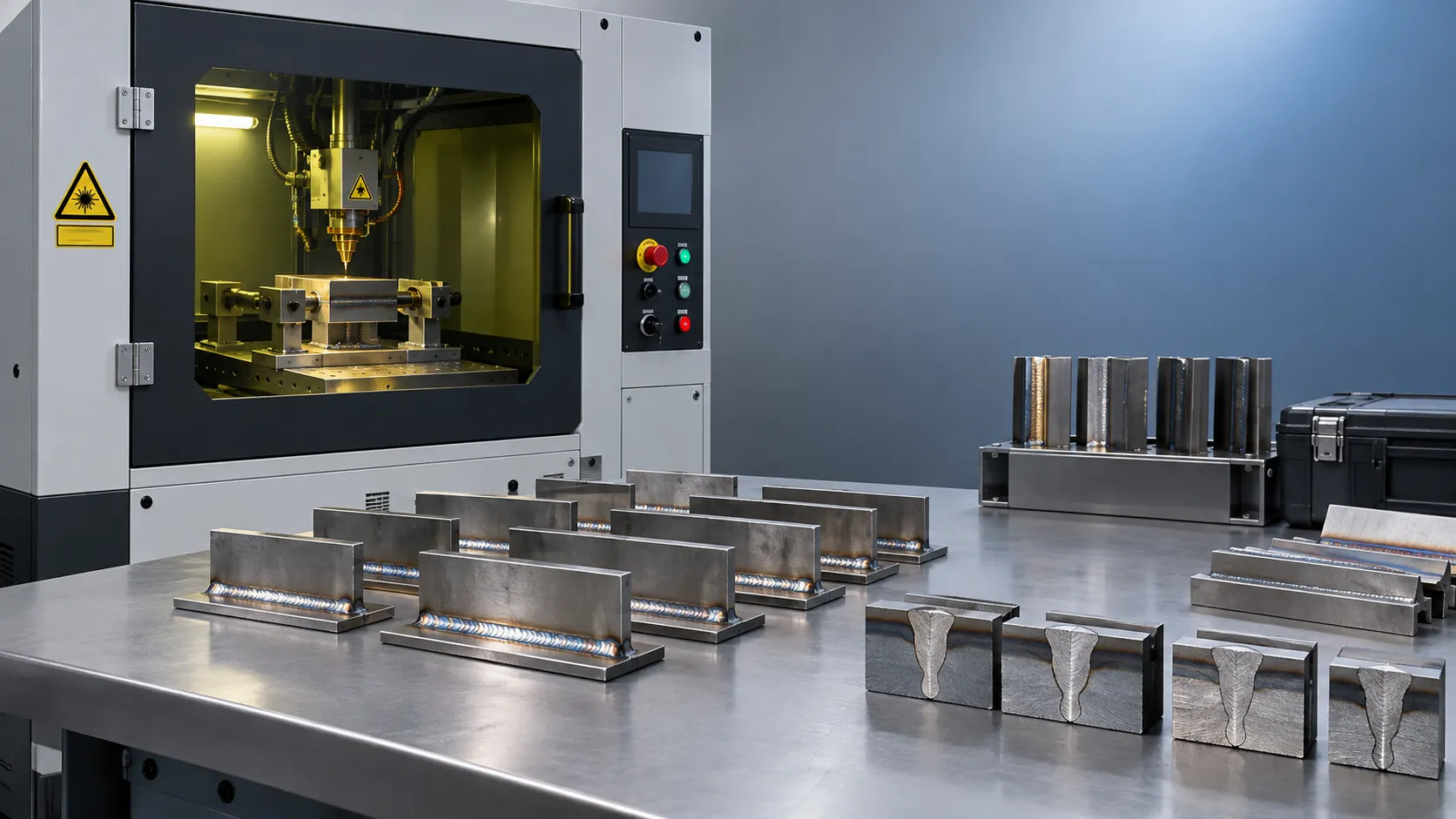
Choosing a Laser Welding Equipment Supplier: Weld Trials, Warranty, and Support
Choosing a laser welding equipment supplier? Learn how to verify weld trials, compare warranty coverage, and assess support to reduce downtime and buy with confidence.
Related News
- 00
0000-00
Choosing CE-Marked OEM Tools: Documents Buyers Should Check - 00
0000-00
Choosing an Industrial IoT Tools Distributor: Integration and Support Criteria - 00
0000-00
Choosing a Laser Welding Equipment Supplier: Weld Trials, Warranty, and Support - 00
0000-00
Choosing a High-Precision Measuring Instrument Supplier: Calibration and Support - 00
0000-00
Choosing a Welding Tools Manufacturer: Quality Checks Before a Bulk Order
0000-00
Dr. Alistair Vaughn
Weekly Insights
Stay ahead with our curated technology reports delivered every Monday.