
How to Evaluate a Tool Design Supplier for Custom Projects: Capabilities, Lead Time, and Risk





How to Evaluate a Tool Design Supplier for Custom Projects: Capabilities, Lead Time, and Risk
Choosing the right tool design supplier can decide whether a custom project stays on budget, hits quality targets, and ships on time.
It can also decide whether the project stalls in redesign loops, tooling corrections, or avoidable supplier disputes.
That is why evaluating a tool design supplier now goes far beyond comparing quotes.
A reliable review should test engineering depth, production discipline, lead time control, and commercial risk at the same time.
In practical sourcing work, weak suppliers rarely fail in only one area.
More often, technical gaps show up later as delivery slippage, quality escapes, or expensive change orders.
Why Tool Design Supplier Evaluation Matters More in Custom Work
Standard catalog tools are easier to benchmark because performance, dimensions, and compliance are already defined.
Custom projects are different.
A tool design supplier may need to translate rough requirements into drawings, prototypes, process plans, and scalable production methods.
That means evaluation should cover both what the supplier builds and how the supplier thinks.
Recent shifts make this even more important.
Raw material volatility, export controls, and tighter quality expectations now affect custom tools across automotive, construction, and aerospace maintenance.
A capable tool design supplier should be able to explain how those external pressures affect your project before they become your problem.
Start with Technical Capability, Not Just Product Claims
The first question is simple: can this tool design supplier actually engineer the solution you need?
Marketing language is easy.
Engineering evidence is harder to fake.
Look for project examples that match your application, tolerances, materials, and use environment.
If the custom project involves welding fixtures, torque tools, gauges, or inspection devices, the supplier should show relevant case history.
Ask to review:
- Design process flow from concept to pilot run
- 2D and 3D engineering output standards
- Tolerance analysis and critical dimension control
- Material selection logic and substitution policy
- Testing, validation, and measurement capability
- Design change management during prototyping
A strong tool design supplier will answer with specifics, not general promises.
For example, they should define how they verify fit, repeatability, operator safety, and service life.
That level of detail usually signals a supplier that understands custom project risk from the start.
Review Design-for-Manufacturing Discipline Early
Some suppliers produce attractive designs that are difficult, slow, or expensive to manufacture.
That creates trouble later, especially when revisions arrive after sample approval.
A dependable tool design supplier should show strong design-for-manufacturing thinking.
This means the design team and production team work from the same assumptions.
Useful checkpoints include machining limits, assembly sequence, fixture requirements, finishing needs, and inspection accessibility.
In real projects, many delays come from late discovery of manufacturability issues.
That is why supplier evaluation should include cross-functional review, not only design review.
If the tool design supplier cannot explain production constraints clearly, the lead time estimate is probably weak too.
Check Lead Time Reliability in Stages, Not as One Number
One quoted delivery date tells you very little.
A serious tool design supplier should break lead time into clear project stages.
This usually includes requirement confirmation, design release, prototype build, testing, correction, pilot batch, and final production.
That stage-by-stage view helps identify where the real schedule risk sits.
Ask the supplier to separate internal process time from purchased component time.
This is especially important if the custom tool uses motors, sensors, controls, or imported steel grades.
A practical review should also ask:
- What assumptions were used to build the timeline?
- Which activities depend on customer approval?
- Which parts come from outside vendors?
- What is the recovery plan for a missed milestone?
- How often will progress updates be shared?
A mature tool design supplier treats lead time as a managed system, not a sales estimate.
Evaluate Quality Systems Through Real Execution
Quality claims should be tested in operation, not accepted at face value.
A tool design supplier may hold certifications, but execution quality depends on daily control methods.
Look for evidence of incoming inspection, in-process checks, final verification, and traceability.
For custom tools, measurement capability matters even more than paperwork.
The supplier should explain how they confirm dimensional accuracy, functional repeatability, and critical safety points.
This is where platforms like GPTWM add value.
Its intelligence on precision metrology, industrial assembly, and welding technologies helps benchmark what capable suppliers should already understand.
When a tool design supplier cannot speak comfortably about validation methods, quality risk usually sits beneath the surface.
Map Commercial and Operational Risk Before Award
A low quote can hide expensive exposure.
That is why tool design supplier selection should include a risk map before purchase order release.
Focus on the risks most likely to affect cost, delivery, and continuity.
A credible tool design supplier should be willing to discuss these items directly, including uncomfortable ones.
Use Supplier Questions That Expose Real Capability
The best evaluation questions are hard to answer with polished sales language.
They force the tool design supplier to reveal methods, limits, and habits.
- What design assumptions usually fail during prototyping?
- Which tolerances are hardest to hold repeatedly?
- How do you handle engineering changes after tooling release?
- What percentage of custom projects require schedule recovery?
- What data do you share during pilot validation?
- Which components create the biggest lead time risk today?
Responses should be concrete, balanced, and internally consistent.
If every answer sounds perfect, the evaluation probably is not deep enough.
Build a Practical Scorecard for Final Comparison
A simple scorecard helps separate preference from evidence.
For a custom sourcing decision, weight technical and execution factors more heavily than headline price.
A useful tool design supplier scorecard may include:
- Engineering capability and relevant project history
- Design-for-manufacturing maturity
- Lead time transparency and milestone control
- Quality verification and metrology discipline
- Commercial clarity and change management
- Supply chain resilience and compliance readiness
- Total project cost, not quote price alone
This approach creates better internal alignment as well.
It makes the final tool design supplier choice easier to defend when timelines tighten or project scope changes.
Final Takeaway
A strong tool design supplier does more than accept drawings and send prices.
The right partner reduces uncertainty across design, production, delivery, and lifecycle performance.
That is the real value in custom work.
For better sourcing outcomes, evaluate each tool design supplier through capability evidence, staged lead time logic, and visible risk controls.
Use industry intelligence to challenge assumptions, especially in metrology, assembly, and welding-related applications.
That is where GPTWM’s market observation is useful.
It connects technical trends, demand signals, and manufacturing realities that shape supplier performance.
When the next custom project starts, review the tool design supplier with sharper questions and a stricter scorecard. The savings usually appear long before production begins.
Related News
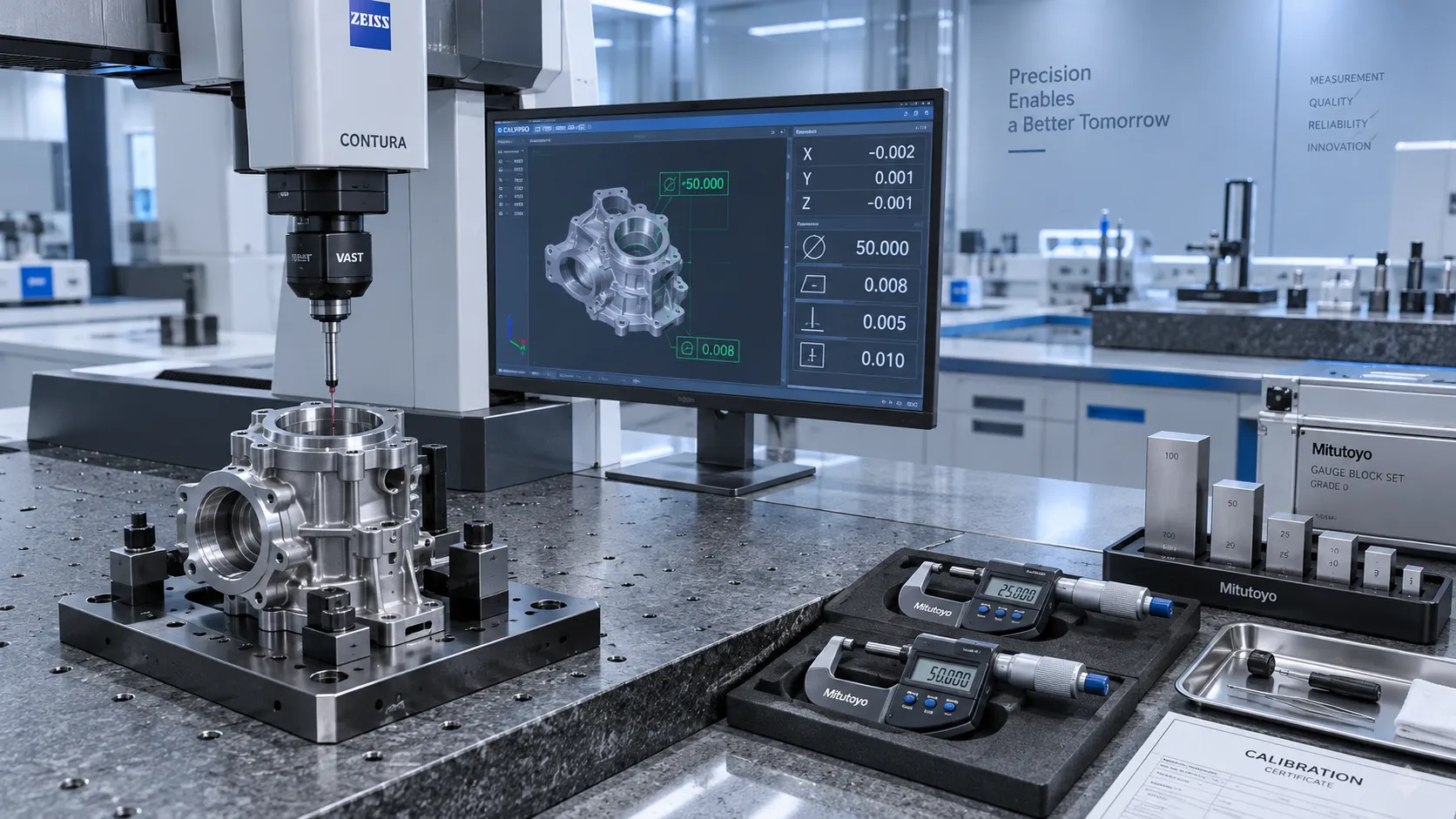
How to Select High-Precision Measuring Instruments for Tight-Tolerance Production?
High-precision measuring instruments are essential for tight-tolerance production. Learn how to evaluate accuracy, repeatability, environment, calibration, and data integration.
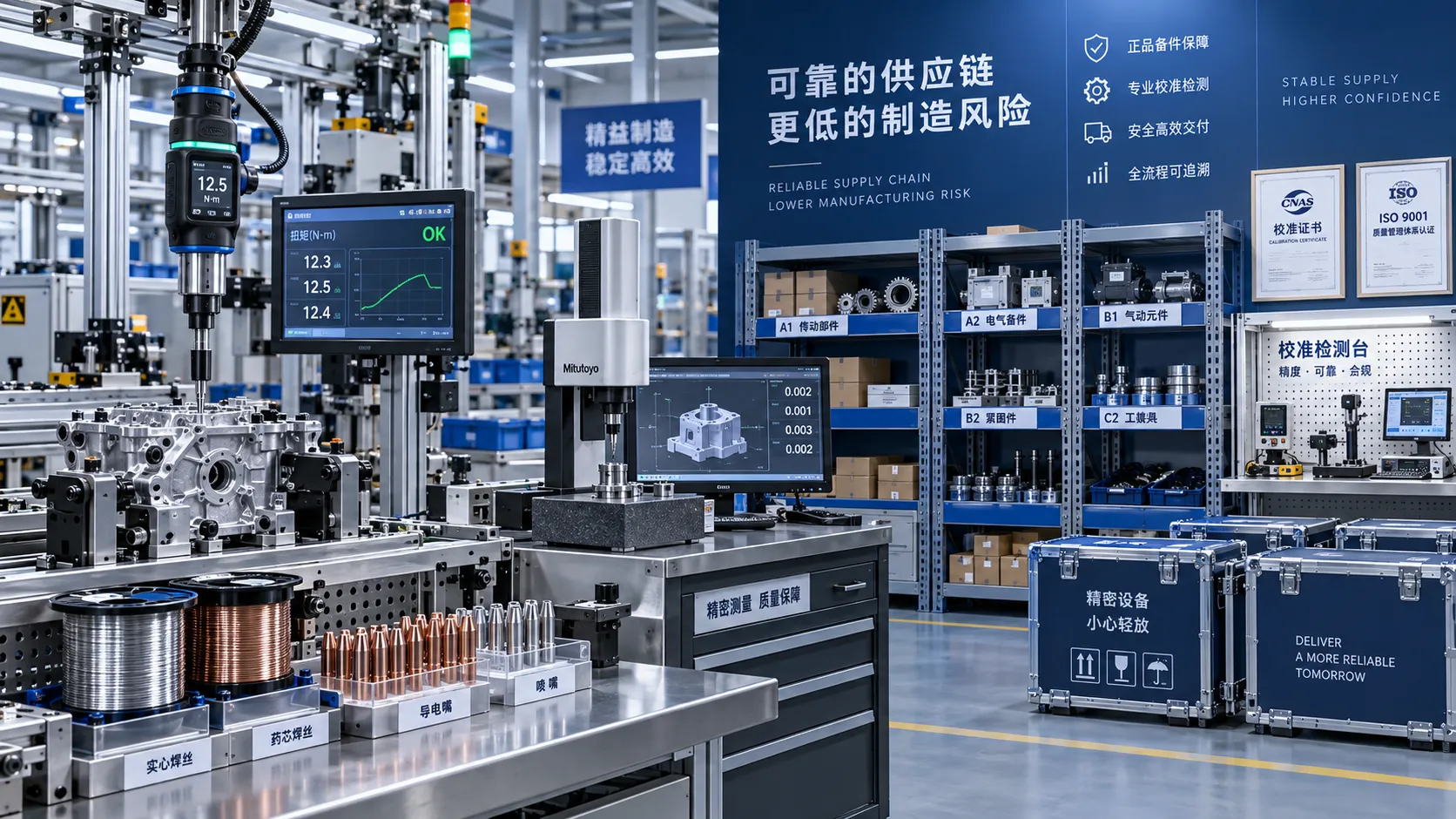
How Industrial Innovation Supplier Networks Reduce Sourcing Risk for Manufacturers
industrial innovation supplier network insights help manufacturers reduce sourcing risk, control lifecycle costs, and choose reliable tools, services, and suppliers with confidence.
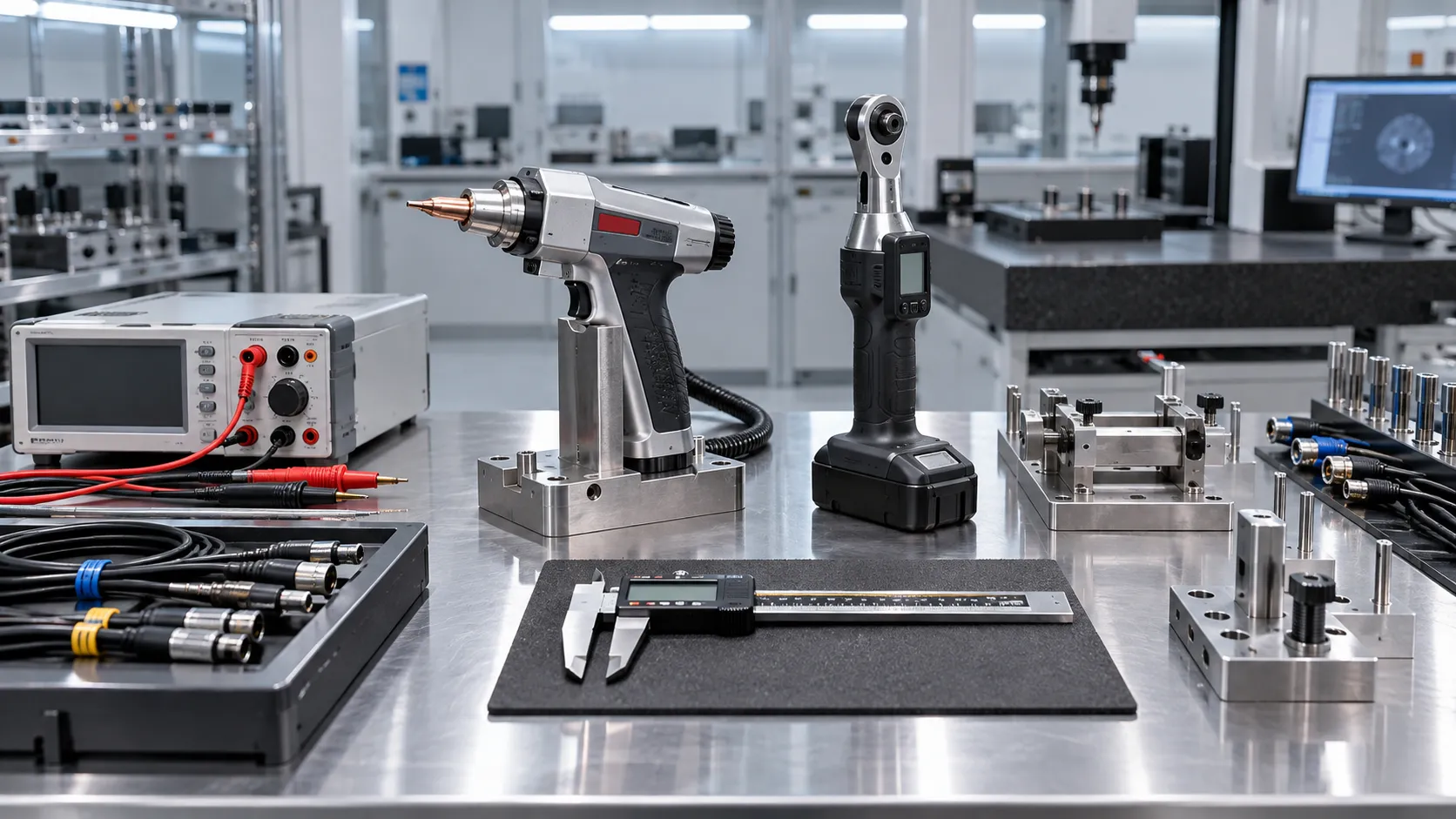
Which Industrial Standards Should Be Checked Before Export?
Which industrial standards should be checked before export? Discover essential compliance steps for industrial tools, welding equipment, laser systems, and metrology products.
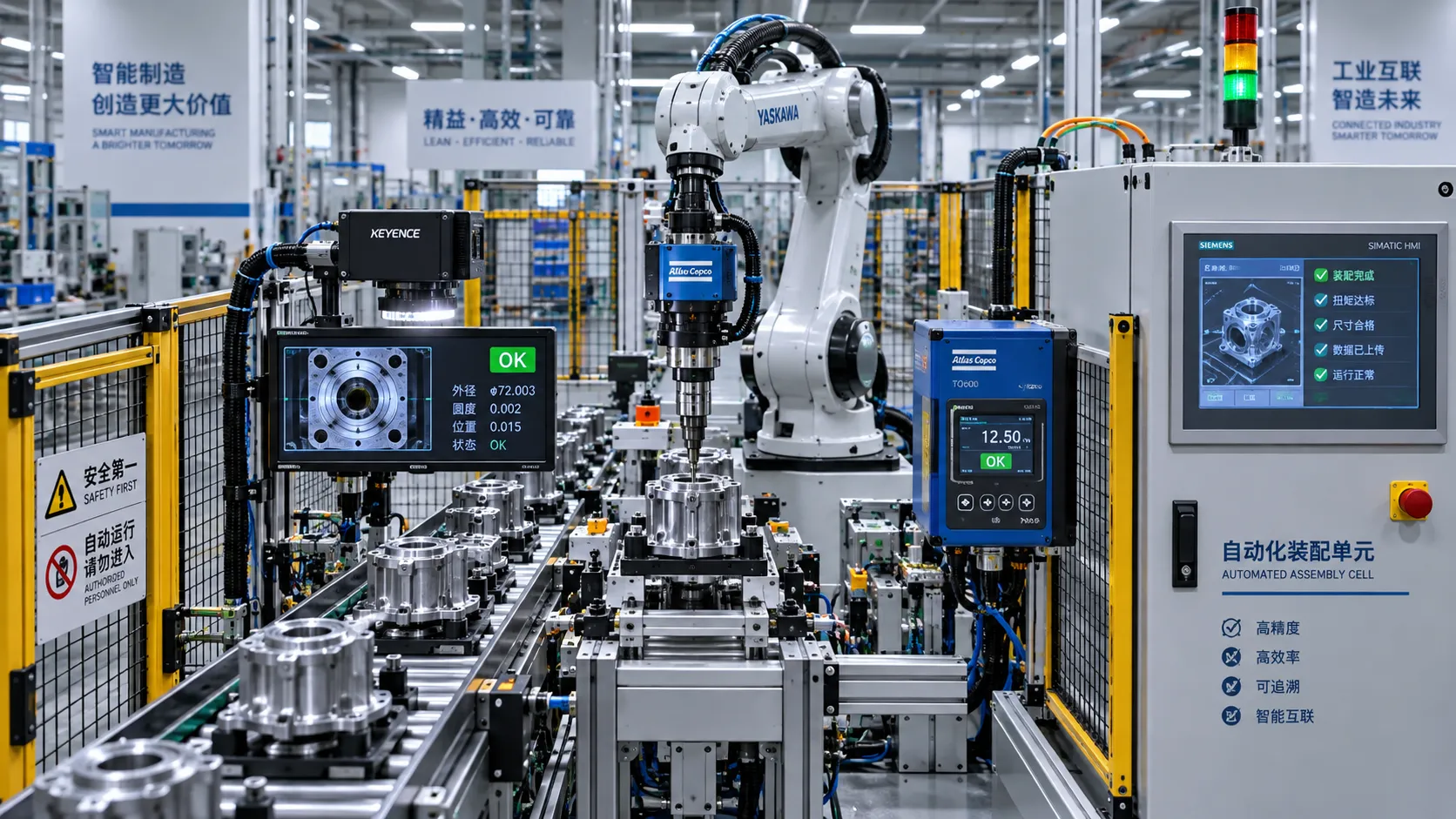
What Industrial Automation Exporters Need to Know Before Entering ASEAN Markets
Industrial automation exporter to ASEAN: learn how to navigate compliance, local service, digital readiness, pricing, and market entry for scalable growth.
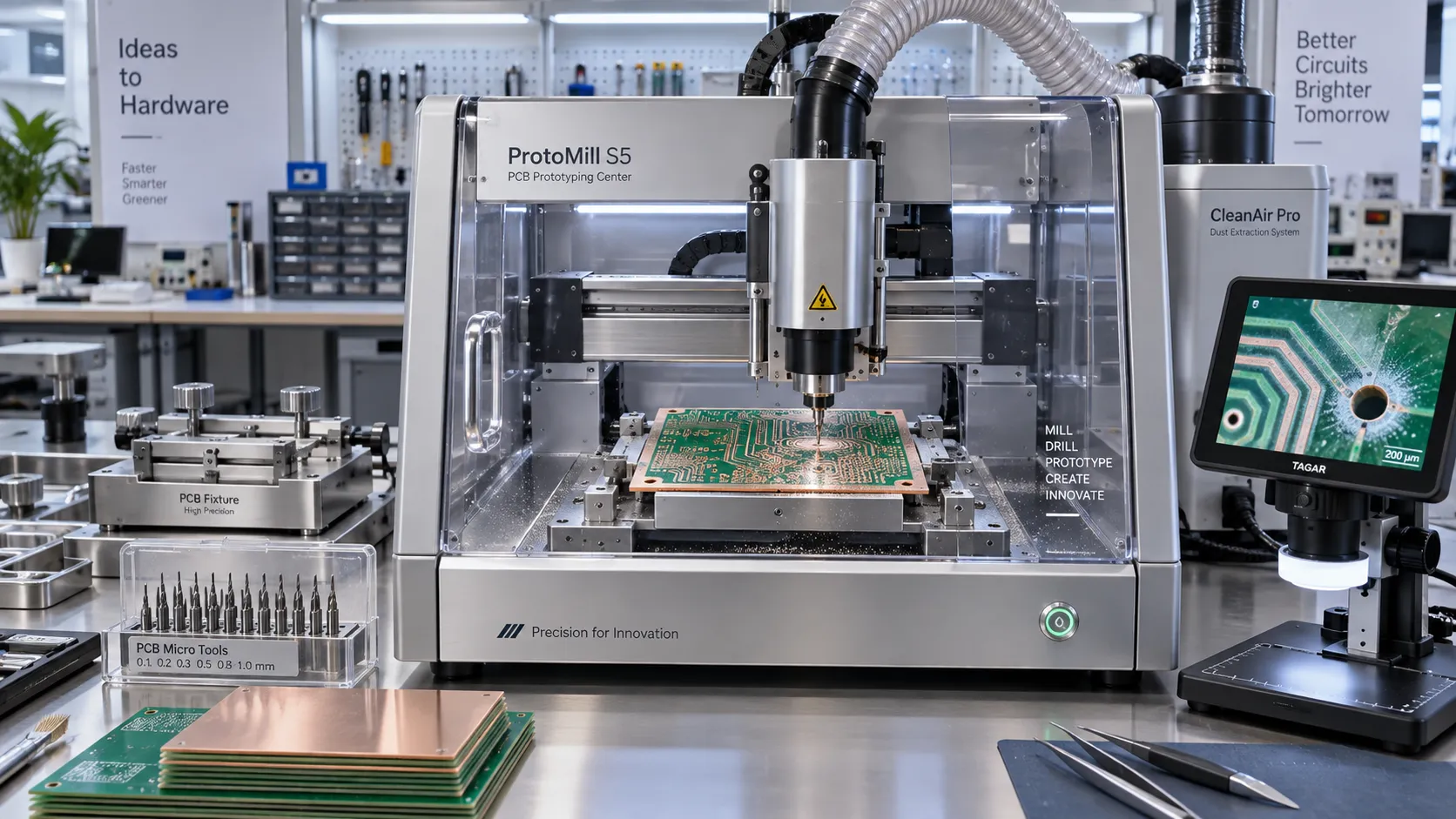
Prototype PCB Manufacturing Equipment: What Engineers Should Evaluate Before Purchase
Prototype PCB manufacturing equipment: discover the key factors engineers should evaluate—from accuracy and materials to software, safety, and ROI—before buying.

Workplace Ergonomics for Manufacturing: Reducing Repetitive-Strain Risks on Assembly Lines
Workplace ergonomics for manufacturing helps reduce repetitive-strain risks on assembly lines through smarter workstation design, tool selection, task analysis, and quality-focused improvements.
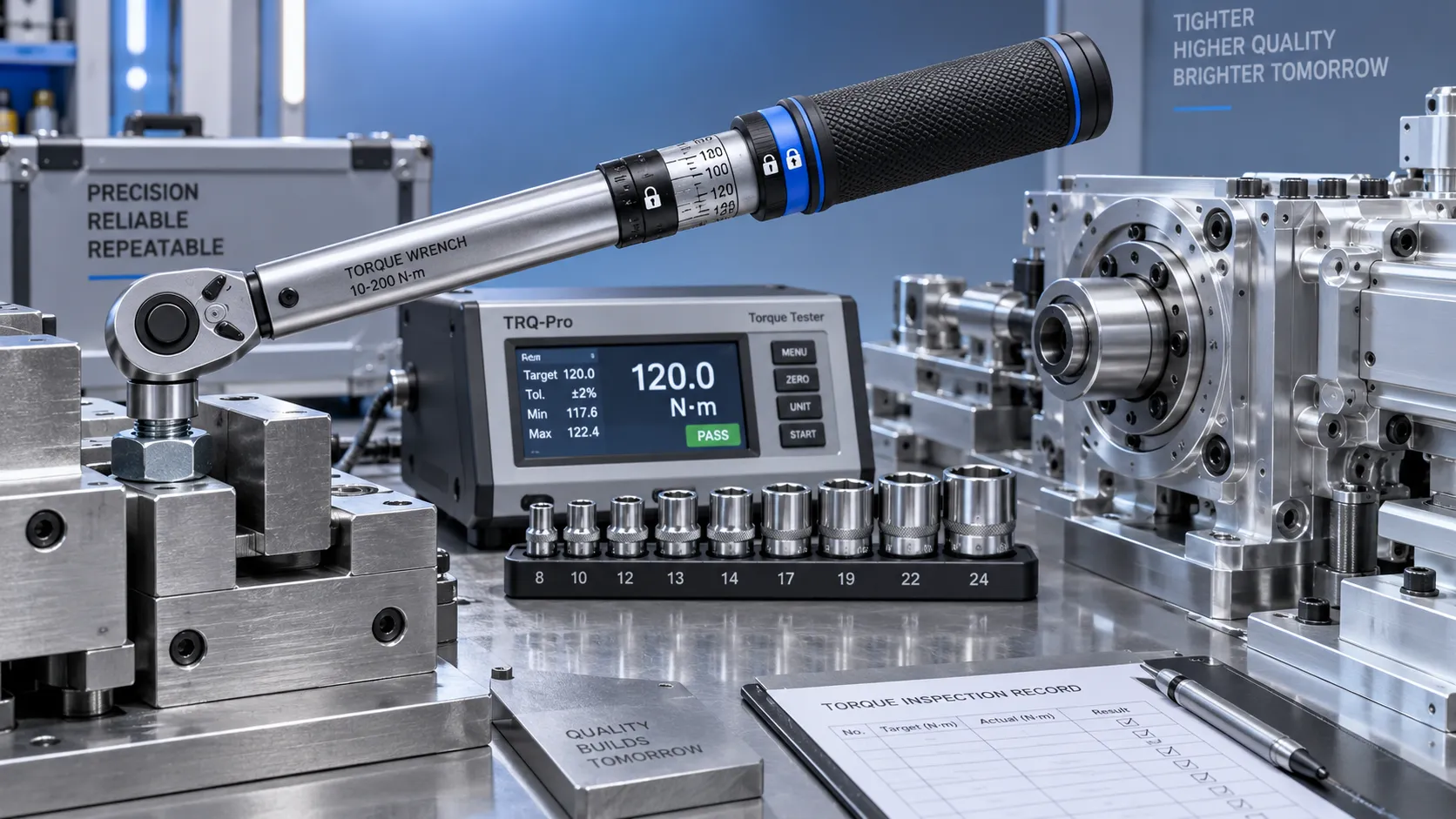
Selecting Adjustable Torque Tools for Repeatable Fastener Assembly
Adjustable torque tools: learn how to match range, accuracy, control methods, calibration, and ergonomics for repeatable, reliable fastener assembly.

How to Select Aerospace Inspection Tools for Aircraft Maintenance Tasks
Aerospace maintenance inspection tools: learn how to select reliable, traceable equipment for aircraft access, accuracy, calibration, and compliant maintenance decisions.

How to Select Wire Bonding Tools for Fine-Pitch Semiconductor Packaging
Explore semiconductor manufacturing tools for wire bonding and learn how to select precision solutions for fine-pitch packaging, reliable loops, accuracy, and yield.
Related News
- 00
0000-00
How to Compare Industrial Tool Suppliers for Quality, Lead Time, and Total Cost - 00
0000-00
How to Evaluate a Technology Integration Service Provider for Complex Projects - 00
0000-00
Product Comparison Resources in Europe: How Buyers Can Verify Specs and Suppliers - 00
0000-00
How to Evaluate an Industrial Metrology Solution Manufacturer for Production Use - 00
0000-00
How to Evaluate a Metal Joining Solutions Factory for Quality, Capacity, and Delivery Risk
Dr. Alistair Vaughn
Weekly Insights
Stay ahead with our curated technology reports delivered every Monday.