
Welding Innovations Automation: Which Processes Improve Throughput Without Sacrificing Quality?





Welding Innovations Automation: Which Processes Improve Throughput Without Sacrificing Quality?
For operations under delivery pressure, welding innovations automation is no longer a future topic. It now shapes cost, lead time, labor planning, and final product reliability.
The real question is not whether to automate. It is which welding processes should be automated first, and where quality risk can stay under control.
That distinction matters. Some automated welding routes scale quickly but struggle with fit-up variation. Others deliver excellent consistency yet require tighter part preparation and higher capital discipline.
In practice, the strongest results come from matching automation level to joint type, batch profile, quality tolerance, and upstream process stability.
From recent shifts in fabrication and assembly, a clearer signal is emerging. Welding innovations automation works best when it is tied to measurable bottlenecks, not broad modernization language.
Why Throughput and Quality Often Move Together
Many teams still treat speed and weld quality as competing goals. That view misses where losses actually happen on the shop floor.
Poorly controlled manual welding creates hidden delays through rework, inspection holds, consumable waste, and schedule disruption. Faster travel speed alone does not solve those losses.
Welding innovations automation improves throughput when it reduces variation at the source. Stable arc length, repeatable torch angle, and controlled heat input create fewer downstream interruptions.
This also means automation is most valuable where defect costs are high. Aerospace maintenance, structural fabrication, pressure equipment, and automotive subassembly all fit that pattern.
The commercial logic is straightforward. If first-pass yield rises and cycle variation drops, planning confidence improves along with overall equipment utilization.
Processes That Commonly Deliver the Best Return
1. Robotic GMAW for Repetitive Production
For repeatable joints and moderate-to-high volume work, robotic GMAW remains one of the strongest examples of welding innovations automation.
It performs especially well in chassis, frames, brackets, enclosures, and tubular assemblies. The process handles repetitive weld paths with strong cycle-time predictability.
Its value comes from repeatability more than headline speed. Travel rates stay consistent, breaks disappear, and weld schedules remain stable across shifts.
Quality holds when fixture design is mature. If part location floats, automation will simply repeat defects faster.
Best-fit conditions include:
- Stable part geometry and controlled fit-up
- Repeat orders or long product runs
- Clear WPS control and traceable consumable management
- High rework cost under manual welding conditions
2. Cobot Welding for Mixed-Volume Flexibility
Cobot systems have widened the practical scope of welding innovations automation for plants that cannot justify fully dedicated robotic cells.
They are useful where product mix changes often, floor space is limited, and programming simplicity matters. Job shops and contract manufacturers increasingly use this route.
Cobots usually do not win on maximum deposition speed. They win on shorter deployment time, easier changeovers, and a lower barrier to operator adoption.
That makes them attractive when the business case depends on labor stability and quick replication across several welding stations.
3. Laser Welding for Thin Materials and Precision Assemblies
Laser-based welding innovations automation can transform throughput where distortion, cosmetic finish, or narrow heat-affected zones matter most.
It is particularly effective in stainless components, battery parts, electronic housings, medical assemblies, and selected automotive applications.
The gain is not only weld speed. Laser processes often reduce post-weld finishing, straightening, and thermal cleanup.
Still, this path demands discipline. Joint preparation, edge quality, and safety systems must be tighter than in many conventional arc setups.
4. Automated TIG for Critical Precision Work
Automated TIG is slower than robotic GMAW, yet it remains valuable in high-spec applications where appearance and penetration control are critical.
This includes orbital pipe welding, sanitary systems, thin-wall tubing, and parts that face rigorous visual or leak-testing standards.
In these cases, welding innovations automation improves throughput by reducing inspection failures and operator-dependent inconsistency, not by maximizing raw weld speed.
Where Automation Fails to Deliver
A common mistake is automating the weld arc before stabilizing upstream variables. That usually leads to disappointing utilization and recurring quality escapes.
Welding innovations automation tends to underperform in four situations:
- Part variation is high and fixtures cannot compensate.
- Joint access is inconsistent across product versions.
- Volumes are too low to recover engineering effort.
- Inspection criteria are unclear or poorly linked to process data.
In actual operations, the weakest automation projects are often data problems disguised as equipment decisions.
If dimensional variation is uncontrolled, the robot becomes a mirror of upstream instability. If weld acceptance limits are vague, the quality team and production team will measure success differently.
The Role of Real-Time Monitoring
The next layer of welding innovations automation is not always another robot. Often, it is better sensing and better feedback.
Arc voltage tracking, seam finding, vision guidance, and thermal monitoring help automated systems adapt to normal production drift.
These tools support throughput because they reduce stoppages, missed joints, and late-stage scrap. They also make quality assurance more objective.
For project leadership, this creates a better governance model. Process capability can be reviewed from actual weld data rather than anecdotal operator reports.
This is where intelligence-led manufacturing becomes practical. Monitoring systems connect weld quality, maintenance planning, and throughput control into one decision loop.
How to Choose the Right Welding Innovations Automation Path
Selection should start with bottleneck economics, not technology enthusiasm. The strongest decisions usually follow a short sequence.
- Map the process where queue time, rework, or labor instability is highest.
- Segment parts by geometry stability, material type, and annual volume.
- Match each family to robotic GMAW, cobot welding, laser welding, or automated TIG.
- Define quality metrics before installation, including first-pass yield and defect rate.
- Pilot one product family before scaling plant-wide.
This approach keeps welding innovations automation tied to operational reality. It also makes ROI reviews easier because the baseline is clear.
A Practical Comparison Table
Final Decision Signals
The best welding innovations automation strategy is rarely the most complex one. It is the one that removes repeatable loss without adding hidden instability.
For repetitive fabrication, robotic GMAW often gives the fastest throughput improvement. For variable production, cobot welding can be the smarter first step.
For precision assemblies, laser systems may unlock both speed and finish quality. For critical weld integrity, automated TIG still holds an important place.
Across all paths, one rule stays consistent. Welding innovations automation succeeds when fixtures, part quality, process data, and inspection standards evolve together.
That is also the broader lesson from industrial intelligence platforms such as GPTWM. Better output does not come from equipment alone. It comes from better decisions around where precision, automation, and quality control meet.
The practical next move is to audit one constrained weld family, quantify current losses, and test the automation route that best matches its volume, tolerance, and rework profile.
Related News
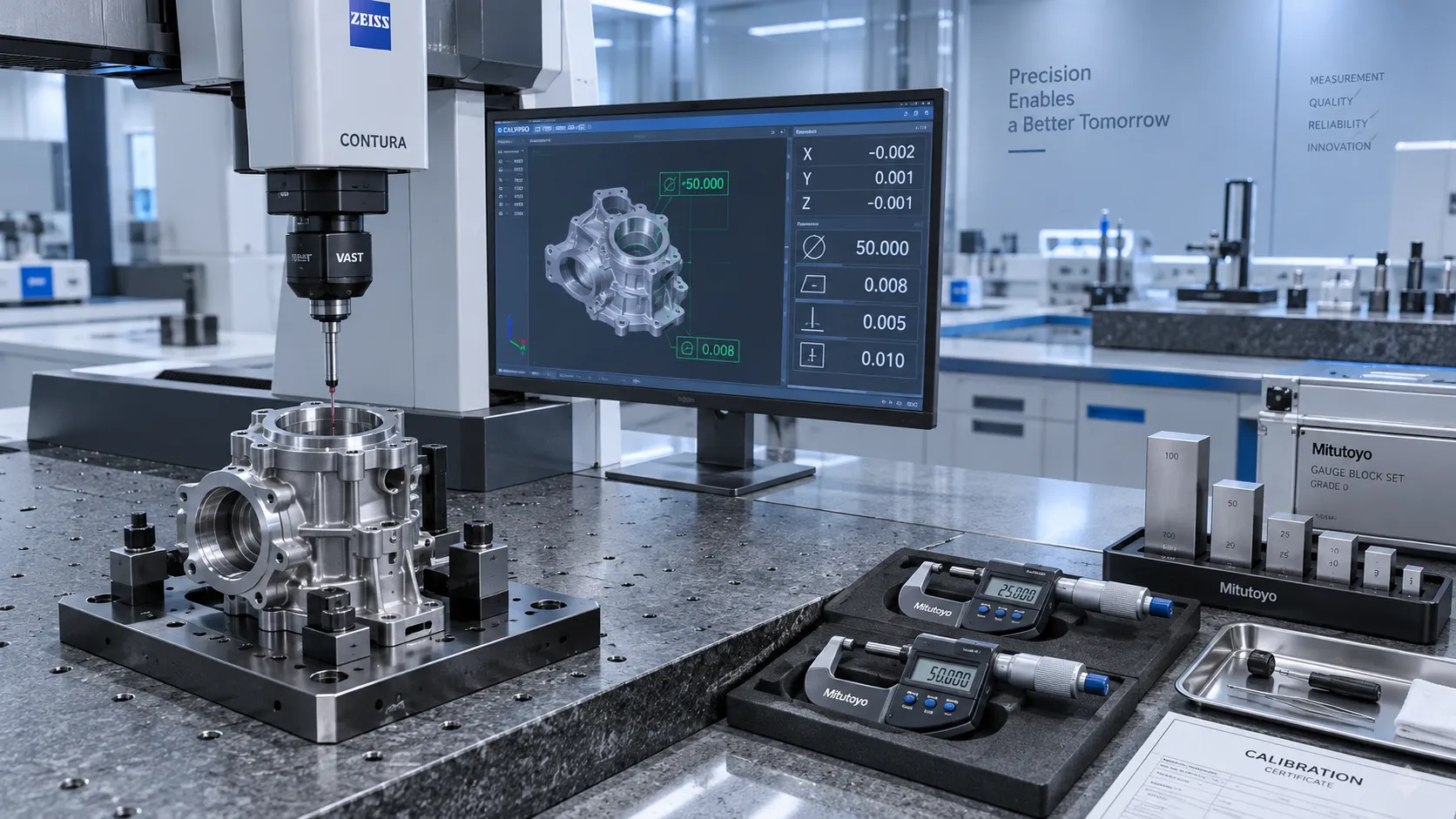
How to Select High-Precision Measuring Instruments for Tight-Tolerance Production?
High-precision measuring instruments are essential for tight-tolerance production. Learn how to evaluate accuracy, repeatability, environment, calibration, and data integration.
How Industrial Innovation Supplier Networks Reduce Sourcing Risk for Manufacturers
industrial innovation supplier network insights help manufacturers reduce sourcing risk, control lifecycle costs, and choose reliable tools, services, and suppliers with confidence.
Which Industrial Standards Should Be Checked Before Export?
Which industrial standards should be checked before export? Discover essential compliance steps for industrial tools, welding equipment, laser systems, and metrology products.
What Industrial Automation Exporters Need to Know Before Entering ASEAN Markets
Industrial automation exporter to ASEAN: learn how to navigate compliance, local service, digital readiness, pricing, and market entry for scalable growth.
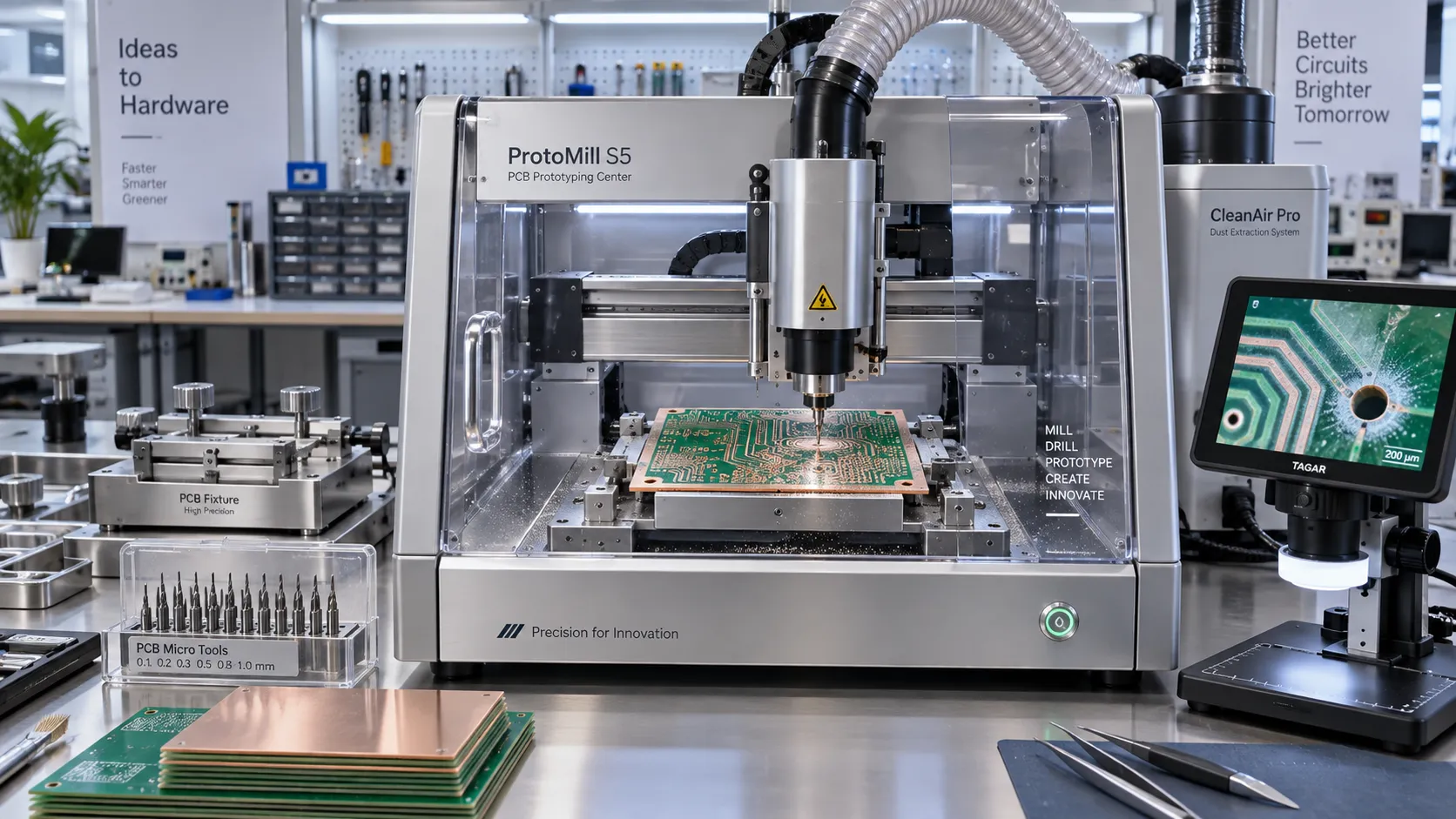
Prototype PCB Manufacturing Equipment: What Engineers Should Evaluate Before Purchase
Prototype PCB manufacturing equipment: discover the key factors engineers should evaluate—from accuracy and materials to software, safety, and ROI—before buying.
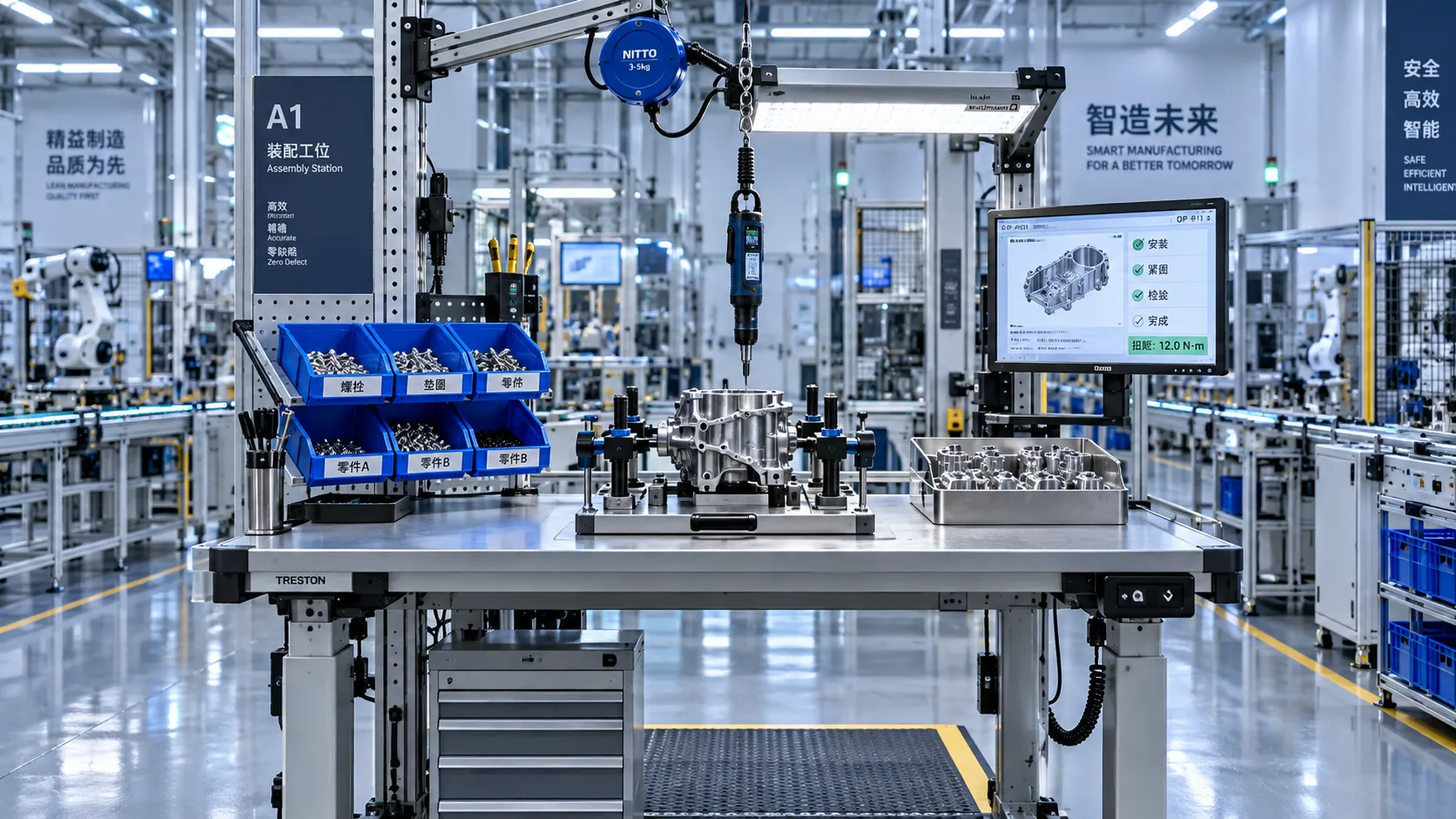
Workplace Ergonomics for Manufacturing: Reducing Repetitive-Strain Risks on Assembly Lines
Workplace ergonomics for manufacturing helps reduce repetitive-strain risks on assembly lines through smarter workstation design, tool selection, task analysis, and quality-focused improvements.
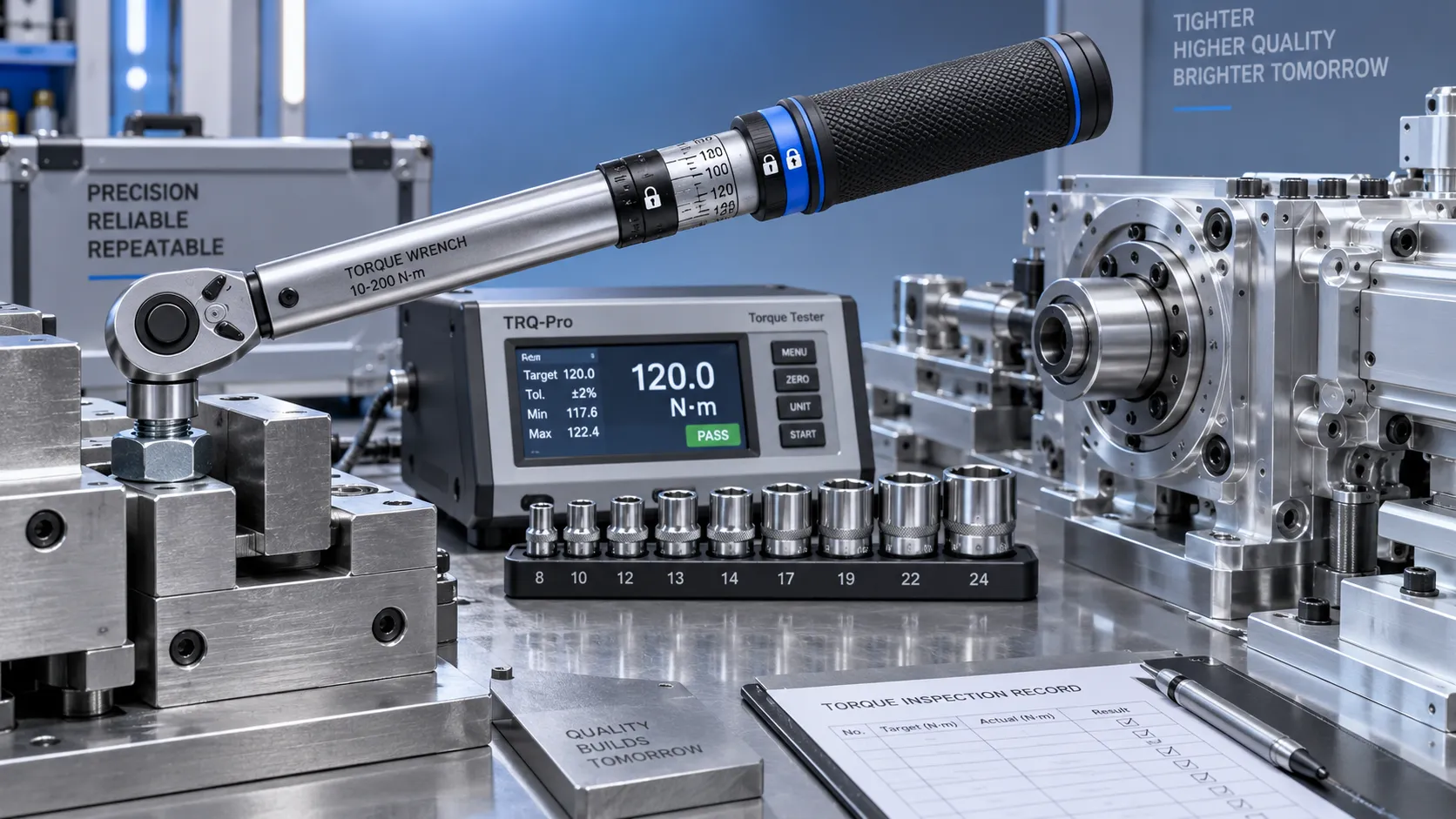
Selecting Adjustable Torque Tools for Repeatable Fastener Assembly
Adjustable torque tools: learn how to match range, accuracy, control methods, calibration, and ergonomics for repeatable, reliable fastener assembly.
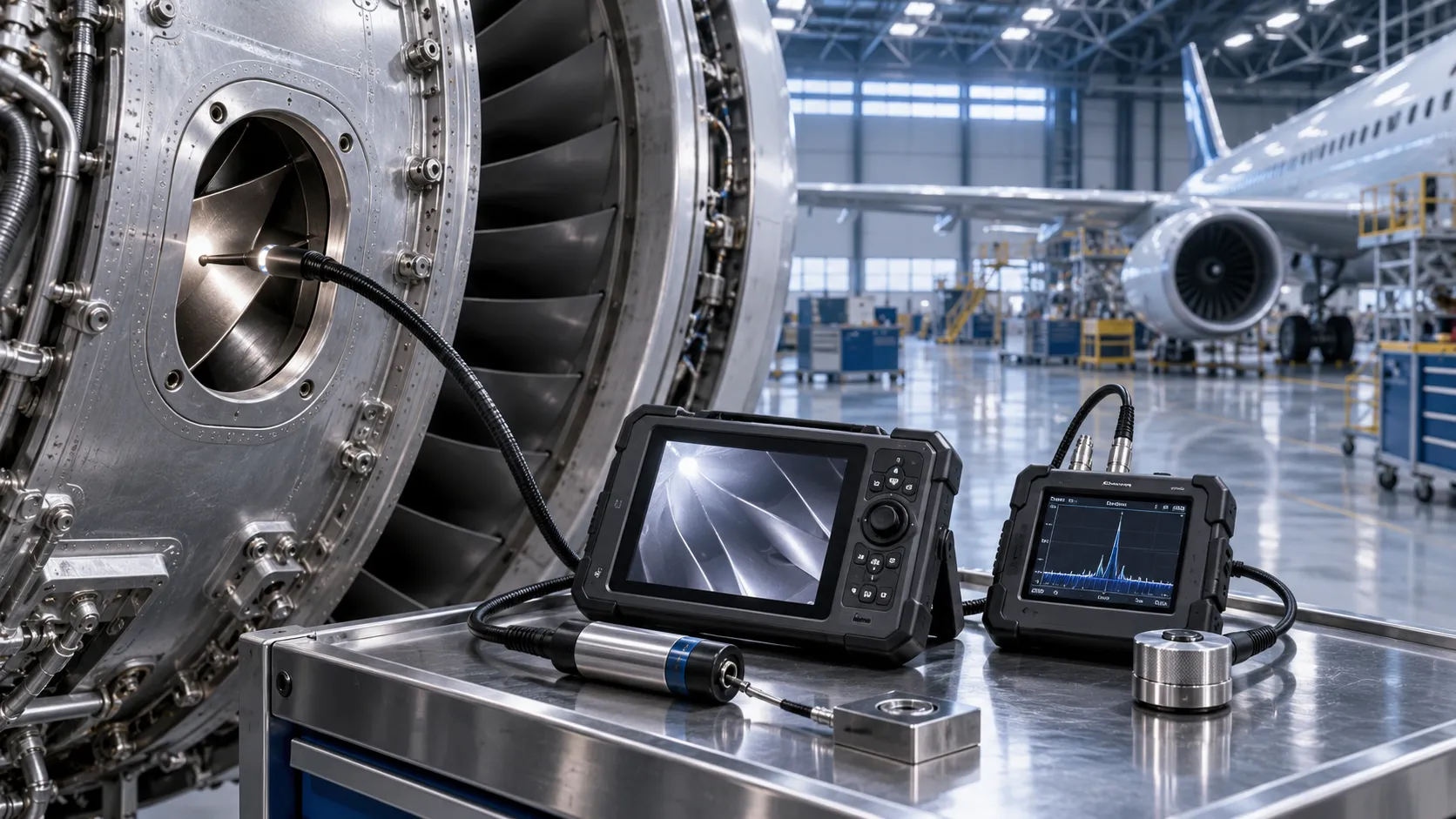
How to Select Aerospace Inspection Tools for Aircraft Maintenance Tasks
Aerospace maintenance inspection tools: learn how to select reliable, traceable equipment for aircraft access, accuracy, calibration, and compliant maintenance decisions.
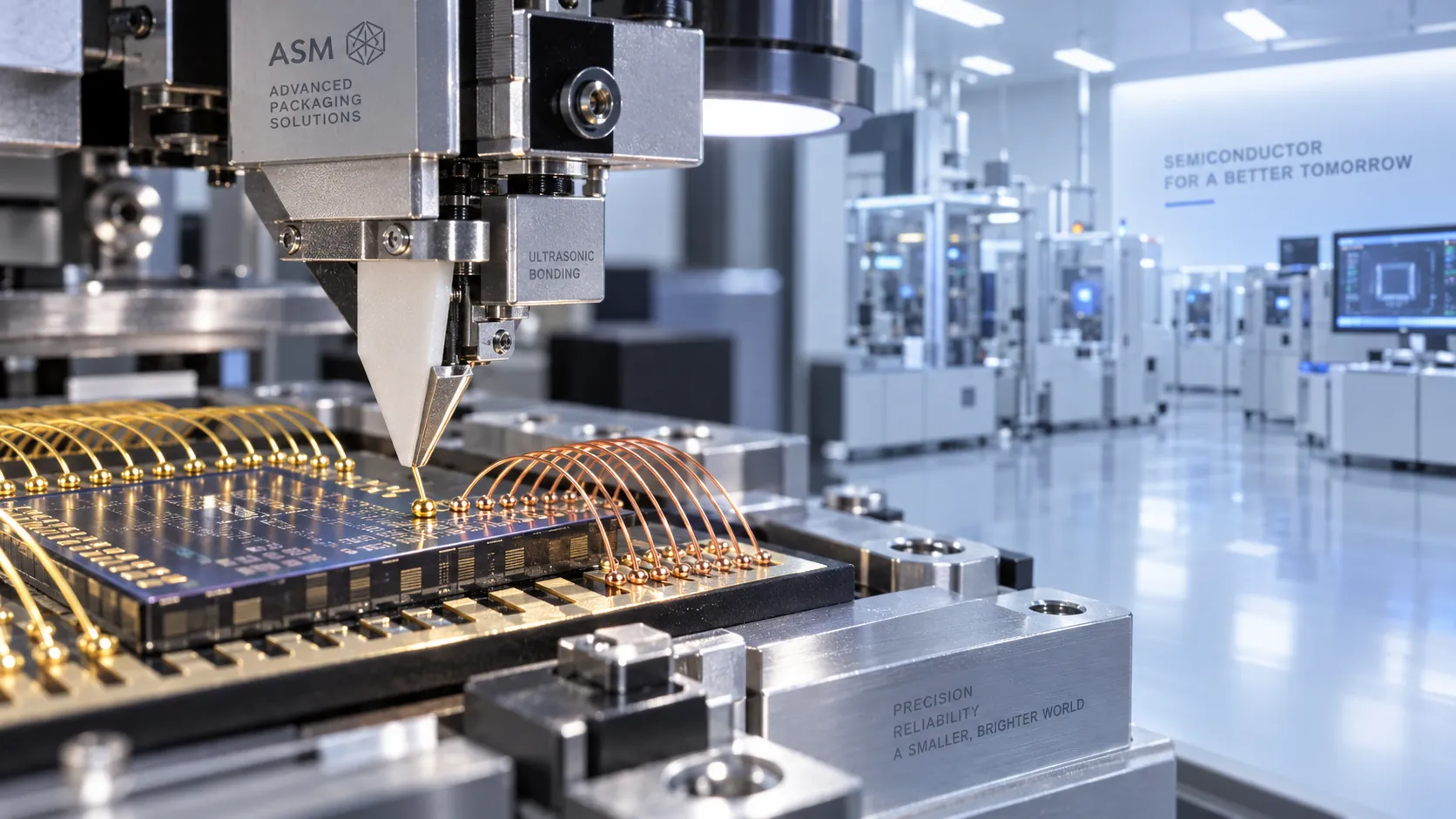
How to Select Wire Bonding Tools for Fine-Pitch Semiconductor Packaging
Explore semiconductor manufacturing tools for wire bonding and learn how to select precision solutions for fine-pitch packaging, reliable loops, accuracy, and yield.
Related News
- 00
0000-00
Welding Fume Extraction PPE: When Respirators Are Not Enough for Shop Safety - 00
0000-00
Which ANSI Standards Apply to Welding Equipment in Industrial Fabrication? - 00
0000-00
How Energy-Efficient Welding Equipment Cuts Power Use in High-Volume Fabrication - 00
0000-00
Which ISO Standards Govern Welding Technology Quality Control and Qualification? - 00
0000-00
North American Welding Innovations Reshaping Automation, Quality, and Labor Productivity
Welding Metallurgy Expert
Weekly Insights
Stay ahead with our curated technology reports delivered every Monday.