
What Is Digital Industrial Innovation and Where Does It Deliver the Fastest ROI?





Digital industrial innovation has moved from boardroom theory to factory-floor economics. In assembly, welding, metrology, and connected operations, the real issue is speed of payback. Investment now tends to favor projects that improve throughput, reduce scrap, strengthen traceability, and stabilize margins within a visible operating cycle.
That is why digital industrial innovation matters across sectors. It connects tools, production data, workforce practice, and market intelligence into decisions that can be measured. In practical terms, it is less about buying more software and more about making industrial work more precise, responsive, and commercially resilient.
What digital industrial innovation really means
At its core, digital industrial innovation is the use of connected data, smart tools, automation logic, and industrial intelligence to improve how physical work gets done. It sits at the intersection of production engineering and business performance.
The concept often gets confused with full factory digitization. In reality, many of the fastest gains come from narrow, high-friction processes. A torque-controlled fastening station, a welding quality checkpoint, or a calibration workflow can generate ROI faster than a broad transformation program.
This is especially true in the last mile of manufacturing, where manual skill, equipment condition, and process variation directly affect output. GPTWM has built its relevance around this exact zone, where traditional craftsmanship and intelligent tools increasingly need to work as one system.
Why the topic is getting more attention now
Several pressures have changed the timing. Raw material volatility has made waste more expensive. Export restrictions and compliance requirements have raised the cost of poor documentation. Labor constraints have made repeatability more valuable than ever.
At the same time, enabling technologies are more usable. IoT-based torque systems, digital measurement records, handheld welding safety monitoring, and brushless motor performance data are no longer niche tools. They are becoming operational standards in many environments.
This is where a platform like GPTWM becomes strategically useful. Its Strategic Intelligence Center tracks not just equipment news, but also adoption patterns, efficiency limits, and demand signals across construction, automotive, and aerospace maintenance.
That broader view matters because digital industrial innovation is rarely a pure technology decision. It is also a timing decision, a risk decision, and a market positioning decision.
Where the fastest ROI usually appears
The quickest returns usually come from operations where three conditions meet. The process is repeated often, errors are costly, and performance can be captured with reliable data.
Among these, digitally controlled assembly and inspection often pay back first. They do not always require large capital replacement, yet they immediately affect first-pass yield and documentation quality.
Assembly and torque control
In fastening operations, digital industrial innovation is highly effective because torque, angle, sequence, and operator compliance can be monitored in real time. This closes the gap between process intent and actual execution.
A connected torque system can flag deviations immediately. That prevents hidden defects from moving downstream, where correction costs rise sharply. For many operations, that alone justifies the investment.
Welding quality and safety
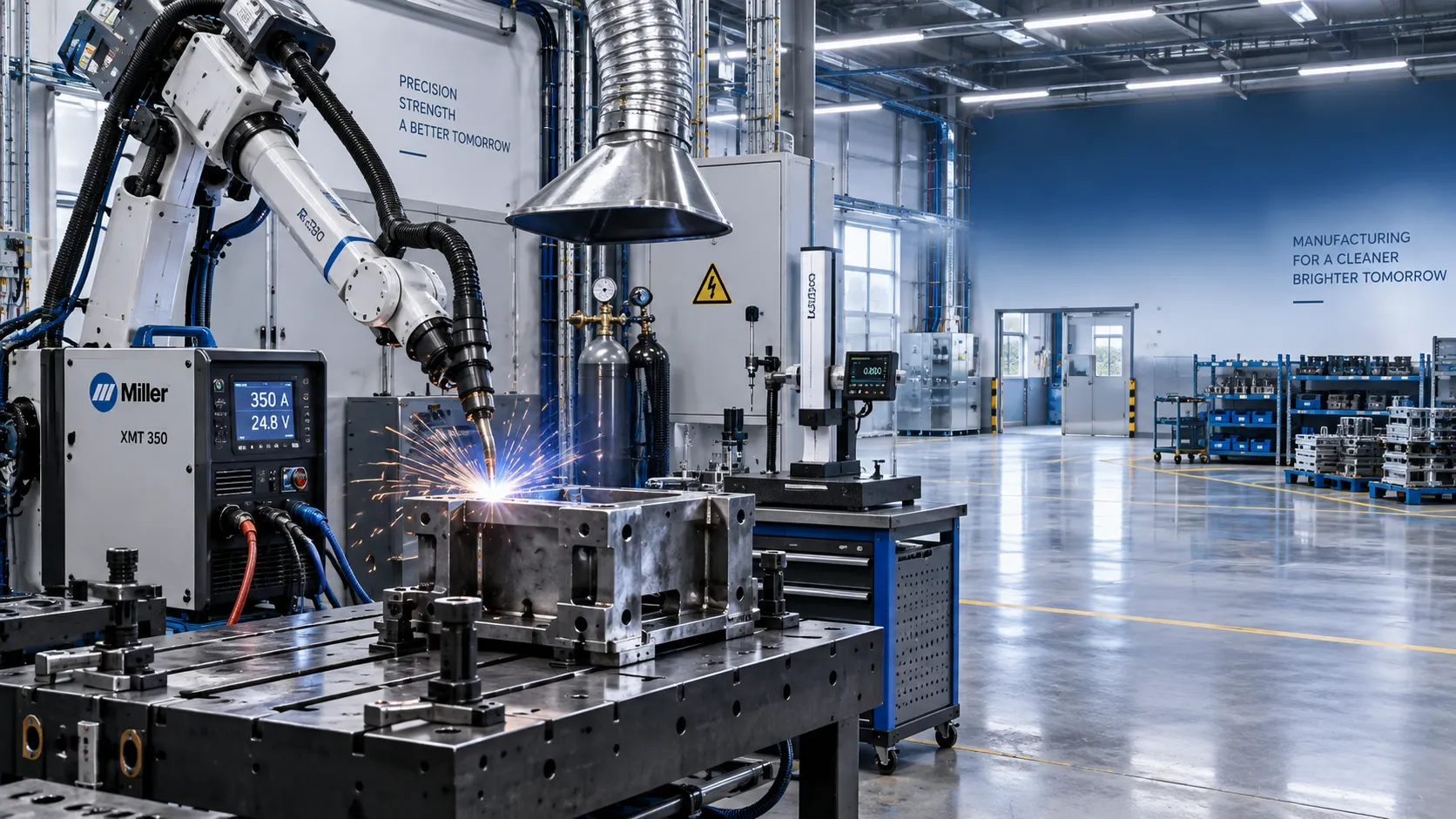
Welding offers another strong entry point. The cost of inconsistency is high, especially in regulated or high-load applications. Digital process monitoring improves repeatability and supports better documentation for compliance and customer assurance.
Handheld laser welding is a good example. Adoption has accelerated, but safe scaling depends on more than equipment availability. It requires training controls, usage discipline, and clear process intelligence, which GPTWM follows closely in its trend reporting.
Metrology and inspection records
Digital industrial innovation in metrology usually delivers through speed and confidence. Inspection results become easier to retrieve, compare, and audit. That reduces release delays and strengthens accountability across suppliers and internal teams.
For operations serving automotive, aerospace, or export markets, this is often more than a quality upgrade. It becomes a commercial necessity.
How to judge value beyond the headline promise
Many industrial projects look attractive in presentation slides but stall in production. The most useful question is simple: what constraint is this solving, and how quickly can that change be seen in daily operating numbers?
- Check whether the target process has stable volume and repeatable steps.
- Confirm that current losses are measurable, not assumed.
- Prioritize areas where quality failures travel downstream.
- Look for changes that improve both process control and reporting.
- Avoid initiatives that depend on perfect data maturity from day one.
This is also why not every digital industrial innovation initiative should start with enterprise-wide integration. A better sequence is to prove value at one controlled process point, then connect outward.
In practice, the strongest business cases usually combine operating improvement with intelligence visibility. That includes machine condition trends, compliance records, energy use, defect patterns, and market demand shifts.
The role of industrial intelligence in better decisions
Technology alone does not create returns. Returns improve when decisions are informed by timing, sector movement, and realistic performance boundaries. That is where industrial intelligence changes the quality of investment choices.
GPTWM’s model is relevant because it tracks both tool-level evolution and market-level pressure. News about export standards, raw material shifts, brushless motor limits, or demand for precision instruments can alter the economics of a project very quickly.
For example, a digital industrial innovation program in welding may look strong on labor savings alone. But the case becomes stronger when safety regulation trends, service demand, and documentation requirements are also rising.
The same applies to connected metrology. Faster inspection has value, but the strategic value grows when traceable measurement data also supports premium positioning, lower warranty risk, and smoother cross-border business.
Common mistakes that slow down ROI
The first mistake is digitizing a weak process without fixing the basic workflow. Bad sequence control, poor fixturing, or unclear inspection criteria do not improve simply because sensors are added.
The second mistake is chasing visibility without action logic. Dashboards are useful only when teams know what response follows an alert, deviation, or trend.
Another common issue is ignoring ergonomic and adoption factors. Digital industrial innovation works best when tools are easier to use, not harder. Lightweighting, interface clarity, and standardized operating practice often matter as much as software features.
That point aligns with GPTWM’s broader mission. Precision, intelligence, and globally consistent industrial ergonomics are becoming linked performance factors, not separate conversations.
A practical path forward
A sensible next step is to rank operations by defect cost, downtime exposure, inspection delay, and documentation risk. That usually reveals where digital industrial innovation can move fastest from concept to measurable benefit.
After that, compare candidate projects on three levels: operational gain, implementation friction, and strategic relevance. A smaller initiative with clean data and clear accountability often outperforms a larger program with diffuse ownership.
It also helps to monitor intelligence sources that connect equipment evolution with market reality. In sectors shaped by precision tools, welding systems, and metrology demand, the quality of external insight often affects the quality of internal execution.
Digital industrial innovation delivers the fastest ROI where precision problems are frequent, performance data is usable, and process corrections can happen quickly. The strongest decisions start there, then expand with evidence rather than ambition alone.
Related News
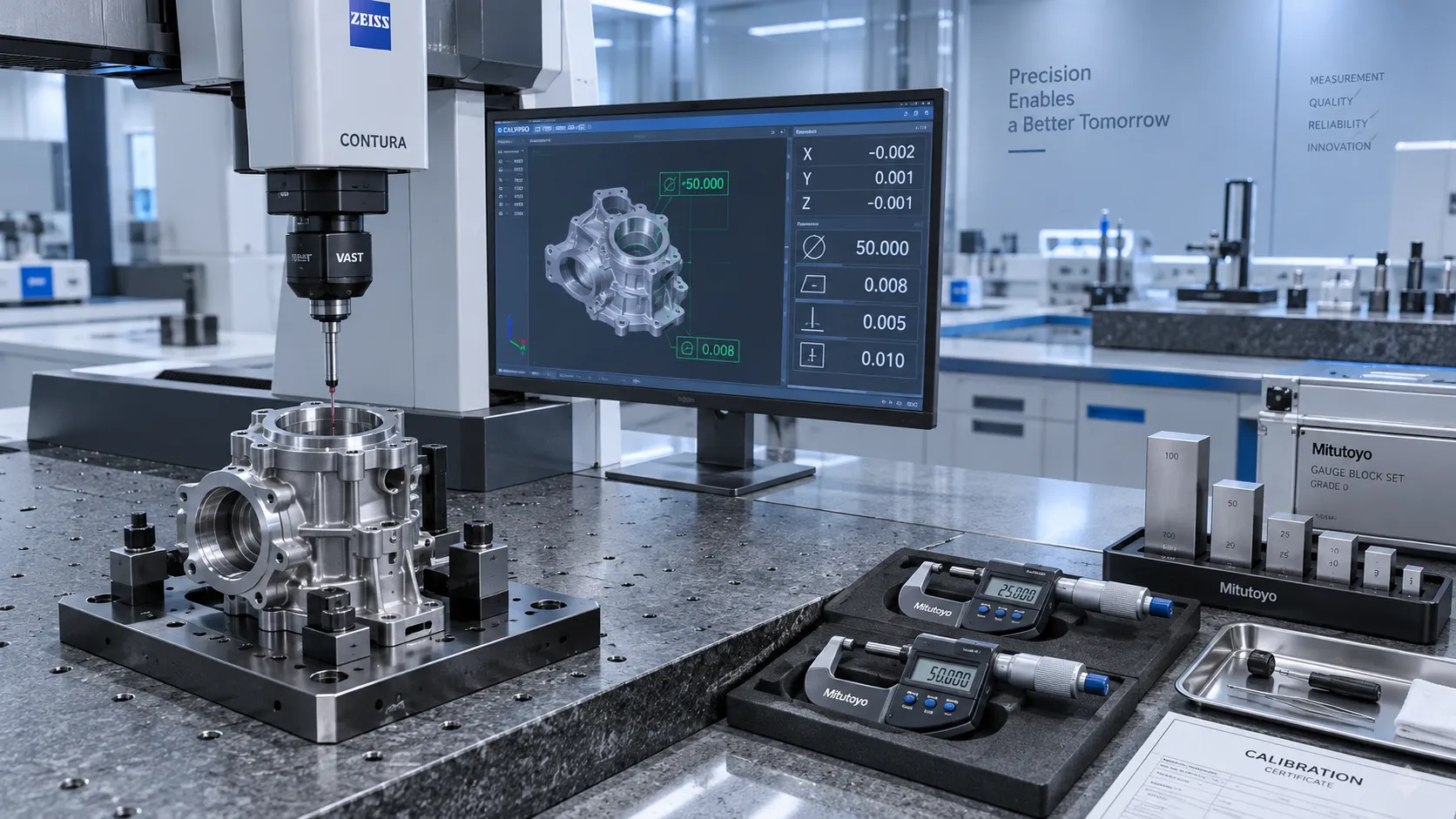
How to Select High-Precision Measuring Instruments for Tight-Tolerance Production?
High-precision measuring instruments are essential for tight-tolerance production. Learn how to evaluate accuracy, repeatability, environment, calibration, and data integration.
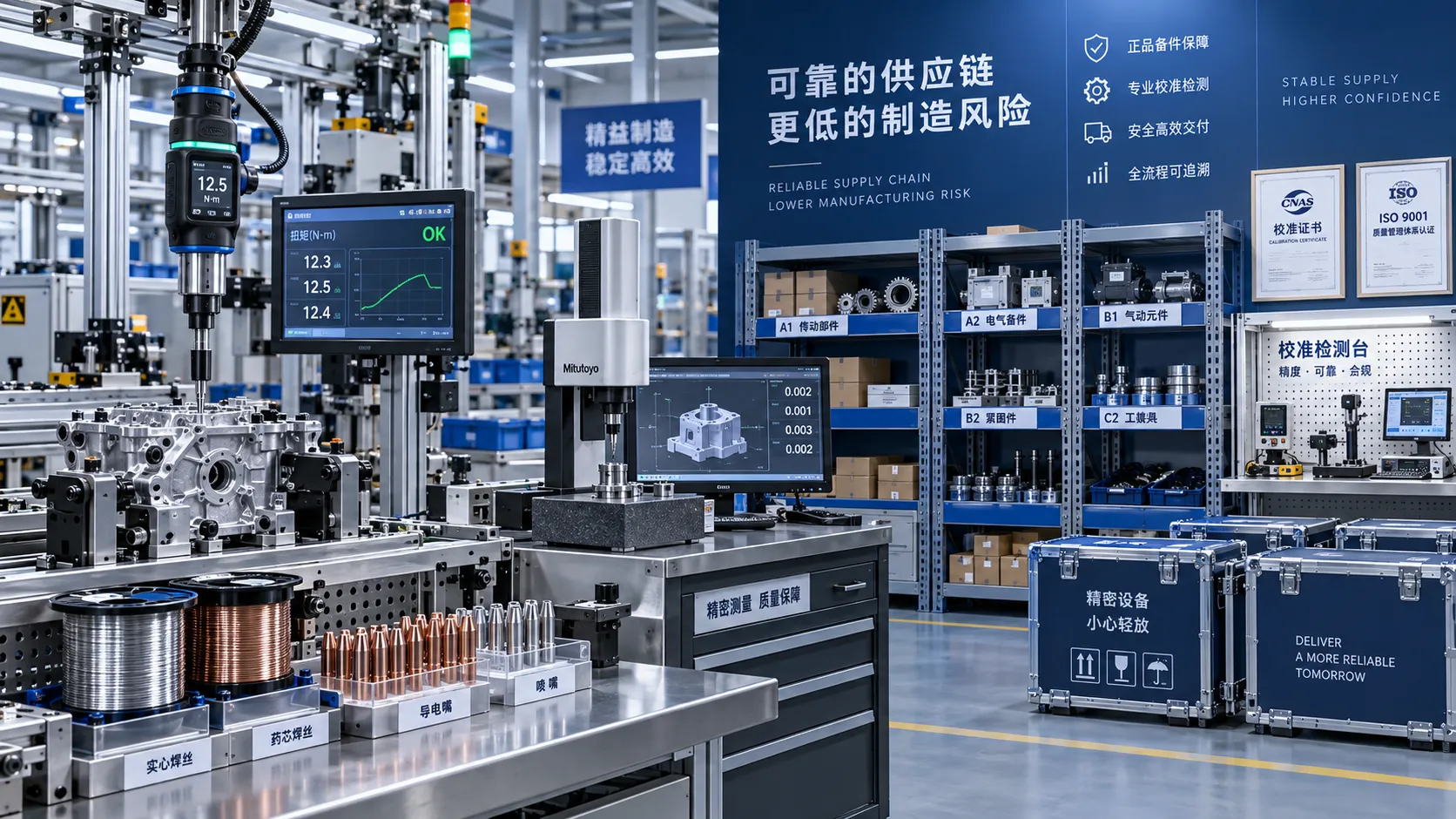
How Industrial Innovation Supplier Networks Reduce Sourcing Risk for Manufacturers
industrial innovation supplier network insights help manufacturers reduce sourcing risk, control lifecycle costs, and choose reliable tools, services, and suppliers with confidence.
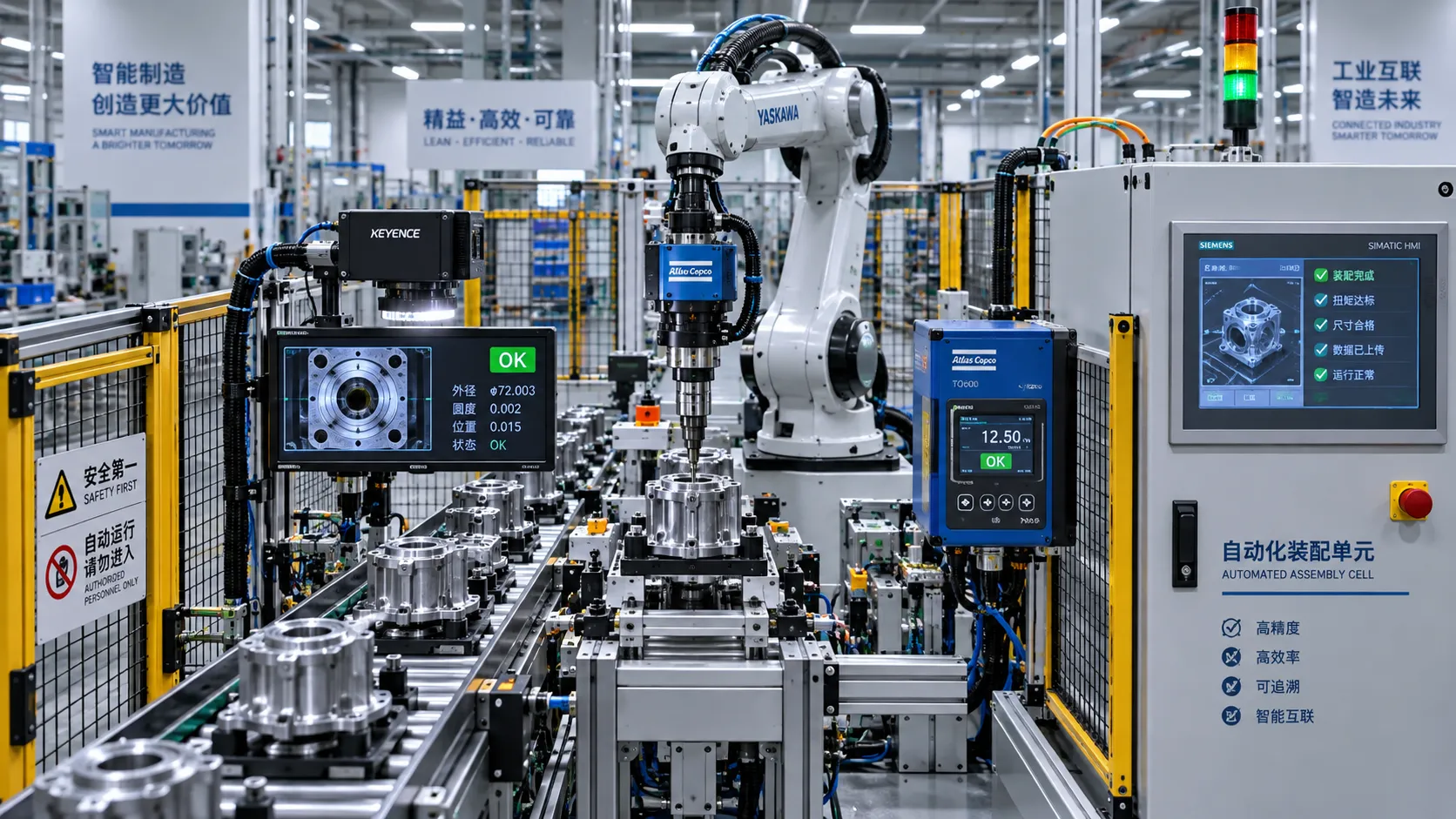
What Industrial Automation Exporters Need to Know Before Entering ASEAN Markets
Industrial automation exporter to ASEAN: learn how to navigate compliance, local service, digital readiness, pricing, and market entry for scalable growth.
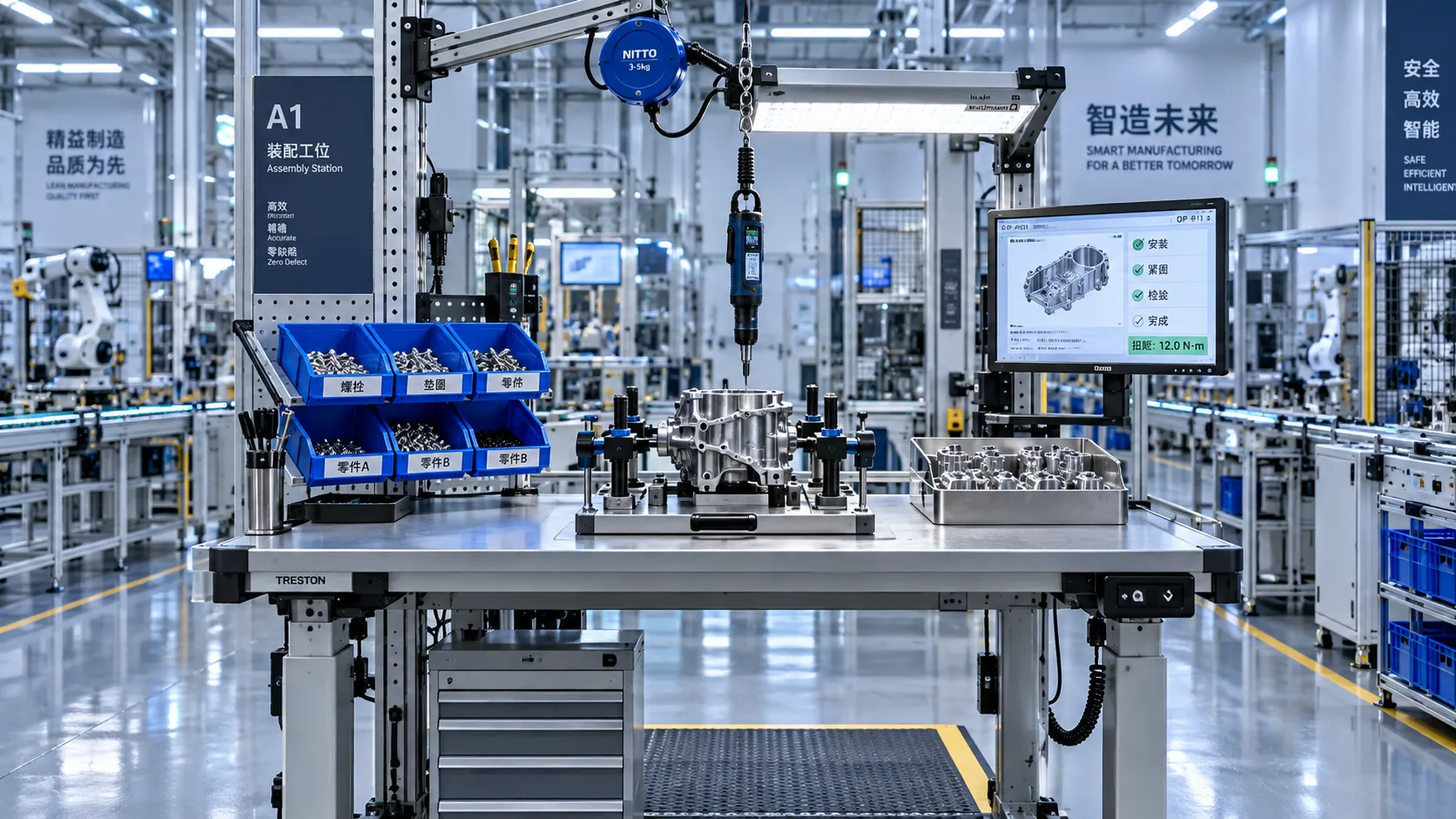
Workplace Ergonomics for Manufacturing: Reducing Repetitive-Strain Risks on Assembly Lines
Workplace ergonomics for manufacturing helps reduce repetitive-strain risks on assembly lines through smarter workstation design, tool selection, task analysis, and quality-focused improvements.
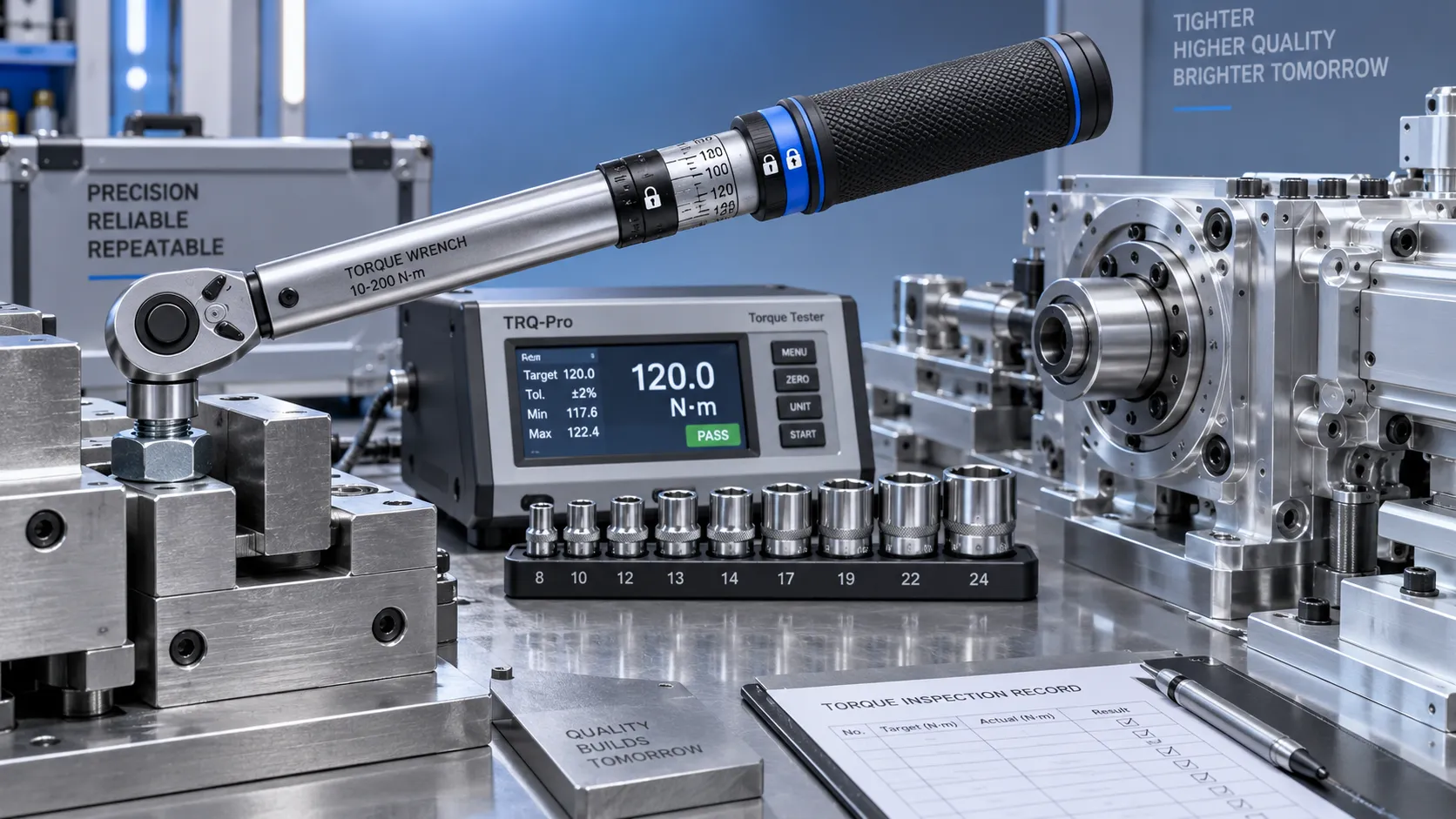
Selecting Adjustable Torque Tools for Repeatable Fastener Assembly
Adjustable torque tools: learn how to match range, accuracy, control methods, calibration, and ergonomics for repeatable, reliable fastener assembly.
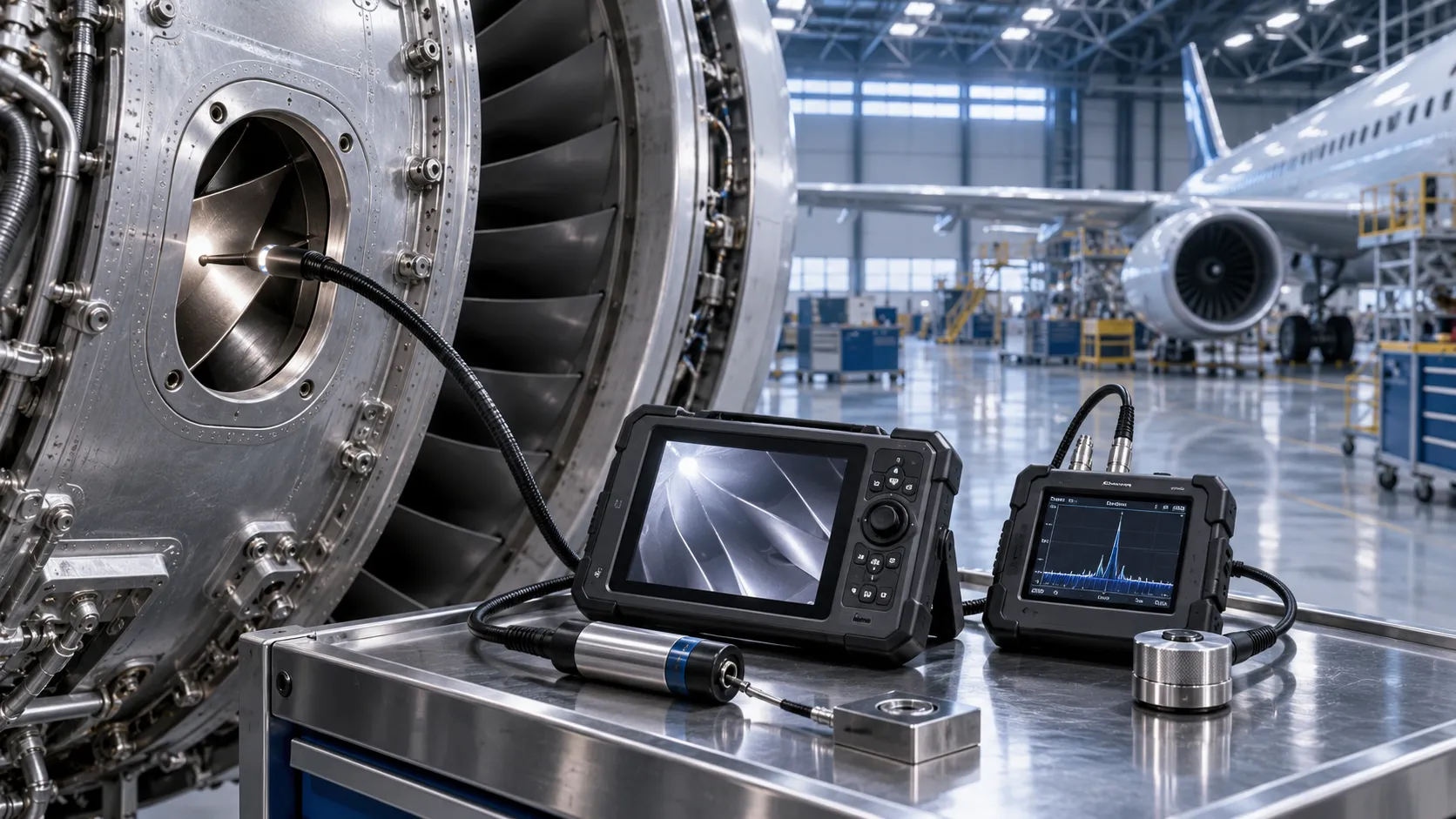
How to Select Aerospace Inspection Tools for Aircraft Maintenance Tasks
Aerospace maintenance inspection tools: learn how to select reliable, traceable equipment for aircraft access, accuracy, calibration, and compliant maintenance decisions.
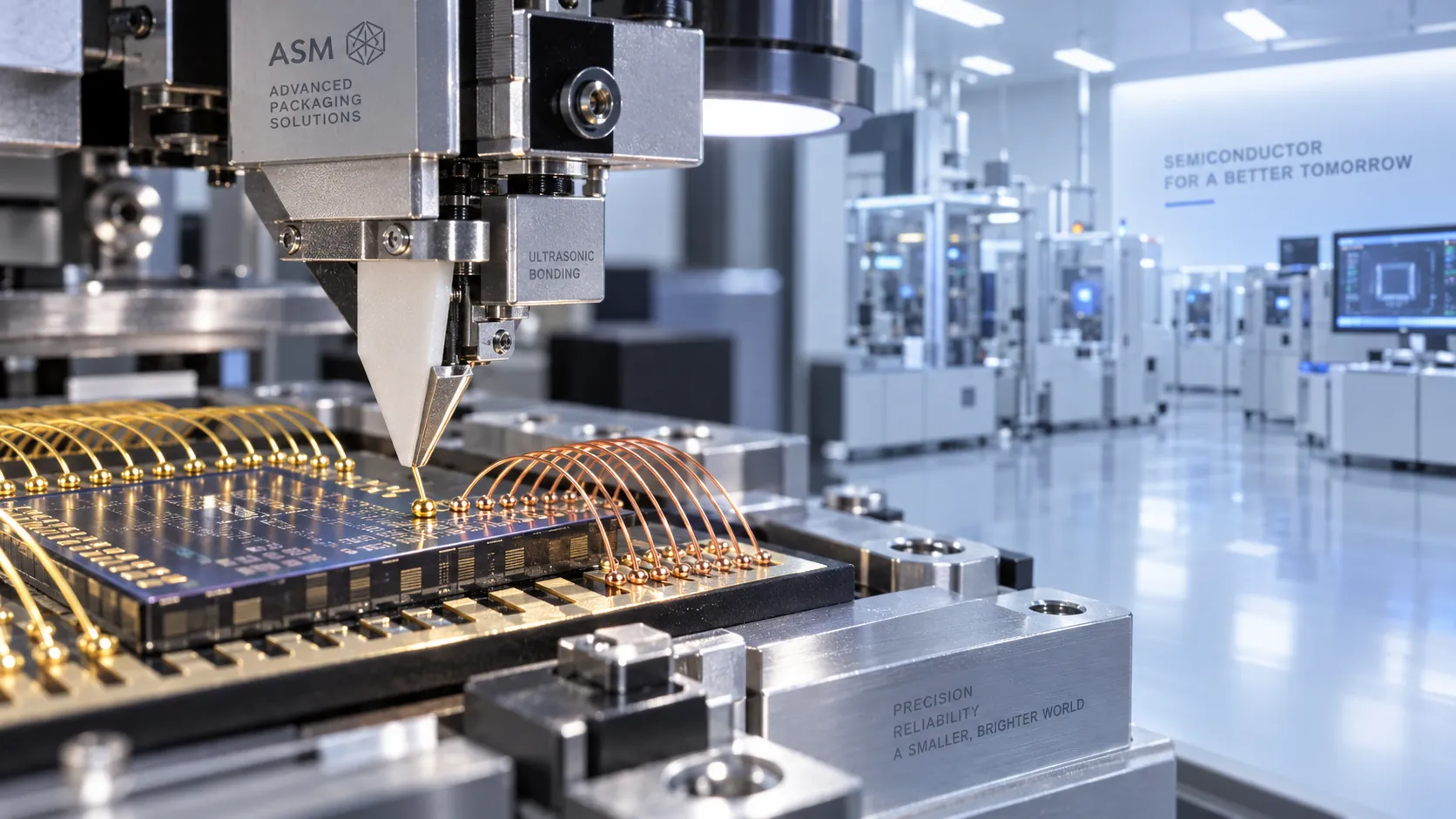
How to Select Wire Bonding Tools for Fine-Pitch Semiconductor Packaging
Explore semiconductor manufacturing tools for wire bonding and learn how to select precision solutions for fine-pitch packaging, reliable loops, accuracy, and yield.
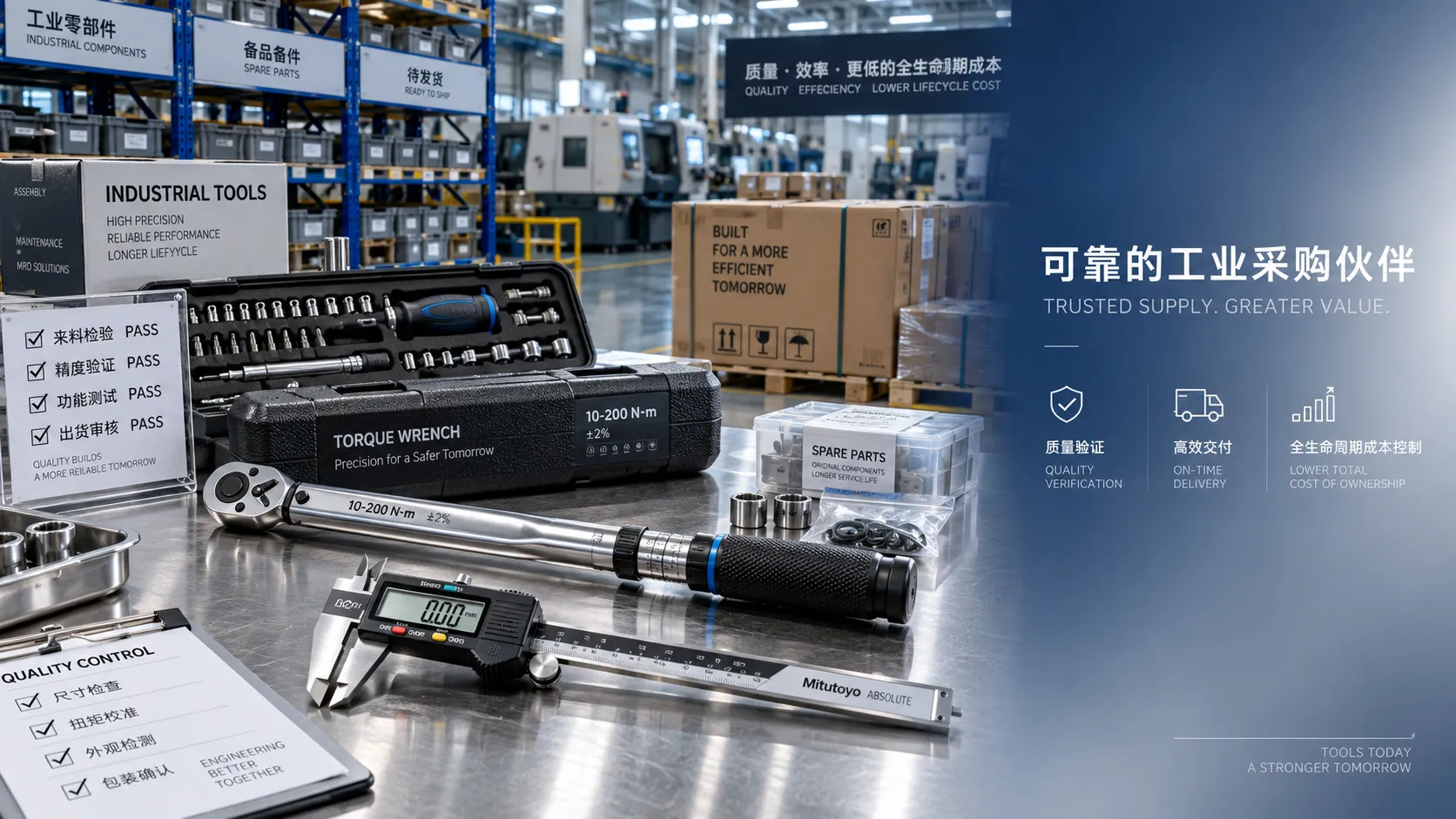
How to Compare Industrial Tool Suppliers for Quality, Lead Time, and Total Cost
Industrial tool selection supplier comparison made simple: evaluate quality, lead times, total cost, service, and supply resilience for confident sourcing decisions.
Industrial Equipment Application Guidance: Match Machines to Operating Conditions
Application guidance industrial equipment: match capacity, duty cycle, materials, site conditions, safety, and lifecycle cost to improve reliable output. Read the guide.
Related News
- 00
0000-00
How to Select High-Precision Measuring Instruments for Tight-Tolerance Production? - 00
0000-00
Workplace Ergonomics for Manufacturing: Reducing Repetitive-Strain Risks on Assembly Lines - 00
0000-00
Selecting Adjustable Torque Tools for Repeatable Fastener Assembly - 00
0000-00
How to Select Aerospace Inspection Tools for Aircraft Maintenance Tasks - 00
0000-00
How to Select Wire Bonding Tools for Fine-Pitch Semiconductor Packaging
Prof. Marcus Chen
Weekly Insights
Stay ahead with our curated technology reports delivered every Monday.