
Technology Integration for Electronics: Common Challenges and Practical Solutions





Technology Integration for Electronics: Common Challenges and Practical Solutions
Technology integration for electronics is now a decisive factor in project success.
Yet many teams still run into delays, mismatched systems, and avoidable implementation costs.
In industrial environments, these problems rarely come from one bad decision.
They usually build up across design, sourcing, testing, deployment, and supplier coordination.
That is why technology integration for electronics must be managed as a business-critical workflow.
For operations tied to precision tools, welding systems, metrology devices, and smart controls, the stakes are even higher.
A small interface problem can slow production, weaken traceability, or create quality drift across multiple sites.
The practical goal is not perfect architecture on paper. It is stable delivery, faster ramp-up, and lower operational risk.
Why technology integration for electronics gets harder in real operations
From recent market shifts, one clear signal stands out.
Electronics systems are no longer isolated assets inside a single engineering function.
They now connect with sensors, ERP platforms, MES layers, handheld tools, inspection stations, and field service software.
This also means technology integration for electronics now touches procurement, compliance, maintenance, and training.
In practice, complexity increases faster than most schedules or budgets anticipate.
Legacy devices still matter, especially in factories with long equipment lifecycles.
At the same time, new systems demand connectivity, data visibility, and cybersecurity controls from day one.
The most common pressure points
- Different communication protocols across old and new equipment.
- Inconsistent component specifications from multiple suppliers.
- Late-stage software and firmware conflicts.
- Weak ownership between engineering, IT, and production teams.
- Limited validation time before full deployment.
- Hidden compliance demands in export, safety, and calibration workflows.
When these issues combine, technology integration for electronics becomes reactive instead of controlled.
Challenge 1: Compatibility gaps between devices, software, and controls
Compatibility problems are still the most visible barrier.
A new electronics module may work in isolation, yet fail once connected to plant-level systems.
This happens often in smart torque tools, welding controllers, inspection devices, and metrology platforms.
The root issue is usually not just hardware mismatch.
It is the missing map between interfaces, protocols, firmware versions, and process data requirements.
Practical solutions that work
- Build an integration matrix before procurement approval.
- List every device, protocol, firmware dependency, and data exchange point.
- Create a version-control policy for software and embedded components.
- Run bench tests with real production scenarios, not vendor demos.
- Require suppliers to document interoperability limits in writing.
This approach reduces surprises during commissioning.
It also makes technology integration for electronics easier to scale across sites and product lines.
Challenge 2: Cost overruns caused by fragmented implementation
Many projects look affordable at the purchase stage.
Costs rise later through redesigns, re-testing, specialist support, and downtime during reconfiguration.
In technology integration for electronics, the visible equipment price is only part of total cost.
The larger cost often sits in project coordination and operational disruption.
Where hidden costs usually appear
A practical response is to budget for integration in layers.
Separate equipment cost, interface cost, validation cost, training cost, and support cost.
That creates a more honest business case for technology integration for electronics.
Challenge 3: Delays from weak cross-functional coordination
Schedule delays often look technical from the outside.
Inside the project, they usually come from unclear ownership.
Engineering may define the device.
IT may control network policies.
Production may own deployment timing.
Quality may set validation rules.
Without one operating structure, technology integration for electronics slows down at every handoff.
A workable coordination model
- Assign one integration owner with decision authority.
- Define approval gates for design, test, deployment, and change control.
- Use a shared issue log with deadlines and named owners.
- Review supplier actions in the same cadence as internal actions.
- Track readiness by process step, not by generic completion percentage.
This sounds basic, but it is one of the fastest ways to stabilize technology integration for electronics.
Challenge 4: Data quality, traceability, and compliance risk
As electronics systems become more connected, data quality becomes a frontline issue.
A connected torque tool or welding controller is only useful if its data is reliable and usable.
In regulated or export-sensitive operations, weak traceability can become a compliance problem very quickly.
This is especially relevant for sectors with calibration records, operator accountability, and process certification.
Practical safeguards
- Define one source of truth for each critical dataset.
- Standardize field names, units, timestamps, and device identifiers.
- Validate data transfer under real load conditions.
- Link calibration status to system permissions where possible.
- Document audit trails for parameter changes and operator actions.
For organizations tracking industrial intelligence through GPTWM, this is where operational visibility matters most.
Technology integration for electronics should support measurable control, not just more connected devices.
A step-by-step roadmap for stronger technology integration for electronics
When projects move fast, teams often jump from purchase to installation.
That shortcut usually creates rework.
A better route is a simple phased model.
- Assess the current environment, including legacy systems and process dependencies.
- Set measurable integration goals tied to throughput, quality, uptime, or traceability.
- Screen suppliers by integration capability, not just equipment performance.
- Test critical interfaces in a pilot or sandbox environment.
- Deploy in stages with rollback plans and controlled support coverage.
- Review post-launch data and correct weak points within the first operating cycle.
This framework keeps technology integration for electronics tied to outcomes, not assumptions.
It also supports more confident scaling across digital factory initiatives.
Final takeaways for better implementation
Technology integration for electronics is no longer a side task inside engineering execution.
It shapes delivery speed, operating stability, and the long-term value of industrial investment.
The most effective teams do three things well.
They test earlier, define ownership clearly, and treat data integrity as part of implementation.
That combination lowers friction across procurement, commissioning, and ongoing maintenance.
In real business conditions, practical control matters more than ambitious system diagrams.
Start with the interfaces that create the most risk.
Then build a repeatable model for technology integration for electronics across future projects.
That is how smoother delivery becomes a reliable capability instead of a one-time success.
Related News
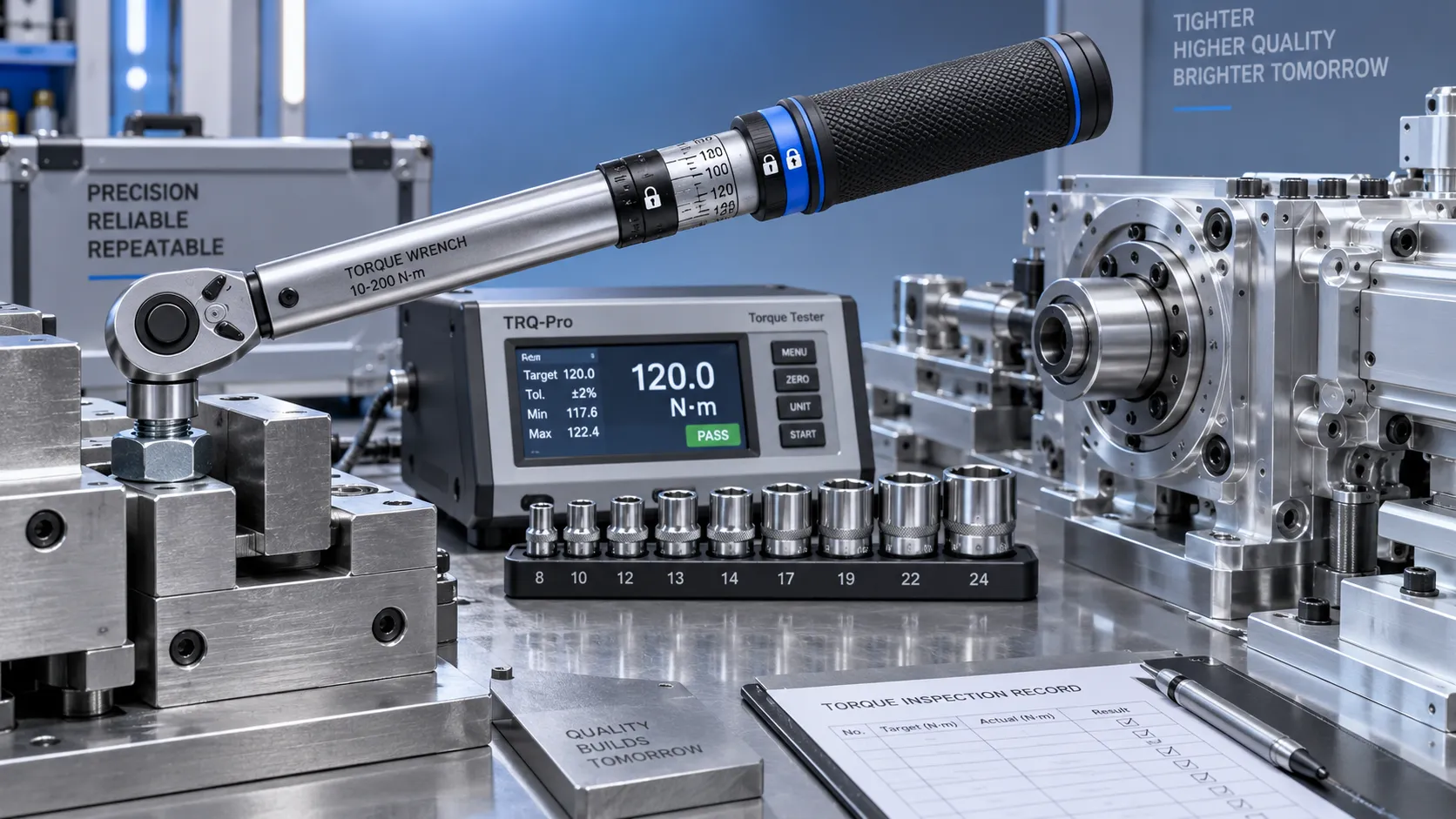
Selecting Adjustable Torque Tools for Repeatable Fastener Assembly
Adjustable torque tools: learn how to match range, accuracy, control methods, calibration, and ergonomics for repeatable, reliable fastener assembly.
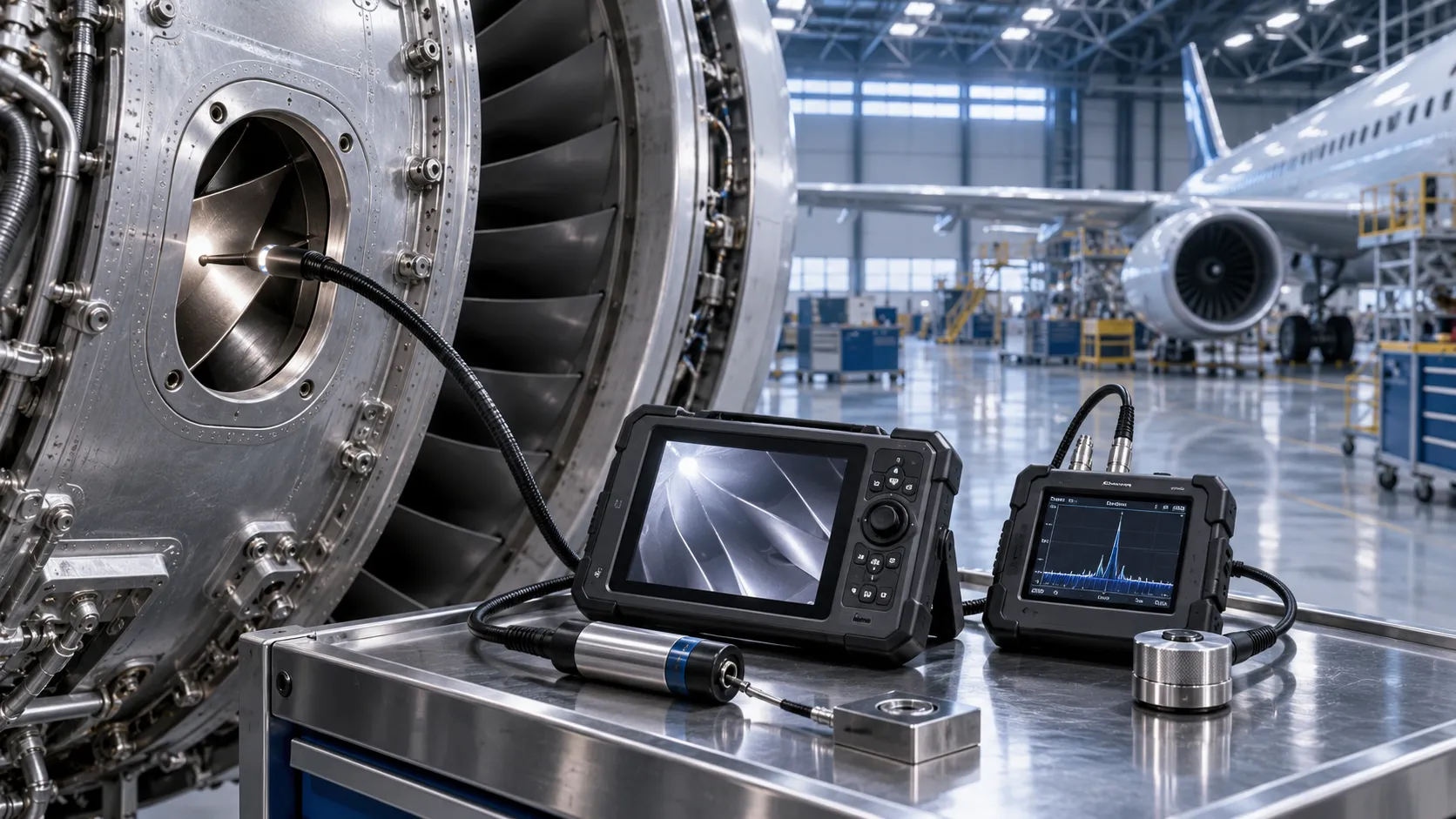
How to Select Aerospace Inspection Tools for Aircraft Maintenance Tasks
Aerospace maintenance inspection tools: learn how to select reliable, traceable equipment for aircraft access, accuracy, calibration, and compliant maintenance decisions.
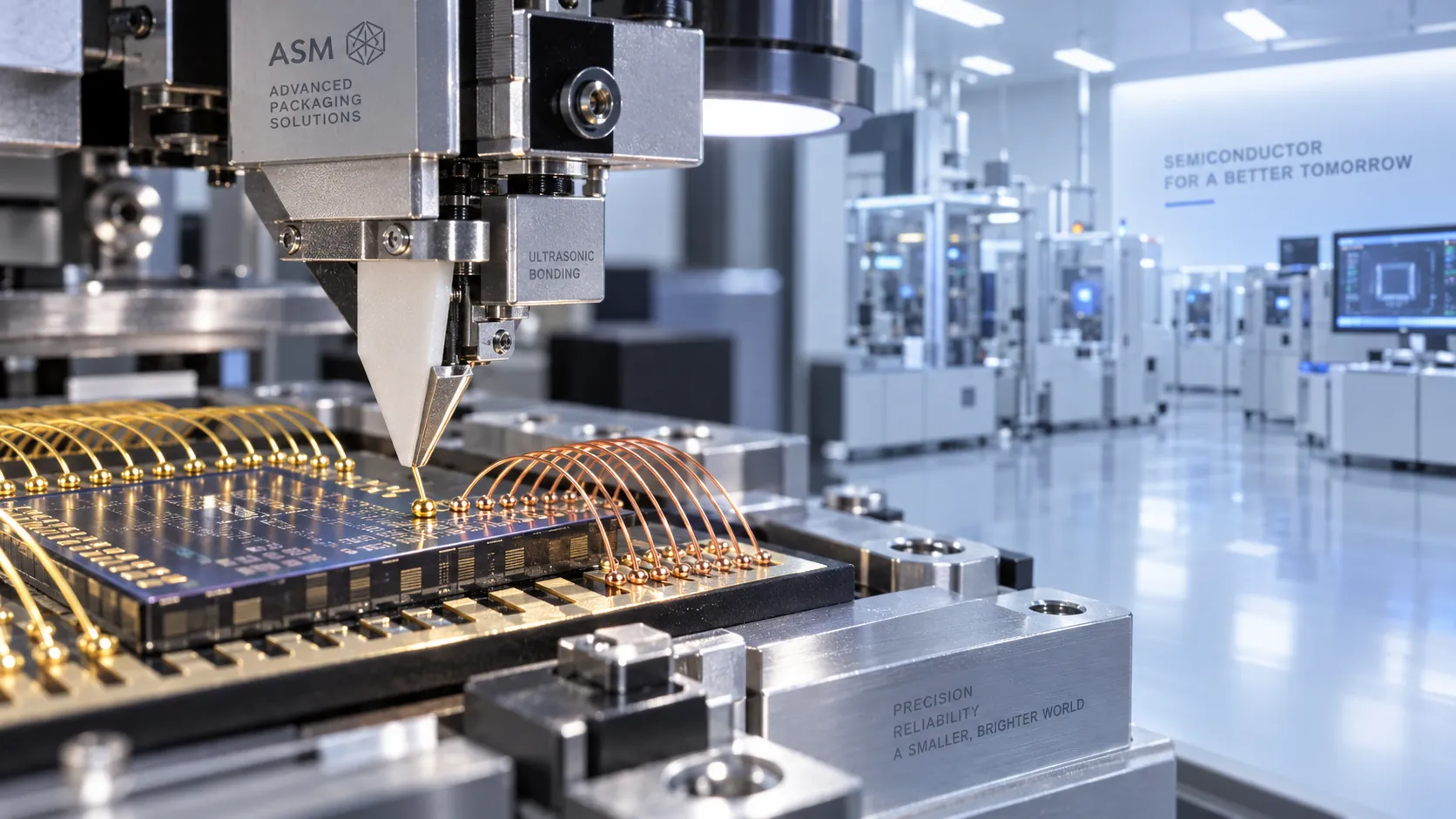
How to Select Wire Bonding Tools for Fine-Pitch Semiconductor Packaging
Explore semiconductor manufacturing tools for wire bonding and learn how to select precision solutions for fine-pitch packaging, reliable loops, accuracy, and yield.
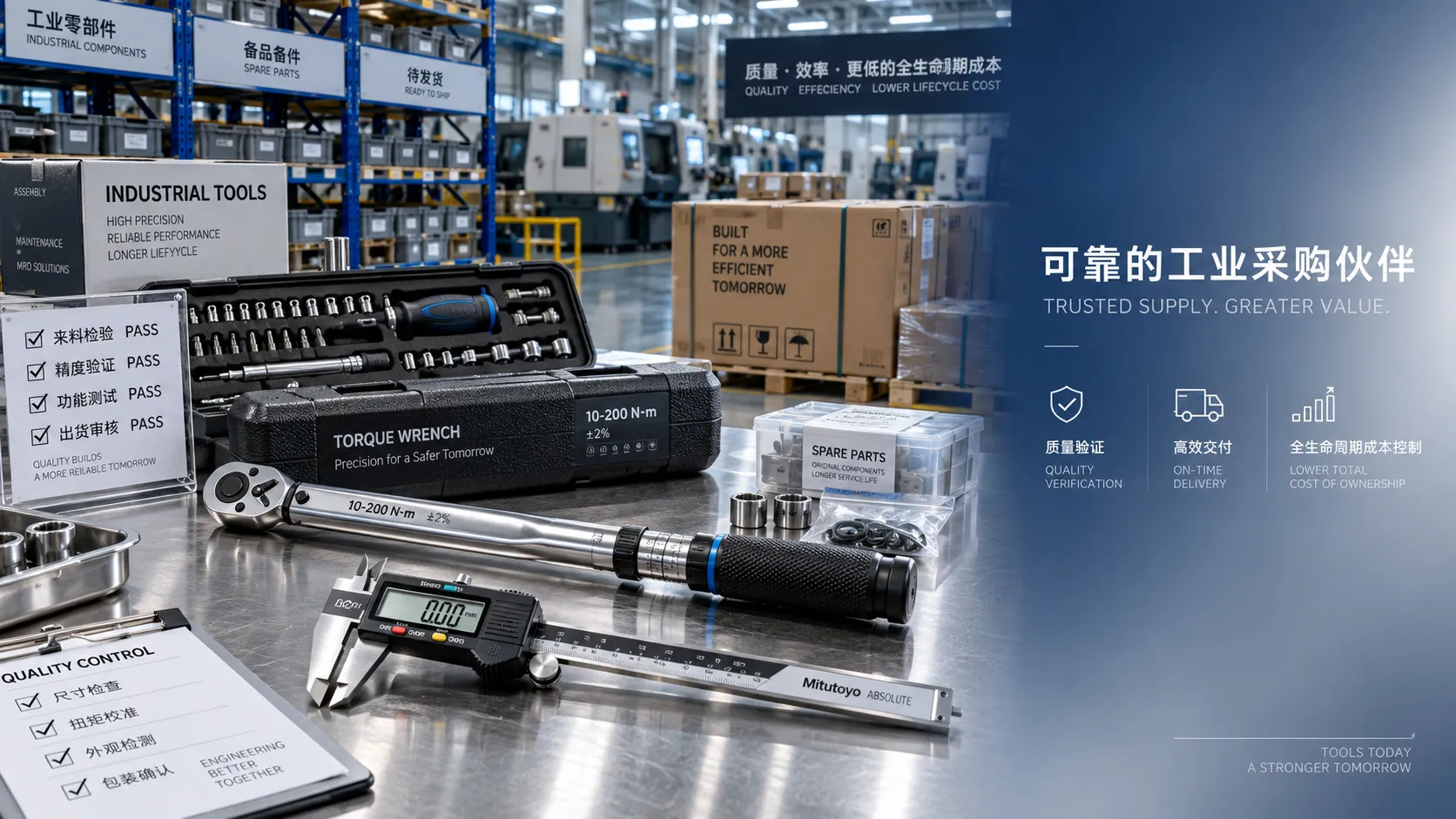
How to Compare Industrial Tool Suppliers for Quality, Lead Time, and Total Cost
Industrial tool selection supplier comparison made simple: evaluate quality, lead times, total cost, service, and supply resilience for confident sourcing decisions.
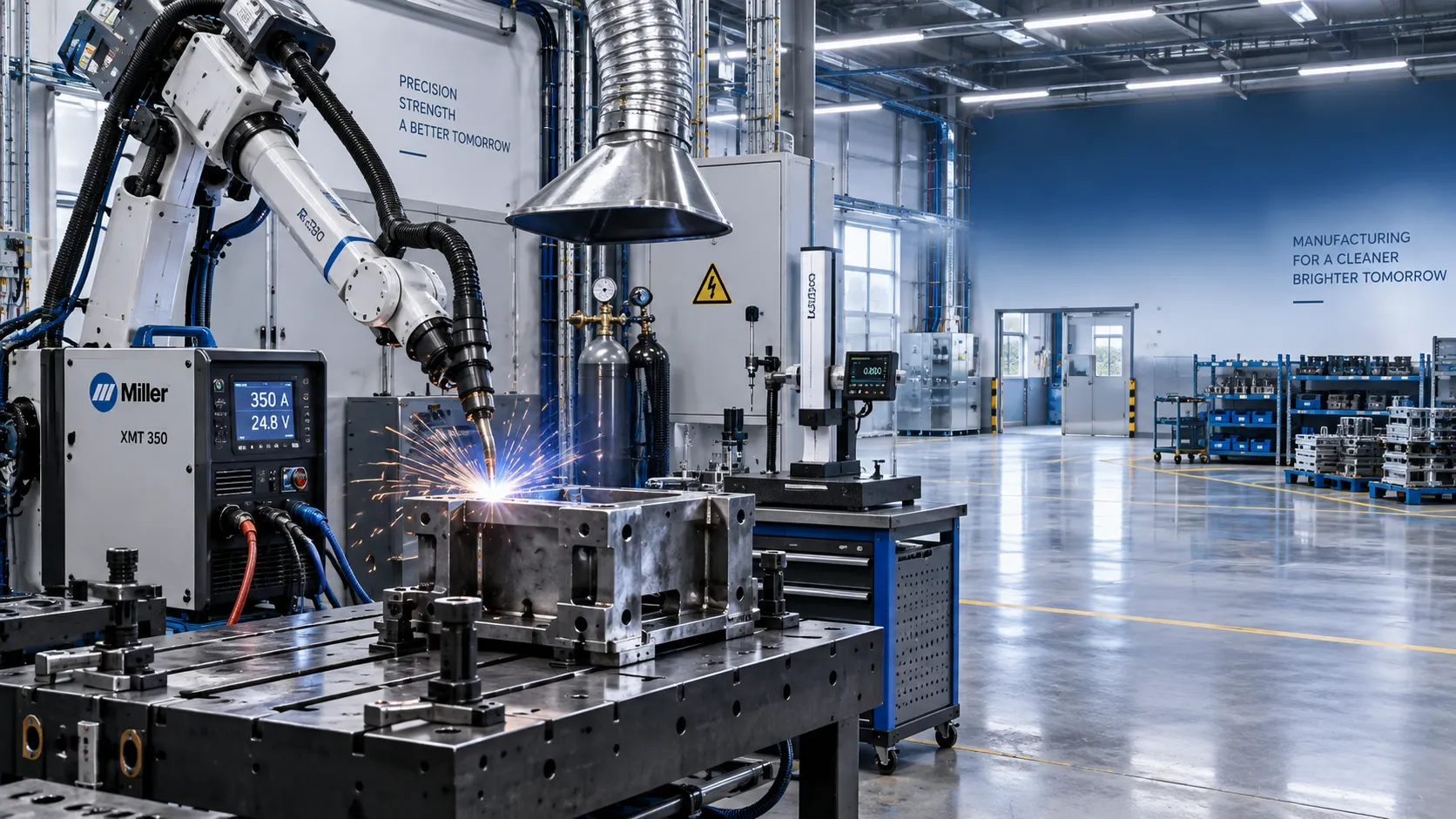
Industrial Equipment Application Guidance: Match Machines to Operating Conditions
Application guidance industrial equipment: match capacity, duty cycle, materials, site conditions, safety, and lifecycle cost to improve reliable output. Read the guide.
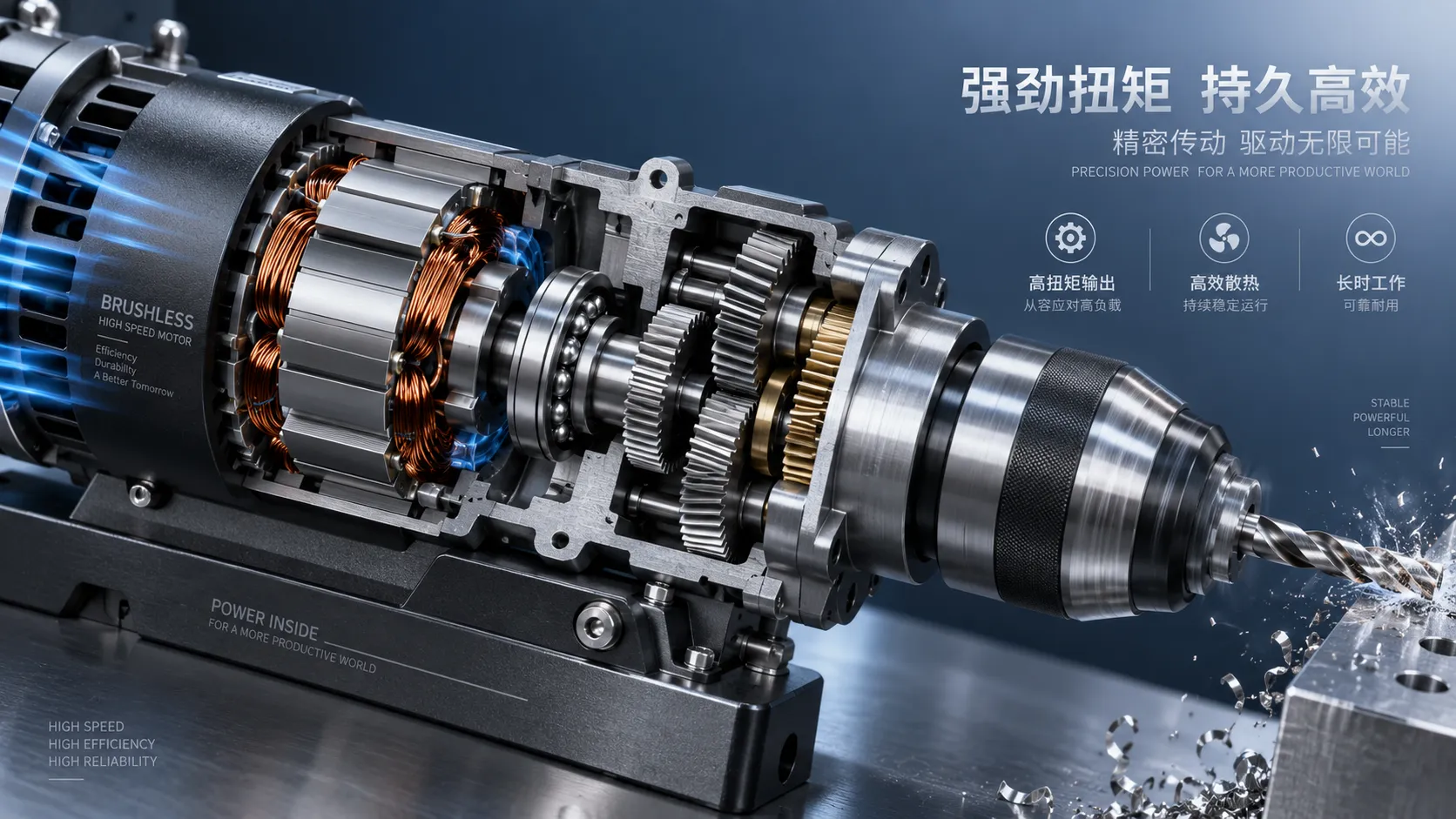
Selecting High-Speed Brushless Tool Motors for Torque, Heat, and Duty Cycle
High speed brushless tool motors: learn how to balance torque, heat, gearing, and duty cycle for reliable industrial tool performance and longer service life.
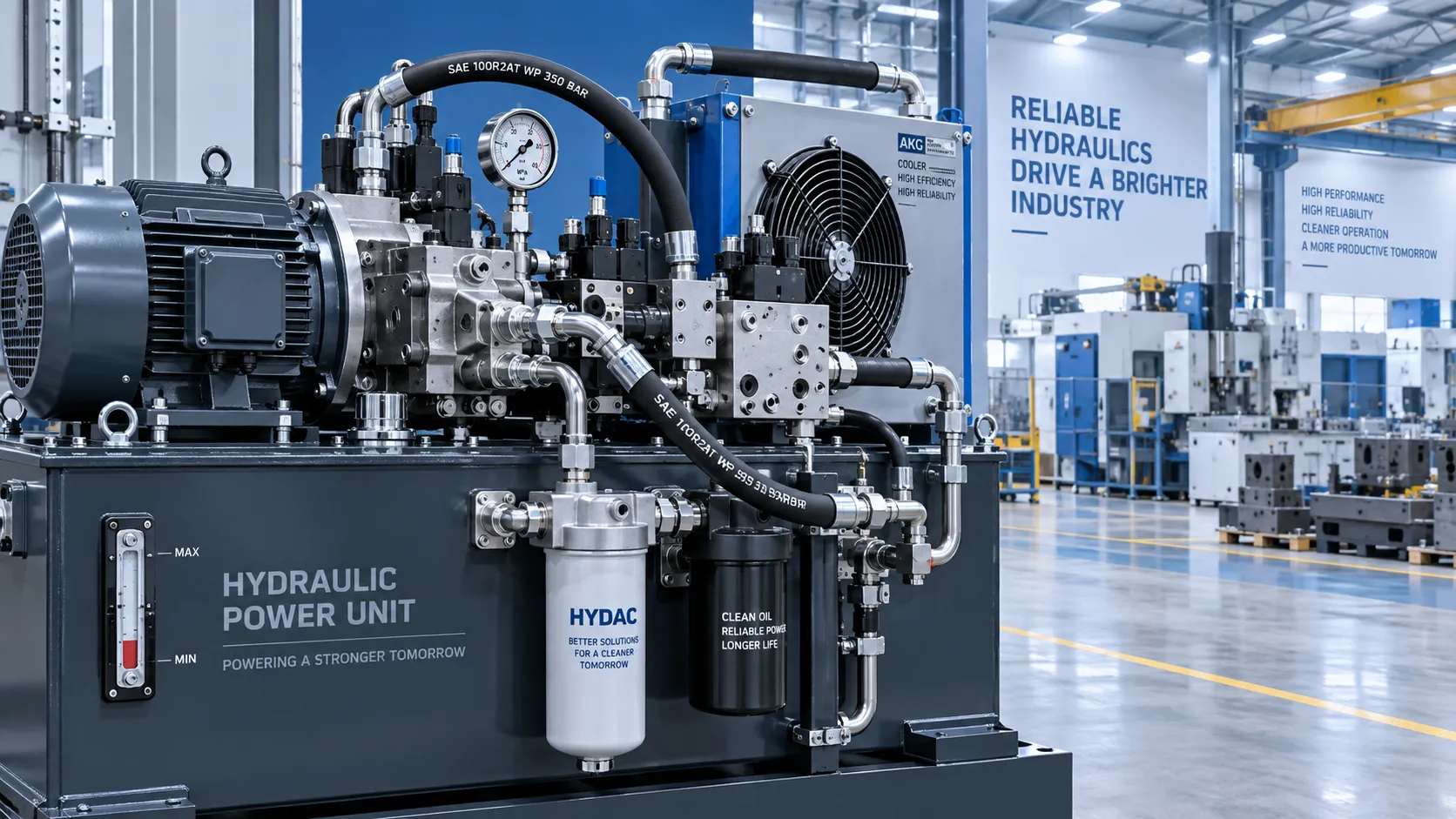
What Determines Industrial Hydraulic System Price for Heavy-Duty Equipment?
Industrial hydraulic system price depends on duty cycle, pressure, components, cooling, and integration. Compare quotes intelligently to secure reliable heavy-duty performance.
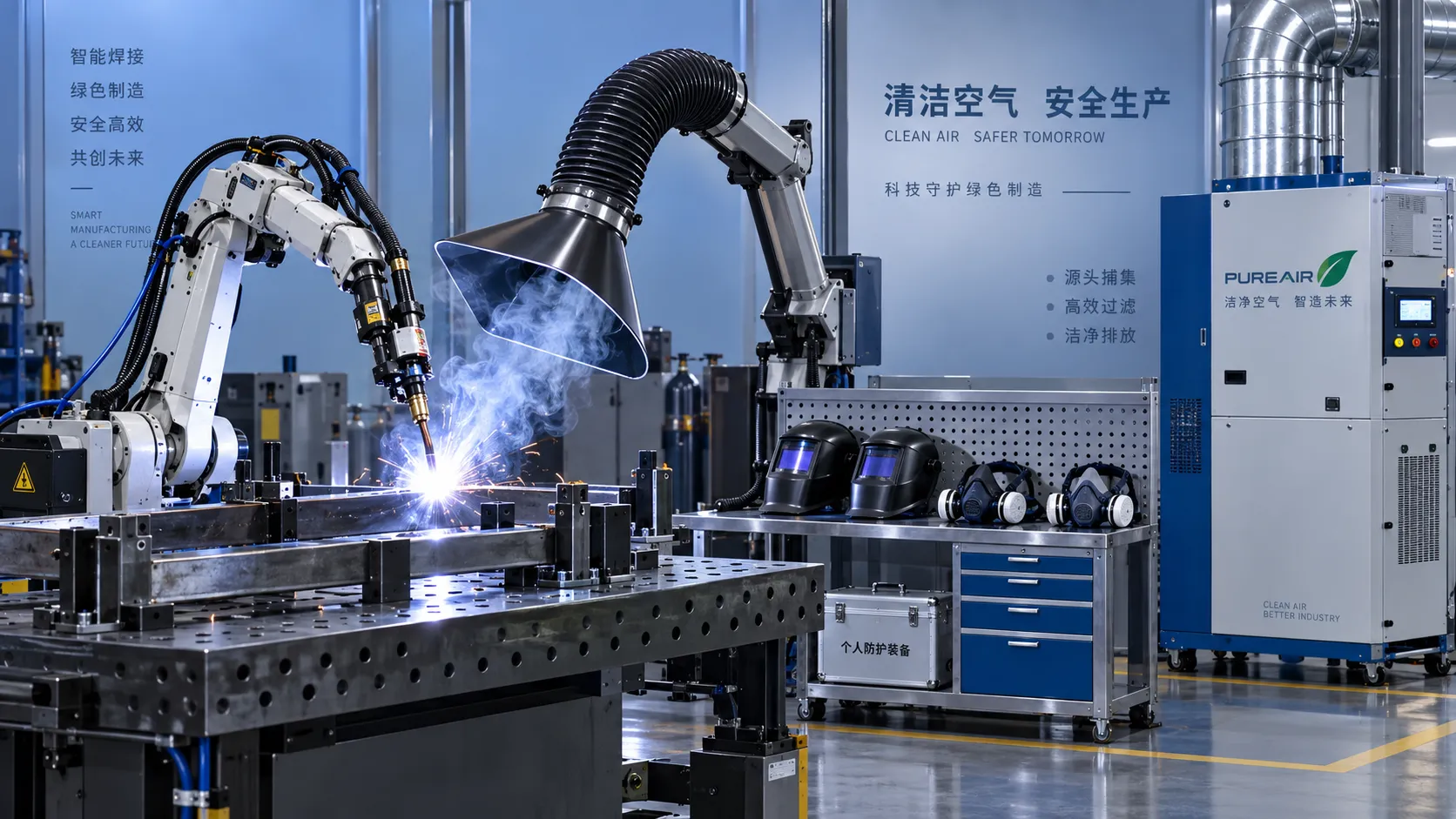
Welding Fume Extraction PPE: When Respirators Are Not Enough for Shop Safety
Welding fume extraction PPE: learn why respirators alone fall short and how source capture, ventilation, and layered controls improve shop safety.
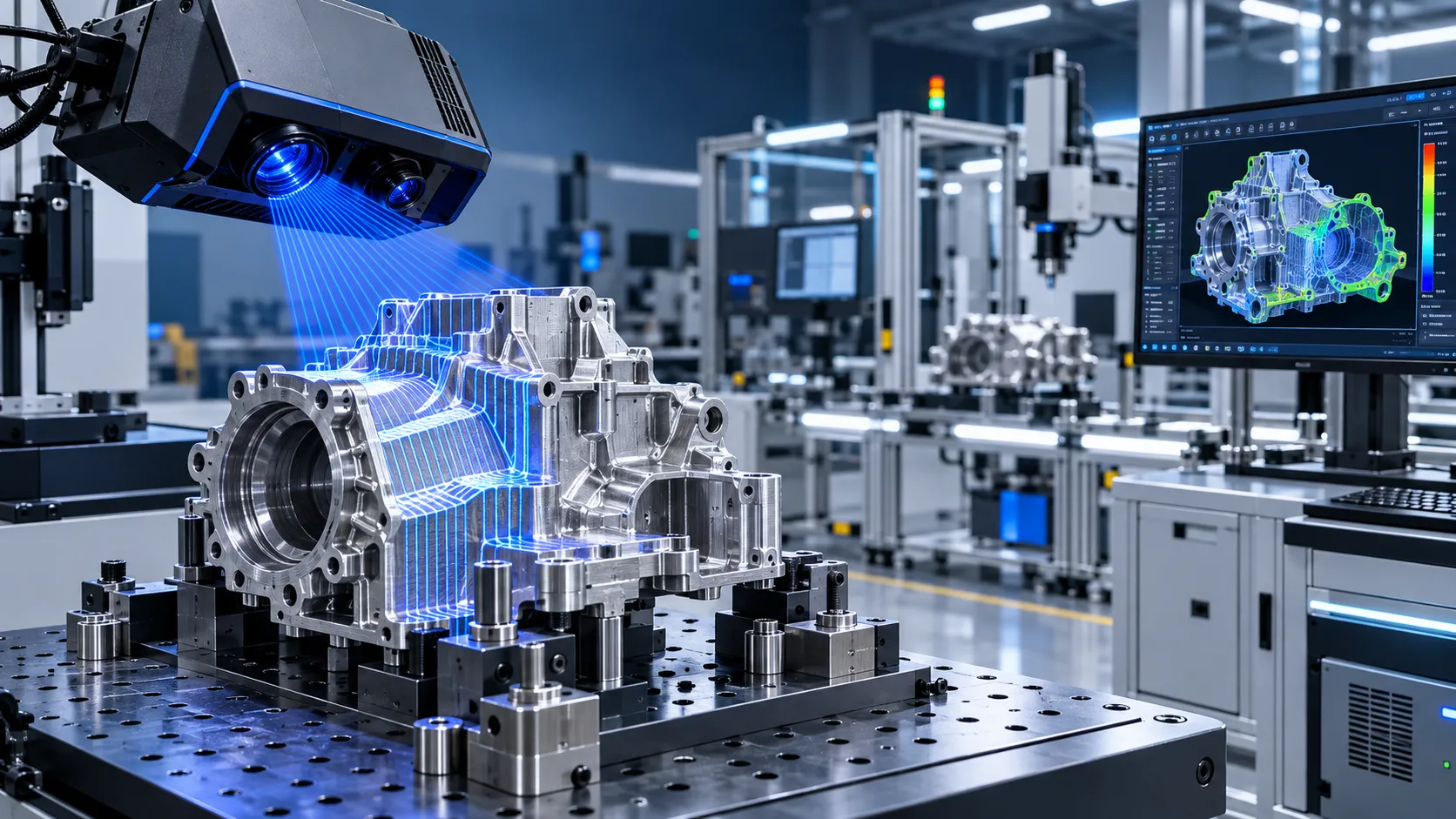
How to Select Optical Metrology Solutions for Tight-Tolerance Manufacturing
Optical industrial metrology solutions for tight-tolerance manufacturing: evaluate accuracy, surface compatibility, workflow, and traceability to select with confidence.
Related News
- 00
0000-00
Selecting Adjustable Torque Tools for Repeatable Fastener Assembly - 00
0000-00
How to Select Aerospace Inspection Tools for Aircraft Maintenance Tasks - 00
0000-00
How to Select Wire Bonding Tools for Fine-Pitch Semiconductor Packaging - 00
0000-00
Industrial Equipment Application Guidance: Match Machines to Operating Conditions - 00
0000-00
Selecting High-Speed Brushless Tool Motors for Torque, Heat, and Duty Cycle
Prof. Marcus Chen
Weekly Insights
Stay ahead with our curated technology reports delivered every Monday.