
How to Choose an IoT Torque Control Wrench for Automotive Assembly and Repair





Choosing an IoT torque control wrench for automotive assembly and repair is no longer a simple matter of matching torque range to fastener size. In connected production and service environments, the tool also affects traceability, process discipline, rework rates, and audit readiness.
That shift matters across the broader industrial landscape. Automotive work now sits closer to digital quality systems, while maintenance operations are expected to document the same tightening events that assembly lines record. An IoT torque control wrench becomes part fastening tool, part data source, and part process checkpoint.
From GPTWM’s perspective on the last mile of manufacturing, this is where traditional mechanical judgment meets intelligent tooling. The selection process should therefore focus on how the wrench performs in real work, how it communicates, and how reliably it supports quality decisions over time.
What an IoT torque control wrench really adds
A conventional torque wrench confirms that tightening reaches a target value. An IoT torque control wrench goes further by capturing the event, associating it with a user, asset, time stamp, job step, or vehicle record, and sending that information into a larger system.
That additional layer changes how the tool is evaluated. Accuracy still matters, but so do data continuity, wireless stability, firmware control, and the ability to fit into plant software or field service workflows.
In automotive assembly, the value appears in standardized fastening sequences and quality assurance. In repair, the value appears in service documentation, technician accountability, and protection against under-torque or over-torque events on safety-critical joints.
Why the market is paying closer attention
Several industry signals explain the rising interest. Vehicle platforms are becoming more complex, warranty exposure is expensive, and regulatory pressure around documented maintenance is increasing in many regions.
At the same time, digital factory programs are pushing hand tools into connected ecosystems. GPTWM’s intelligence work often tracks this exact transition: tools are no longer judged only by mechanical durability, but by how well they support measurable production efficiency.
There is also a practical labor issue. Standardized digital guidance can reduce variation between shifts, sites, and skill levels. That does not replace expertise, but it helps translate best practice into repeatable tightening behavior.
Start with the fastening task, not the catalog
The best selection process begins with the joint. Wheel fasteners, powertrain components, body structures, battery pack assemblies, and interior modules do not impose the same torque demands or error tolerance.
A tool that works well for medium-volume chassis assembly may be poorly suited to repair bays with changing jobs and limited network coverage. Likewise, a compact service wrench may lack the control logic required for multi-step production fastening.
Useful questions include the required torque window, the frequency of tightening, access constraints, cycle time expectations, and whether the joint requires angle measurement, rundown monitoring, or pass/fail lockout.
Task variables worth mapping early
- Nominal torque and acceptable tolerance band
- Fastener type, coating, and lubrication condition
- Joint criticality for safety, compliance, or warranty
- Number of tightening events per shift or job
- Need for angle control, sequence control, or operator prompts
- Indoor line use versus mobile repair environment
Accuracy is essential, but context matters more
Most buyers look at published accuracy first, and that is reasonable. Still, the number alone is incomplete. The real question is how the IoT torque control wrench maintains accuracy under the conditions where it will actually be used.
Temperature shifts, repeated shock, battery condition, and calibration interval all affect measurement confidence. A strong tool should provide stable sensor performance and clear reminders for calibration or verification.
It is also worth checking where the stated accuracy applies. Some tools perform best in the mid-range but lose precision near the lower or upper limit. If the target torque sits at the edge of the tool’s capacity, a narrower-range model is often the better choice.
Key metrology checks
Connectivity should serve the process, not complicate it
The connected features of an IoT torque control wrench can be very useful, but only when they match the operating environment. Production stations, repair workshops, and mobile service fleets have different requirements for Wi-Fi, Bluetooth, gateways, and offline storage.
A common mistake is choosing the richest feature set without checking signal behavior around metal structures, battery charging routines, or data synchronization during network interruptions. Lost records can be as damaging as bad torque values.
The better approach is to map the full data path. That includes how the tool receives job instructions, how it validates the operator, where the torque result is stored, and how exceptions are handled when communication fails.
Connectivity questions that deserve testing
- Can the tool buffer records when the network drops?
- Does synchronization preserve timestamps and user identity?
- Is data export compatible with MES, QMS, ERP, or service platforms?
- Are firmware updates controlled and traceable?
- Can access rights be managed by role or workstation?
Usability still drives compliance on the floor
Even the most advanced IoT torque control wrench fails if operators bypass it because it is heavy, awkward, or slow. Ergonomics and interface design are not cosmetic issues. They directly affect adherence to tightening procedure.
Automotive assembly often requires repetitive motion and fixed takt time. Repair work adds difficult access points and unpredictable body positions. A well-chosen tool should balance handle geometry, head design, feedback clarity, and screen readability.
Feedback method also matters. Visual, audible, and haptic cues reduce ambiguity during tightening. In noisy environments, vibration or light indicators may be more reliable than sound alone.
Traceability and compliance are no longer optional layers
For safety-critical joints, documented torque events are often as important as the fastening result itself. A connected wrench should provide secure records that can support audits, warranty reviews, and root-cause analysis.
That means looking beyond storage capacity. Check whether records are tamper-evident, whether tool IDs are fixed, and whether calibration status is linked to every tightening event. These details determine whether the data can stand up to scrutiny.
Relevant standards and internal quality rules will vary by plant, market, and application. Still, the decision framework is consistent: the IoT torque control wrench must fit the organization’s traceability discipline, not merely advertise connectivity.
Assembly and repair do not require the same configuration
It helps to separate use cases before comparing models. The same brand may offer one platform for controlled production fastening and another for service documentation.
This distinction prevents overbuying in one area and under-specifying in another. It also makes supplier discussions more productive, because the conversation stays anchored to process requirements.
A practical way to compare shortlisted tools
Shortlists should be tested in conditions that resemble actual work. Bench demonstrations rarely reveal the full picture. A realistic trial should include repeated tightening cycles, awkward access points, low-signal zones, and handoff into the intended software environment.
Evaluation is stronger when it combines mechanical, digital, and operational criteria. GPTWM often frames this as a convergence issue: the tool, the data architecture, and the work routine must align.
- Verify torque performance at the actual target range
- Test record capture during normal and failed network conditions
- Measure battery endurance over a realistic shift
- Check calibration workflow and service turnaround
- Review software compatibility and reporting clarity
- Observe whether users complete jobs faster or hesitate more
Where the decision should go next
The right IoT torque control wrench is the one that fits the joint, the workflow, and the quality system at the same time. Mechanical performance remains the foundation, but digital reliability and traceable process control now carry equal weight.
A sound next step is to define the highest-risk fastening tasks, rank the traceability requirements, and run side-by-side trials against actual assembly or repair conditions. That usually exposes the difference between attractive specifications and dependable field performance.
For organizations following broader industrial intelligence trends, the decision is also strategic. Choosing the right IoT torque control wrench helps build a tighter link between craftsmanship, metrology, and connected manufacturing discipline.
Related News
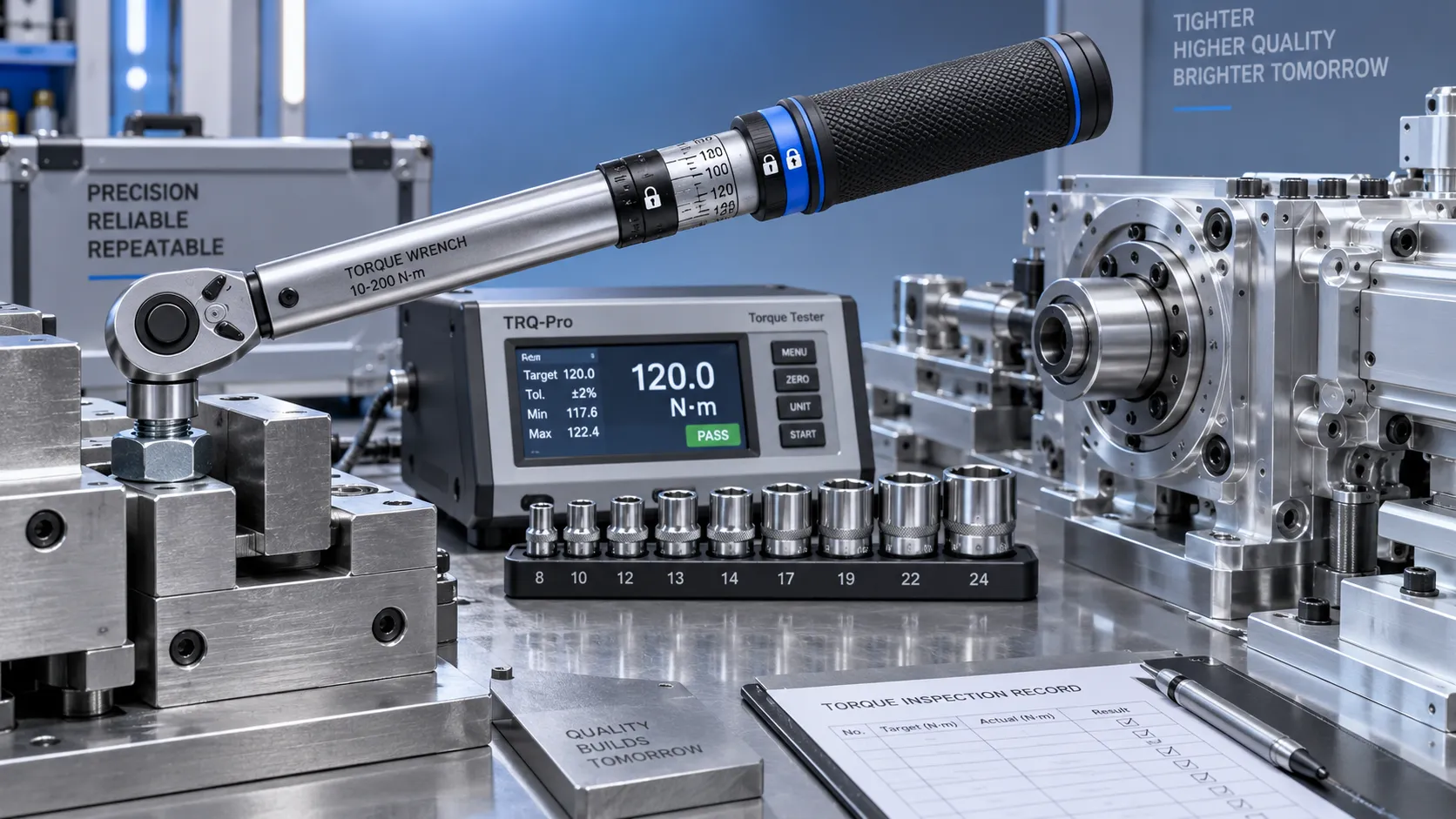
Selecting Adjustable Torque Tools for Repeatable Fastener Assembly
Adjustable torque tools: learn how to match range, accuracy, control methods, calibration, and ergonomics for repeatable, reliable fastener assembly.
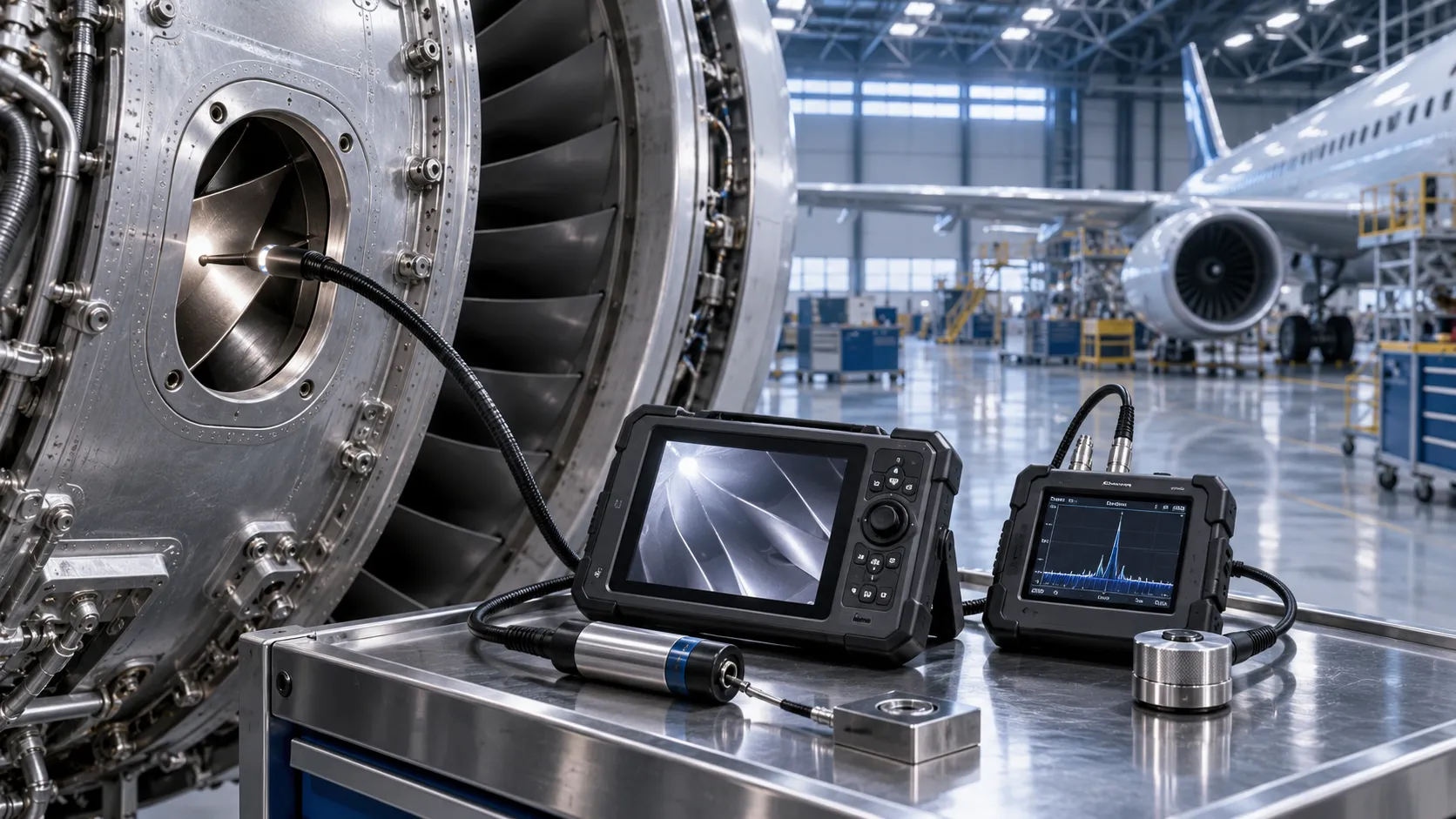
How to Select Aerospace Inspection Tools for Aircraft Maintenance Tasks
Aerospace maintenance inspection tools: learn how to select reliable, traceable equipment for aircraft access, accuracy, calibration, and compliant maintenance decisions.

How to Select Wire Bonding Tools for Fine-Pitch Semiconductor Packaging
Explore semiconductor manufacturing tools for wire bonding and learn how to select precision solutions for fine-pitch packaging, reliable loops, accuracy, and yield.
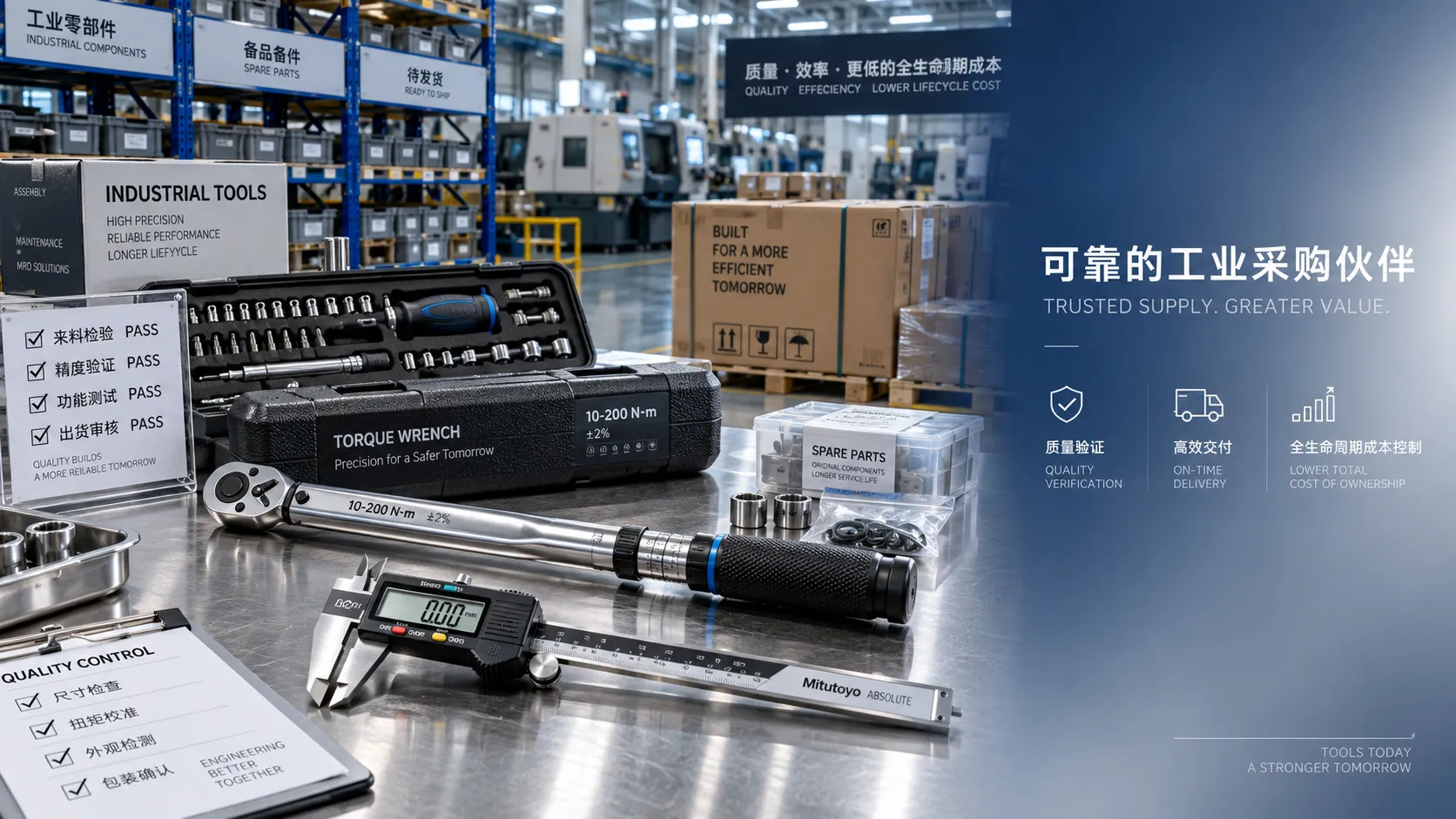
How to Compare Industrial Tool Suppliers for Quality, Lead Time, and Total Cost
Industrial tool selection supplier comparison made simple: evaluate quality, lead times, total cost, service, and supply resilience for confident sourcing decisions.
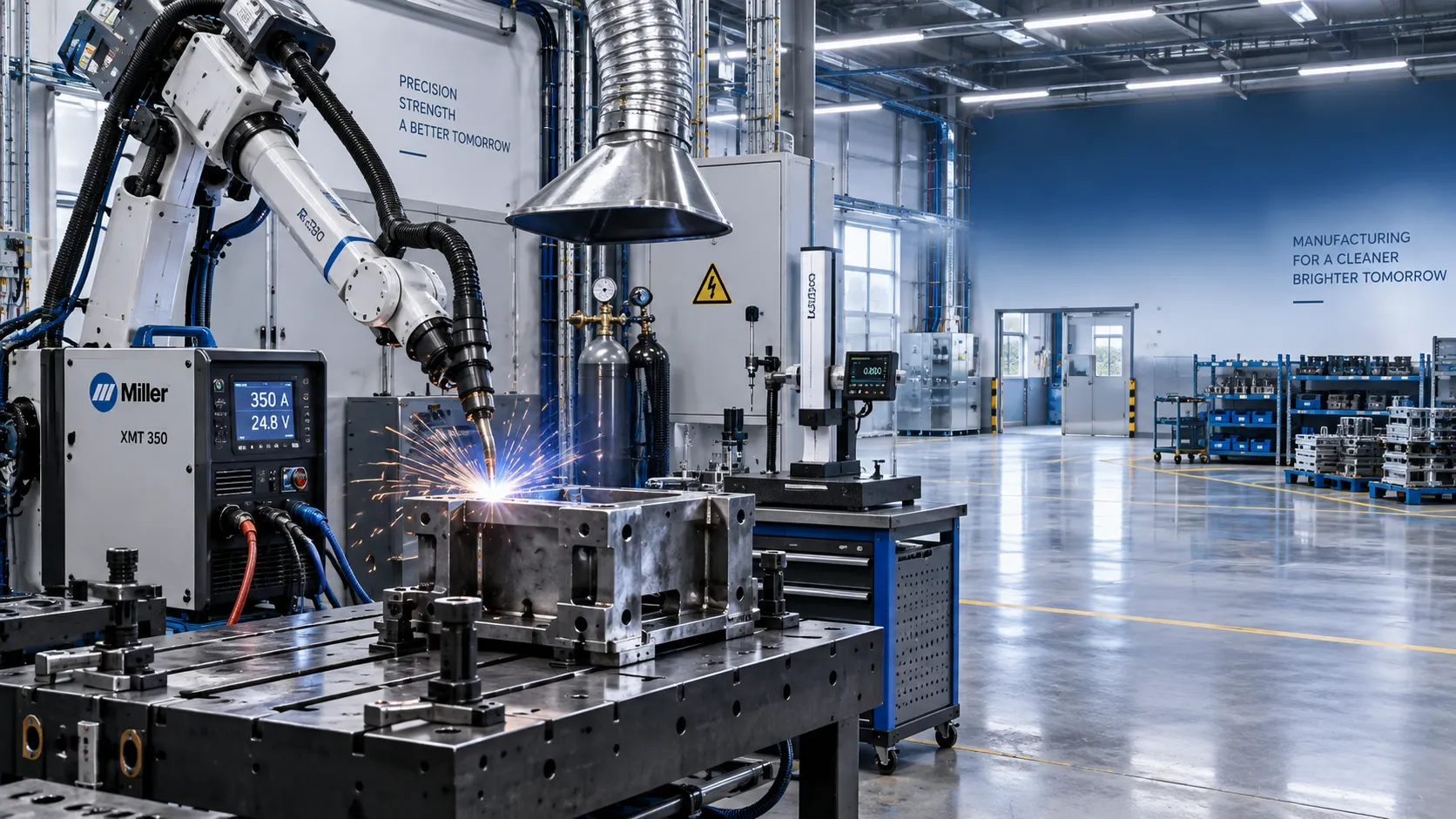
Industrial Equipment Application Guidance: Match Machines to Operating Conditions
Application guidance industrial equipment: match capacity, duty cycle, materials, site conditions, safety, and lifecycle cost to improve reliable output. Read the guide.
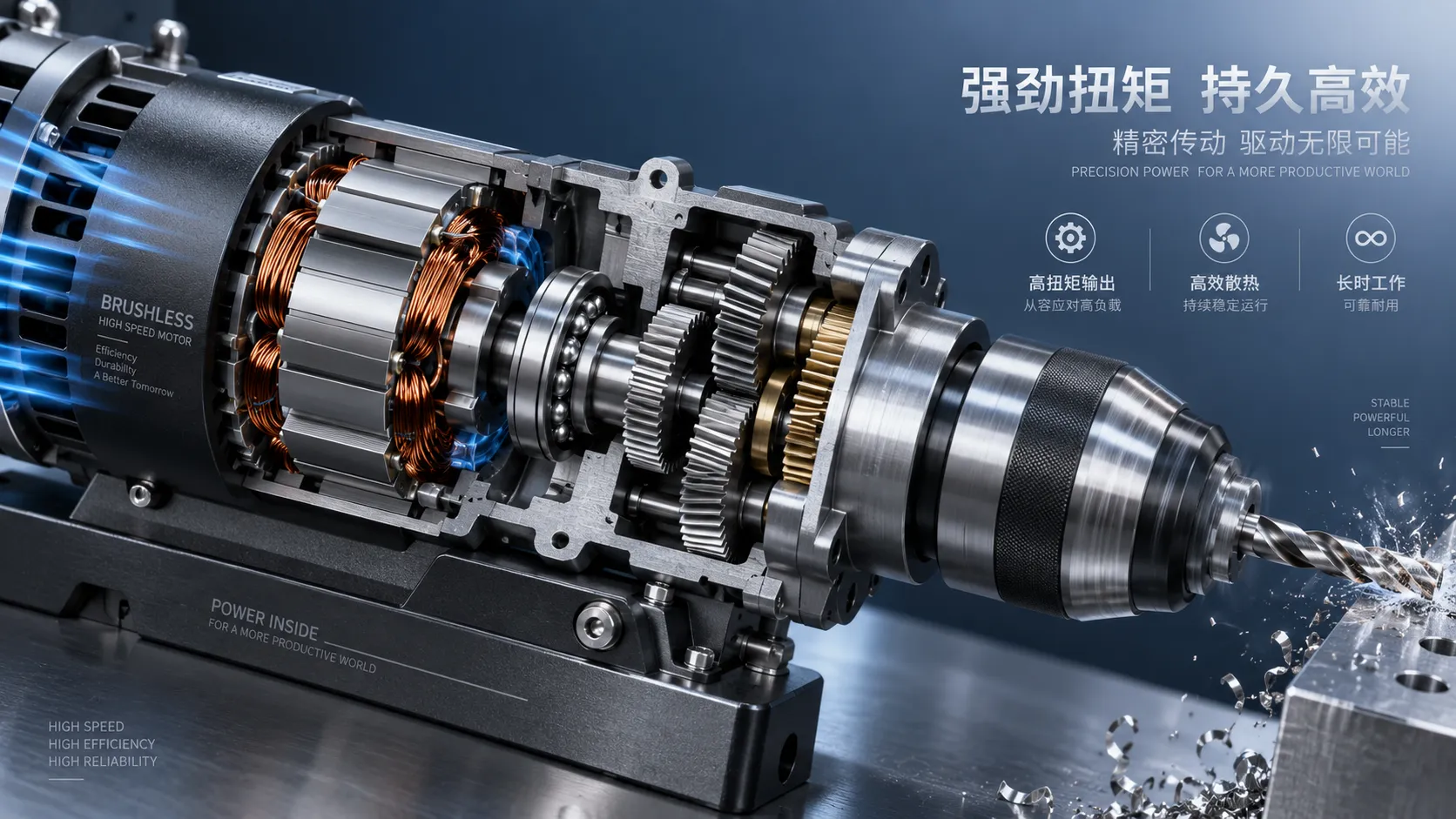
Selecting High-Speed Brushless Tool Motors for Torque, Heat, and Duty Cycle
High speed brushless tool motors: learn how to balance torque, heat, gearing, and duty cycle for reliable industrial tool performance and longer service life.
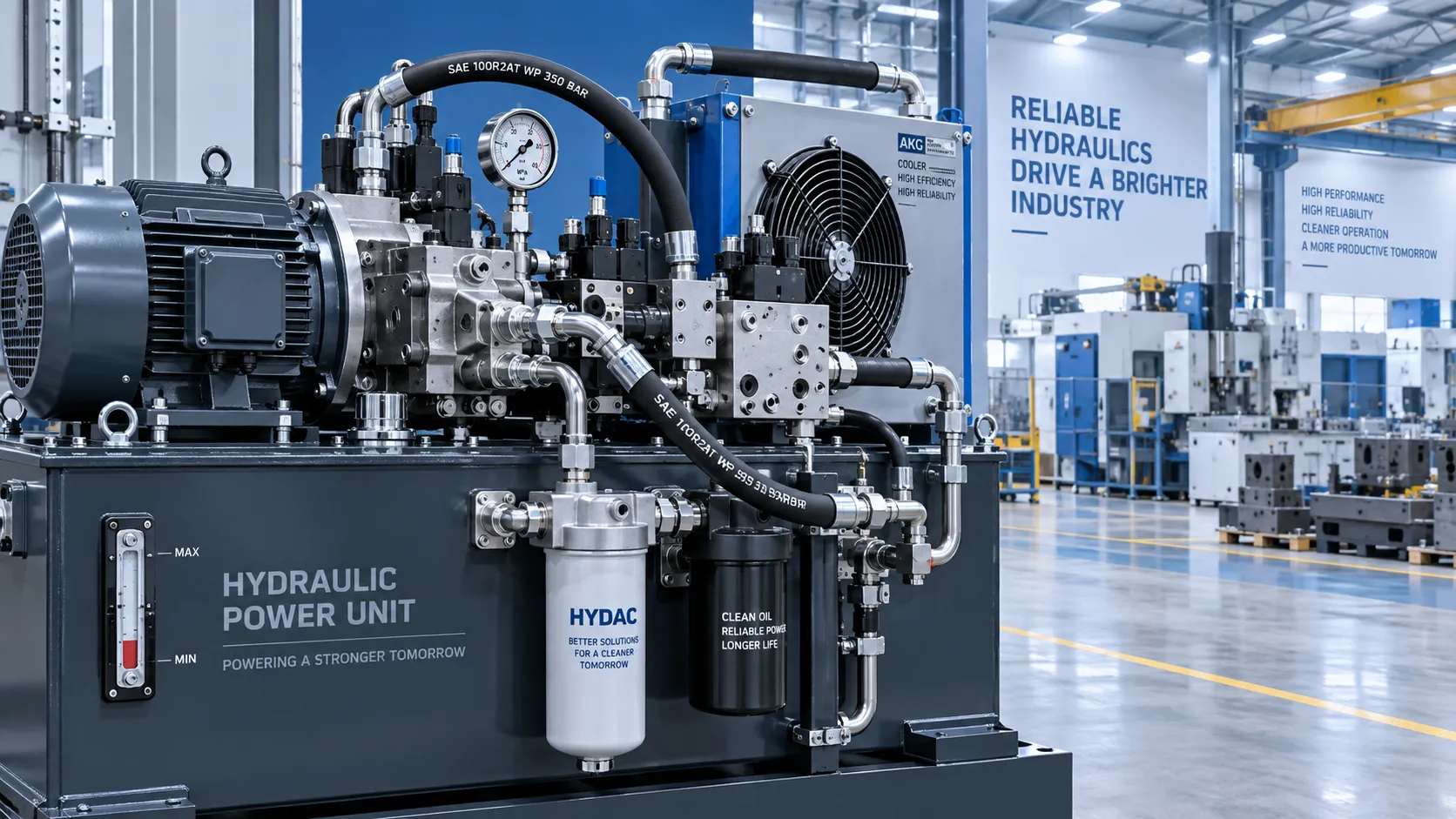
What Determines Industrial Hydraulic System Price for Heavy-Duty Equipment?
Industrial hydraulic system price depends on duty cycle, pressure, components, cooling, and integration. Compare quotes intelligently to secure reliable heavy-duty performance.
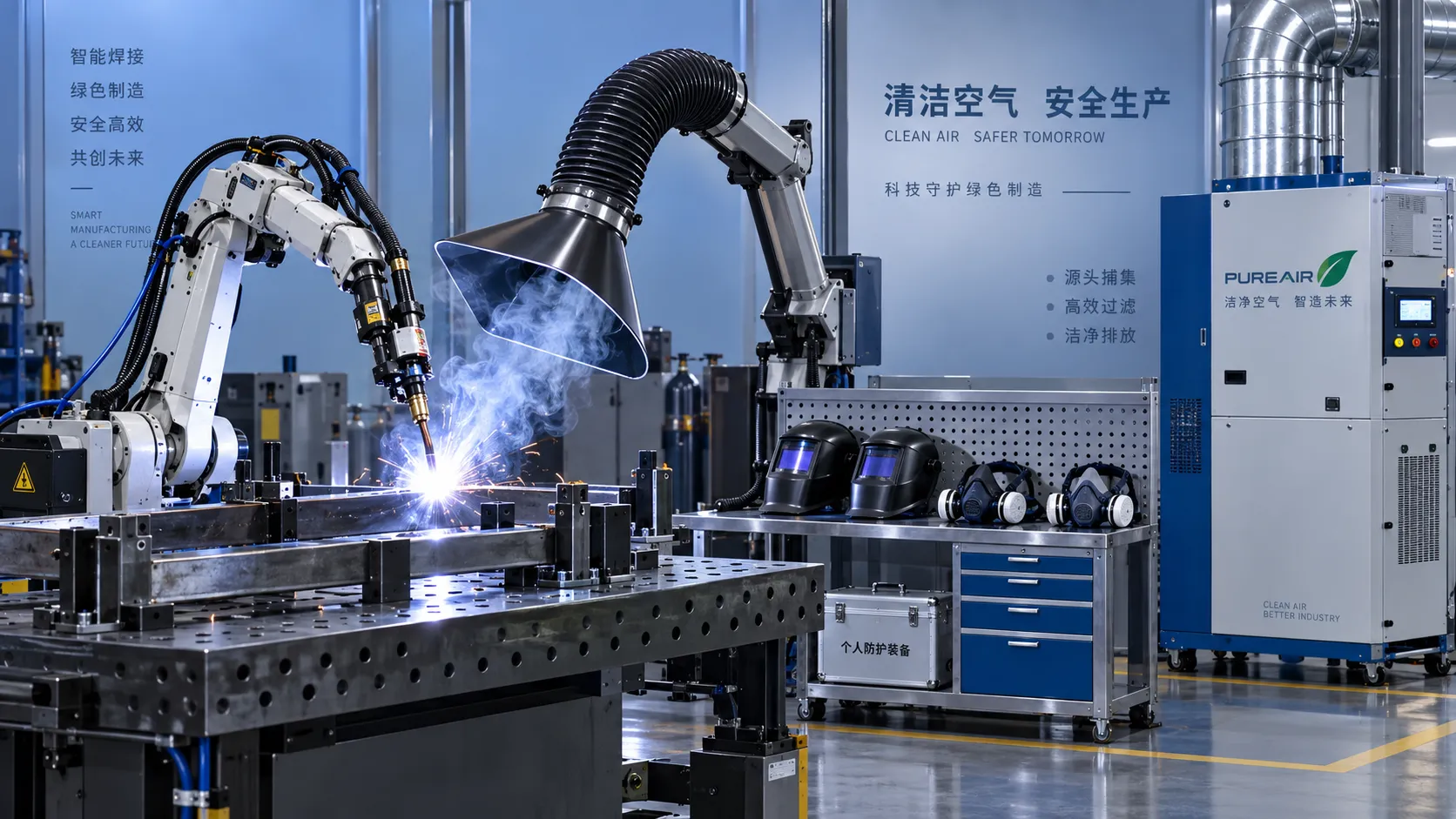
Welding Fume Extraction PPE: When Respirators Are Not Enough for Shop Safety
Welding fume extraction PPE: learn why respirators alone fall short and how source capture, ventilation, and layered controls improve shop safety.
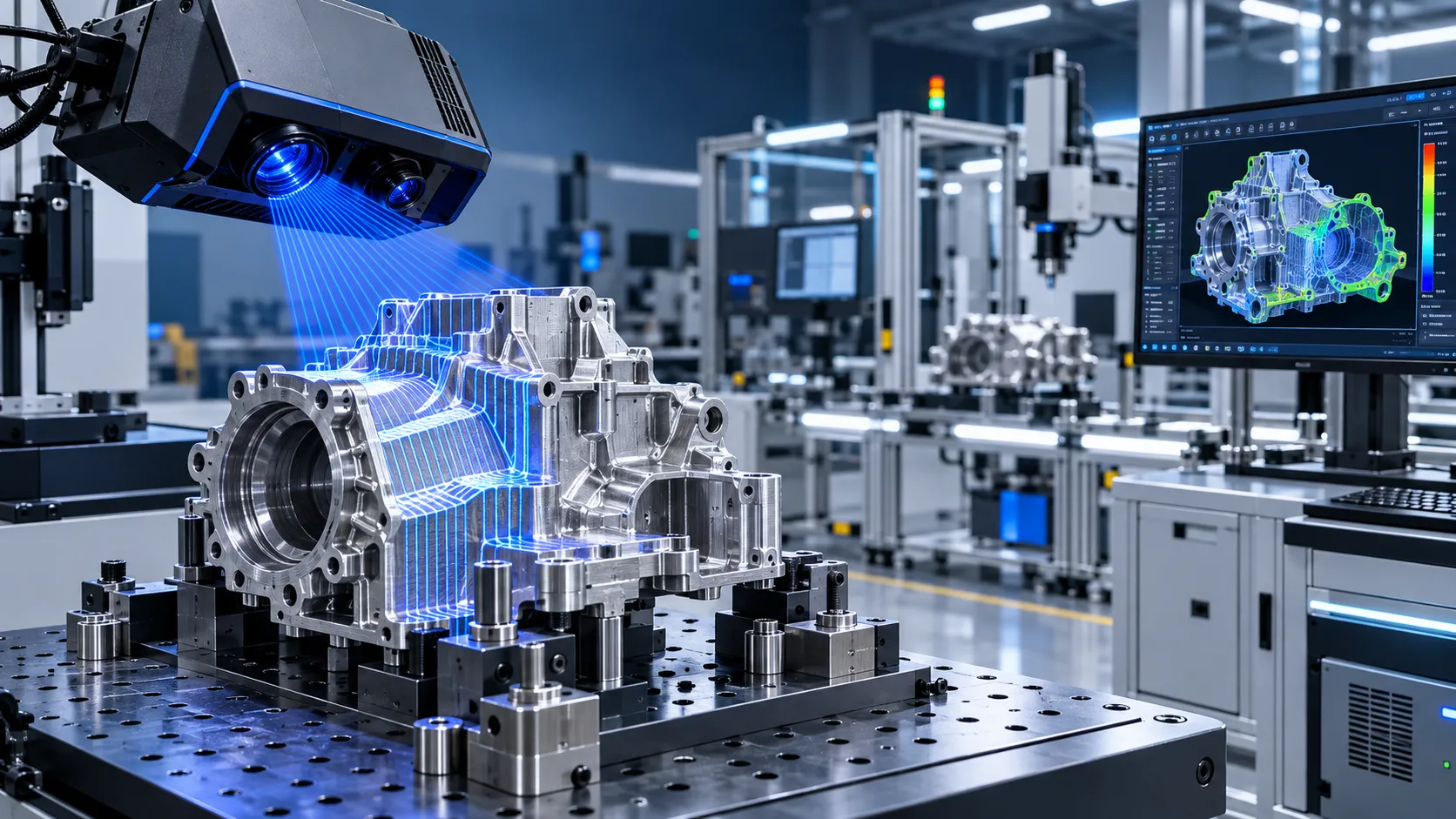
How to Select Optical Metrology Solutions for Tight-Tolerance Manufacturing
Optical industrial metrology solutions for tight-tolerance manufacturing: evaluate accuracy, surface compatibility, workflow, and traceability to select with confidence.
Related News
- 00
0000-00
Selecting Adjustable Torque Tools for Repeatable Fastener Assembly - 00
0000-00
How to Select Aerospace Inspection Tools for Aircraft Maintenance Tasks - 00
0000-00
How to Select Wire Bonding Tools for Fine-Pitch Semiconductor Packaging - 00
0000-00
Industrial Equipment Application Guidance: Match Machines to Operating Conditions - 00
0000-00
Selecting High-Speed Brushless Tool Motors for Torque, Heat, and Duty Cycle
Prof. Marcus Chen
Weekly Insights
Stay ahead with our curated technology reports delivered every Monday.