
How to Evaluate a Material Science Supplier: Key Criteria for Quality, Lead Time, and Compliance





How to Evaluate a Material Science Supplier: Key Criteria for Quality, Lead Time, and Compliance
Choosing the right partner starts with a practical material science supplier guide that helps procurement teams reduce risk and improve supply continuity.
Price still matters, but it rarely tells the full story.
A low quote can quickly become expensive when defects rise, shipments slip, or compliance issues block production.
That is why a strong material science supplier guide looks beyond unit cost and focuses on supply performance under real operating pressure.
In industrial sourcing, especially where joining, precision measurement, and assembly quality matter, material consistency affects downstream results more than many buyers expect.
This article breaks down the key criteria that support better supplier evaluation, steadier lead times, and more defensible purchasing decisions.
Start With Material Performance, Not Just Product Claims
The first test in any material science supplier guide is simple: can the supplier prove repeatable performance across batches?
Marketing language is easy to produce. Stable material behavior is harder.
Buyers should request technical data sheets, batch records, process capability data, and recent test results tied to actual production lots.
For metals, polymers, coatings, composites, or consumables, key indicators often include tensile strength, hardness, dimensional stability, corrosion resistance, and thermal behavior.
In practice, the right criteria depend on the end use.
A supplier serving welding, metrology, tooling, or maintenance environments must show that material properties remain stable under actual service conditions.
That may include heat exposure, vibration, abrasion, humidity, or repeated handling.
Useful questions include:
- How much variation exists between lots?
- What incoming and final inspections are standard?
- Can the supplier provide traceability to raw materials?
- What process controls prevent drift over time?
- Are failure reports shared transparently when issues occur?
A material science supplier guide becomes far more useful when it turns broad quality claims into measurable verification points.
Check Whether Quality Systems Actually Work Day to Day
Certifications matter, but they should be the starting point, not the conclusion.
A supplier with ISO 9001 or sector-specific credentials still needs operational discipline.
A reliable material science supplier guide should test how quality systems perform during routine production, corrective action, and change control.
Recent market shifts make this more important.
When raw material prices move quickly, some suppliers quietly substitute inputs, relax inspection frequency, or stretch maintenance cycles.
That is often where hidden risk begins.
Look for evidence in these areas:
- Documented nonconformance handling.
- Clear root cause analysis methods.
- Formal engineering change notification procedures.
- Calibration control for measurement equipment.
- Retention of records for audits and claims.
Suppliers that answer quickly, provide records cleanly, and explain deviations without defensiveness are usually easier to work with long term.
That kind of discipline protects both quality and negotiation clarity.
Evaluate Lead Time as a System, Not a Promise
Lead time is one of the most underestimated sections in a material science supplier guide.
Many suppliers quote an optimistic number, but buyers need to understand how that number is built.
Ask what portion depends on raw material sourcing, internal production, external processing, testing, customs, and transport.
A shorter quoted lead time is not automatically better if the schedule has no buffer and poor visibility.
More meaningful signals include on-time delivery history, expedite success rate, backlog trends, and communication speed when delays appear.
This also means reviewing capacity.
If a supplier depends on a single furnace, single line, or single lab for release testing, lead time risk rises fast during demand spikes.
A practical supplier review should cover:
- Average and worst-case lead time by part family.
- Capacity utilization and peak-season performance.
- Safety stock or buffer inventory options.
- Dual-source or backup processing arrangements.
- Order tracking transparency from release to shipment.
A solid material science supplier guide treats lead time reliability as an operating capability, not a sales statement.
Do Not Overlook Compliance, Traceability, and Market Access Risk
Compliance failures rarely stay small.
They can stop imports, delay customer approvals, trigger recalls, or damage reputation across multiple accounts.
That is why any material science supplier guide should include regulatory readiness alongside cost and quality.
The exact checklist depends on the material category and destination market.
Common requirements may include REACH, RoHS, SDS documentation, conflict minerals declarations, export control screening, and country-of-origin records.
For technical materials, traceability is just as important as formal compliance paperwork.
If a quality issue appears in the field, buyers need to isolate affected lots quickly and verify where each input came from.
Review these items before approval:
A material science supplier guide with strong compliance checks reduces disruption before it reaches the plant floor.
Assess Technical Support and Problem-Solving Depth
Good suppliers ship material. Strong suppliers help improve application outcomes.
That distinction matters when specifications tighten or production conditions change.
A mature material science supplier guide should therefore examine technical support capability, not only commercial responsiveness.
This is especially relevant in sectors influenced by precision tooling, welding process stability, surface performance, or measurement accuracy.
When a problem appears, the supplier should be able to interpret lab data, recommend process adjustments, and support validation efficiently.
Strong signs include:
- Access to engineers or materials specialists.
- Fast support during qualification and failure analysis.
- Application notes based on real use cases.
- Willingness to join process reviews with operations teams.
- Clear escalation paths for urgent technical issues.
This support often has a direct cost impact.
Better technical collaboration can reduce scrap, shorten approvals, and avoid repeated trial runs.
Compare Total Cost, Not Quoted Cost Alone
A useful material science supplier guide always returns to economics, but with broader math.
The quoted price is only one part of total cost.
Also consider inspection burden, freight variability, line stoppage risk, requalification cost, inventory carrying cost, and dispute resolution time.
A supplier with a slightly higher unit price may still deliver better value if performance is steadier and administration is lighter.
This becomes more obvious when purchased materials affect downstream precision, weld integrity, or field reliability.
For cleaner comparison, score suppliers across five weighted dimensions:
- Material quality and consistency.
- Lead time reliability and flexibility.
- Compliance and traceability maturity.
- Technical support and issue response.
- Total landed and operating cost.
This method creates a more balanced procurement decision and makes internal approval easier.
It also helps explain why the lowest bidder is not always the best supply option.
Build a Shortlist With Evidence and Ongoing Review
The best material science supplier guide is not a one-time checklist.
It is a working decision tool that combines qualification data with supplier performance over time.
Start with document review, then validate with samples, audits, reference checks, and trial orders.
After onboarding, continue tracking defects, delivery adherence, responsiveness, and compliance updates at regular intervals.
From a sourcing perspective, that ongoing discipline creates better negotiating leverage and fewer unpleasant surprises.
For organizations operating across industrial assembly, metal joining, and precision measurement ecosystems, supplier quality directly shapes competitive resilience.
A careful material science supplier guide keeps the evaluation grounded in facts: performance, lead time, compliance, support, and full cost.
When those criteria are reviewed together, sourcing decisions become faster, clearer, and much easier to defend.
Use that framework to narrow the shortlist, challenge weak assumptions, and build supplier partnerships that hold up under real production demands.
Related News
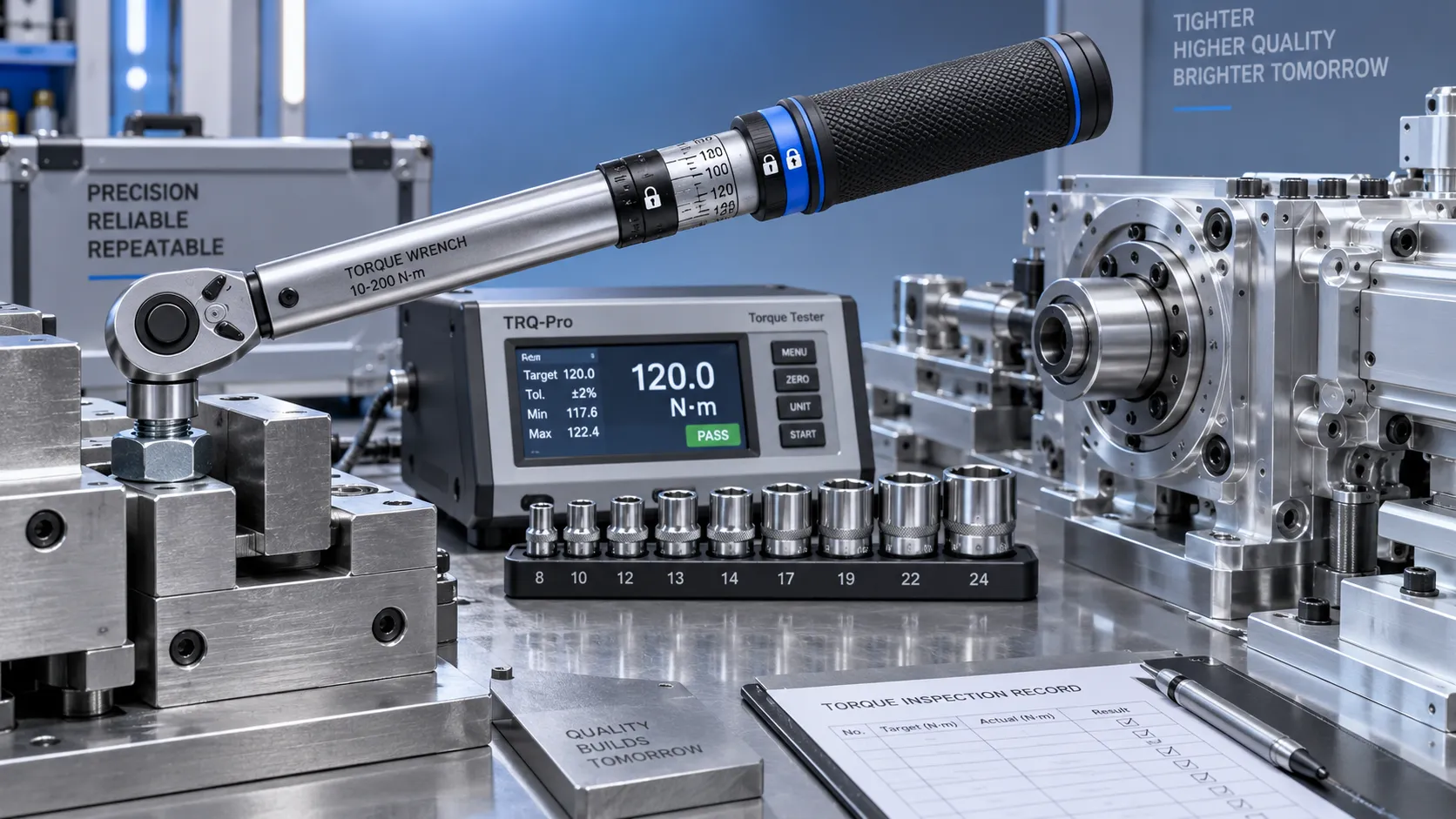
Selecting Adjustable Torque Tools for Repeatable Fastener Assembly
Adjustable torque tools: learn how to match range, accuracy, control methods, calibration, and ergonomics for repeatable, reliable fastener assembly.

How to Select Aerospace Inspection Tools for Aircraft Maintenance Tasks
Aerospace maintenance inspection tools: learn how to select reliable, traceable equipment for aircraft access, accuracy, calibration, and compliant maintenance decisions.

How to Select Wire Bonding Tools for Fine-Pitch Semiconductor Packaging
Explore semiconductor manufacturing tools for wire bonding and learn how to select precision solutions for fine-pitch packaging, reliable loops, accuracy, and yield.
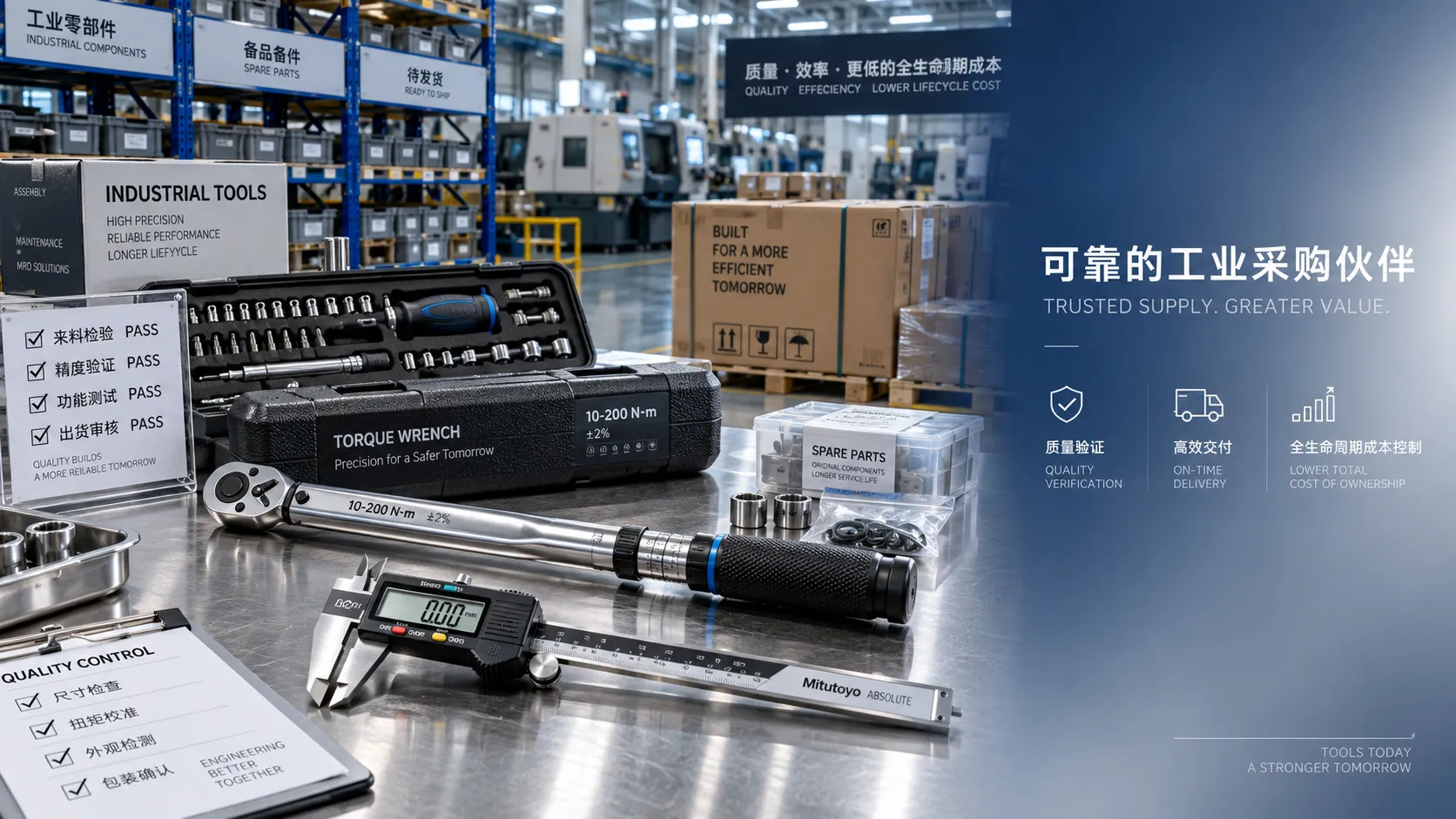
How to Compare Industrial Tool Suppliers for Quality, Lead Time, and Total Cost
Industrial tool selection supplier comparison made simple: evaluate quality, lead times, total cost, service, and supply resilience for confident sourcing decisions.

Industrial Equipment Application Guidance: Match Machines to Operating Conditions
Application guidance industrial equipment: match capacity, duty cycle, materials, site conditions, safety, and lifecycle cost to improve reliable output. Read the guide.

Selecting High-Speed Brushless Tool Motors for Torque, Heat, and Duty Cycle
High speed brushless tool motors: learn how to balance torque, heat, gearing, and duty cycle for reliable industrial tool performance and longer service life.
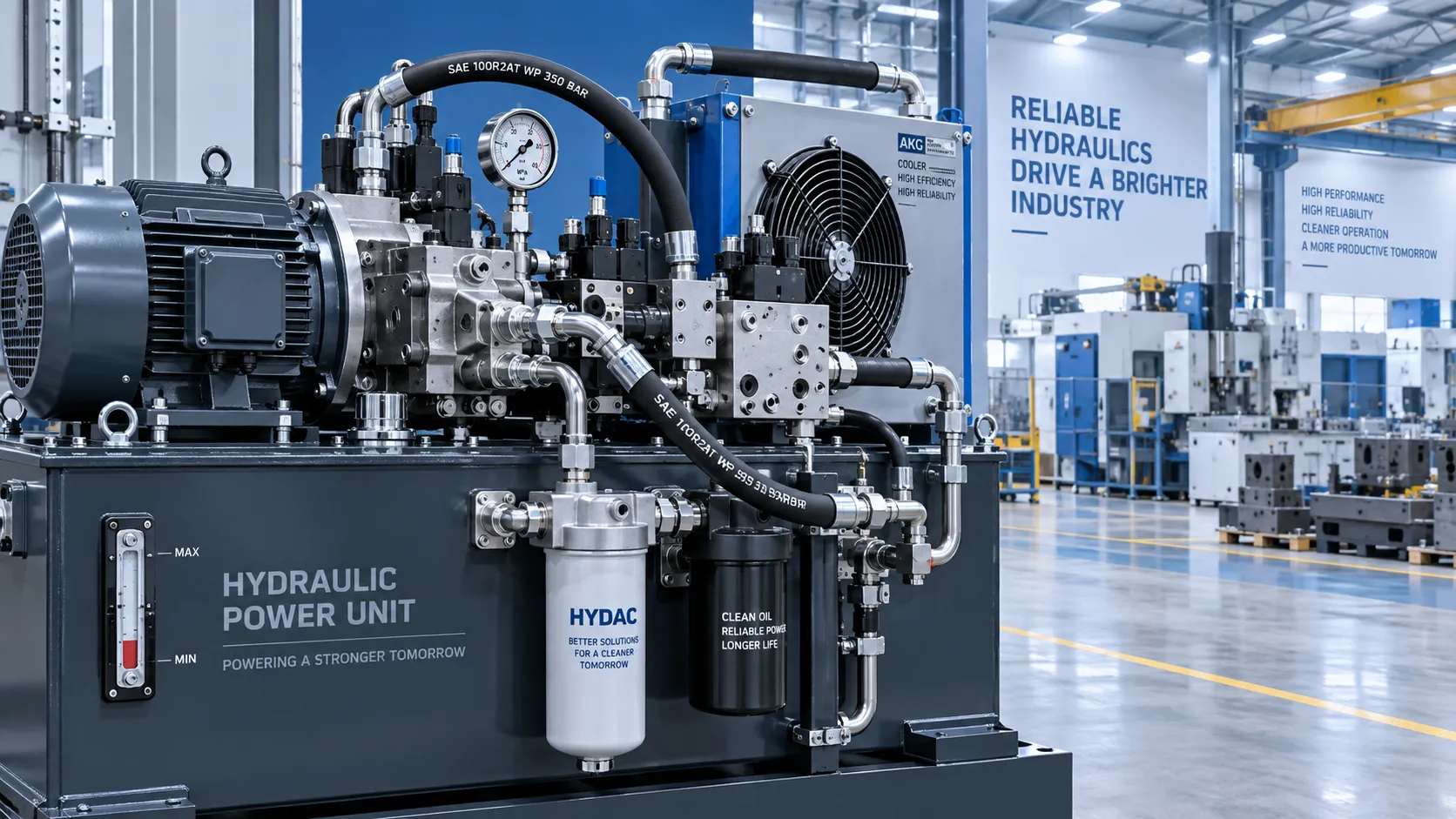
What Determines Industrial Hydraulic System Price for Heavy-Duty Equipment?
Industrial hydraulic system price depends on duty cycle, pressure, components, cooling, and integration. Compare quotes intelligently to secure reliable heavy-duty performance.

Welding Fume Extraction PPE: When Respirators Are Not Enough for Shop Safety
Welding fume extraction PPE: learn why respirators alone fall short and how source capture, ventilation, and layered controls improve shop safety.

How to Select Optical Metrology Solutions for Tight-Tolerance Manufacturing
Optical industrial metrology solutions for tight-tolerance manufacturing: evaluate accuracy, surface compatibility, workflow, and traceability to select with confidence.
Related News
- 00
0000-00
How to Compare Industrial Tool Suppliers for Quality, Lead Time, and Total Cost - 00
0000-00
How to Evaluate a Technology Integration Service Provider for Complex Projects - 00
0000-00
Product Comparison Resources in Europe: How Buyers Can Verify Specs and Suppliers - 00
0000-00
How to Evaluate an Industrial Metrology Solution Manufacturer for Production Use - 00
0000-00
How to Evaluate a Metal Joining Solutions Factory for Quality, Capacity, and Delivery Risk
Dr. Alistair Vaughn
Weekly Insights
Stay ahead with our curated technology reports delivered every Monday.