
Professional Automotive Maintenance Tools: Which Features Matter Most Before You Buy?





Why do professional automotive maintenance tools deserve a closer buying review?
Buying professional automotive maintenance tools is rarely a simple brand comparison. Tool choice affects repair speed, torque accuracy, technician fatigue, and long-term service consistency.
In practical terms, weak tool selection creates hidden costs. Rework rises, calibration drifts, downtime increases, and consumables get replaced earlier than expected.
That is why feature evaluation matters before purchase, especially when tool fleets support mixed jobs across passenger vehicles, commercial units, and light industrial maintenance.
A useful starting point is to treat professional automotive maintenance tools as productivity assets, not shop accessories. The right specification protects throughput and reduces avoidable operating risk.
This view aligns with GPTWM’s broader industrial lens. Its intelligence work often connects metrology, power tools, safety systems, and efficiency trends into one practical sourcing picture.
So the real question is not only what a tool can do on day one. It is whether performance stays reliable through cycles, workloads, and changing service demands.
Which features matter first when comparing professional automotive maintenance tools?
The most important features are not always the most advertised ones. Core value usually comes from accuracy, durability, ergonomics, compatibility, and supportability.
For torque tools, repeatability is often more important than peak output. A high number on paper means little if the tool cannot hold tolerance under regular use.
For powered tools, motor efficiency and thermal management matter more than headline speed. Consistent output under load usually beats short bursts of aggressive performance.
Material quality also deserves scrutiny. Hardened alloy steel, proper surface treatment, and reinforced housings usually indicate a longer service window and fewer breakage incidents.
Ergonomics should be judged with actual work duration in mind. Grip design, trigger pressure, balance, vibration control, and weight distribution all affect usable productivity.
When reviewing professional automotive maintenance tools, it helps to separate features into three groups: performance-critical, safety-critical, and maintenance-critical.
A balanced buying decision usually comes from this kind of feature map, not from one impressive specification line in a catalog.
How do you match tool specifications to actual workshop conditions?
This is where many sourcing mistakes begin. Tools are often selected for ideal conditions, while real maintenance environments are much less forgiving.
Start with the task mix. Brake service, suspension work, diagnostics, body repair, and undercarriage fastening each place different demands on tool speed and precision.
Then review duty cycle. If tools are used all day, battery runtime, cooling efficiency, and service intervals become more important than entry price.
Space constraints also matter. Compact head design, short body length, and access-friendly geometry can save meaningful labor time in tight engine bays.
Environmental factors should not be ignored either. Dust, oil exposure, temperature variation, and occasional impact stress quickly expose weak sealing and poor housing design.
More advanced buyers now also consider connected features. IoT-based torque control and usage tracking are becoming relevant in quality-driven service environments.
GPTWM’s market observations around intelligent torque systems and precision measurement trends support this shift. Data visibility is increasingly part of tool value, not an extra.
- High-frequency fastening work: prioritize torque control, durability, and low vibration.
- Mobile service operations: prioritize battery platform consistency and compact transportability.
- Precision repair tasks: prioritize calibration traceability and measurement compatibility.
- Mixed fleets: prioritize modular accessories and wide application coverage.
In short, professional automotive maintenance tools should be screened against workload reality, not only technical brochures.
Is higher price always justified, or should total cost decide the choice?
Higher price is justified only when it lowers total operating cost over time. That means fewer failures, better accuracy retention, and less interruption during service work.
A lower-cost tool may look efficient during procurement review, yet become expensive through battery replacement, calibration drift, broken sockets, or repeated repair delays.
The better way to judge professional automotive maintenance tools is to calculate ownership cost across a realistic service period, usually 24 to 60 months.
This calculation should include more than purchase price. It should reflect maintenance, downtime, operator efficiency, accessories, and possible compliance costs.
A practical ownership checklist
- Initial tool price and accessory package completeness
- Expected calibration and inspection schedule
- Battery replacement cost or air system requirement
- Availability of parts such as anvils, switches, chargers, and seals
- Repair turnaround time and backup unit need
- Effect on cycle time per service job
This is also where broader industrial intelligence becomes useful. Material cost shifts, export restrictions, and component availability can affect future replacement economics.
When those signals are visible early, cost planning becomes more stable and less reactive.
What mistakes are most common when sourcing professional automotive maintenance tools?
One common mistake is buying by brand familiarity alone. A strong brand can help, but model-level fit still matters more than logo strength.
Another mistake is overlooking measurement integrity. Fastening and inspection tools without reliable calibration create quality risks that may not appear until failures accumulate.
There is also a tendency to overbuy power and underbuy usability. Excess output can be unnecessary, while poor balance or awkward control slows daily work.
Some buyers focus heavily on unit cost but skip after-sales verification. That becomes a problem when spare parts are slow, regional repair coverage is weak, or warranty terms are vague.
Needless platform fragmentation is another cost trap. Too many battery systems, chargers, adapters, and software tools complicate inventory and training.
These mistakes are avoidable when evaluation includes usage data, service expectations, and a basic lifecycle model.
What should be checked before placing the final order?
Before approving any order, confirm the technical file in detail. Performance claims should be backed by standards, test data, or documented quality controls.
Ask for calibration certificates where relevant, battery lifecycle information for cordless platforms, and service manuals for repairable components.
It is also wise to verify compatibility with existing sockets, chargers, software, airline fittings, and storage systems. Small mismatches often create daily friction.
For critical categories of professional automotive maintenance tools, a limited field trial is usually worth the effort. Real usage exposes issues that catalog reviews miss.
During the trial, observe three things closely: output consistency, operator feedback, and post-use condition. Those signals predict long-term fit better than a short demonstration.
A practical final review can include the following points:
- Do the tools cover the required repair range without overspec spending?
- Are calibration, safety, and documentation standards clearly defined?
- Can service, spare parts, and technical support be confirmed locally or regionally?
- Does the ownership model still work if usage volume increases?
That final discipline turns tool buying into a controlled decision rather than a reactive purchase.
So, which features matter most before you buy?
The best answer is rarely one feature. For most professional automotive maintenance tools, the winning combination is reliable accuracy, durable construction, ergonomic control, and dependable support.
Cost still matters, but it should be measured across service life, not only on the quotation sheet. A cheaper tool that disrupts workflow is rarely the better value.
A sensible next step is to build a comparison sheet around real jobs, expected duty cycle, calibration needs, and service backup requirements.
Then compare professional automotive maintenance tools against those conditions, using trial feedback and lifecycle cost as the final filter.
Where market volatility or technology shifts may affect future value, intelligence sources such as GPTWM can add useful context on standards, components, and evolving tool performance expectations.
That approach leads to cleaner specifications, fewer surprises after delivery, and stronger return from every tool investment.
Related News
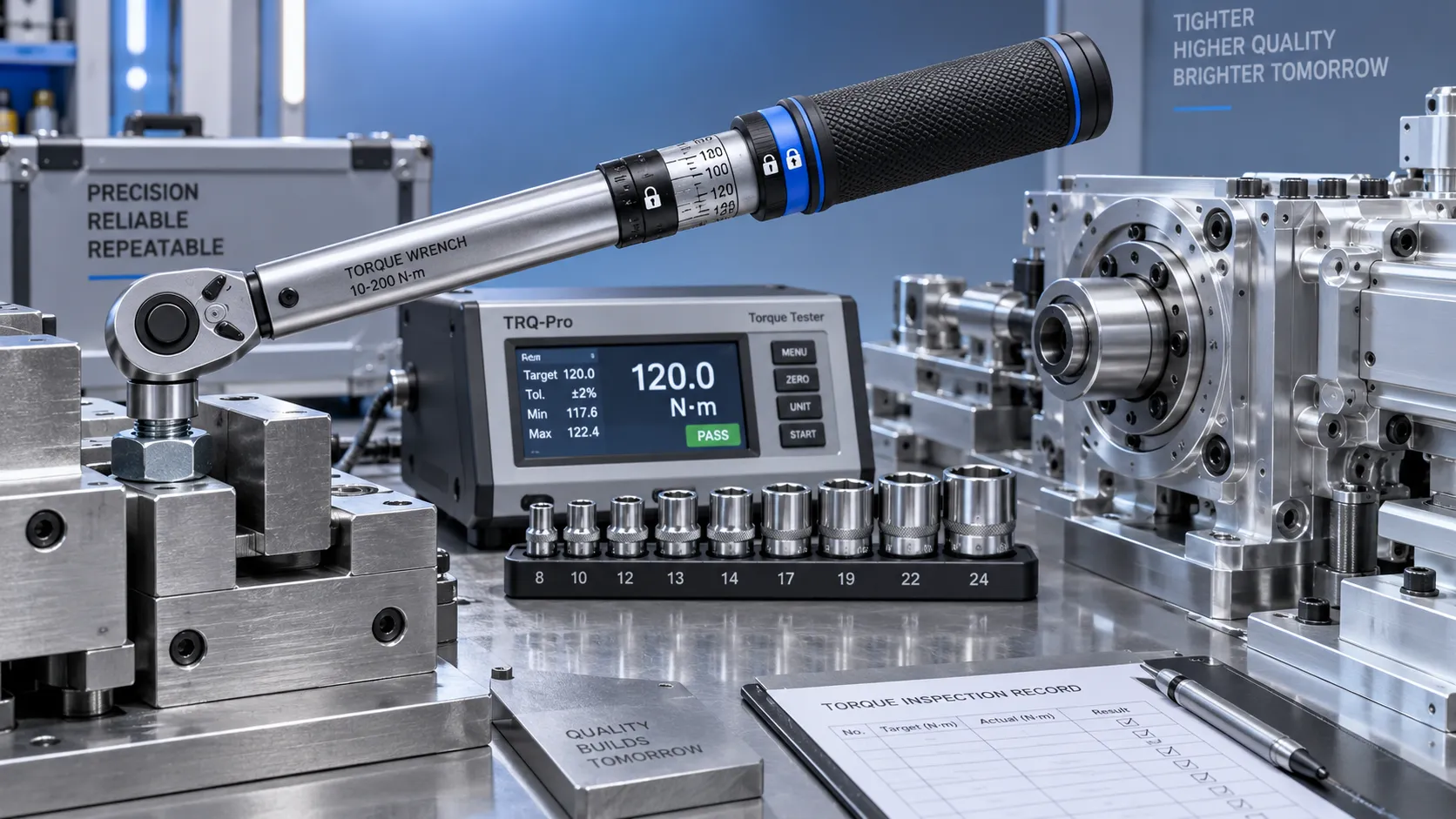
Selecting Adjustable Torque Tools for Repeatable Fastener Assembly
Adjustable torque tools: learn how to match range, accuracy, control methods, calibration, and ergonomics for repeatable, reliable fastener assembly.
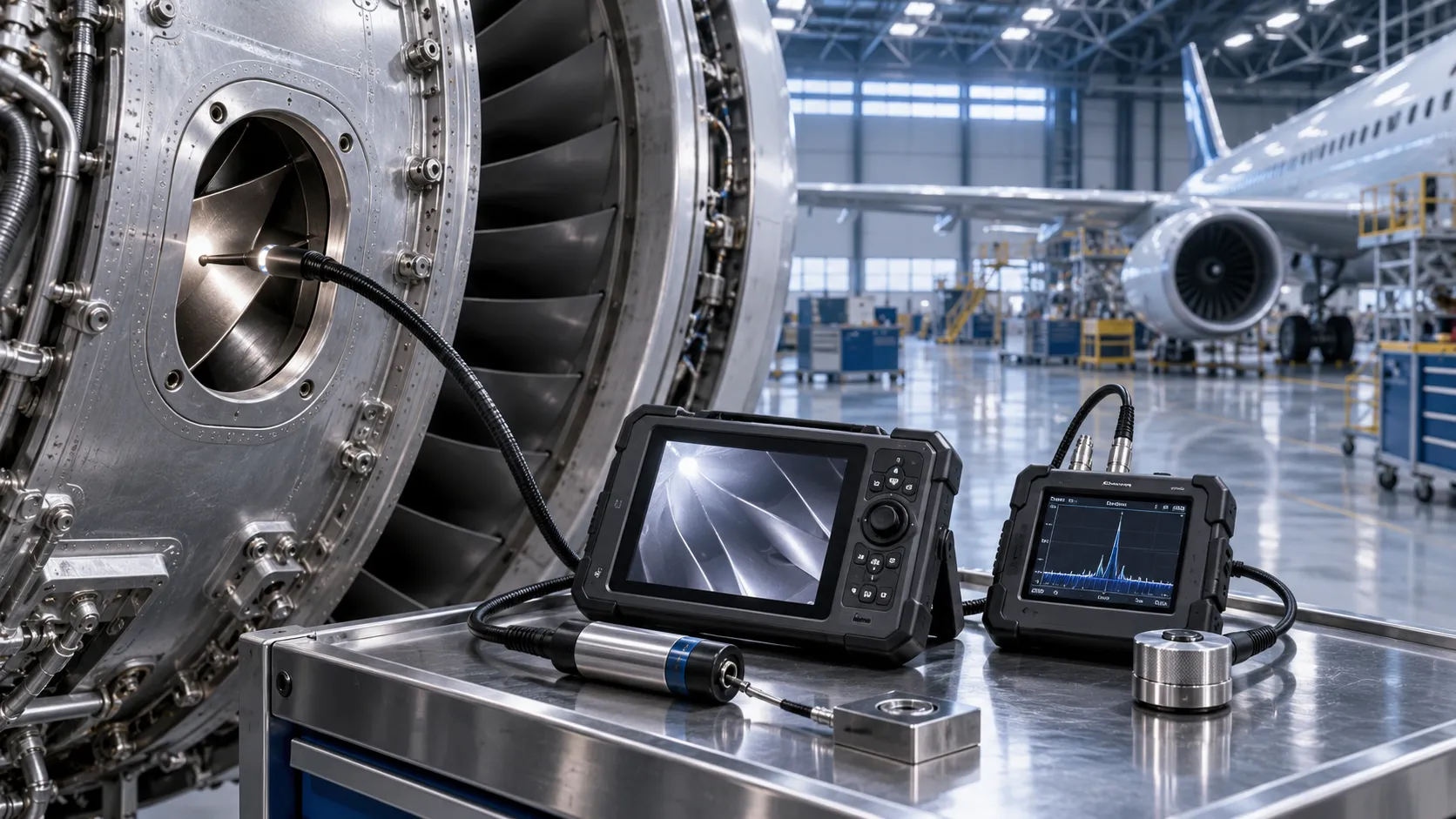
How to Select Aerospace Inspection Tools for Aircraft Maintenance Tasks
Aerospace maintenance inspection tools: learn how to select reliable, traceable equipment for aircraft access, accuracy, calibration, and compliant maintenance decisions.

How to Select Wire Bonding Tools for Fine-Pitch Semiconductor Packaging
Explore semiconductor manufacturing tools for wire bonding and learn how to select precision solutions for fine-pitch packaging, reliable loops, accuracy, and yield.
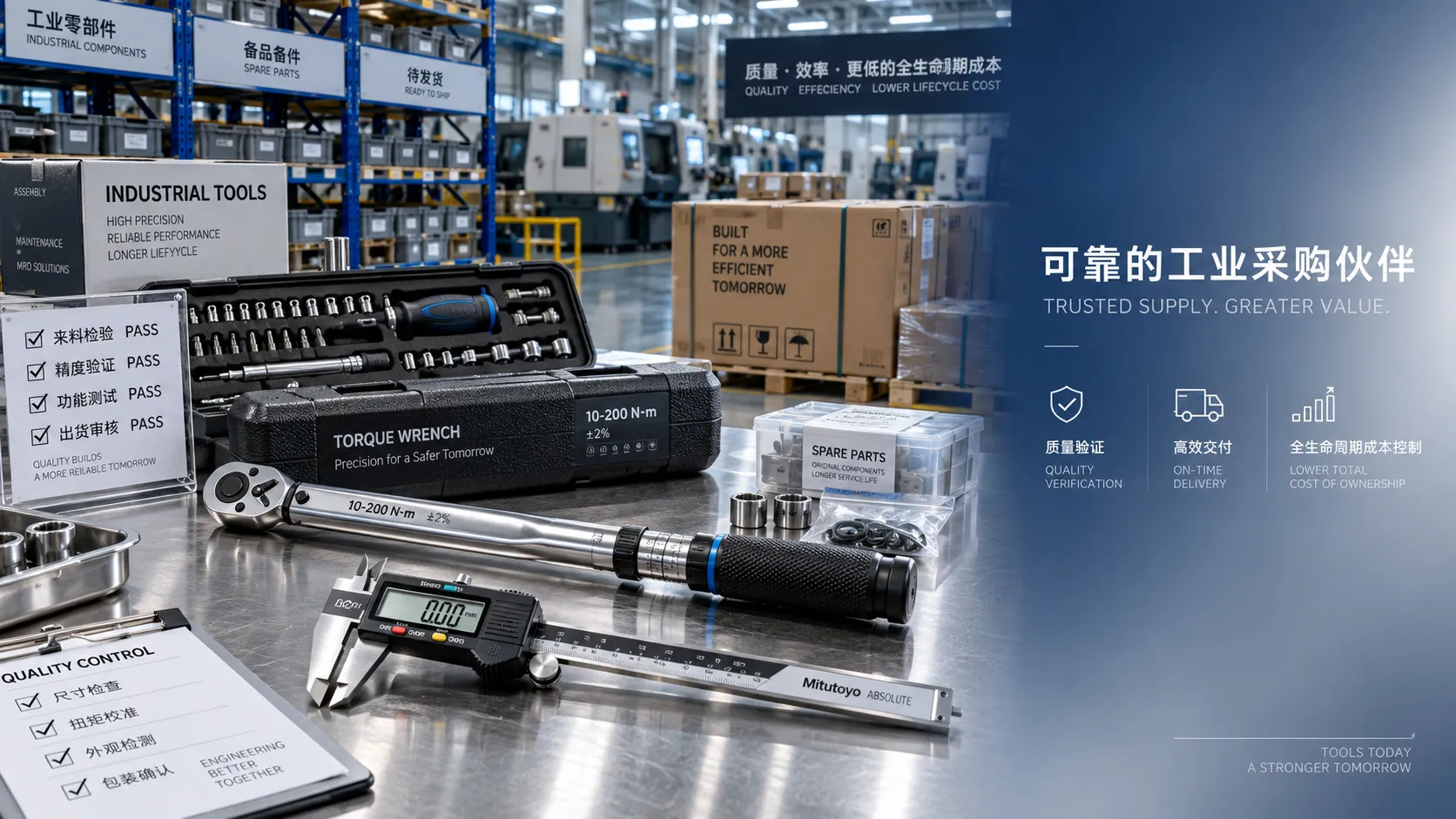
How to Compare Industrial Tool Suppliers for Quality, Lead Time, and Total Cost
Industrial tool selection supplier comparison made simple: evaluate quality, lead times, total cost, service, and supply resilience for confident sourcing decisions.
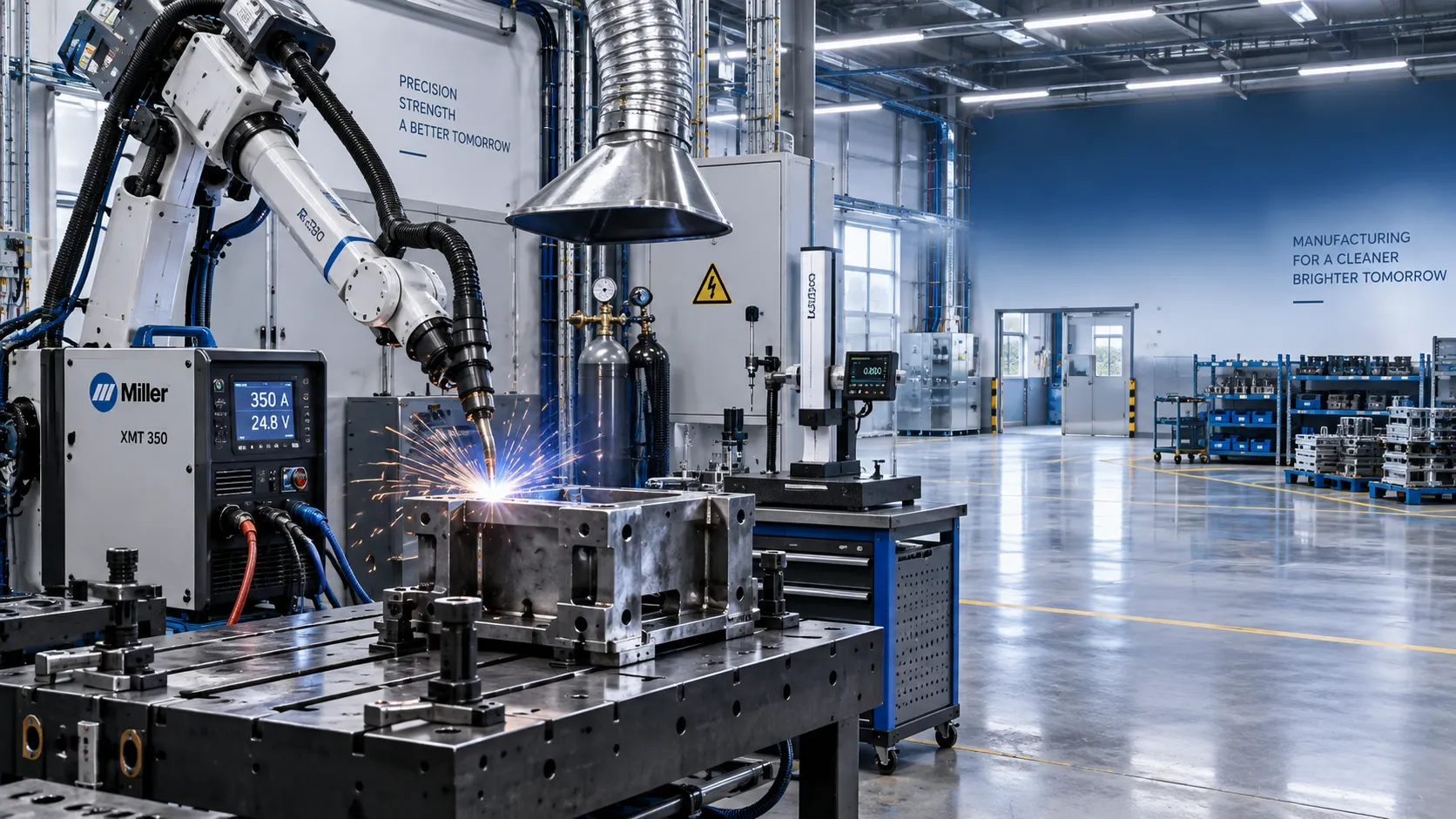
Industrial Equipment Application Guidance: Match Machines to Operating Conditions
Application guidance industrial equipment: match capacity, duty cycle, materials, site conditions, safety, and lifecycle cost to improve reliable output. Read the guide.
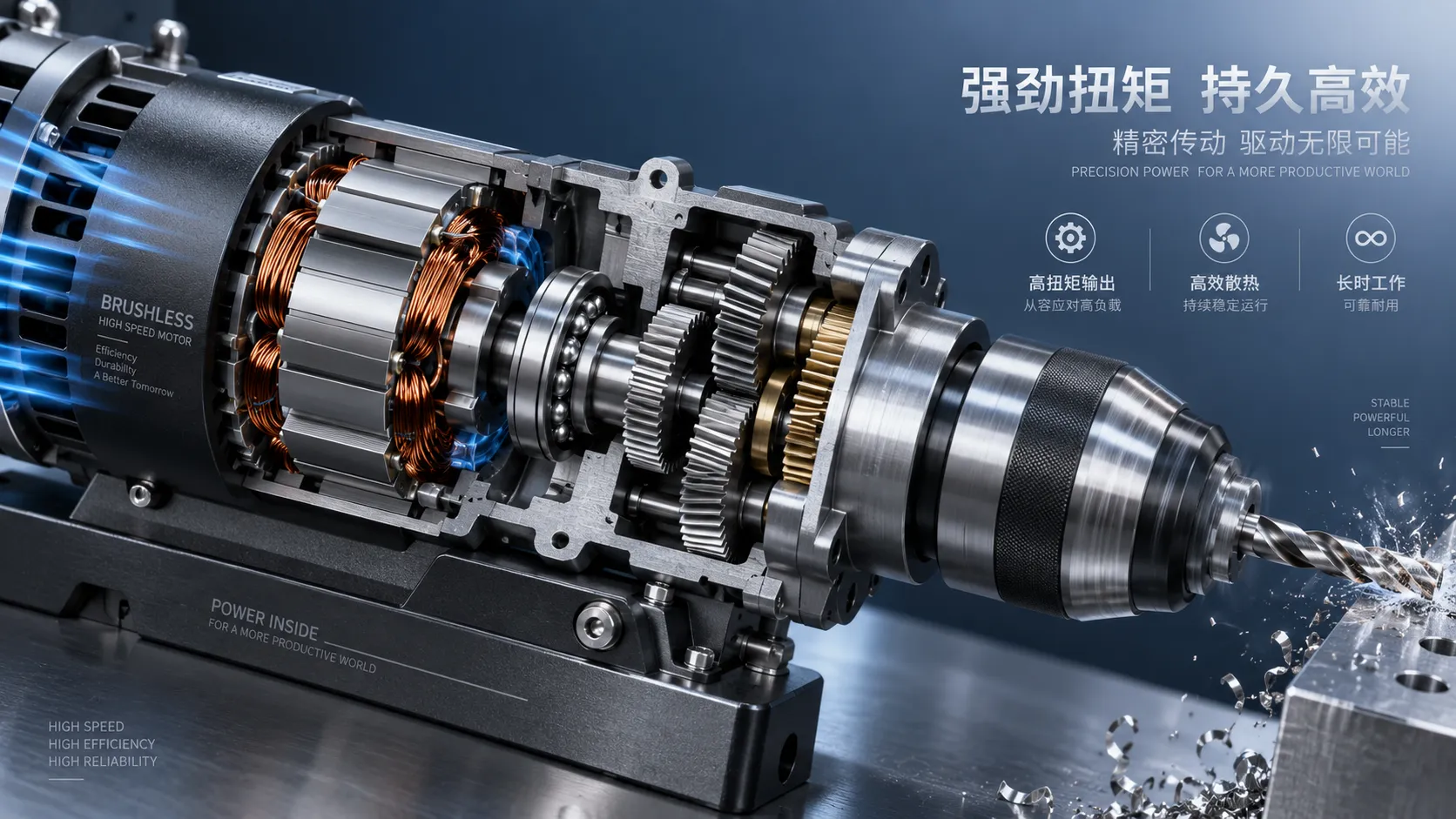
Selecting High-Speed Brushless Tool Motors for Torque, Heat, and Duty Cycle
High speed brushless tool motors: learn how to balance torque, heat, gearing, and duty cycle for reliable industrial tool performance and longer service life.
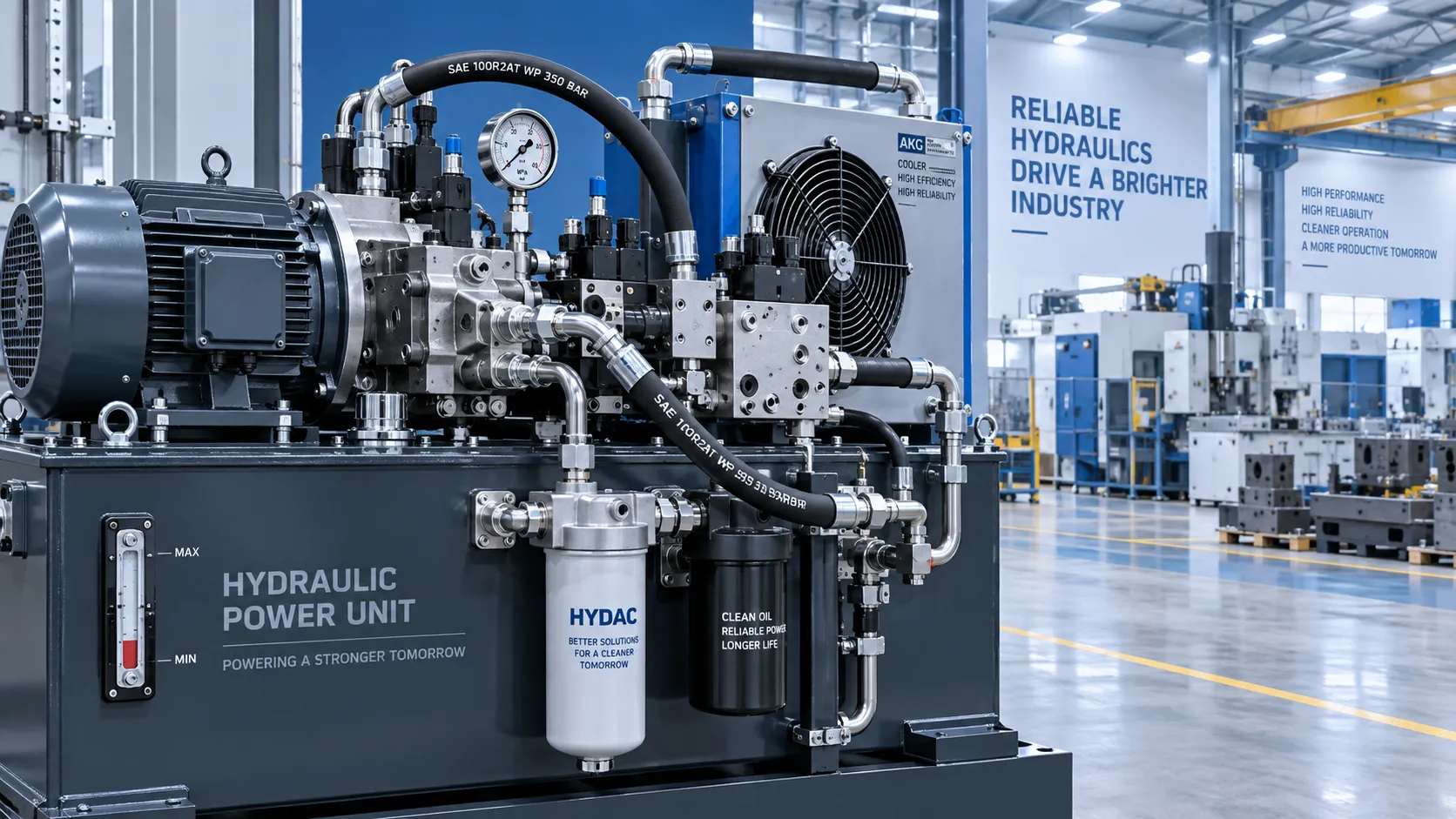
What Determines Industrial Hydraulic System Price for Heavy-Duty Equipment?
Industrial hydraulic system price depends on duty cycle, pressure, components, cooling, and integration. Compare quotes intelligently to secure reliable heavy-duty performance.
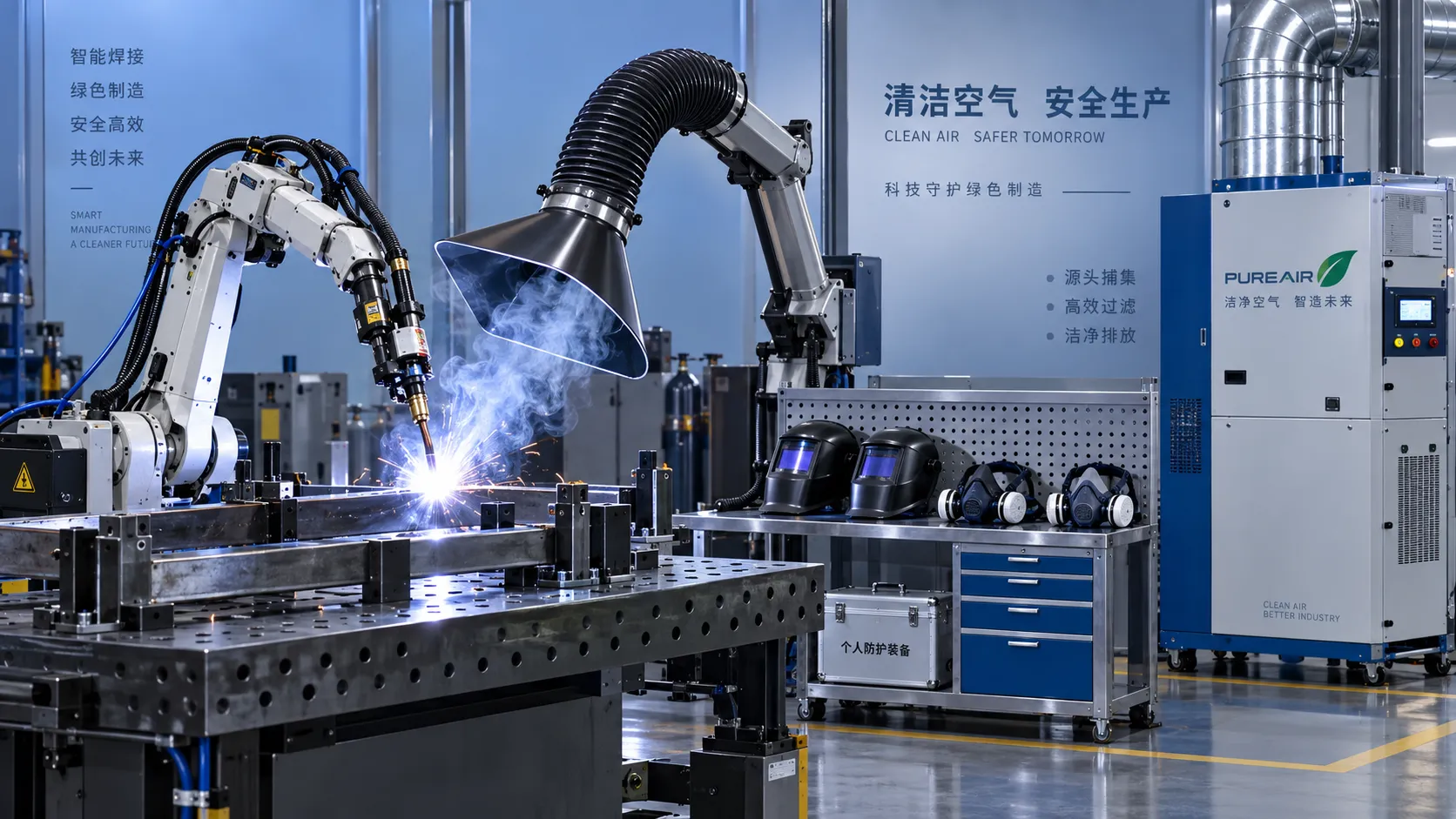
Welding Fume Extraction PPE: When Respirators Are Not Enough for Shop Safety
Welding fume extraction PPE: learn why respirators alone fall short and how source capture, ventilation, and layered controls improve shop safety.
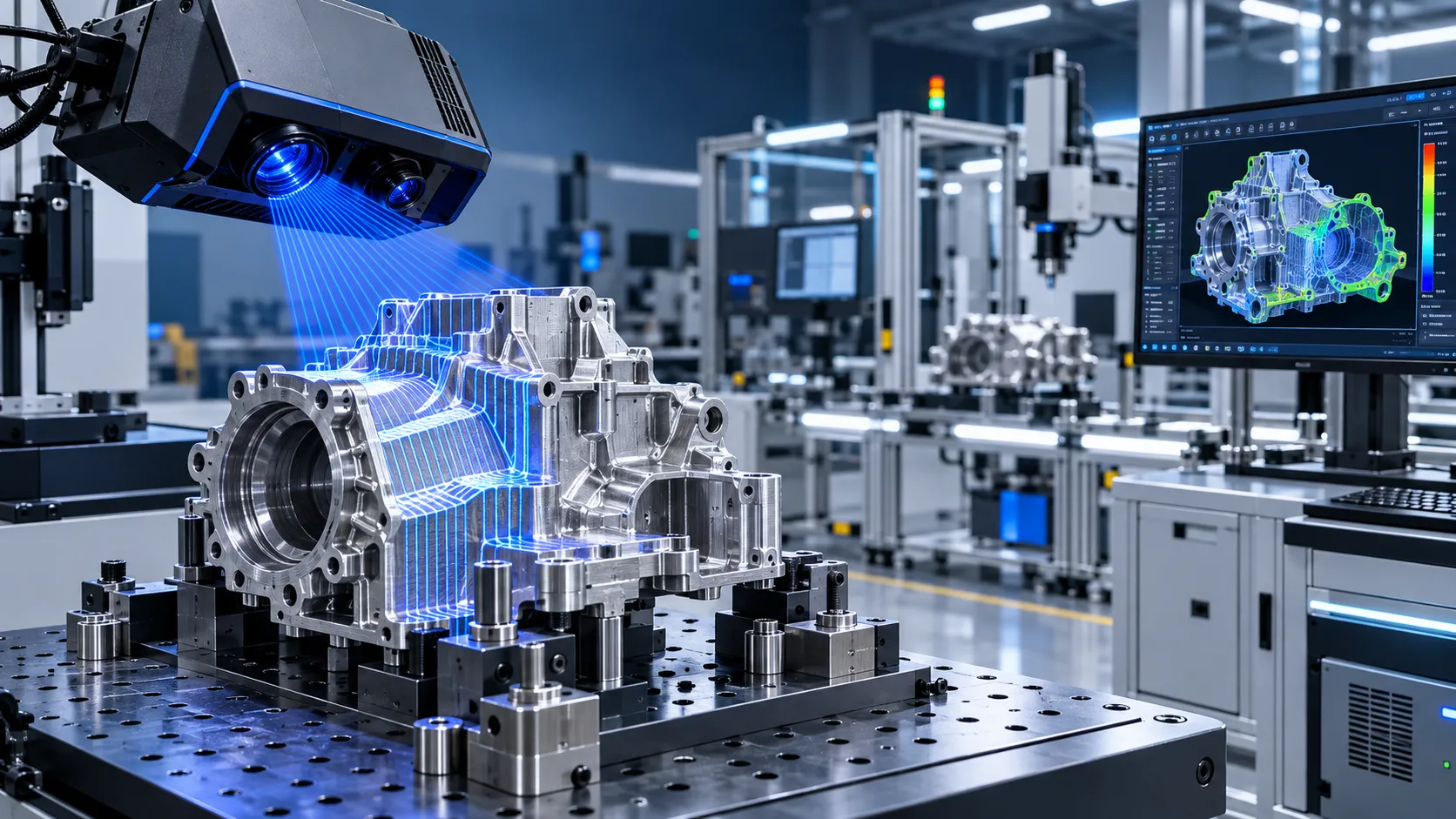
How to Select Optical Metrology Solutions for Tight-Tolerance Manufacturing
Optical industrial metrology solutions for tight-tolerance manufacturing: evaluate accuracy, surface compatibility, workflow, and traceability to select with confidence.
Related News
- 00
0000-00
How to Compare Industrial Tool Suppliers for Quality, Lead Time, and Total Cost - 00
0000-00
How to Evaluate a Technology Integration Service Provider for Complex Projects - 00
0000-00
Product Comparison Resources in Europe: How Buyers Can Verify Specs and Suppliers - 00
0000-00
How to Evaluate an Industrial Metrology Solution Manufacturer for Production Use - 00
0000-00
How to Evaluate a Metal Joining Solutions Factory for Quality, Capacity, and Delivery Risk
Dr. Alistair Vaughn
Weekly Insights
Stay ahead with our curated technology reports delivered every Monday.