
36V Brushless Tool Motors Selection Guide: Torque, Efficiency, Thermal Limits, and Duty Cycle





Selecting 36V brushless tool motors is rarely about headline wattage alone. In assembly, metal joining, maintenance, and precision service work, motor behavior under load shapes productivity far more than catalog peak figures. Torque stability, electrical efficiency, thermal headroom, and realistic duty cycle decide whether a tool platform stays consistent through demanding shifts or fades into heat, speed loss, and shortened service life.
That is why 36V brushless tool motors are drawing wider attention across industrial applications. The 36V class often sits in a useful middle ground: high enough to support stronger output and lower current than many lower-voltage systems, yet still practical for portable tools, compact equipment, and battery-based workflows where mobility matters.
Within the broader manufacturing landscape tracked by GPTWM, this topic connects directly to lightweighting, intelligent control, and the efficiency limits of modern power tools. It also reflects a larger shift in the last mile of industrial manufacturing, where performance is judged not only by raw power, but by control, repeatability, and operating resilience.
Why 36V Is a Meaningful Platform Choice
Voltage class changes the design equation. A 36V architecture can reduce current for the same power level, which helps limit conductor losses, relieve stress on connectors, and support cleaner controller behavior. In practical terms, that can improve sustained output, especially during repeated high-load events.
This matters in tools used for fastening, grinding, cutting, beveling, drilling, and portable welding support equipment. Those tasks impose varied loads, frequent starts, and intermittent overloads. A motor that looks adequate on paper may still underperform if the electrical system cannot keep torque and temperature within a stable operating band.
36V brushless tool motors are therefore less about a single rating and more about system balance. The battery pack, controller, gearing, cooling path, enclosure, and duty profile all contribute to final usability.
Torque Should Be Read Beyond Peak Output
Torque is usually the first number people compare, but peak torque can be misleading. Short-duration values may reflect aggressive controller settings rather than truly sustainable mechanical capability. For evaluation, the more useful question is how torque is delivered across speed and time.
What deserves closer attention
- Starting torque under loaded conditions
- Torque retention as battery voltage drops
- Continuous torque at target operating speed
- Ripple, smoothness, and controllability at low speed
- Overload duration before thermal derating begins
In fastening or metered assembly tasks, excessive torque ripple can damage consistency. In cutting or grinding, weak mid-band torque may slow material removal despite an impressive startup number. In portable fabrication tools, a narrow stable torque window can create operator compensation, which often increases heat and wear elsewhere in the system.
For that reason, 36V brushless tool motors should be reviewed against torque-speed curves, not just one advertised figure. A flatter, more usable curve often delivers better industrial value than a sharper but shorter peak.
Efficiency Under Load Is Where Performance Becomes Cost
Efficiency is often treated as an energy topic, but in tool systems it is also a heat topic, a runtime topic, and a packaging topic. Losses become temperature, and temperature limits durability. That link is especially important in compact cordless tools with limited airflow and dense electronics.
No-load efficiency tells very little about real use. What matters is efficiency near the application’s working zone. A motor that performs efficiently only at a narrow sweet spot may be a poor fit for tools exposed to variable materials, inconsistent contact pressure, or repeated acceleration.
In a broader commercial context, this is one reason efficient 36V brushless tool motors support stronger lifecycle economics. Better efficiency can reduce battery count, downtime, cooling demands, and premature replacement, all of which influence total operational cost.
Thermal Limits Are the Real Boundary of Reliability
A motor rarely fails because a brochure number was too low. It fails because heat accumulated faster than the system could remove it. Windings, magnets, bearings, insulation, controller components, and nearby plastics all respond differently to thermal stress, but all of them are affected by repeated overheating.
For 36V brushless tool motors, thermal evaluation should cover more than a maximum temperature rating. The rate of temperature rise, the location of hot spots, and the recovery behavior after overload events are equally important. A motor that cools slowly can become the bottleneck in repeated-cycle production work.
Key thermal questions
- Where is temperature measured: winding, case, controller, or pack?
- What ambient temperature was used during testing?
- Does the tool rely on passive cooling or forced airflow?
- When does software derating begin, and how sharply?
- How does enclosure contamination affect cooling?
Dust, grinding debris, metal fines, and tight housing geometry can narrow thermal margin quickly. In field conditions, that margin is often more decisive than nominal power. GPTWM’s focus on intelligent tools is relevant here because thermal monitoring, current sensing, and digital torque control are becoming essential for protecting output quality over time.
Duty Cycle Changes the Selection Decision
Duty cycle is where application context enters the motor conversation. Two tools may require similar peak torque, yet demand very different motor designs if one works in short bursts and the other runs in long loaded intervals. Without a realistic duty model, motor selection becomes guesswork.
Short-cycle fastening allows more thermal recovery than extended surface prep. Intermittent drilling differs from continuous cutting. Portable welding accessories may see low average load with sudden spikes. Each pattern changes acceptable copper loss, cooling needs, and controller settings.
When 36V brushless tool motors are compared without a duty-cycle lens, stronger-looking models can actually create more downtime, especially if their thermal reserve is thin.
Where Selection Criteria Shift by Application
Not every industrial task values the same thing. In construction and maintenance, overload tolerance and contamination resistance often outrank compact precision. In automotive service, package size, controllability, and repeat operation can be more important. In aerospace maintenance, thermal behavior and consistency may carry greater weight than absolute peak output.
This is also why sector intelligence matters. Material trends, export restrictions, ergonomic expectations, and safety requirements can shift selection priorities across regions and tool categories. A motor chosen for one market or duty pattern may need a different controller map, cooling arrangement, or service interval elsewhere.
A Practical Screening Framework
A workable review process starts with the task, not the motor. Define load profile, operating duration, ambient conditions, allowable surface temperature, required speed range, and battery constraints. Then compare candidate 36V brushless tool motors against those conditions using measured, repeatable data.
- Request torque-speed curves with test conditions
- Review efficiency near actual operating points
- Check derating logic and thermal sensors
- Validate runtime with the intended battery pack
- Test under dust, heat, and repeated-load conditions
- Compare continuous performance, not only surge output
That approach gives a more reliable picture of fit, especially when the tool is part of a wider productivity system. It also aligns with the GPTWM view that precision, intelligence, and field realism now matter as much as raw specification tables.
The next step is usually straightforward: translate the application into a duty profile, identify the thermal boundary, and compare several 36V brushless tool motors on sustained torque and loaded efficiency. Once those two areas are clear, the stronger option is often easier to recognize than the louder one.
Related News
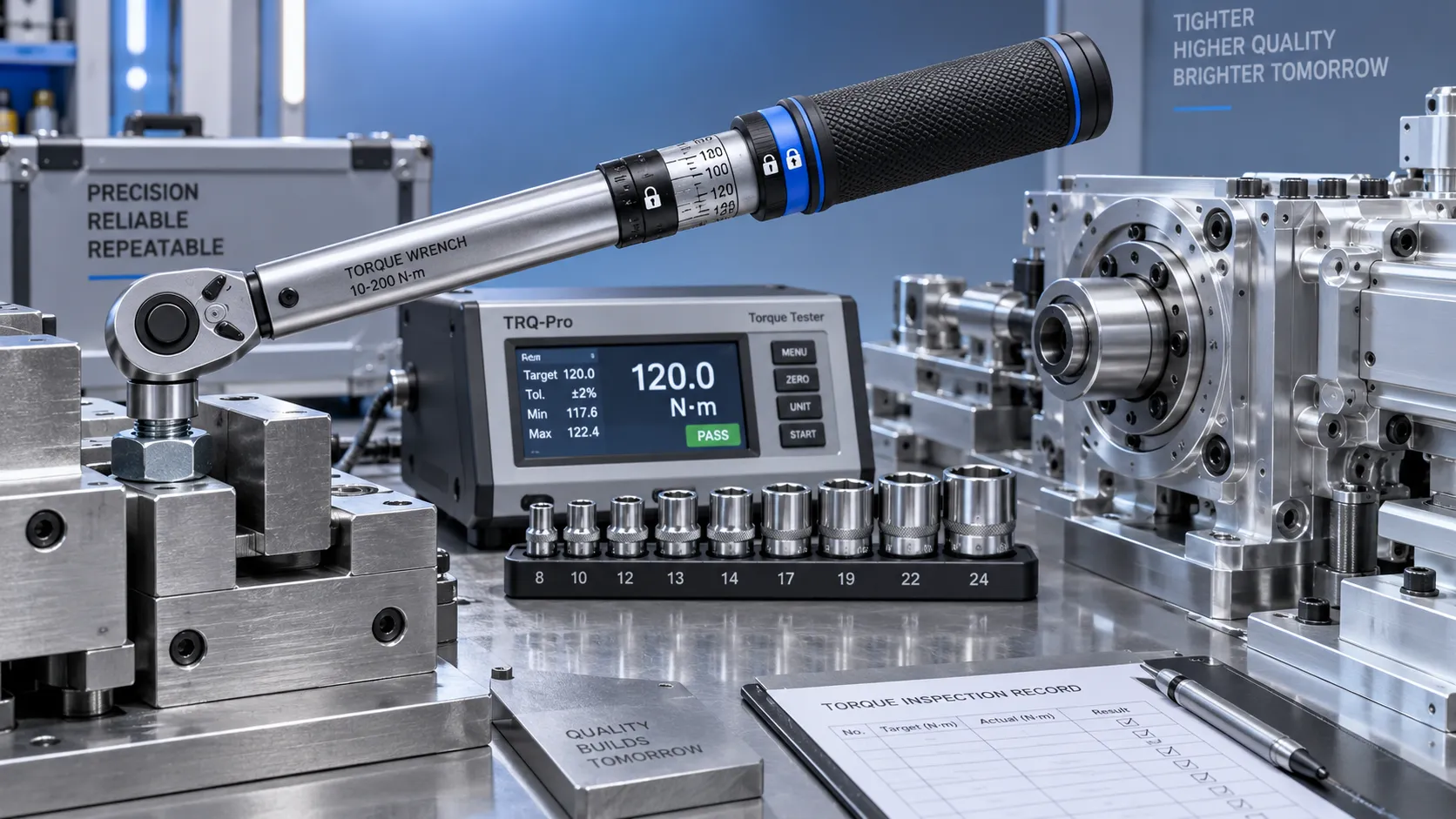
Selecting Adjustable Torque Tools for Repeatable Fastener Assembly
Adjustable torque tools: learn how to match range, accuracy, control methods, calibration, and ergonomics for repeatable, reliable fastener assembly.

How to Select Aerospace Inspection Tools for Aircraft Maintenance Tasks
Aerospace maintenance inspection tools: learn how to select reliable, traceable equipment for aircraft access, accuracy, calibration, and compliant maintenance decisions.

How to Select Wire Bonding Tools for Fine-Pitch Semiconductor Packaging
Explore semiconductor manufacturing tools for wire bonding and learn how to select precision solutions for fine-pitch packaging, reliable loops, accuracy, and yield.
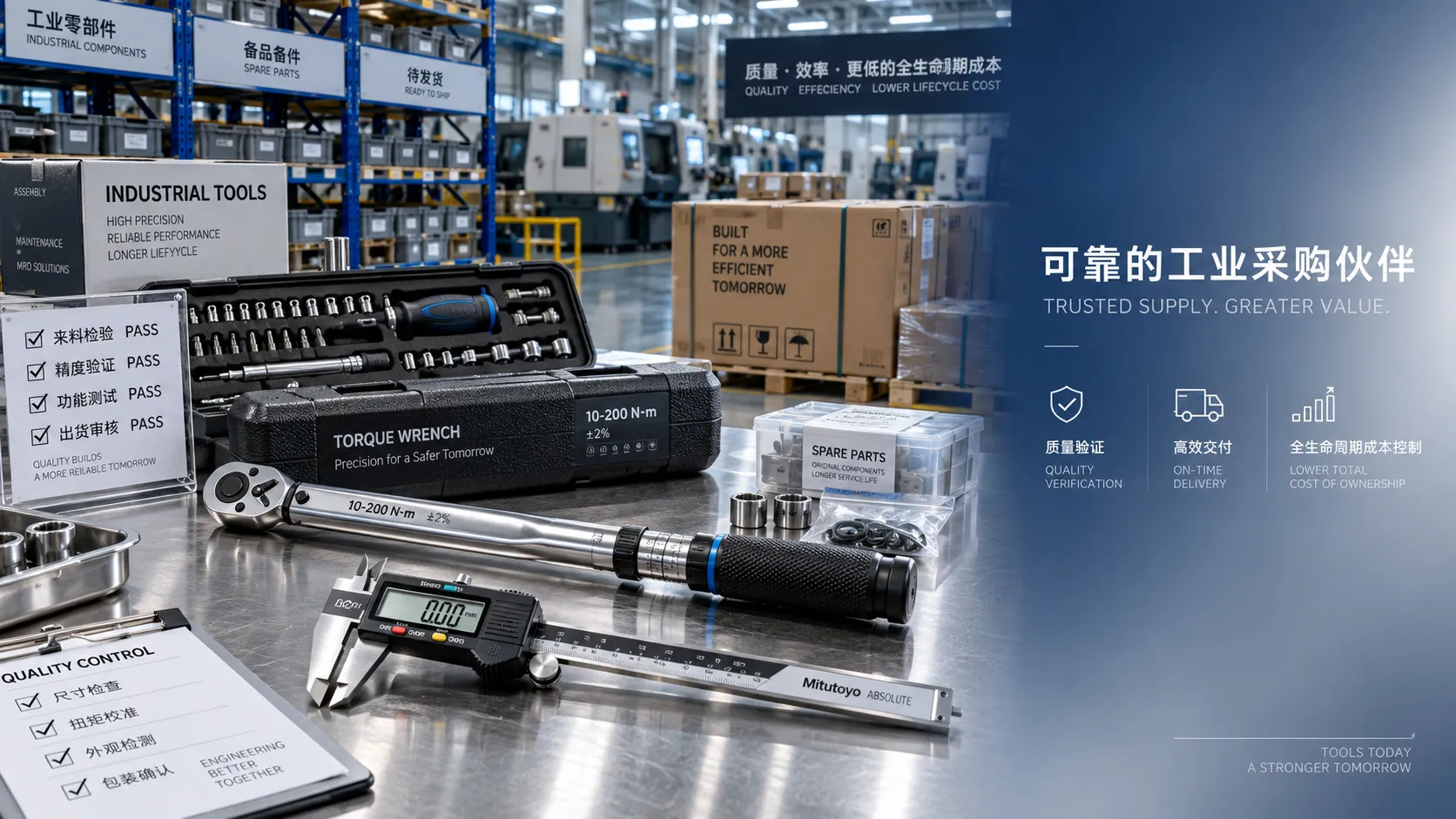
How to Compare Industrial Tool Suppliers for Quality, Lead Time, and Total Cost
Industrial tool selection supplier comparison made simple: evaluate quality, lead times, total cost, service, and supply resilience for confident sourcing decisions.
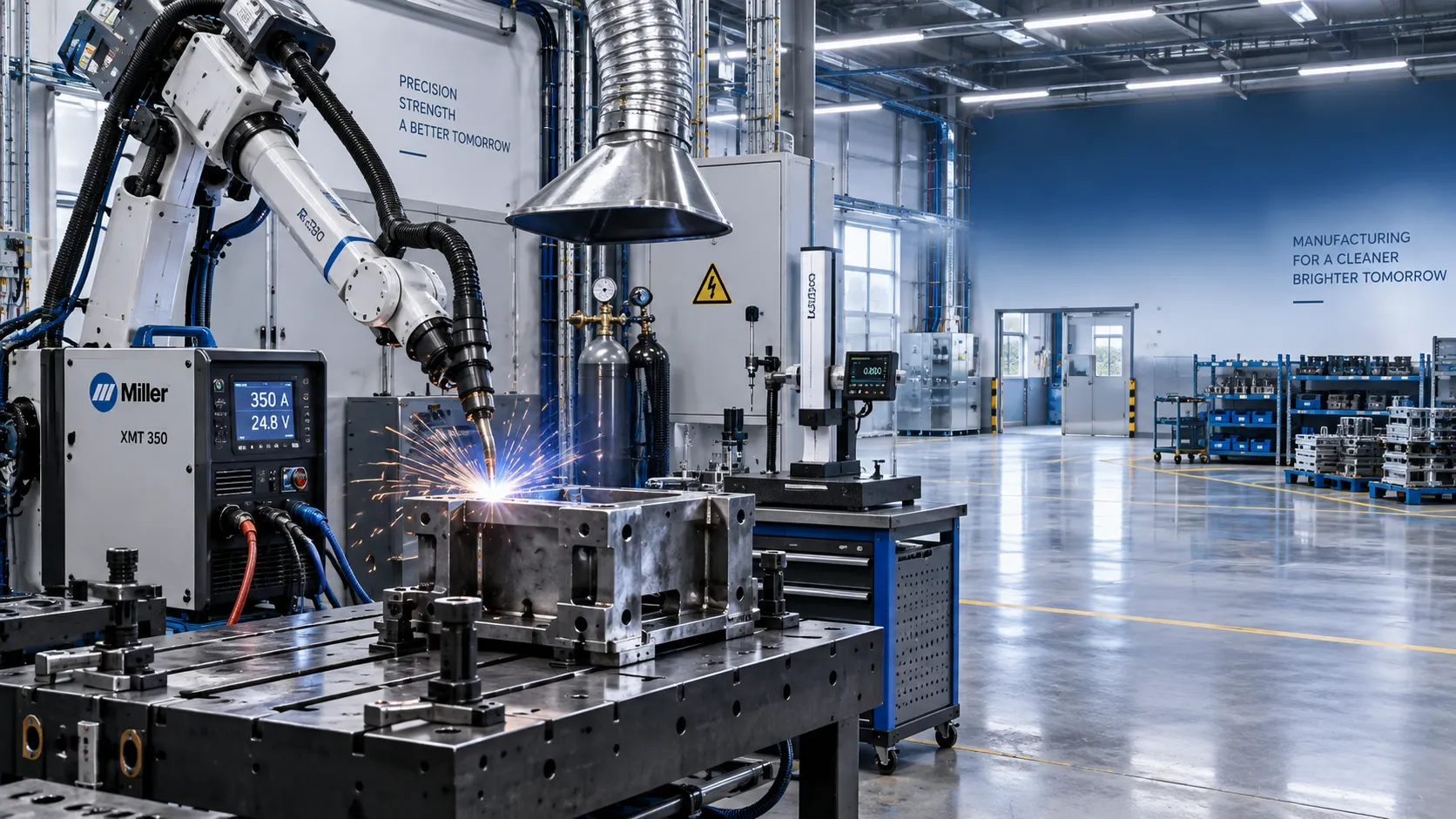
Industrial Equipment Application Guidance: Match Machines to Operating Conditions
Application guidance industrial equipment: match capacity, duty cycle, materials, site conditions, safety, and lifecycle cost to improve reliable output. Read the guide.
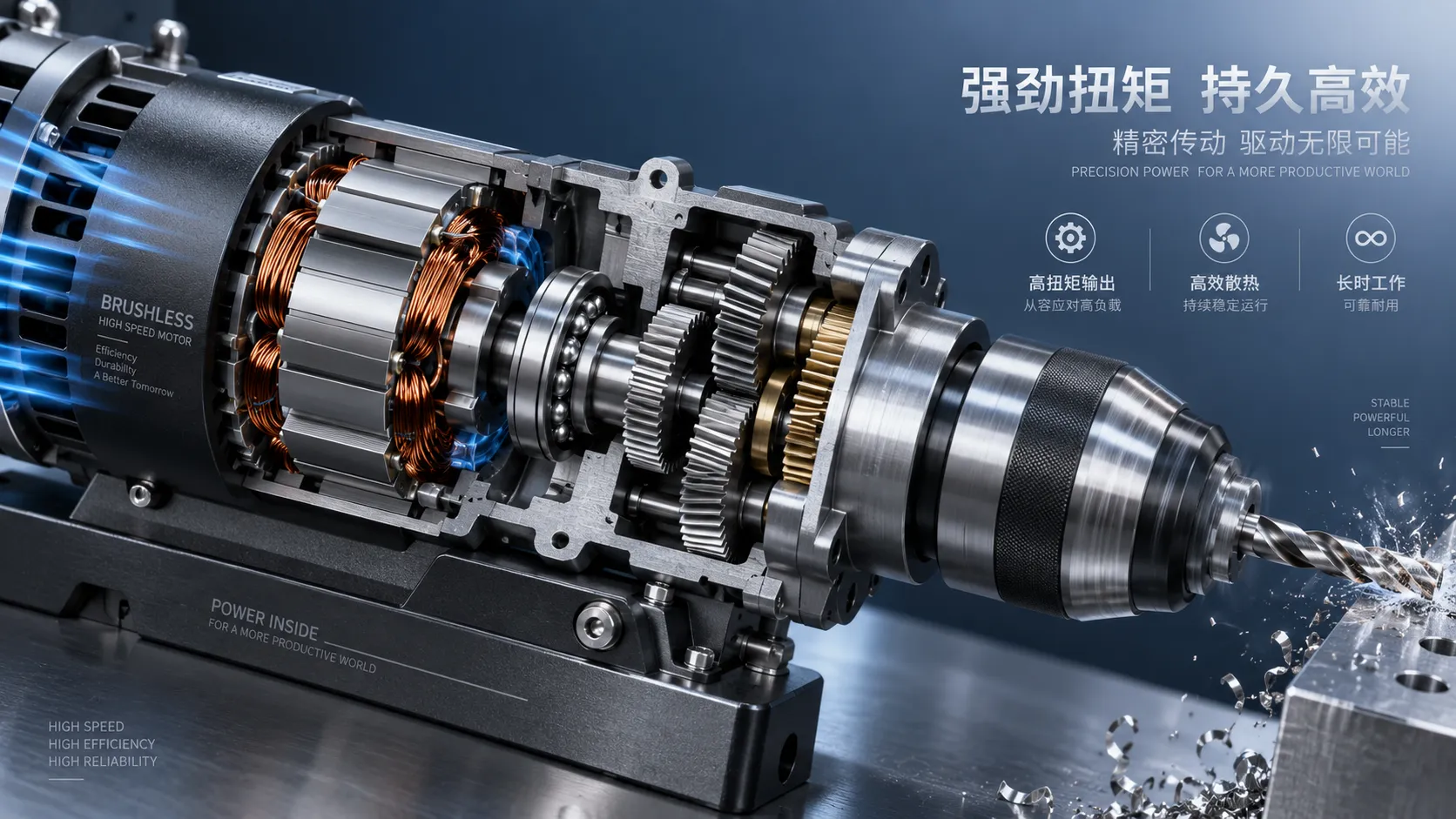
Selecting High-Speed Brushless Tool Motors for Torque, Heat, and Duty Cycle
High speed brushless tool motors: learn how to balance torque, heat, gearing, and duty cycle for reliable industrial tool performance and longer service life.
What Determines Industrial Hydraulic System Price for Heavy-Duty Equipment?
Industrial hydraulic system price depends on duty cycle, pressure, components, cooling, and integration. Compare quotes intelligently to secure reliable heavy-duty performance.
Welding Fume Extraction PPE: When Respirators Are Not Enough for Shop Safety
Welding fume extraction PPE: learn why respirators alone fall short and how source capture, ventilation, and layered controls improve shop safety.

How to Select Optical Metrology Solutions for Tight-Tolerance Manufacturing
Optical industrial metrology solutions for tight-tolerance manufacturing: evaluate accuracy, surface compatibility, workflow, and traceability to select with confidence.
Related News
- 00
0000-00
How to Select Battery Assembly Tools for Torque Control and High-Volume Production - 00
0000-00
How Battery, Torque, and Duty Cycle Affect Cordless Power Tool Efficiency - 00
0000-00
How to Size High-Torque Tool Motors for Continuous-Duty Assembly Lines - 00
0000-00
How to Choose 24V Brushless Tool Motors for Torque, Runtime, and Duty Cycle? - 00
0000-00
Automotive Repair Tools List: What Every Workshop Needs for Daily Service Jobs
Electro-Mech Tool Designer
Weekly Insights
Stay ahead with our curated technology reports delivered every Monday.