
Automotive Repair Tools List: What Every Workshop Needs for Daily Service Jobs





Automotive Repair Tools List: Why the Right Kit Matters Every Day
A practical automotive repair tools list is more than a shopping checklist. It shapes speed, consistency, and safety across routine service work.
In daily workshop use, the right mix of hand tools, lifting equipment, and diagnostic devices reduces delays and helps repairs stay accurate.
That matters even more as service tasks become tighter on torque, electronics, and inspection standards.
From the broader industrial view, GPTWM often tracks the same pattern across automotive, construction, and aerospace maintenance.
Workshops that combine traditional mechanical skill with precise, well-matched tools usually control downtime better and avoid repeat jobs.
So what should an effective automotive repair tools list actually include for daily service jobs? The answer depends on task frequency, vehicle mix, and accuracy requirements.
Which tools belong on a basic automotive repair tools list?
A solid starting point covers the jobs seen every day: oil service, brake work, battery checks, tire rotation, filters, and minor driveline repairs.
The core automotive repair tools list usually begins with dependable hand tools.
- Socket sets in metric and SAE sizes
- Combination wrenches and ratcheting wrenches
- Screwdrivers, hex keys, Torx bits, and trim tools
- Pliers, locking pliers, cutters, and hose clamp pliers
- Hammers, pry bars, punches, and scrapers
These tools handle a surprising share of daily service work. Still, a modern workshop cannot stop there.
Torque tools belong in the same conversation. Wheel fasteners, drain plugs, spark plugs, and suspension components all demand controlled tightening.
A click torque wrench may cover basic work, but digital torque tools help when repeatability is critical.
Then come service-specific items. Oil filter wrenches, brake piston tools, coolant pressure testers, funnel kits, and fluid extractors save time every day.
Without them, even simple jobs become slower and more frustrating than necessary.
What separates a usable workshop setup from a truly efficient one?
The difference is usually not tool quantity. It is tool coverage, access, calibration, and workflow fit.
A workshop may own many tools and still lose time if the essentials are incomplete or badly organized.
More efficient automotive repair tools lists usually include four functional groups beyond hand tools.
That last category is often underestimated. GPTWM’s industrial intelligence work repeatedly highlights precision as a real efficiency driver, not a luxury add-on.
In automotive repair, that shows up in brake runout checks, battery diagnostics, fastener control, and wear measurement.
A usable setup gets the job done. An efficient one gets the job done correctly, with less rework.
Do diagnostics and torque tools really belong on every automotive repair tools list?
Yes, and the reason is simple. Daily service jobs are no longer purely mechanical.
Even routine maintenance often intersects with sensors, battery health, electronic parking brakes, or service reset functions.
A basic code reader may be enough for quick checks, but a capable scan tool adds live data, service functions, and faster troubleshooting.
That means fewer wrong parts and fewer repeated inspections.
Torque control matters for a different reason. Some errors do not appear immediately.
Over-tightened drain plugs, uneven wheel torque, or under-tightened suspension fasteners can create expensive callbacks later.
A more complete automotive repair tools list should include:
- An OBD-II scan tool with service reset capability
- A digital multimeter for charging and electrical checks
- A battery and starting system tester
- At least two torque wrenches for low and high ranges
- A tire pressure gauge and tread depth gauge
In practice, these tools support faster decisions. They also align with the wider move toward intelligent maintenance and measurable service quality.
How do you choose tools without overspending or buying the wrong ones?
A common mistake is buying by brand reputation alone. A better method is to buy by job frequency and failure impact.
If a tool is used every hour, durability and ergonomics deserve priority. If it protects safety or torque accuracy, calibration matters more than price.
For less frequent tasks, a mid-range option may be fully reasonable.
This is where a structured automotive repair tools list helps. It turns buying into evaluation rather than impulse.
A practical selection check
- Match tools to the top ten service jobs completed each week
- Check required torque ranges and vehicle size coverage
- Confirm replacement parts, batteries, and recalibration support
- Review handle comfort, weight, and storage footprint
- Compare downtime risk if the tool fails unexpectedly
Need to prioritize spending? Put lifting, torque, and diagnostics ahead of specialty items used once in a while.
That approach usually improves service output faster than buying a long list of niche attachments.
It also reflects a broader industrial trend tracked by GPTWM: smarter investment in precision and workflow tools often beats simple volume purchasing.
What are the most common gaps and mistakes in daily service tool planning?
Many tool problems do not come from total absence. They come from hidden gaps.
A workshop may have an impact wrench, for example, but no torque verification. Or a scanner, but no battery tester.
Those gaps slow diagnosis and increase uncertainty.
The most frequent mistakes look like this:
- Relying on impact tools for final tightening
- Using one torque wrench outside its ideal range
- Skipping calibration or battery checks on digital tools
- Buying diagnostic tools without software update planning
- Ignoring storage, labeling, and tool access time
Another common issue is poor adaptation to newer vehicles. More service procedures now depend on scan functions and electrical verification.
That means the automotive repair tools list should be reviewed regularly, not treated as fixed forever.
In real-world use, the best indicator is repeat friction. If the same job keeps causing delays, the tool list probably needs revision.
What should the next step be when building or updating an automotive repair tools list?
Start with the jobs performed most often, not with the longest catalog.
List routine services, identify the exact tools each task needs, and mark where delays, unsafe workarounds, or measurement risks appear.
Then divide the automotive repair tools list into three tiers: essential now, efficiency upgrades, and specialty tools for occasional repairs.
That keeps investment tied to actual workflow.
It also helps when comparing product quality, service life, recalibration needs, and software support.
A good automotive repair tools list should make daily service faster, but it should also make results more repeatable and easier to trust.
For that reason, hand tools alone are not enough. Lifting, diagnostics, torque control, and precision checks belong in the same planning process.
If the goal is a more reliable workshop setup, review current task patterns, compare tool gaps against actual service needs, and set clear standards for accuracy, safety, and maintenance readiness.
Related News
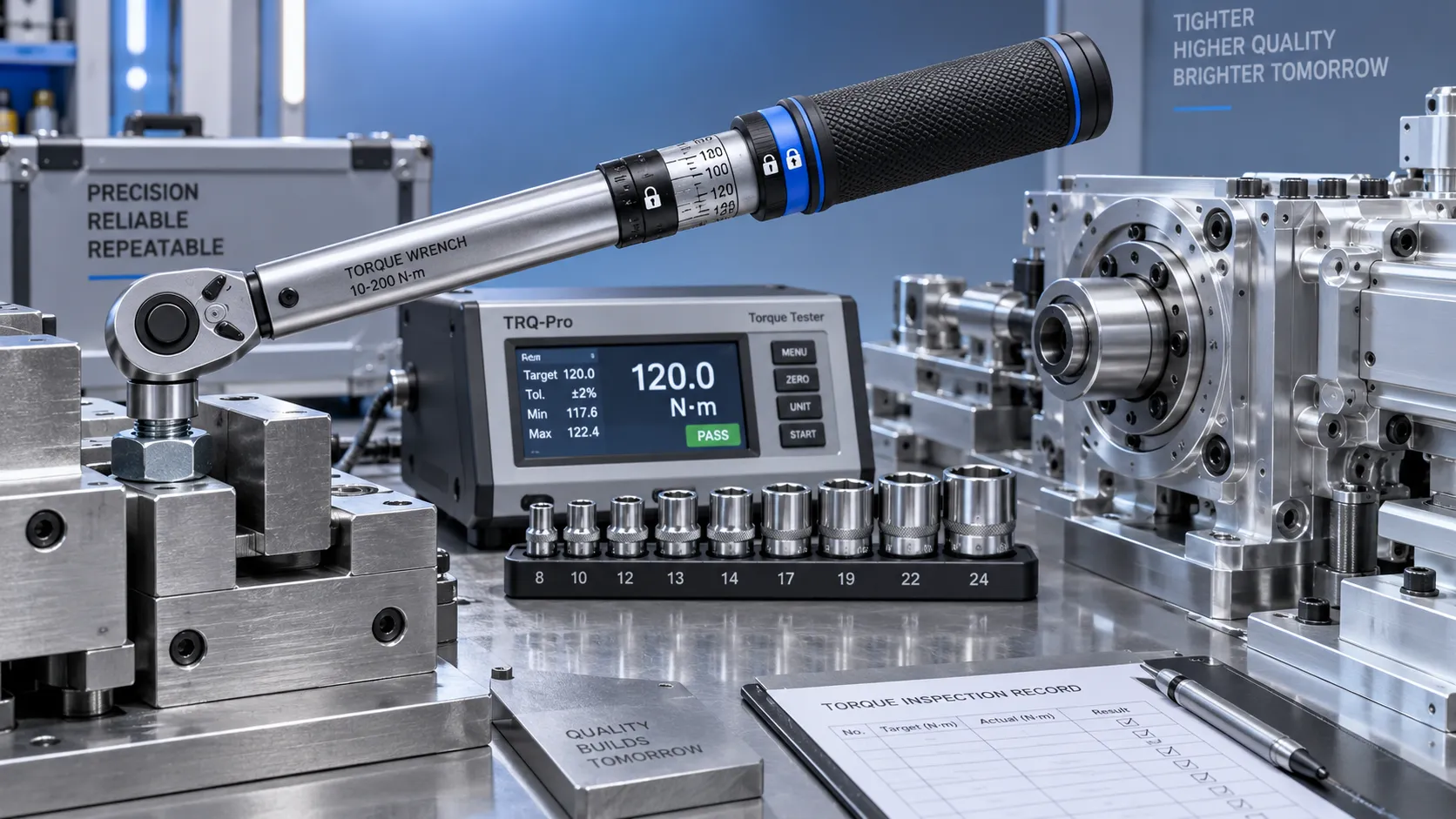
Selecting Adjustable Torque Tools for Repeatable Fastener Assembly
Adjustable torque tools: learn how to match range, accuracy, control methods, calibration, and ergonomics for repeatable, reliable fastener assembly.

How to Select Aerospace Inspection Tools for Aircraft Maintenance Tasks
Aerospace maintenance inspection tools: learn how to select reliable, traceable equipment for aircraft access, accuracy, calibration, and compliant maintenance decisions.

How to Select Wire Bonding Tools for Fine-Pitch Semiconductor Packaging
Explore semiconductor manufacturing tools for wire bonding and learn how to select precision solutions for fine-pitch packaging, reliable loops, accuracy, and yield.
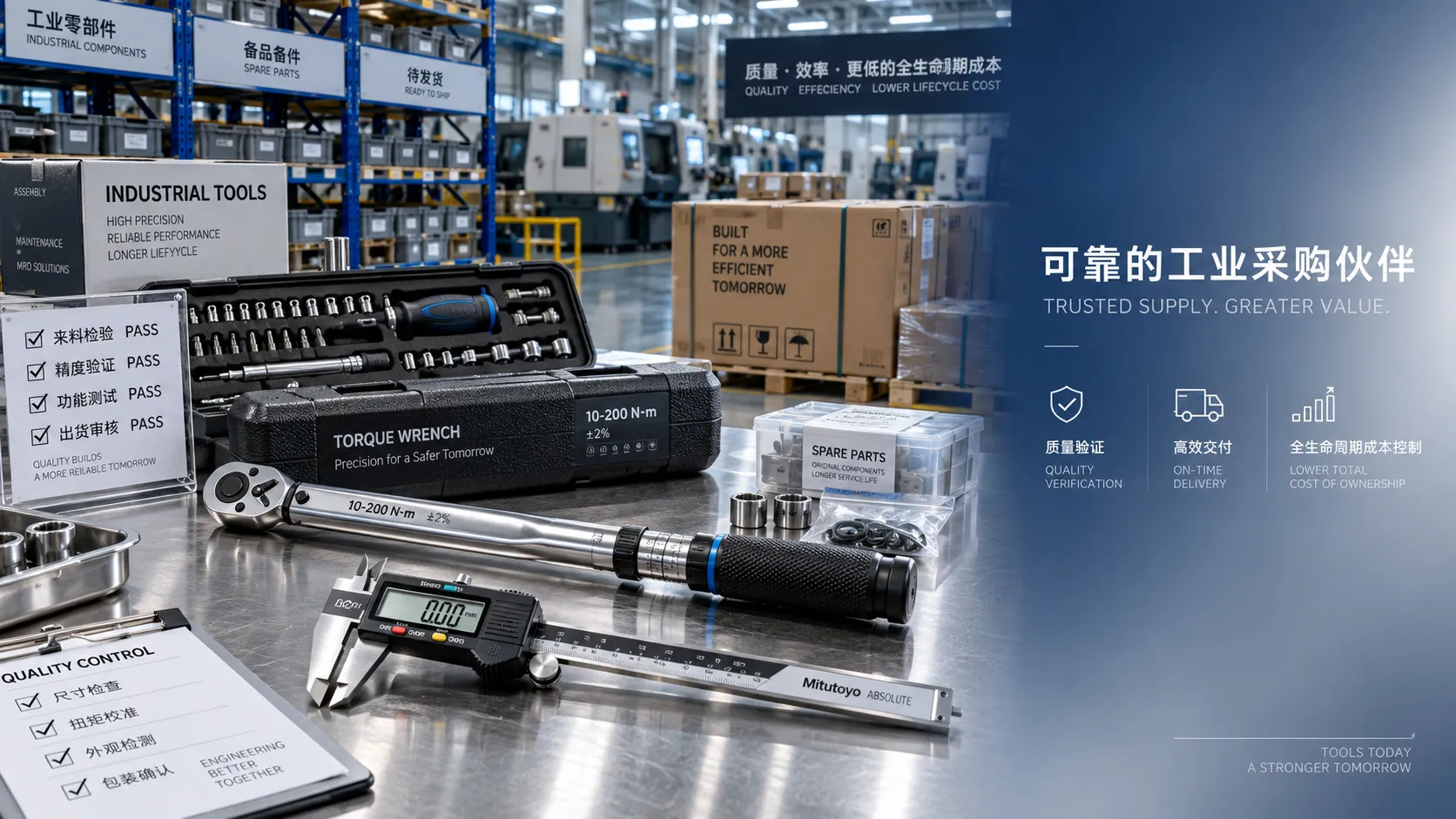
How to Compare Industrial Tool Suppliers for Quality, Lead Time, and Total Cost
Industrial tool selection supplier comparison made simple: evaluate quality, lead times, total cost, service, and supply resilience for confident sourcing decisions.

Industrial Equipment Application Guidance: Match Machines to Operating Conditions
Application guidance industrial equipment: match capacity, duty cycle, materials, site conditions, safety, and lifecycle cost to improve reliable output. Read the guide.
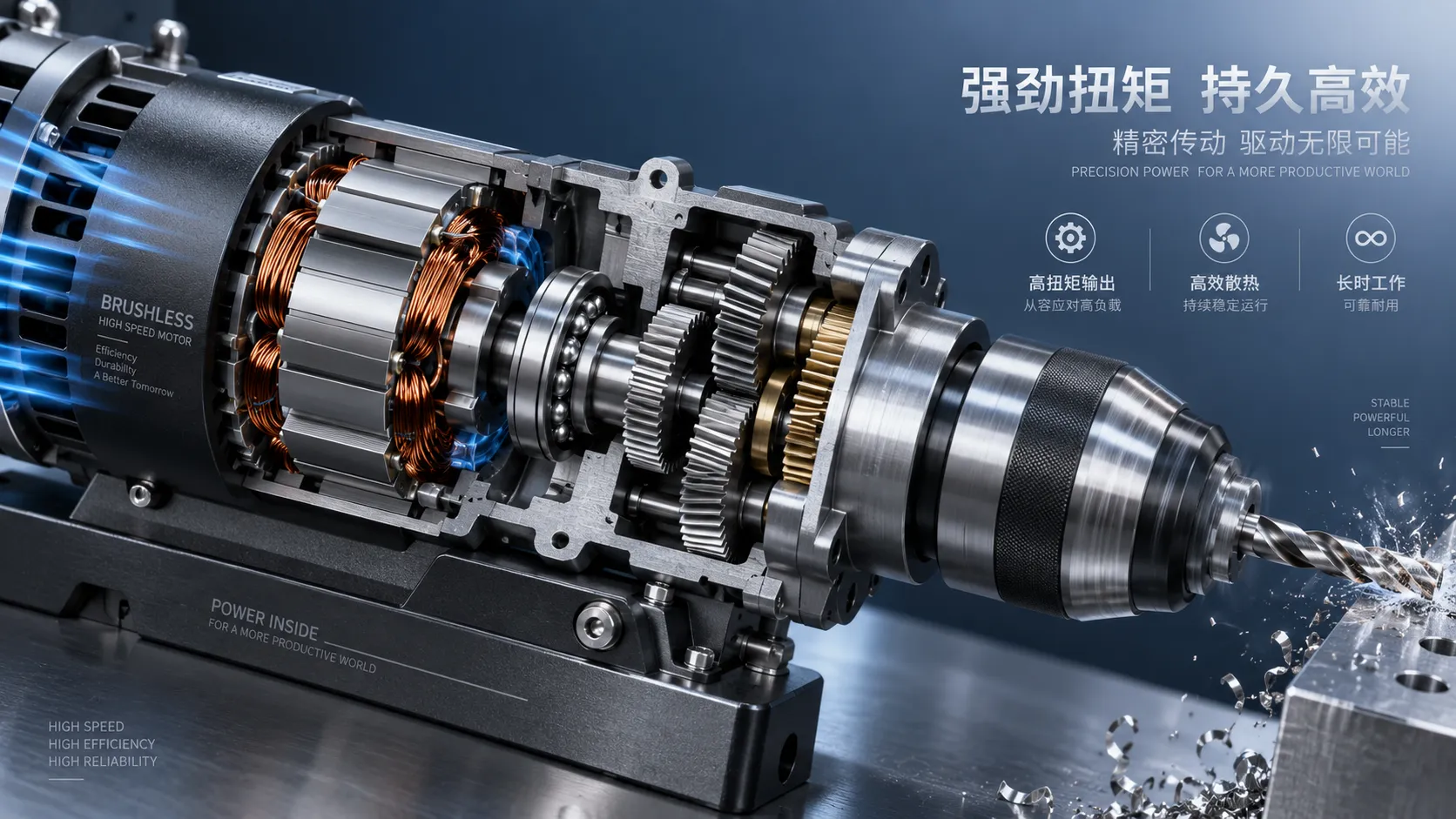
Selecting High-Speed Brushless Tool Motors for Torque, Heat, and Duty Cycle
High speed brushless tool motors: learn how to balance torque, heat, gearing, and duty cycle for reliable industrial tool performance and longer service life.
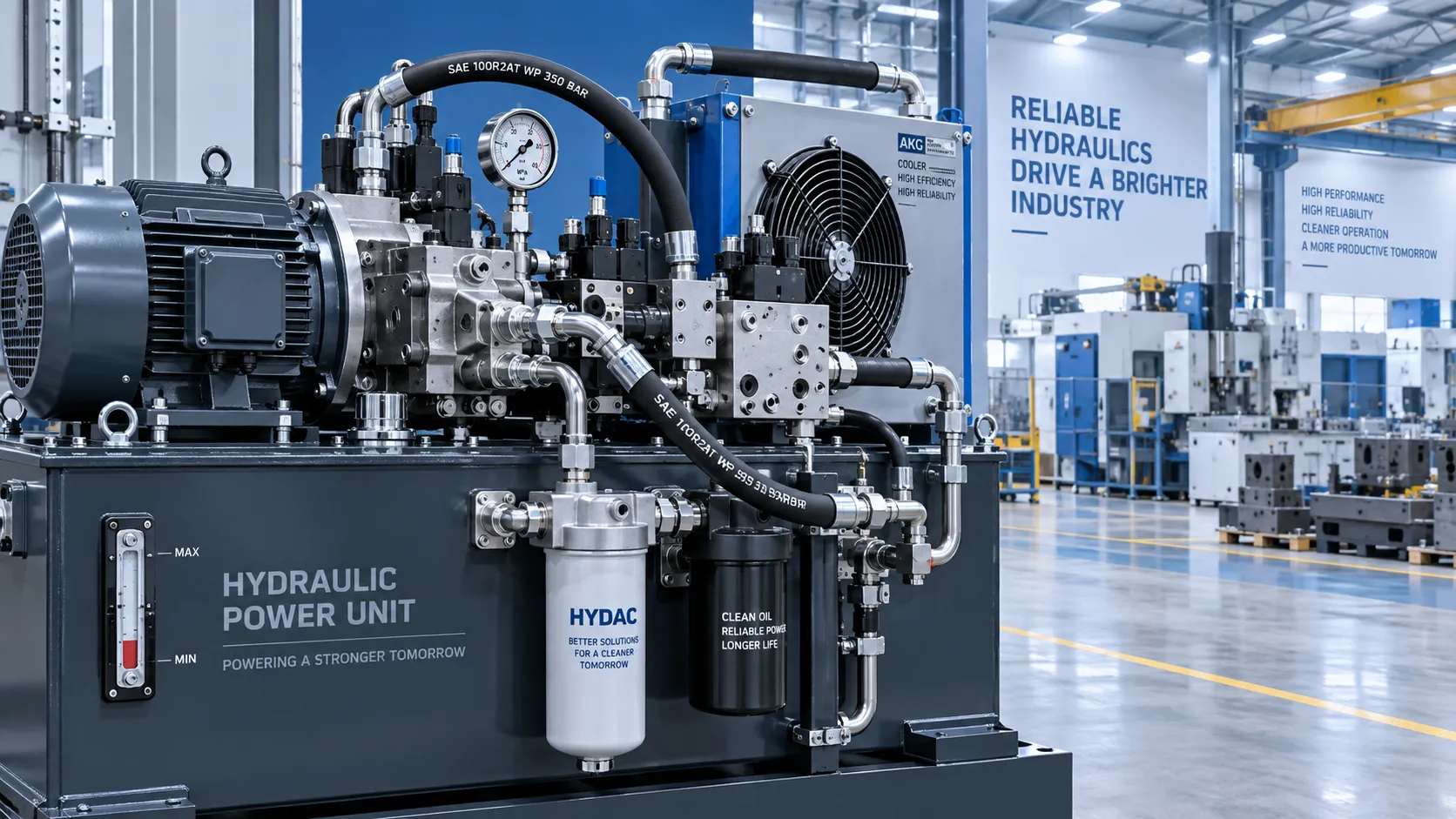
What Determines Industrial Hydraulic System Price for Heavy-Duty Equipment?
Industrial hydraulic system price depends on duty cycle, pressure, components, cooling, and integration. Compare quotes intelligently to secure reliable heavy-duty performance.

Welding Fume Extraction PPE: When Respirators Are Not Enough for Shop Safety
Welding fume extraction PPE: learn why respirators alone fall short and how source capture, ventilation, and layered controls improve shop safety.

How to Select Optical Metrology Solutions for Tight-Tolerance Manufacturing
Optical industrial metrology solutions for tight-tolerance manufacturing: evaluate accuracy, surface compatibility, workflow, and traceability to select with confidence.
Related News
- 00
0000-00
How to Select Battery Assembly Tools for Torque Control and High-Volume Production - 00
0000-00
How Battery, Torque, and Duty Cycle Affect Cordless Power Tool Efficiency - 00
0000-00
How to Size High-Torque Tool Motors for Continuous-Duty Assembly Lines - 00
0000-00
How to Choose 24V Brushless Tool Motors for Torque, Runtime, and Duty Cycle? - 00
0000-00
Automotive Repair Tools List: What Every Workshop Needs for Daily Service Jobs
Electro-Mech Tool Designer
Weekly Insights
Stay ahead with our curated technology reports delivered every Monday.