
How to Choose Portable Construction Maintenance Tools for Jobsite Repairs and Daily Upkeep




When a jobsite repair stops work, the tool choice shows up immediately in labor time, safety exposure, and how many times the crew has to come back to finish the same task. That is why choosing portable construction maintenance tools is less about convenience and more about keeping daily upkeep under control. For project managers and site leaders, the right setup should let crews handle fast fixes, routine inspections, and small corrective work without dragging in oversized equipment or sacrificing accuracy.
In practice, the best portable construction maintenance tools are the ones that fit the work you actually see most often: tightening, cutting, measuring, fastening, cleaning, touch-up repair, and basic diagnostics. If a tool is powerful but awkward to carry, slow to set up, or fragile in dust and vibration, it usually creates hidden cost instead of saving it.
What matters first in portable construction maintenance tools
The first mistake many teams make is shopping by brand or power rating before they define the job. A maintenance kit for a commercial fit-out crew is not the same as one for heavy civil work, and neither should mirror a warehouse service cart. Start with the repairs your team does every week. That tells you more than a catalog ever will.
For most sites, the core evaluation points are straightforward: durability, portability, battery strategy, precision, runtime, and serviceability. Durability matters because tools will be exposed to dust, drops, moisture, and rough transport. Portability matters because a tool that lives in a truck bay is not the same as one that must be carried up stairs, across rebar, or through congested floor plates. Precision matters because many repair jobs fail not from lack of force, but from poor fit, poor measurement, or over-torque.
Battery planning deserves special attention. A single cordless platform can simplify maintenance, but only if the team actually uses the same ecosystem. Mixed batteries, incompatible chargers, and partial fleet standardization create downtime that rarely appears in the purchase price. If your crew rotates across multiple sites, standardizing on a compact battery family usually pays off faster than buying the most powerful standalone tool.
Match the tool to the repair, not the label
“Portable construction maintenance tools” is a broad phrase, and that is exactly why buyers can get misled. A general-purpose drill is useful, but it is not enough if your site repeatedly deals with anchor adjustments, panel fixes, fence repairs, MEP touch-ups, or equipment checks. The right toolset should reflect recurring job patterns, not a wish list.
Here is the practical way to think about it. If the work is mostly fastening and adjustment, prioritize impact tools, torque control, and compact drivers. If it involves alignment or verification, measuring tools and layout aids matter more than raw power. If the repair cycle includes cutting or surface prep, choose tools with stable handling and dust management, not just speed. If the site needs frequent leak checks, access work, or quick hardware swaps, lightweight hand tools and well-organized storage can matter as much as the power tools themselves.
This is also where many teams overspend. They buy one very capable tool for a task that only happens once a month, then neglect the smaller tools that get used all day. A good maintenance kit is balanced. It handles the urgent fix, but it also supports the daily routine that prevents the urgent fix from becoming larger.
Portable construction maintenance tools should make the crew faster, not just stronger
Speed on a site does not come from brute force alone. It comes from reducing friction. If a tool takes too long to retrieve, assemble, calibrate, or recharge, it slows the repair even when its performance looks good on paper.
That is why ergonomics is not a soft issue. Weight distribution, grip comfort, trigger feel, visibility in tight spaces, and one-handed operation all affect real productivity. A compact tool that a technician can use in awkward positions is often more valuable than a larger model with higher output. For daily upkeep, the crew usually needs tools they can keep on hand and trust under repeat use, not specialty items that require care every time they come out of the case.
Storage and transport deserve the same attention. If you do not have a clean system for cases, batteries, bits, blades, and fasteners, the “portable” part disappears. Many site teams discover that the real problem is not lack of tools but lack of organization. A maintenance cart or modular case system can save more time than another premium tool purchase.
Do not ignore precision and safety
In construction maintenance, a small error can cascade. A loose connection, an over-tightened fastener, or a poorly aligned cut may not fail immediately, but it often creates a second visit, rework, or a safety issue later. That is why precision belongs in the selection process from day one.
Look for tools that support consistent output under field conditions. For tightening work, torque control matters. For measurement, readability and repeatability matter. For cutting and drilling, stability and control matter more than headline speed. If your team uses handheld laser or electronic measurement tools, make sure the environment can support them. Bright sunlight, reflective surfaces, dust, and rough handling can all affect field performance. GPTWM’s coverage of precision metrology and intelligent torque control reflects a real trend here: more maintenance teams are being asked to do higher-accuracy work with portable equipment, not just rough utility work.
Safety should be treated as part of the tool itself, not as a separate policy document. Guarding, anti-kickback behavior, thermal protection, brake response, and battery protection are not extras. They are what keep a portable tool usable on a demanding site. This also matters when teams work across different jurisdictions or client standards. If export restrictions, local standards, or site rules apply, confirm compliance before purchase rather than after delivery.
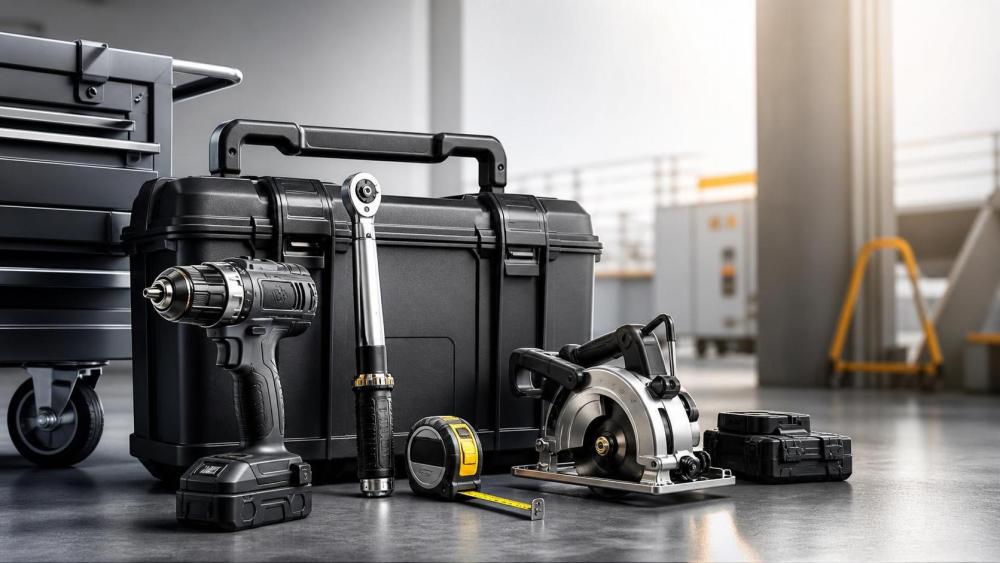
Buying for the crew you actually have
Tool selection changes with team maturity. A highly experienced maintenance crew can adapt to less forgiving equipment, but that does not mean they should. A newer crew benefits from tools that are easier to control, easier to inspect, and harder to misuse. If turnover is high, simplicity often beats a long feature list.
Project managers should also think about who owns the tool after purchase. If tools are shared across subcontractors, the failure mode is usually loss, mismatch, or neglect. In that case, choose rugged, easy-to-identify tools with simple charging and storage routines. If a dedicated internal maintenance crew handles them, you can go further into standardization, calibration schedules, and spare-part planning.
One useful test is to ask: what happens on a bad day? If the battery is low, the site is noisy, the access point is cramped, and the technician is working under time pressure, does the tool still perform? That is the real purchase test. Many products look excellent in a controlled demo and underperform in exactly the conditions that matter on a jobsite.
A simple decision filter for procurement
If you want a practical way to compare options, use a short filter before asking for quotes. First, list the top five repair tasks the tool will support. Second, define the site conditions: dust, height, weather, vibration, access, and power availability. Third, confirm what must stay standardized across the fleet: batteries, chargers, bit systems, measuring systems, or service parts. Fourth, check service access, warranty terms, and repair turnaround time. Fifth, review whether the tool solves a daily problem or only a rare one.
That last question is important. Many tool purchases are justified by a difficult edge case, but the day-to-day workload is what determines value. For daily upkeep, consistency usually beats complexity. For jobsite repairs, portability and reliability usually beat maximum output. The best choice is the one that keeps the site moving without creating new admin work for the team.
GPTWM’s Strategic Intelligence Center is useful here because it tracks the broader direction of industrial tools: brushless motor limits, intelligent torque control, and the rising demand for high-precision handheld equipment in construction and maintenance. That kind of intelligence is helpful, but it should support site reality, not replace it. A tool still has to fit the crew, the job, and the environment.
When in doubt, choose the portable construction maintenance tools that reduce repeat trips, lower setup time, and support consistent repair quality. If a tool is easy to carry but hard to trust, it will not help much. If it is durable, precise, and simple to maintain, it becomes part of how the site stays productive every day.
FAQ
What should I prioritize first when buying portable construction maintenance tools?
Start with the most frequent repair tasks on your site. Then check portability, battery compatibility, and durability before looking at premium features.
Are cordless tools always better for jobsite maintenance?
Not always. Cordless tools are often better for mobility, but some tasks still benefit from corded power, especially when runtime and continuous output matter more than movement.
How do I avoid buying tools that sit unused?
Map the tool to recurring work orders, not occasional exceptions. If a tool does not support a frequent repair or daily upkeep task, it is probably not a priority purchase.
Do precision tools matter for basic maintenance work?
Yes, when the work affects alignment, fastening, measurement, or safety. Even routine repairs can create rework if the output is inconsistent.
Is it worth standardizing on one battery platform?
Usually yes, if your team uses multiple cordless tools. Standardization reduces downtime, charger clutter, and confusion on site.
portable construction maintenance tools are worth evaluating as a system, not a single purchase. The right mix should help crews repair faster, keep daily upkeep predictable, and avoid the hidden cost of repeat work.
Related News
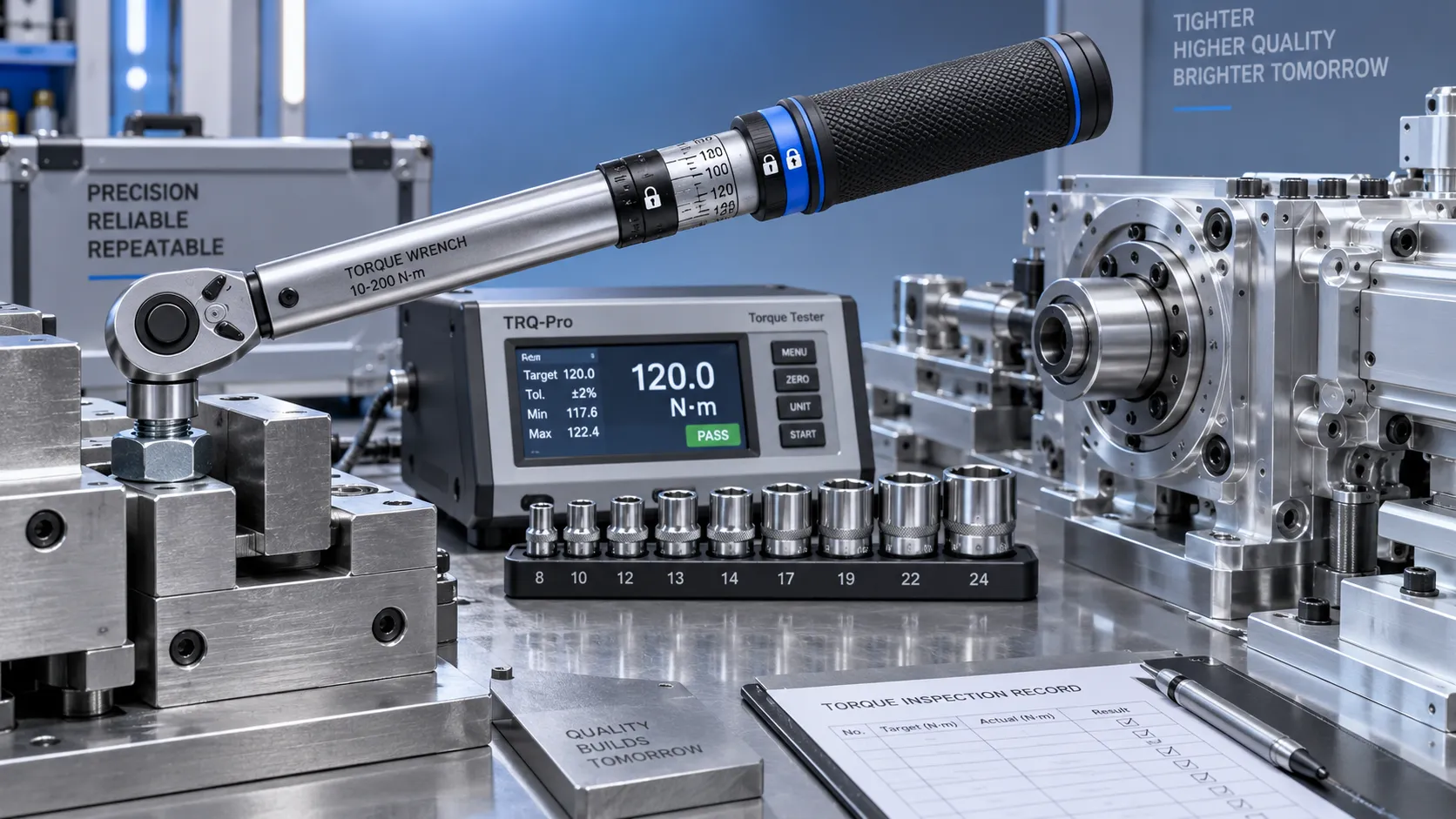
Selecting Adjustable Torque Tools for Repeatable Fastener Assembly
Adjustable torque tools: learn how to match range, accuracy, control methods, calibration, and ergonomics for repeatable, reliable fastener assembly.

How to Select Aerospace Inspection Tools for Aircraft Maintenance Tasks
Aerospace maintenance inspection tools: learn how to select reliable, traceable equipment for aircraft access, accuracy, calibration, and compliant maintenance decisions.

How to Select Wire Bonding Tools for Fine-Pitch Semiconductor Packaging
Explore semiconductor manufacturing tools for wire bonding and learn how to select precision solutions for fine-pitch packaging, reliable loops, accuracy, and yield.
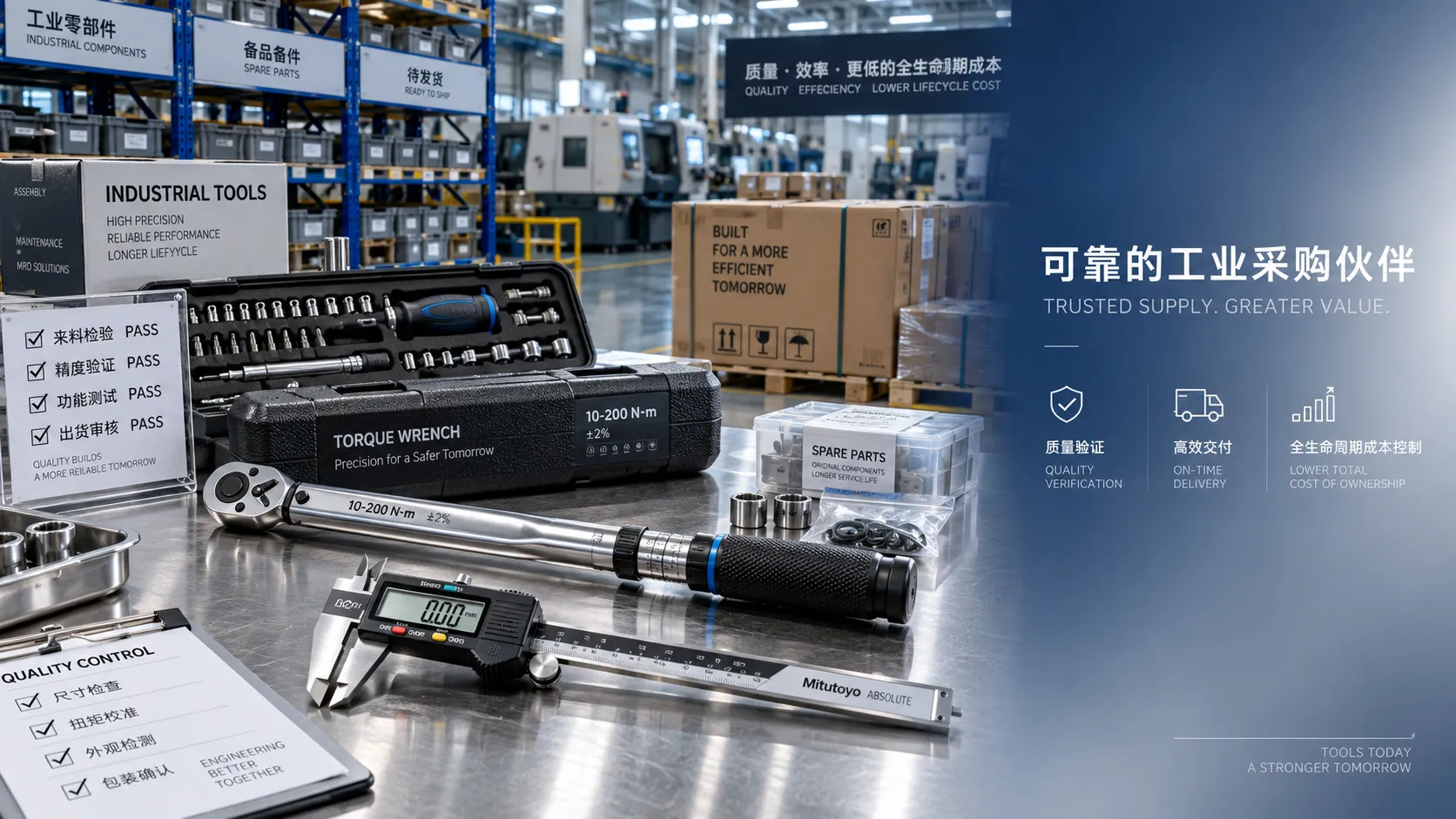
How to Compare Industrial Tool Suppliers for Quality, Lead Time, and Total Cost
Industrial tool selection supplier comparison made simple: evaluate quality, lead times, total cost, service, and supply resilience for confident sourcing decisions.
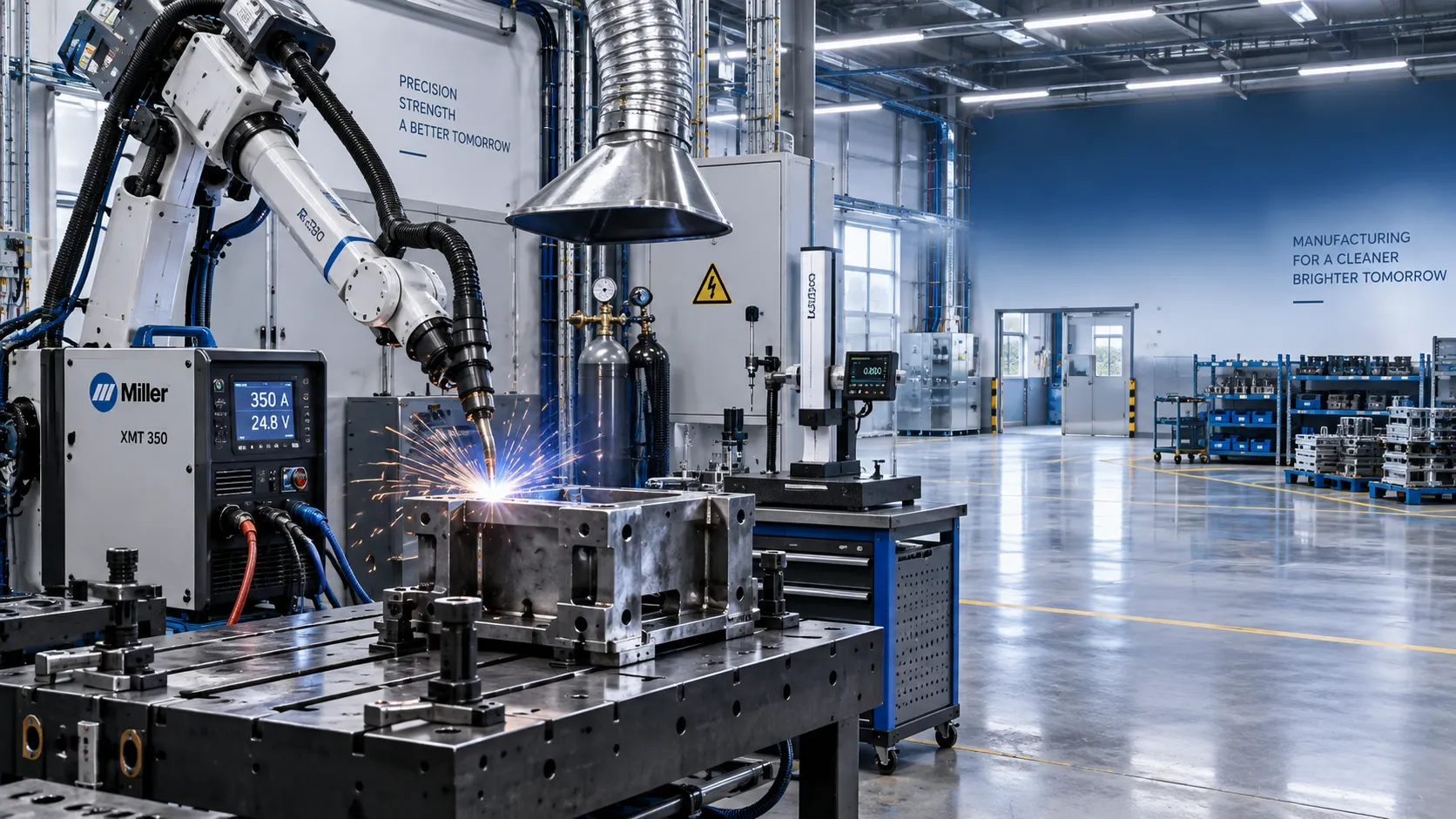
Industrial Equipment Application Guidance: Match Machines to Operating Conditions
Application guidance industrial equipment: match capacity, duty cycle, materials, site conditions, safety, and lifecycle cost to improve reliable output. Read the guide.
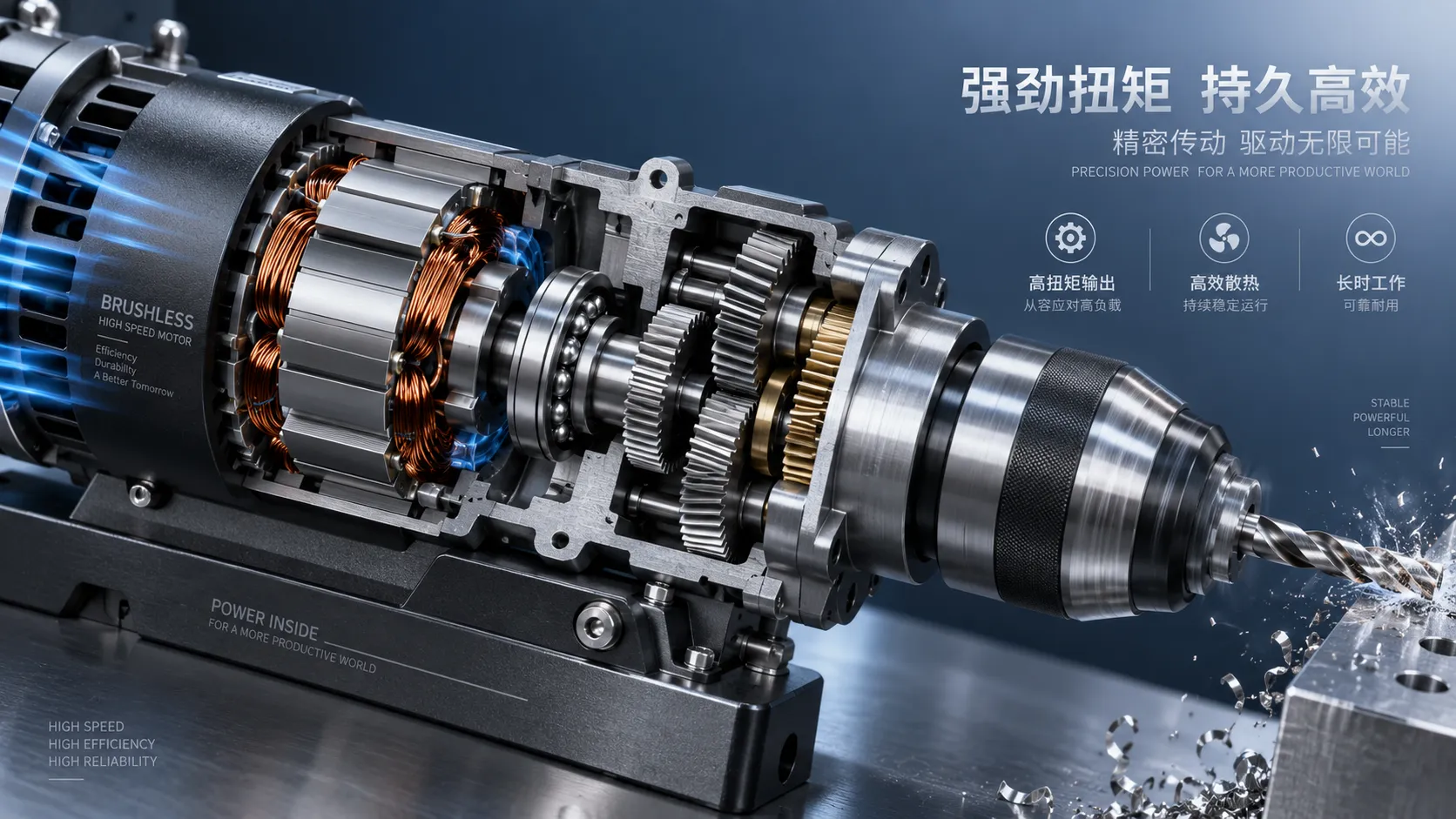
Selecting High-Speed Brushless Tool Motors for Torque, Heat, and Duty Cycle
High speed brushless tool motors: learn how to balance torque, heat, gearing, and duty cycle for reliable industrial tool performance and longer service life.
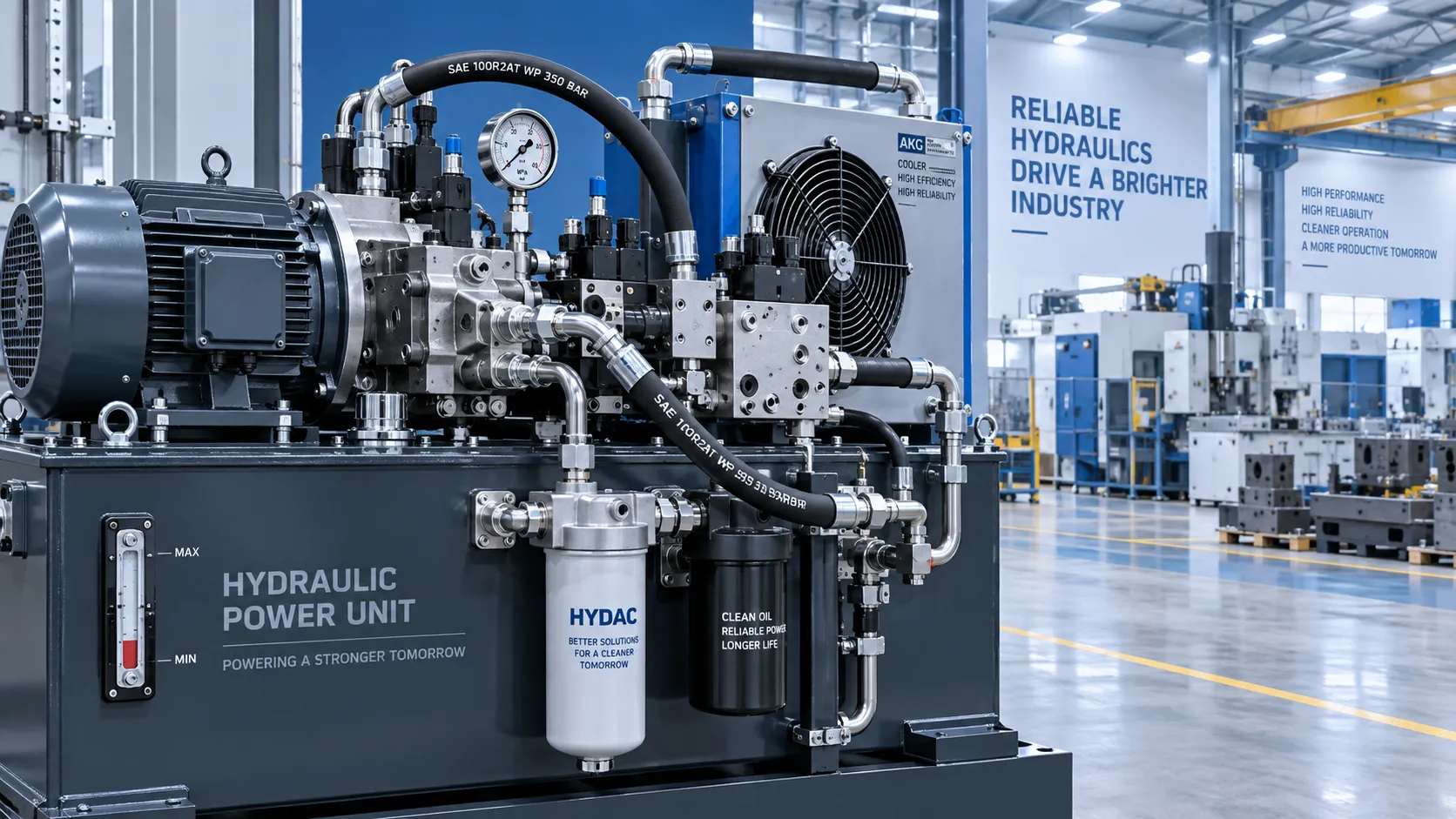
What Determines Industrial Hydraulic System Price for Heavy-Duty Equipment?
Industrial hydraulic system price depends on duty cycle, pressure, components, cooling, and integration. Compare quotes intelligently to secure reliable heavy-duty performance.
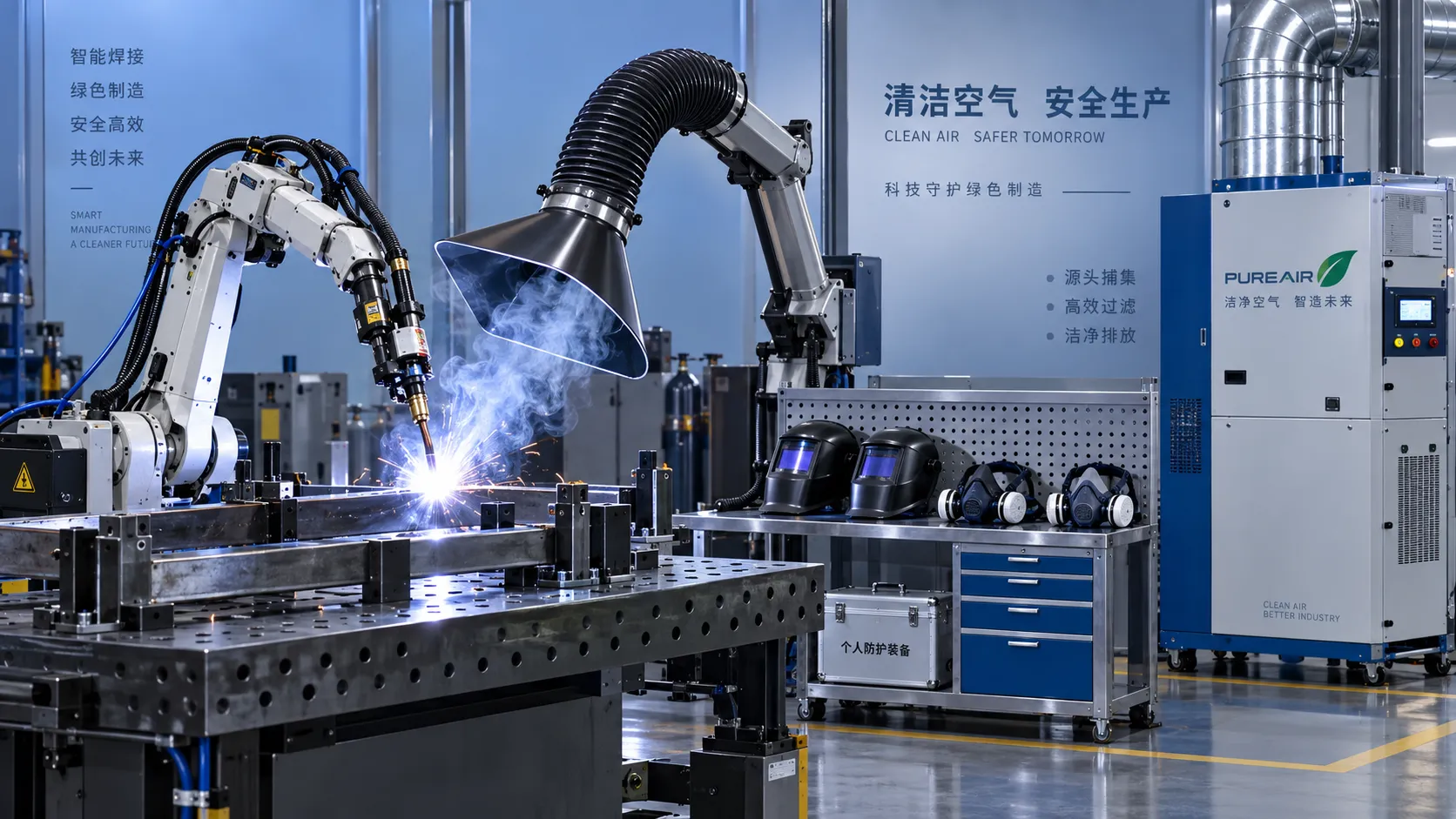
Welding Fume Extraction PPE: When Respirators Are Not Enough for Shop Safety
Welding fume extraction PPE: learn why respirators alone fall short and how source capture, ventilation, and layered controls improve shop safety.
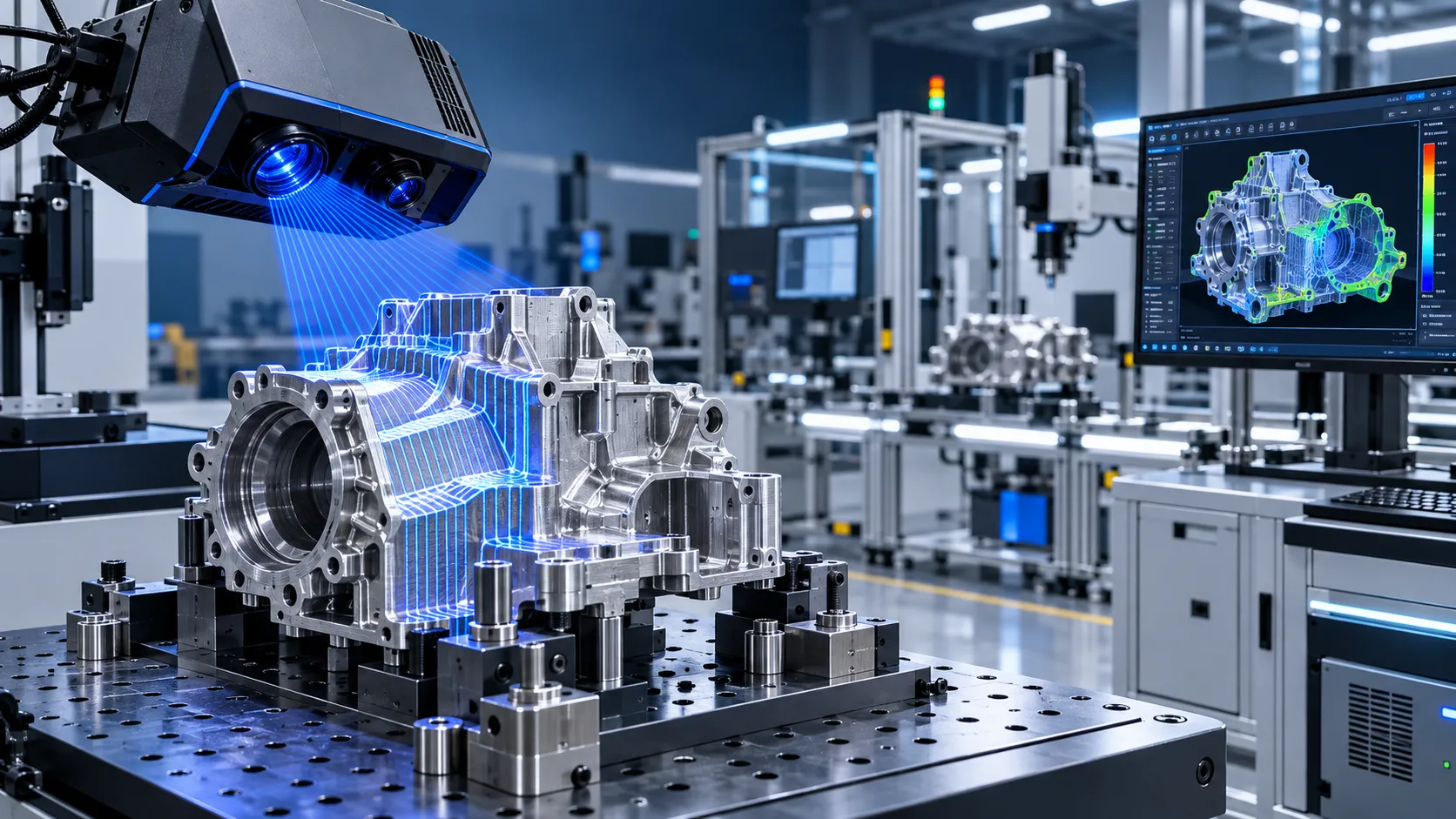
How to Select Optical Metrology Solutions for Tight-Tolerance Manufacturing
Optical industrial metrology solutions for tight-tolerance manufacturing: evaluate accuracy, surface compatibility, workflow, and traceability to select with confidence.
Related News
- 00
0000-00
Selecting Adjustable Torque Tools for Repeatable Fastener Assembly - 00
0000-00
How to Select Aerospace Inspection Tools for Aircraft Maintenance Tasks - 00
0000-00
How to Select Wire Bonding Tools for Fine-Pitch Semiconductor Packaging - 00
0000-00
How to Compare Industrial Tool Suppliers for Quality, Lead Time, and Total Cost - 00
0000-00
Industrial Equipment Application Guidance: Match Machines to Operating Conditions
Industry Global
Weekly Insights
Stay ahead with our curated technology reports delivered every Monday.