
What Determines Industrial Hydraulic System Price for Heavy-Duty Equipment?





A hydraulic package can look similar on two quotations—same stated flow, similar motor power, comparable cylinder stroke—yet carry a very different price. For heavy-duty equipment, the industrial hydraulic system price is determined less by one headline specification than by the complete duty requirement: operating pressure, load cycle, contamination exposure, control accuracy, installation constraints, and the consequences of downtime.
That difference becomes visible when a purchasing team compares a low initial offer with a higher-priced engineered package. The lower quote may be appropriate for intermittent, clean-environment service. It may also omit filtration, instrumentation, manifold design, hose protection, commissioning support, or components needed to survive frequent pressure peaks. A useful evaluation begins by separating the cost of moving fluid from the cost of delivering reliable motion under the actual working conditions.
Start with the duty cycle, not the pump rating
Flow rate and nominal pressure are necessary starting points, but they do not define the whole system. A hydraulic power unit that runs occasionally at moderate load is fundamentally different from one that powers a press, lifting system, attachment, mobile machine, or test rig through repeated high-load cycles. Two systems can share a pump displacement while requiring different motors, cooling capacity, reservoir design, valves, seals, and safety provisions.
Before comparing prices, establish how the equipment will operate:
- Required flow during each movement, including simultaneous functions rather than individual actuator flow alone.
- Normal operating pressure, expected peak pressure, and the frequency and duration of those peaks.
- Daily operating hours, cycle time, idle periods, and whether continuous running is expected.
- Load characteristics: steady resistance, shock loading, suspended loads, or rapidly changing demand.
- Ambient temperature, enclosure ventilation, outdoor exposure, dust, water, corrosive conditions, and vibration.
- Fluid type, cleanliness target, and whether the machine must work in cold-start or high-temperature conditions.
A system designed around nominal pressure only may be priced attractively, but it can be undersized where pressure spikes, heat generation, or rapid reversals are routine. Conversely, buying every component at an extreme rating can inflate cost without improving the application. The proper target is a design that accommodates actual peaks and fatigue exposure with a clear margin, not one selected solely from a catalog maximum.
Pressure class changes more than component labels
As pressure requirements rise, the price effect is not limited to the pump. Higher-pressure service often calls for stronger pump construction, appropriately rated valves and fittings, more robust tube or hose assemblies, upgraded sealing arrangements, and tighter control of connection quality. The manifold block, port design, fasteners, and test requirements may also change.
In heavy-duty equipment, purchasers should ask whether the stated pressure is continuous, intermittent, or a relief-valve setting. These are not interchangeable values. A package configured for a lower continuous duty may survive occasional peaks but wear quickly if those peaks become part of normal production. Relief settings also matter because energy repeatedly released across a relief valve becomes heat, which may require a larger cooler or a different control approach.
Pressure-related cost should therefore be examined as a system issue. A quote with a high-rated pump but low-rated hoses, basic fittings, or a poorly matched relief strategy is not equivalent to a fully engineered high-pressure package. Request component pressure ratings and identify the lowest-rated item in each pressure path.
Component selection is where quotations begin to diverge
Hydraulic systems contain many parts whose names appear identical on a bill of materials but whose construction and service suitability vary substantially. Comparing only line-item descriptions such as “gear pump,” “directional valve,” or “hydraulic cylinder” can conceal meaningful differences.
Pumps and drive assemblies
Pump type is a major cost driver. Gear pumps are often suitable for straightforward fixed-flow duties and may offer a lower entry cost. Vane and piston pumps can support different pressure ranges, efficiency targets, noise requirements, and control functions. Variable-displacement pumps generally cost more than fixed-displacement units, but in applications with changing demand they may reduce throttling losses and heat generation. Whether that additional investment is justified depends on the duty cycle rather than on a general preference for one pump type.
The electric motor, coupling, bell housing, mounting arrangement, and protection rating should be reviewed together. A motor selected only by nominal power may not tolerate frequent starts, high inertia, hot ambient conditions, or voltage conditions at the installation site. A lower-cost drive train can also introduce alignment or vibration problems that appear later as coupling wear, bearing load, or pump damage.
Valves, manifolds, and control architecture
Manual directional valves, solenoid-operated valves, proportional valves, servo-type controls, cartridge valves, and integrated manifolds serve different purposes. Basic on/off control may be sufficient for a clamp or simple lift. Precise speed regulation, synchronized motion, controlled deceleration, pressure profiling, or remotely adjustable settings may require proportional control, feedback devices, and a more sophisticated electrical interface.
Manifold design affects both the original industrial hydraulic system price and later serviceability. A simple off-the-shelf valve stack can cost less upfront. A custom manifold may reduce hose count, external leakage points, assembly space, and installation time. Its value depends on volume, machine layout, maintenance access, and the need for repeatable performance. Buyers should not assume that a compact manifold is automatically better; difficult access to cartridges, test ports, or wiring can raise service time in the field.
Cylinders and mechanical interfaces
Cylinder cost is shaped by bore and rod dimensions, stroke, mounting style, side-load exposure, rod coating, seal material, cushioning, position sensing, and fabrication requirements. A cylinder operating vertically with a suspended load may need load-holding provisions and careful valve placement. A long-stroke cylinder on a mechanism with imperfect alignment may face side loading that standard construction cannot tolerate for long.
The cylinder should be specified from the force requirement and mechanical geometry, not simply selected by available bore size. Undersized rods, inappropriate mounts, or seal choices mismatched to temperature and fluid can make an apparently economical quotation expensive after installation.
Filtration, cooling, and reservoir design are often underquoted
Some of the most consequential cost differences are not obvious in a first comparison. Filtration, temperature management, and fluid conditioning may be treated as accessories even though they strongly influence component life and machine stability.
A basic system may include a return filter only. A more demanding circuit may need suction protection, pressure-line filtration, offline filtration, contamination indicators, sampling points, or a breather suited to dusty or humid conditions. The appropriate arrangement depends on component sensitivity, maintenance practices, and contamination risk. Fine filtration without adequate flow capacity can create excessive pressure drop; coarse filtration may not protect precision components. The correct question is not “Does it have a filter?” but “What contamination control is intended for this circuit and how will it be maintained?”
Heat management has a similar effect. Small reservoirs, high fluid velocity, continuous operation, and throttling losses all raise fluid temperature. Air coolers, water coolers, thermostatic bypasses, temperature sensors, and circulation pumps add cost, but so does replacing seals or pumps damaged by persistent overheating. Quote comparisons should identify the assumed ambient temperature, expected heat load, available cooling medium, and acceptable oil-temperature range.
Integration work can outweigh the apparent hardware savings
A hydraulic system is rarely purchased as isolated hardware. It must connect to the machine frame, electrical controls, actuators, guards, service points, and available space. The cost of integration may include hydraulic schematics, manifold routing, mounting brackets, pipework, hose assemblies, wiring, sensors, control enclosures, labels, test ports, and commissioning procedures.
When reviewing a quote, determine exactly where the supplier’s scope ends. One offer may cover only the power unit and loose components. Another may include assembled hoses, electrical interface points, preset valve settings, functional testing, documentation, and installation-ready connections. Neither arrangement is inherently preferable, but they should not be compared as though they are the same deliverable.
Interface uncertainty is a common source of unplanned spend. Confirm port standards, thread types, electrical supply, signal requirements, mounting dimensions, allowable backpressure, reservoir location, and hose lengths before releasing an order. Changes after fabrication can involve redesign, new manifolds, replacement hoses, or delays while mismatched connections are corrected.
Do not confuse a low purchase price with a low operating cost
Lifecycle cost is especially relevant where equipment downtime interrupts production, handling operations, maintenance work, or field service. The cheapest package can be appropriate when duty is light and replacement is simple. It becomes less attractive where access is difficult, failure affects safety-related motion, or spare parts cannot be sourced quickly.
Ask suppliers to clarify the items that determine service exposure: recommended fluid and filter-change intervals, common wear parts, access to filters and gauges, spare cartridge availability, expected lead times for specialized items, and whether documentation identifies replacement parts clearly. A system built from standard, traceable components may have a higher initial cost yet reduce repair uncertainty. On the other hand, specifying premium components in a machine with minimal annual use may not return value.
Energy use belongs in the same review. Fixed-displacement systems running continuously can consume power even when no actuator needs flow. In some applications, unloading arrangements, accumulator-supported functions, or variable-displacement control may reduce unnecessary heat and power draw. These options add complexity, so the decision should be based on operating pattern, not assumed savings.
A practical way to compare supplier quotations
Place all offers into a single comparison sheet, but do not begin with total price. First normalize the technical basis. Confirm that each supplier has priced the same required flow, continuous and peak pressure, duty cycle, fluid, ambient conditions, control functions, actuator requirements, and installation scope. If assumptions differ, the totals are not directly comparable.
- Define the operating envelope. Record load, cycle rate, pressure peaks, required motion control, temperature conditions, and expected daily use.
- Request a component-level schedule. It should identify pump type, motor details, valve functions, cylinder construction, filtration, cooling, hose or tube ratings, instruments, and electrical items.
- Check what is included in the assembly. Separate hardware cost from engineering, fabrication, wiring, testing, documentation, packaging, and commissioning support.
- Review exclusions carefully. Common exclusions include field installation, hydraulic fluid, electrical connection, machine-side brackets, hose routing, programming, and transport protection.
- Evaluate maintainability. Inspect filter access, drain points, fill arrangements, gauge locations, labeling, and availability of service parts.
- Assess technical risk before negotiating. A price reduction created by removing cooling, sensors, suitable hose protection, or test capability may transfer risk back to the equipment owner.
It is also useful to ask suppliers to identify optional items separately rather than burying them in a lump sum. This exposes legitimate trade-offs. A buyer may decide that a temperature switch, contamination indicator, or upgraded breather is unnecessary for one machine but essential for another operating in a harsher environment.
Questions that reveal whether a quote is genuinely comparable
Some questions quickly expose gaps in scope. What pressure is expected during normal work, and what setting protects the circuit during a peak? Is the motor rated for the planned start frequency and ambient temperature? What filtration level is included, and where are the filter indicators located? How is excess heat calculated or managed? Are hoses rated for the required pressure and protected where abrasion or movement occurs? Which settings are tested before shipment? What documentation will accompany the assembly?
For circuits involving suspended or overrunning loads, ask how load holding and controlled lowering are addressed. For systems with multiple simultaneous functions, verify available flow under combined demand rather than accepting separate actuator calculations. For outdoor or washdown service, confirm enclosure, connector, coating, and breather assumptions. Each question links the quoted configuration to a condition that can otherwise become an unbudgeted modification.
The most defensible purchasing decision is not necessarily the lowest or highest quotation. It is the offer that states its design assumptions clearly, matches the equipment’s real duty, includes the necessary integration scope, and leaves the maintenance team with a system they can inspect, service, and support without avoidable uncertainty.
Related News
How to Select Aerospace Inspection Tools for Aircraft Maintenance Tasks
Aerospace maintenance inspection tools: learn how to select reliable, traceable equipment for aircraft access, accuracy, calibration, and compliant maintenance decisions.

How to Select Wire Bonding Tools for Fine-Pitch Semiconductor Packaging
Explore semiconductor manufacturing tools for wire bonding and learn how to select precision solutions for fine-pitch packaging, reliable loops, accuracy, and yield.
How to Compare Industrial Tool Suppliers for Quality, Lead Time, and Total Cost
Industrial tool selection supplier comparison made simple: evaluate quality, lead times, total cost, service, and supply resilience for confident sourcing decisions.
Industrial Equipment Application Guidance: Match Machines to Operating Conditions
Application guidance industrial equipment: match capacity, duty cycle, materials, site conditions, safety, and lifecycle cost to improve reliable output. Read the guide.
Selecting High-Speed Brushless Tool Motors for Torque, Heat, and Duty Cycle
High speed brushless tool motors: learn how to balance torque, heat, gearing, and duty cycle for reliable industrial tool performance and longer service life.
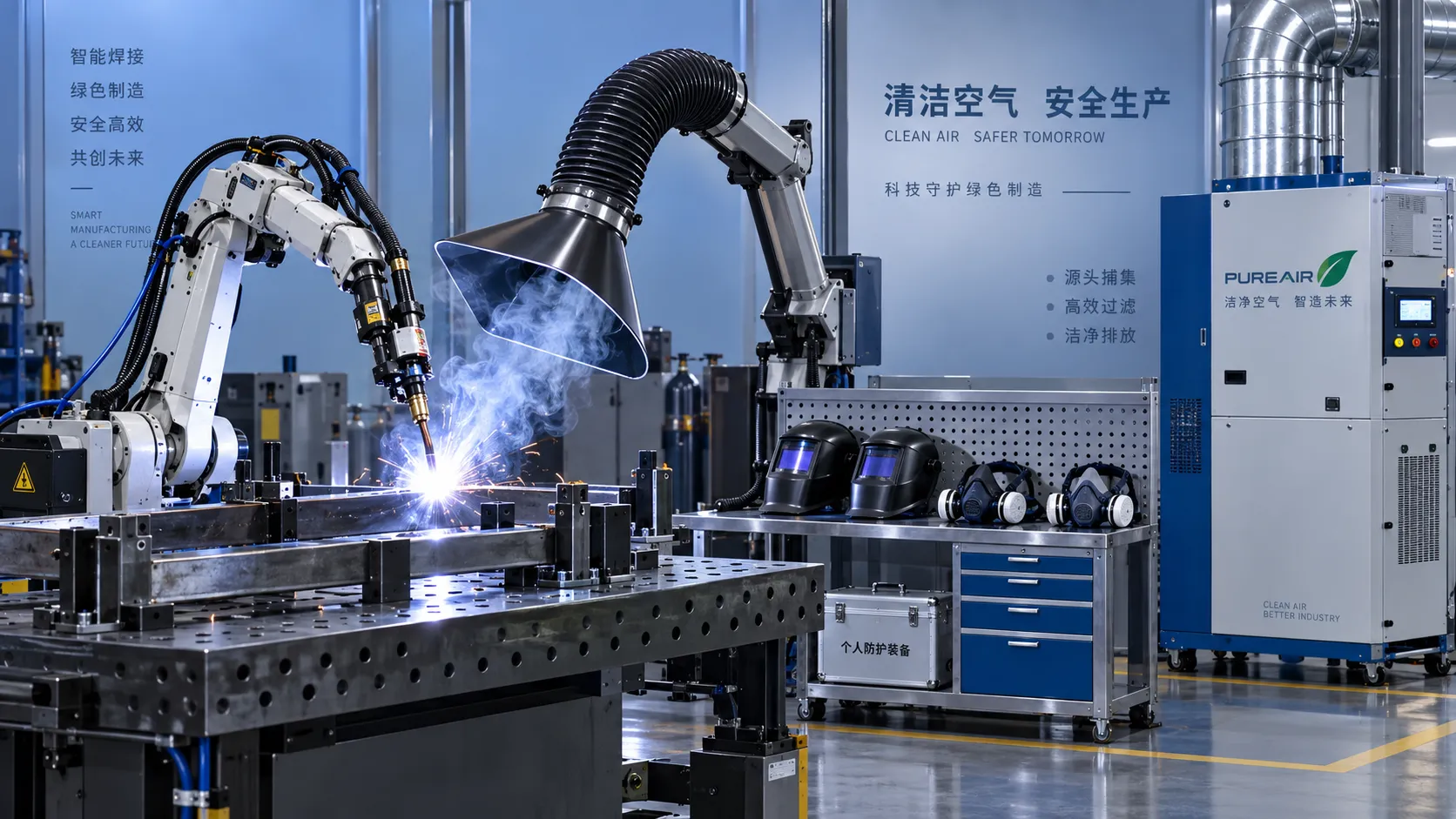
Welding Fume Extraction PPE: When Respirators Are Not Enough for Shop Safety
Welding fume extraction PPE: learn why respirators alone fall short and how source capture, ventilation, and layered controls improve shop safety.
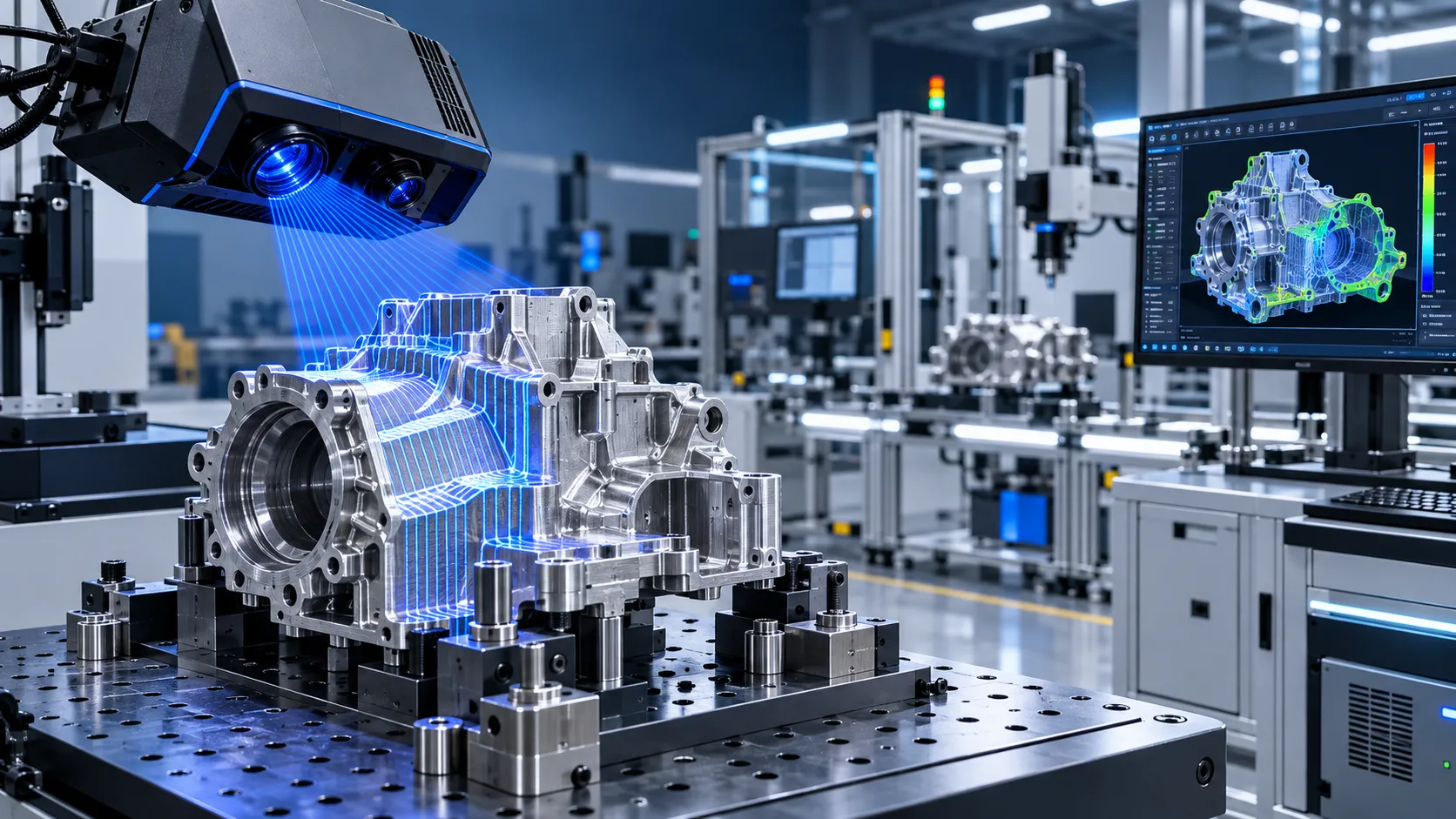
How to Select Optical Metrology Solutions for Tight-Tolerance Manufacturing
Optical industrial metrology solutions for tight-tolerance manufacturing: evaluate accuracy, surface compatibility, workflow, and traceability to select with confidence.
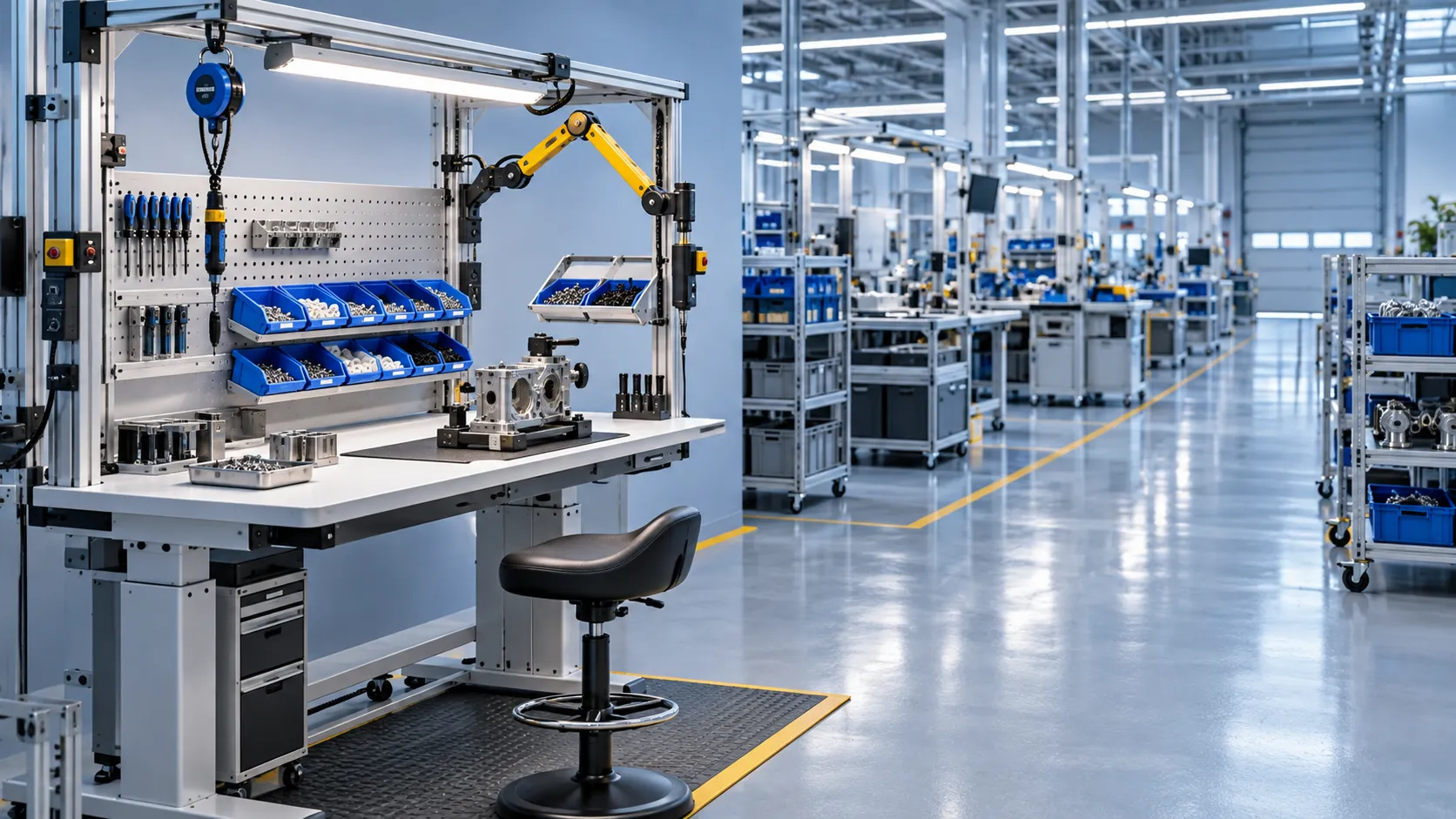
Ergonomic Standards for Assembly Workstations: A Practical Compliance Checklist
Ergonomic standards assembly checklist for safer, compliant workstations—optimize posture, reach, tools, manual handling, lighting, and repetition while supporting quality and productivity.
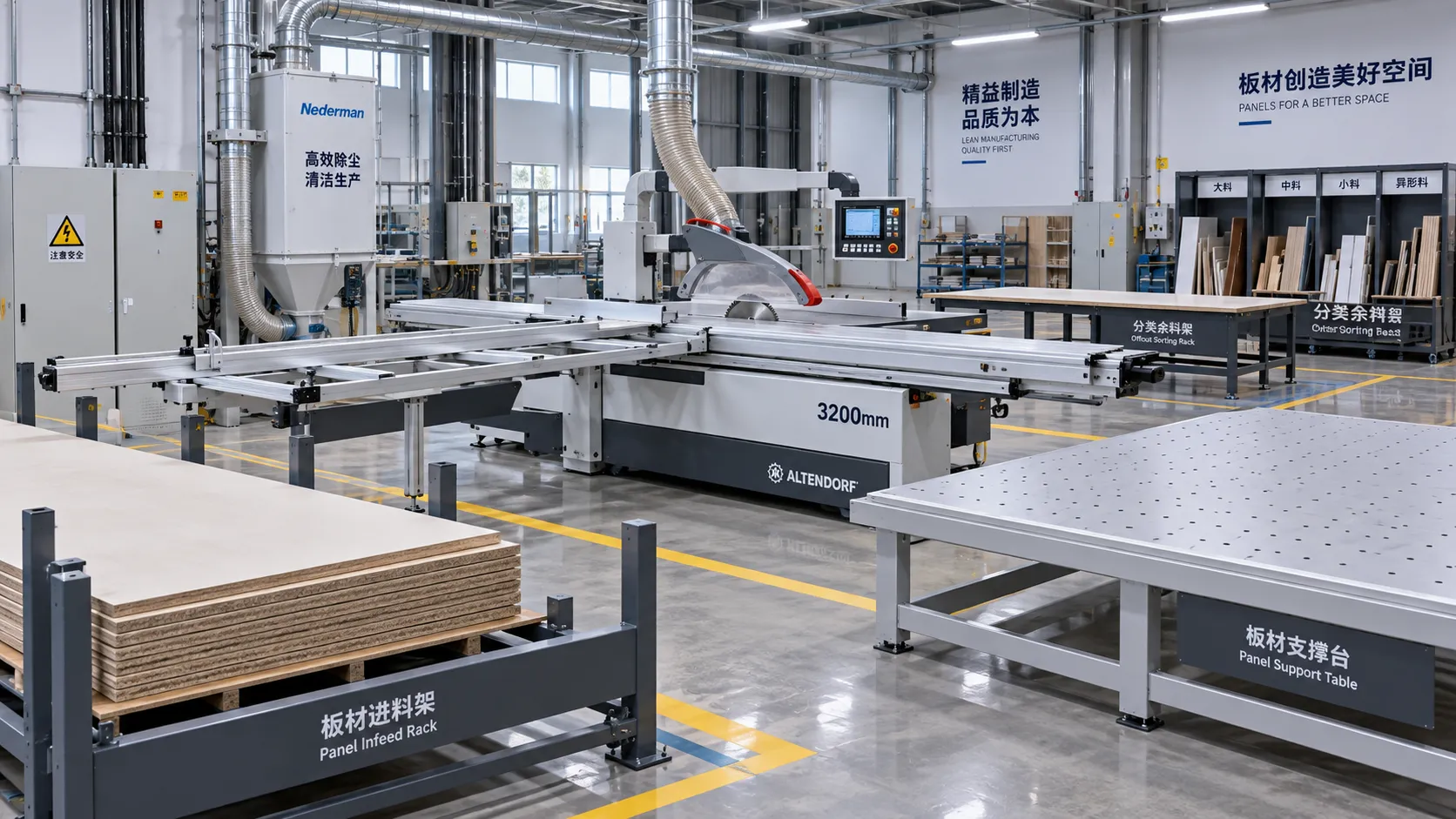
Planning Access, Material Flow, and Clearance Around a 3200mm Sliding Saw
ZD350 sliding table saw dimensions: plan safe access, smooth panel flow, and practical clearance for 3200mm sliding saw operations. Explore layout guidance now.
Related News
- 00
0000-00
What Determines Industrial Hydraulic System Price for Heavy-Duty Equipment? - 00
0000-00
High Pressure Hydraulic Systems Selection Guide: Pressure, Flow, Seals, and Safety - 00
0000-00
Pneumatic Industrial Assembly Tools: How to Choose the Right Type for Line Work - 00
0000-00
Hydraulic Systems Troubleshooting: Common Pressure Loss Causes and Fixes - 00
0000-00
Hydraulic Systems Troubleshooting: 7 Causes of Pressure Loss and Slow Actuation
Fluid Torque Specialist
Weekly Insights
Stay ahead with our curated technology reports delivered every Monday.