
Selecting Adjustable Torque Tools for Repeatable Fastener Assembly





Start With the Joint, Not the Tool Catalog
Repeatable fastening depends on more than reaching a nominal torque value. An adjustable torque tool can improve control substantially over an uncontrolled hand tool, but it cannot by itself guarantee consistent clamp load, joint integrity, or traceable assembly quality. The right selection begins with the fastener, materials, access conditions, assembly volume, and consequence of an incorrect joint.
For technical evaluators, the first decision is whether the application needs a tool that controls applied torque, a system that verifies the completed fastening cycle, or a process that must also monitor angle, rundown behavior, and torque-to-angle response. These are different levels of control. Treating them as interchangeable is a common source of over-specification in low-risk work and under-control in safety-critical assembly.
Adjustable torque tools are most useful where multiple fastener specifications must be handled by the same operator or workstation, provided each setting can be controlled and verified. They are commonly considered for maintenance programs, low-to-medium-volume assembly, field installation, fixture building, vehicle service, and production cells with product variation. Their value falls when operators must frequently change settings without a clear work instruction, or when the joint requires tightly documented process evidence that a basic click or slip mechanism cannot provide.
Torque Range Is a Working Range, Not a Maximum Rating
A tool should not be selected simply because its published range includes the target torque. Most mechanical and electronic torque tools perform best when the required setting sits comfortably within their specified operating range. Working repeatedly at the lowest or highest end of a range can reduce usable resolution, make setting errors easier, and leave little margin for process changes.
Consider a maintenance team that tightens fasteners from low single-digit values to much higher structural values. One wide-range tool may appear efficient on a purchasing list, yet it can be a poor control instrument for the lowest settings. Small adjustment increments become harder to read, operator feel becomes less useful, and a minor scale-setting mistake represents a larger share of the required torque. In many cases, two overlapping tools provide more dependable coverage than one universal model.
Range selection should therefore be based on the normal torque band, not just the highest exceptional requirement. Map the complete fastening schedule and group fasteners by operating range, drive size, access requirement, and quality criticality. This exercise often reveals that the number of tools needed is lower than expected in some areas and higher in others.
Accuracy and Repeatability Answer Different Questions
Published accuracy is important, but it is often read too broadly. Accuracy describes how closely the tool’s output aligns with a reference under stated test conditions. Repeatability concerns whether the tool produces closely grouped results when used repeatedly in the same manner. A tool may have an acceptable accuracy claim yet deliver inconsistent outcomes in daily use because of operator technique, worn sockets, unstable reaction support, battery condition, or joint variation.
The evaluator should ask for the stated accuracy conditions: direction of operation, portion of the range, number of cycles, calibration method, and whether the value applies to the complete assembly or only to the torque-measuring element. A specification without its conditions is difficult to use for a real process decision.
Mechanical click wrenches, cam-over designs, slipping clutch tools, adjustable screwdrivers, pulse tools, and electronic torque wrenches also behave differently at the point of target torque. A click indicates that a threshold has been reached; it does not automatically prevent an operator from continuing to pull. A cam-over or clutch mechanism can reduce over-tightening risk by disengaging or slipping after the set point, although its suitability still depends on joint dynamics and operator handling. Electronic tools can provide an indication, display, or shutoff function, but the quality of the result depends on configuration, transducer performance, software controls, and how reliably the tool is used in the intended sequence.
For applications where the assembly specification permits only a narrow torque window, choose a tool and process with enough capability to leave margin between normal variation and the acceptance limits. Do not assume that a tool’s headline accuracy alone establishes that margin. The complete system includes the tool, bit or socket, fastener condition, lubrication state, joint stiffness, operator method, and calibration program.
Understand What Torque Can and Cannot Control
Torque is a practical proxy for clamp load, not a direct measurement of it. Much of the input torque can be consumed by friction in the threads and beneath the fastener head or nut. Changes in coatings, surface finish, washers, lubrication, reused fasteners, contamination, and corrosion can therefore change clamp load even when the applied torque is the same.
This does not make torque control unsuitable. It means the fastening specification must reflect the actual joint condition. A torque tool selected for dry, clean production fasteners may not be appropriate for field maintenance where parts are painted, exposed, lubricated, or repeatedly reused. Likewise, switching a thread treatment or washer material should trigger a review of the tightening method rather than an assumption that the existing torque setting remains valid.
Joint stiffness also affects tool behavior. A hard joint reaches torque quickly with limited rotation, while a soft joint continues turning through more angle before target torque is reached. Tools with rapid shutoff or high rotational speed may need different settings and validation approaches across these joint types. Where clamp-load consistency is especially important, engineering may need to use torque-and-angle control, yield-based methods, direct tension measurement, or an application-specific validation process. An adjustable torque tool can still have a role, but it may no longer be the primary quality control.
Choose the Control Method That Matches the Consequence of Failure
For low-consequence fastening, a manually adjustable click-type tool may be sufficient when the setting is visible, access is good, and trained operators follow a stable work instruction. Its advantages are portability, low infrastructure demand, and straightforward use. It is less suited to situations where missed fasteners, sequence errors, or post-click over-pull create meaningful risk.
Preset mechanical tools are often a stronger option where a single torque value is repeatedly applied. Eliminating routine operator adjustment removes one frequent error source. They work particularly well in dedicated stations, maintenance kits for defined tasks, and operations where tool issue can be tied to a specific procedure.
For repetitive production, error-proofing may matter more than adjustability. A clutch tool, shutoff nutrunning tool, or controlled electric assembly tool can provide more consistent cycle behavior and reduce reliance on operator judgment. The correct choice depends on required torque, joint type, cycle time, reaction force, access, power source, and whether the operation requires a recorded result.
Connected torque systems become justified when the quality plan requires more than a successful-looking assembly. They can associate results with a workstation, product identifier, fastening program, or sequence. However, digital capability should solve a defined control problem. A tool that records torque but cannot reliably enforce the correct program, identify the assembly, manage rework, or prevent sequence bypass may create records without delivering full process assurance.
- Use adjustable manual tools where torque variation is moderate and the process can tolerate direct operator control.
- Use preset tools where the same target value is repeated and setting changes add more risk than flexibility.
- Use shutoff or clutch-based tools where overrun after reaching target torque must be limited.
- Use programmable, traceable systems where product quality depends on documented fastening results, sequence control, or multiple controlled programs.
Adjustment Security Is Often More Important Than Adjustment Speed
A broadly adjustable tool is only helpful when the selected setting remains correct through the work cycle. In environments with multiple shifts, shared tooling, mobile repair work, or frequent job changes, setting control deserves close attention. A scale that is easy to turn may also be easy to disturb. A digital display may be clear, but it does not prevent an unauthorized program change unless access rights and configuration controls are in place.
Evaluate how the tool is set, locked, identified, and checked before use. Mechanical locks, password-controlled programs, color or asset identification, dedicated storage positions, and task-specific work instructions can all reduce setting errors. The best approach depends on the process. A complex electronic lockout may be excessive for a simple bench operation, while an unlocked micrometer handle is weak control for a critical assembly shared across several shifts.
Scale readability matters as well. Poor lighting, gloves, contamination, vibration, and limited line of sight can make a theoretically precise adjustment impractical. Technical evaluation should include representative use conditions, not only a review of catalog images and laboratory specifications.
Accessories and Ergonomics Can Change the Delivered Result
Extensions, universal joints, adapters, crowfoot heads, and specialty sockets are frequently necessary, especially in maintenance and complex assemblies. They also introduce variables. An inline extension may primarily affect access and torsional deflection, while an offset attachment can alter the effective lever length and require a corrected tool setting. The correction depends on the geometry and must be controlled through the approved work instruction.
Worn or poorly fitting sockets can add play, damage fastener heads, and encourage misalignment. For high-value joints, the tool selection package should define compatible drive components, reaction devices, and inspection criteria rather than treating them as incidental consumables.
Ergonomics influence repeatability because uncomfortable tools encourage inconsistent technique. Handle diameter, grip material, required pull force, head profile, weight, center of gravity, trigger arrangement, and reaction-arm placement all affect how the operator applies torque. A long handle may reduce physical effort but may not fit the workspace or may create excessive leverage for nearby components. Powered tools require special attention to reaction torque: an unstable reaction point can affect both safety and fastening consistency.
Calibration Is a Process, Not a Certificate
Calibration confirms the relationship between tool output and a reference at a particular time. It does not guarantee that the tool will remain within tolerance during use. Drops, overloads, improper storage, unauthorized adjustment, contamination, battery degradation, worn ratchets, and high cycle counts can all change performance between calibration events.
Set calibration and verification intervals based on use severity and assembly risk. A tool used occasionally in a controlled bench area does not face the same exposure as one used every shift in field service. Beyond scheduled calibration, establish triggers for an immediate check: a known overload, a drop, a repair, an abnormal fastening result, a change in critical process requirements, or a tool that has been out of controlled storage.
For repeatable fastener assembly, daily or shift-start verification against an appropriate tester can be more operationally useful than relying solely on an annual certificate. The verification method must match the tool type and range, and personnel need clear acceptance limits and an escalation path when a check fails. Without quarantine and traceability procedures, a failed verification can leave uncertainty about assemblies completed earlier in the shift.
Build the Selection Around a Short Trial Plan
A sound evaluation ends with representative trials. Use the actual fastener, mating materials, surface condition, socket arrangement, access geometry, and operator posture wherever possible. Observe not only whether the target torque can be reached, but also whether the correct setting is selected consistently, the tool can be positioned without side loading, the reaction is manageable, and the operation can be verified without slowing work to an impractical degree.
The most defensible choice is rarely the tool with the widest range, the highest advertised accuracy, or the most software features. It is the one whose control method matches the joint’s failure consequence, whose range suits the normal operating torque, and whose setting, use, and calibration can remain stable in the conditions where assembly actually occurs. That is where adjustable torque tools become a practical means of repeatable fastening rather than simply another item in the tool inventory.
Related News
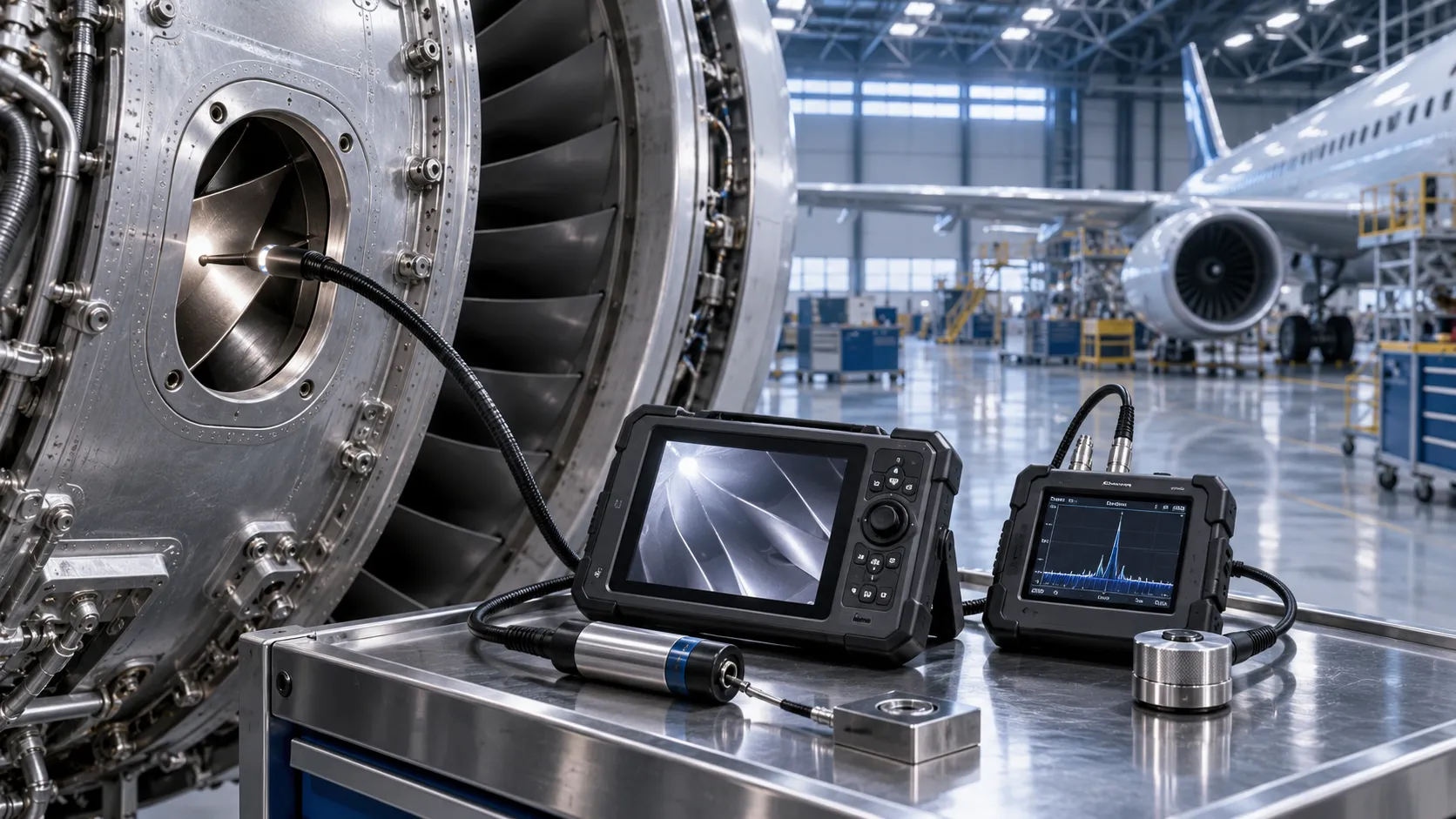
How to Select Aerospace Inspection Tools for Aircraft Maintenance Tasks
Aerospace maintenance inspection tools: learn how to select reliable, traceable equipment for aircraft access, accuracy, calibration, and compliant maintenance decisions.

How to Select Wire Bonding Tools for Fine-Pitch Semiconductor Packaging
Explore semiconductor manufacturing tools for wire bonding and learn how to select precision solutions for fine-pitch packaging, reliable loops, accuracy, and yield.
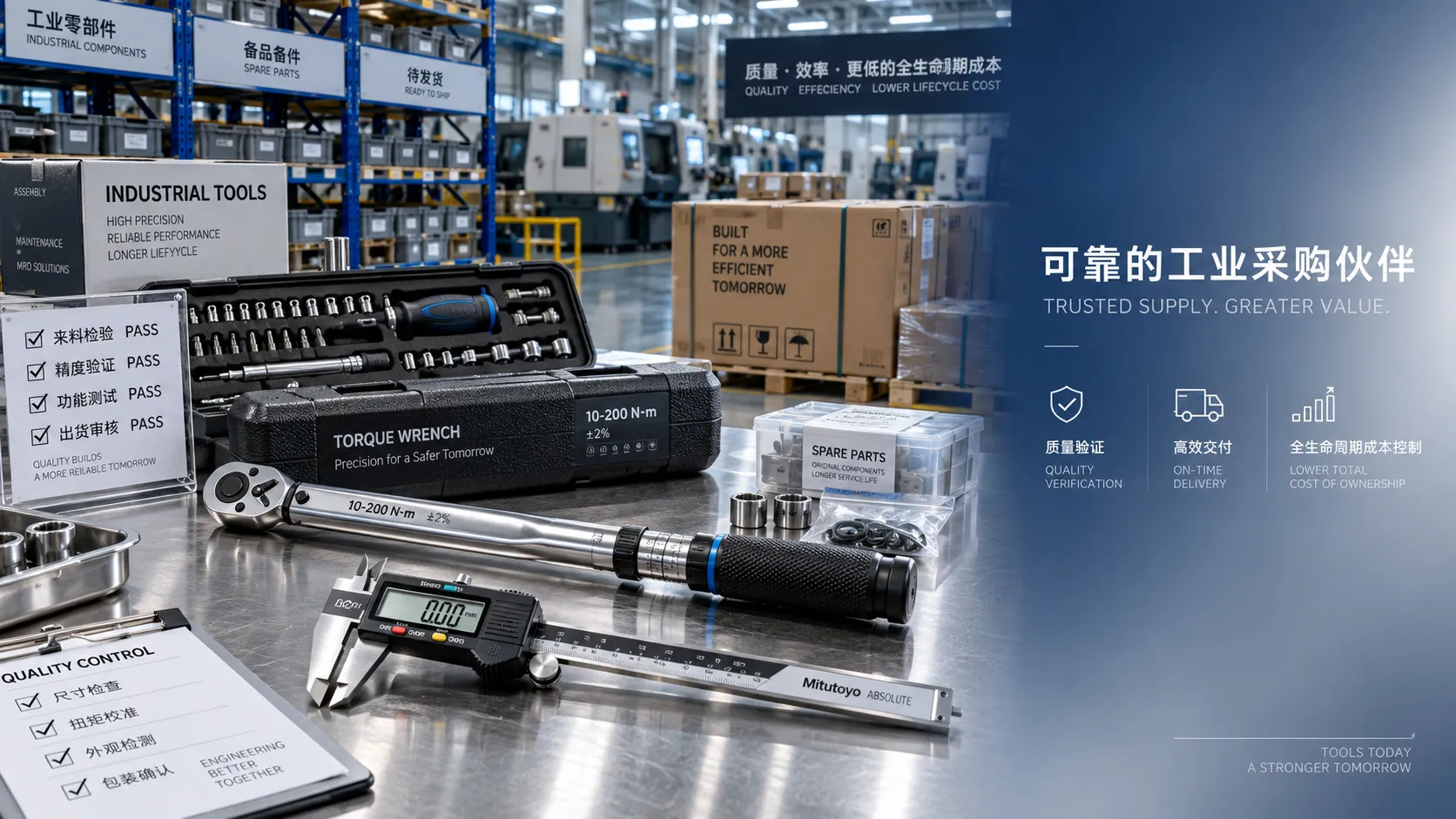
How to Compare Industrial Tool Suppliers for Quality, Lead Time, and Total Cost
Industrial tool selection supplier comparison made simple: evaluate quality, lead times, total cost, service, and supply resilience for confident sourcing decisions.
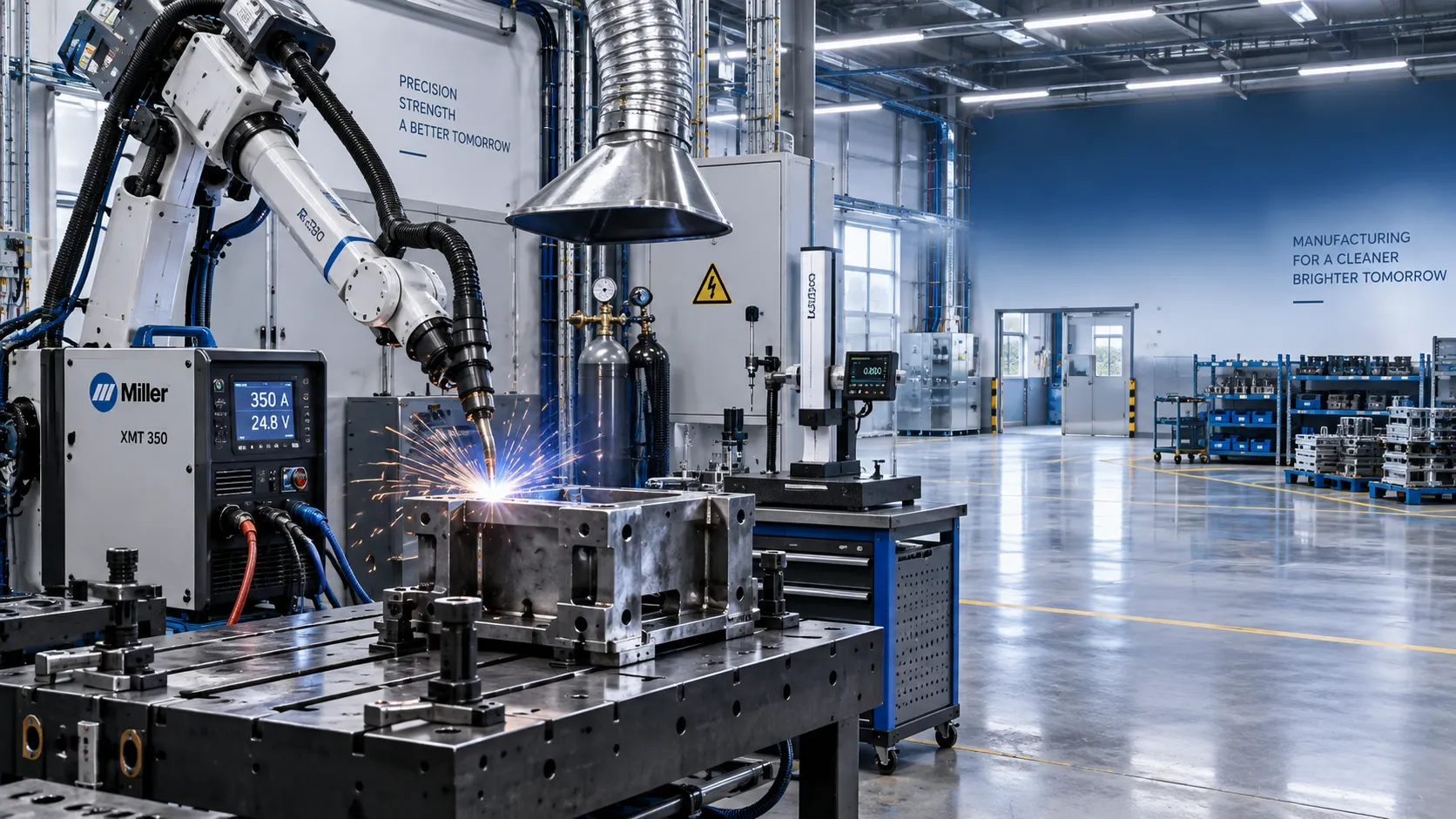
Industrial Equipment Application Guidance: Match Machines to Operating Conditions
Application guidance industrial equipment: match capacity, duty cycle, materials, site conditions, safety, and lifecycle cost to improve reliable output. Read the guide.
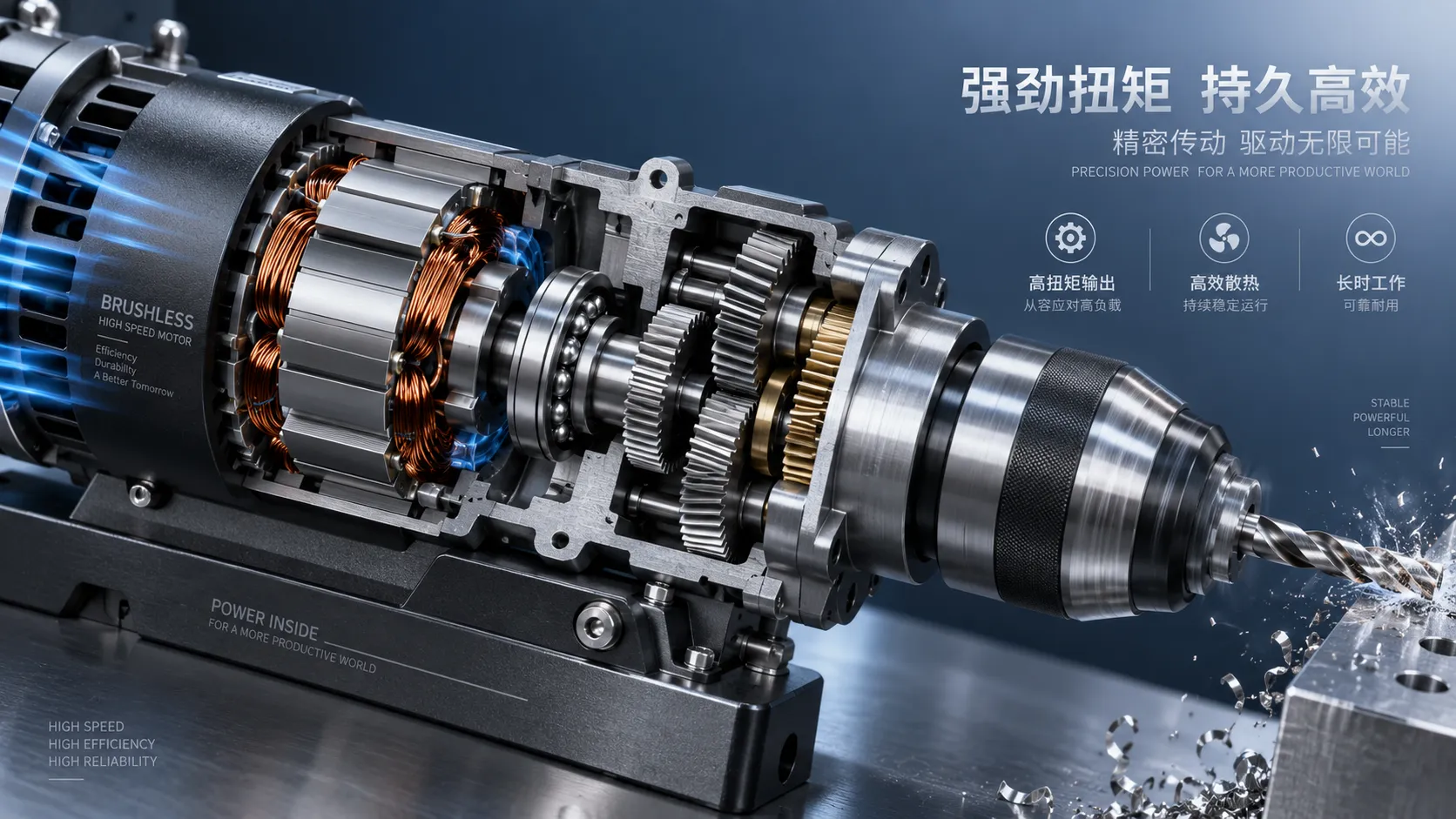
Selecting High-Speed Brushless Tool Motors for Torque, Heat, and Duty Cycle
High speed brushless tool motors: learn how to balance torque, heat, gearing, and duty cycle for reliable industrial tool performance and longer service life.
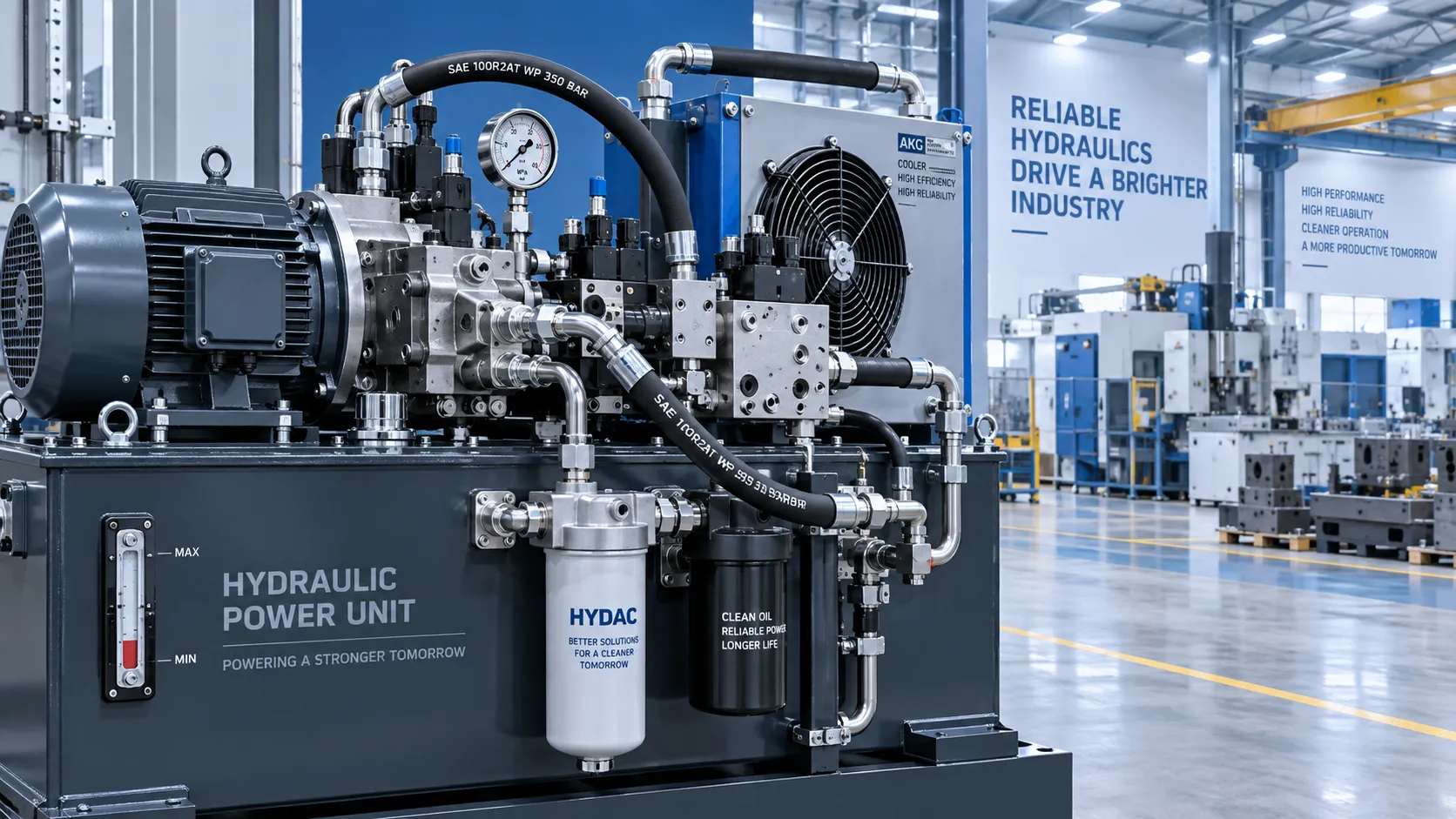
What Determines Industrial Hydraulic System Price for Heavy-Duty Equipment?
Industrial hydraulic system price depends on duty cycle, pressure, components, cooling, and integration. Compare quotes intelligently to secure reliable heavy-duty performance.
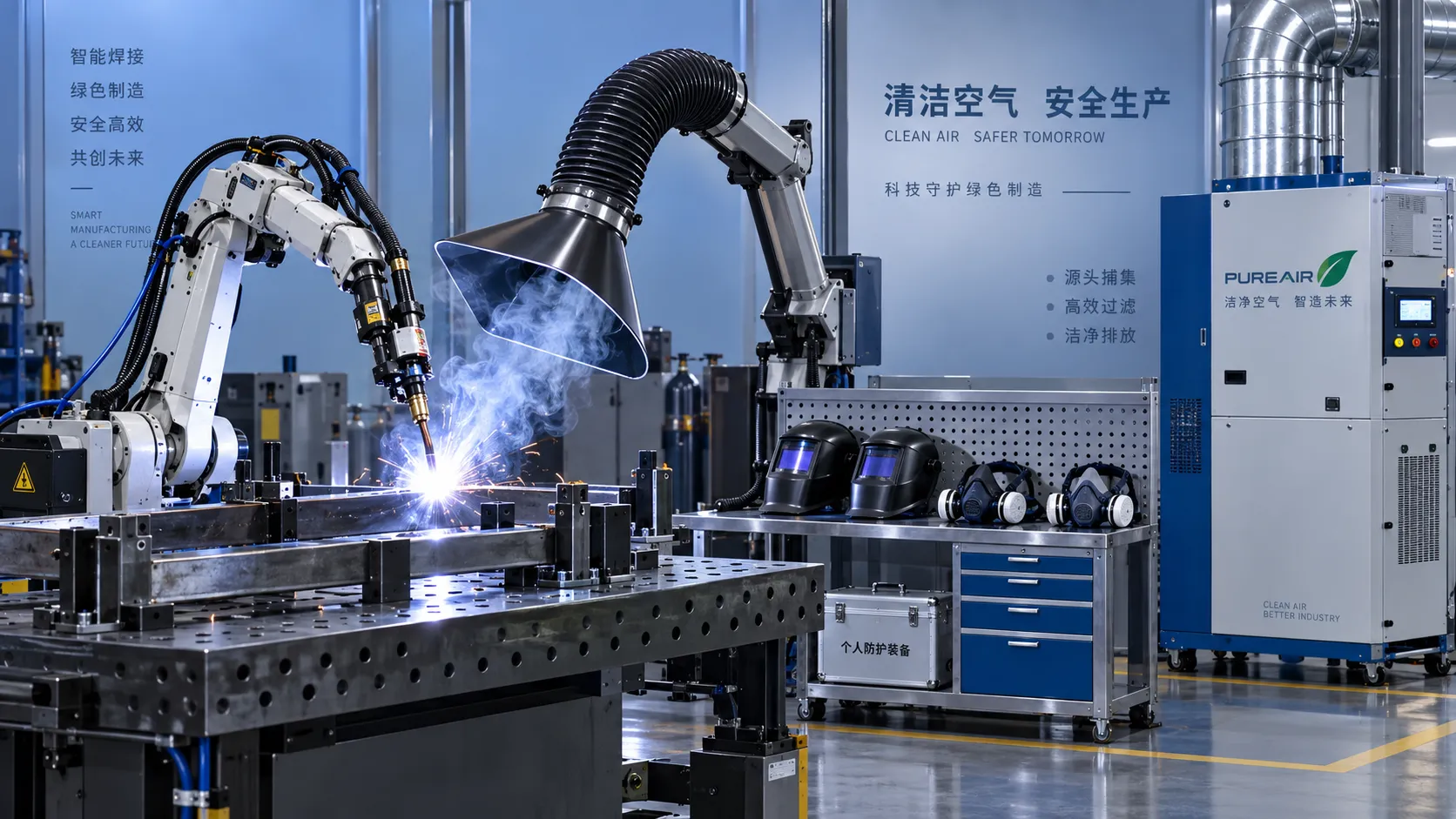
Welding Fume Extraction PPE: When Respirators Are Not Enough for Shop Safety
Welding fume extraction PPE: learn why respirators alone fall short and how source capture, ventilation, and layered controls improve shop safety.

How to Select Optical Metrology Solutions for Tight-Tolerance Manufacturing
Optical industrial metrology solutions for tight-tolerance manufacturing: evaluate accuracy, surface compatibility, workflow, and traceability to select with confidence.

Ergonomic Standards for Assembly Workstations: A Practical Compliance Checklist
Ergonomic standards assembly checklist for safer, compliant workstations—optimize posture, reach, tools, manual handling, lighting, and repetition while supporting quality and productivity.
Related News
- 00
0000-00
Selecting Adjustable Torque Tools for Repeatable Fastener Assembly - 00
0000-00
How to Select Aerospace Inspection Tools for Aircraft Maintenance Tasks - 00
0000-00
How to Select Wire Bonding Tools for Fine-Pitch Semiconductor Packaging - 00
0000-00
Industrial Equipment Application Guidance: Match Machines to Operating Conditions - 00
0000-00
Selecting High-Speed Brushless Tool Motors for Torque, Heat, and Duty Cycle
Prof. Marcus Chen
Weekly Insights
Stay ahead with our curated technology reports delivered every Monday.