
Industrial Equipment Application Guidance: Match Machines to Operating Conditions





Industrial equipment delivers reliable results only when its capacity, duty cycle, controls, and physical form match the conditions in which it will actually operate. A machine that appears sufficient on a specification sheet can become the source of delay, rework, safety exposure, or unexpected operating cost when the material varies, access is restricted, utilities are unstable, or the workload is more continuous than assumed.
The practical question is not “Which machine has the highest rating?” It is whether the equipment can produce the required output, at the required quality level, for the required duration, within the constraints of the site. Effective application guidance for industrial equipment begins by defining those operating conditions before comparing models, suppliers, or purchase prices.
Start with the work, not the machine category
Equipment categories are broad enough to conceal critical differences. A welding power source, hydraulic torque tool, portable compressor, laser alignment device, or industrial drill may all be described by a headline capacity. That headline figure is rarely enough to determine suitability.
Define the operation in terms that can be tested against equipment capability:
- Output requirement: required torque, weld penetration, air volume, cutting depth, lifting force, measurement tolerance, or fastening accuracy.
- Workload profile: isolated tasks, repeated batch work, extended shifts, or intermittent emergency maintenance.
- Material condition: thickness, grade, coating, corrosion state, hardness, surface contamination, and dimensional variation.
- Quality consequence: whether an imperfect result is cosmetic, repairable, production-stopping, or safety-critical.
- Operating environment: temperature, moisture, dust, vibration, ventilation, confined access, elevation, and available power.
- Human interface: required reach, tool weight, operator posture, visibility of the work area, and the risk of incorrect setup.
This conversion from a general scope of work into operating requirements prevents a frequent mistake: selecting industrial equipment based on its maximum capability rather than its stable working range. Maximum output may be relevant for a short exceptional task, but it is a poor basis for specifying equipment intended for repeated production work.
A handheld metalworking tool rated for a particular load, for example, may meet the nominal requirement but become unsuitable if the task demands sustained operation at that level. Heat buildup, battery recovery time, motor protection, consumable wear, and operator fatigue can reduce actual throughput far below the planned figure. The same principle applies to welding equipment selected by peak amperage, pumps selected by maximum pressure, and measuring devices selected by their smallest displayed increment.
Duty cycle is a schedule variable, not a footnote
Duty cycle is often treated as a technical detail to be checked after a machine has been shortlisted. In reality, it affects manpower allocation, work sequencing, cooling intervals, and contingency planning. Equipment that must pause to avoid thermal overload can be perfectly acceptable for repair work but unsuitable for a fabrication cell with limited float in the schedule.
Duty cycle must be read together with the actual output setting and ambient conditions. A published duty cycle is generally tied to defined test conditions. Higher ambient temperature, restricted airflow, dirty filters, long extension cables, fluctuating supply voltage, or continuous high-load use can reduce practical availability. A machine operating in a sheltered workshop and the same model used in an enclosed field location should not be assumed to have identical performance margins.
For schedule planning, convert the duty-cycle limitation into productive minutes per hour at the anticipated setting. Then account for setup, repositioning, inspection, consumable changes, cooling, and corrective work. This provides a more useful production basis than a nameplate rating.
Where the work is highly repetitive, a machine with a lower nominal maximum but a stronger continuous-duty capability can be the more productive choice. Where demand is irregular, buying continuous-duty capacity that will remain idle may add cost and complexity without improving delivery performance.
Material variability determines whether nominal capacity is meaningful
Material descriptions in project documentation can be less precise than equipment selection requires. “Steel,” “stainless,” “aluminium,” “concrete,” or “structural fastening” does not establish the conditions that govern machine performance.
Metal joining illustrates the issue clearly. Material thickness is necessary information, but it does not resolve weldability, heat input requirements, joint design, coating removal, distortion control, or access for shielding gas and torch movement. Galvanized surfaces, painted components, contaminated repair areas, and mixed-material assemblies introduce conditions that can change the appropriate process and safety controls. A machine selected solely for its ability to weld a stated thickness may not support the required process stability or finish quality.
In drilling, cutting, and fastening applications, nominal material thickness can be equally misleading. Hardened inserts, embedded reinforcement, work-hardened stainless steel, uneven castings, or corroded fasteners change the load on the tool and the wear rate of consumables. If these conditions are predictable, they belong in the selection criteria. If they are uncertain, the project needs a defined verification stage rather than relying on the most optimistic assumption.
Measurement equipment requires similar discipline. Resolution is not accuracy, and neither alone establishes fitness for use. The required measurement uncertainty depends on the tolerance being controlled, the reference standard, thermal condition of the part, mounting stability, and operator method. A caliper with a fine display may not be appropriate for a feature whose acceptance decision requires a more controlled measuring system.
Site constraints can overturn an otherwise sound selection
Industrial equipment is often specified in an office environment and deployed in a location that imposes different limits. Before committing to a machine, confirm the conditions surrounding its use rather than focusing only on the process it performs.
Electrical supply requires more than a voltage check. Confirm phase availability, frequency compatibility, circuit capacity, protective devices, earthing arrangements, cable run length, and voltage drop under load. Motor-driven equipment, inverter welding systems, chargers, pumps, and compressors can be sensitive to poor supply quality. An undersized generator or long, unsuitable cable can result in nuisance trips, low output, overheating, or unstable operation.
Physical access affects both equipment size and the feasibility of safe handling. Consider doorway dimensions, stairways, lifting points, floor load limits, crane coverage, service clearances, and the path required to move the machine after installation. Portable equipment avoids some access problems but introduces others: cable management, securing the unit, exposure to damage, and repeated setup variation.
Environmental exposure is not limited to whether work is indoors or outdoors. Fine dust can impair cooling and contaminate optical surfaces. Moisture can affect electrical safety and compressed-air quality. Wind can disrupt gas-shielded welding. High heat may reduce available duty cycle. Low temperature can alter battery behavior, hydraulic response, and material handling. Equipment protection ratings, enclosure design, filtration needs, and storage arrangements should be checked against the actual exposure rather than treated as generic product features.
Ventilation and extraction must be considered as part of the equipment application, not as a separate facilities issue. Cutting, grinding, welding, surface preparation, and certain adhesive or coating operations may require local exhaust, filtration, or controlled work zones. A technically capable process is not ready for deployment if the necessary fume, dust, fire, or gas controls cannot be established at the work point.
Build quality control into the application method
Equipment selection and quality planning should be linked. A machine can be technically suitable yet still generate inconsistent results if the setup method depends too heavily on individual judgement or if verification occurs only after a large quantity of work has been completed.
The more costly the defect, the earlier the control point should appear. For a critical fastening task, this may mean using a controlled torque-and-angle procedure, appropriate reaction restraint, calibrated equipment, and traceable records where required by the governing specification. For welding, controls may include qualified procedures, material identification, joint preparation, parameter ranges, consumable handling, and inspection appropriate to the acceptance requirement. For dimensional work, the measurement method should establish datum control, gauge suitability, calibration status, and environmental limitations.
Automation and digital controls can improve repeatability, but only when they reflect the real process. A programmable torque system cannot compensate for incorrect joint condition. A digitally controlled welding system cannot correct poor fit-up or improper shielding. A connected measuring device can record a value precisely while the part remains thermally unstable. The equipment should make the correct method easier to execute, not create false confidence that the method no longer matters.
Safety capability must be assessed at task level
Safety review should examine the complete task: energy source, workpiece, operator position, adjacent activities, foreseeable misuse, and failure modes. Equipment safety features are valuable, but they do not eliminate hazards created by the application.
A high-speed cutting tool may have an effective guard, yet still be inappropriate where the workpiece cannot be restrained. A lifting device may meet its rated load requirement, yet the lift remains unacceptable if the load’s center of gravity is uncertain or the travel path is obstructed. A handheld laser welding system involves not only process performance but also controlled access, eye and skin protection, reflective surfaces, fume control, fire prevention, and procedures suitable for the laser classification and local regulatory framework.
Safety-related selection should also consider recovery from error. Machines that fail to a safe state, prevent unintended restart, provide clear status indication, or support controlled parameter access can reduce exposure during abnormal conditions. These functions matter most where setup is frequent, crews change, or work occurs across multiple locations.
Compare lifecycle cost through the operating model
Purchase price is visible and immediate; the costs created by a poor equipment match appear later through lost time, excessive consumable use, repairs, poor quality, logistics disruption, and premature replacement. A useful comparison considers the machine as part of an operating model.
Relevant cost elements include energy demand, consumables, wear parts, planned maintenance, calibration, spare-parts availability, training time, accessory requirements, transport, storage, and downtime during repair. For mobile equipment, battery platforms, charging logistics, connector compatibility, and fleet standardization can be material factors. For fixed equipment, installation work, utility connections, guarding, commissioning, and future relocation may outweigh an apparent saving on the machine itself.
Serviceability deserves specific attention. Availability is not only a function of reliability; it also depends on how quickly filters, liners, seals, brushes, cables, batteries, optics, or control components can be inspected and replaced. Proprietary consumables or limited local service coverage can create a schedule risk even when the original equipment price is attractive.
Lifecycle evaluation should not automatically favor the most expensive option. It should identify the lowest-risk solution that can meet required output and quality over the equipment’s planned use period. A premium configuration with complex features may be difficult to justify for occasional low-consequence work. Conversely, a low-cost machine can be expensive when failure or inconsistency interrupts a constrained project sequence.
Use acceptance testing to close the gap between specification and application
For equipment that affects critical path activities, quality acceptance, or safety controls, selection should not end with document review. A defined acceptance test can expose mismatches before full deployment. The test should reflect the actual job: representative material, intended consumables, realistic settings, expected access conditions, and the planned method of operation.
The objective is not merely to prove that the machine functions. It is to confirm that the required result can be achieved repeatedly, within the available time and with the controls that can realistically be maintained on site. Record the operating parameters, observed limitations, required accessories, inspection method, and any conditions that must be controlled during execution.
This is especially important when a proposed machine replaces an established process, combines several functions, introduces battery power into a high-duty application, or uses digital features that affect traceability and access control. Early verification is less disruptive than discovering a limitation after work fronts have opened and dependent activities are waiting.
The strongest equipment decision is rarely the one with the longest feature list. It is the one that makes the intended work repeatable under the conditions that will actually exist: the right load range, a workable duty cycle, compatible utilities, controllable safety exposure, verifiable quality, and maintainable availability. When those conditions are defined before procurement, industrial equipment becomes a controlled project resource rather than an uncertain variable in delivery.
Related News
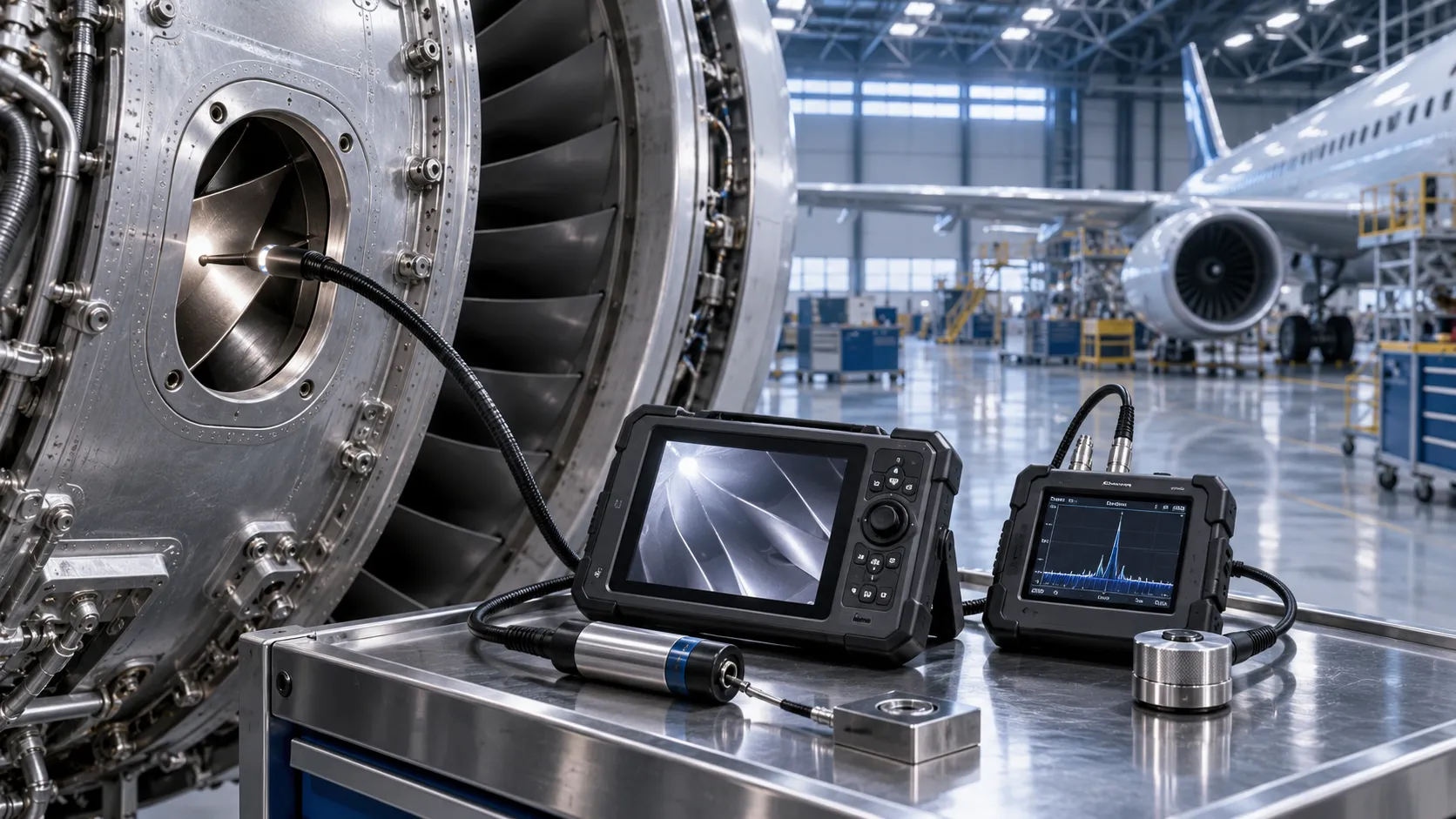
How to Select Aerospace Inspection Tools for Aircraft Maintenance Tasks
Aerospace maintenance inspection tools: learn how to select reliable, traceable equipment for aircraft access, accuracy, calibration, and compliant maintenance decisions.

How to Select Wire Bonding Tools for Fine-Pitch Semiconductor Packaging
Explore semiconductor manufacturing tools for wire bonding and learn how to select precision solutions for fine-pitch packaging, reliable loops, accuracy, and yield.
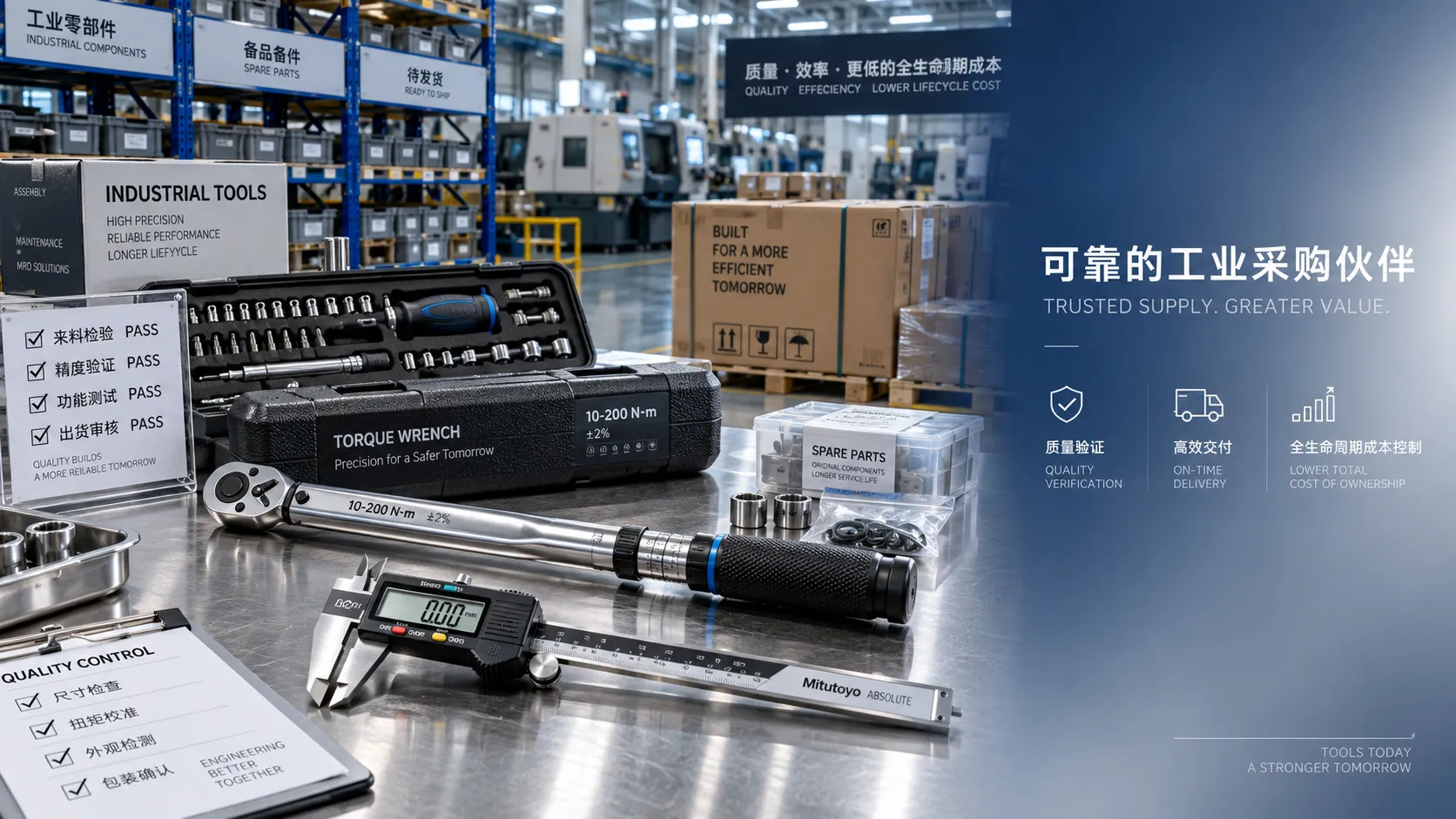
How to Compare Industrial Tool Suppliers for Quality, Lead Time, and Total Cost
Industrial tool selection supplier comparison made simple: evaluate quality, lead times, total cost, service, and supply resilience for confident sourcing decisions.
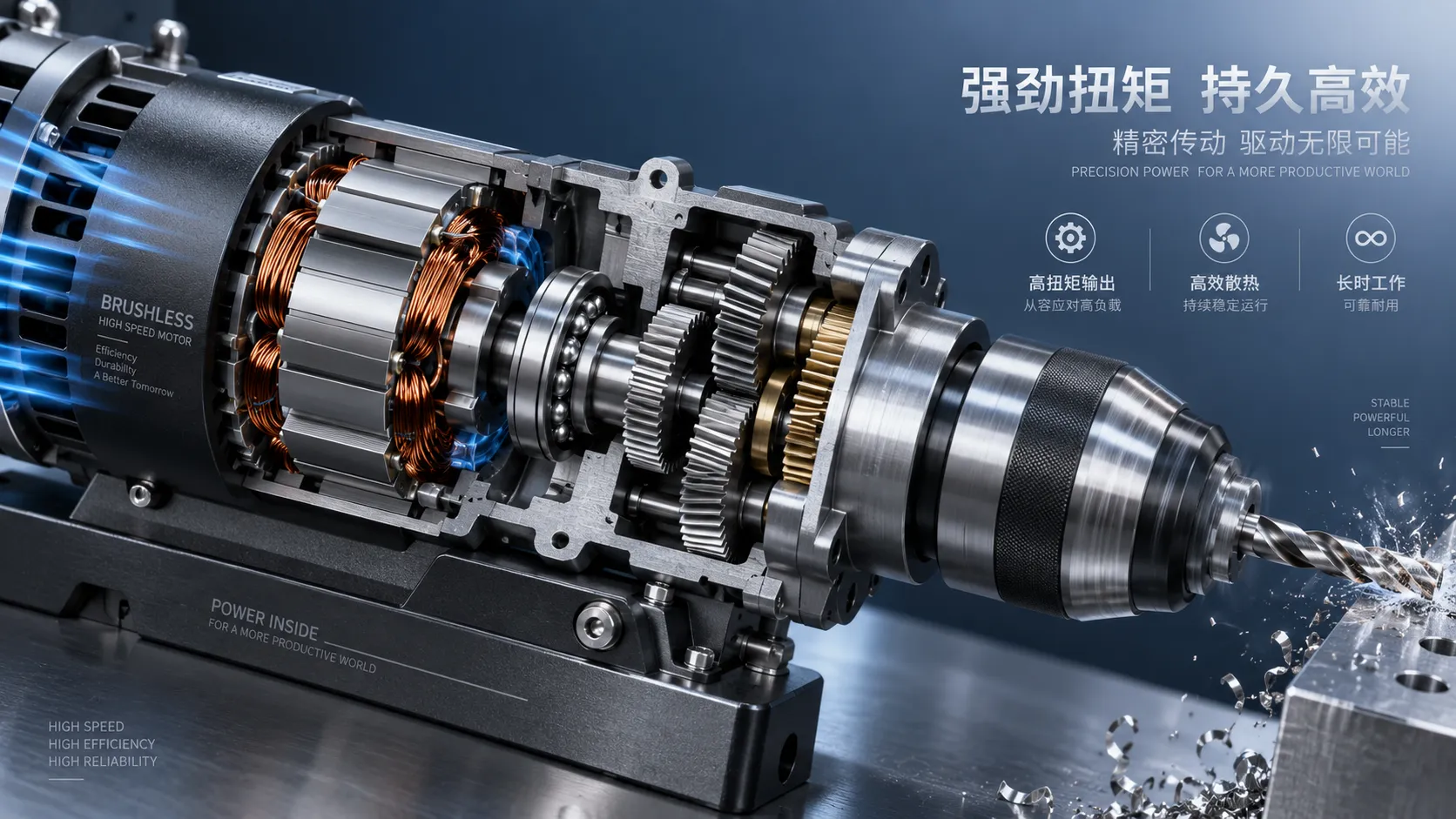
Selecting High-Speed Brushless Tool Motors for Torque, Heat, and Duty Cycle
High speed brushless tool motors: learn how to balance torque, heat, gearing, and duty cycle for reliable industrial tool performance and longer service life.
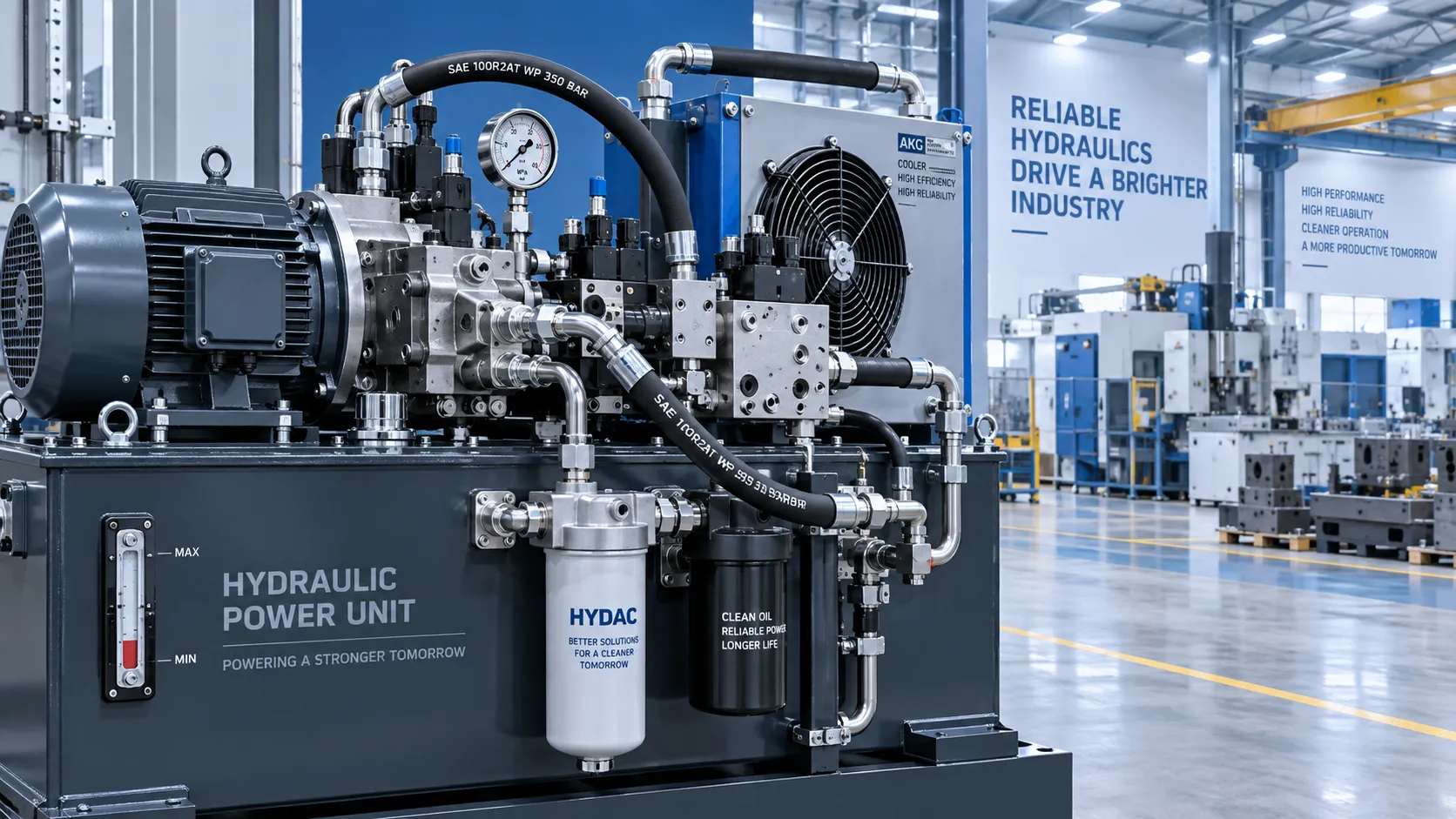
What Determines Industrial Hydraulic System Price for Heavy-Duty Equipment?
Industrial hydraulic system price depends on duty cycle, pressure, components, cooling, and integration. Compare quotes intelligently to secure reliable heavy-duty performance.
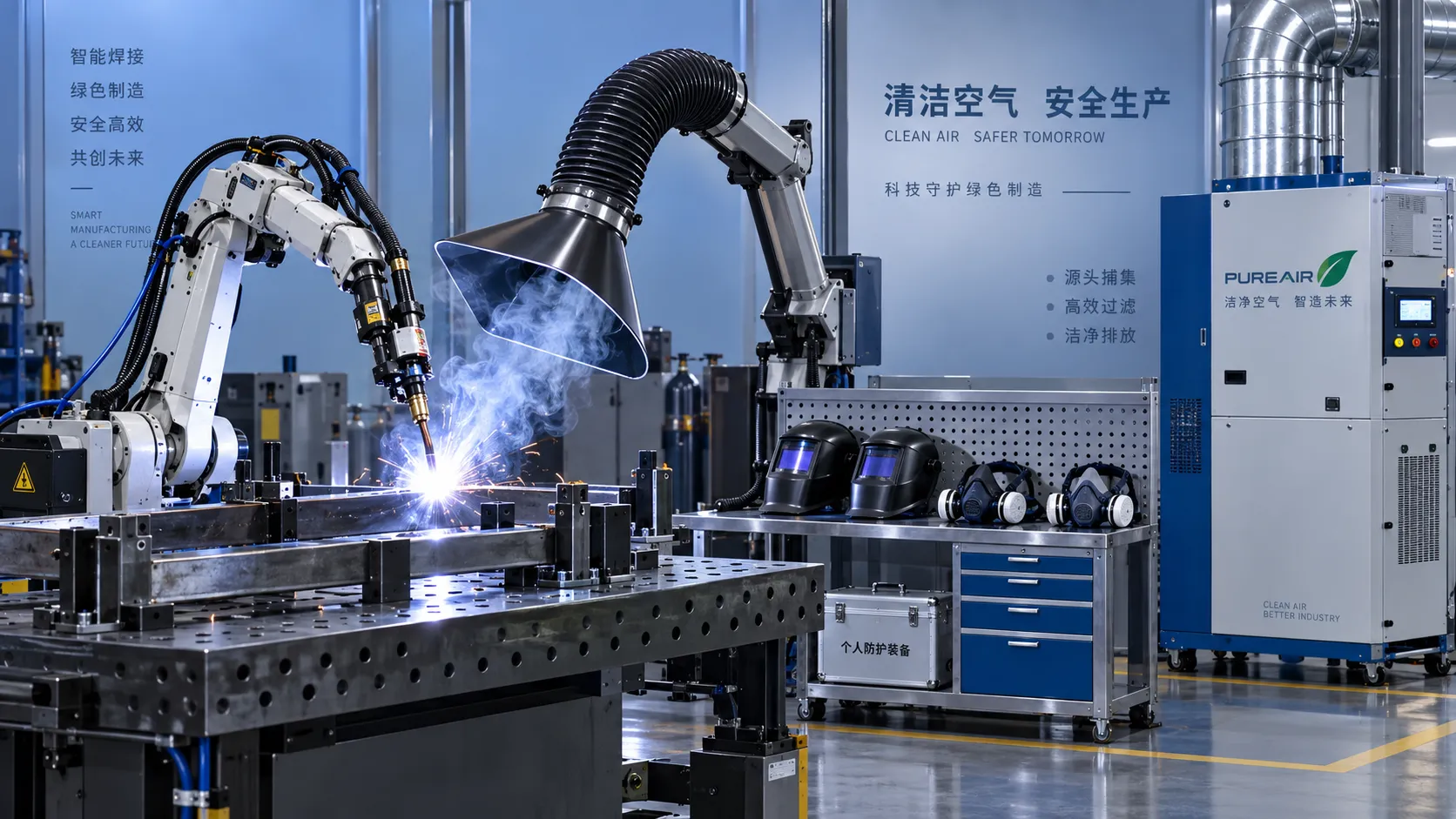
Welding Fume Extraction PPE: When Respirators Are Not Enough for Shop Safety
Welding fume extraction PPE: learn why respirators alone fall short and how source capture, ventilation, and layered controls improve shop safety.
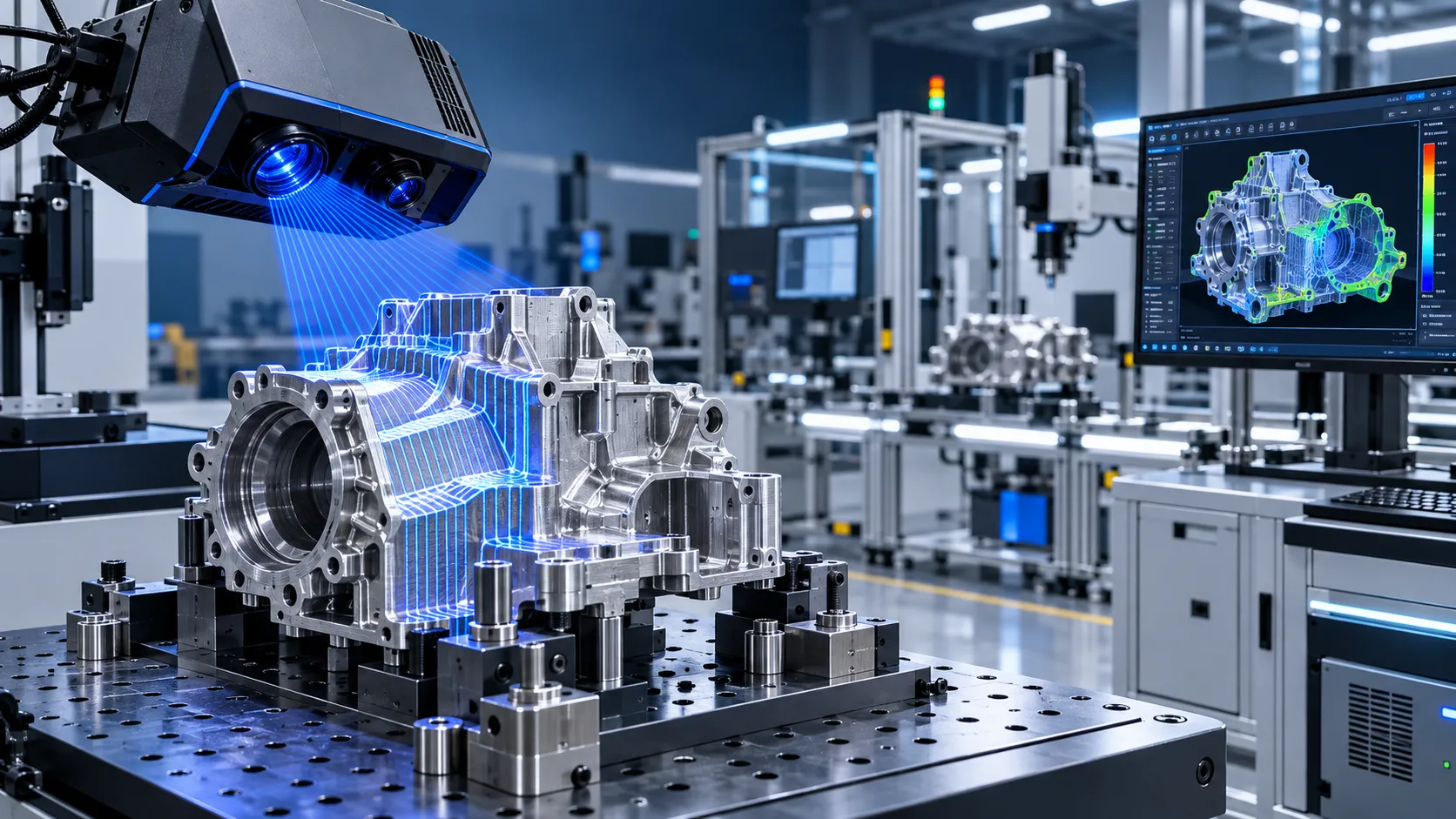
How to Select Optical Metrology Solutions for Tight-Tolerance Manufacturing
Optical industrial metrology solutions for tight-tolerance manufacturing: evaluate accuracy, surface compatibility, workflow, and traceability to select with confidence.
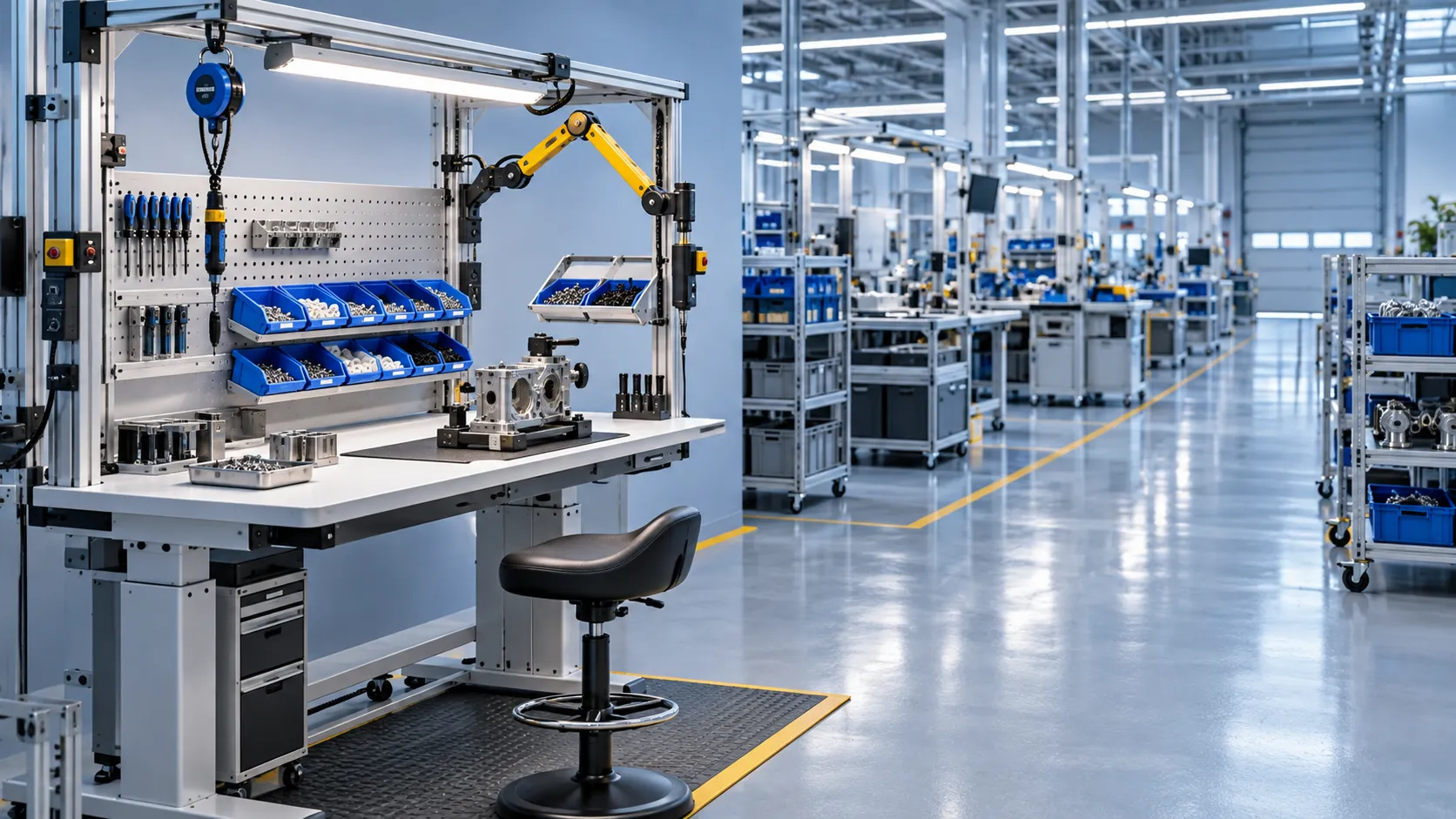
Ergonomic Standards for Assembly Workstations: A Practical Compliance Checklist
Ergonomic standards assembly checklist for safer, compliant workstations—optimize posture, reach, tools, manual handling, lighting, and repetition while supporting quality and productivity.
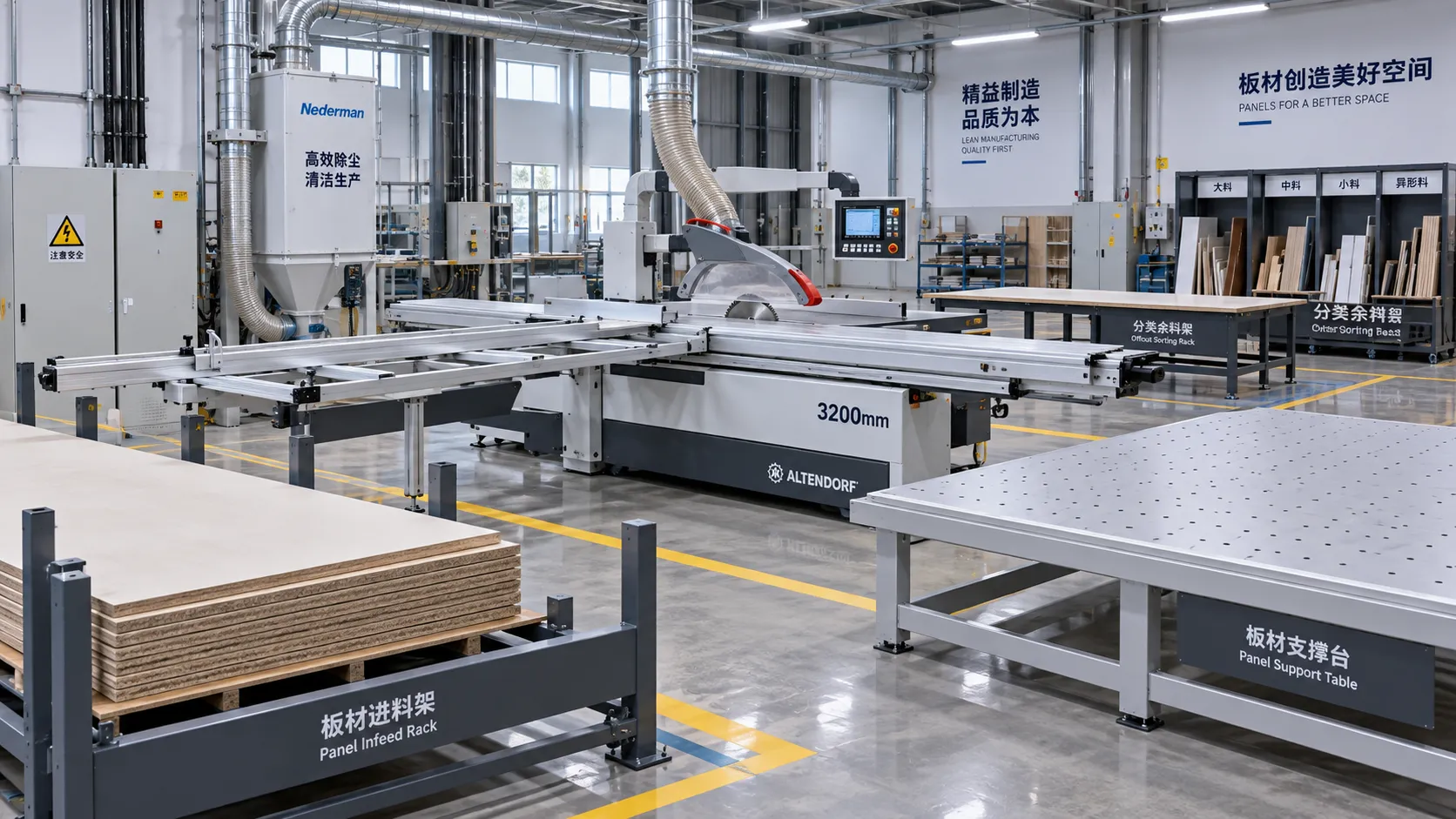
Planning Access, Material Flow, and Clearance Around a 3200mm Sliding Saw
ZD350 sliding table saw dimensions: plan safe access, smooth panel flow, and practical clearance for 3200mm sliding saw operations. Explore layout guidance now.
Related News
- 00
0000-00
How to Select Aerospace Inspection Tools for Aircraft Maintenance Tasks - 00
0000-00
How to Select Wire Bonding Tools for Fine-Pitch Semiconductor Packaging - 00
0000-00
Industrial Equipment Application Guidance: Match Machines to Operating Conditions - 00
0000-00
Selecting High-Speed Brushless Tool Motors for Torque, Heat, and Duty Cycle - 00
0000-00
How to Select Optical Metrology Solutions for Tight-Tolerance Manufacturing
Prof. Marcus Chen
Weekly Insights
Stay ahead with our curated technology reports delivered every Monday.