



Choosing the right industrial tool supplier requires more than comparing unit prices. Procurement teams must balance verified quality, realistic lead times, lifecycle cost, technical support, and supply-chain resilience.
An effective industrial tool selection supplier comparison should identify which vendor can protect production continuity, reduce quality failures, and support maintenance requirements over the full operating life.
For buyers sourcing welding equipment, assembly tools, torque systems, hydraulic equipment, or precision measuring instruments, the wrong supplier can create costly operational disruption.
The strongest decision combines objective supplier evidence with a weighted evaluation model. Price matters, but it should be assessed alongside performance risk, service capability, and total landed cost.
Start With the Actual Operating Requirement
Before requesting quotations, define the application rather than simply listing a product model. Suppliers cannot provide a reliable recommendation when the operating conditions remain unclear.
Document the material being processed, production volume, duty cycle, required precision, available power source, operator skill level, and environmental exposure at the worksite.
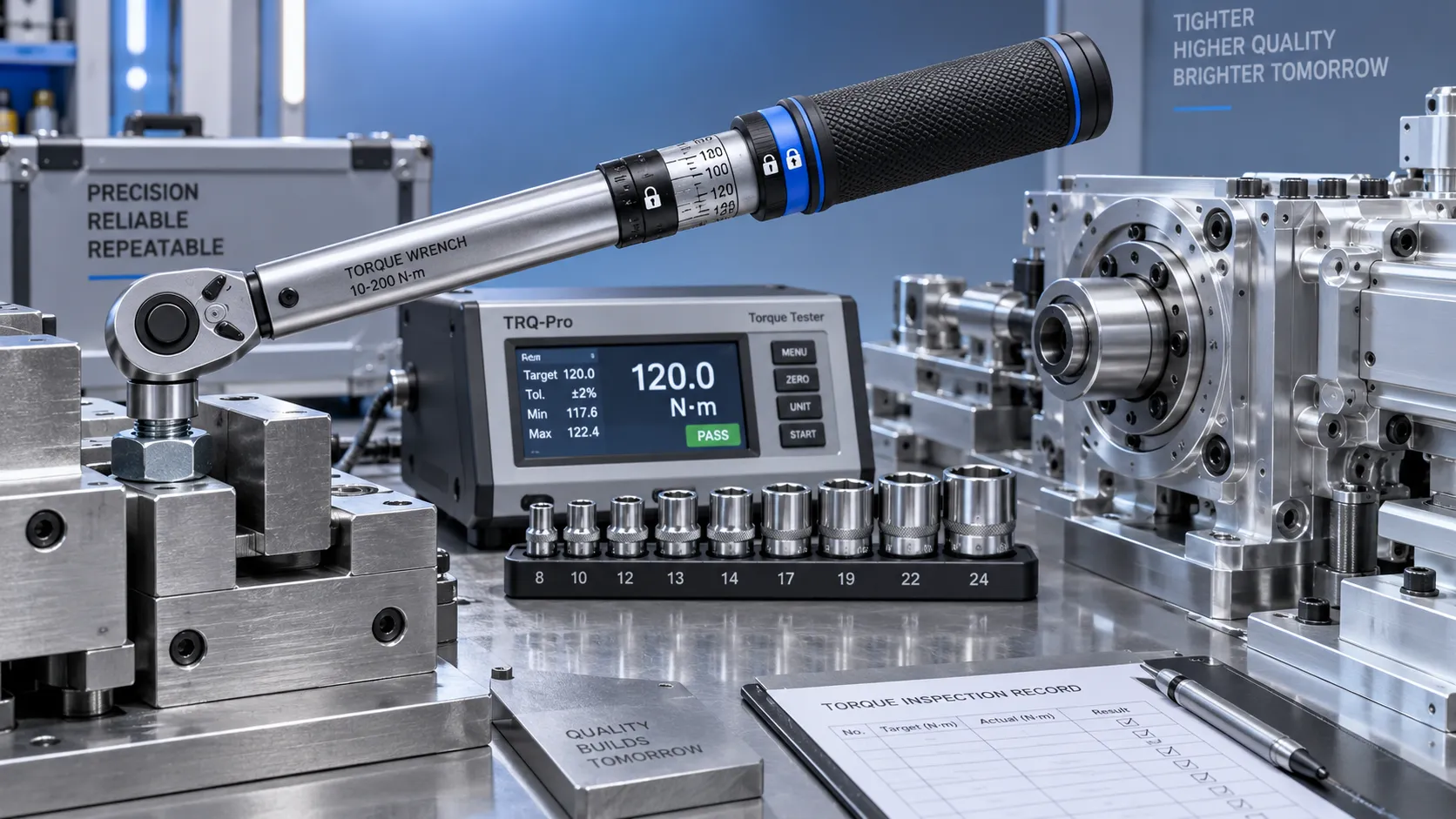
For assembly tools, include torque range, tolerance requirements, fastening traceability, cycle frequency, and whether the tool must integrate with an existing production control system.
For welding products, specify material thickness, joint type, required weld appearance, safety expectations, consumable compatibility, and whether portable or automated equipment is needed.
Precision metrology purchases need equally detailed requirements. Measurement range, resolution, repeatability, calibration interval, data output, and environmental stability can materially affect supplier suitability.
A clear requirement sheet prevents suppliers from competing only on a superficially similar item. It also reveals whether proposed alternatives genuinely meet the manufacturing application.
Procurement should involve engineering, maintenance, quality, and production supervisors early. Their input exposes practical constraints that a purchasing specification may otherwise overlook.
Compare Quality Evidence, Not Product Claims
Industrial tool quality should be evaluated through evidence that can be verified, not through catalog language, attractive product photography, or broad claims about professional performance.
Ask suppliers for relevant quality certifications, factory audit reports, incoming inspection procedures, traceability records, and documented controls for critical components and calibration equipment.
ISO 9001 certification can indicate a controlled quality management system, but it does not independently prove that every tool model meets demanding production conditions.
Review product-specific test results whenever possible. Depending on the category, these may include torque accuracy, runout, insulation resistance, load capacity, cycle life, or weld stability.
For precision instruments, request calibration certificates with traceability to recognized standards. Confirm whether certificates cover the delivered serial number rather than a representative sample.
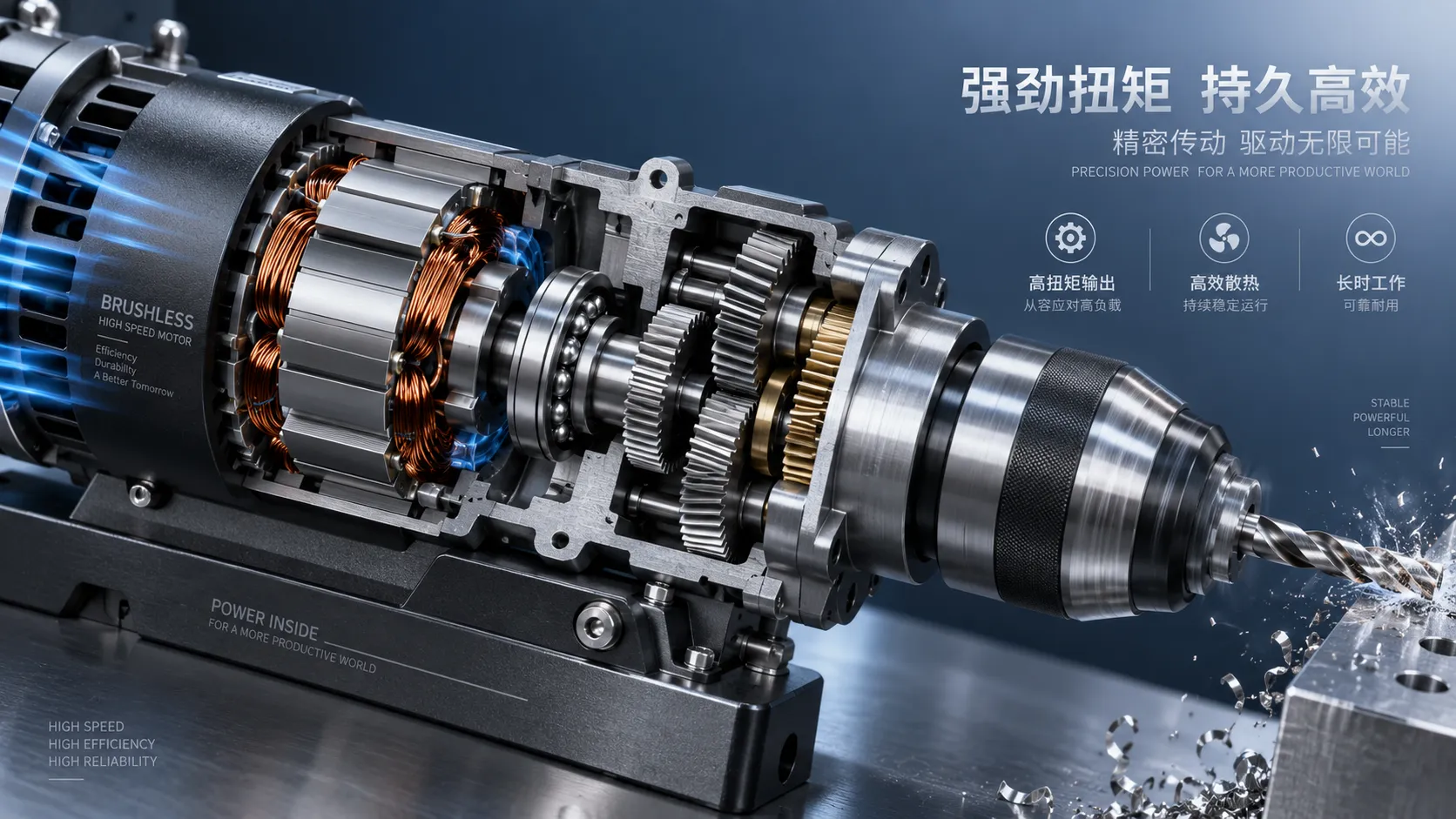
For powered tools, evaluate motor durability, gearbox construction, thermal protection, battery platform support, switch reliability, and the consistency of replacement parts across production batches.
A sample trial is often more valuable than a supplier presentation. Test the tool under normal workload conditions, then record accuracy, operator feedback, fatigue, downtime, and maintenance needs.
Assess Supplier Quality Systems and Corrective Action Capability
Product quality is only one part of supplier risk. Buyers should also determine how a supplier responds when nonconforming tools, delayed shipments, or field failures occur.
Ask how the supplier manages complaints, root-cause analysis, corrective actions, and replacement decisions. A credible supplier can explain its process using recent anonymized examples.
Strong suppliers distinguish between immediate containment and permanent correction. They can isolate affected stock quickly while investigating whether design, assembly, packaging, or logistics caused the issue.
Review warranty terms carefully, especially exclusions related to commercial use, wear components, improper calibration, electrical damage, or use outside stated operating limits.
Warranty length is less meaningful than warranty execution. Confirm local service locations, turnaround targets, return freight responsibility, and whether replacement stock is available before inspection concludes.
For critical production tools, request failure-rate data or service histories where available. Suppliers may not share all details, but their willingness to discuss reliability is informative.
A supplier that treats quality problems as procurement disputes can create extended production risk. Prefer vendors with technical staff empowered to resolve operational issues quickly.
Validate Lead Times Against Your Production Reality
Quoted lead time is frequently misunderstood. Buyers should establish whether it means factory production time, dispatch time, port departure, delivery to site, or complete commissioning.
Ask suppliers to separate standard-stock items, configured products, custom tools, spare parts, calibration services, and repair returns within their lead-time quotation.
A supplier offering a short factory lead time may still depend on overseas components, constrained freight routes, customs clearance, or third-party distributors with limited inventory visibility.
Request historical on-time delivery performance for comparable customers or product categories. A realistic average and documented variance are more useful than an optimistic standard promise.
For project-based purchases, identify the critical path. Delayed torque controllers, welding consumables, gauges, or proprietary batteries can stop installation even when major equipment arrives.
Determine whether the supplier maintains regional inventory, safety stock, repair exchange units, and commonly replaced consumables. These capabilities can reduce downtime after initial delivery.
Include lead-time commitments in the purchasing agreement when timing is business-critical. Define escalation contacts, partial shipment rules, and remedies for repeated delivery failures.
Calculate Total Cost Instead of Comparing Unit Price
Total cost of ownership is the central financial measure in a serious industrial tool selection supplier comparison. The purchase price is only the first visible cost.
Start with unit price, freight, insurance, duties, taxes, inspection costs, installation, commissioning, operator training, and any necessary adapters, fixtures, or software licenses.
Then estimate operating costs, including energy use, consumables, routine maintenance, calibration, repair labor, spare parts, battery replacement, and expected production interruptions.
A lower-cost tool may require frequent adjustment, consume more consumables, or fail prematurely. These consequences can exceed the initial price difference within a short operating period.
For precision tools, cost should include calibration downtime and the risk of measurement error. Incorrect inspection results can lead to scrap, rework, warranty exposure, or customer rejection.
For welding equipment, compare deposition efficiency, consumable availability, operator productivity, power consumption, rework rates, and safety-related costs instead of machine price alone.
Use a common evaluation period, such as three or five years. Apply reasonable assumptions consistently so every supplier is assessed using the same operational baseline.
Evaluate Technical Support and After-Sales Service
Technical support becomes critical after delivery, particularly when tools are integrated into production processes with tight throughput, safety, accuracy, or compliance requirements.
Assess whether the supplier has application engineers, trained service technicians, calibration specialists, and accessible support channels in the regions where your facilities operate.
Ask who will handle setup, troubleshooting, programming, preventive maintenance, and emergency repair. The answer should identify actual service resources, not only a generic support email.
For connected assembly and torque systems, confirm support for software configuration, data integration, user permissions, firmware updates, and cybersecurity responsibilities throughout the equipment lifecycle.
Review training options for operators, maintenance personnel, and quality technicians. Good training reduces misuse, improves adoption, and helps teams detect performance drift before failures occur.
Spare-part availability deserves special attention. Request a recommended spare-parts list, expected delivery times, part obsolescence policy, and pricing structure for high-wear components.
A supplier with responsive service may justify a higher purchase price when downtime costs are substantial. The procurement decision should reflect that operational value explicitly.
Measure Supply-Chain Resilience and Commercial Stability
Supply continuity has become a core sourcing criterion for industrial tools. Buyers need visibility into where products are manufactured, assembled, stocked, and repaired.
Ask suppliers about single-source components, alternate manufacturing sites, key material exposure, inventory policies, export controls, and contingency plans for transport disruption.
Suppliers should be transparent about whether they manufacture products directly, operate as authorized distributors, or source from multiple third-party factories without stable model control.
Authorized distribution can provide strong value when it includes local inventory and service. However, buyers should verify authorization status and product traceability with the manufacturer.
For international purchases, examine currency exposure, payment terms, Incoterms, customs documentation, restricted materials, and the supplier’s experience with destination-market regulations.
Commercial stability also matters. Review the supplier’s years in operation, customer references, financial reliability indicators, insurance coverage, and capacity to honor long-term commitments.
A resilient supplier does not eliminate risk, but it provides visibility, alternatives, and a documented response process when disruption affects supply or technical support.
Use a Weighted Supplier Scorecard for Final Selection
A weighted scorecard converts a complex supplier comparison into a repeatable and auditable procurement decision. It also prevents unit price from dominating every discussion.
Typical criteria include product quality, technical compliance, total cost, delivery reliability, service capability, supply resilience, commercial terms, and sustainability or compliance requirements.
Assign weightings based on operational impact. A production-critical torque tool may require greater emphasis on accuracy, traceability, repair response, and spare-part availability than purchase price.
Conversely, standard consumables with broad market availability may justify a stronger focus on landed cost, stock availability, and consistent specification control across purchase orders.
Use evidence-based scoring definitions. For example, a top delivery score should require verified regional stock, documented on-time performance, and a contractual delivery commitment.
Keep a written record of assumptions, quotations, test outcomes, and stakeholder comments. This supports approval governance and improves future sourcing decisions when requirements change.
The final decision should consider more than the highest numerical score. Review major risks separately, especially when a lower-scoring supplier provides unique technology or capacity advantages.
Questions Procurement Teams Should Ask Before Awarding Business
Before selecting a supplier, ask whether the proposed tool meets the documented application requirement with verified performance, rather than relying on a catalog equivalence claim.
Ask for the realistic delivered lead time, including stock confirmation, production, transport, customs procedures, commissioning, and availability of accessories required for immediate use.
Request a complete cost model that identifies purchase price, freight, service, consumables, calibration, spare parts, training, repair exposure, and likely downtime costs.
Confirm the local support model, escalation route, warranty procedure, repair turnaround target, and whether critical spare parts are available within your operating region.
Determine how the supplier controls quality across batches, handles nonconforming products, and communicates product changes that may affect compatibility, accuracy, safety, or operator training.
Ask whether the supplier can provide relevant customer references from comparable industries, production volumes, environmental conditions, and regulatory environments without compromising confidentiality.
These questions create a disciplined basis for industrial tool selection supplier comparison and make it easier to defend the final award decision internally.
Conclusion: Select for Reliable Manufacturing Value
The best industrial tool supplier is rarely the vendor offering the lowest quoted price. It is the supplier that reliably meets application, quality, delivery, service, and cost expectations.
Procurement teams should begin with operational requirements, validate supplier evidence, test critical products, calculate lifecycle costs, and evaluate support before committing significant spend.
When quality, lead time, and total cost are assessed together, buyers can reduce production risk while building supplier relationships that support long-term manufacturing performance.
A structured supplier scorecard turns technical and commercial information into a practical decision. It helps purchasing teams choose tools that deliver measurable value beyond the purchase order.